

My greatest takeaways from the peace, justice and conflict studies program at Goshen College all revolve around the idea that ‘Nobody is the worst thing they have ever done. At Goshen, we thought endlessly about ways to better serve the world around us. We thought about how to build relationships with individuals who do not think or act like us. We learned about the importance of hearing others and them feeling heard.”
- Arts Programs
- Behavioral and Social Science Programs
- Business Programs
- Communication and Film Programs
- Computer & Technology Programs
- Education Programs
- English & Writing Programs Overview
- History Programs
- Language Programs
- Mathematics & Engineering Programs
- Nursing and Health Sciences
- Peace & Justice Programs
- Bible and Religion Programs
- Science Programs
- Undecided
- Interdisciplinary Studies

The crossroads of justice and peace
Learn how to confront injustice and build peace.
The Peace and justice studies minor examines how people and communities resolve conflict, promote justice and build more peaceful societies. As a result, you’ll learn to think critically and act courageously in the face of injustice, both locally and globally.
The minor also pairs with many majors, from social work and global studies to political science and beyond. Along the way, it deepens your understanding of structural violence, nonviolent social change, and community healing. Despite Goshen’s small setting, the work points outward — into real conflicts, real communities and the wider world. Above all, it asks what your own role as a peacemaker can be.

- #2nationally for graduates entering AmeriCorps and the Peace Corps (Washington Monthly, 2025)
- 50/50"Inside Out" course, where half the class are incarcerated and half are Goshen College students
- 30+years of Roots of Justice, the national anti-racism program your PJCS director co-founded
What you’ll study
The minor offers interdisciplinary course options that pair with a wide range of majors. You’ll explore topics like justice in a pluralistic society, mediation, conflict and communication, global poverty, biblical themes of peace and social change movements. Through studying this, you’ll build the analytical tools to understand conflict, and the practical ones to address it.
Because it’s interdisciplinary, you can shape the minor around your own field and questions. View the complete program requirements in our catalog.
Put the theory into action
This minor is built on experiential learning. You can intern with peace building organizations, join community development projects, or study internationally through the SST program. At this small college, you’ll engage the world.
On campus, you can get involved in peacemaking and social justice through student clubs, speaker series, and events coordinated by the Center for Community Engagement, with faculty mentors guiding you from course concepts to real-world work. The program also draws on resources like the Mennonite Historical Library and connections to local organizations doing peace and justice work like La Casa, The Center for Community Justice and Mennonite Central Committee.

Clinton Stroble '19
community supervision officer with the Georgia Department of Community Supervision

Paying for Goshen
Goshen College offers a variety of financial aid and merit-based awards with broader aid that reaches nearly every student. Most traditional students receive financial aid. To see your own price after aid, run the net price calculator or explore your options at the financial aid and scholarships pages.
Common questions about the peace and justice studies minor
It pairs with a wide range of majors, including social work, education, history and pre-law. If your field touches justice, conflict, policy or community, this minor sharpens it, and it adds a clear ethical and analytical edge to almost any career path.
You’ll take interdisciplinary courses such as Justice in a Pluralistic Society, Mediation, Nonviolence: Theory and Action, Conflict and Communication, Global Poverty, Biblical Themes of Peace, and Social Change Movements. Together, they build your understanding of structural violence, nonviolent social change, and community healing, alongside practical skills like mediation and conflict communication.
You can intern with peacebuilding organizations, join community development projects, and study internationally, and many students pair the minor with the Study-Service Term, living and working in another culture. On campus, student clubs, speaker series, and the Center for Community Engagement connect you to real peace and justice work, with faculty mentors throughout.
The minor enhances almost any career path. Many of our alumni work as community organizers, lawyers and public defenders, social workers, educators, conflict resolution specialists, NGO program managers, restorative justice facilitators, faith-based advocates and environmental justice advocates. Many also go on to graduate school in peace studies, law, divinity or public policy.
Yes, and it will be broader than you expect. The minor pairs with any major, so your classmates in Mediation are nursing students, future teachers and business majors — people who care about the same questions and will meet them in very different rooms.
Peacemaking is one of Goshen’s core values and part of the Goshen Core every student takes, so two of your electives will put you alongside students from across campus. You won’t be explaining why this matters.
Several courses build community by design. Inside Out meets in a correctional facility, with half the class incarcerated and half Goshen students, working through questions of justice together. Transforming Conflict and Violence asks you to examine your own conflict style alongside your classmates. Conflict-Healthy Groups works from real cases of structural injustice. These are not lecture courses.
Meet the Faculty
All Faculty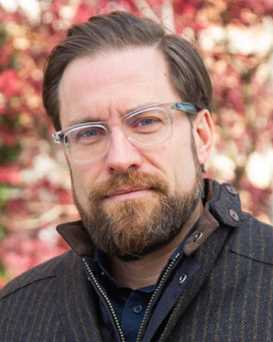
Rob Brenneman
Professor of Criminal Justice and Sociology

Regina Shands Stoltzfus
Professor of Peace
Justice
and Conflict Studies
Ready to get started?
More majors & minors
All Majors & Minors(Staging) Pre-Dentistry
A clear path to dental school Build the scientific foundation and real-world skills that dental schools want to see. Pre-dentistry at Goshen College is an advising track, not a separate major, that pairs a science major such as biology or…
(Staging) Pre-Pharmacy
Fully prepare for pharmacy school You probably have one question: does this study track actually get you ready for pharmacy school? Absolutely. Goshen College’s pre-pharmacy study track is a pre-professional advising path that you’ll follow alongside a science major in…
(Staging) Information Technology
Build a Tech Career in a Place That Knows Your Name Learn to design and run the systems the world depends on. The Information Technology major at Goshen College prepares you to design, build, and manage computer systems for careers…
Environmental & Marine Science
From Indiana wetlands to coral reefs in the Florida Keys, you’ll build the knowledge and skills to tackle today’s most pressing environmental challenges.
(staging) Music for Social Change
Music as a Force for Change Use music to make a difference in individuals, communities and the world. Music for Social Change is a minor within the music major that combines music education, social justice and hands-on learning. You learn…
(Staging) Multimedia Communication
Add Media Skills to Whatever You Study A communication minor can help you get more out of your college degree The multimedia communication minor at Goshen College is an undergraduate credential that equips students in any major with practical skills…
(STAGING) Criminal Justice and Restorative Justice
Building Justice That Repairs, Not Punishes Students come here to change how justice works, not only to study it. Goshen College’s Criminal Justice and Restorative Justice major examines the justice system through a restorative lens, working toward healing, accountability, and…
Multimedia Communication
Video, audio and digital design converge in Goshen College's multimedia communication minor, with first-year work at The Record and The Globe.
(staging) Psychology
Study People, and Find Your Place Explore the science of mind and behavior. The psychology major at Goshen College is a four-year bachelors degree that helps you understand human thought, emotion and behavior. At GC, you’ll put that understanding to…
Business
Whether your interest is in marketing, finance, management or entrepreneurship, our program is designed to equip you with the skills and real-world experiences to thrive in today’s dynamic global economy, feeds directly into the college's 4+1 MBA program.
Sports Management
Goshen College's sport management major or minor blends business and leadership training with real-world internships in athletics, coaching and event management.
Pre-Physical Therapy
If you're considering a career in physical therapy, Goshen College provides a rigorous, hands-on pathway that prepares you for advanced study in this high-demand health field.
(STAGING) Writing
Learn to Write Well, and Take It Anywhere Clear, purposeful writing is a skill that travels into every field and every future. The Writing minor at Goshen College builds and sharpens your voice no matter the genre. You’ll learn how…
(Staging) English
Read widely, write with purpose The habits of reading deeply and writing well open doors far beyond the page. In the English program at Goshen College, you read great literature, craft compelling stories, and sharpen the critical thinking that carries…
Women’s and Gender Studies
As a Women’s and Gender Studies minor at Goshen College, you’ll explore how gender and identity shape our lives, cultures, and institutions
Sociology
As a sociology major at Goshen College, you’ll investigate the forces that influence human behavior, identity, and inequality—and learn how to be a force for justice and social transformation.
(staging) Graphic Design
Design for the World The graphic design major at Goshen College is where you build artistic and technical skill across digital design, typography, branding and motion graphics, learning project by project. You’ll gain real-world experience through internships in local art…
Pre-Medicine
Goshen College's pre-medicine program combines rigorous coursework, early research and pre-health advising to ready you for medical school and the MCAT.
(claude audit) Business
What Is Business Study? Business is the study of how organizations create something people want, pay for the work of making it, and lead the people who do it. The Business major at Goshen College is a 50 credit Bachelor…
Interdisciplinary Studies
As an Interdisciplinary Studies major at Goshen College, you’ll have the freedom to chart your own academic path by combining courses from multiple fields to match your unique interests and career goals.
Journalism
As a journalism student at Goshen College, you’ll develop the writing, research, and multimedia storytelling skills needed to pursue truth and share compelling stories with the world.
(Staging) Disability Studies
Make your Career More Inclusive This minor teaches you to engage with people with disabilities with a commitment to access and care. The Disability Studies minor at Goshen College examines how disability is shaped by cultural, political, social and historical…
Game Development
Programming, storytelling and visual design combine in Goshen College's game development minor, where students build a complete game from scratch.
Art
Studio concentrations across ceramics, painting and design shape Goshen College's art major, taught by faculty who are practicing working artists.
Music in Worship
This interdisciplinary program weaves together musical excellence, theological insight, and spiritual formation to prepare you to lead worship in churches, ministries, and faith-based organizations.
Global Studies
As a global studies major at Goshen College, you’ll prepare for a life shaped by global citizenship, intercultural understanding and servant leadership.
(Staging) Journalism
Why Study Journalism at Goshen College? Write the story, then watch it reach an audience while you are still a student. The journalism major at Goshen College is a degree in writing, research and storytelling. You report for campus media…
(staging) History
Understand the world by studying the past Ask hard questions, work in real archives, and graduate ready for many paths, not just one. The history major at Goshen College treats the past as a way to understand the present and…
Information Technology
As an information technology major or minor at Goshen College, you’ll develop the skills to design, implement, and manage computer systems that drive business, communication, and innovation.
Anabaptist-Mennonite Studies
Explore the Anabaptist-Mennonite Studies minor at Goshen College and study faith, history and global Anabaptist traditions.
(Staging) Sign Language Interpreting
Interpret Between Two Languages and Two Cultures ASL and English are two languages, not one language in two forms. Each carries a culture with it. Interpreting means moving meaning between them in real time, in both directions — voice to…
Criminal Justice and Restorative Justice
In the criminal justice and restorative justice program, you learn to address crime, harm, and injustice in ways that go beyond punishment—focusing instead on healing, accountability, and systemic change.
(Staging) Sport Management
Turn Your Love of Sports Into a Career If sport is your world, this is how you build a career in it. Sport management at Goshen College is a four-year bachelors degree in the business and leadership of sport. You…
Film Production
As a film production major, you’ll explore every aspect of filmmaking—from directing and producing to editing and sound design—while building the technical skills and creative vision to make your mark in the industry.
(Staging) Film Production
A Small Program That Competes With the Big Ones Learn filmmaking hands-on, build a real portfolio and graduate with work the industry already recognizes. Film Production at Goshen College is a four-year bachelors degree in visual storytelling. Here, you learn…
Staging – People and Culture Management(V2)
What Is People and Culture Management? People and culture management is the work of building a workplace people can do their best work in hiring, developing, motivating, and leading them, and handling it well when things go wrong between them.…
Conflict Transformation
Mediation, negotiation and nonviolent communication define conflict transformation studies at Goshen College, a minor geared toward peacebuilding.
(Staging) Pre-Medicine
What is the pre-medicine study track? You came to find out one thing: does this path actually get you into medical school? The answer is unequivocally, yes. Goshen College’s pre-medicine study track is a pre-professional advising track, not a separate…
Peace and Justice Studies
As a Peace and Justice Studies minor at Goshen College, you’ll explore how people and communities work to resolve conflict, promote justice and build more peaceful societies.
Teaching English to Speakers of Other Languages (TESOL)
As a TESOL (Teaching English to Speakers of Other Languages) major or minor at Goshen College, you’ll gain the skills and cultural understanding needed to support English language learners in classrooms and communities, both locally and globally.
Religion
Goshen College’s Bible and Religion program is for those who feel called to explore faith more deeply, understand the church’s story, and apply their convictions in meaningful, real-world ways.
Special Education – Elementary
If you’re passionate about shaping young minds and creating inclusive, engaging classrooms, Goshen College’s elementary education program is the perfect place to start your journey.
Deaf Studies
Customizable concentrations and required internships prepare Goshen College Deaf studies majors to work within and alongside the Deaf community.
Education: Secondary and All-Grade
Our nationally accredited program blends subject-specific expertise with hands-on classroom experiences and inclusive teaching strategies, preparing you to make an impact in diverse school environments.
History
Internships and Maple Scholars research pair with concentrations in law, public history and teaching for Goshen College history majors.
(Staging) Environmental & Marine Science
Study on Land and Under the Sea You’ll learn to be a scientist out in the field, not just in the classroom. Environmental and Marine Science at Goshen College studies Earth’s ecosystems on land and under the sea, combining biology,…
(Staging) Communication
Start Telling Real Stories in Your First Year You will host shows, report live and build a portfolio from your first semester, not your junior year. A communications major at Goshen College prepares you for careers in journalism, broadcasting, film,…
Musical Theater
Merge acting, music and movement in Goshen College's musical theater minor, building vocal and performance skills through full-scale campus productions.
Exercise Science
Physical therapy, athletic training and strength and conditioning careers all start with Goshen College's hands-on exercise science major.
(Staging) Broadcasting
Why Study Broadcasting at Goshen College? You do not wait until junior year to go on air. You do it in your first semester, surrounded by people who already know your name. The Broadcasting major at Goshen College is a…
Marketing
Brand storytelling and data-driven strategy meet in Goshen College's marketing major, with hands-on work for local businesses and nonprofits.
General Music – Concentration
What Is the General Music Concentration? The widest path through the music major, built around applied study and your own choices. General Music, listed in the course catalog as the Generalist concentration, is the most flexible concentration in the Bachelor…
Entrepreneurship
The entrepreneurship minor at Goshen College offers grants and hands-on management of Java Junction, turning student ideas into real ventures.
Music for Social Change – Concentration
What Is the Music for Social Change Concentration? Music can be a powerful force for transformation in individuals, communities and the world. Music for Social Change is a concentration within the Bachelor of Arts in Music at Goshen College. It…
(Staging) Physical Education
Turn a Love of Sport Into a Career Learn to teach, coach, and lead others toward active, healthy lives. You can major or minor in physical education at Goshen College. This program gives you the skills to promote physical activity,…
Sign Language Interpreting
Goshen College offers one of the few four-year bachelor’s degree programs in sign language interpreting in the region. Our program emphasizes hands-on learning, real-world experiences and a strong foundation in ethics and communication.
Public Health
Whether you plan to work in community health, epidemiology or health policy—or pursue graduate study in public health, medicine or healthcare administration—being a public health major or minor at Goshen College will prepare you to make a meaningful impact.
Healthcare Management (V2)
What Is Healthcare Management? Healthcare management is the work of running the organizations that deliver care such as the budgets, the people, the systems, and the decisions that determine whether a clinic, hospital, or health program actually functions. The Healthcare…
Graphic Design
Branding, motion graphics and UI design fill out Goshen College's graphic design major, with a portfolio guided by practicing faculty designers.
Sustainability
Study ecology, ethics and policy in Goshen College's sustainability studies major and minor, preparing you for careers in conservation, advocacy and agriculture.
(Staging) Computer Science
Code with purpose A computer science degree with timeless applications In the age of AI, Goshen College’s human-centered approach prepares students to weigh the ethical and human impact of technology while getting hands on experience with large language models and…
(staging) Musical Theater
Find Your Voice on Stage Combine acting, music, and movement for dynamic collaborative storytelling. The Musical Theater Minor at Goshen College welcomes both beginners and seasoned performers to develop their vocal, physical, and imaginative skills by creating unforgettable performances together.…
Education – Elementary
Classroom experience begins in year one for Goshen College's elementary education degree, backed by CAEP accreditation and strong hiring outcomes.
Psychology
The psychology major at Goshen College combines hands-on research, internships and small classes, with faculty mentoring toward the Academic Symposium.
(Staging) Exercise Science
Study How the Body Performs and Build a Career Out of It At Goshen College, you won’t just study exercise science—you’ll live it. Our Exercise Science major explores physical activity, exercise and human performance to prepare you for a career as…
(STAGING) Women’s and Gender Studies
Where Identity Becomes Inquiry A place to ask how gender and identity shapes our lives. The women’s and gender Studies minor at Goshen College examines how gender, identity, power and justice shape people and institutions. Students build the analytical tools…
(Staging) Biology
Turn curiosity into discovery Track elephants in Kenya, analyze endangered coral reefs in Florida, and analyze viruses in a working lab on campus. The biology major at Goshen College builds a strong foundation in the scientific method and natural sciences…
History Pre-Law
LSAT preparation and personalized advising toward top law schools support students in Goshen College's pre-law program, paired with majors like history.
(Staging) Religion
Faith seeking understanding Study the biggest questions rigorously, and put what you learn to work in the world. Goshen College’s Religion major takes faith seriously, guided by the motto “faith seeking understanding.” It blends rigorous academic work with ethics, peacemaking…
Staging – Entrepreneurship (V2)
What Is Entrepreneurship? Turn an idea into something real and build the customers, the plan, and the case that keep it running. The Entrepreneurship minor at Goshen College teaches you a holistic approach to starting businesses. Every student in this…
(STAGING) History Pre-Law
Built for Law School, Grounded in Justice Sharpen the reading, writing, and argument skills law school runs on, alongside a values-driven education. The History Pre-Law major at Goshen College is designed to build a strong foundation for law school. Students…
(Staging) Sociology
Understand Society. Work to Make It Better. Investigate inequality and power and learn to be a force for justice. Sociology at Goshen College asks what shapes how people live, think and relate to each other. You investigate the forces behind…
(Staging) Anabaptist-Mennonite Studies
A tradition worth studying Treat the Anabaptist-Mennonite story as a subject of intellectual weight: its history, its ethics and its reach across the world. The Anabaptist-Mennonite Studies minor at Goshen College is open to students in any major. It examines…
(Staging) Chemistry
Learn to Appreciate a Detail-Filled World if you are detail-oriented, logical and pay attention to the small things, majoring in chemistry will take you far, whether that is medical school, grad school or a paycheck. The chemistry major at Goshen…
Pre-Pharmacy
Whether you plan to become a clinical pharmacist, work in pharmaceutical research, or manage a community pharmacy, GC prepares you for the next step with relevant coursework, hands-on learning and mentoring from faculty who care about your success.
(Staging) Conflict Transformation
Where Tension Becomes Transformation Conflict surfaces in every profession. This minor equips you with the skills to navigate it proactively. The conflict transformation studies minor at Goshen College is an undergraduate minor in the Peace, Justice, and Conflict Studies (PJCS)…
STAGING Special Education – Elementary
Why Study Special Education at Goshen College? At Goshen College, special education majors learn to teach and advocate for students with diverse learning, behavioral, and developmental needs. Through course work and hands-on field experiences, students gain skills in assessment, individualized…
Theater
The theater major at Goshen College spans acting, directing, design and stage management, with students doing production work from their first year.
Communication
Whether your passion lies in journalism, public relations, broadcasting, digital media, or film, you’ll gain the skills, knowledge and opportunities to succeed in a fast-evolving media and communication landscape.
Theological Studies and Christian Ministries
Goshen College's Theological Studies and Christian Ministries minor prepares you for seminary or vocational ministry through Anabaptist-Mennonite theology.
Chemistry
As a chemistry major at Goshen College, you'll build a strong scientific foundation while exploring how chemistry can change the world, whether you're interested in developing life-saving medications, designing sustainable materials, or inspiring future scientists.
(STAGING) Teaching English to Speakers of Other Languages (TESOL)
Teach English With Empathy, Here and Around the World Help English language learners find their voice, in your own community and across the world. TESOL at Goshen College prepares you to teach English to language learners with empathy, clarity and…
(Staging) Peace, Justice & Conflict Studies
Understand conflict and build peace. A rigorous, interdisciplinary major for students who want to confront and change injustice. Peace, justice and conflict studies (PJCS) examines the complexities of conflict and the pathways to peace. This degree is rooted in a…
(Staging) Theological Studies and Christian Ministries
Read the texts, ask the hard questions Theology here means asking hard questions, not memorizing easy ones. The theological studies and christian ministries minor at Goshen College centers on four areas. You’ll study biblical texts, theology, Christian ethics, and church…
Physics
Explore matter, energy and the universe in Goshen College's physics major, with small classes and mentorship for graduate study or engineering.
(Staging) Molecular Biology and Biochemistry
Why Study Molecular Biology and Biochemistry at Goshen? You do real chemistry and lab work early, so you graduate with the proof med schools, grad programs and employers look for. The Molecular Biology and Biochemistry program at Goshen College studies…
(STAGING) Writing and Publishing
Write well. publish for real. Learn the craft of writing and the work of putting it into the world. Writing and Publishing at Goshen College pairs the craft of writing fiction, poetry and creative nonfiction with the real work of…
Broadcasting
Award-winning radio, TV and media teams put Goshen College broadcasting majors on air their first semester through The Globe and FiveCore Media.
Social Work
As a social work major at Goshen College, you’ll develop the knowledge, skills and ethical grounding to work in a variety of settings—from schools and hospitals to community organizations and government agencies.
Disability Studies
This interdisciplinary program equips you to understand the lived experiences of people with disabilities and examine how societies define and respond to difference.
(version 5) Business
At Goshen College, this is Business… Every organization runs on the same question: what are we making, and who is it for? Business is how you learn to answer it, and lead the people who help you build it. You’ll…
(Staging) Theater
Create performances with purpose Theater matters here, and you make it happen. Goshen College’s theater program trains you in acting, directing, design, stage management and dramaturgy through full-scale productions. You gain hands-on experience from your very first semester. The work…
(STAGING) Healthcare Management
Add the Skills Every Health System Runs On Healthcare is one of the largest employers on earth, and someone has to run it. That someone can be you. The Healthcare Management minor at Goshen College pairs real business management, people,…
Biology
Field research at Merry Lea Environmental Learning Center and the J.N. Roth Marine Biology Station gives Goshen College biology majors hands-on science.
Peace, Justice & Conflict Studies
Study restorative justice, global conflict and reconciliation in Goshen College's Peace, Justice and Conflict Studies major, taught in small classes.
Spanish
As a Spanish major or minor at Goshen College, you’ll learn to communicate fluently, confidently, and effectively in one of the most widely spoken languages in the world.
(Staging) Accounting
What Is Accounting? Accounting is the discipline that turns what an organization does into numbers and other people can trust. The Accounting major at Goshen College is a 56-credit undergraduate major that trains you to build those numbers, not just…
Staging new-Social Work
Help people, and change systems Learn to walk with individuals and families, and to confront the causes of injustice. Studying social work at Goshen College will prepare you to work with individuals, families, groups, organizations, communities and social policies while…
Pre-Dentistry
Goshen College's pre-dentistry program builds a strong biology and chemistry foundation, plus shadowing and application support for dental school.
(Staging) Global Studies
Add a Global Lens to Any Major Add intercultural understanding and a justice-minded view of the wider world to whatever you’re already studying. The global studies Minor at Goshen College adds a global, intercultural lens to any major, blending global…
Physical Education
Physical education majors and minors at Goshen College learn to teach, coach and promote lifelong wellness through hands-on school and fitness placements.
(Staging) Nursing
Become the Nurse You’re Meant to Be Goshen College’s Bachelor of Science in Nursing is the first BSN program in Indiana. Accredited by the Commission on Collegiate Nursing Education and approved by the Indiana State Board of Nursing, this program…
Staging Accounting (V2)
At Goshen College, this is Accounting… Turn what an organization does into numbers other people can trust. Trust that is enough to act on. The Accounting major at Goshen College is a 56-credit undergraduate major that trains you to build…
(Staging) Marketing
Why Study Marketing at Goshen College? You will move ideas, not just talk about them, working on real campaigns from your first projects forward. Goshen College’s marketing program is an undergraduate program, offered as both a major and a minor,…
(STAGING) Financial Management
Add the Skill Every Career Runs On Money moves every organization. Learn to read it, and you’ll have an edge anywhere. The Financial Management minor at Goshen College is an 18-credit undergraduate minor that teaches you to read the numbers…
(Staging) Deaf Studies
A Major Built to Serve the Deaf Community If you love American Sign Language and want to spend your life working with Deaf people, this is your starting place. Deaf Studies at Goshen College is a major or minor that…
(Staging) Game Development
Enhance your major with game development Bring the creative and technical edge of game design to what you’re already studying. Game development is an undergraduate minor that blends programming, drawing and animation, and is open to students in any major.…
Molecular Biology & Biochemistry
Whether you’re interested in medicine, research, biotechnology, or genetics, this program gives you the scientific foundation and hands-on experience to pursue your goals with confidence.
(Staging) Public Health
Health starts long before anyone walks into a clinic. Learn care at the scale of a community. Public health is the work of keeping whole communities well. It asks why some neighborhoods thrive while others struggle and what it takes…
(Staging) Mathematics
Why study mathematics at Goshen College? The mathematics major at Goshen College builds your problem-solving, modeling and analysis skills for careers in data analysis, applied modeling, actuarial science, software development, engineering, research and teaching. You will study the logic and…
Nursing
Earn a nursing degree at Goshen College, home to Indiana's oldest BSN program, with clinical training in the Center for Nursing and Public Health.
English
At Goshen College, you’ll immerse yourself in the power of language—reading great literature, crafting compelling stories, and sharpening your writing and critical thinking skills.
(Staging) Physics
Learn How the Universe Works, and Build a Future Out of it Learn the laws of nature and the analytical skills graduate schools and employers want. As a physics major at Goshen College you’ll explore the inner workings of the…
(Staging) Music
Why Study Music at Goshen College? Study music as a serious discipline, with faculty who perform, and a path to a rewarding career on the other side. The Music major at Goshen College prepares you to perform, teach, compose and…
(Staging) Pre-Veterinary
What is the pre-veterinary study track? You want to know one thing: how can you best prepare for vet school? This study track is the answer. Goshen College’s pre-veterinary study track is an advising path you follow alongside a science…
Music Educators – Concentration
What Is the Music Educators Concentration? One degree, two credentials: a Bachelor of Arts in music and a P-12 teaching license. Music Educators, listed in the course catalog as the Music Education concentration for P-12 certification, is a concentration in…
(Staging) Spanish
Connect With People in One of the World’s Most Spoken Languages Build real fluency, understand Hispanic cultures and open doors close to home and around the world. At Goshen College you gain a deeper understanding of Hispanic cultures, both global…
Music for Social Change
Combine music education with social justice in Goshen College's Music for Social Change concentration, preparing you to lead community music programs.
(staging) Art
Hands-on Learning, Real World Experience The art major at Goshen College prepares you for creative careers directly out of college, or for entrance into top graduate programs in art and design across the country. The work is hands-on from day…
Writing
Develop your voice across genres in Goshen College's writing major, working with published faculty in fiction, poetry, digital media and scriptwriting.
(Staging) Engineering Physics
Two Degrees, One Engineering Career Start at a small college that knows your name, and finish as an engineer with two degrees. Engineering Physics at Goshen College is built on the 3-2 engineering program: you study three years at Goshen…
Staging – Marketing (V2)
At Goshen College, this is Marketing… Understand how people decide and then build the brand, the message, and the campaign that reaches them at the moment it matters. Marketing is often mistaken for advertising. Advertising is one output but the…
Political Studies
Whether you’re interested in law, government, education, advocacy or nonprofit leadership, this minor equips you with the critical thinking and communication skills to lead with insight and purpose.
(Staging) People and Culture Management
Learn to Lead the People Behind the Work Every team and every workplace runs on people. Learn to lead them well, and you’ll be valuable anywhere. The People and Culture Management minor at Goshen College teaches you to manage and…
(Staging) Pre-Physical Therapy
Your Path to Physical Therapy School Major in a science you love, complete the prerequisites Doctor of Physical Therapy programs require and graduate ready to apply. Pre-physical therapy at Goshen College is a pre-professional track, not a major. This track…
(Staging) SECONDARY AND ALL-GRADE EDUCATION
Why Study Secondary and All-Grade Education at Goshen College? A nationally accredited program blending subject-specific expertise with hands-on classroom experience. As a secondary education major, you’ll be equipped to teach the subjects you love to middle and high school students.…
Engineering Physics
Whether your goal is to work in engineering design, research or continue into graduate school, you’ll graduate equipped with strong analytical skills and a foundation in both physics and engineering.
Accounting
Earn an Accounting degree at Goshen College and prepare for CPA success, internships and careers with leading accounting firms
Mathematics
Data analysis, actuarial science, teaching and software careers all draw on Goshen College's mathematics major, taught in small, personal classes.
Pre-Veterinary
Through our pre-veterinary track, you'll receive excellent preparation for veterinary school while building a strong foundation in biology, chemistry and animal science.
Undecided
Not sure of your major yet? Goshen College's undecided program pairs you with advisors while you explore interests and complete core coursework on track.
(Staging) Entrepreneurship
Turn Your Ideas Into Something Real Whatever you’re studying, this minor gives you the tools to build a business out of it. The Entrepreneurship minor at Goshen College is an undergraduate minor that teaches you to turn ideas into real…
Computer Science
At Goshen College, you won’t just study computer science, you’ll learn how to think like a problem-solver, create like an innovator, and code with purpose.
(staging) Music in Worship
Where Music and Faith Meet Grow as a musician while exploring how music shapes faith and builds community. The music in worship minor explores how music shapes faith, builds community and inspires worship. Additionally, music in worship weaves together musical…
(STAGING) Political Studies
Learn How Power Actually Works Learn to take an argument apart, weigh the evidence and build a stronger case. The political studies minor at Goshen College is an undergraduate minor that examines the ideas, institutions and power structures shaping U.S.…
Staging – Information Technology (V2)
This is Information Technology at Goshen College Information technology is the work of making technology actually useful to the people and organizations that depend on it: choosing and building the systems, connecting them to how the work really gets done,…
Music
The music major at Goshen College trains you in performance, composition and teaching, guided by faculty who are working musicians and scholars.
(Staging) Sustainability
Study the systems, not just the symptoms The hard problems of climate and justice don’t arrive as single subjects, so you won’t study them that way. Goshen College’s sustainability program is a four-year bachelor’s degree that draws on biology, environmental…
(Staging) Business
A Business Major That Travels With You Build a credential that opens doors here, back home, and anywhere your plans take you next. The Business major at Goshen College prepares you for careers in marketing, finance, management, operations, and entrepreneurship.…
Staging – Financial Management (V2)
At Goshen College, this is Financial Management… Read an organization’s numbers to understand what something truly costs, whether it pays for itself and where the money should go. The Financial Management minor at Goshen College is an 18-credit undergraduate minor…