I chose peace, justice and conflict studies as my major because I think it’s a unique mix of religion, sociology and peace studies. It will be a great undergraduate degree that sets me up well to pursue many different graduate options.
Bachelor of Arts
Peace, Justice & Conflict Studies
Major
Understand conflict and build peace.
A rigorous, interdisciplinary major for students who want to confront and change injustice.
Peace, justice and conflict studies (PJCS) examines the complexities of conflict and the pathways to peace. This degree is rooted in a tradition of compassionate peacemaking, combining theory and practice. You’ll build the skills to address injustice and promote reconciliation.
You’ll work through restorative justice, social change and modern global conflicts. At Goshen, you’ll find the opposite of a small-college bubble: the major points you outward, into real conflicts and real communities, and prepares you for meaningful careers in social work, education, law, mediation and beyond.

Is this major right for you?
This is a major for students who want to be stretched and want their work to matter. You’ll learn analytical and practical tools such as mediation, reconciliation and social change, and you’ll put them to use in the real world rather than leaving them on the page.
If you’re focused on career outcomes, the PJCS degree prepares you for diverse paths: social worker, educator, lawyer, mediator and peace worker, among others. Many graduates also continue to graduate school. Small classes and close faculty mentorship mean you’re known by name, in a community of passionate learners committed to the common good.
What you’ll study
The PJCS major covers violence and nonviolence, mediation, reconciliation and social change, so you graduate equipped to analyze conflict and promote peace effectively. The curriculum blends theoretical frameworks with practical application.
Courses include Violence and Nonviolence, Restorative Justice, War and Peace in the Modern World, Biblical Themes of Peace and Mediation: Process, Skills and Theory. For detailed course descriptions and program requirements, check the full course offering list.
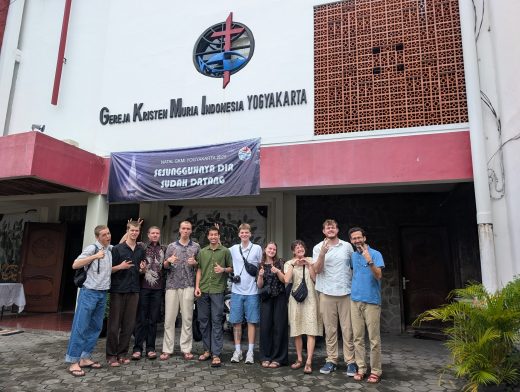
Real work, real organizations
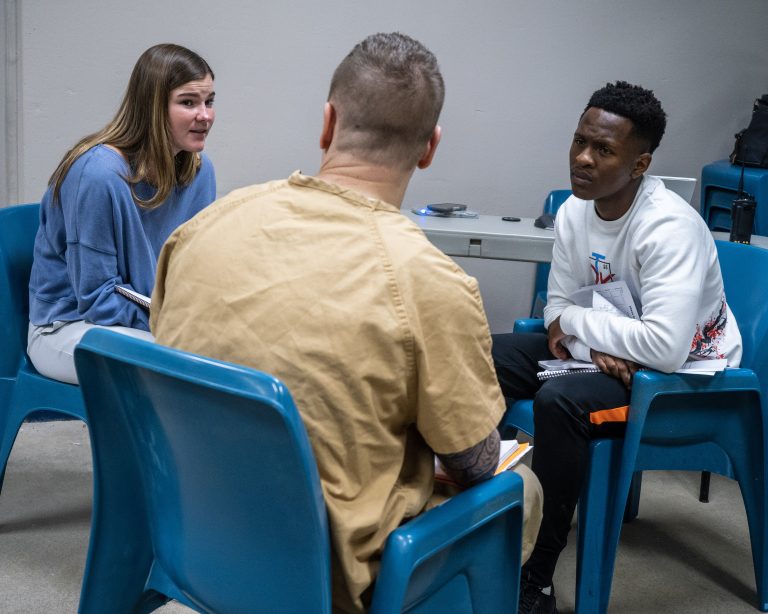
Real-world experience is built into the major. You’ll have opportunities to intern with organizations like La Casa in Goshen, and the Center for Community Justice in Elkhart, as well as agencies across North America such as Mennonite Central Committee. These placements let you apply what you learn to real situations and sharpen your skills in conflict resolution and social change.
The major also opens onto the wider world: half of Goshen students study abroad through hands-on programs like Study-Service Term, where you live and work in another culture. For a reader who wants proof a small college engages the world’s hardest problems, this is where theory meets practice.
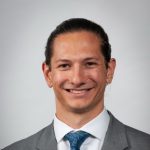
Cade Fisher ‘22
Legal Research Assistant at University of Iowa College of Law

Paying for Goshen
Goshen offers a range of financial aid and merit-based awards that apply across majors. To see your own price after aid, run the net price calculator or explore your options at the financial aid and scholarships pages.
Common questions about the PJCS major
This major has a substantial reading and writing load, original research, and coursework that draws on history, political science, sociology and ethics rather than staying in one discipline. You’re expected to build and defend your own analysis of conflict and justice issues, not just summarize other people’s arguments.
Faculty mentor your independent research and internship placements individually, matching you to organizations and projects based on the specific conflict or justice issue you care about. That direct relationship is what produces substantive letters of recommendation for law school, professional job applications or graduate programs that describe your actual research, not just your GPA.
Yes, and the structure is built for it. You’ll take junior seminar to begin a research project on a topic you choose, then carry it through senior seminar into a 25 to 35 page thesis. That’s two years on one question, with faculty supervision throughout — closer to how graduate work actually functions than a single-semester capstone. Graduates go on to peace studies, law, divinity and public policy programs.
No. The program is rooted in Goshen’s Mennonite heritage and its commitment to compassionate peacemaking, and the major does require two Bible courses — but it’s built for students working out their own convictions, not students who’ve already arrived at a conclusion. You’ll study war and peace in the modern world, the economics of national defense spending and conflict from viewpoints inside and outside the criminal justice system. Arriving with questions is the point.
Ready to get started?
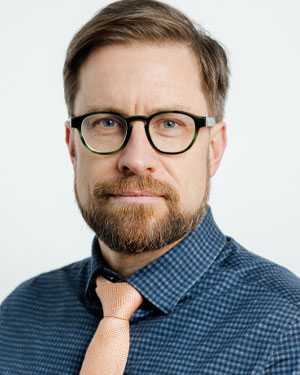
Rob Brenneman
Professor of Criminal Justice and Sociology
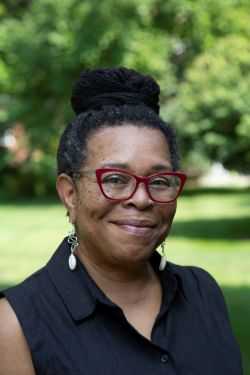
Regina Shands Stoltzfus
Professor of Peace
Justice
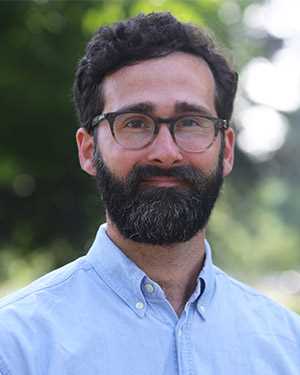
and Conflict StudiesLuke Kreider
Associate Professor of Religion and Sustainability
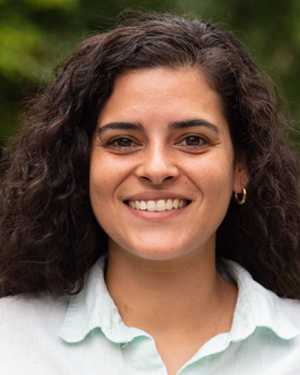
Alicia Maldonado-Zahra
Scholar Activist Fellow