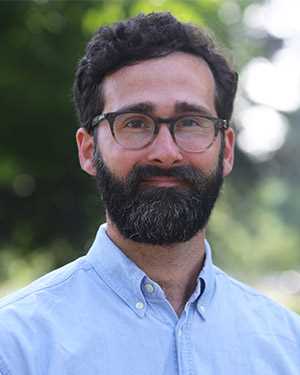
I learned to embrace the strange space of unknowing that comes with any study of religion. I am incredibly grateful to those professors who did not have the answers. They taught me that I could have these big questions and believe the things I believed and still call myself a Christian. Realizing that has helped me to find my faith again.
Bachelor of Arts
Religion
Major | Minor

Faith seeking understanding
Study the biggest questions rigorously, and put what you learn to work in the world.
Goshen College’s Religion major takes faith seriously, guided by the motto “faith seeking understanding.” It blends rigorous academic work with ethics, peacemaking and community engagement. The courses build a strong foundation in biblical studies, theology, ethics and religious history, with an emphasis on intercultural understanding and Anabaptist values.
The program is a fit for you, whether you feel called to ministry or you simply want to understand the church’s story, the world’s religions and today’s ethical questions more deeply. Either way, you graduate with critical thinking, ethical reasoning and intercultural skills that carry into meaningful work in ministry, education, social advocacy and beyond.


Is religion at goshen right for you?
It’s also a place to pursue difficult questions as yourself. Alongside the academics, you’ll find spiritual formation, community and people who take both faith and hard questions seriously. The program welcomes students of every background, whether you arrive sure of your convictions, searching or somewhere in between.
Graduates have been accepted to Harvard Divinity School, the University of Notre Dame and the University of Chicago. Goshen alumni work in faith-based leadership, social impact and advocacy, education and research, media and communication, and as lawyers, counselors and seminary administrators.

What you’ll study
You will gain a strong foundation in biblical studies, theology, ethics and interfaith engagement, as well as explore key theological texts, their historical contexts and contemporary ethical issues. Some of the core classes include options like Sustainability and the Sacred and Introduction to World Religions. View the complete program requirements in our catalog.
Learning beyond the classroom
Religion at Goshen extends well past class discussions. You’ll complete a field study or internship aligned with your vocational interests, which will be coordinated by a faculty mentor who connects students with churches, nonprofits and social-advocacy organizations. You can also spend a summer in ministry through the Ministry Inquiry Program, serving as a pastoral intern.
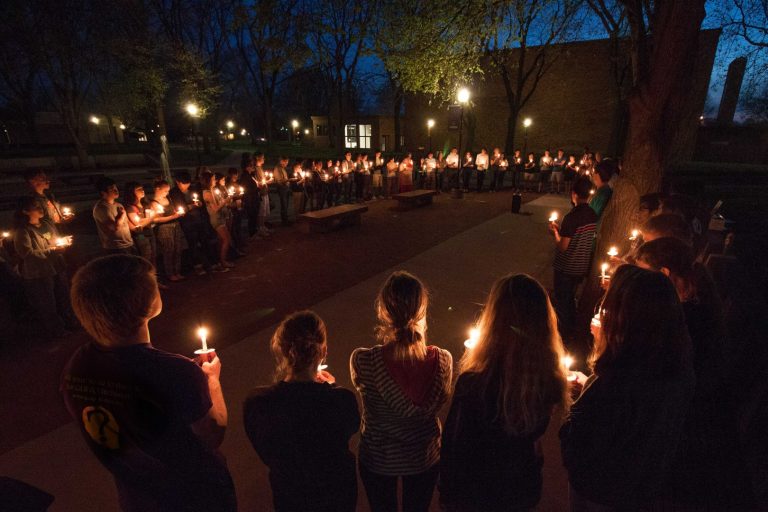
On campus, you can get involved with Campus Ministries — planning chapel services, leading prayer groups, writing devotionals and organizing service events. Campus events like “wonderfully made”, “servicio de adoración,” and “what?! mennonite?”along with discussions during bible studies centered on spiritual life, ethics and social justice round out the experience.

Eli Reimer '21
Religion and peace, justice & conflict studies double major at goshen college

Paying for Goshen
Scholarships make up a large part of Goshen financial-aid packages, which average almost $26,000 per student. To see your own price after aid, run the net price calculator or explore your options at the financial aid and scholarships pages.
Common questions about studying religion
No, and you don’t even have to be religious. The program fits students called to ministry and students who simply want to understand the church’s story, world religions and today’s ethical questions more deeply. It welcomes students of every background, and the critical thinking and ethical reasoning skills you build carry into law, advocacy, education, writing and graduate study.
The Religion major is a full course of study in biblical and theological scholarship, while theological studies and Christian ministries is a minor designed to pair with another major and add a ministry-practice component through the ministry inquiry program. If theology will be your primary academic focus, choose the major; if you want to layer faith study onto a different primary field, the minor is a better fit.
You’ll complete a faculty-mentored field study or internship with churches, nonprofits or social-advocacy organizations, and you can spend a summer as a pastoral intern through the ministry inquiry program. On campus, Campus Ministries lets you plan chapel, lead prayer groups, write devotionals and organize service events.
Alumni work in faith-based leadership, social impact and advocacy, education and research, and media, and as lawyers, counselors and seminary administrators. Many continue studying at top theology and religious studies programs; graduates have been accepted to Harvard Divinity School, the University of Notre Dame and the University of Chicago.
The close reading, argumentation and ethical reasoning at the core of the major translate directly into law school, counseling programs and nonprofit leadership, all fields that reward people who can wrestle with complex, high-stakes questions. Graduate programs in these areas value the same rigorous reasoning that biblical and theological scholarship demands.
Religion professors read and respond to your written arguments closely enough to know how your thinking develops over four years, not just how you do on one paper. That depth of feedback sharpens the exegesis and theological argument writing central to the major, and it means your professors can write graduate school or seminary recommendation letters that speak to your actual intellectual growth.
Ready to get started?
Breanna Nickel
Associate Professor of Bible & Religion
Luke Kreider
Associate Professor of Religion and Sustainability