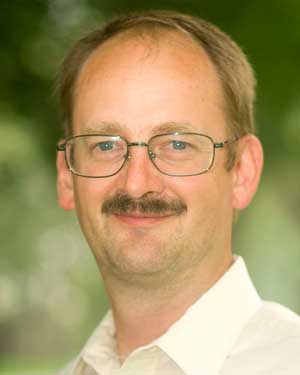
My time at Goshen College nurtured curiosity, compassion, humility, critical thinking and commitment to peace and justice, laying a strong foundation for my work as a physician. Cross-cultural engagement, including time in Senegal and Morocco, broadened my perspectives and taught me the power of connection while the campus community’s culture of support showed me the importance of growing deep roots. I’m deeply grateful for GC’s enduring commitment to helping each student grow, learn and thrive.
Pre-Medicine
Study Track
What is the pre-medicine study track?
You came to find out one thing: does this path actually get you into medical school? The answer is unequivocally, yes.
Goshen College’s pre-medicine study track is a pre-professional advising track, not a separate major, that pairs a science major such as biology, chemistry, or exercise science with the courses medical schools require. Our graduates have seen an 86% acceptance rate from medical schools showcasing its success.
You add no extra tuition to take the track, so your cost is just your science major. Pre-health advisors guide your course selection, MCAT preparation, and applications. If you are the first in their family to aim for medical school, or arriving from across the world, you belong here as the norm, not the exception.

How the pre-medicine track works
You choose a science major, and academic advisors layer in the prerequisites medical schools expect. The track combines naturally with biology, chemistry or exercise science. Advisors will work with you to make sure that you meet every course requirement for your applications, so nothing falls through the cracks in your final year.
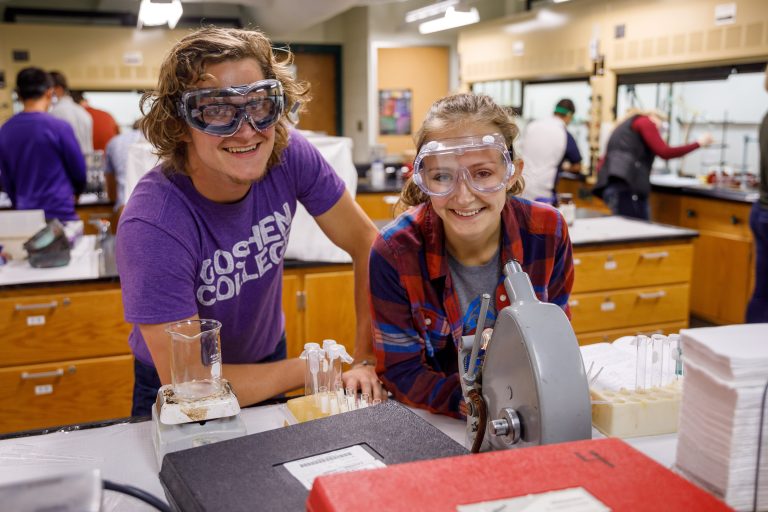
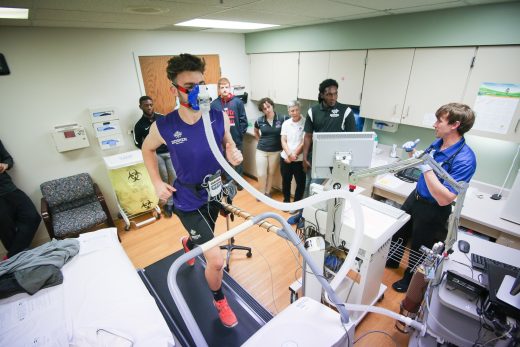
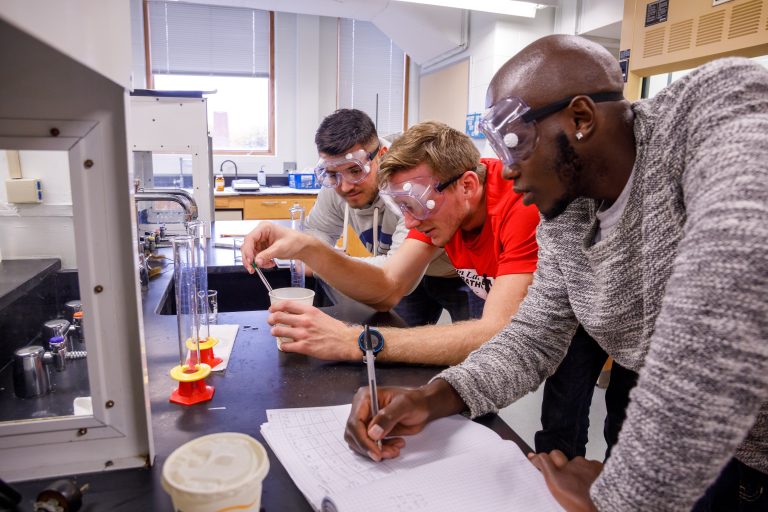
You can join undergraduate research in molecular biology, physiology or ecology as soon as your first year, spend a summer in the Maple Scholars program and run labs in the Schrock Science Laboratories. Off-campus research happens through partnerships with AbbVie, Notre Dame and Merry Lea Environmental Learning Center.
Medical experience, near or far
You don’t have to move across the country to build a competitive application. Shadow physicians at Goshen Hospital, intern at local hospitals and clinics, and serve through the Center for Healing and Hope — all within Elkhart County. Many of our students commute from nearby Indiana counties, and staying close to family is the norm here, not a compromise.
If you want to go farther, the paths are already built. Study-Service Term takes you abroad for a semester of immersion and service, and our research partnerships with AbbVie and Notre Dame put you in professional labs.
Either way, you’ll be prepared for MD and DO programs, physician assistant programs, and graduate study in public health and the biomedical sciences. Our recent graduates have gone on to Indiana University, Washington University in St. Louis and the University of Michigan.

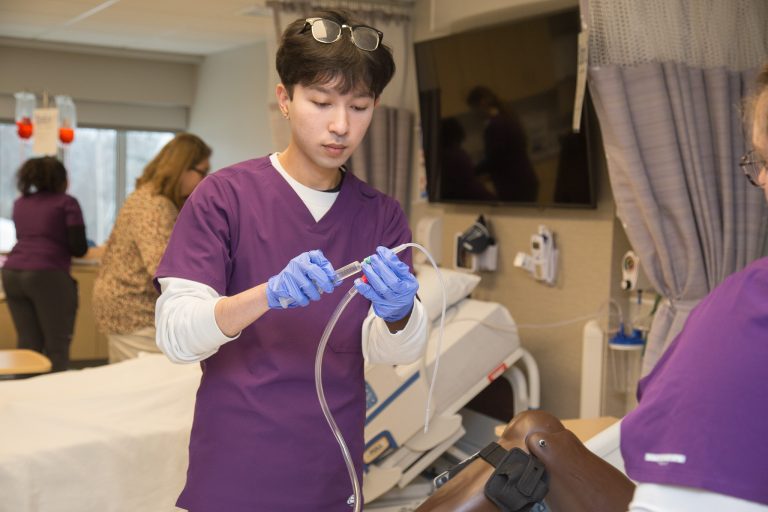
Joelle Friesen, '17, M.D. University of Iowa '22
Chief Medical Resident at Mayo Clinic
What it costs, and how aid works
The pre-medicine track adds no extra tuition. You pay the same as you would for your science major, because the track simply adds advising and preparation to your current major. Most Goshen students receive financial aid or scholarships, so the sticker price is rarely what you actually pay. To see your own price after aid, run the net price calculator or explore your options at the financial aid and scholarships pages.
Common questions about the pre-medicine study track
No. Pre-medicine is a study track, not a major. You major in a science such as biology, chemistry or exercise science, and academic advisors layer in the courses you need for medical school applications. You graduate with a bachelor’s degree plus your completed pre-med prerequisites.
Goshen’s medical school acceptance rate is 86% over the last five years. Alumni have gone on to Indiana University School of Medicine, Washington University in St. Louis, and University of Michigan Medical School, among many others. Pre-health advising guides your coursework, MCAT preparation and applications from your first year, so you’ll be a great candidate for top medical schools.
Yes, the MCAT is required for medical school applications, and your pre-medicine advisor helps you plan when to take it relative to your coursework and application timeline. Because your science coursework runs alongside MCAT-relevant material, timing the test when that material is freshest is part of the advising conversation.
Yes. Goshen is a small, values-centered campus where 91% of classes have fewer than 30 students, so faculty know you by name. You’ll find community in the Pre-Health Club, and faculty mentors with deep knowledge of the medical school application process will guide you through it — whether you’re aiming for medical school, arriving from another country or still figuring out your path.
Any student interested in medicine can start on the pre-medicine track. It’s an advising relationship, not a selective program with its own application. What’s competitive is the medical school application at the end, which is exactly what the track and its 86% five-year acceptance rate are built to prepare you for.
The same science faculty who help you find a shadowing rotation at Goshen Hospital and set up undergraduate research also know your specific coursework and experience well enough to write substantive, individual letters of recommendation and coordinate your committee letter. Letters like this mean much more to medical school admissions committees than generic form letters, like you’d get at a larger school. With 91% of classes under 30 students, that level of individual faculty familiarity starts as early as your first science courses, not just senior year when you need the letters.
Ready to get started?
Jonathon Schramm
Professor of Sustainability and Environmental Education
Department ChairPhil Allman
Professor of Marine Biology
Andy Ammons
Professor of Biology
Raquel Montanez Gonzalez
Associate Professor of Biology
Dan Smith
Professor of Chemistry
Department Chair