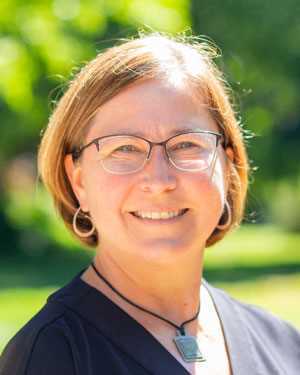
I hope that people become more empathetic and understand how they affect others’ lives. When you change yourself, others see that and evaluate how they live and then they begin to change.
Women's & Gender Studies
Minor
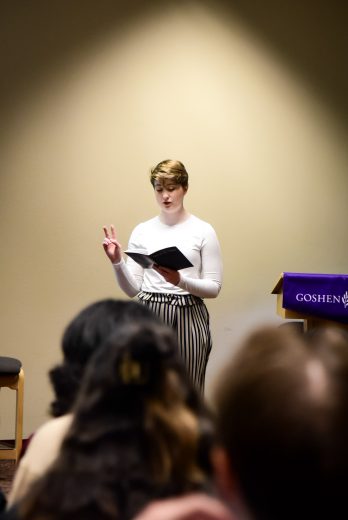
Where identity becomes inquiry
A place to ask how gender and identity shapes our lives.
The women’s and gender studies minor at Goshen College examines how gender, identity, power and justice shape people and institutions. Students build the analytical tools to recognize inequality and the practical skills to address it, in any field they enter.
This minor pairs naturally with majors like English, history, peace and justice studies, psychology and social work. It strengthens any public facing field you are headed toward. You ask real questions about gender norms, feminist theory, intersectionality and the roles of women across history, then carry that understanding into the work you care about. You add it to your degree through interdisciplinary coursework in sociology, history, literature and religious studies.

What you’ll study
The minor is 18 credits, and most of it is yours to shape. It pairs with any major, so you can angle it toward the field you’re already headed into.
Your courses, your pathway: Fifteen credits of WGS and cross-listed courses, chosen with your advisor to fit your major and interests.
Gender Theory & Practice (WGS 390): A junior- or senior-year seminar on intersectionality that connects gender theory to your own discipline.
Applied or independent work: A practicum, internship or self-guided research project, capped with a final presentation.
View the complete program requirements in our catalog.
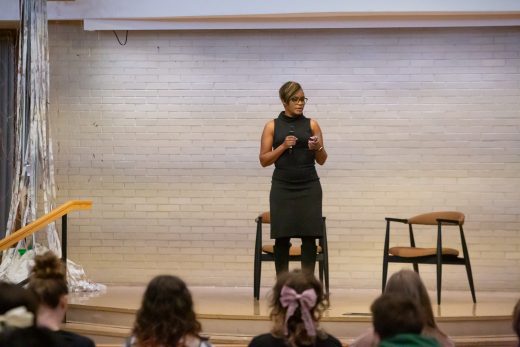
Lead change on and off campus
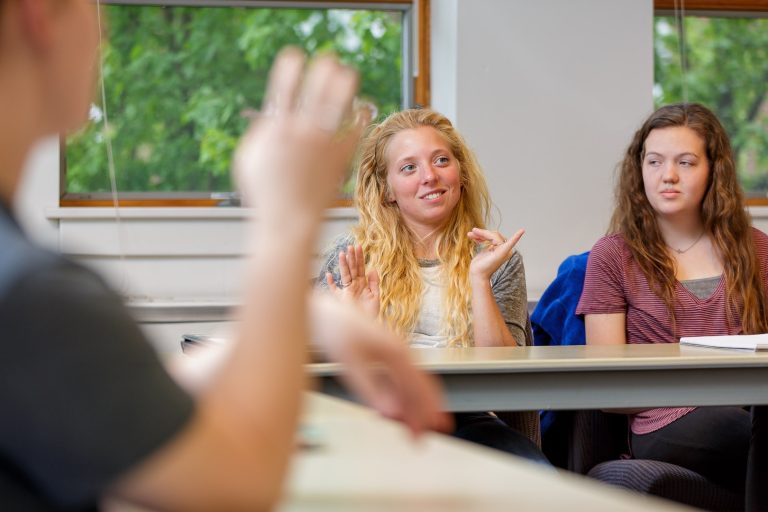
Hands-on learning runs through the minor, from collaborative class projects to internships that connect you with local nonprofits, advocacy organizations, schools and social services. The work is justice-oriented, and it asks you to do something with what you learn.
Goshen College students have helped lead clubs including Prevention Intervention Network (PIN), consent education workshops and panel discussions on gender identity and inclusion. An independent study or internship in a related field lets you turn a question that matters to you into professional experience before you graduate.

Becca Yoder '13
Elkhart County Clubhouse Generalist
Paying for Goshen
Scholarships make up a large portion of Goshen financial aid packages, which average almost $26,000 per student. To see your own price after aid, run the net price calculator, or explore your options at the financial aid and scholarships pages.
Common questions about the women’s and gender studies minor
Sociology looks broadly at social institutions and inequality across many dimensions, while women’s and gender studies focuses specifically on how gender and identity shape experience, using an interdisciplinary lens that draws on literature, history and psychology as well as sociology. It’s a better fit if identity and gender specifically, not social structures broadly, are what you want to dig into.
A formal minor gives your transcript and resume a credential that signals sustained, structured study rather than a scattered handful of electives, and it guarantees you cover the interdisciplinary breadth of the field rather than whatever happens to fit your schedule. Employers and graduate programs recognize the difference.
Graduates work as counselors or therapists, diversity, equity and inclusion coordinators, educators, human rights advocates, journalists or editors, nonprofit program managers and social workers. Many pursue graduate study in education, gender studies, law, social work or theology.
Yes. 56% of traditional undergraduates are students of color, and that range of backgrounds and lived experience shapes classroom discussion in the women’s and gender studies minor in a real way, not just in theory. You’re learning alongside people whose experiences of identity actually differ from each other’s.
Ready to get started?
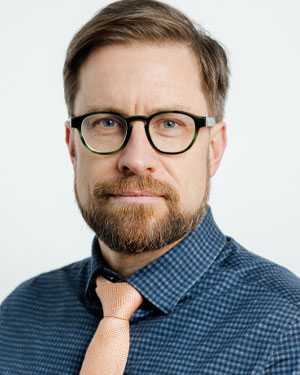
Rob Brenneman
Professor of Criminal Justice and Sociology
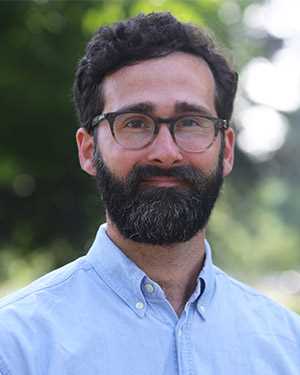
Luke Kreider
Associate Professor of Religion and Sustainability
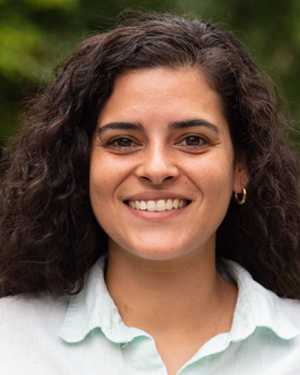
Alicia Maldonado-Zahra
Scholar Activist Fellow
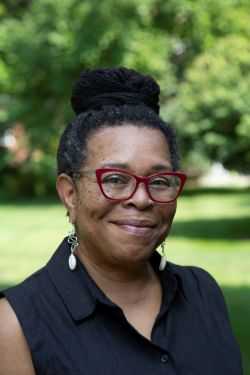
Regina Shands Stoltzfus
Professor of Peace
Justice
and Conflict StudiesKendra Yoder
Professor of Sociology
RJS and Co-Director of Global Engagement