At GC a conviction came through to me that we believed in more than being ‘antiwar.’ We were called to live toward a new way of being in all of life, grounded not just in politics, but also in spirituality and community.

Political Studies
Minor

Learn how power actually works
Learn to take an argument apart, weigh the evidence and build a stronger case.
The political studies minor at Goshen College is an undergraduate minor that examines the ideas, institutions and power structures shaping U.S. and global politics. You study political theory, government, history, and peace and justice, then test those ideas against real cases in small, discussion-based classes.
It sharpens the analysis behind whatever field you choose. You work closely with experienced faculty, and evaluate complex issues at the intersection of politics, history, economics and culture.


Where a political studies minor leads
Goshen College alumni have gone on to graduate school, law school, government work, and leadership roles in peace-building, business, and diplomacy. The minor builds toward fields including law, public policy, international relations, nonprofit leadership, public service, journalism, education, and advocacy. View the complete program requirements in our catalog.
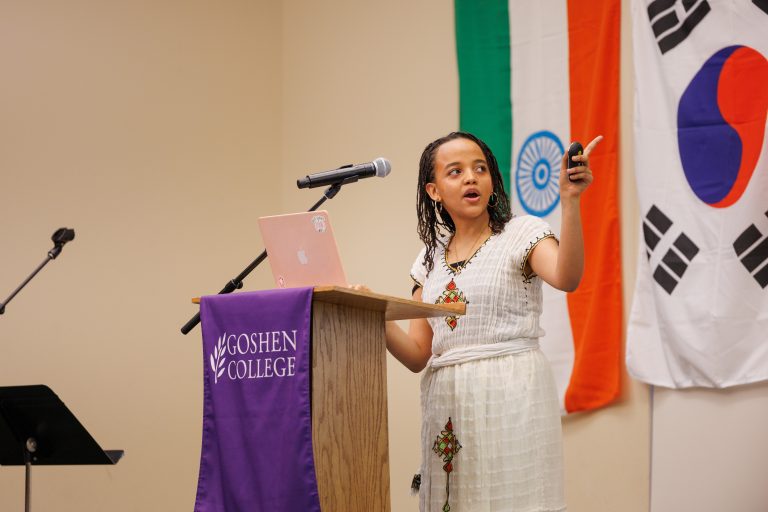
What you’ll study
- Pre-Law: Pair the minor with the History Pre-Law track to build the reading, writing, and argument skills law schools look for.
- Government & International Relations: Study U.S. and international politics, then connect it to the wider world through Goshen’s Study-Service Term.
- Policy, Advocacy & Nonprofit Work: Move into public policy, nonprofit leadership, journalism and advocacy with the analytical and communication skills the minor builds.
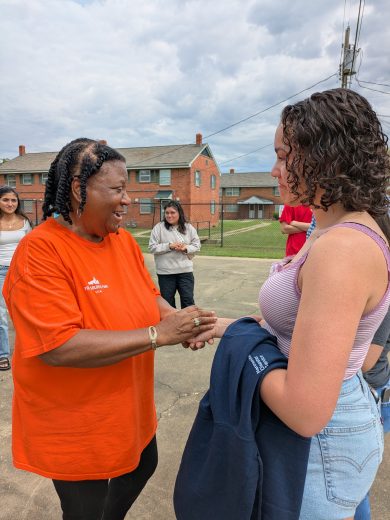
Politics you practice
As a political studies minor you can intern with local government offices, advocacy groups, law firms or international non-governmental organizations. Then, you conduct original research, present at regional academic conferences and contribute to campus work in civic engagement and social justice. You also have access to the Good Library’s humanities collections and dedicated faculty offices.
Through Goshen’s Study-Service Term, you connect global political concepts to real-world experience in a different culture. It is the part of Goshen that sends you out into the world rather than keeping you in.

Ron Kraybill '76,
peace and development adviser, United Nations

Paying for Goshen
Scholarships make up a large portion of Goshen financial aid packages, which average almost $26,000 per student. To see your own price after aid, run the net price calculator, or explore your options at the financial aid and scholarships pages.
Common questions about the political studies minor
It is rigorous. You learn to read primary sources, weigh evidence, build and defend arguments, and evaluate complex issues at the intersection of politics, history, economics and culture. Goshen teaches it in small, discussion-based classes where 91% have fewer than 30 students, so your reasoning is tested directly.
The minor builds toward law, public policy, international relations, nonprofit leadership, public service, journalism, education and advocacy. Goshen College alumni have gone on to graduate school, law school, government work, and leadership in peacebuilding, business and diplomacy.
Political studies is a shorter minor focused specifically on how power and government work, while peace, justice & conflict studies is a full interdisciplinary major centered on conflict and justice more broadly. If you want law or policy as your primary academic focus, compare both program pages directly, since either could fit depending on which area of study interests you more.
No prior coursework is required. Introductory courses teach you to read primary sources and build arguments from the ground up, so you don’t need to come in already following politics closely.
With 91% of classes under 30 students, faculty respond directly to your specific arguments in discussion and in your writing, pointing out exactly where your reasoning or evidence is weak. That individual feedback loop is how you actually get better at argument, not just accumulate opinions. It’s the same faculty who will write your recommendation letters for law school or policy jobs.
Ready to get started?
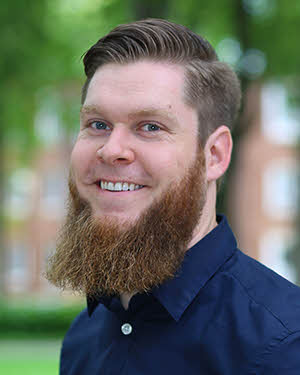
Philipp Gollner
Professor of US History
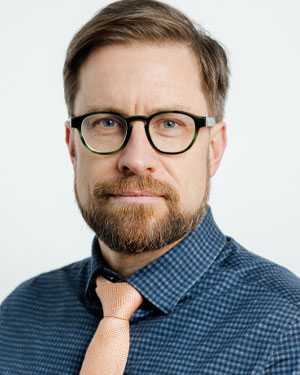
Rob Brenneman
Professor of Criminal Justice and Sociology
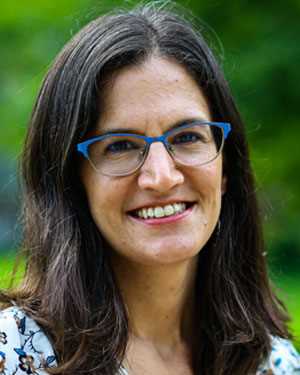
Elizabeth Miller
Director of the Institute for the Study of Global Anabaptism
Assistant Professor of History
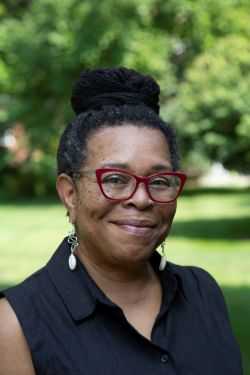
& Convocation CoordinatorRegina Shands Stoltzfus
Professor of Peace
Justice
and Conflict Studies