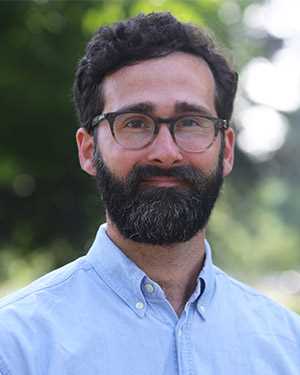
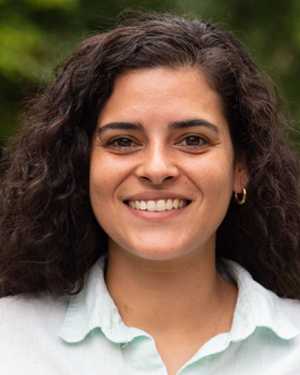
Professor of Criminal Justice and Sociology
Program Director CJRJ
Honors Director

Bachelor of Arts
Criminal Justice and Restorative Justice
Major
Top 5 reasons to study Criminal Justice and Restorative Justice at Goshen College
Look Beyond the Traditional Models
Our criminal justice and restorative justice program looks beyond the traditional criminal justice model to find ways to bring together offenders, victims and community members to repair harm and develop right relationships.- Inside-Out Program
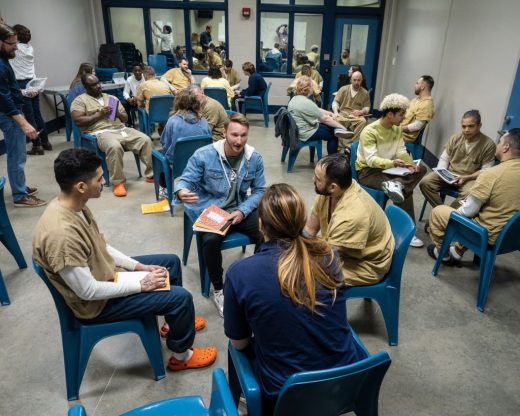
You’ll have an opportunity to work directly with incarcerated individuals during our Inside-Out program in May term, putting a human face on the current criminal justice system. - Hands-on Experience
You’ll get hands-on experience out in the community starting in your second semester through our innovative Community Engaged Learning program with organizations like Elkhart Jail Ministries and Elkhart County Drug Court. You’ll have plenty of opportunities to put your education into action through a range of internship options with organizations like the Center for Community Justice in Elkhart and Indiana Legal Services. - Strong Career Outlook
The U.S. Bureau of Labor Statistics indicates the job outlook for criminal justice majors is strong, and with Goshen’s unique program, you’ll be on the cutting edge of new theories and systems of justice, which can set you apart among employers.
Program Overview
It’s no secret that our criminal justice system has room for improvement.From mass incarceration to racial injustice, there is much work to be done to make our system fairer and more effective for everyone.
At Goshen, we understand the urgent need for a more diverse toolkit for addressing crime and public safety. Rather than emphasize criminal law, punishment, criminal behavior, and retribution, this program focuses on repairing the harm caused by crime. Because we focus on criminal justice programs through a restorative justice lens, students will be on the cutting edge of new theories about law enforcement agencies and systems, implementing restorative practices in schools, the workplace, and at a societal level.

Career Paths
What can you do with a degree in criminal justice and restorative justice? You’ll be prepared for a variety of careers after graduation.
Many also continue on to law school or pursue graduate studies in criminal justice, social work, or conflict transformation.
Explore some of the career paths open to graduates from this program below.
| Probation Officer | Court Operations Specialist | Victim Advocate |
| Law Enforcement Officer | Pretrial Services Officer | Substance Abuse Counselor |
| Community Justice Caseworker | Mediator | Child Welfare Specialist |
| Youth Justice Coordinator | Reentry Supervisor | Nonprofit Director |
| Court Manager | Correctional Counselor | Legal Services Professional |
Explore more about the program.
As graduates of our criminal justice and restorative justice program, students will have an understanding of law enforcement administration, history, and practices, with a focus on social theories of criminal psychology, criminal investigation, and society. Restorative and transformative approaches to justice are an integral part of the program and a focus on marginalized groups and the effect of criminal justice systems that neglect or downplay societal factors.
For a full list of requirements and available courses, refer to the course listing page.
Goshen College emphasizes real-world, hands-on learning opportunities in our curriculum. Students will have a variety of experiential learning experiences during their time on campus. Students in the Criminal Justice and Restorative Justice program may participate in the following:
- Inside-Out Exchange Program: Our majors also have the unique opportunity to study inside our local jail with offenders, putting a human face on the current criminal justice system.
- International experience: All Goshen College students spend several weeks or more in an off-campus immersive learning experience through our unique Study-Service Term (SST). During the off-campus portion of your SST, you may study language and culture, live with a host family, and engage in a major service project, often related to your major.
- Internships: An internship is required for the criminal justice and restorative justice major. While these internships take many forms, the best ones have one thing in common – instead of being assigned to students, they are set up by students who are pursuing areas of particular interest.
- Oratorical contest: The annual student peace oratorical contest allows students from all disciplines to present speeches on a peace and justice topic.
Learn more about our emphasis on experiential learning opportunities.
Scholarships make up a large portion of our financial aid packages, which average almost $26,000 per student (not including work-study or loans). Please visit our financial aid page for more information on available scholarships and the application process.