

By Hillary Harder On Sunday, July 26, our students returned to Quito from their service communities and we began our final retreat together! The afternoon was full of joyful reunions as each student arrived at our Quito home, la Casa…
News
Landscapes of Memory
May 17 2026
In 1996, Guatemala signed a peace accord that ended the 36-year civil war. One of the many challenges in the post-conflict era has been to bear witness to the historical memory of the communities most affected during the war. The clearest numbers regarding victims come from the report published by the Commission for Historical Clarification (Comisión de Esclarecimiento Histórico-CEH) in 1999. From a sample of 42,275 victims, the CEH calculated that 83% were of Mayan descent.
Of course, the CEH only captures a portion of the war’s victims, estimated to be around 200,000 killed and 45,000 disappeared or missing. Since the CEH report was published, organizations like the Guatemalan Foundation of Forensic Anthropology (Fundación de Antropología Forense de Guatemala-FAFG) have diligently worked to help families discover the truth about what happened to their loved ones who disappeared during the course of the war.
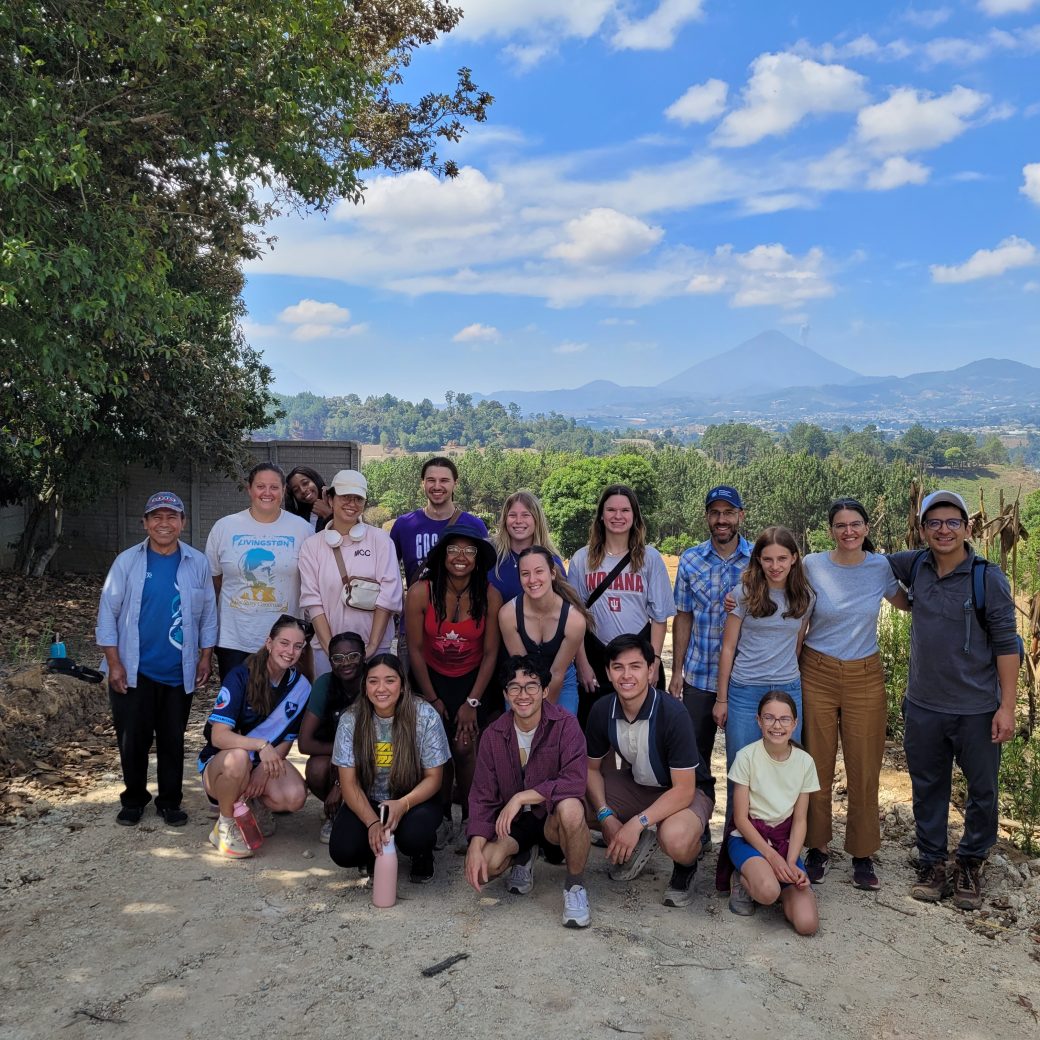
While visiting Comalapa, we had the great privilege of visiting the Landscapes of Memory (Paisajes de Memoría) memorial. This site had been a base of the Guatemalan Army during the conflict. After the war, it was discovered that the army had tortured, interrogated, and executed people in and around the base. From 2003-2005, the FAFG oversaw an extensive sweep of the area, exhuming the bodies of 220 victims that had been buried in mass graves. To date, more than 48 victims have successfully been identified. The remaining bodies were returned to Landscapes of Memory in 2018 without identification, although identification efforts continue.
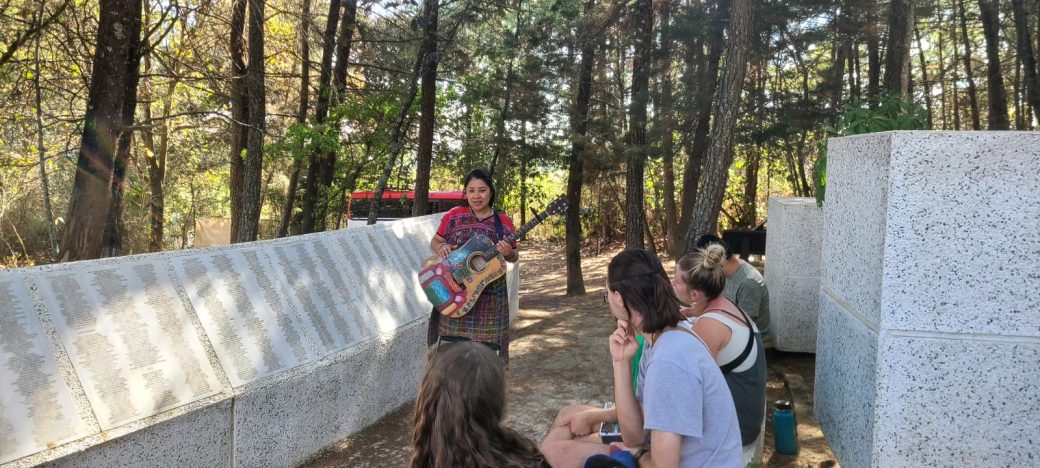
The land which once held disappeared bodies is now a sacred site for families and community members to mourn, reflect, and honor the victims who died. Many thanks to FAFG caretaker, Don Max, and artist-singer Ch’umilkaj, who so graciously received us at Landscapes of Memory, despite being foreigners and outsiders to the community.
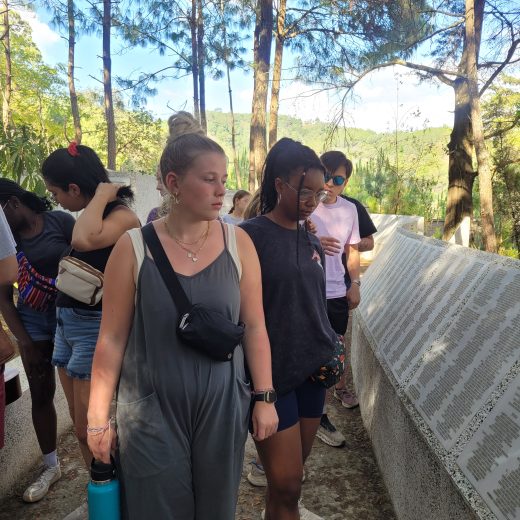
Reading the list of 6,041 Guatemalans disappeared during the civil armed conflict.
By DJ Reed
The memorial for the victims of the genocide seeks to remember and tell the stories of people who were murdered by the military and went missing during the armed conflict. It is a place that carries a lot of sadness; when we first arrived, I could feel the deep grief, and it was really draining. To not drown in that sadness, however, people have turned to the arts to help express how they feel and what they went through. From fabric to music and painting, art is a way to access and remember their stories.
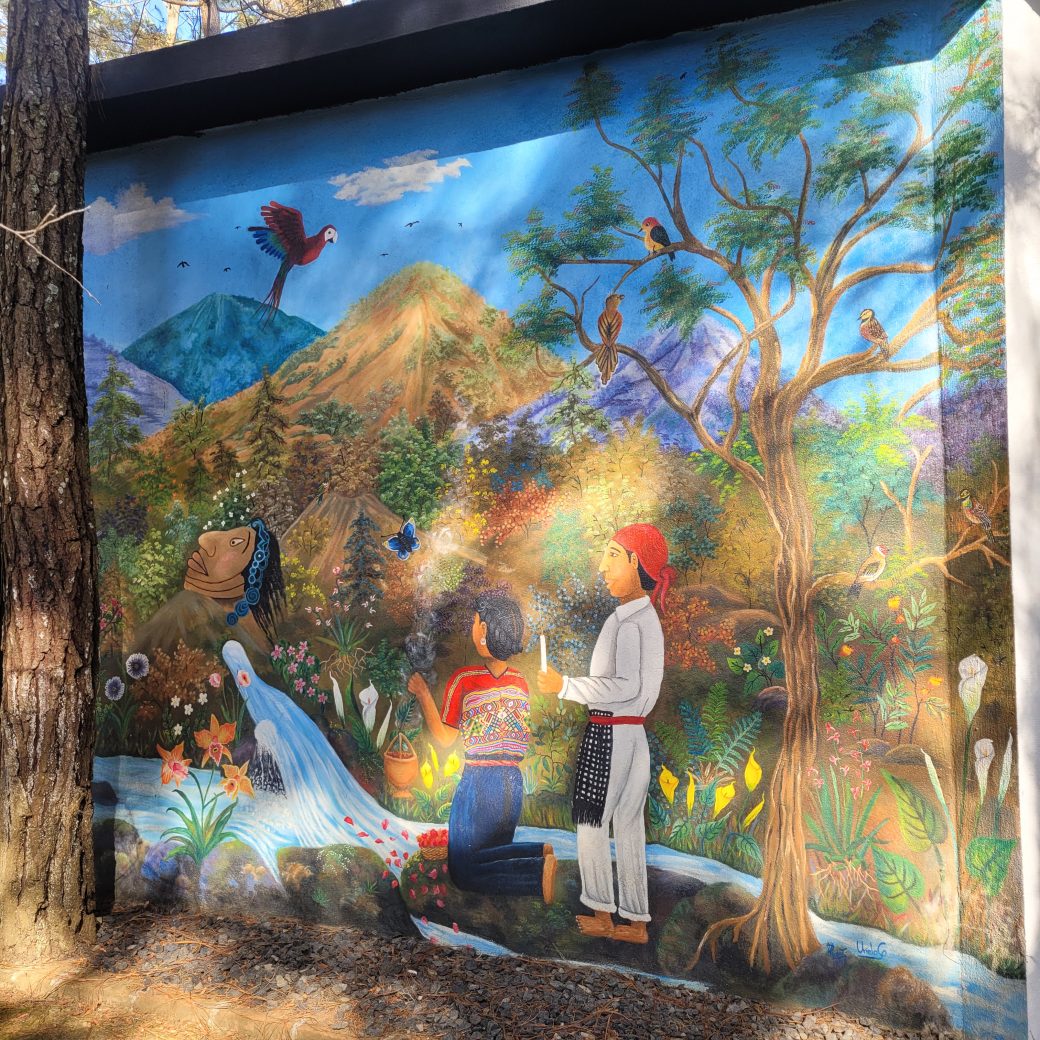
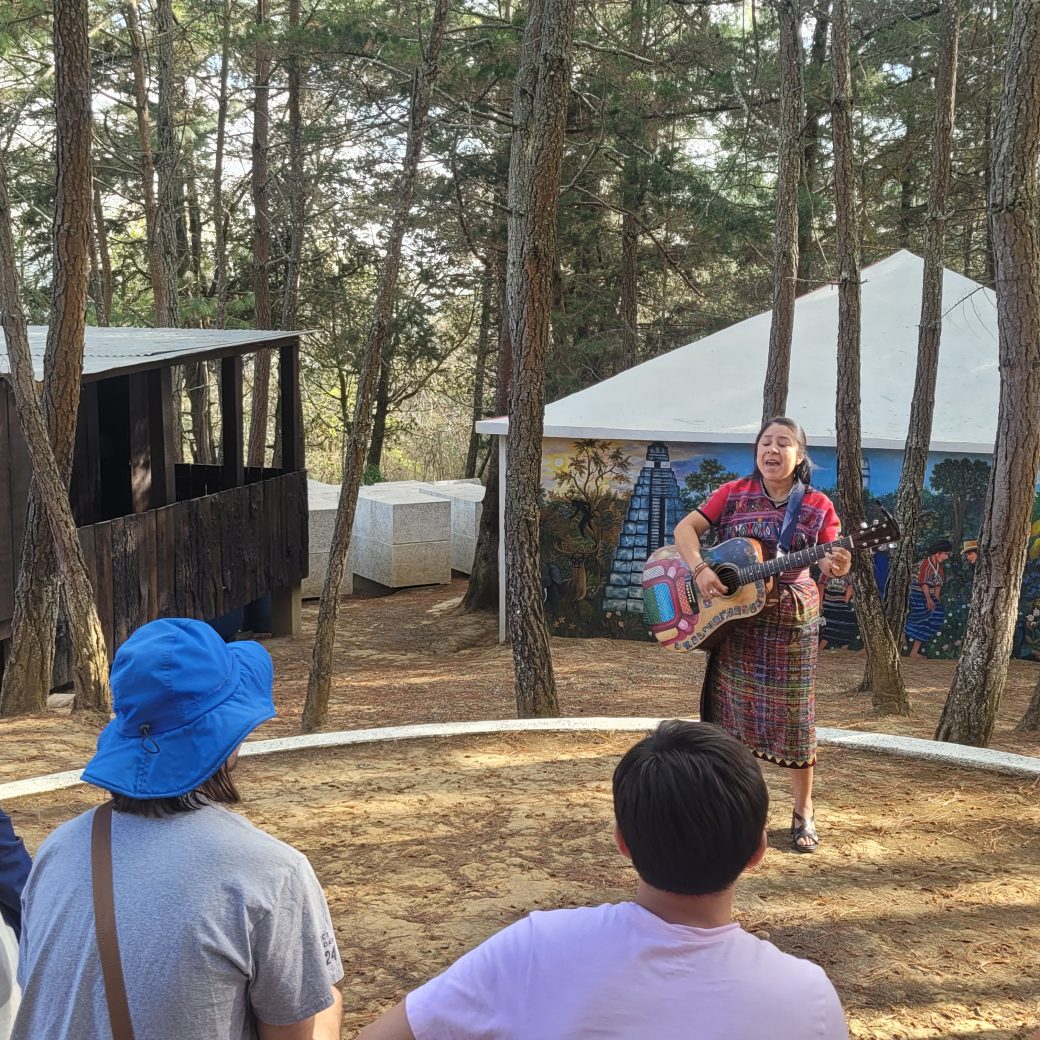
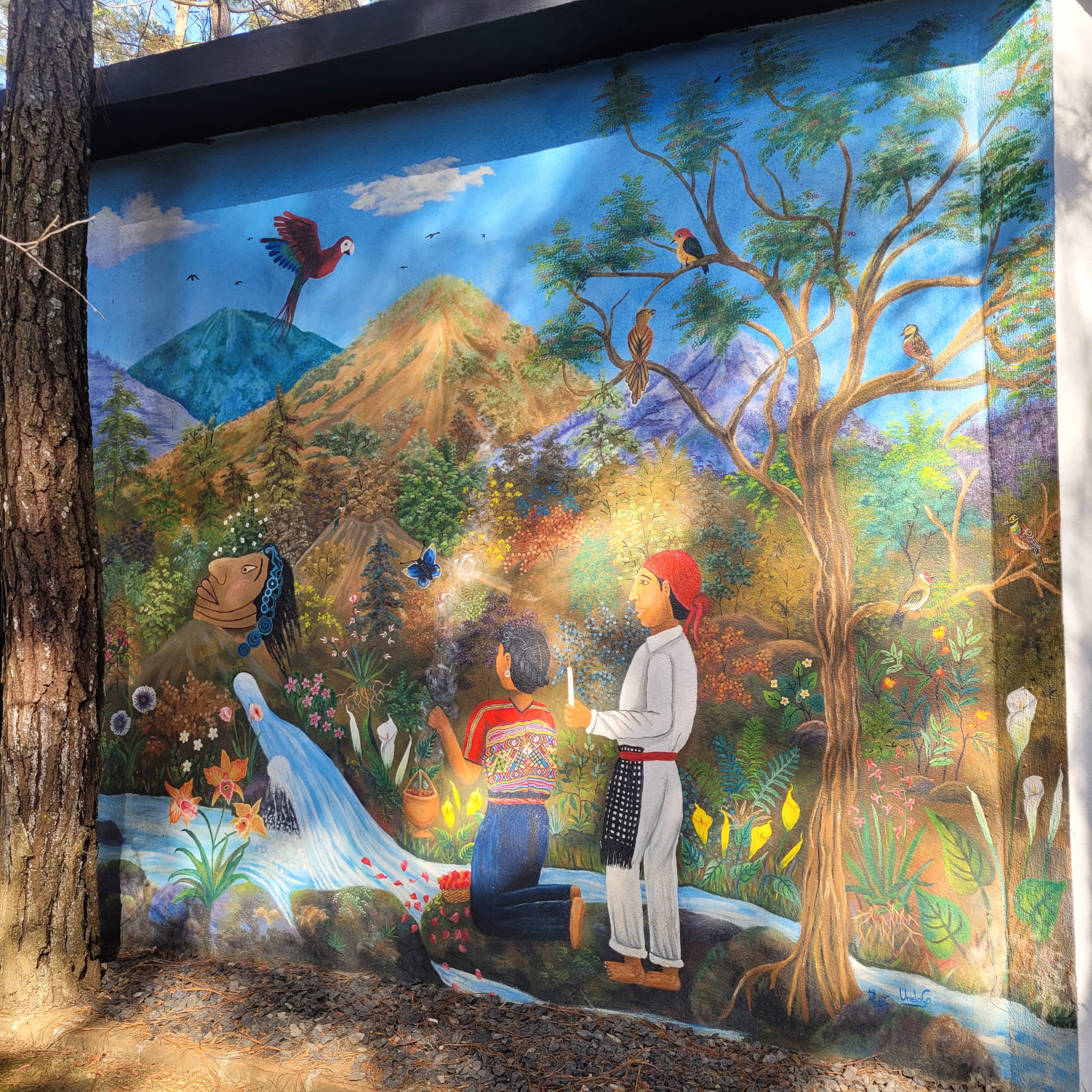
In the middle of the memorial sits a building covered in murals. The walls on the outside are painted in bright beautiful colors, even though the forest and graves surrounding it are not as colorful. On the backside of the building, there are paintings of the Maya energies (nahuales), as well as mountains, water, animals, and men and women wearing traditional Mayan clothing. All of these connect to their history and story.
While we observed the murals, Ch’umilkaj shared a song she wrote about the day some of the bodies were returned to the memorial site unidentified, despite extensive investigation. Music became a way for her to share her grief with others. Storytelling through art and the slow work of identifying as many people as possible is what keeps hope alive.
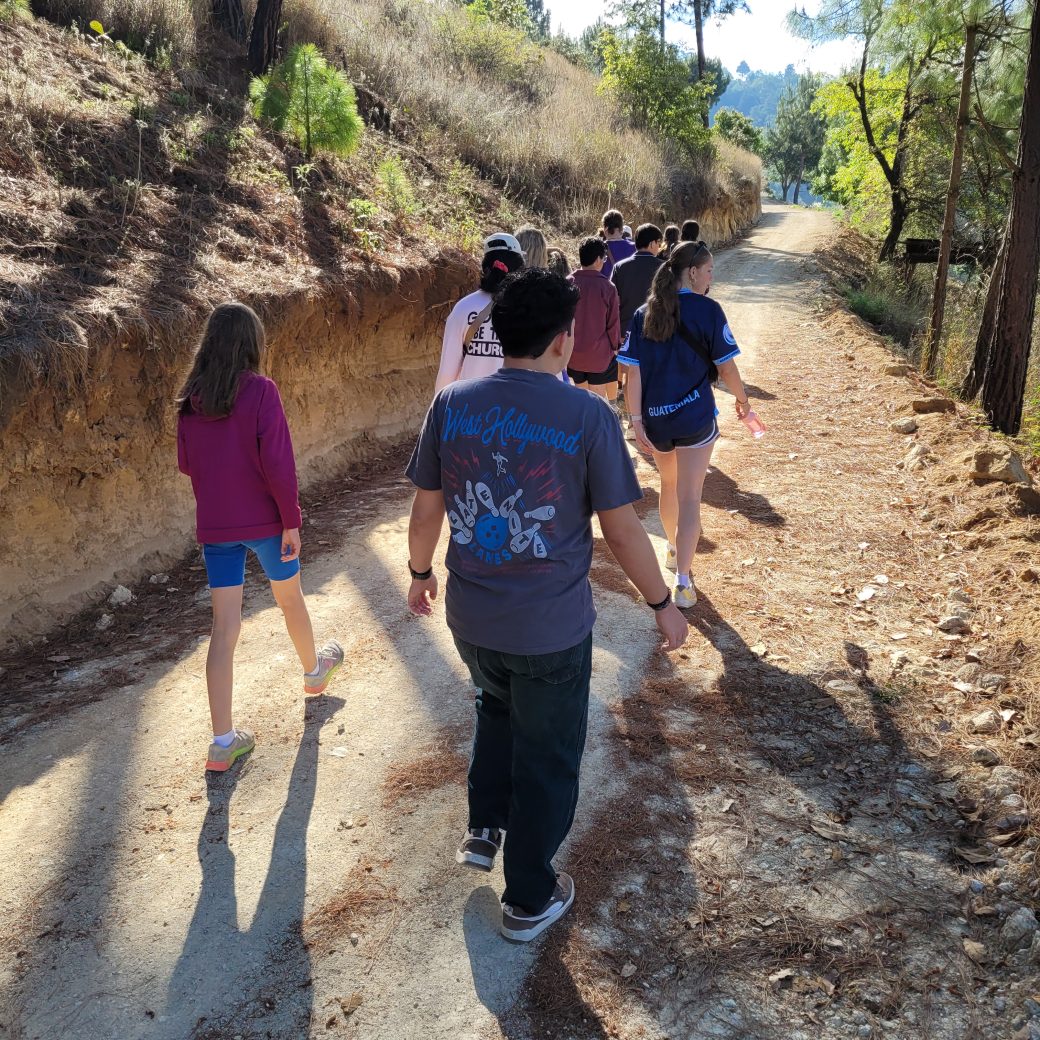
The next morning we returned to the memorial site a second time. On this occasion we went on a hike through the land around the memorial before entering. I didn’t feel the same sadness as before; it felt different. When we got back from the hike, we learned that four more people had been identified and that their families were on their way there to meet the caretaker of the memorial. That morning, the site was filled with joy.
 Global Education
Final retreat in Ecuador
 Global Education
Life on the ward
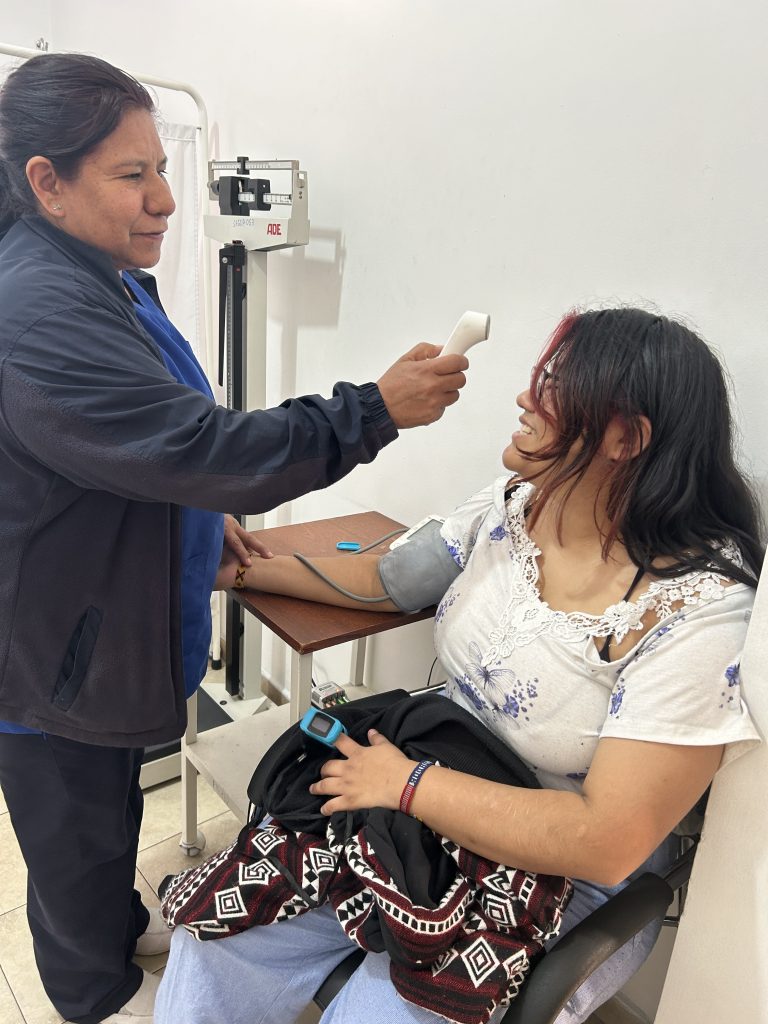
By Dayanara Aguirre-Mulato During my service placement at the municipal Centro Médico in Riobamba, I had the privilege to be able to work alongside other nurses. Day to day each patient comes in to register for their appointment and I…
 Global Education
Service visits: opportunities for connection in Ecuador’s “provincias”
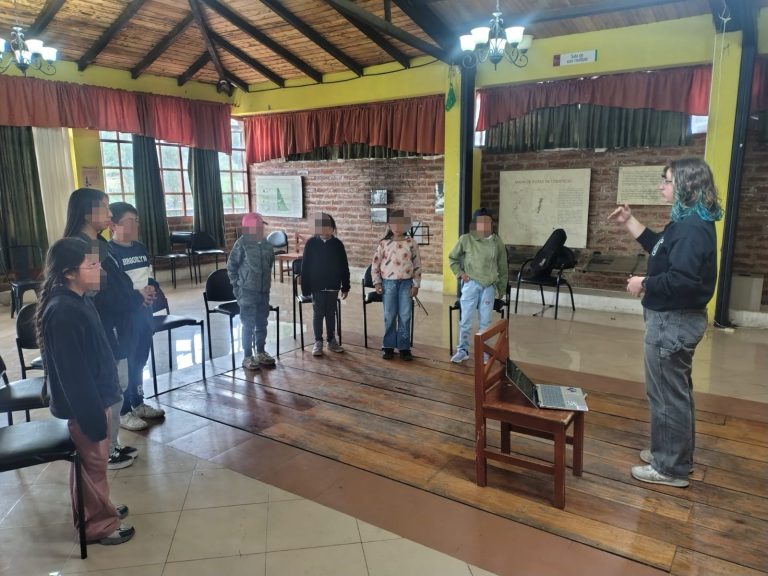
By Hillary Harder During the Service term, leaders have the privilege of traveling to visit each student at the home and volunteer assignment where they are spending their time during the second half of SST. For us, that meant traveling…