

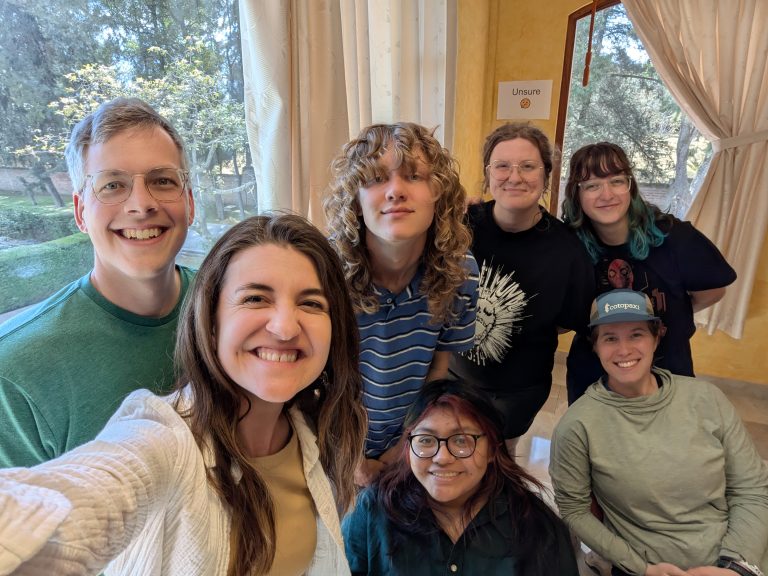
By Hillary Harder On Sunday, July 26, our students returned to Quito from their service communities and we began our final retreat together! The afternoon was full of joyful reunions as each student arrived at our Quito home, la Casa…
News
How to Survive Hiking a Volcano in Guatemala
May 19 2026
By Egypt Boyd
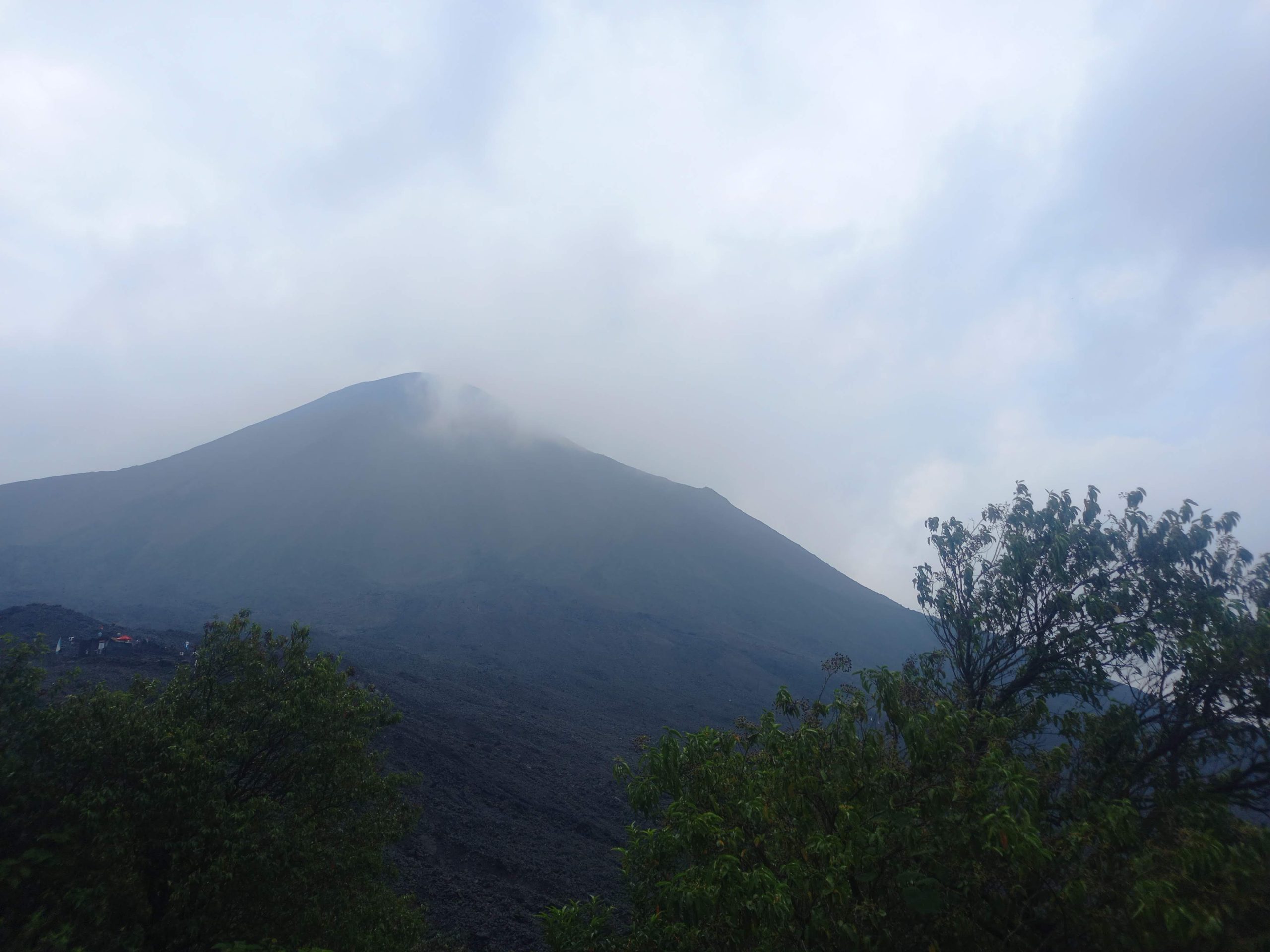
So, you found yourself hiking Pacaya, a volcano in Guatemala. Don’t panic—I’ve got the perfect guide to help you get through it.
Step 1: Mental preparation.
I hope you mentally prepared.
Some do this by going to bed early, others by taking the stairs instead of the elevator the day before.
But here at Goshen College, mental preparation looks a little bit different. We talk about the hike a lot…and then slowly forget to actually prepare for it.
“I brought my rain jacket,” says Ana. “I don’t think it’s gonna rain but I think it looks cute.”
Step 2: The alarm.
Set an alarm for 6 am, because breakfast is at 7, and we’re on the bus by 7:30!
But it’s important to remember: when your alarm goes off at 6, you’re absolutely going to want to snooze it until 6:45 for that extra adrenaline rush in the morning.
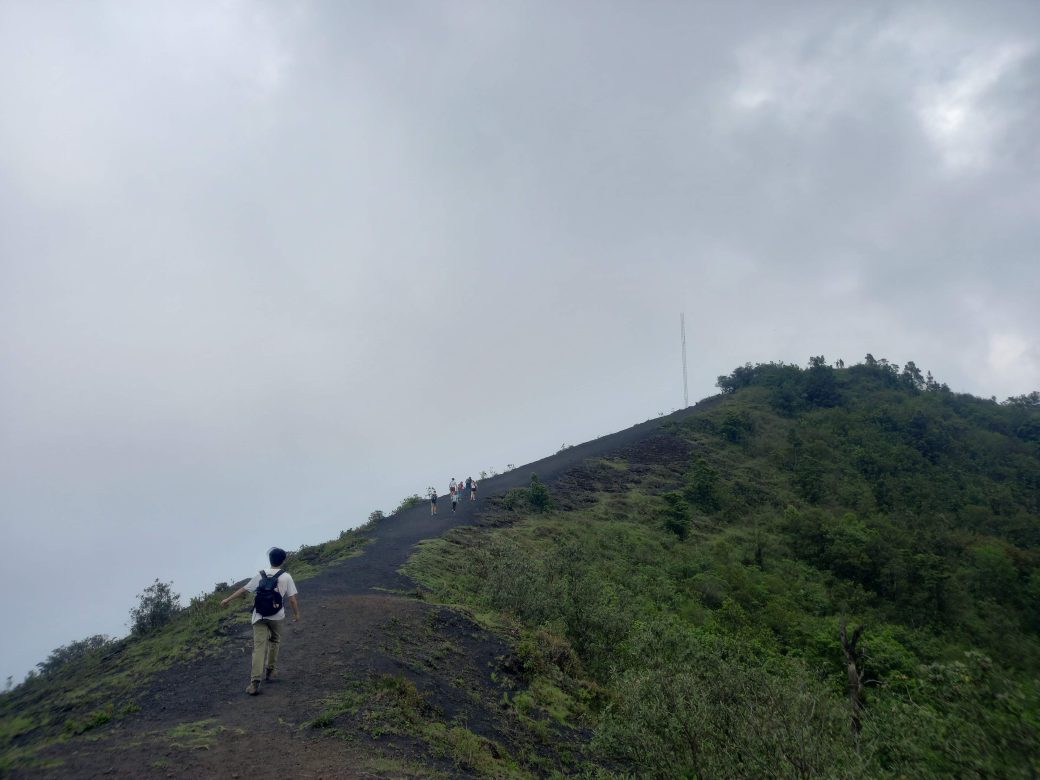
But you made it on the bus! Snacks are packed, music is on and before you know it, we’re hiking an incline we’re “definitely” prepared for. The views are breathtaking.
Step 3: Accept the pain.
The views are amazing, but your legs will definitely make you work for them. Every part of you that thought you were fit has now left. And you’re left second guessing everything that has led you here to this moment.
“Are these the right shoes?” No, they are not.
“Should I have put on more bug spray?” Yes, definitely.
“Do I really need this course to pass?” Yes, you do.
At some point you’re definitely going to want a time check, but trust you have not been walking that long, and you’re not almost there.
“I feel like we’re halfway up,” says Claire.
You have only been walking for 20 minutes. The ground slips from under you, as you have underestimated just how much of the pathway would be pure rocks, but it’s okay! Because your group is in this together. You guys cheer each other on another couple 100 feet up.
100 turns into 200. 200 turns into 300 and then you’re reminded this is a hike with 1,400 feet gain in elevation.
At some point, the group has stopped communicating in full sentences. Communication is now limited to: “Water.” “Save your breath.” “Don’t worry, go without me.”
Somehow, the people speed-walking ahead still have enough energy to say things like, “Guys, this is actually so fun.”
You noticed other members in your group suddenly with earbuds in, probably trying to drown out the sound of their lungs screaming. But you didn’t pack any so you just have to bear it.
Your body leaves survival mode shortly after and enters something far more dangerous–delusion. You start convincing yourself of things like: “Maybe hiking is actually fun.” “I should do this more often.” “I can definitely run a marathon this summer.”
But eventually, after breathing so hard it hurts, and sweating in places you didn’t even know you could sweat in, you make it.
And for a moment, no one talks.
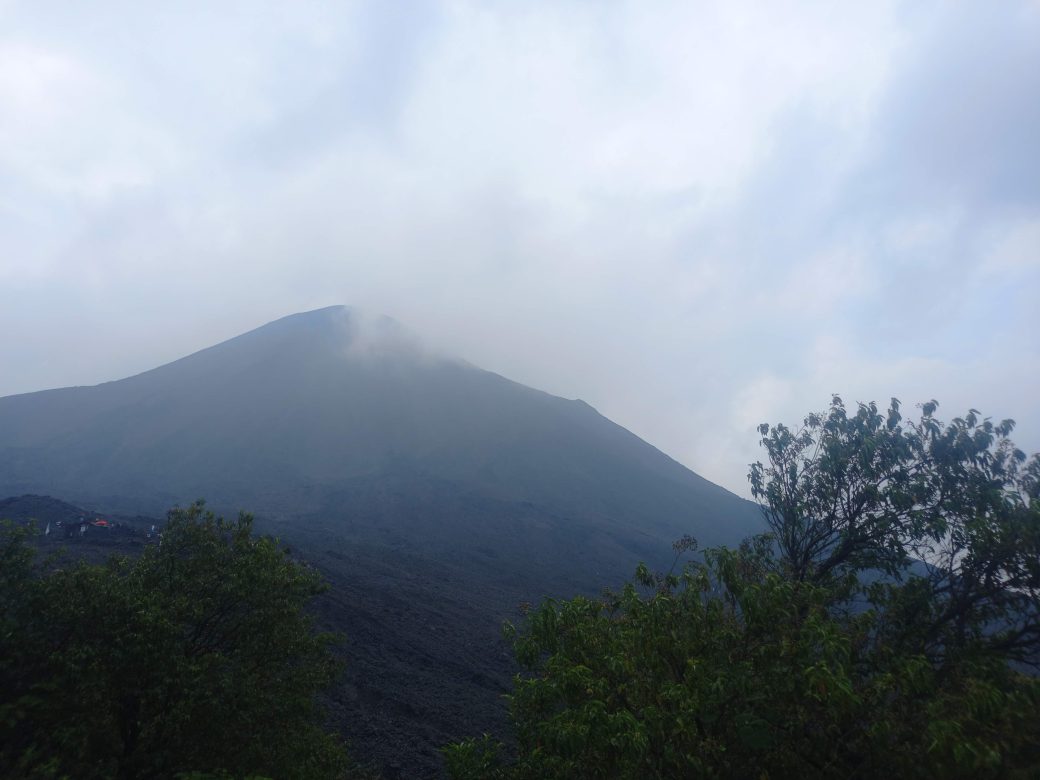
It was a bit cloudier than anticipated, but that only adds to the mystique. You don’t know what to expect, and then, as the clouds slowly withdraw, you see it — the whole city coming into view below us.
A maze of rooftops and winding streets, tiny buildings packed tightly together, alive with movement and life, swallowed by the mountains surrounding them.
A town wrapped in rich culture and history, now shrunk to the size of an ant colony and stretched across the landscape like a map. It’s impossible not to lose your breath.
Or maybe you’re just out of breath, because we’ve only been hiking for ten minutes.
Either way, this is the point where the volcano reminds you that the view has to be earned.
Step 4: Victory
The clouds move around the volcano like waves, the wind cuts through every layer, but you’re not even cold. Your heart is bumping and your blood is rushing.
Every slippery step, every dramatic water break, every complaint on the way up suddenly feels worth it.
It is worth it. No words could describe just how truly magnificent the view is. The volcanic ash and rocks shimmer in different shades of grays and blacks, stretching endlessly around us. Suddenly, the group erupts in laughs and giggles.
Phones immediately come out.
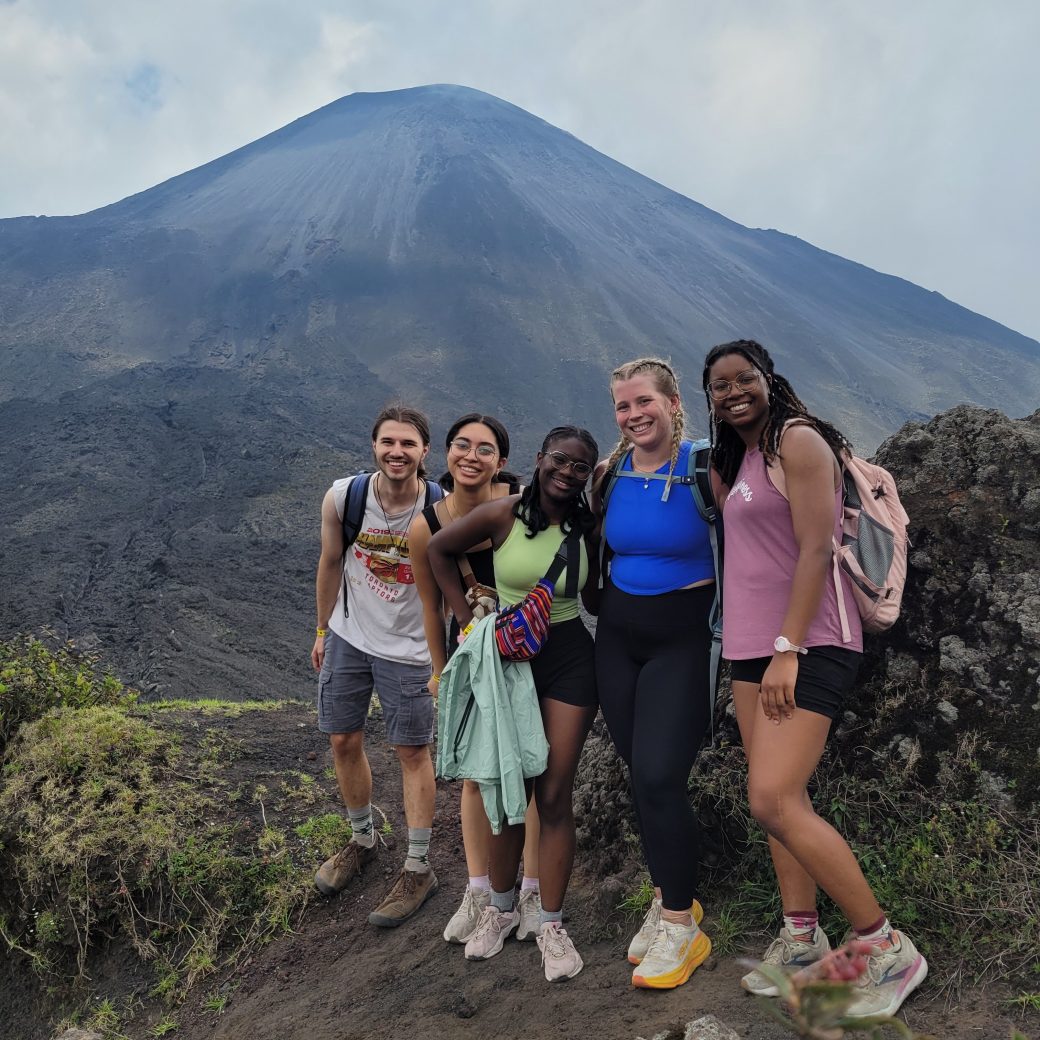
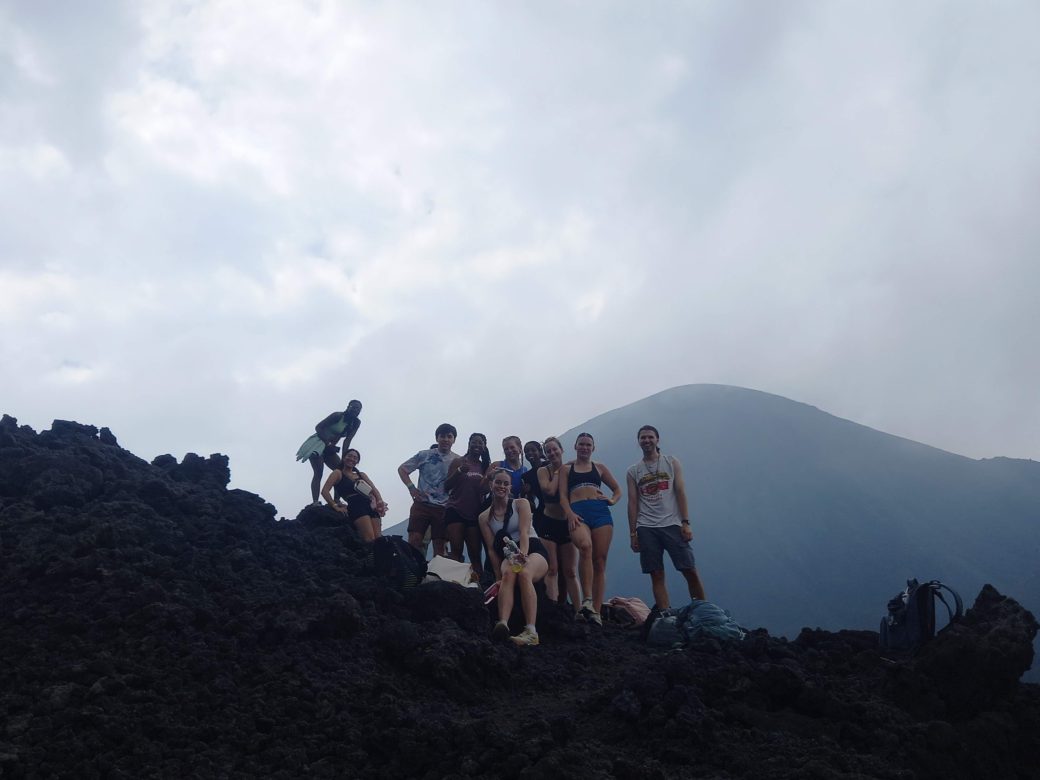
Everyone becomes a photographer. People are posing on rocks, fixing their hair and yelling, “Wait, take another one!”
Another person risks their ankles traveling up “just a little more” for the perfect angle. Group photos are attempted about seventeen times between three different phones.
And momentarily, no one is thinking about the hike anymore. We’re just standing above the clouds, laughing, trying our best to capture a view that somehow looks even better in real life.
Step 5: Recovery
Congratulations. You climbed Pacaya!
Unfortunately, you now have to walk back down. And somehow, that can feel just as hard as going up. Remember those loose rocks you ever so confidently stepped over? Yeah. Now they’re basically a downhill slip ‘n slide.
Everyone finds their own groove. Some people carefully tiptoe. Others fully commit and start sliding through the dirt like it’s an Olympic sport. You might even find a new technique, like galloping with your arms stretched outward for maximum wind control.
But at this point, your water is almost gone, your legs are starting to tremble and there is only one way down.
You make it back to the bus! Dirty, exhausted, and still pulling volcanic ash out of your shoes.
The real challenge, however, is pretending your legs aren’t shaking when you get back on the bus.
By the next morning, walking up the stairs will become a deeply personal battle.
And despite everything —the rocks, the soreness, the near death experience after only twenty minutes— you’d probably do it all over again.
 Global Education
Final retreat in Ecuador
 Global Education
Life on the ward
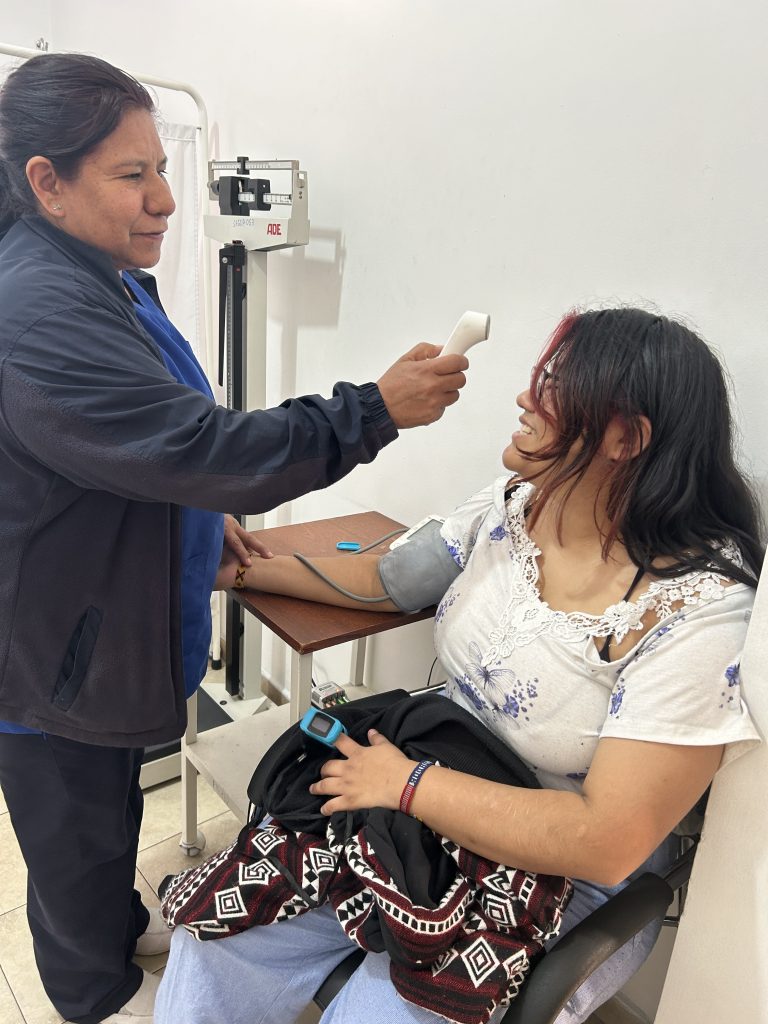
By Dayanara Aguirre-Mulato During my service placement at the municipal Centro Médico in Riobamba, I had the privilege to be able to work alongside other nurses. Day to day each patient comes in to register for their appointment and I…
 Global Education
Service visits: opportunities for connection in Ecuador’s “provincias”
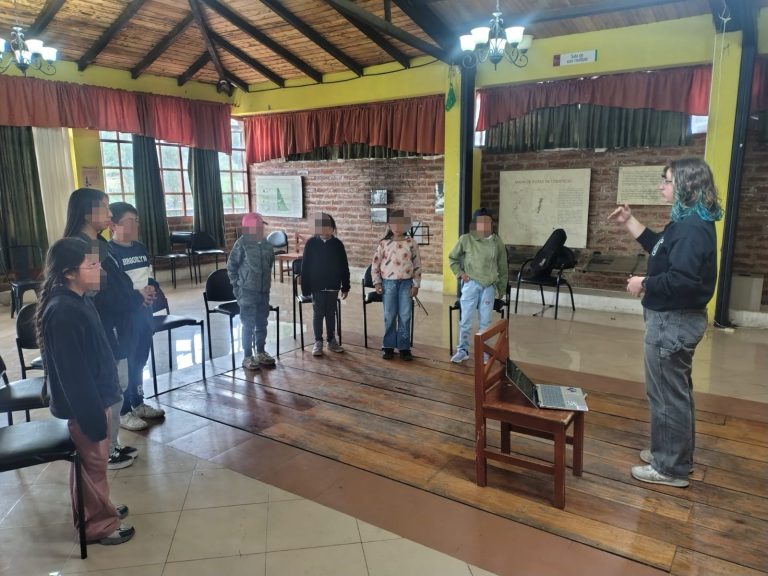
By Hillary Harder During the Service term, leaders have the privilege of traveling to visit each student at the home and volunteer assignment where they are spending their time during the second half of SST. For us, that meant traveling…