


By Hillary Harder On Sunday, July 26, our students returned to Quito from their service communities and we began our final retreat together! The afternoon was full of joyful reunions as each student arrived at our Quito home, la Casa…
News
A Tale of Two Universities
May 19 2026
During our last week in Guatemala, we were able to visit two university campuses and interact with students. This is a particularly interesting moment for higher education in Guatemala, following the election of a new president, or rector, for Guatemala’s only public university, the Universidad de San Carlos (USAC). International observers and national bodies have raised accusations of fraud, prompting a civil judge this week to declare a provisional suspension of the results of the election. For more information, see this statement from the Organization of American States, issued on the eve of the election.
By Ava Egolf
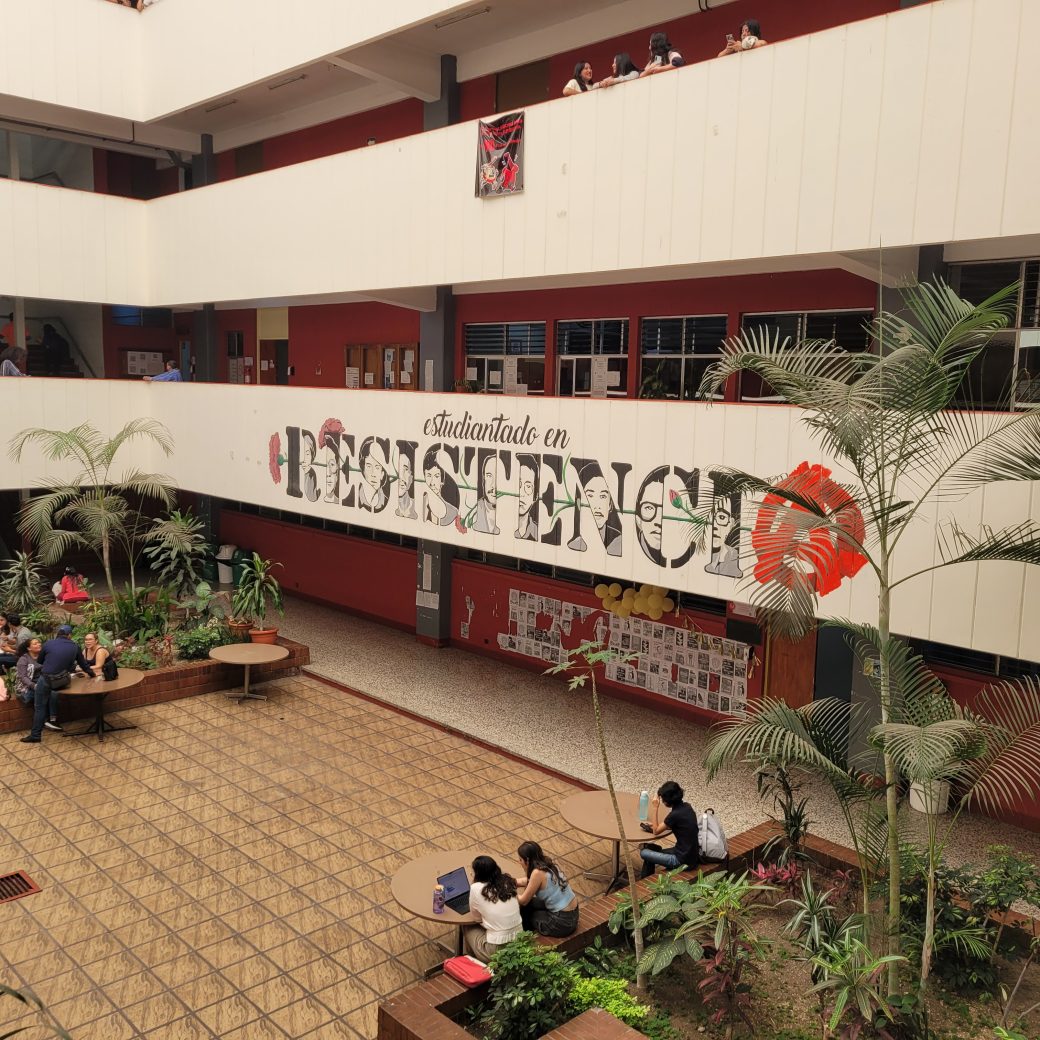
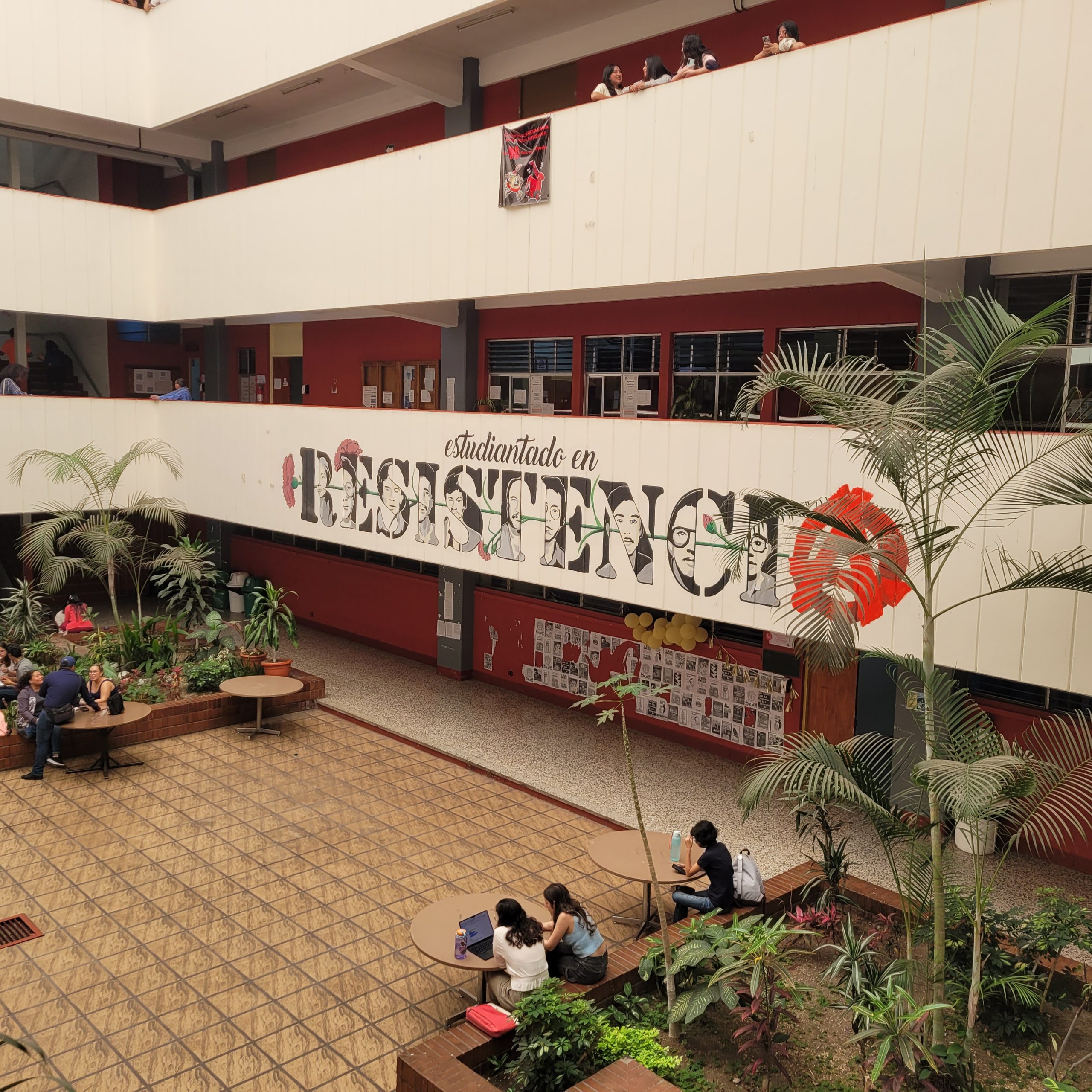
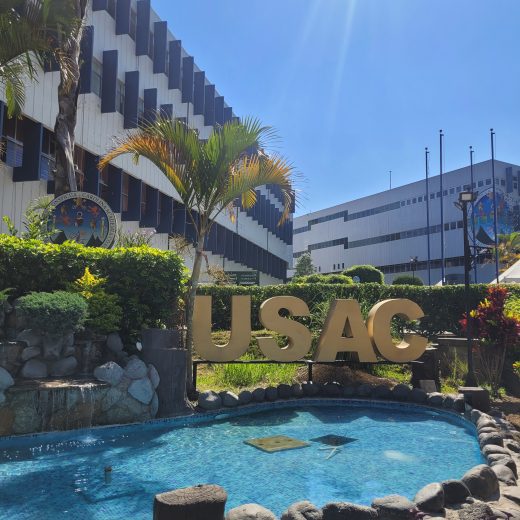
Our original itinerary said we would be visiting the main campus of the Universidad de San Carlos, but the day before we discovered our location had been changed to a satellite campus of the university. This is because the main campus is currently shut down due to students protesting the recent election of the university’s president, claiming electoral fraud and political corruption within the school system.
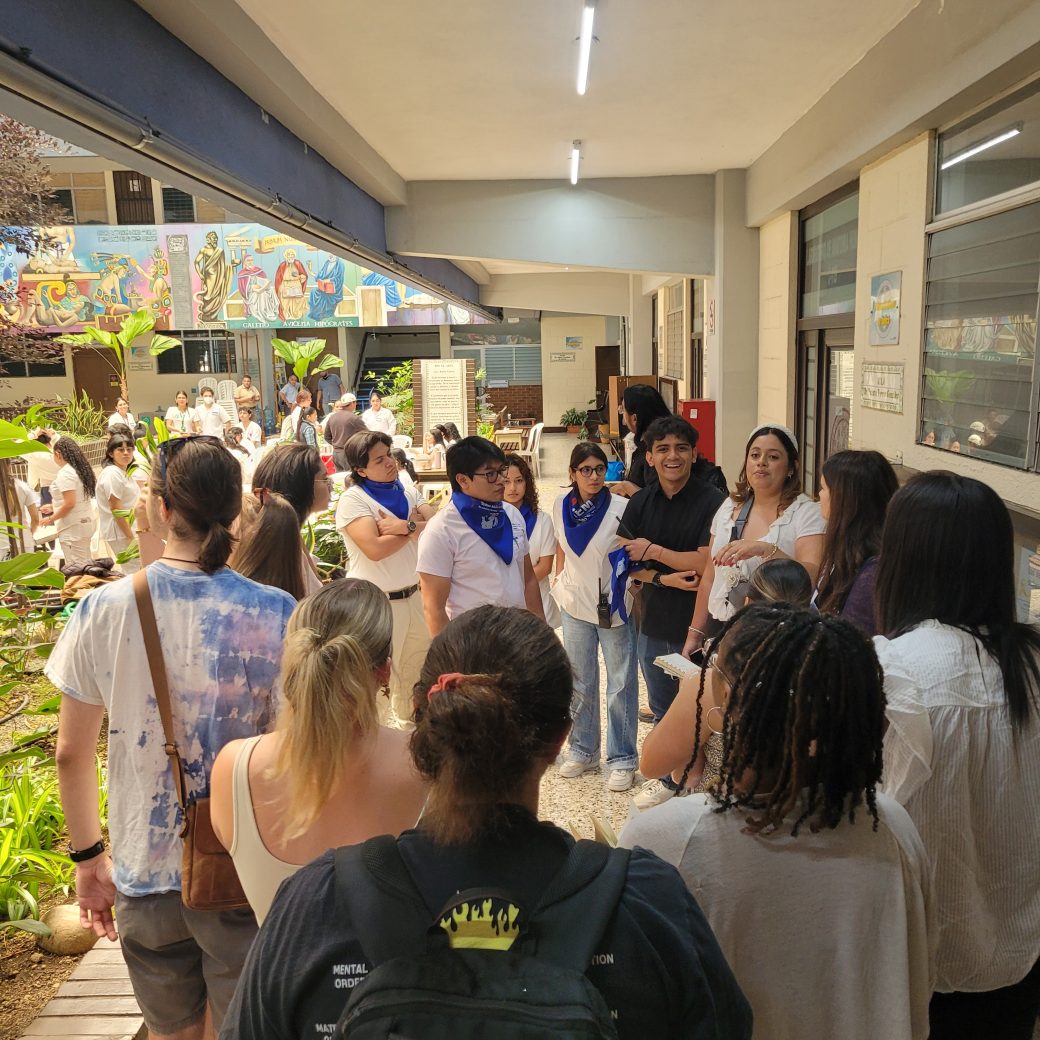
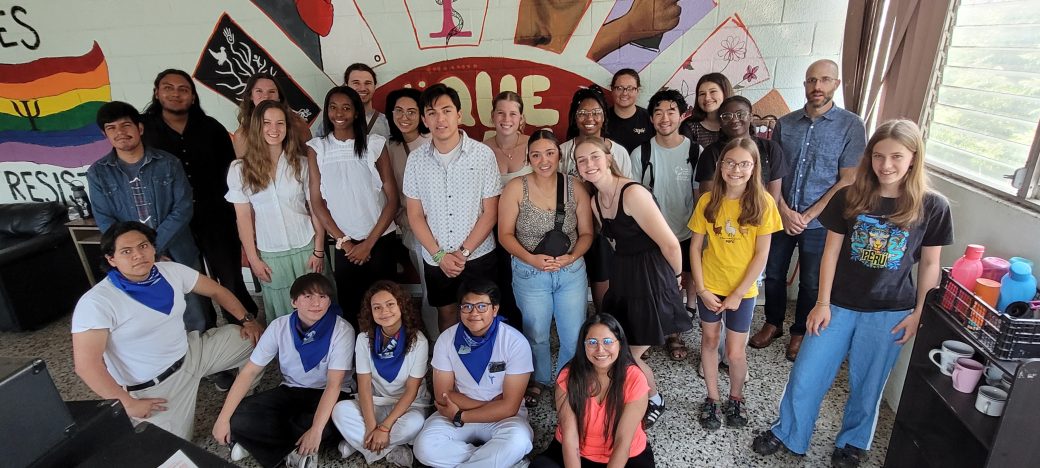
Despite the circumstances, the satellite campus we visited was busy with students. When first entering, it was hard to miss the loud music and a futsol game happening. The satellite campus is home to the medicine and psychology departments of the USAC. We had the chance to tour an anatomy lab, where we observed some amazing specimens that I’ve never seen in a Goshen College anatomy lab!
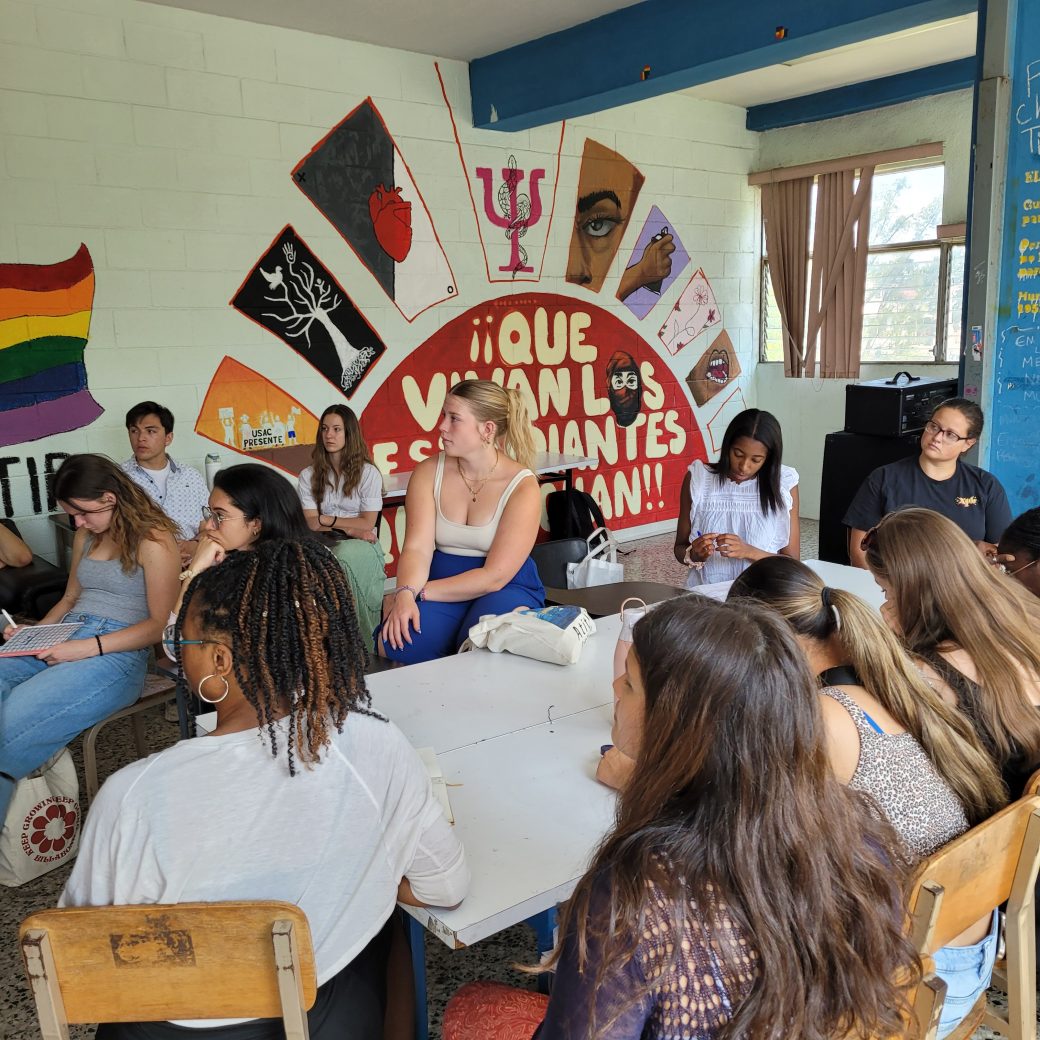
During our tour, we learned how student-led many aspects of the public university are. In the medical school, for example, groups of students organize the tutoring services for each other. This is much different from my experience at Goshen College, where I am able to contact a staff member about getting a tutor. We also heard from students about the importance of being involved in politics and social movements. Especially since the USAC has a say in the laws that get passed in Guatemala’s government, it makes their institution and its leadership consequential to the direction of the country.
It was really neat to get to experience what a public university is like in Guatemala and to compare it to my experiences at Goshen College and even to other schools I had visited. Seeing how involved the students were on campus was interesting and even inspires me to find more ways to be involved on campus.
By Sarah Elfrey
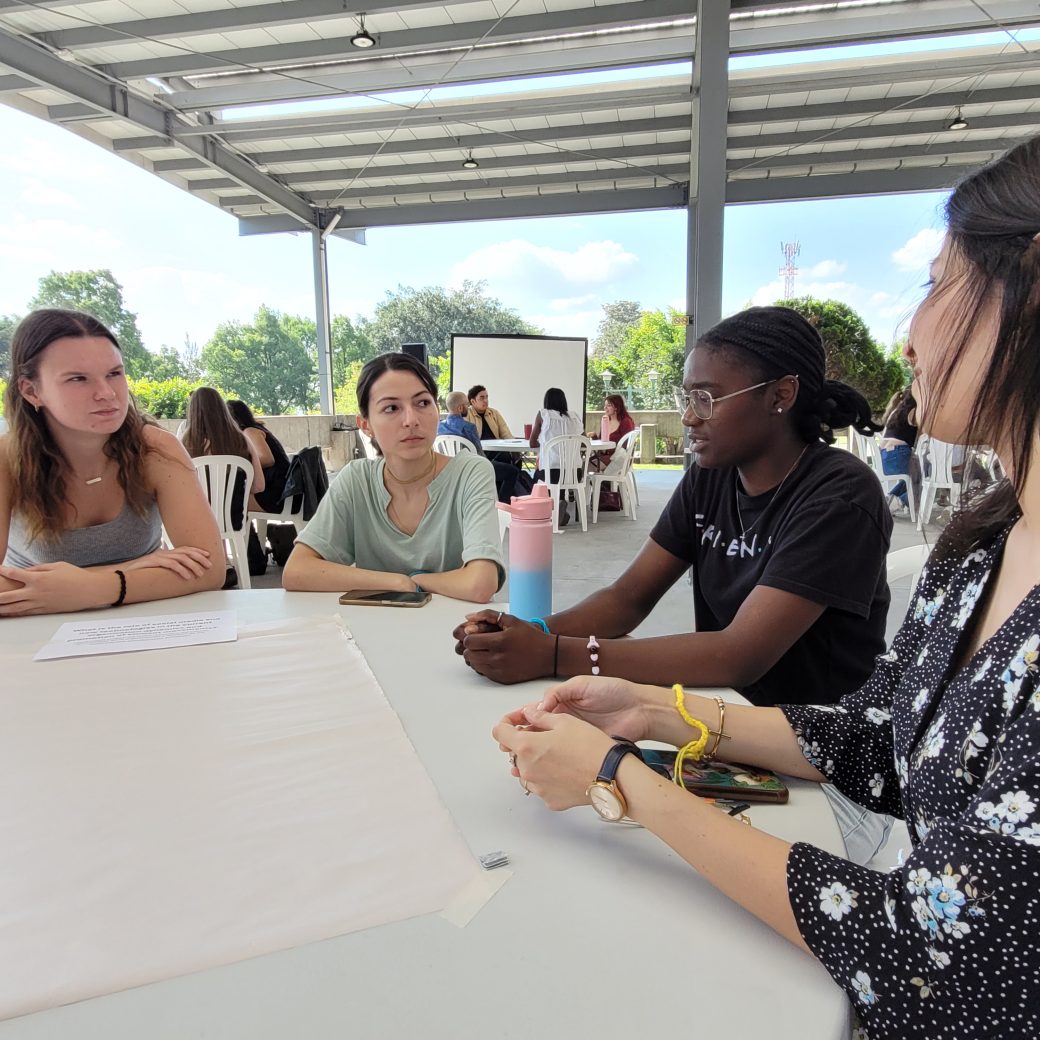
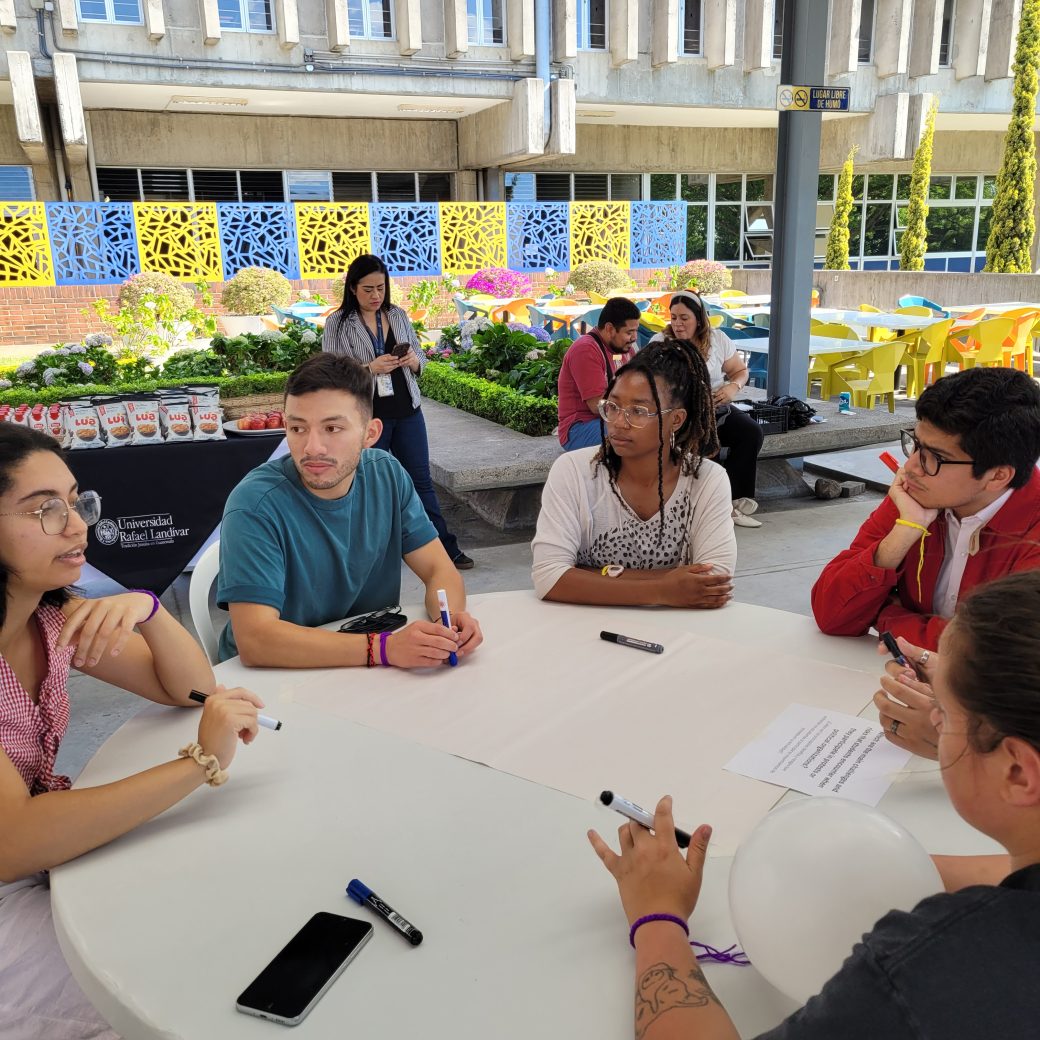
Our day concluded with a visit to a private university: Universidad Rafael Landívar. As is custom here, we were welcomed with hospitality and radiant energy. The right to education is not always guaranteed in Guatemala and is something that students continue to have to fight for, so I was eager to explore the experience at a private university. I wanted to see not only how they provide for their students and set them up with the best opportunities to succeed, but also how they engage the general community.
From the opening presentation, we learned what is at the heart of the Universidad Rafael Landívar: providing for their community. Across Guatemala, this university has nine campuses. Of those nine campuses, three have centres known as CIP or Centros Landivarianos Integrales de Proyección (CIP). The CIP provide medical care, dental care, legal assistance, therapy and other services to the broader community, as well as to their own students. They aim to eventually have these centres across all nine campuses.
These centres also connect students to the community. As a requirement for graduation, students intern in one of the fields provided by the centres. Not only does this allow them to connect with the community, but it provides students with real-world experience and application. During our earlier tour of the USAC, a student leader mentioned that a way to assess whether or not students are receiving adequate education is through a university’s requirements regarding internships, senior theses, and other educational assets. It seems the Universidad de Rafael Landívar is not only ensuring students obtain this experience, but also that they share it with their community.
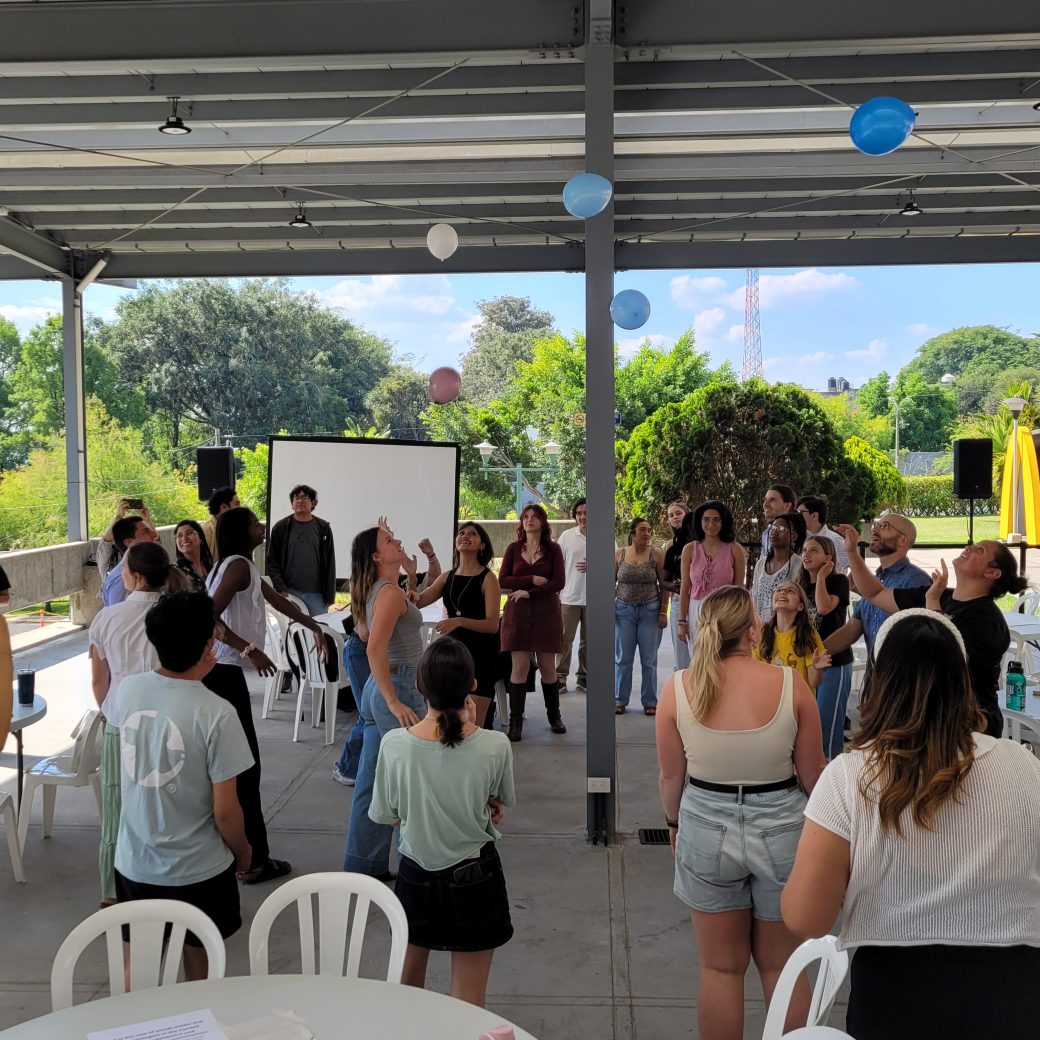
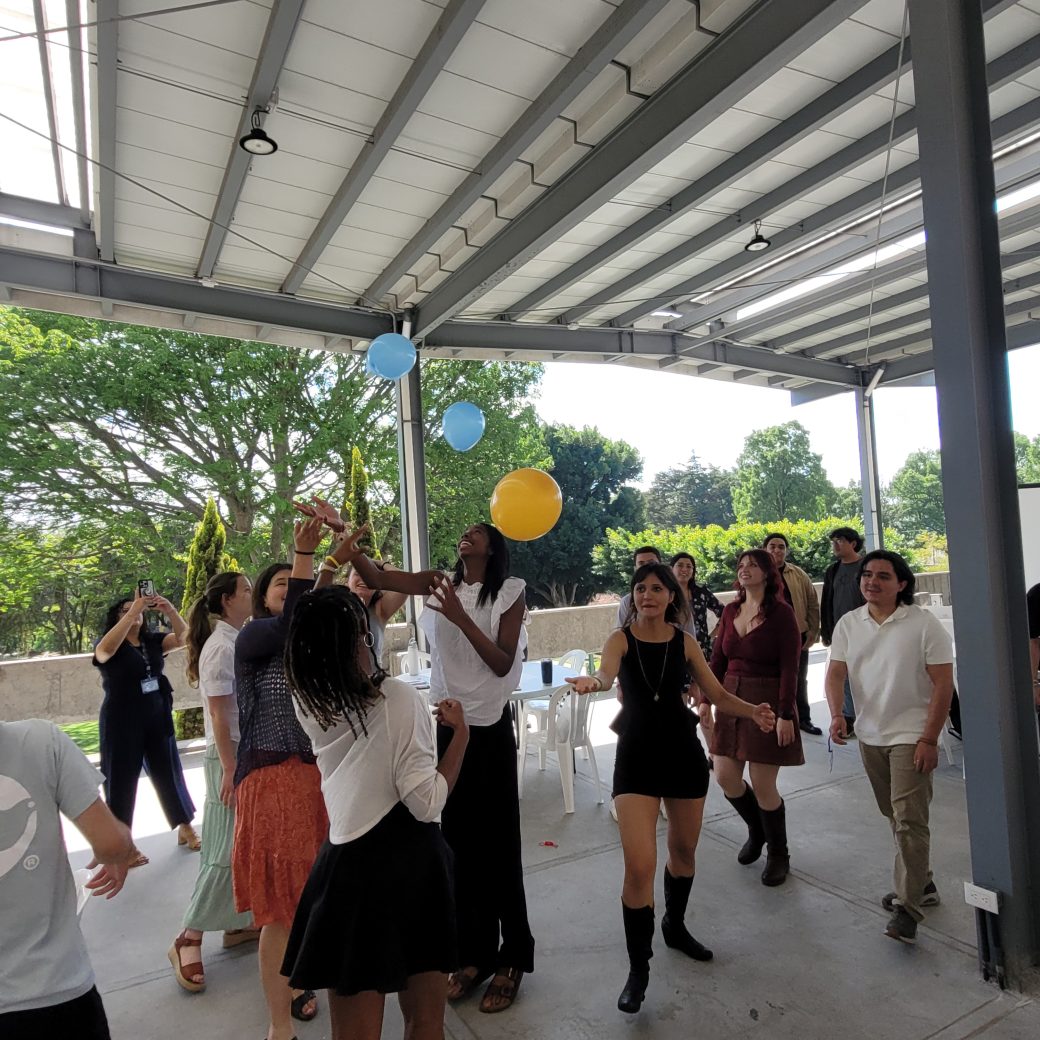
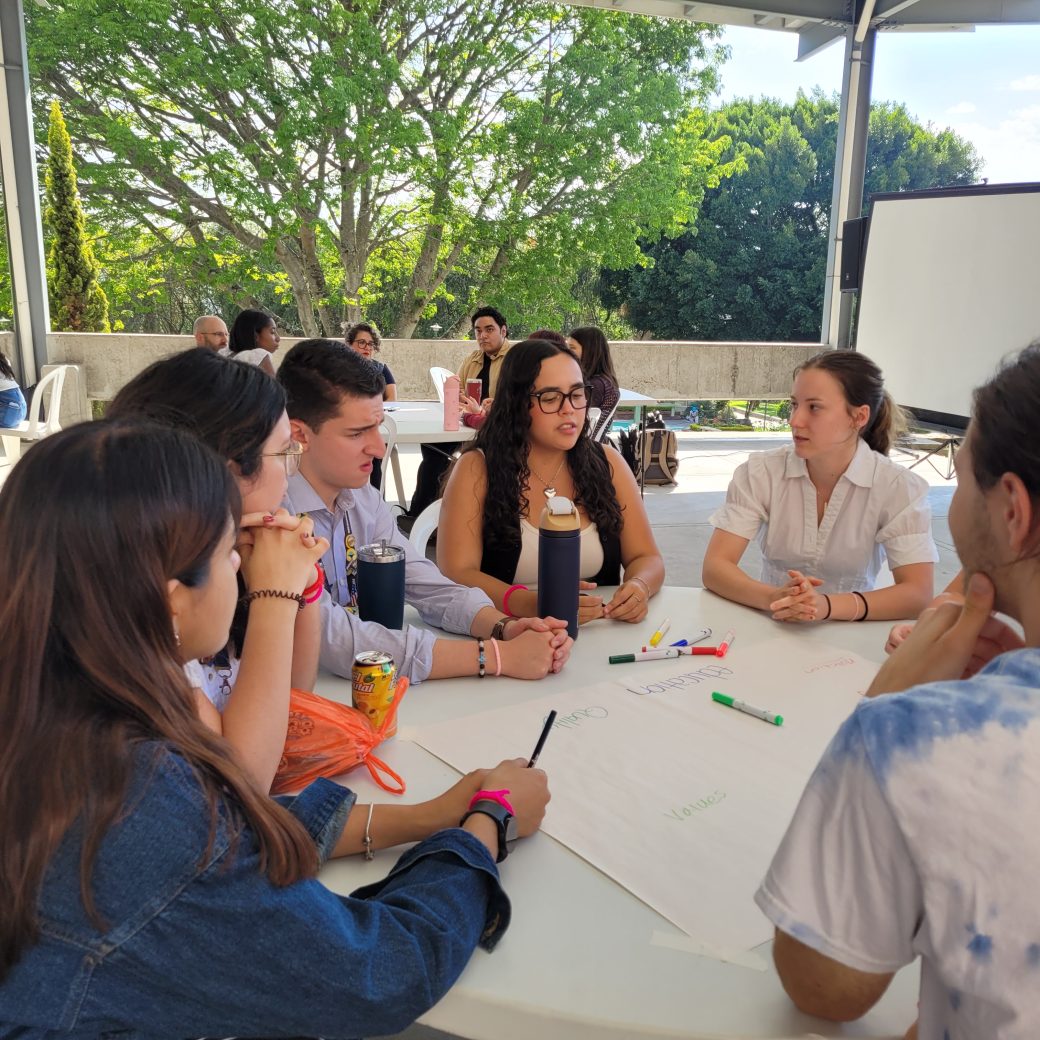
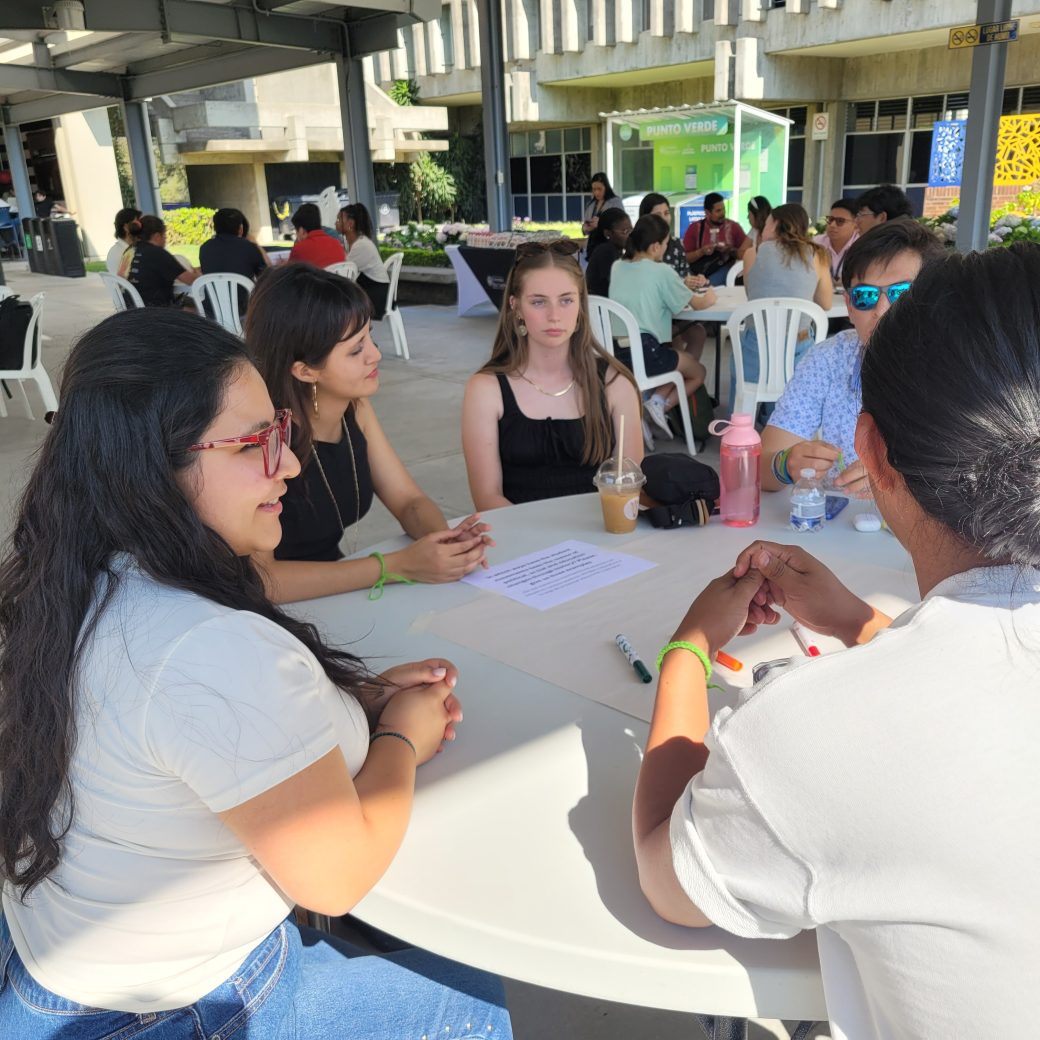
Following a series of icebreaker activities, our session concluded with group discussions focused on different political issues, such as the impact of social media in spreading news and historic student movements. Our answers didn’t have to be specific to Guatemala, so it was insightful to learn of the historic movements that took place in other countries.
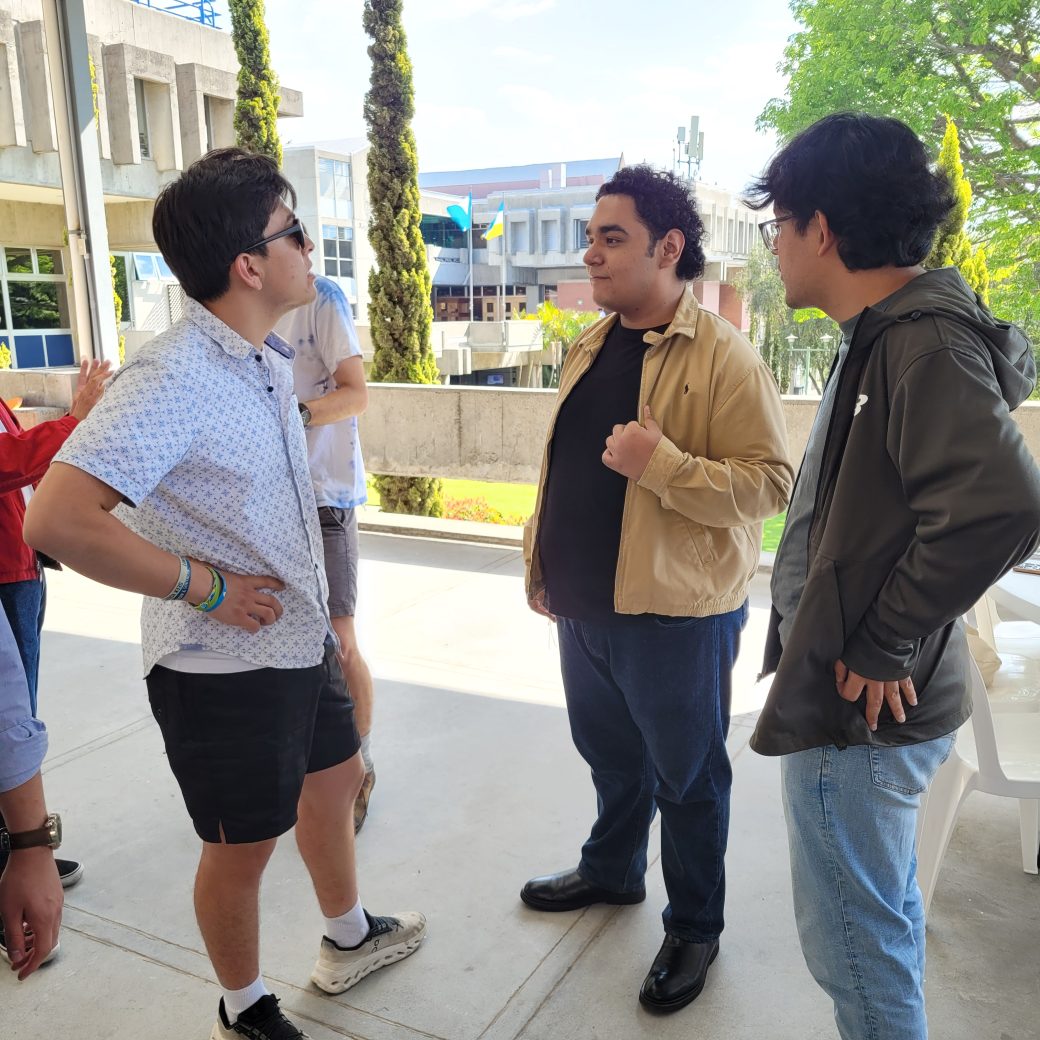
I truly enjoyed our visit to Universidad de Rafael Landívar, and it increased my awareness of the impact of students and their movements. We enjoyed befriending some of the Guatemalan students and even practiced dancing bachata with them. I know I speak for all of us when I say how appreciative and grateful we are to have had this experience.
 Global Education
Final retreat in Ecuador
 Global Education
Life on the ward
By Dayanara Aguirre-Mulato During my service placement at the municipal Centro Médico in Riobamba, I had the privilege to be able to work alongside other nurses. Day to day each patient comes in to register for their appointment and I…
 Global Education
Service visits: opportunities for connection in Ecuador’s “provincias”
By Hillary Harder During the Service term, leaders have the privilege of traveling to visit each student at the home and volunteer assignment where they are spending their time during the second half of SST. For us, that meant traveling…