

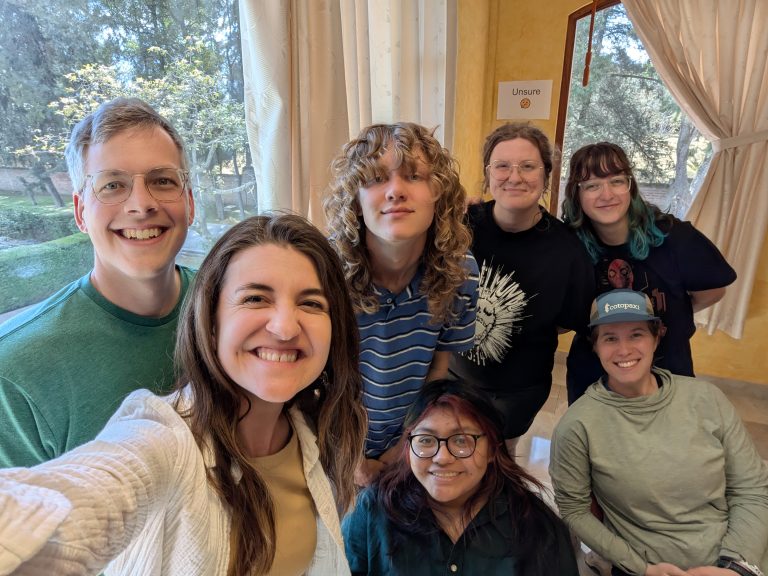
By Hillary Harder On Sunday, July 26, our students returned to Quito from their service communities and we began our final retreat together! The afternoon was full of joyful reunions as each student arrived at our Quito home, la Casa…
News
Tourism in San Juan La Laguna
May 10 2026
By Jessie Price
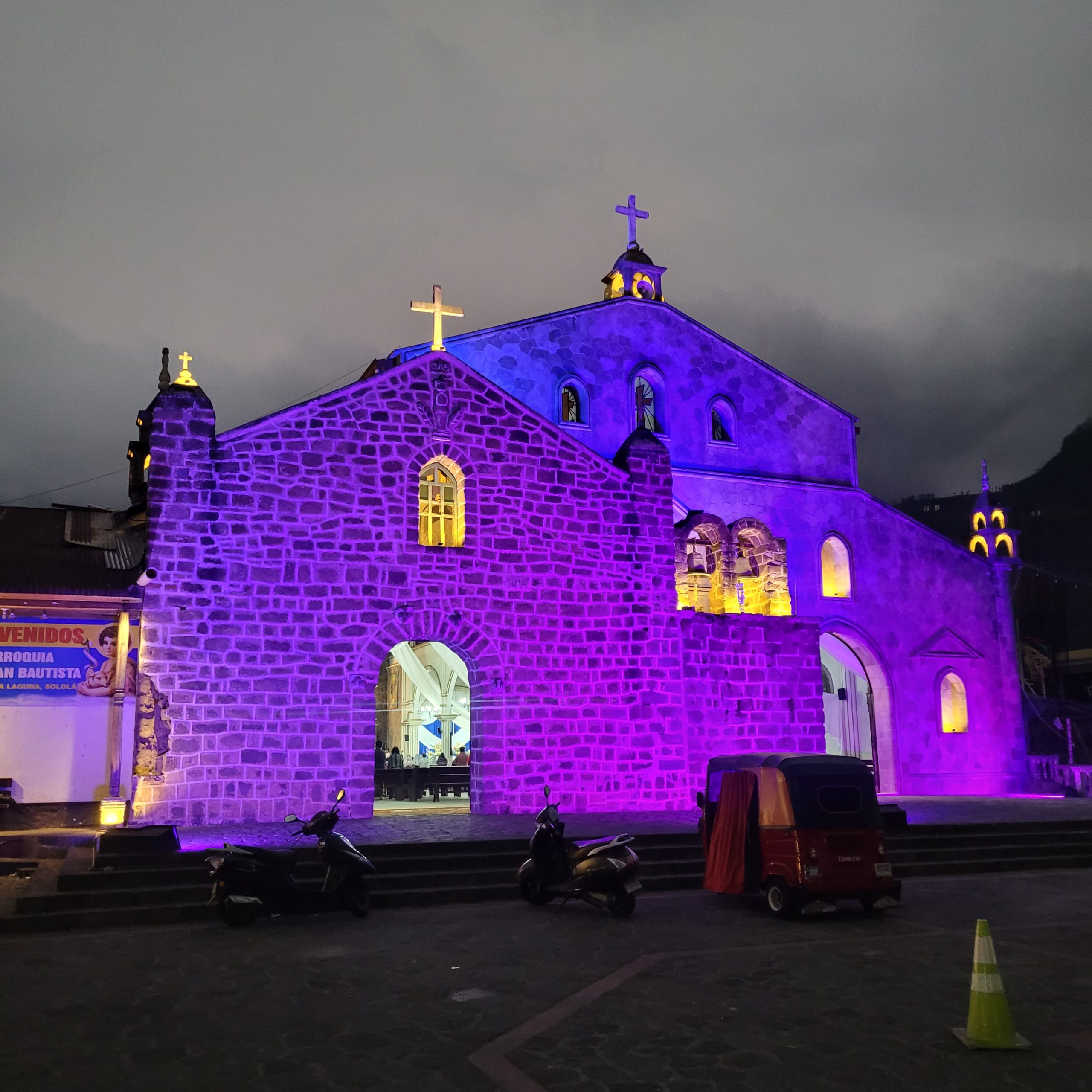
Over the course of two days, our group visited Lago Atitlán to observe, learn, and interact with the local Mayan communities living around the lake. Here we were immersed in Tz’utujil culture, as the culture in each Mayan group differs from one another. After an overnight stay with host families in Santiago Atitlán, we took a boat ride to San Juan La Laguna, another town located on the lake.
We knew San Juan La Laguna was considered more of a tourist town. Here is where many of us planned on shopping and buying souvenirs for friends and family back at home. However, there are many shops in San Juan that sell the same products. So how do we choose which shop to go to? How do they all remain in business?
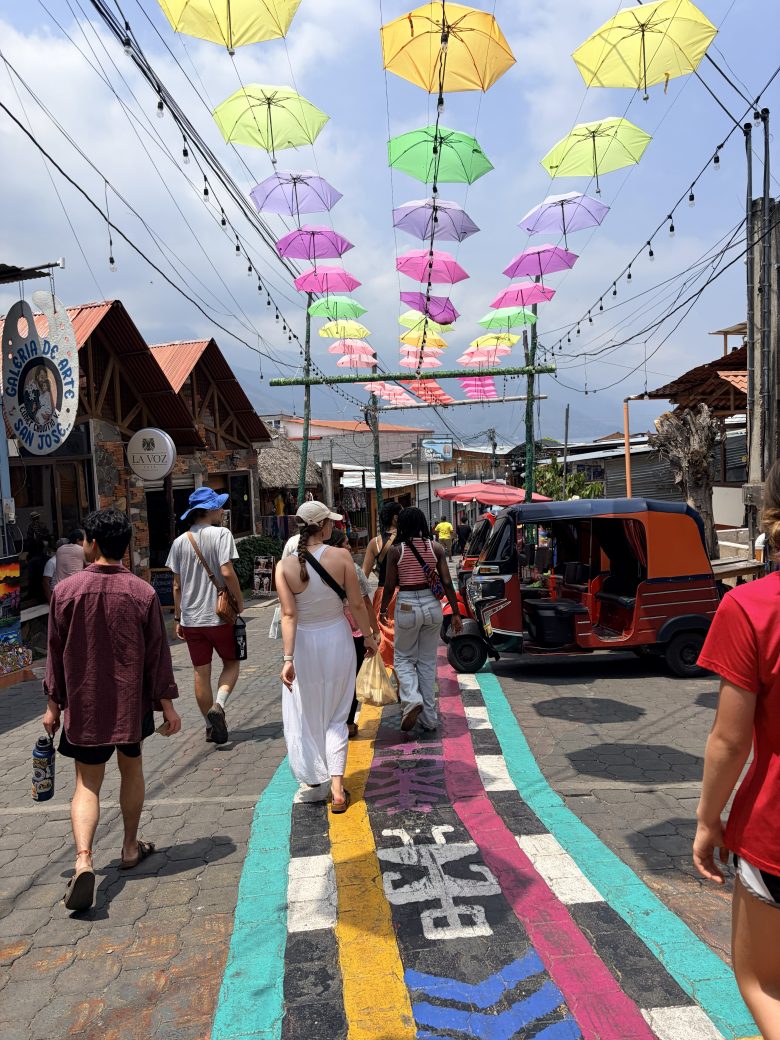
It turns out that the community works to organize tours that rotate among the different cooperatives in town to ensure that they all get roughly the same exposure to tourists. This organization also applies to the little red motorcycle taxis known as “tuk-tuks.” These travel all over the town as a mode of transportation and to help each driver earn money, they are given a schedule for when they are allowed to work. This system works to evenly distribute the attention of tourists to all parts and people of the community.

Riding in a tuk tuk.
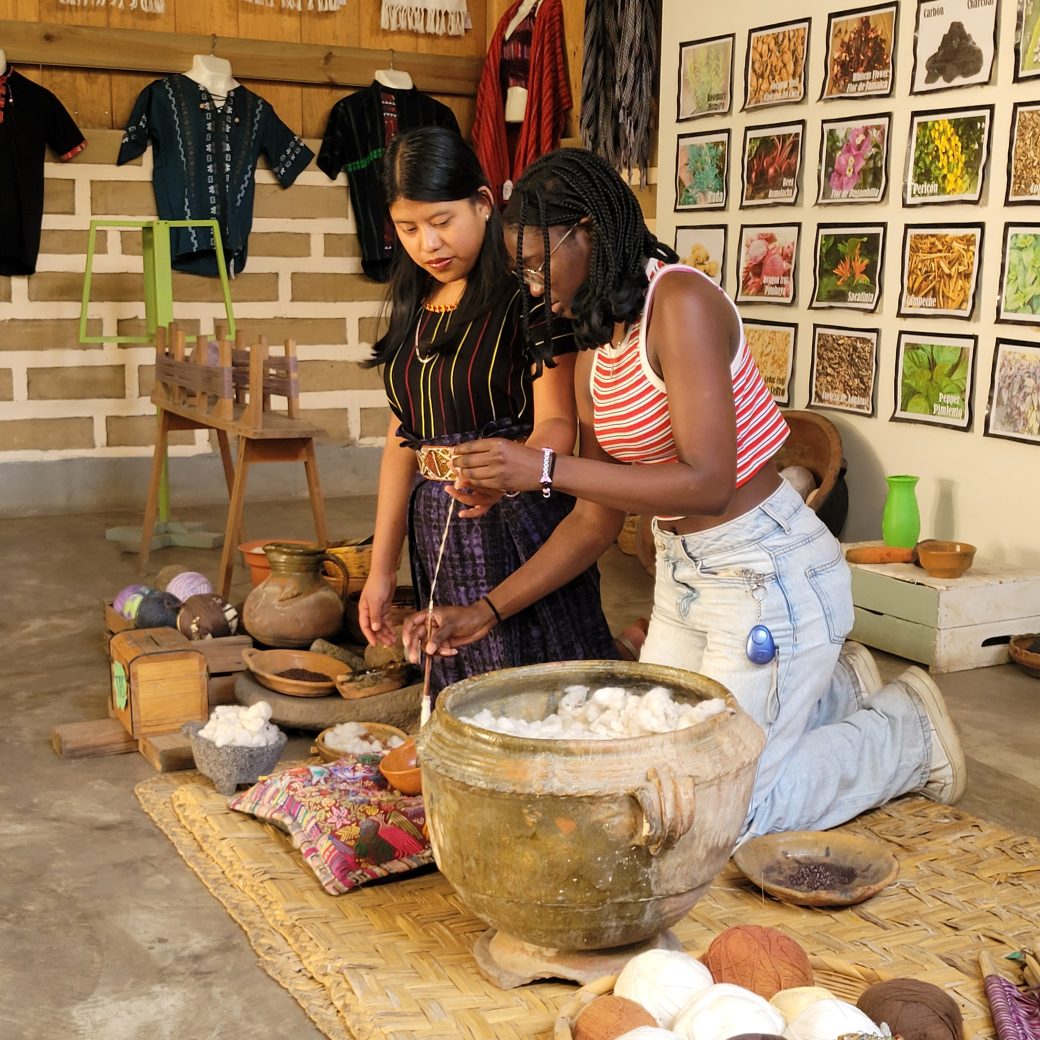
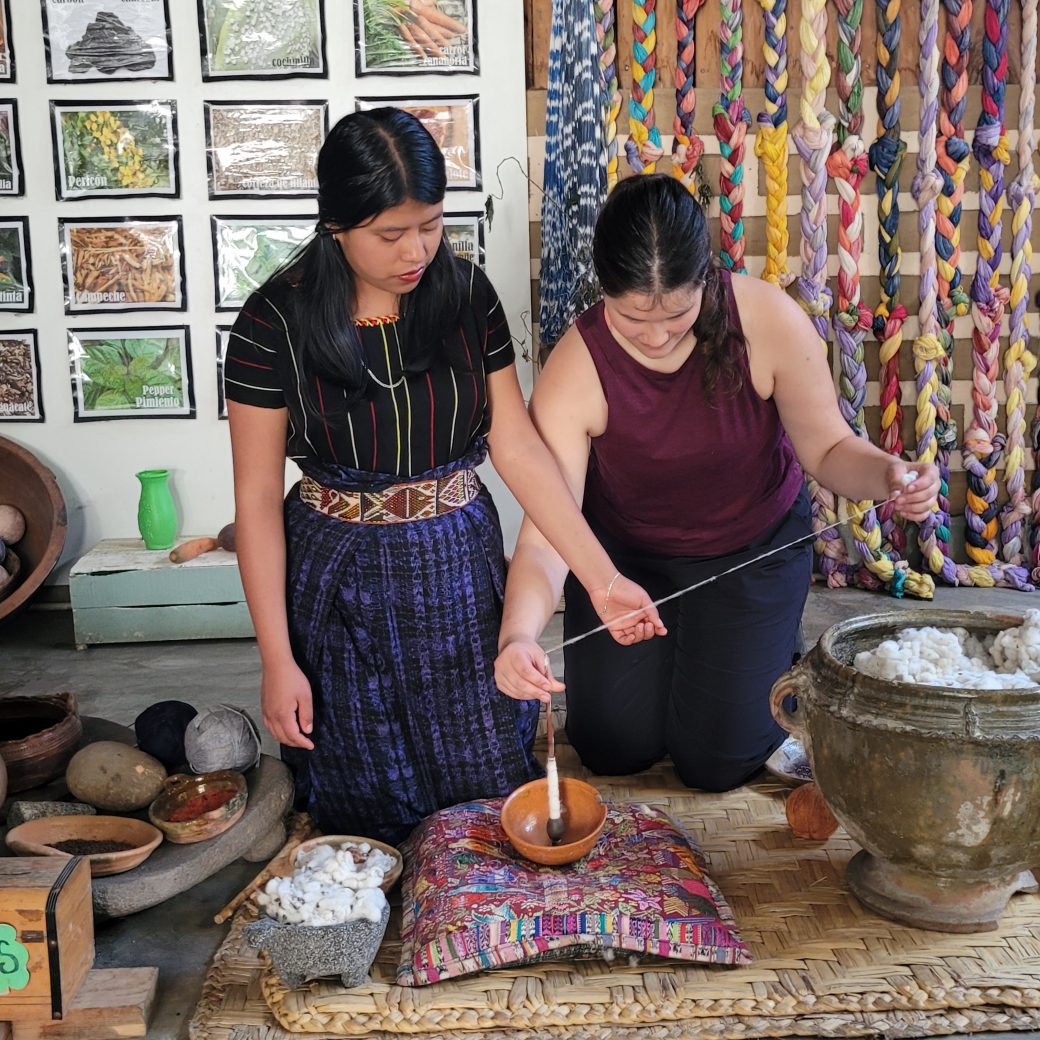
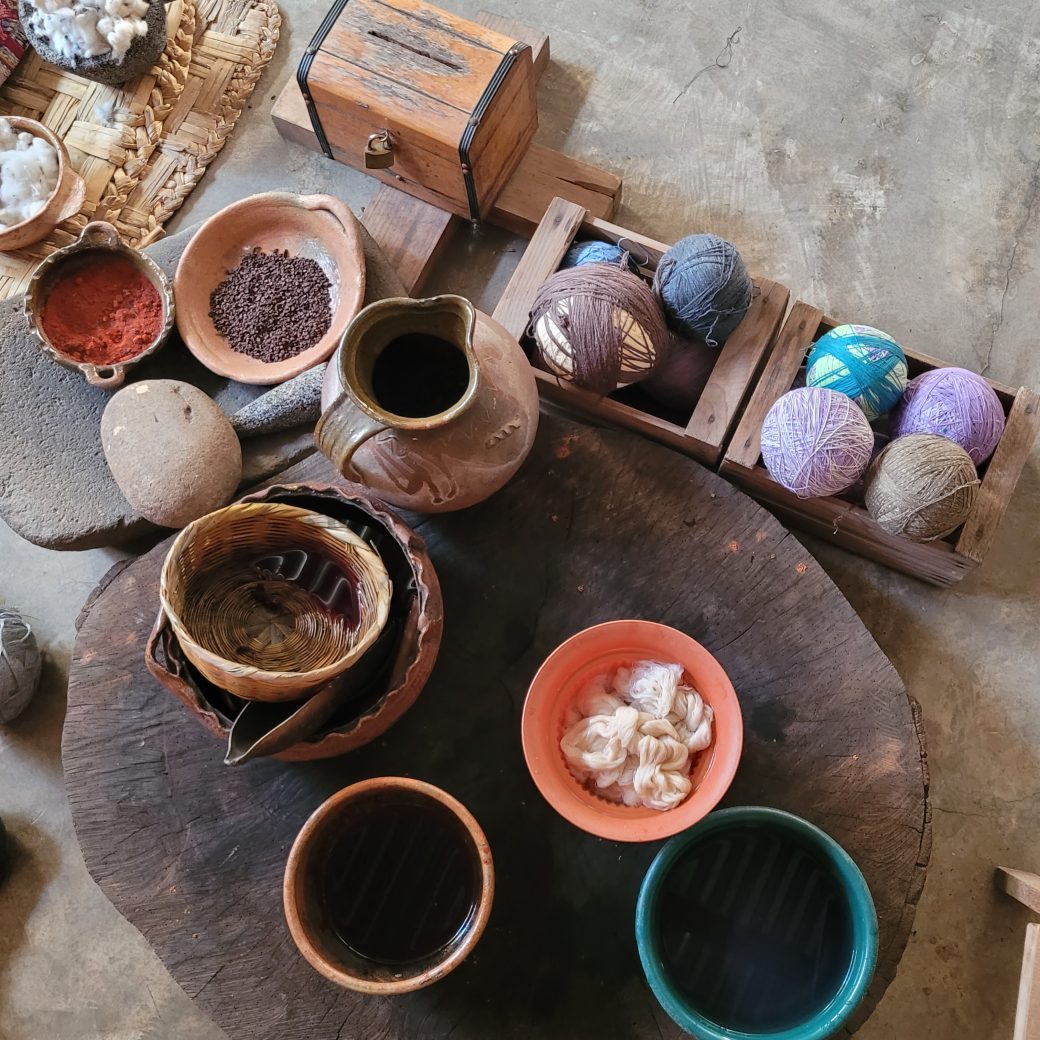
Our group participated in an organized tour that visited five different cooperatives. Each location gave a brief explanation of their work, before we were given time to walk around and shop. First, we were introduced to the art of weaving. These pieces are carefully made and intricately crafted, commonly taking months to fully complete. Our next stop was an apothecary run by 15 women who use various plants and herbs grown themselves to make natural remedies. Their products varied from oils to body care, hair care, tea mixes, and more. We were given an overview of some common plants they use and the benefits they provide. For example, Tz’utujil herbal medicine uses the common rue plant to ward off evil spirits and negative energies. If you’ve ever been stressed at work, maybe this is your sign to try some common rue!
The third cooperative was full of bees, honey, and sunflowers. They raised various types of bees, including Melipona bees, which are native to Central America and, unlike European bees, do not have stingers. They are also famous for their highly nutritious honey. We enjoyed some honey samples and, personally, they were delicious. I, of course, had to buy some to eat with my breakfast and coffee.
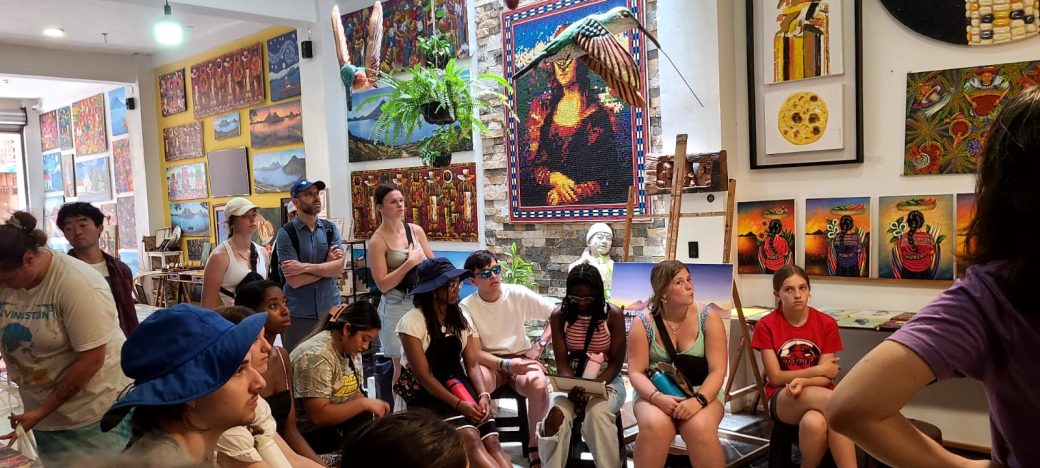
Next we visited a small art gallery that sold the artwork of three local artists. Mayan culture and identity was a strong theme in the artwork. Corn was regularly depicted in red, white, yellow, and black–the four colors of corn grown here. Another popular piece was an image of a Mayan woman’s back. We were told this was because Mayan women would commonly turn away from the camera, so their back would be captured instead of their front. Lastly we visited a chocolate cooperative where we were shown the process of a cacao pod (fruit) being converted into its more desired form of chocolate!
Looking back on the day, San Juan La Laguna was a welcoming town full of color, activity, and various shops designed to appeal to tourists and to support the Tz’utujil culture. When visiting Guatemala, this is a must-visit town, and be prepared to buy numerous souvenirs!
 Global Education
Final retreat in Ecuador
 Global Education
Life on the ward
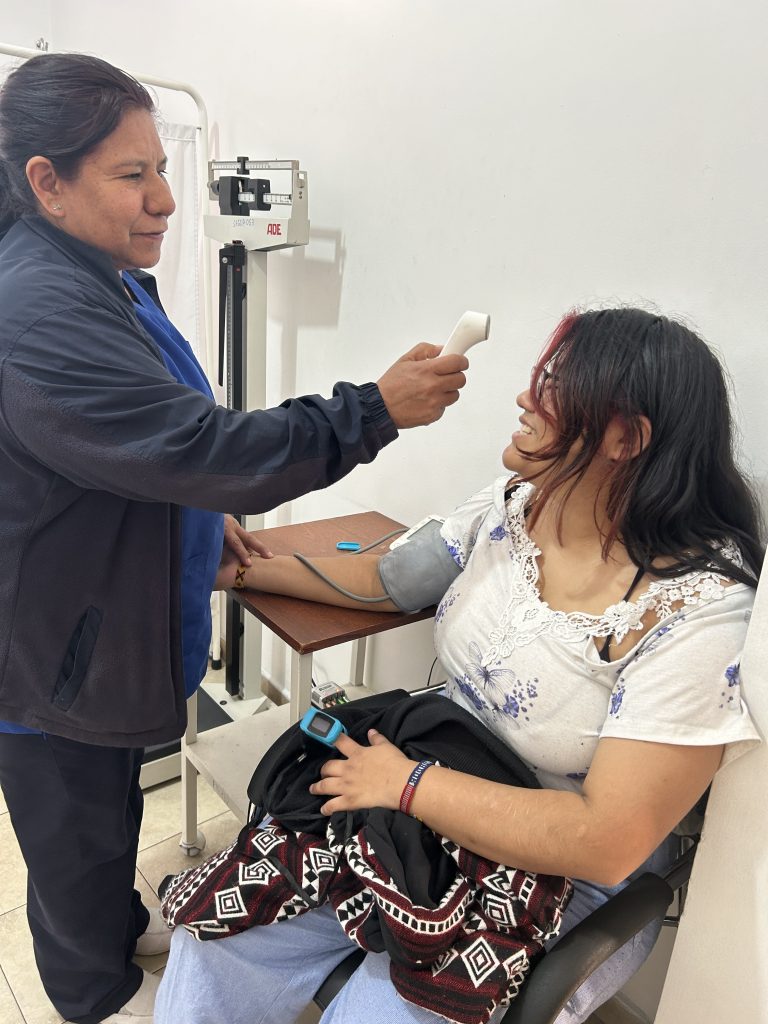
By Dayanara Aguirre-Mulato During my service placement at the municipal Centro Médico in Riobamba, I had the privilege to be able to work alongside other nurses. Day to day each patient comes in to register for their appointment and I…
 Global Education
Service visits: opportunities for connection in Ecuador’s “provincias”
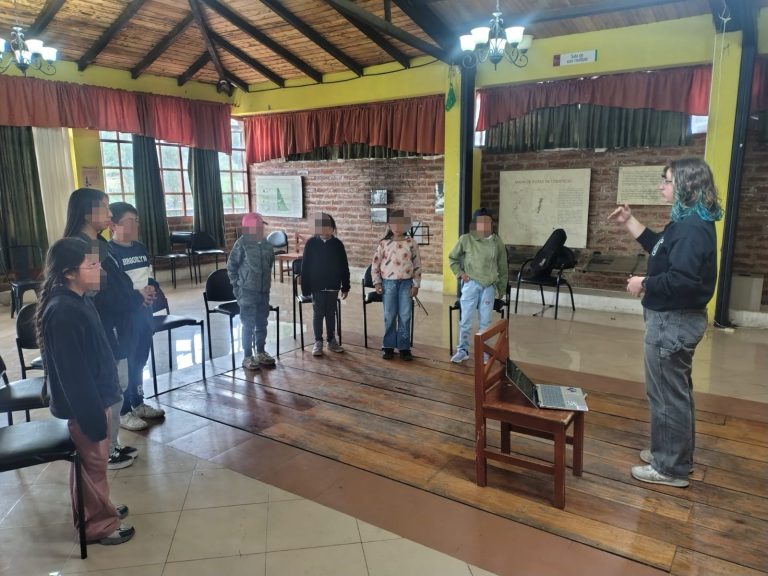
By Hillary Harder During the Service term, leaders have the privilege of traveling to visit each student at the home and volunteer assignment where they are spending their time during the second half of SST. For us, that meant traveling…