

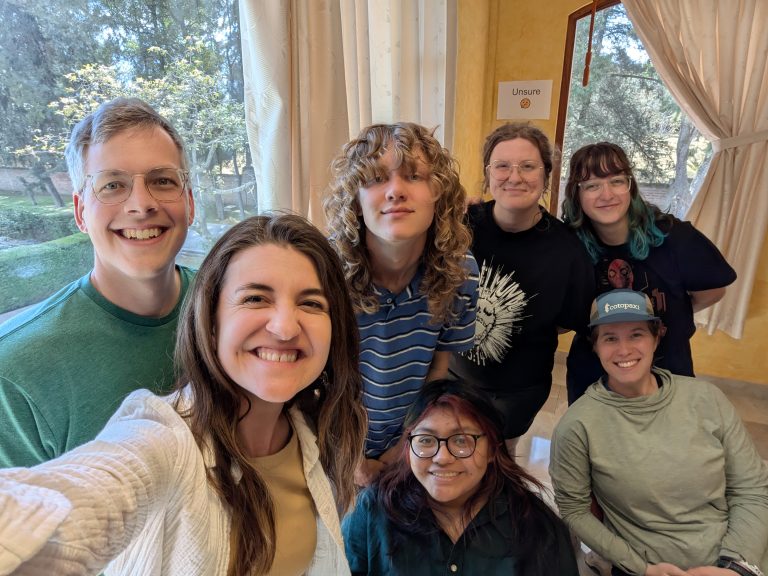
By Hillary Harder On Sunday, July 26, our students returned to Quito from their service communities and we began our final retreat together! The afternoon was full of joyful reunions as each student arrived at our Quito home, la Casa…
News
Cycles of life and labor in San Simon
Jul 11 2026
By Luca Bernhardt
I start my mornings on the bus, which leaves Guaranda around 7:40-7:48 in the morning.
Depending on the day, I might arrive at work by 8:00… or by 8:23. No matter when I arrive
though, it’s no problem. There’s a general understanding here that when you take the bus,
you’re subject to the bus. My ride follows the Chimbo river, which is the one river created when the two rivers, Guaranda and Salinas, intersect. We pass by mountainside farms, where the people and animals that live there go about their lives.
I volunteer at foundation Su Cambio por el Cambio. It is a Catholic-run farm and community hub dedicated to providing for the surrounding area by producing organic foods, educational programs for youth, and care for the elderly. It is located in the small, rural town of San Simon. In the mornings, I work with The Foundation’s vet, Dr. Holger. In the afternoons, I help Rosa on the agricultural side of things.
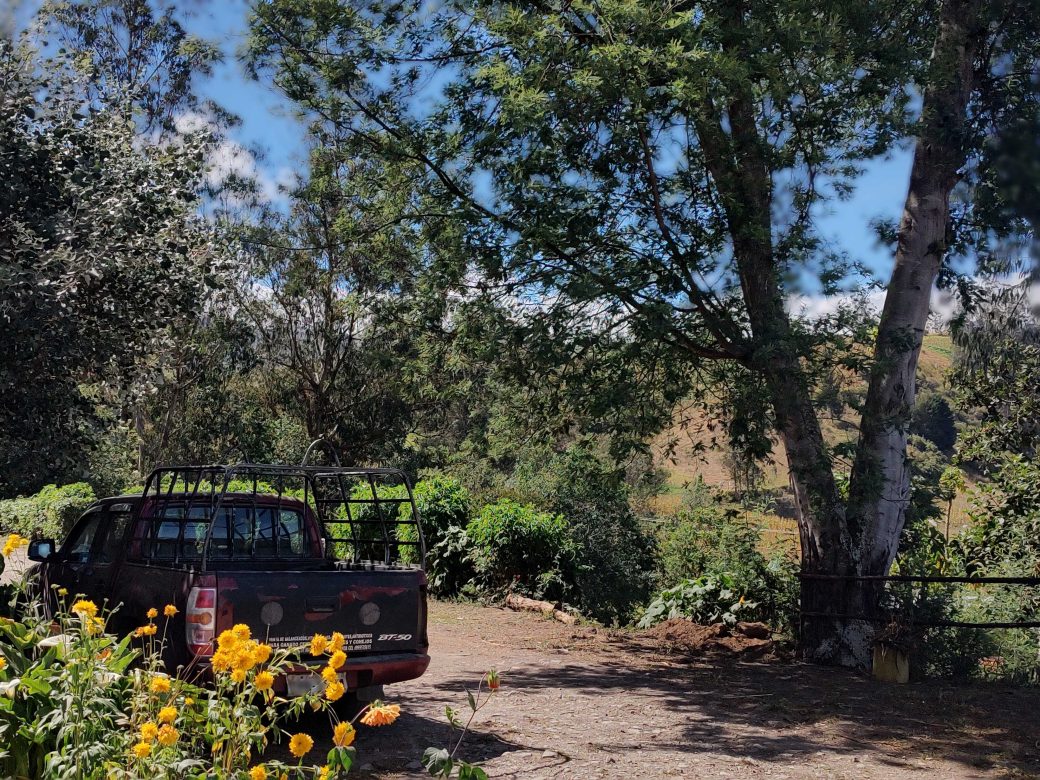
Working with Dr Holger is an incredible experience. He knows so much about every working of the foundation, not just the veterinary side of things; he is so much more than just the vet. Sometimes, we spend our morning together vaccinating 281 chicks. Other times, we spend it tearing down and rebuilding fences, fixing irrigation systems, or hauling onions in from the field. He is so incredibly loved and respected by his community. Whenever we’re driving somewhere in his truck, he honks and waves at everyone we pass. For him, serving his community is his most important job.
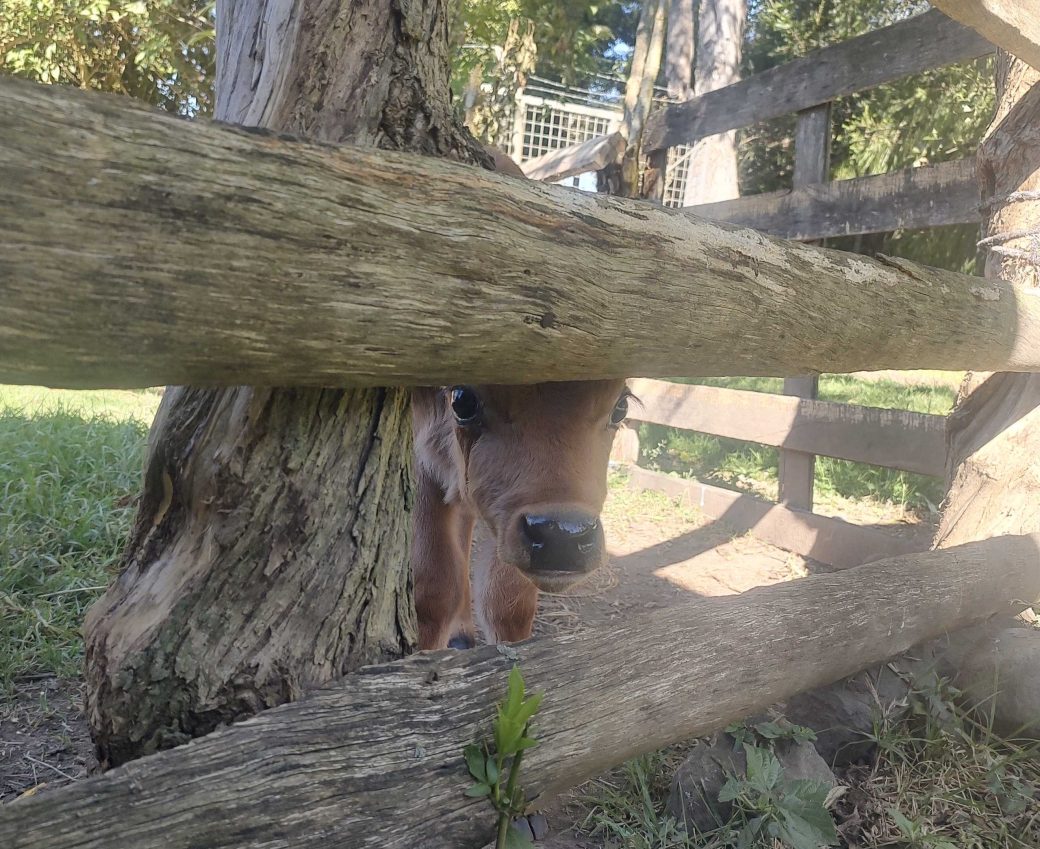
When lots of people picture a pig (or hog; as they are called when raised primarily for meat), they imagine Wilbur from the children’s animated movie Charlotte’s Web (I know it’s also a book, but frankly, I only ever watched the old VHS). Wilbur is just a cute little guy… that’s not what pig farming looks like. A full sized hog will weigh more than most humans and sound reminiscent of a dinosaur from Jurassic Park. A young pig will scream incredibly loudly, and in an all too human way. Pigs awaken some form of primal reaction in us, not unlike the roar of a lion or the scream of a child. Working with them requires physical strength… and ideally earplugs. My favorite animals on the farm are the cows. Cows are incredibly intelligent and social creatures. Stubborn sometimes, but gentler than they need to be with their massive size. You can really see how cows have evolved with humans for thousands of years. You can tell by the way both of us animals interact with each other. I got the opportunity to try my hand at roping like a cowboy, learning how to hold them still by the head, and giving them injections. Dr. Holger even showed me how you can wrap a rope around a cow to guide them into a laying position. We’ve also worked with sheep, cuyes (guinea pigs), and rabbits. As a functioning farm with animals… part of that means butchering. The nature of life requires death. The animals are well cared for until their time, and nothing is wasted. When grass is cut, fruit falls, and vegetables are grown, part of that goes to the animals. The small animals are butchered as we have butchered them for centuries around the world. I learned as a kid back home in Michigan, that you first sever the spine of the fish to spare it pain and kill it quickly. After all, you can’t really eat an animal that’s been euthanized via chemicals.
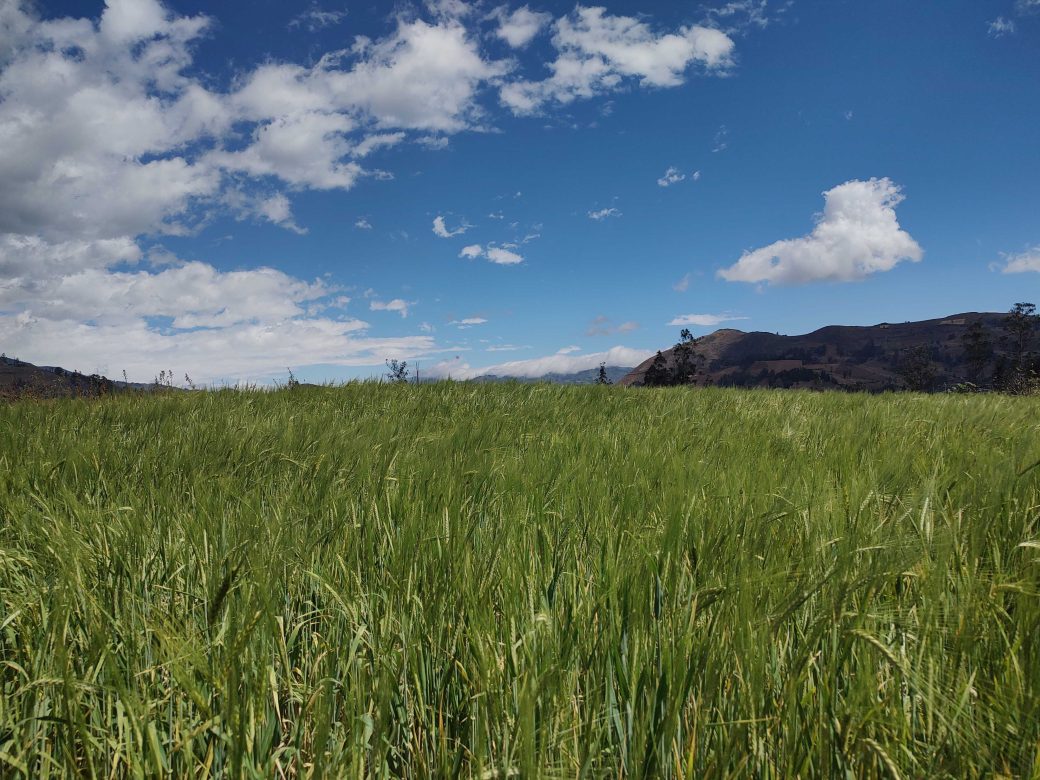
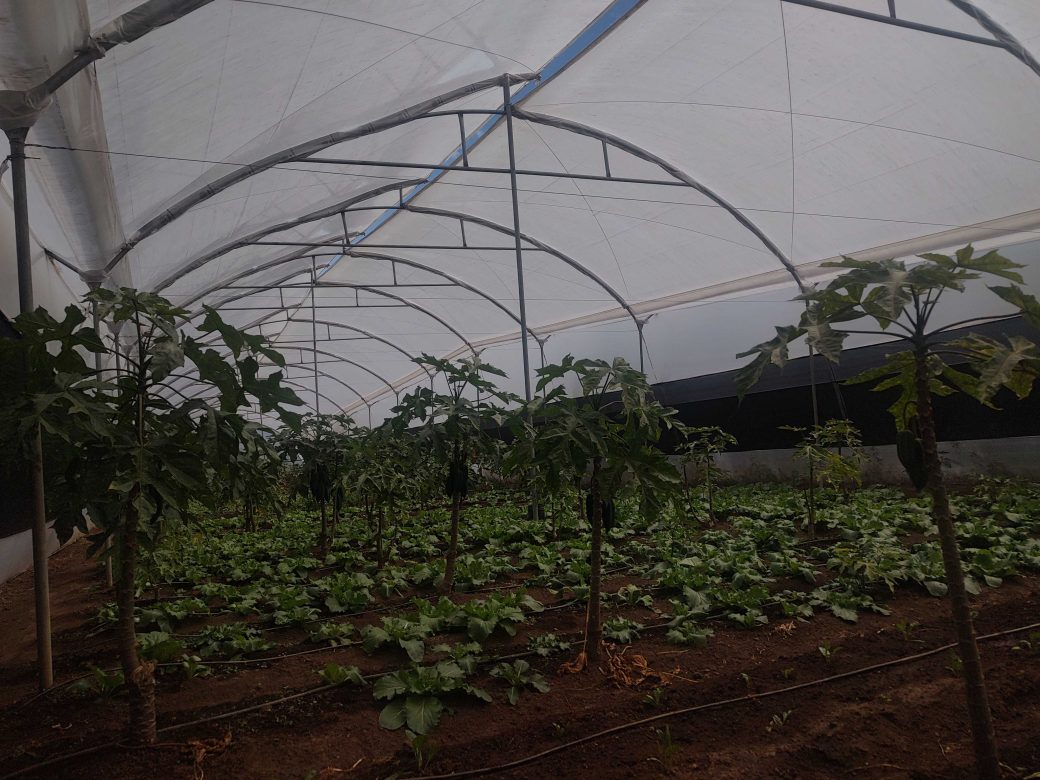
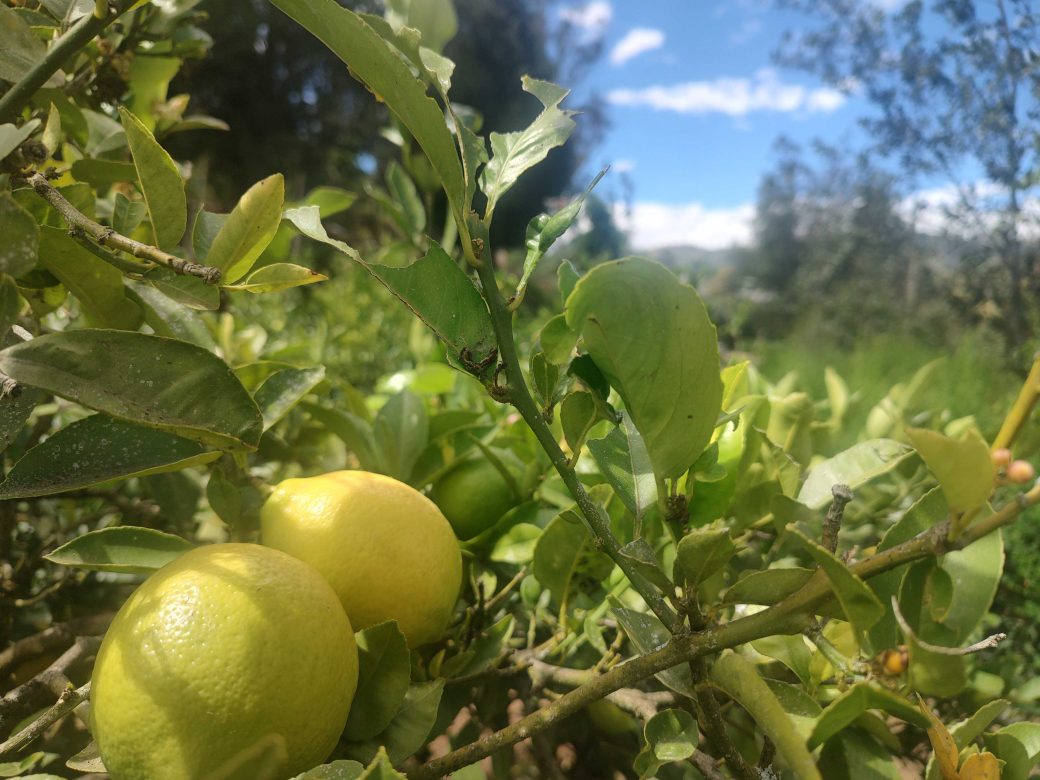
My afternoons with Rosa and the others involve activities such as hoeing, spreading fertilizer, planting, watering, harvesting, and cleaning the produced vegetables and fruits. There is one tractor in the farm, and it’s generally used for hauling. Most of the labor is done by hand. On my second day, I planted rabáno (radishes) and by the next week you could already see their little green and leafy heads poking out of the earth. We’ve planted things like lettuce, cauliflower, parsley, and celery. There are outdoor fields and greenhouses as well. I like working with this group. I like to listen to them talk and laugh. They’re always patient as I try to talk and understand their questions. They remind me that making mistakes usually isn’t that big of a deal. One day, my job was to carry buckets of water mixed with fertilizer (poop) to each individual tree in one of these greenhouses. My stride is about 1 meter in length, around every meter there was a row of plants, there were about 5 trees in every other row, and the whole greenhouse was about 80 meters long. So, if there were roughly 5 trees, every 2 meters, then I watered about 200 trees total. I really enjoy tasks like this; repetitive and satisfying. When you’re done, you can look back and see how much you’ve accomplished.
Not all service placements are the same. Some give you more free time, and others give you
less. Mine definitely gives me less, but I still find moments where I’m standing still; waiting,
watching, and listening. To be honest, I’m not the most useful. I dedicate myself to any task set, but given my rudimentary Spanish, I cannot be given very complex tasks. My ability to be of use is growing as I learn more functional vocabulary and how things work, but I’m still often frustrated by my lack of ability and comprehension. However, this struggle means I am better able to remember what I have learned: “cabo” means rope and “abono” means fertilizer (NOT weedwacker). To struggle is important. You don’t grow when things are easy, and communicating with others has never been easy for me. At the end of the day, when I’m on the bus back to Guaranda, I can be grateful for all the aches and the exhaustion of my body and mind because they mean I’ve put my best effort in.
 Global Education
Final retreat in Ecuador
 Global Education
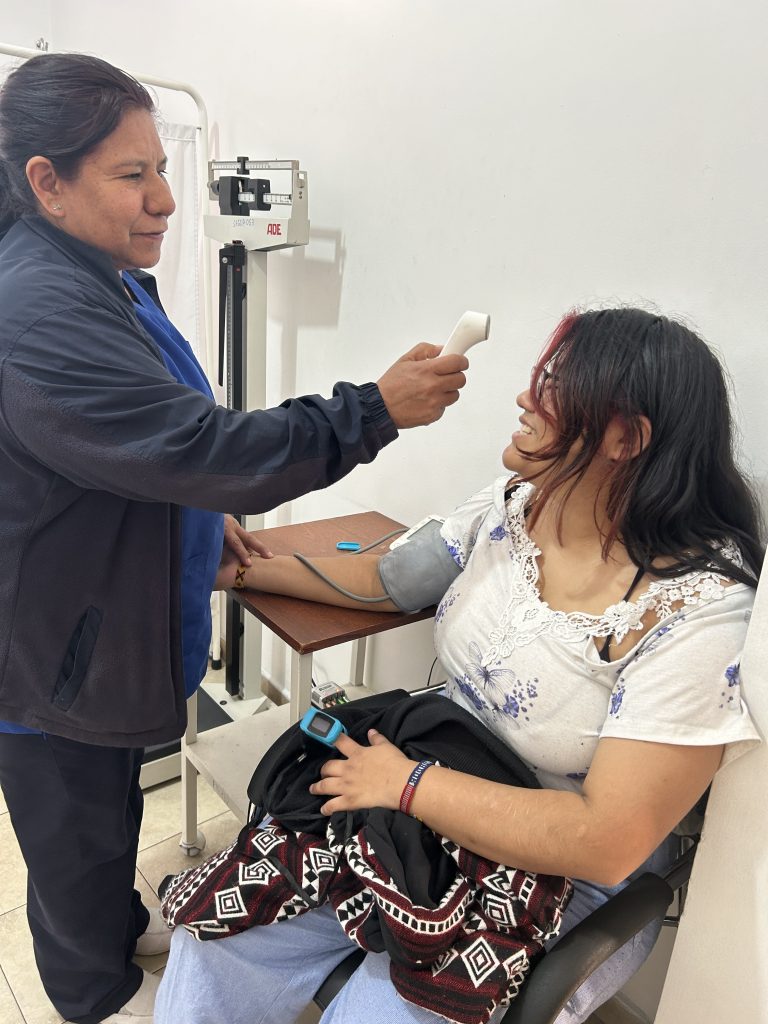
Life on the ward
By Dayanara Aguirre-Mulato During my service placement at the municipal Centro Médico in Riobamba, I had the privilege to be able to work alongside other nurses. Day to day each patient comes in to register for their appointment and I…
 Global Education
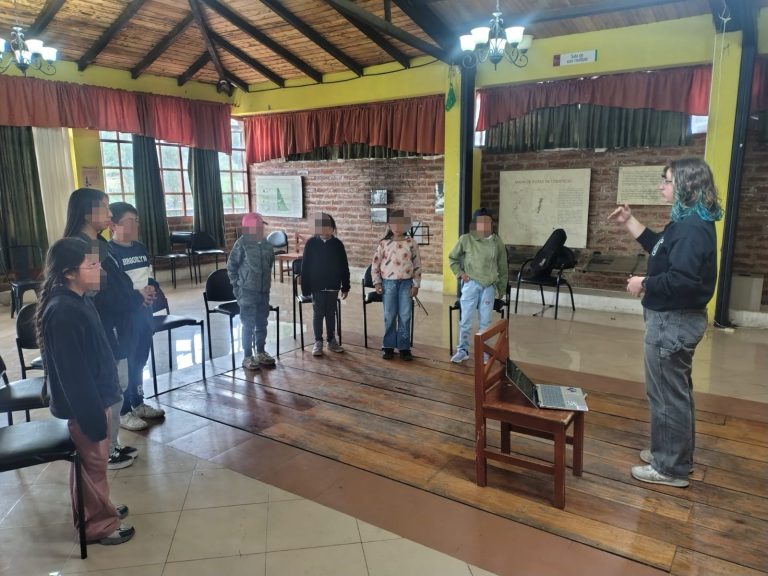
Service visits: opportunities for connection in Ecuador’s “provincias”
By Hillary Harder During the Service term, leaders have the privilege of traveling to visit each student at the home and volunteer assignment where they are spending their time during the second half of SST. For us, that meant traveling…