

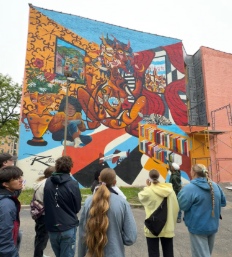
By Kaliah Lefever and Kenny May Nearly every wall seemed to tell a story as we walked the streets of Pilsen with our guide, Luis Tubens. Luis introduced us to the Mexican muralist movement while guiding us past the neighborhood’s…
News
Paseo Boricua: Small Community in a Big City
May 20 2026
By: Camryn Barrows, Brinleigh Arredondo, Deecon Hill
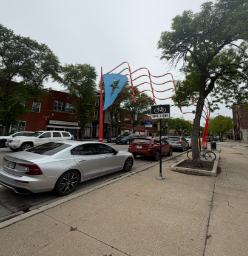
Entering Paseo Boricua
A quick flash to the 70s: gentrification was a fast-acting force that rapidly pushed Latino and Puerto Rican populations away from Lincoln Park, which is now the poster child of wealthy, white neighborhoods on the north side of Chicago. They found a new home in the west side neighborhood of Humboldt Park.
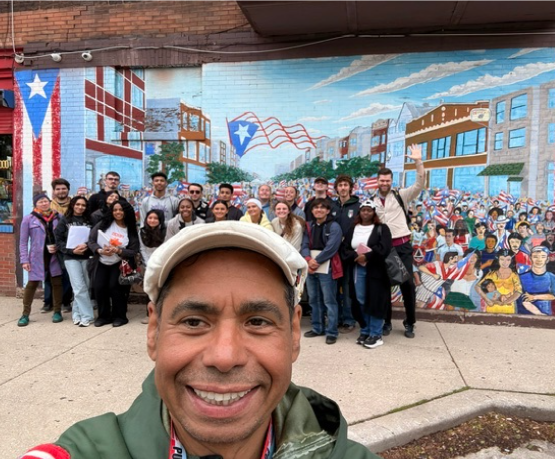
With a plethora of murals and other art styles, Humboldt Park tells its own story. It’s the first Puerto Rican community established in the city, founded in 1995. It’s the cultural and political capital of the Midwest’s Puerto Rican community. We started at the gateway flag of Paseo Boricua. This enormous 60-ton steel and concrete depiction of the Puerto Rican flag means a lot to the community. It pays tribute to the 20th-century Puerto Rican migrants who moved to Chicago and helped build the city’s steel and welding industries. It’s also their version of planting their flag and being unmovable, connecting their roots to the future of Paseo Boricua.
This community is one where you can walk down the street, chat with your neighbors, and learn about the hardships and history that made them who they are today in modern Chicago. Now, in the 21st century, the community is stronger together, developing housing complexes geared toward providing for its members and taking care of their own. This is evident in their low-income local housing buildings and their desire to keep this area of Chicago authentic. They also have a building designed by two Puerto Rican women architects that won three major architectural awards — an artist residency building. In a place shaped so much by art, having such a building makes a lot of sense.
Humboldt Park Murals
Then we got to the more visibly progressive and modern side of Humboldt Park, where Eduardo, our tour guide, explained what happened during the Pulse nightclub massacre and the different symbols in the mural. Pulse nightclub is an LGBTQ+ nightclub, and in 2016, it hosted a “Latin night.” Because of this, many Puerto Ricans were there to have a good time. Then the shooting began: 49 people were killed, 58 were wounded, and 23 of the victims were Puerto Rican. In Humboldt Park, it felt as though they could hear the shots from Orlando, Florida. This is an event that should never be forgotten, and this mural makes sure of it.
We ended our tour looking at the evolution of housing in the area, where we saw someone working on a new mural. This shows how Humboldt Park is still evolving and telling new stories. The community grew up seeing stories told through art in many ways, and people are continuing that legacy. Big things are coming to Humboldt Park, but the community will make sure that 30 years of fighting won’t be forgotten.
 Global Education
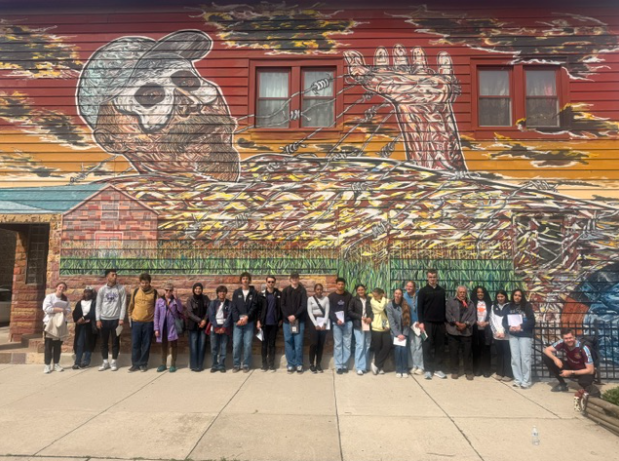
Meeting Muralist, Hector Duarte
 Global Education
Chicago’s Devon Avenue
Across the Street and Around the World by Andrea Mata and Tuka Farhan We had the opportunity to visit Devon Ave., a vibrant and culturally diverse east-west street on Chicago’s North Side. With its strong cultural and religious identities,…
 Global Education
Amidst The Amish Among Us
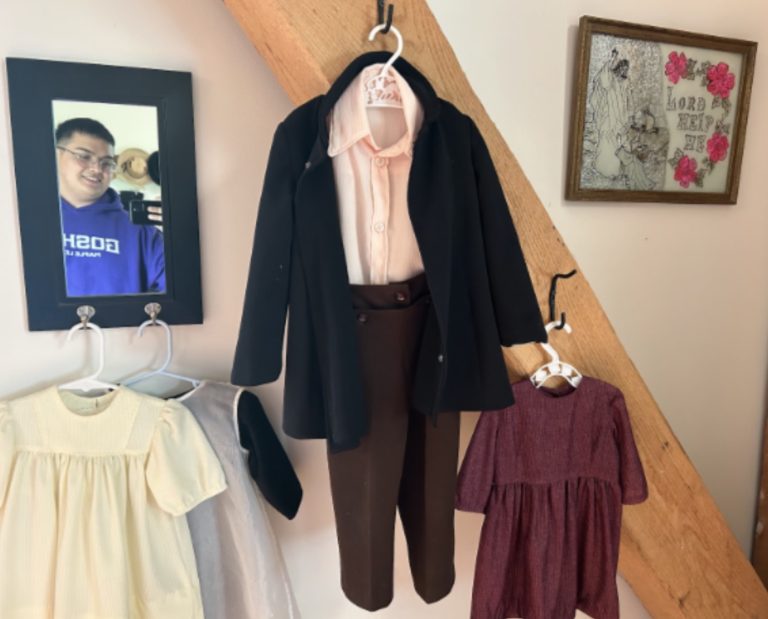
Our day began as any good Amish morning, at the Rise‘n Roll Bakery which is – disappointingly – not owned by the Amish founders anymore. Curious folks entered the store and scoured through the endless aisles of Amish goods in...