

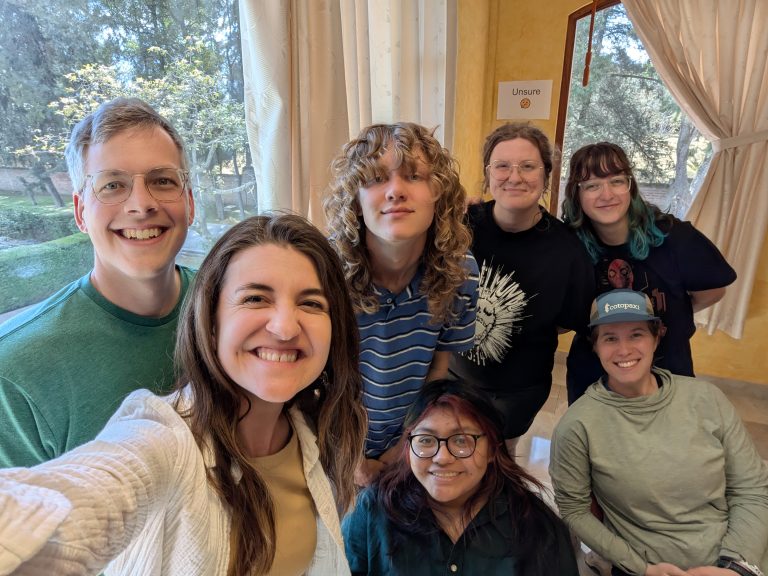
By Hillary Harder On Sunday, July 26, our students returned to Quito from their service communities and we began our final retreat together! The afternoon was full of joyful reunions as each student arrived at our Quito home, la Casa…
News
Music of the People
May 30 2026
By Hillary Harder
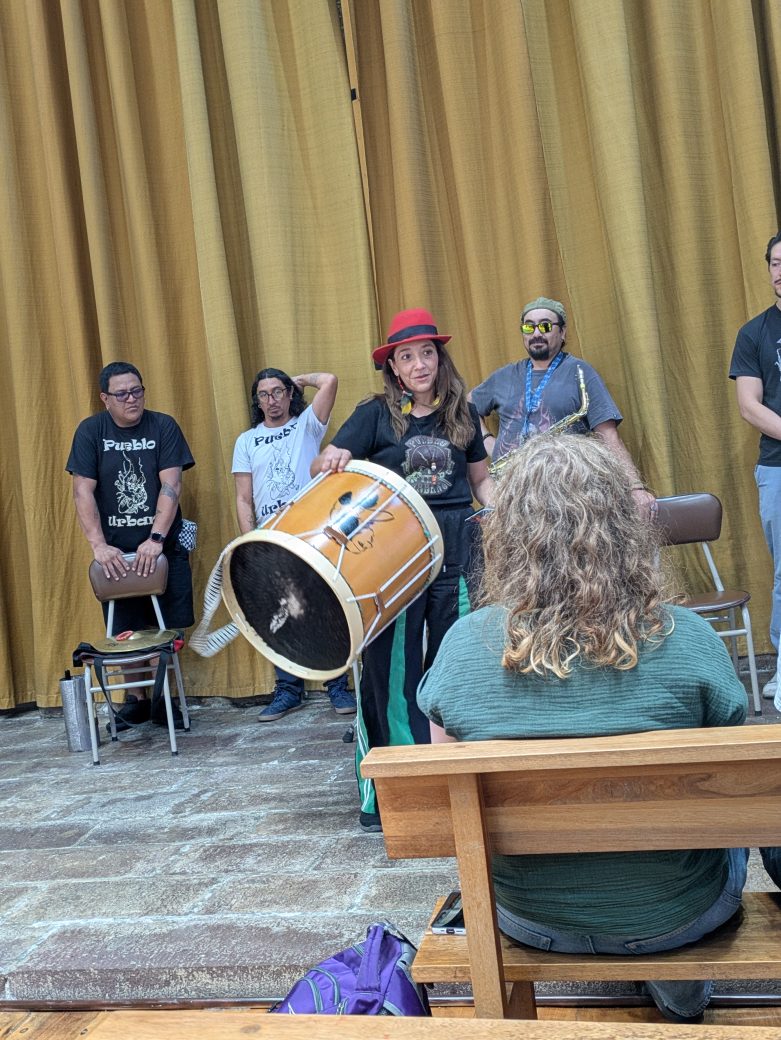
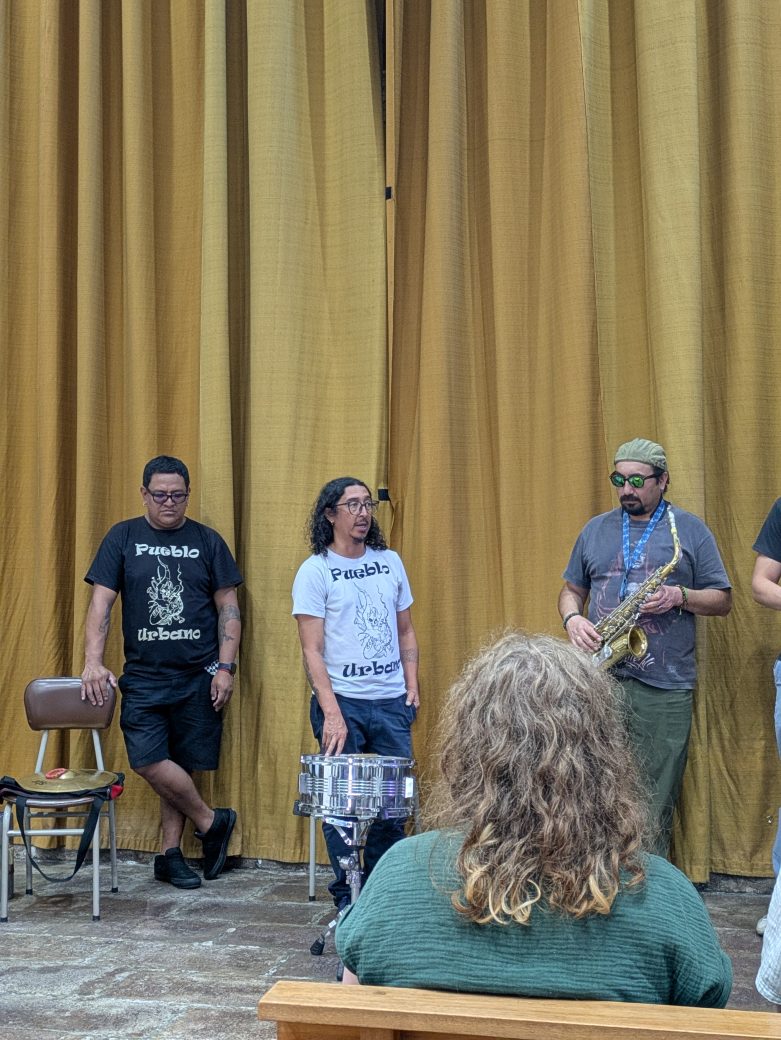
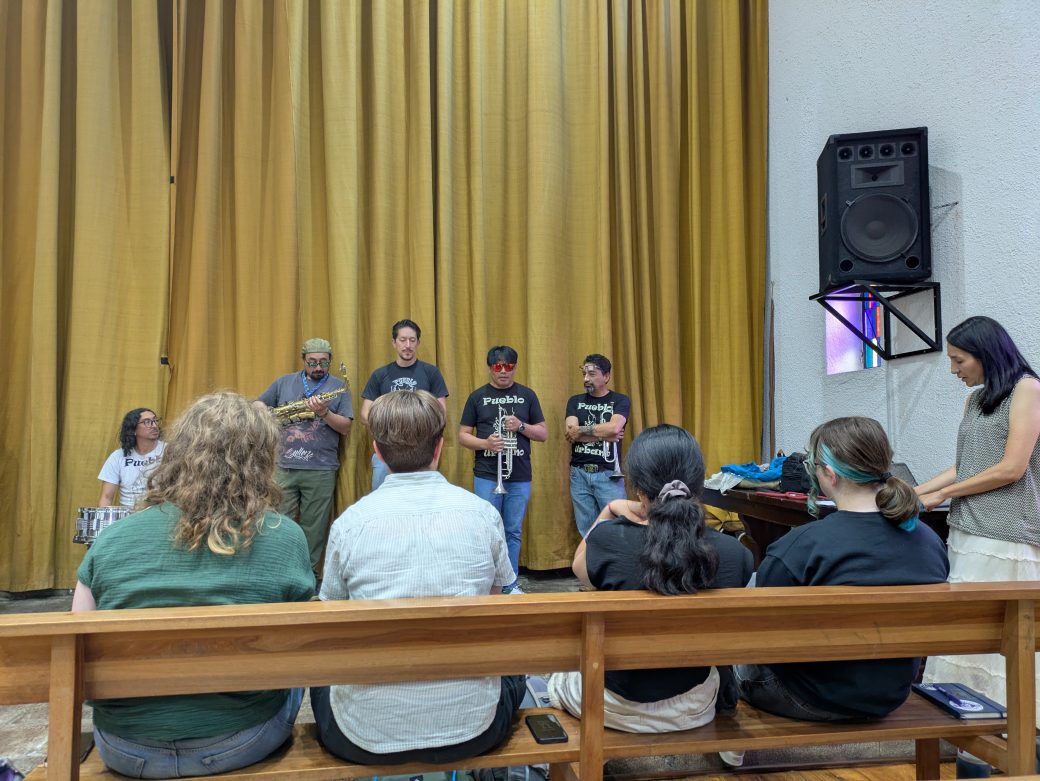
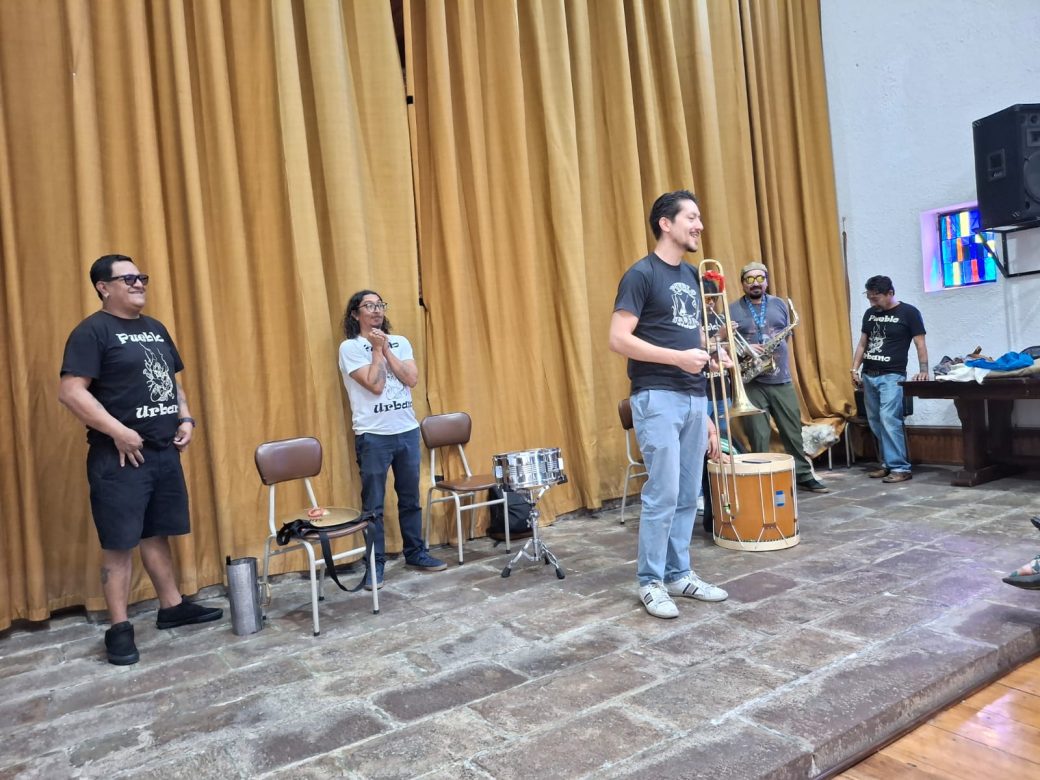
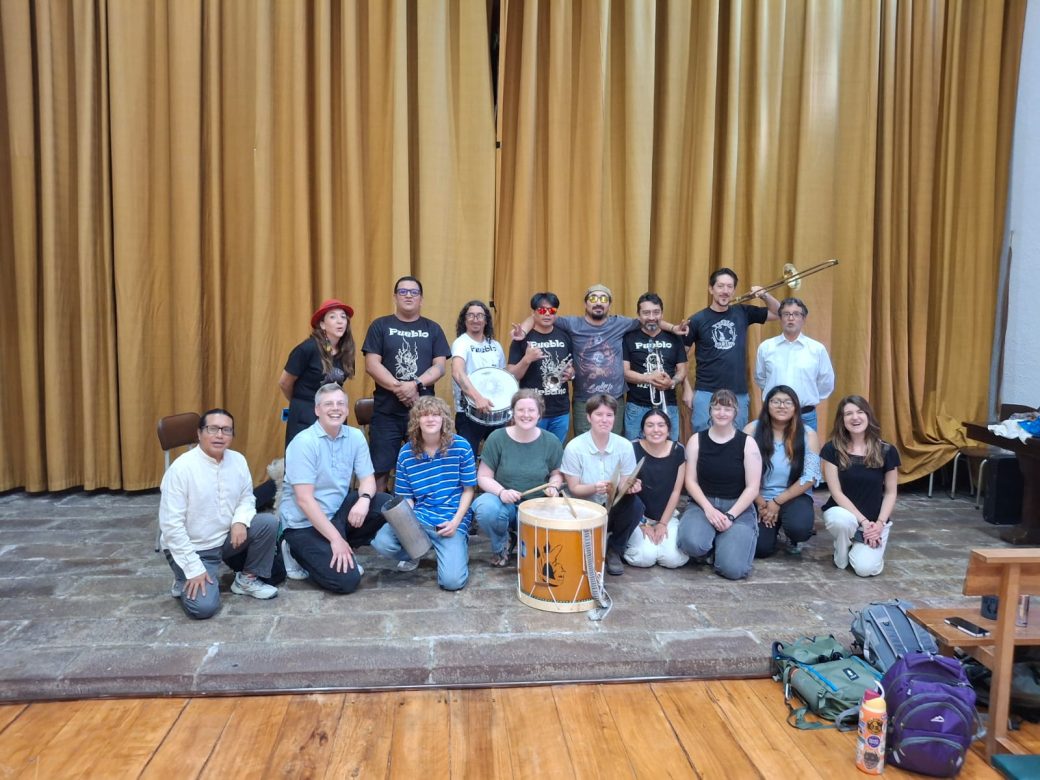
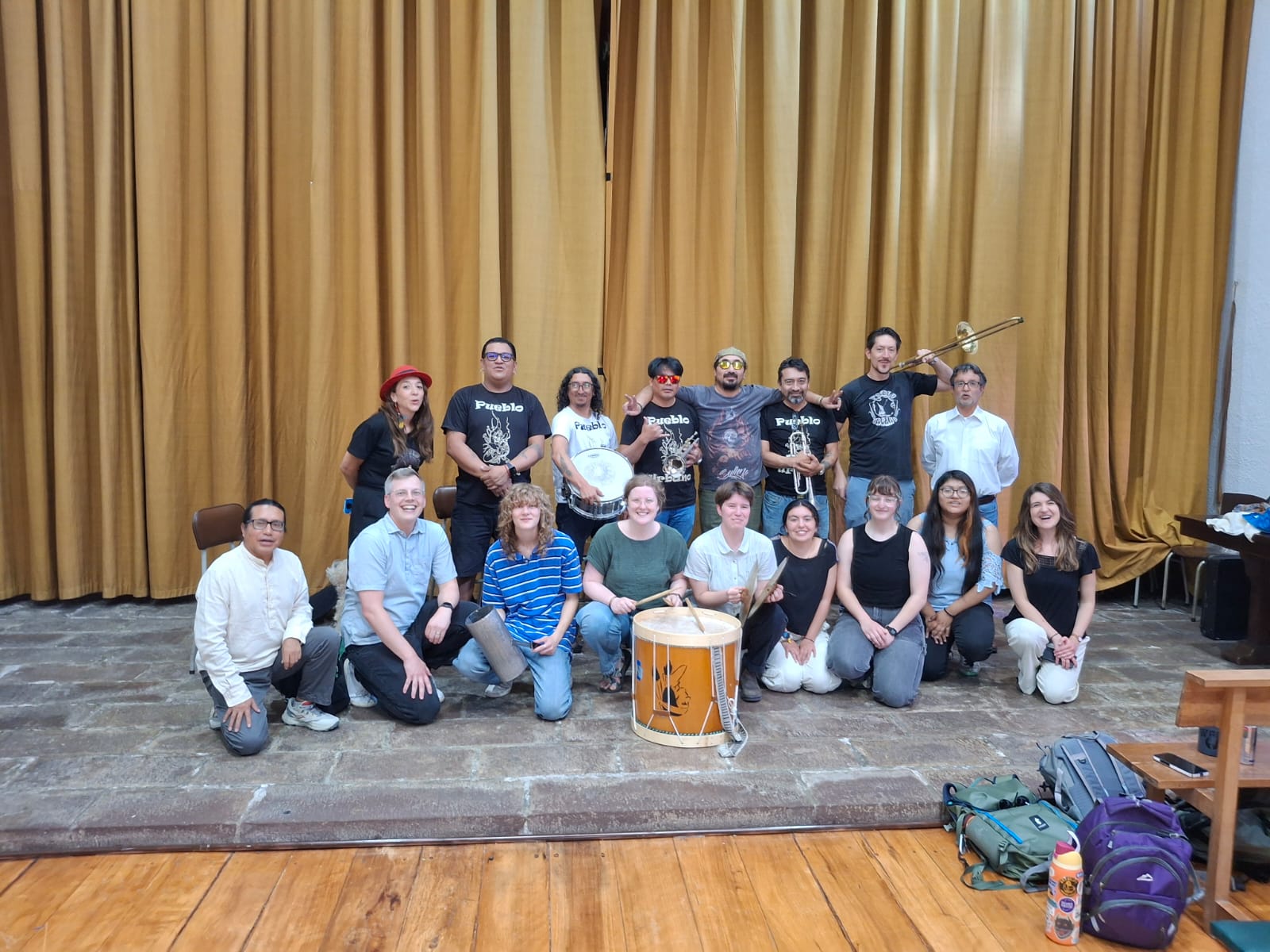
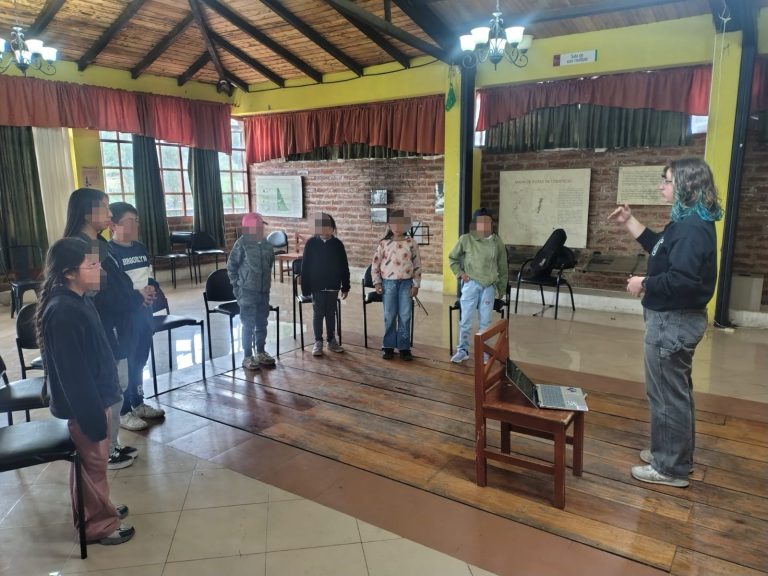
This week in Quito our group experienced a very different type of “guest lecture” – a musical presentation by a band called the Banda de Pueblo Urbano! The banda de pueblo is a long-standing musical tradition in Ecuador dating back to the 1800’s. Meaning both “band of the town” and “band of the people,” bandas de pueblo are community-based musical ensembles that can be found in nearly all small towns across the sierra and coastal regions of Ecuador. Typically comprised of a mix of Western/European instruments (trumpet, trombone, saxophone, snare drum) and Andean instruments (bombo drum, auxiliary percussion instruments like platillos and timbales), the banda de pueblo is a musical manifestation of the syncretism between European and Andean cultures that can be seen all across Ecuador. In every festival, holiday, wedding, or event in their town, the banda de pueblo will be there to set the mood and get everyone dancing!
The band members explained that their banda de pueblo is a bit different, for several reasons. First, most of these ensembles are family bands made up of relatives from the same town. However, their group consists of friends and one married couple who met as students at the Universidad Central del Ecuador, the biggest university in the country, located in Quito. Second, while these bands are usually fixtures of rural communities and small towns, this group is based in Quito, hence their name – Banda de Pueblo Urbano. Each band member spoke eloquently about their desire to preserve this rich musical tradition and bring a bit of the pueblo to the big city.
And then they began to play! The music was instantly infectious, and while we were tapping our feet and bobbing our heads, the band quickly called out, “Go ahead and dance! This music is for dancing!” So – we did! It was easy to see why this music is inseparable from dancing – the traditional rhythms we had just learned about such as the San Juanito, pascalle, and bomba were far too lively to fully experience sitting down. When the band realized that Micah is a percussionist (the students may have helped), they called him up to play with them!
Best of all, we shared this experience with many of our Ecuadorian friends and partners who joined in the fun – our dear local coordinator, Klever; our Spanish professor and interpreter, Fernanda; our Indigenous Nationalities and Peoples teacher, Julian, who had arrived early just in time to join us; and even some of the amazing staff from la Casa de Espiritualidad, who serve us delicious meals day in and day out, heard the music from the kitchen and came to dance with us! This was one of our favorite afternoons yet and brought to life the idea that bandas de pueblo exist to bring people together and carry forward a beautiful history and tradition.
All photos and videos shared with permission of musicians and participants.
 Global Education
Final retreat in Ecuador
 Global Education
Life on the ward
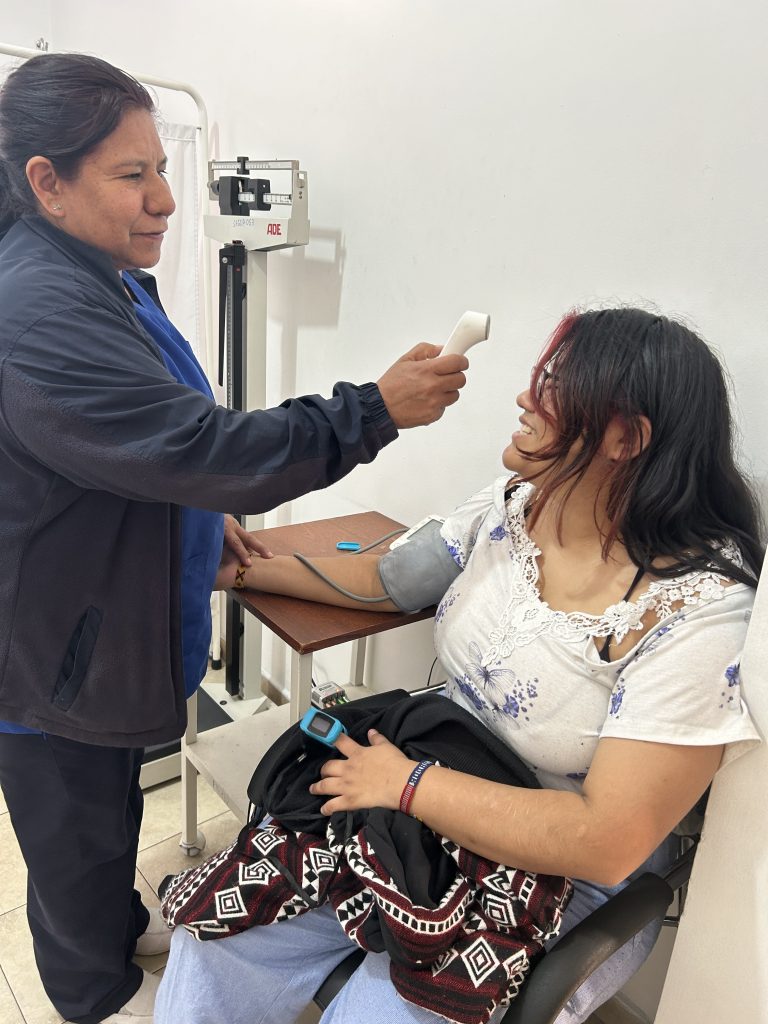
By Dayanara Aguirre-Mulato During my service placement at the municipal Centro Médico in Riobamba, I had the privilege to be able to work alongside other nurses. Day to day each patient comes in to register for their appointment and I…
 Global Education
Service visits: opportunities for connection in Ecuador’s “provincias”
By Hillary Harder During the Service term, leaders have the privilege of traveling to visit each student at the home and volunteer assignment where they are spending their time during the second half of SST. For us, that meant traveling…