

By Hillary Harder On Sunday, July 26, our students returned to Quito from their service communities and we began our final retreat together! The afternoon was full of joyful reunions as each student arrived at our Quito home, la Casa…
News
Loving land and people in San Juan Comalapa
May 13 2026
By Teo Kingsley
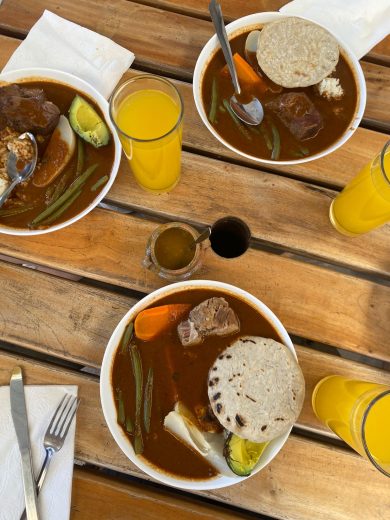
“How can we love the land, if we don’t know details about the land?” Benita Simón Mendoza asked our group when we visited Rujotay, the organization she helped found in San Juan Comalapa. During a two-night trip to this city, we got to spend a morning with Rujotay, learning about their work and enjoying several meals at the cafe they run.
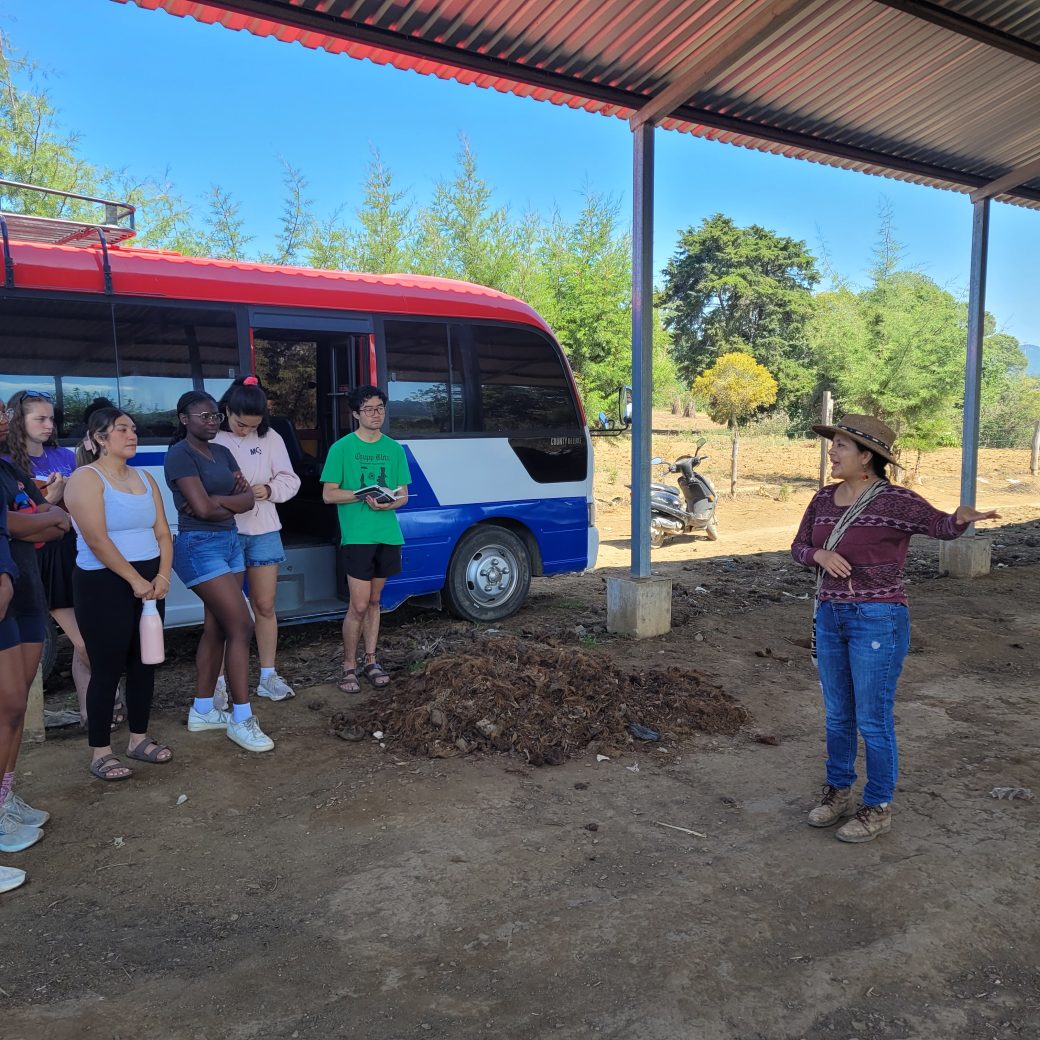
Rujotay is a small group dedicated to reducing the organic matter that ends up in dumps and encouraging community members to compost it instead. In the past, they had worked with the municipal government to separate compostable materials from trash, but that partnership became unsustainable. Now they operate a compost pick-up program serving a hundred families, with more interested.
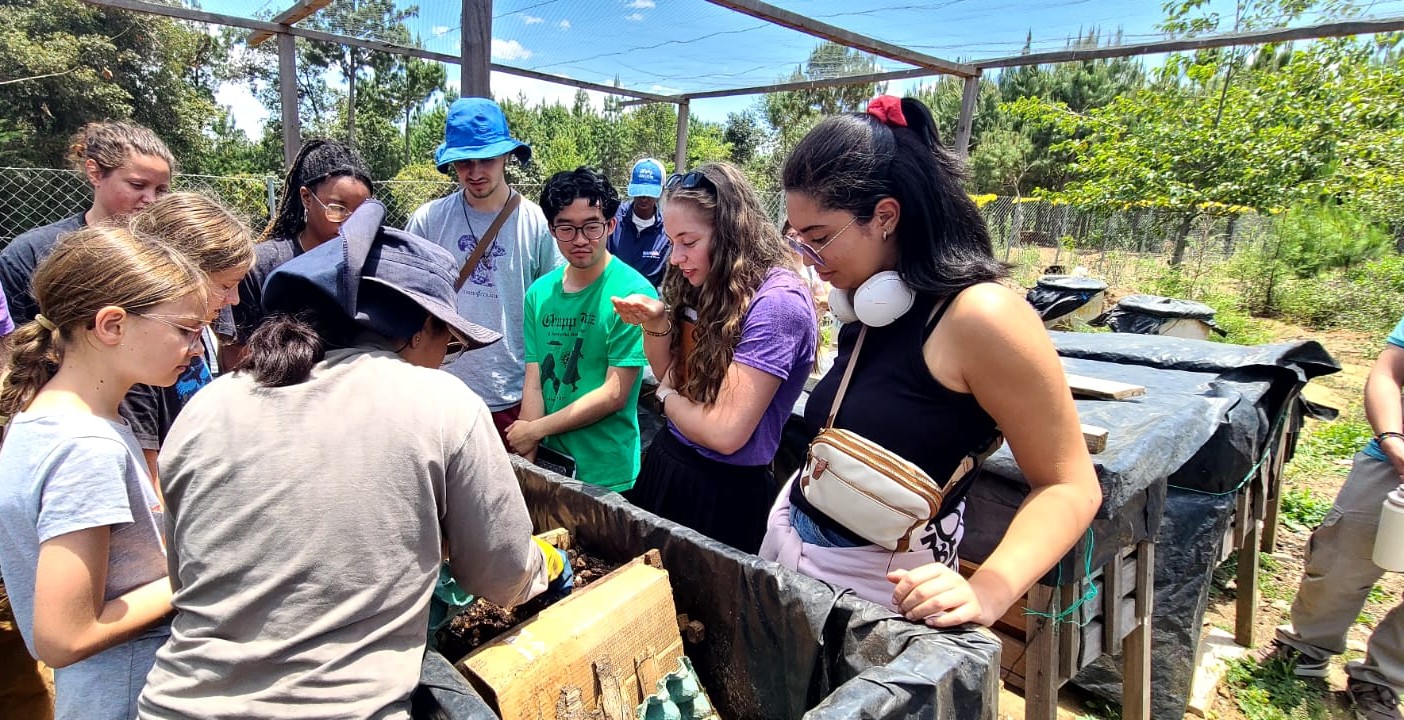
While touring their facilities, we learned about their various composting practices, including “piles” and vermicomposting (using worms to break down matter). They also told us about the workshops they run to encourage young people to learn about small-scale agriculture. These workshops cover topics such as local ecosystems, climate change, and traditional agriculture methods. Young people that complete the workshop series are eligible for educational scholarships, which is especially helpful for young women, who are less likely to graduate than young men.
Additionally, they run a community garden for participants, where young people and their families can access produce that is free from harmful hormones and chemicals. The use of these can be problematic in Guatemalan industrial agriculture, due to minimal regulatory oversight. This has led to numerous health issues in the population.
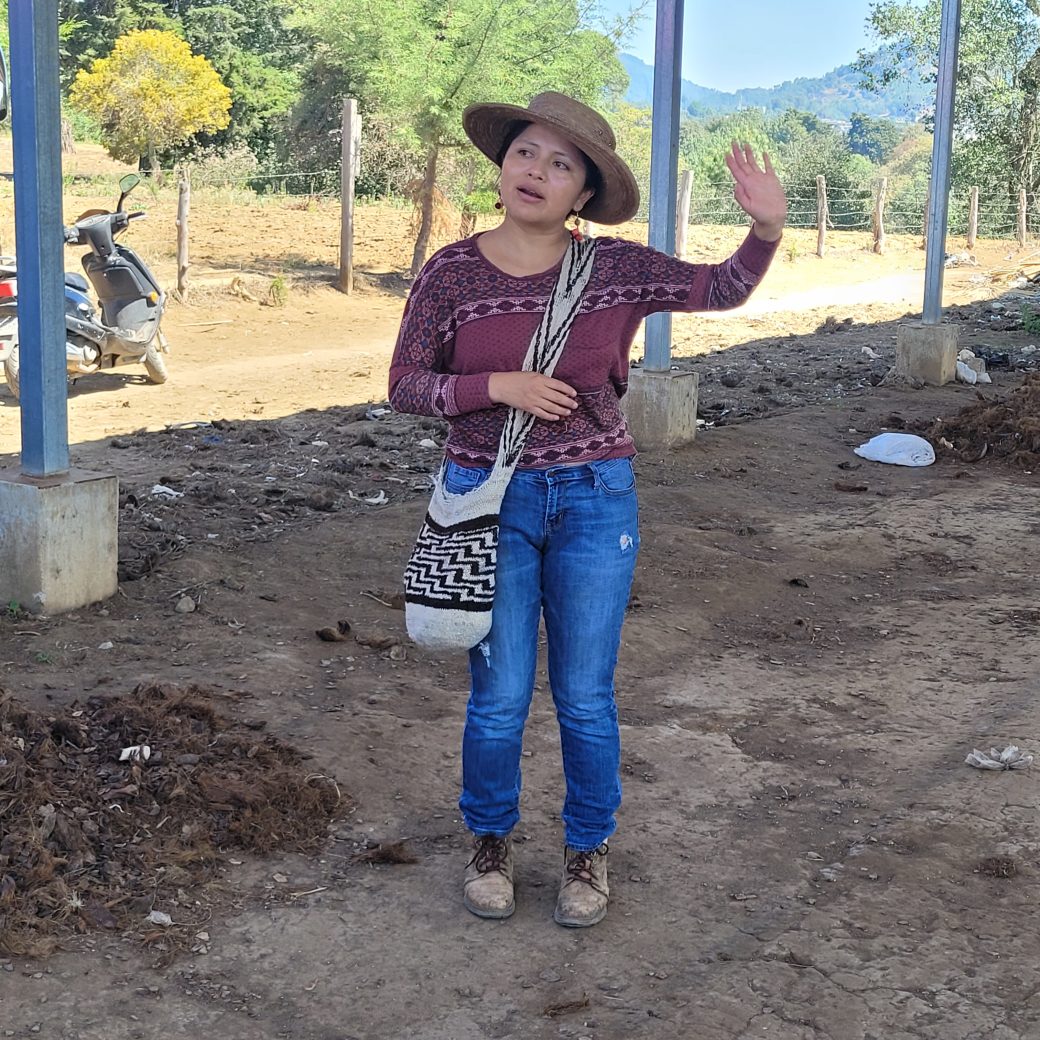
Benita Simón Mendoza
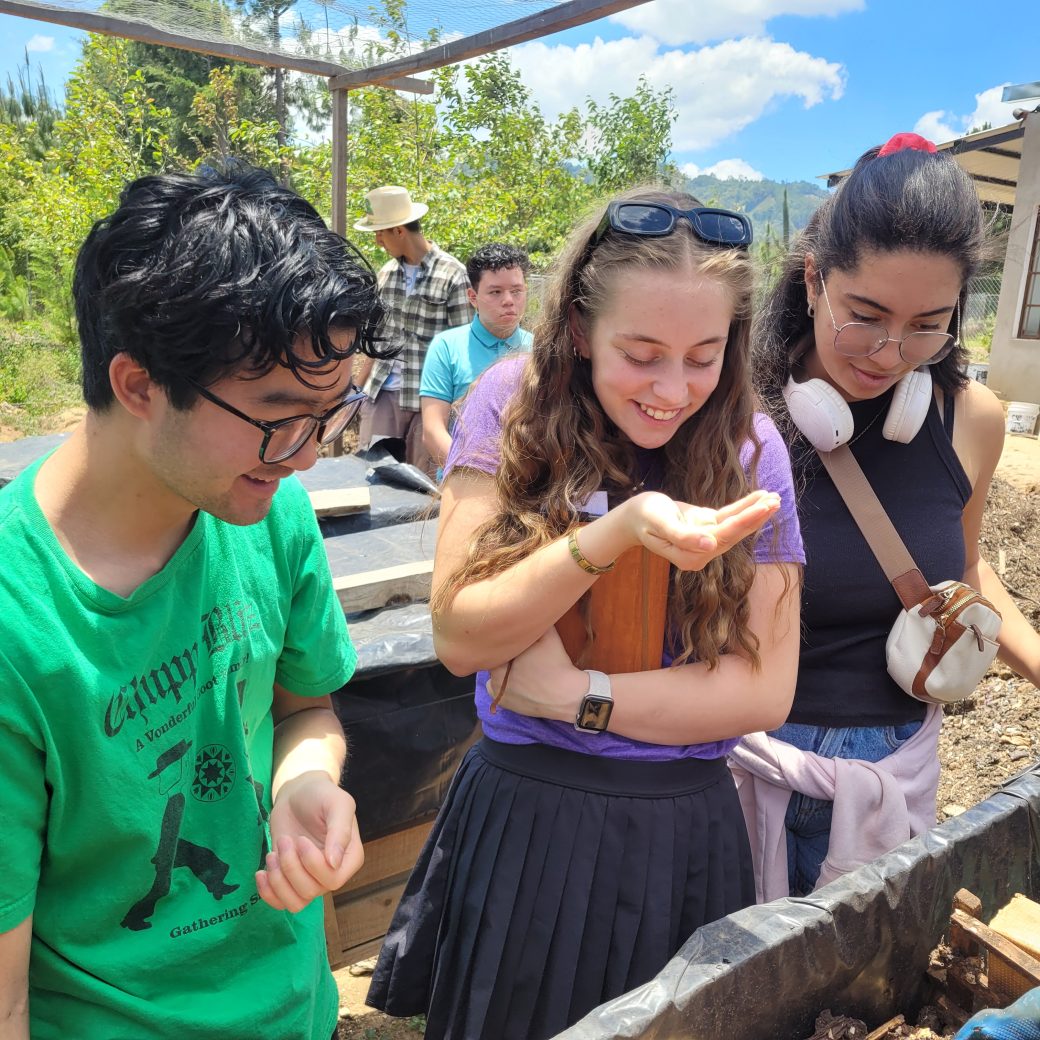
Saying hello to the worms!
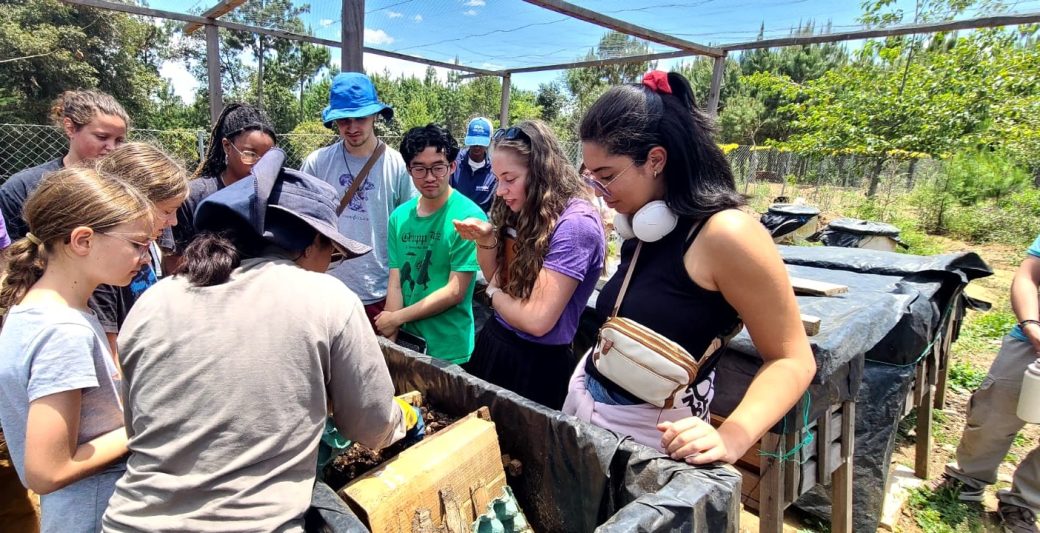
Learning about the worm boxes.
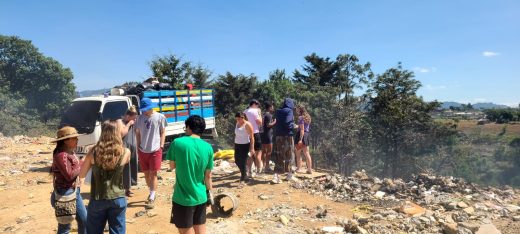
Benita also took us to visit the official city dump, where garbage is thrown off a cliff and into a pile at the bottom. Standing at the edge of the cliff, the trash was only visible if you looked down. Looking straight ahead provided a view of the town and natural landscape. This struck me as a metaphor for the climate crisis; it is only visible if you choose to look, but once it is seen it cannot be ignored. With their composting project, which saves tons of trash from entering the city dump, Rujotay has chosen not to look away.
 Global Education
Final retreat in Ecuador
 Global Education
Life on the ward
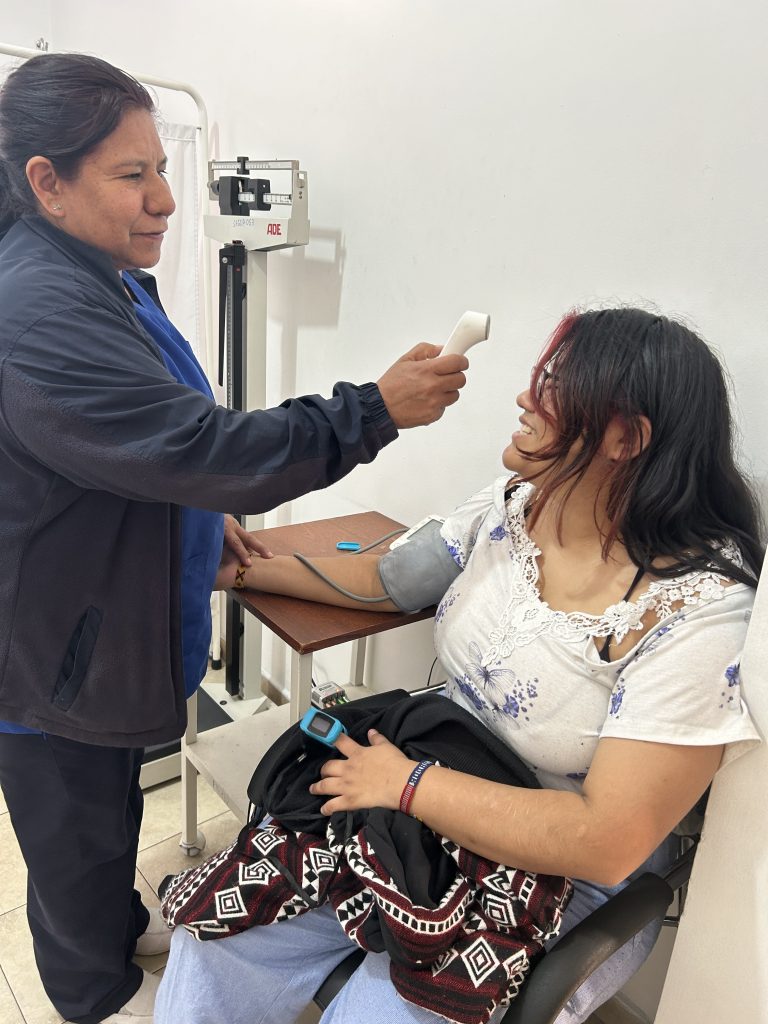
By Dayanara Aguirre-Mulato During my service placement at the municipal Centro Médico in Riobamba, I had the privilege to be able to work alongside other nurses. Day to day each patient comes in to register for their appointment and I…
 Global Education
Service visits: opportunities for connection in Ecuador’s “provincias”
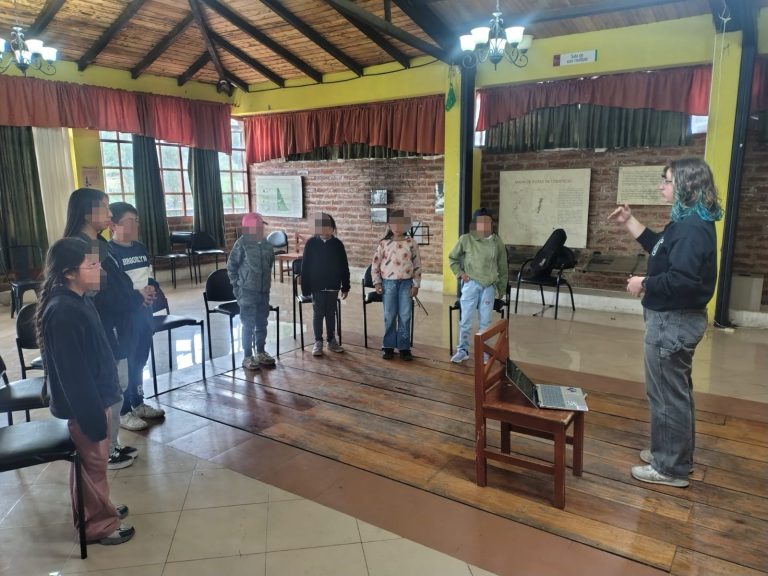
By Hillary Harder During the Service term, leaders have the privilege of traveling to visit each student at the home and volunteer assignment where they are spending their time during the second half of SST. For us, that meant traveling…