

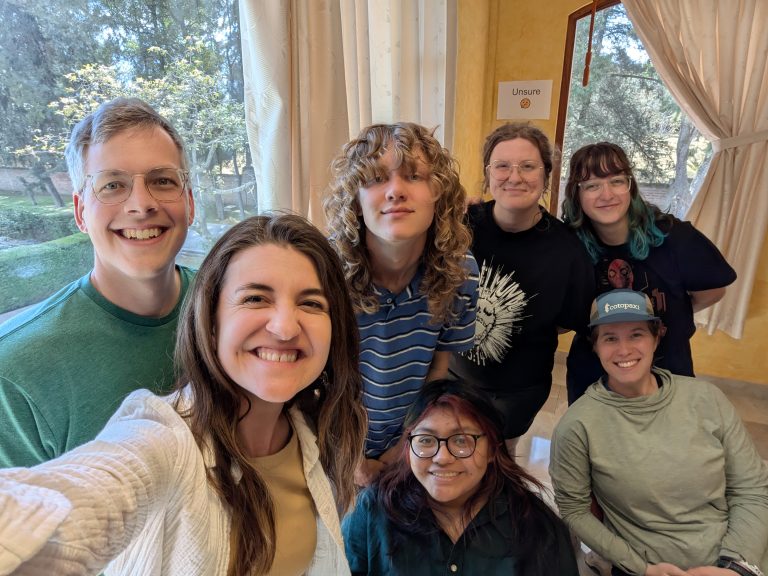
By Hillary Harder On Sunday, July 26, our students returned to Quito from their service communities and we began our final retreat together! The afternoon was full of joyful reunions as each student arrived at our Quito home, la Casa…
News
Living History in Cuenca
May 31 2026
By Hillary Harder
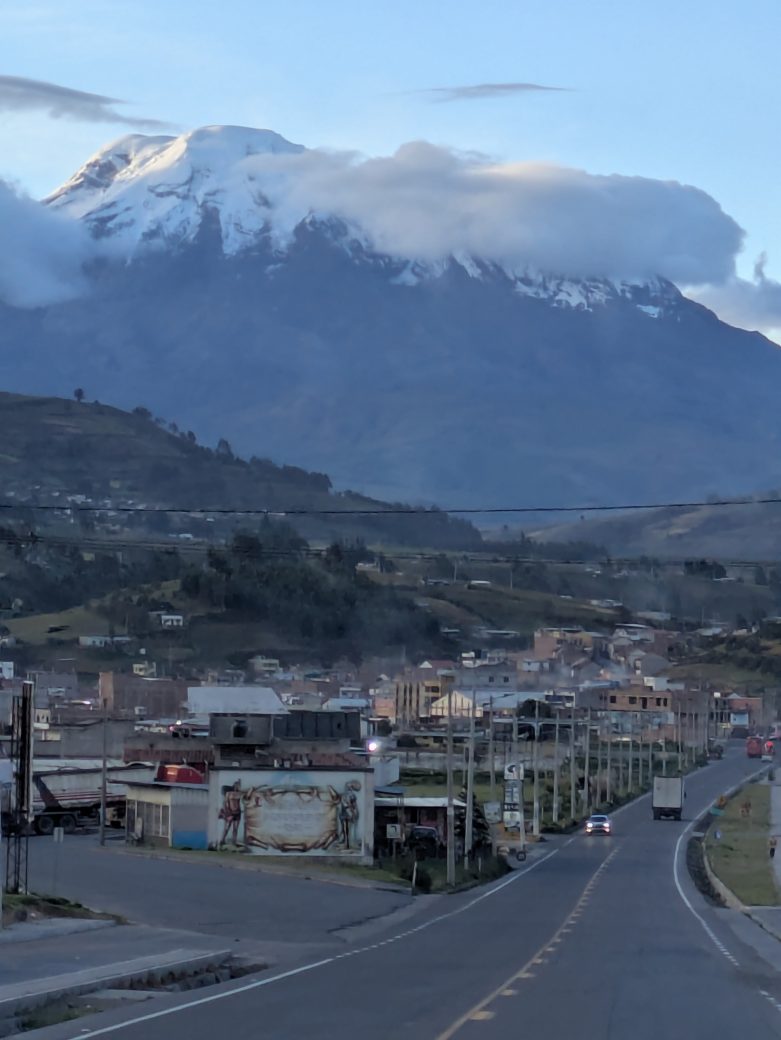
This week our travels took us to the beautiful city of Cuenca in the south of Ecuador! Because it’s a long ways from Quito, we broke up the drive and spread our travels over the whole week, seeing breathtaking sights all along the way – such as this view of Chimborazo, the tallest volcano in Ecuador and the furthest point on the planet from the center of the earth!
History of Indigenous Peoples
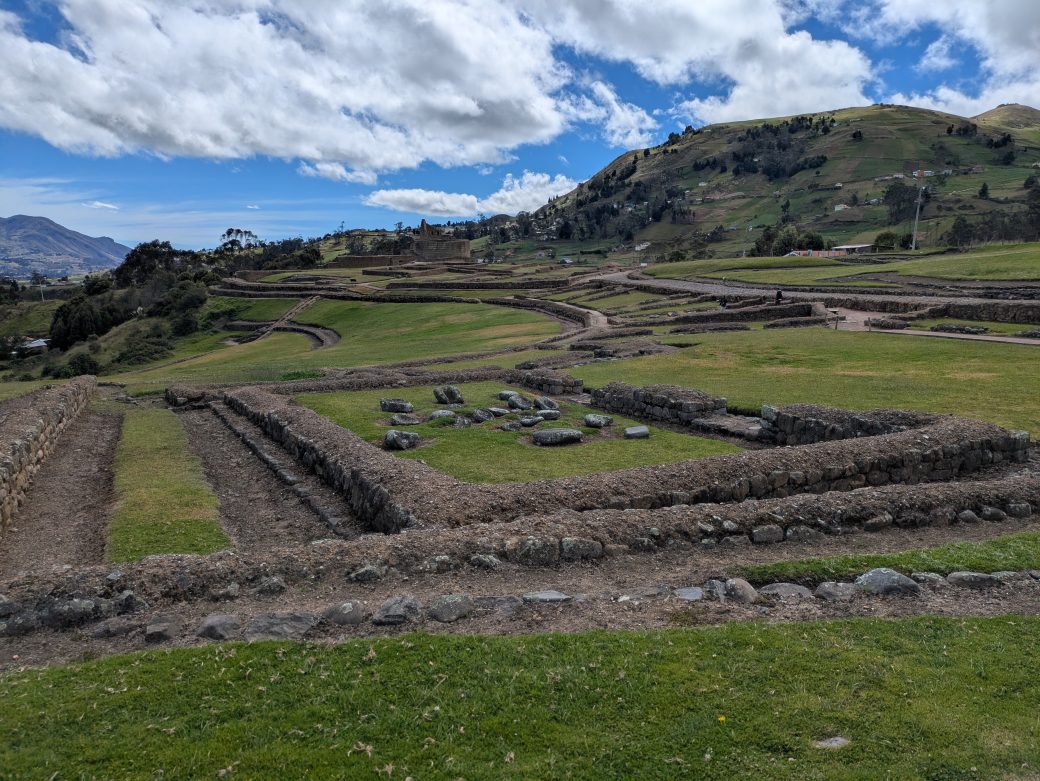
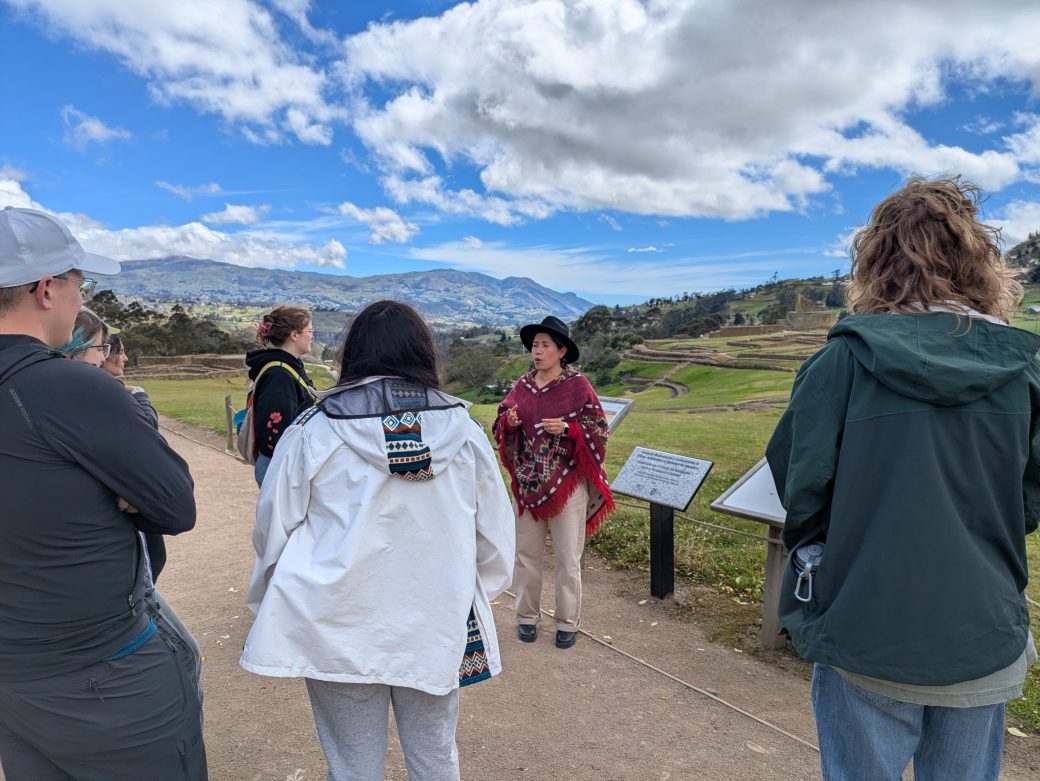
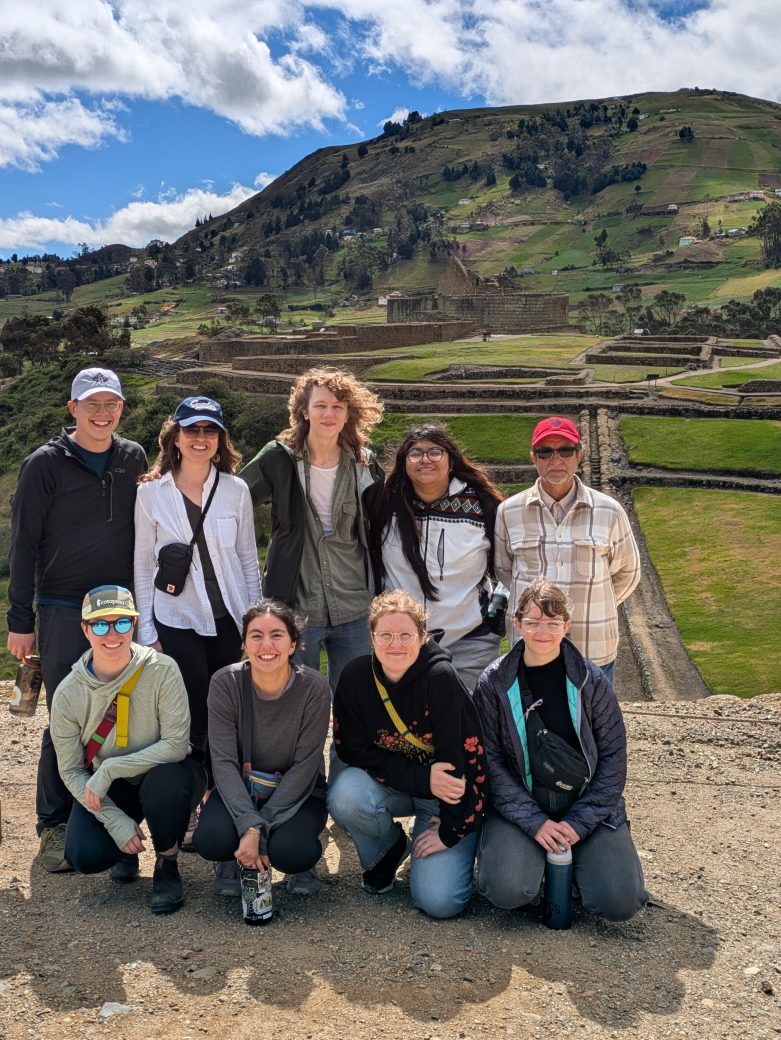
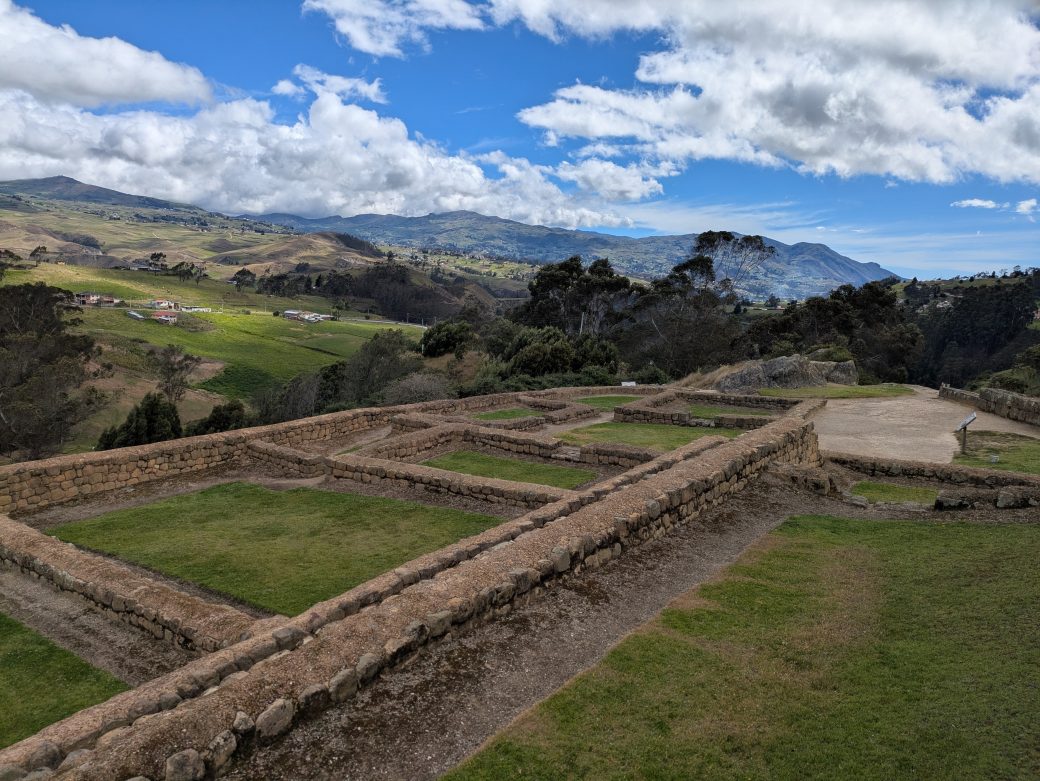
During our trip, we had the opportunity to visit several sites focused on the history of indigenous peoples in Ecuador, including not only the Incas (present-day Kichwas) but also pueblos originarios – pre-Incan indigenous groups – whose descendants still live in this region of Ecuador today, such as the Cañaris. En route to Cuenca we stopped at Ingapirca, an archaeological site featuring ruins of Cañari temples and dwellings. Interestingly, when the Incas came north from Peru to conquer Ecuador during the mid-15th century, their idea of conquest involved integrating with the local peoples, not destroying them. Therefore, Ingapirca shows preserved and restored examples of both Cañari and Incan architecture and agriculture.
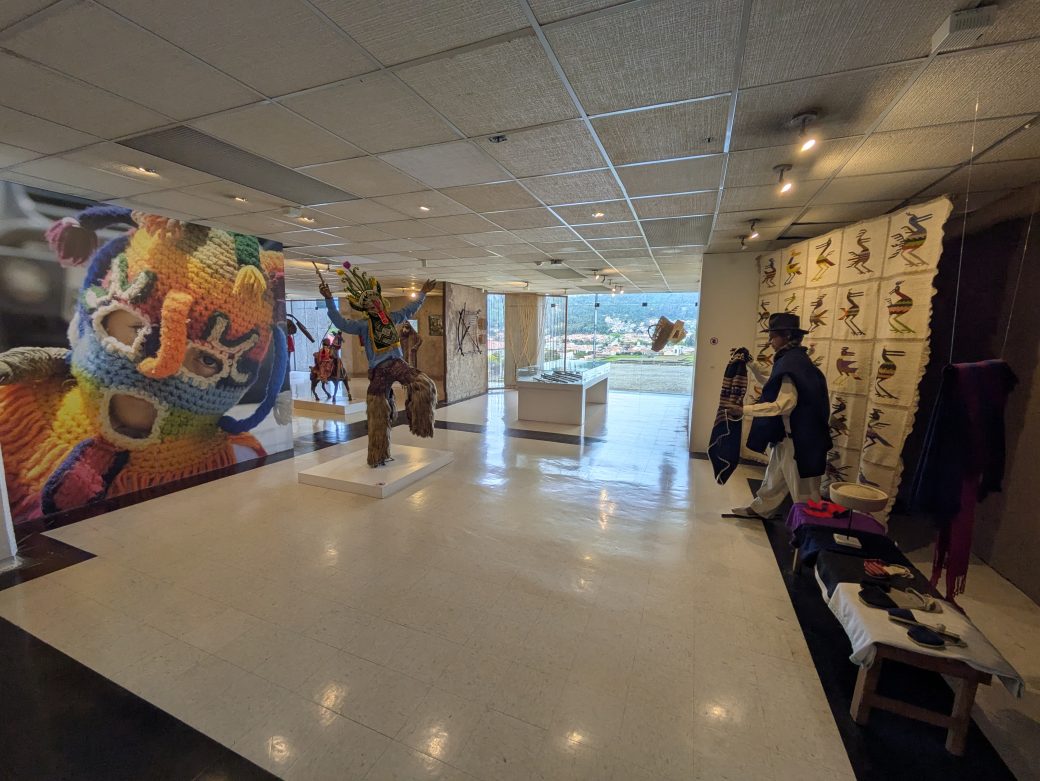
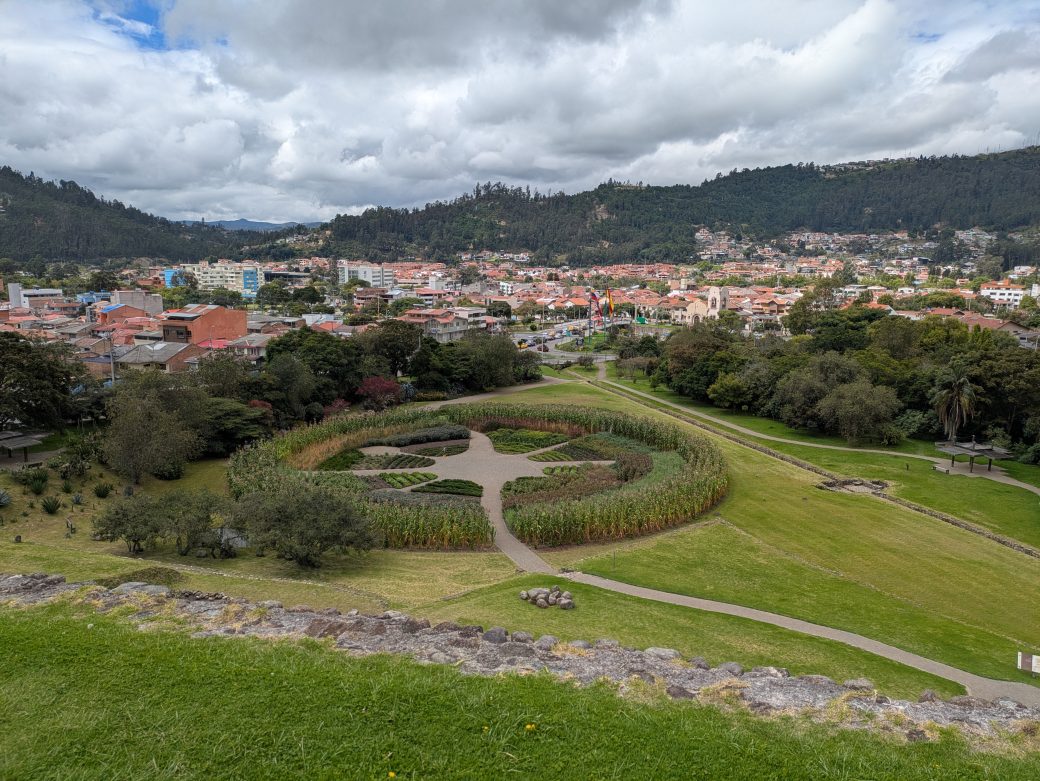
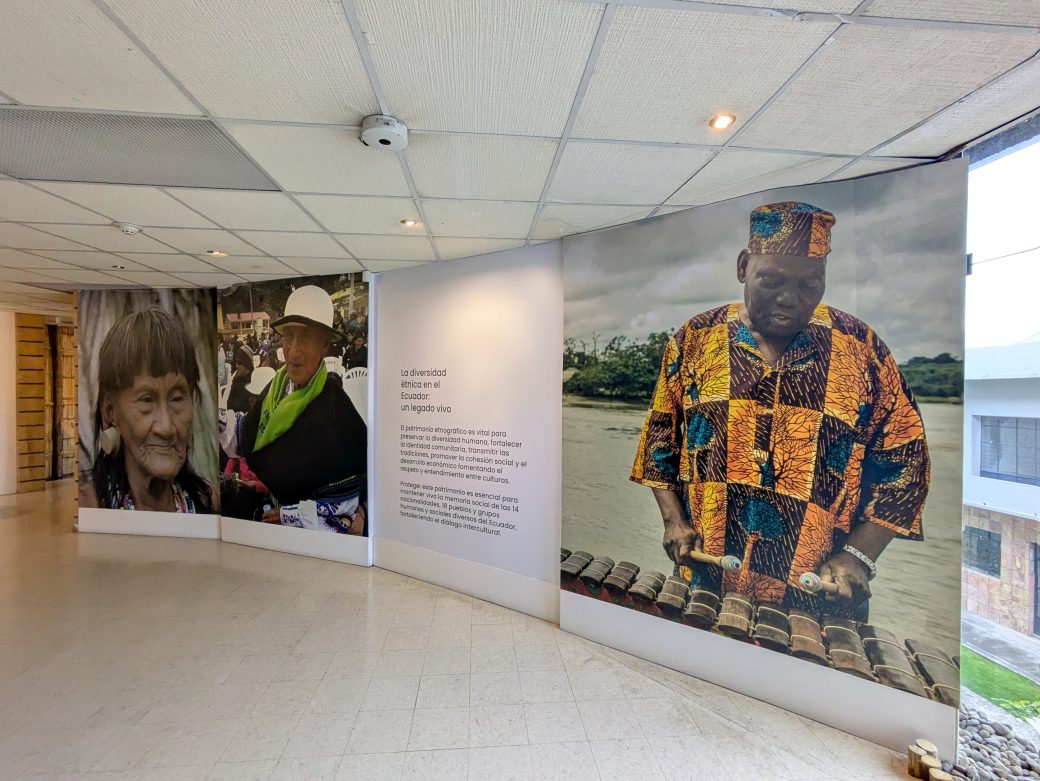
While in Cuenca, we visited Museo Pumapungo, a museum devoted to the history of indigenous nationalities and peoples of Ecuador. This museum not only contained detailed, interactive exhibits celebrating the heritage of each of the 14 indigenous nationalities of Ecuador, Pumapungo also included extensive outdoor grounds featuring native birds, plants, and Incan traditional agricultural practices.
Natural and Human-Made Beauty
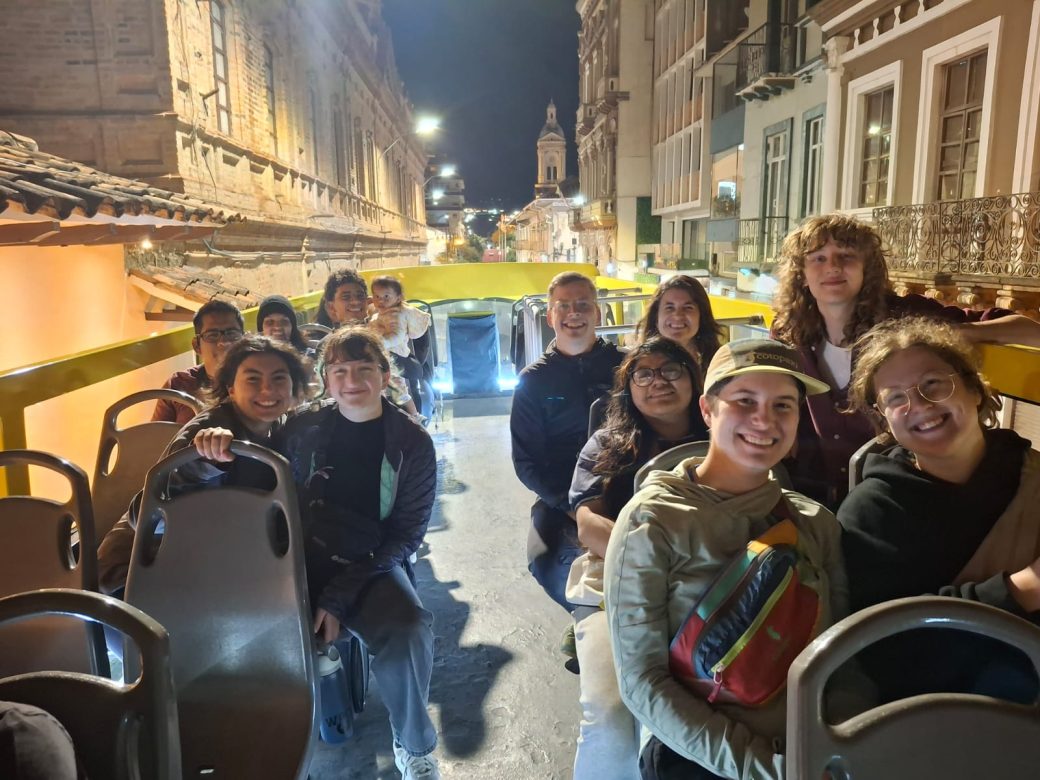
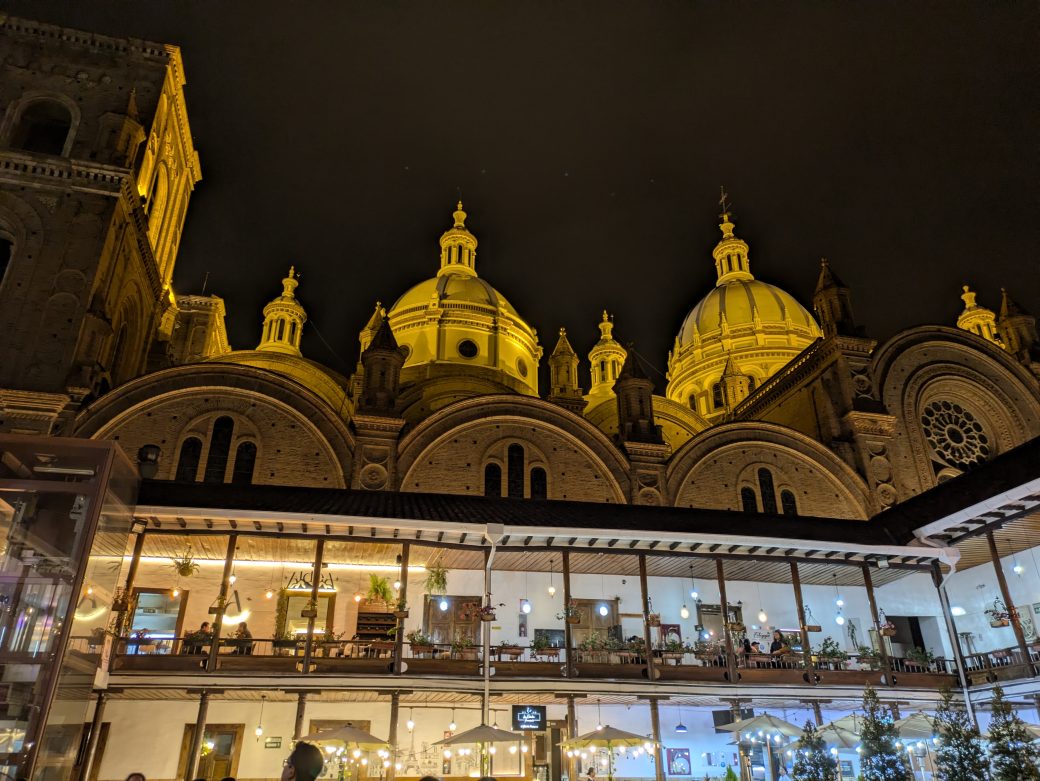
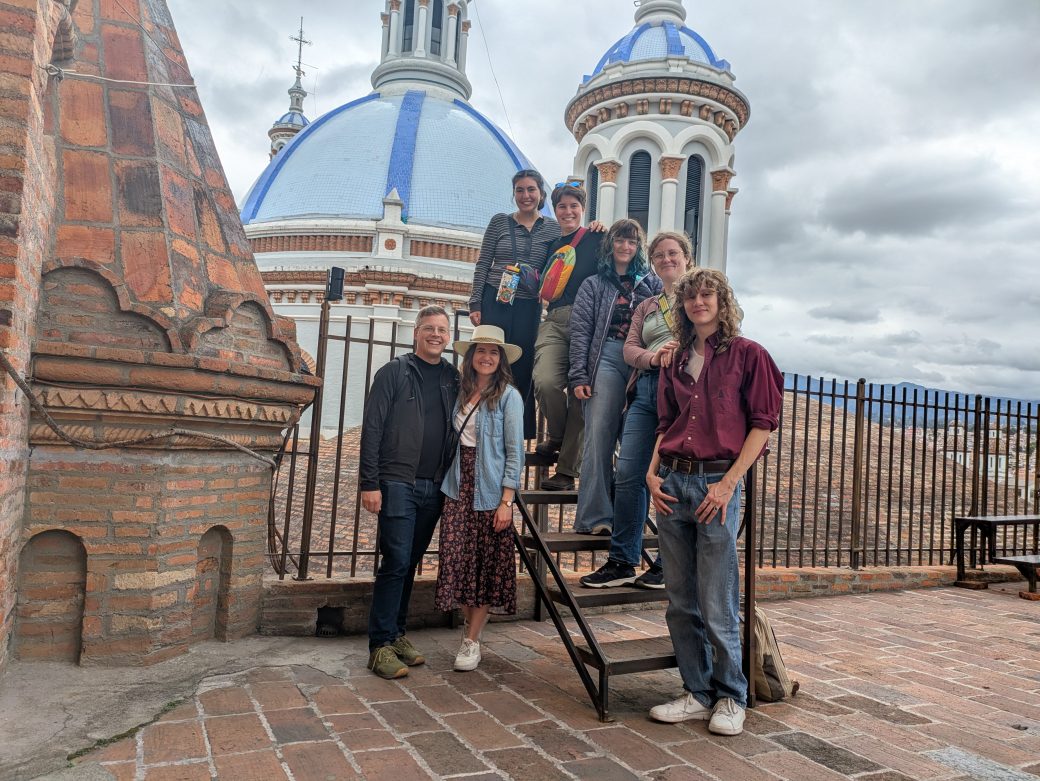
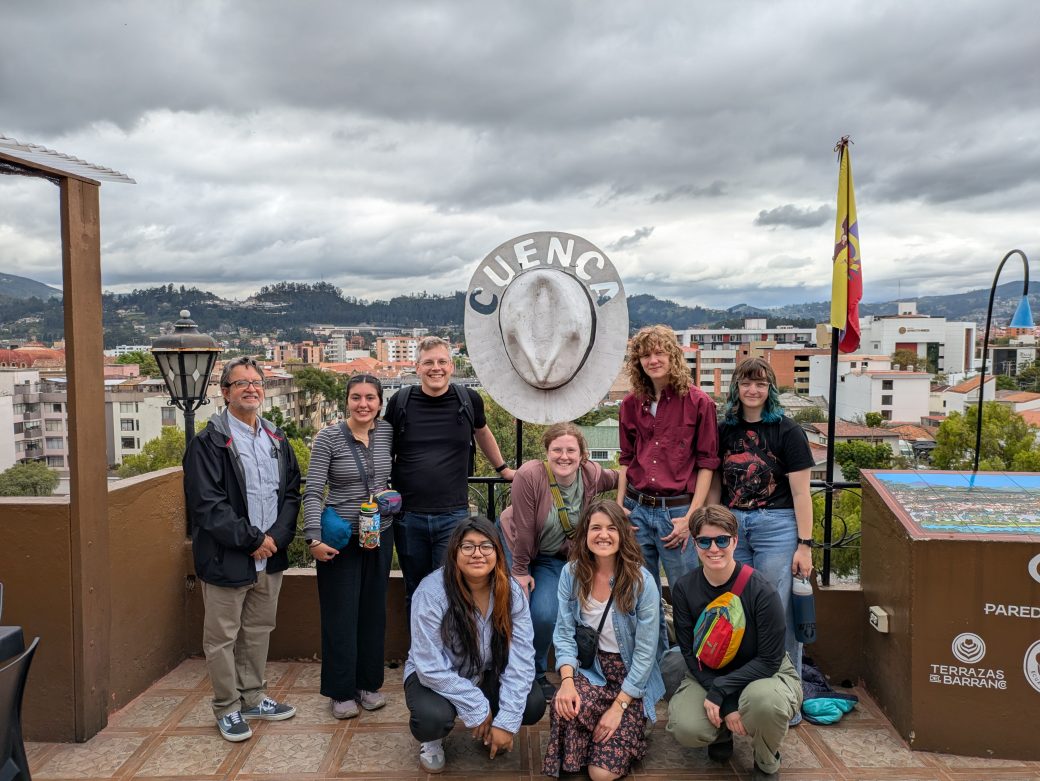
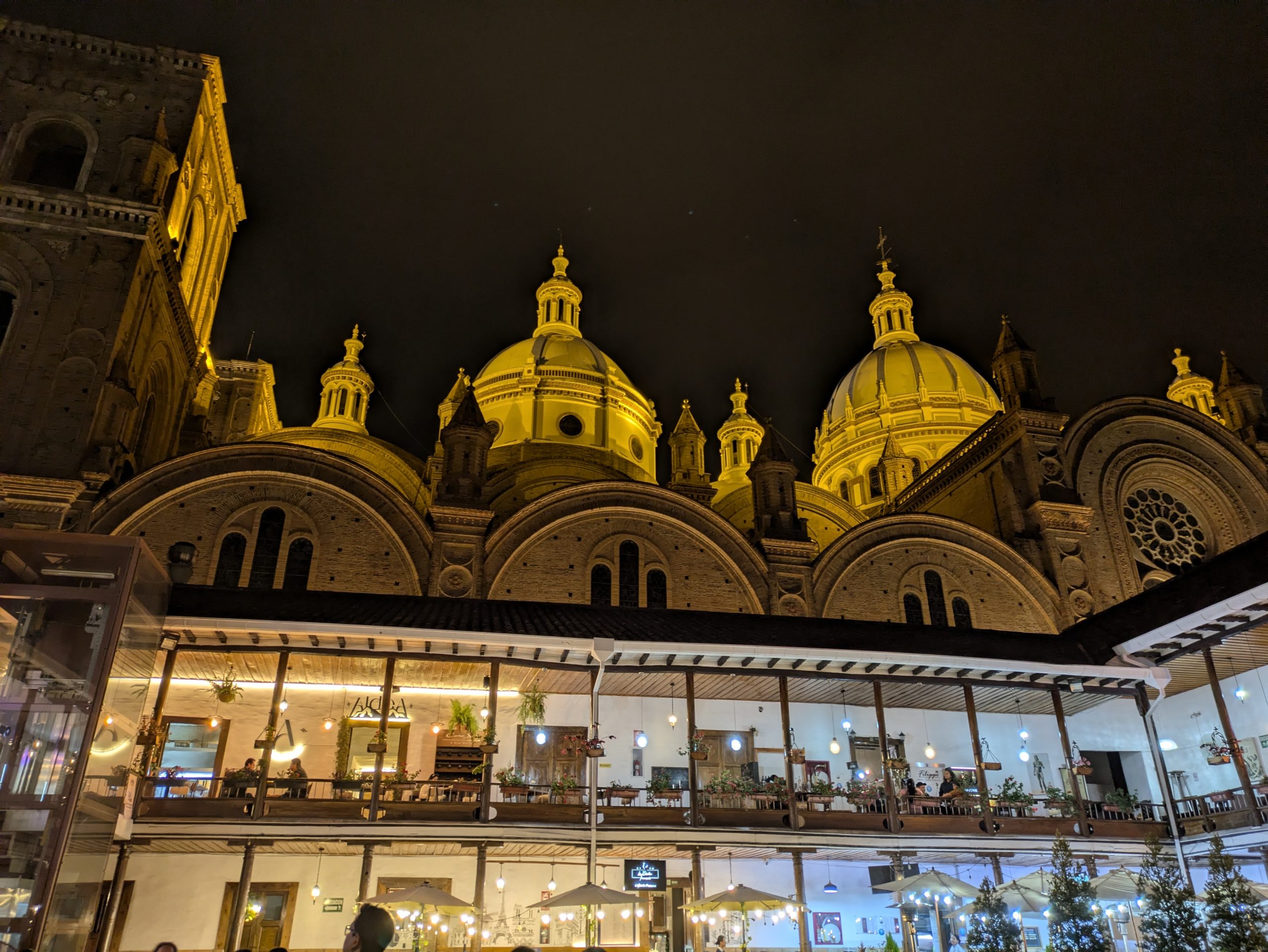
While in Cuenca, we had rich opportunities to soak in the beautiful architecture and local artisan crafts in the city. Our first night there, we enjoyed a City Tour on a double-decker tour bus that took us through the heart of historic Cuenca and all the way up to the Turi district overlooking the city from a high ridge. We toured the gorgeous cathedral in the city center and even climbed the cupolas to enjoy the view from the top.
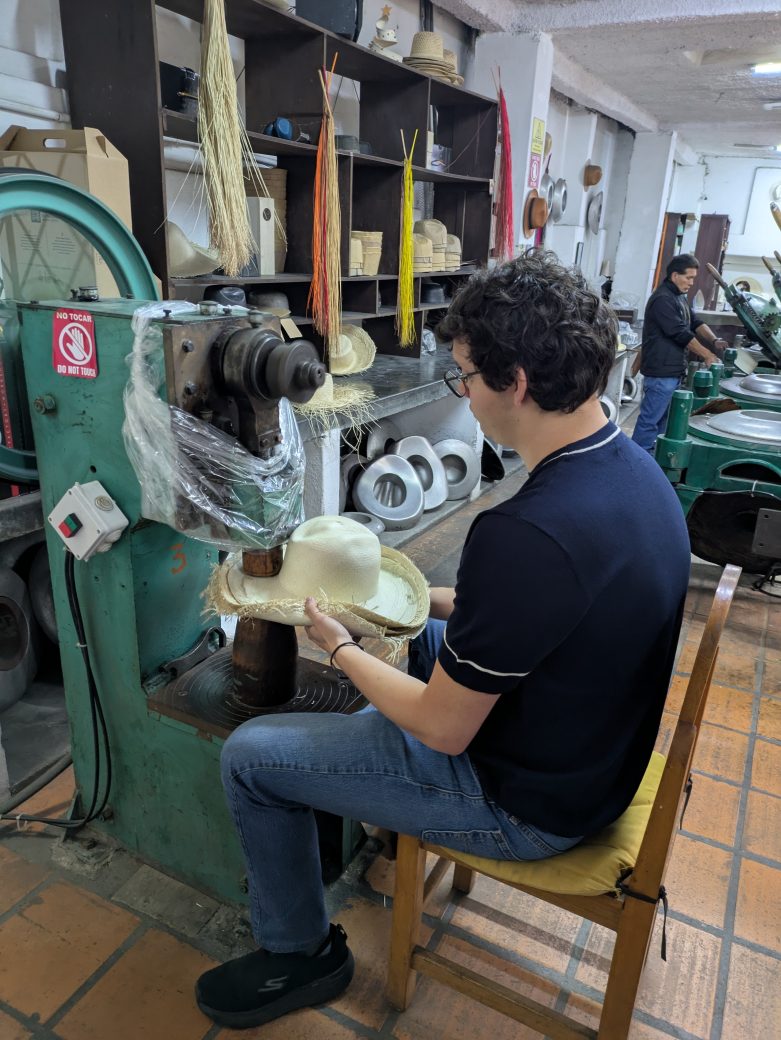
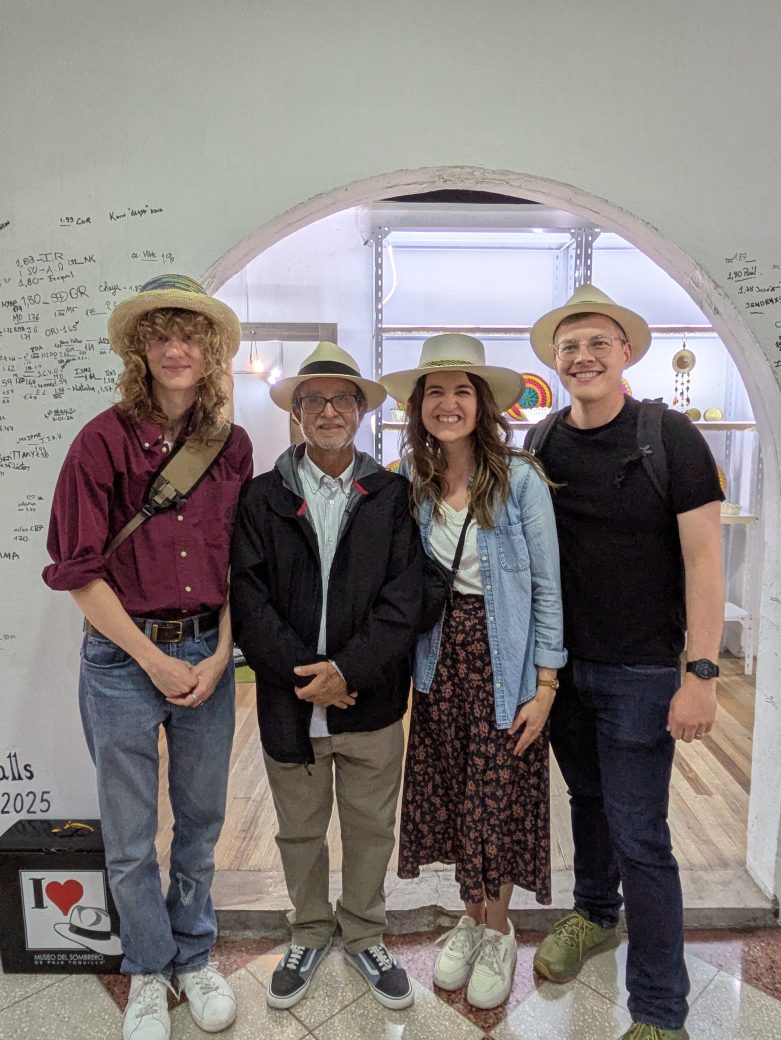
Cuenca is known for several artisan crafts, including what most of the world erroneously knows as “Panama hats.” In fact, all of these hats are made in Ecaudor and are actually called sombreros de paja toquilla. They started being referred to as “Panama hats” because during the construction of the Panama canal, workers were given these lightweight and durable hats to wear – hats that had all been imported from Ecuador, and still are to this day. While on a tour of the Museo del Sombrero de Paja Toquilla, we learned about the intricate process of hand-making each and every hat, from harvesting the toquilla palm leaves to painstakingly weaving them (which can take up to 8 months for a single hat!) to pressing and molding the hat into one of several shapes using a metal mold. Several of our group members purchased beautiful hats from the family of hat-makers that runs the museum.
At the base of Cotopaxi
The final day of our trip took us to Cotopaxi National Park, where a local guide joined us on our bus as we drove higher and higher up the winding road, eventually reaching an elevation of over 12,000 feet at the base of the volcano. Along the way our guide, Lorena, shared about the different levels of terrain we were passing through and the different flora and fauna found in each one. Lorena shared that in her Kichwa culture, it was important that we ask permission from the volcano Cotopaxi to enter his domain. We stopped to drink te de coca, a tea brewed from coca leaves that acts as a natural stimulant and helps combat altitude sickness. Lorena played a recording of the Andean song Zapateando Juyayay as she danced down the aisle of the bus and we clapped along, asking Cotopaxi to open the way for us to enter his territory.
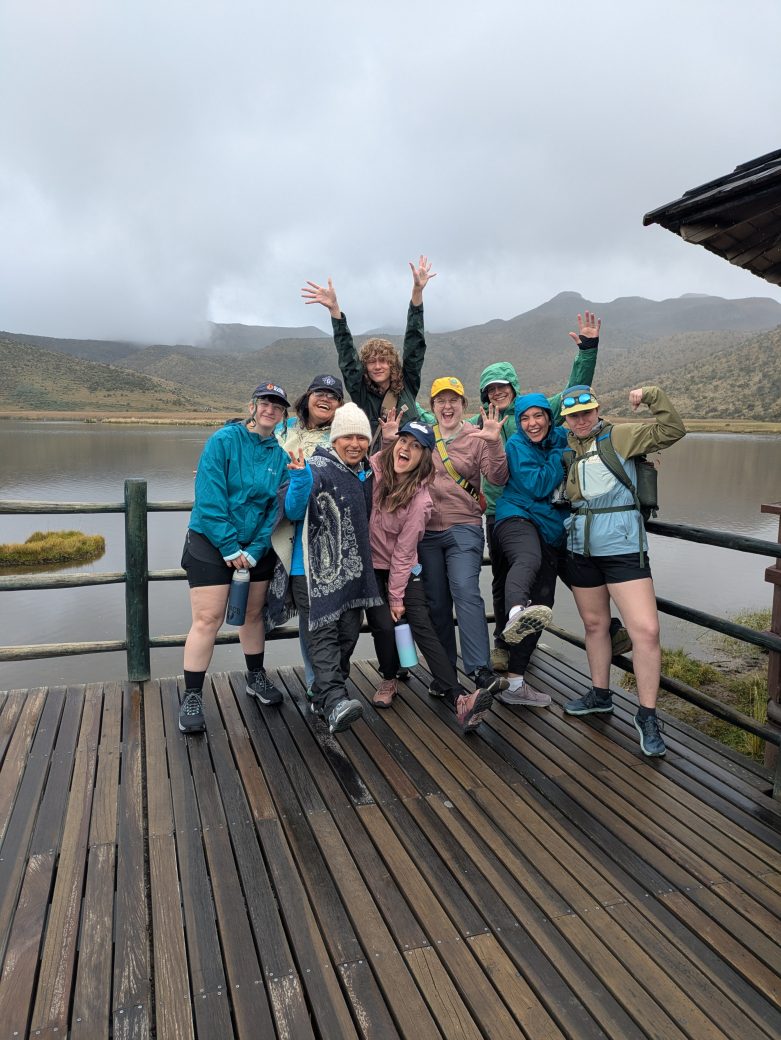
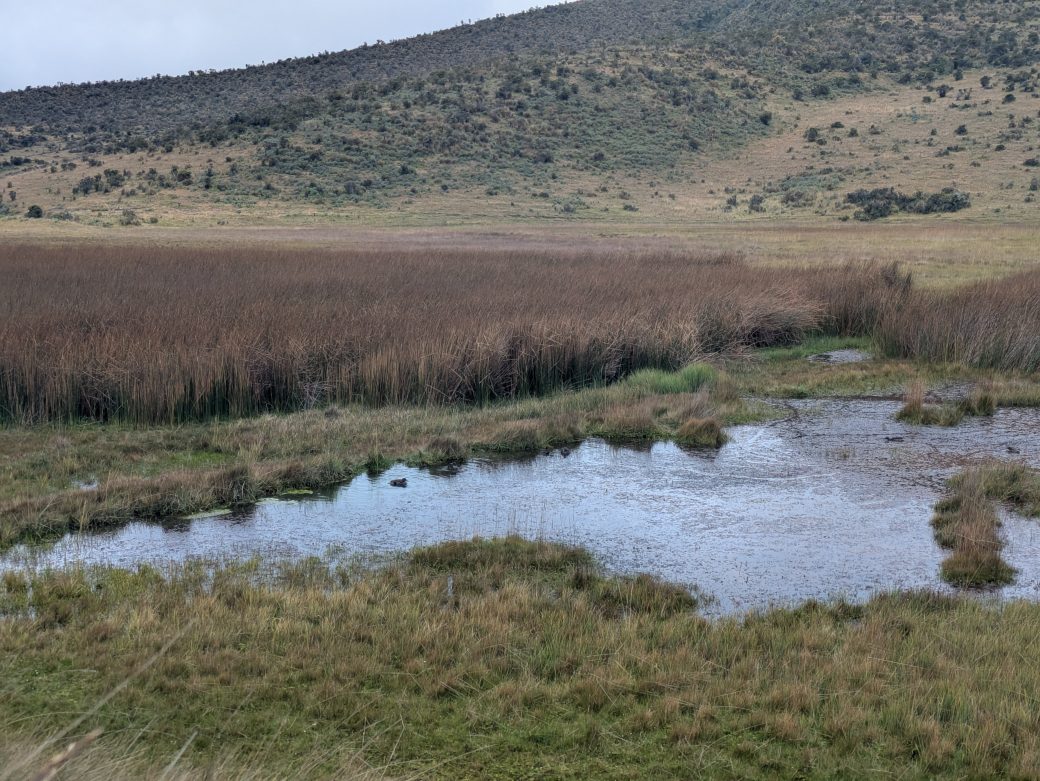
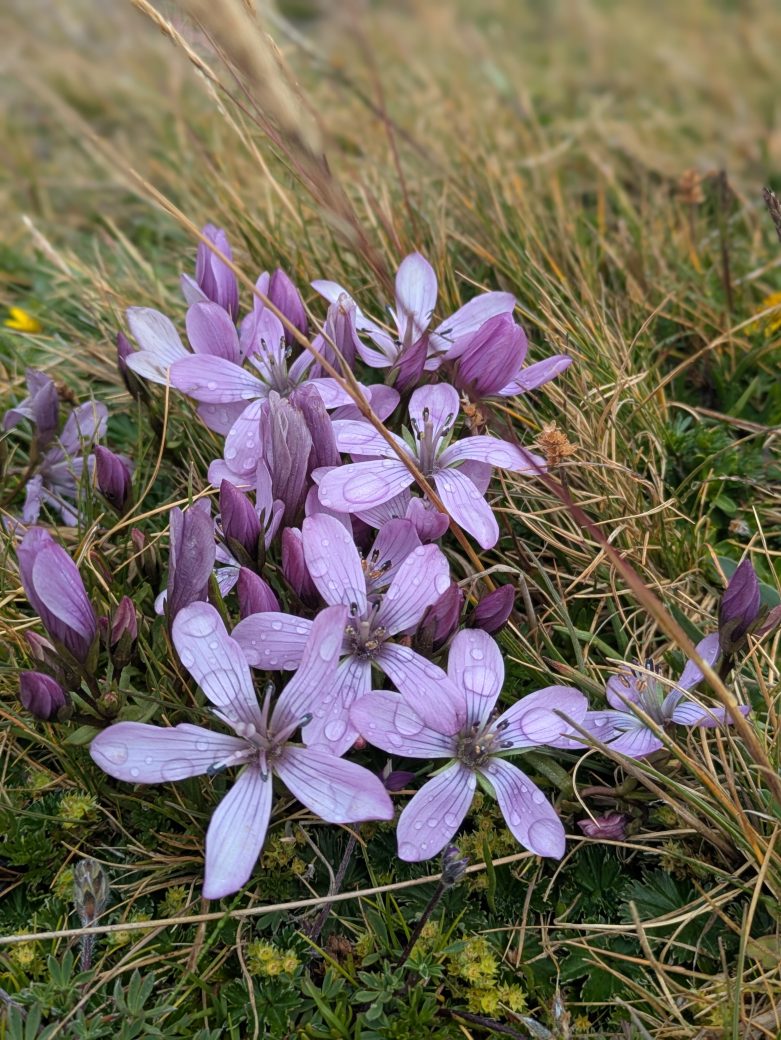
In the paramo or highland region of the park, we disembarked our bus at the Laguna de Limpiopungo, whose name means “open door” in Kichwa. Lorena led us in a hike around the perimeter of the lagoon, pointing out dozens of species of plants, animals, and birds along the way. The utter peace and vibrance of the lagoon and the paramo stayed with us even as we concluded our trip and headed back into Quito for another week of study.
 Global Education
Final retreat in Ecuador
 Global Education
Life on the ward
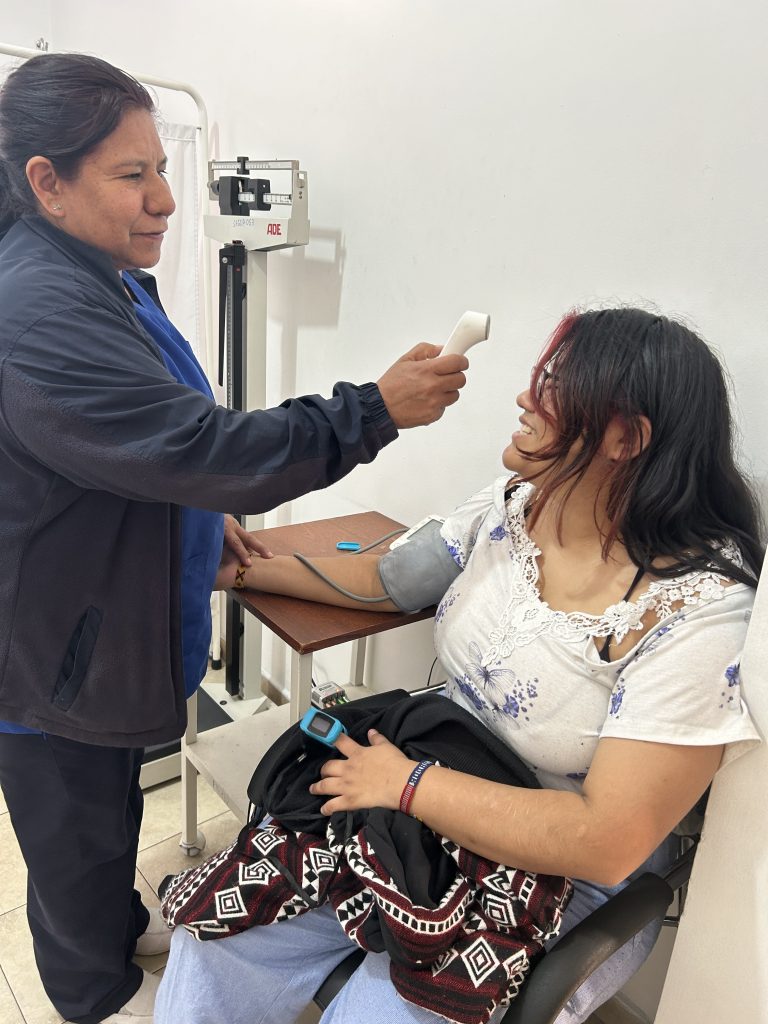
By Dayanara Aguirre-Mulato During my service placement at the municipal Centro Médico in Riobamba, I had the privilege to be able to work alongside other nurses. Day to day each patient comes in to register for their appointment and I…
 Global Education
Service visits: opportunities for connection in Ecuador’s “provincias”
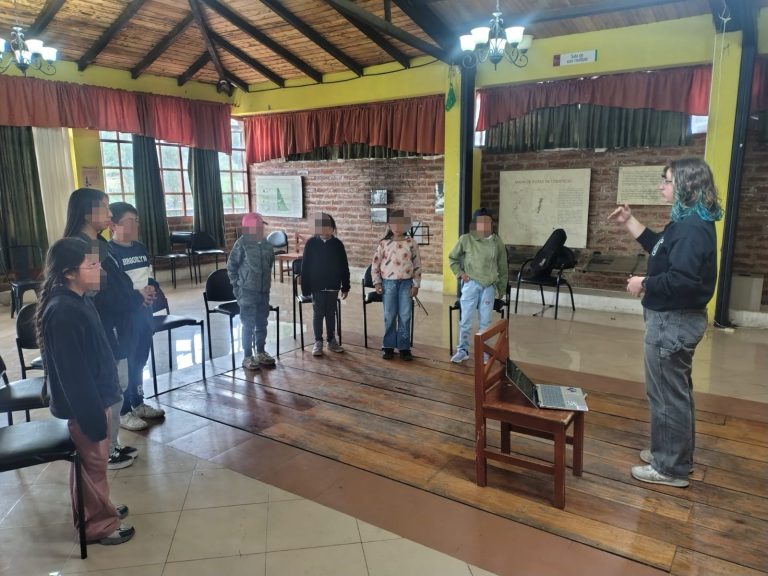
By Hillary Harder During the Service term, leaders have the privilege of traveling to visit each student at the home and volunteer assignment where they are spending their time during the second half of SST. For us, that meant traveling…