

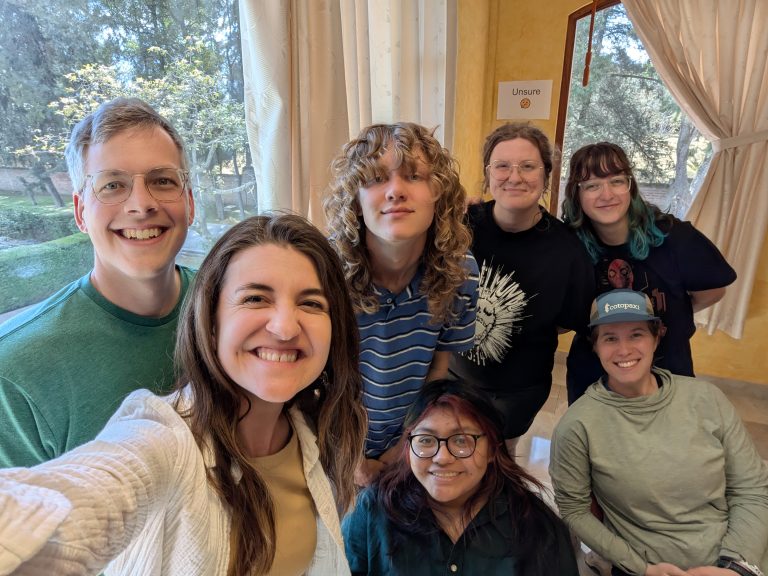
By Hillary Harder On Sunday, July 26, our students returned to Quito from their service communities and we began our final retreat together! The afternoon was full of joyful reunions as each student arrived at our Quito home, la Casa…

News
Literature, Culture, and Global Perspectives in London
May 13 2026
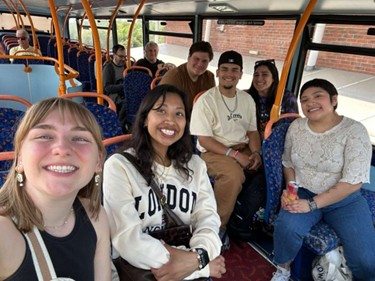
As we reach the halfway point of our SST in London, we are struck by how quickly time moves and how much we manage to pack into each day.
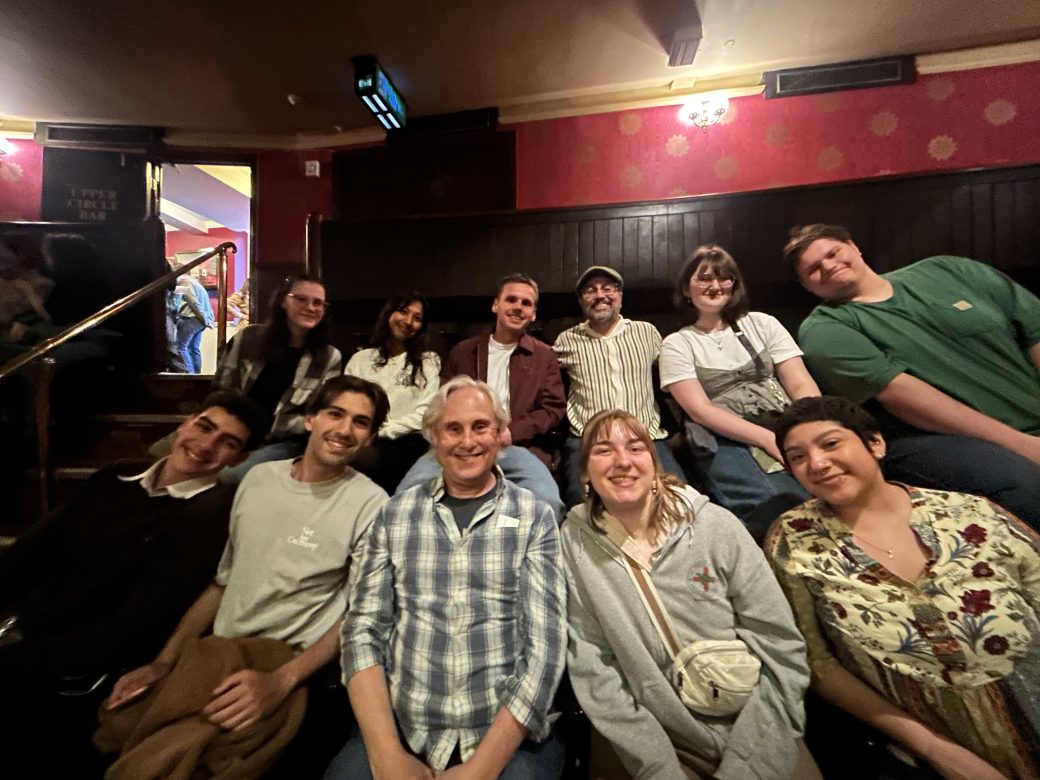
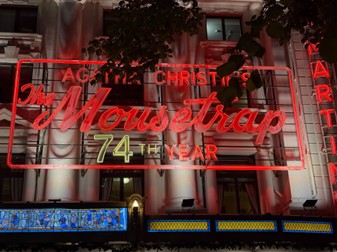
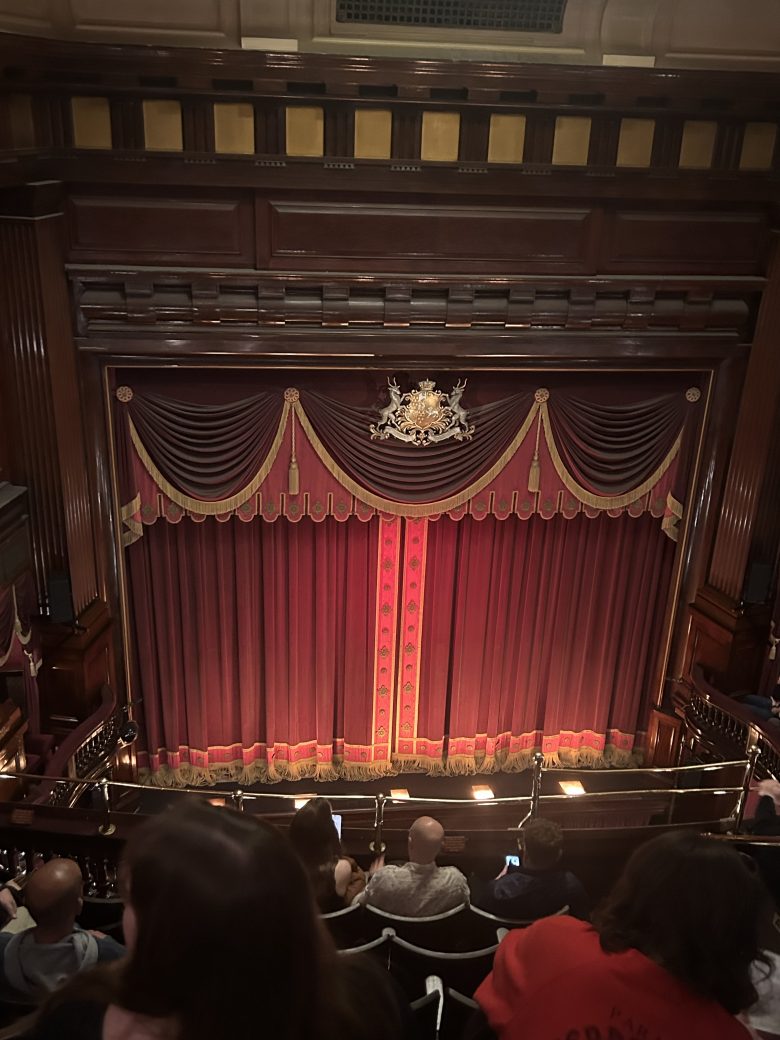
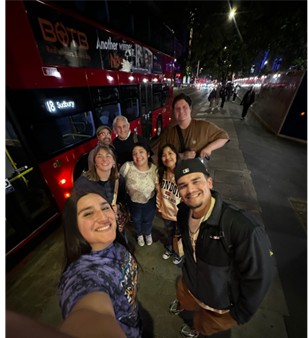
After reading Agatha Christie and examining the depiction and treatment of service workers, a group of us attended a performance of The Mousetrap, a staple of London theatre now in its 74th year. We are sworn to secrecy regarding the ending but judging from the strong physical reactions of those in our group, it was certainly surprising. As the professor, I especially appreciated our students’ verbal responses when one of the characters, exasperated by the lack of “staff” at the boarding house, declares that “the working class is clearly not living up to their duties.” The line resonated with our earlier discussions of class and the treatment of those working in service roles.
This SST experience as a whole has allowed me to become a more flexible, outgoing person as my comfort zone has been tested and my mindset widened. We are given the opportunity to study literature important to the culture of London, then immerse ourselves in what we are learning by going to museums, attending plays and musicals, and walking around markets and other important landmarks in the historic city. – Leah Berkey
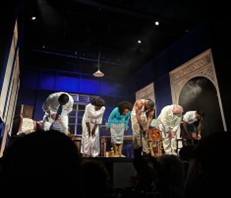
Over the weekend, another small group travelled to Stratford-upon-Avon to attend a performance of Driftwood at the Royal Shakespeare Company. The play examines colonialism in the Caribbean and the constraints on agency, choice, and freedom experienced by Afro-Caribbean communities within their own context. We were able to explore this city and all it has to offer on a most beautiful, sunny day. While the excursion was long with three trains, I trust for all it was worth it.
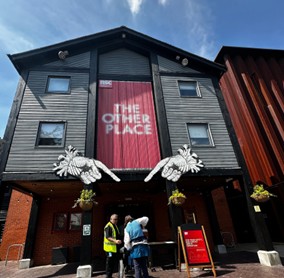
At The Other Place theater, we watched Driftwood, a production by the Royal Shakespeare Company. Set in a bar in Port of Spain, the play follows characters questioning identity, family, and belonging as Trinidad moves toward political independence. Driftwood explores colonial power structures and the ways race shapes personal relationships. The club, Alma, is managed by a local Black woman but owned by an Englishman, reflecting the broader imbalances of colonial rule and the struggle for independence. Many of the themes presented in Driftwood connected to those we saw earlier in A Midsummer Night’s Dream, particularly ideas surrounding power and social order. As our group concluded our day trip to Stratford-upon-Avon, we left with a deeper understanding of the lasting impact colonialism has had throughout history, especially on women and members of the working class striving to build stable and meaningful lives. Beyond the performances themselves, our time in Stratford also gave us the opportunity to strengthen friendships and build deeper connections with one another. — Steven Lopez & Esme Pico
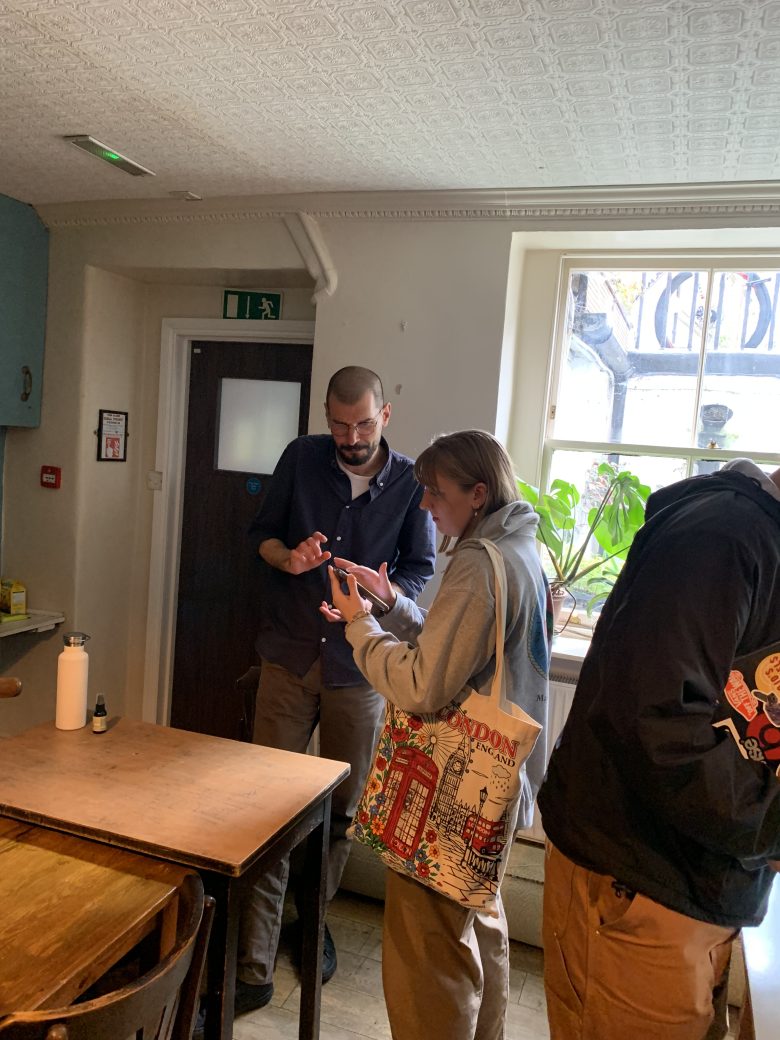
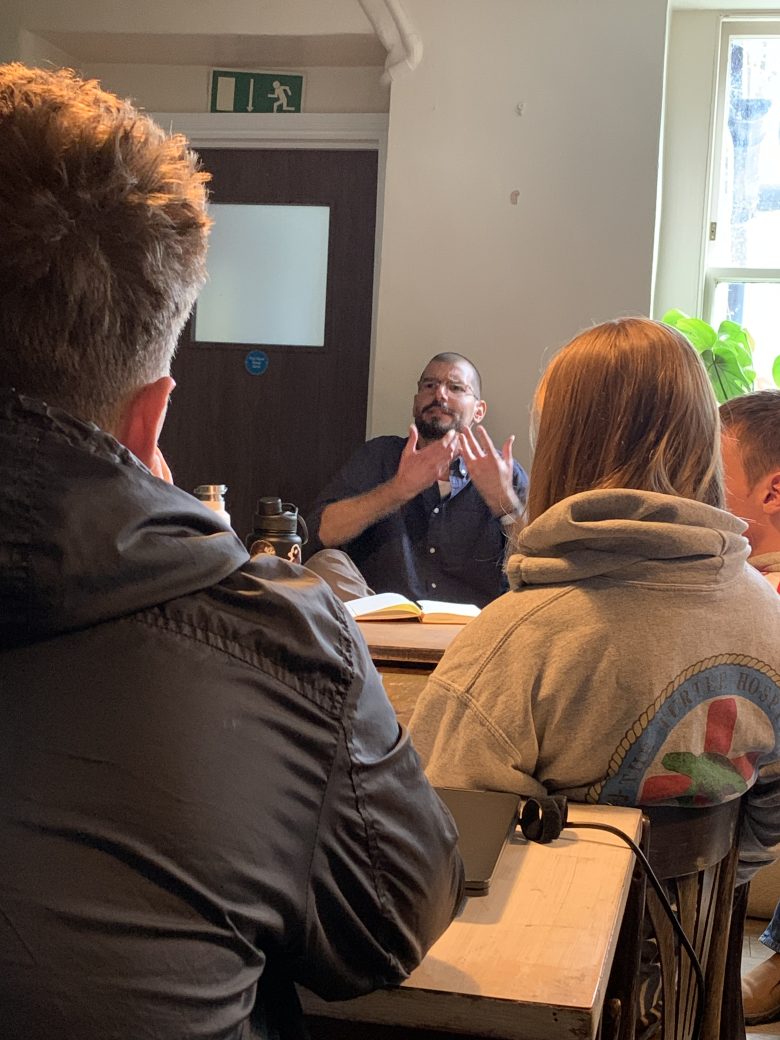
We were also fortunate to host Dr. Lambros Fatsis, Senior Lecturer in Criminology at the University of London, as a guest lecturer. His book Policing the Beats offers a sharp and often unsettling examination of how police in the UK disproportionately target rap, hip-hop, and drill music, treating cultural expression as a proxy for criminality. The book is described as a bold analysis that exposes the racist policing of Black music. The emergence of UK drill music made headline news, portraying it as a criminal enterprise instead of recognizing it as an art form. This new rap subgenre, however, is neither the first nor the only Black music to be targeted this way. Dr. Fatsis provided valuable context for understanding both the similarities and differences between racialized policing systems in the UK and the United States as well as our experiences in various parts of the city including our time in Brixton Market.
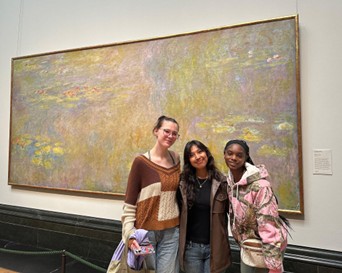
In addition to lectures, discussions, and performances, we have attended both the The National Gallery and the Tate Modern, where we engaged directly with a wide range of artworks spanning different periods and styles. These visits provided valuable opportunities to observe works in their original context, develop a deeper understanding of artistic techniques and movements, and connect theoretical learning from class with real-world examples.
They also prompted us to consider the ethics of displaying and collecting art in major museums, particularly in relation to objects that may have been acquired through colonialism, looting, or unequal power dynamics. This raised important questions about provenance, restitution, and the responsibilities of cultural institutions in acknowledging and addressing the histories behind their collections.
One excursion we have had so far is visiting the National Gallery, which holds thousands of paintings that date back around the 13th century. Walking through this gallery gave me so much perspective into the reasons why I am here in London and how lucky I am to be given the opportunity to experience this wonderful journey. Seeing all this extraordinary talent in a wide variety of media and images from many skilled painters has awarded me with such gratefulness for everything I am encountering in London! – Melanie Arteaga
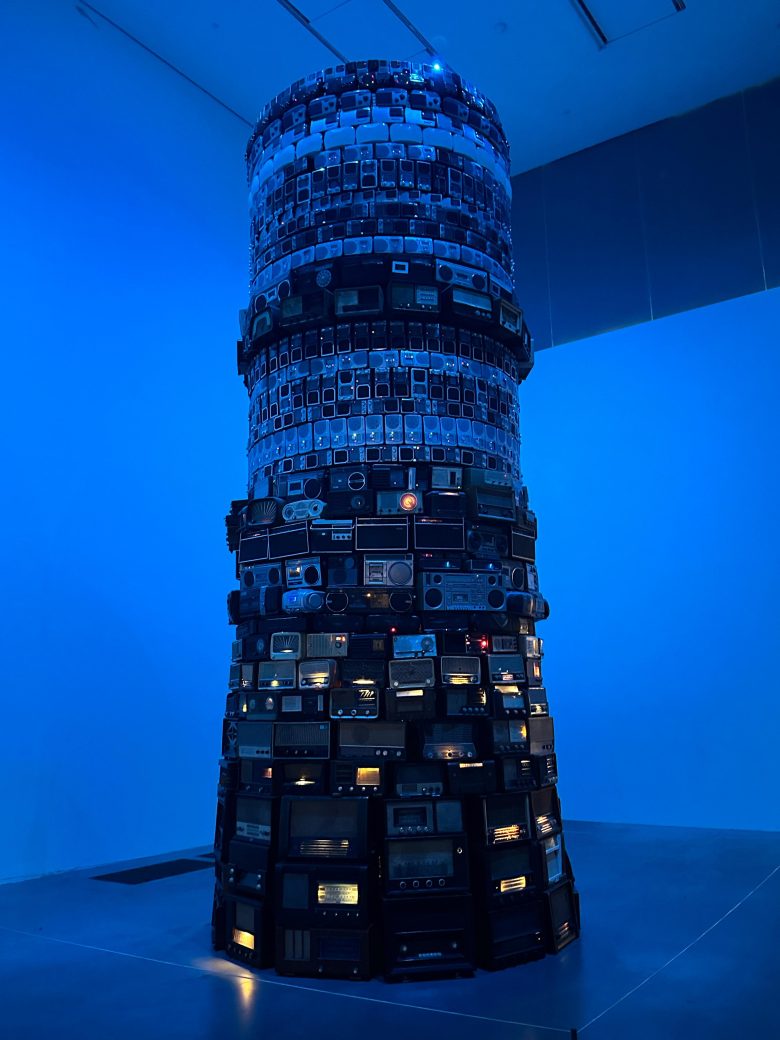
During my visit to the museum, I came across works that left me with several questions. As I walked, I saw a large stacked radio tower in an isolated room with noises that took me out of my comfort zone, as well as a room with only an old TV playing a poor-quality recording of someone skateboarding in the streets. Besides not understanding the purpose of those works, I encountered everyday objects displayed in a way that symbolized great value, which made me question what we consider art and why. – Guilherme Rosa De Mello
 Global Education
Final retreat in Ecuador
 Global Education
Life on the ward
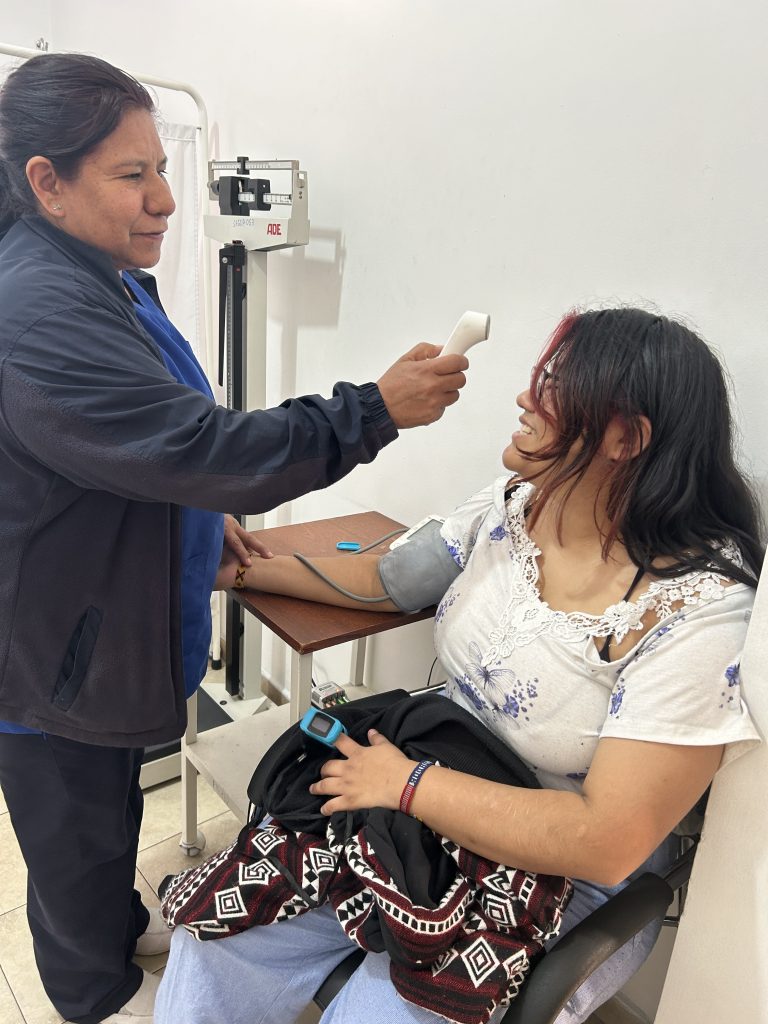
By Dayanara Aguirre-Mulato During my service placement at the municipal Centro Médico in Riobamba, I had the privilege to be able to work alongside other nurses. Day to day each patient comes in to register for their appointment and I…
 Global Education
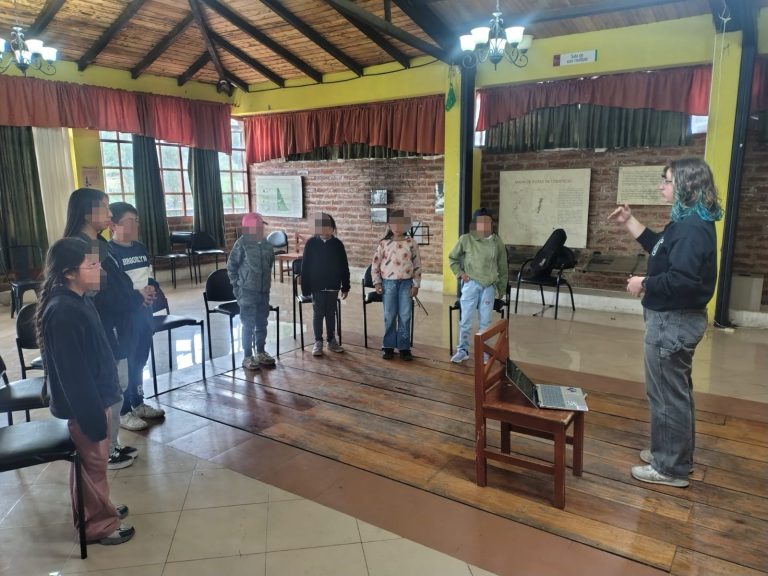
Service visits: opportunities for connection in Ecuador’s “provincias”
By Hillary Harder During the Service term, leaders have the privilege of traveling to visit each student at the home and volunteer assignment where they are spending their time during the second half of SST. For us, that meant traveling…