

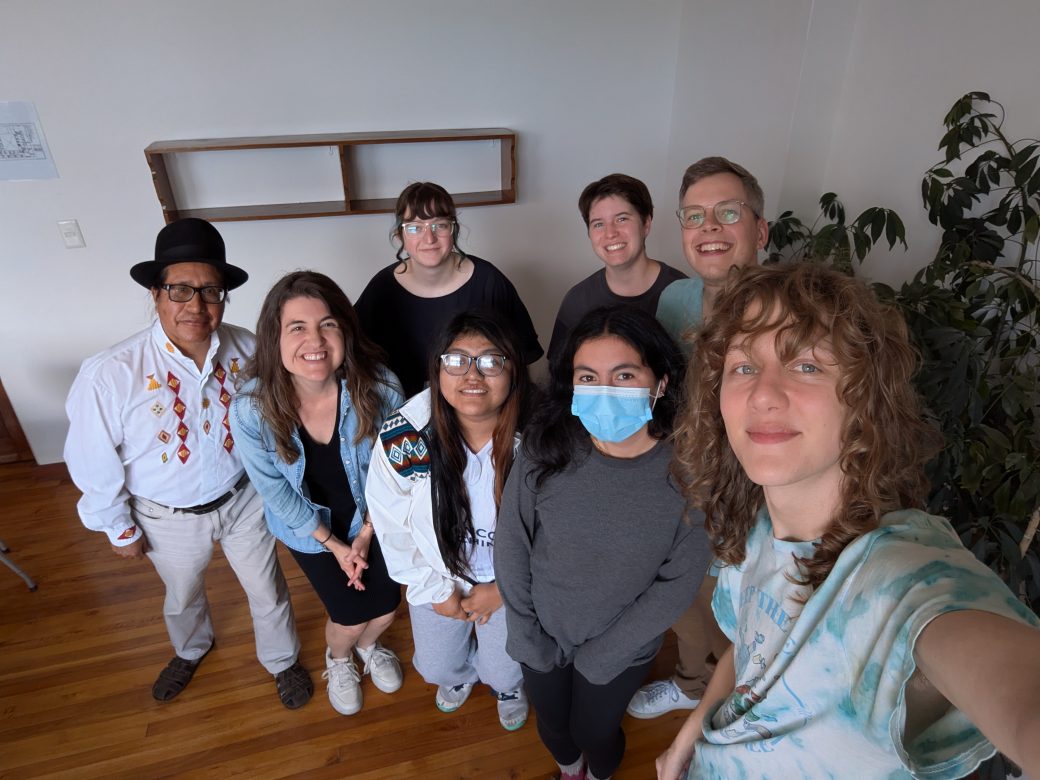
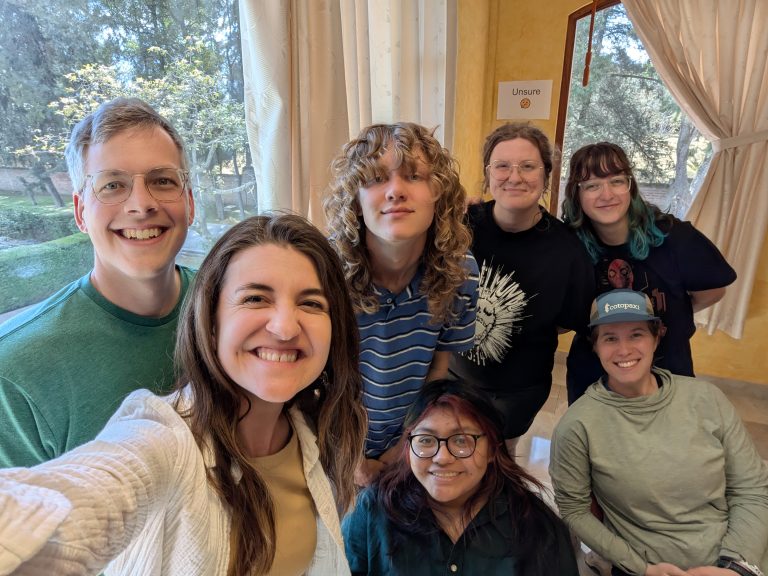
By Hillary Harder On Sunday, July 26, our students returned to Quito from their service communities and we began our final retreat together! The afternoon was full of joyful reunions as each student arrived at our Quito home, la Casa…
News
Learning from experts: studying Ecuadorian sign language and indigenous history
Jun 21 2026
During our six weeks of study in Quito, students had the opportunity to take classes in two specialized areas: Lengua de Señas Ecuatoriana (LSEC), or Ecuadorian sign language; and Indigenous Peoples and Nationalities of Ecuador. This post includes reflections from three students on their experiences in these two different classes, both of which were taught by experts in these fields.
LSEC Classes with Miguel Santillán
By Maille Goodwill
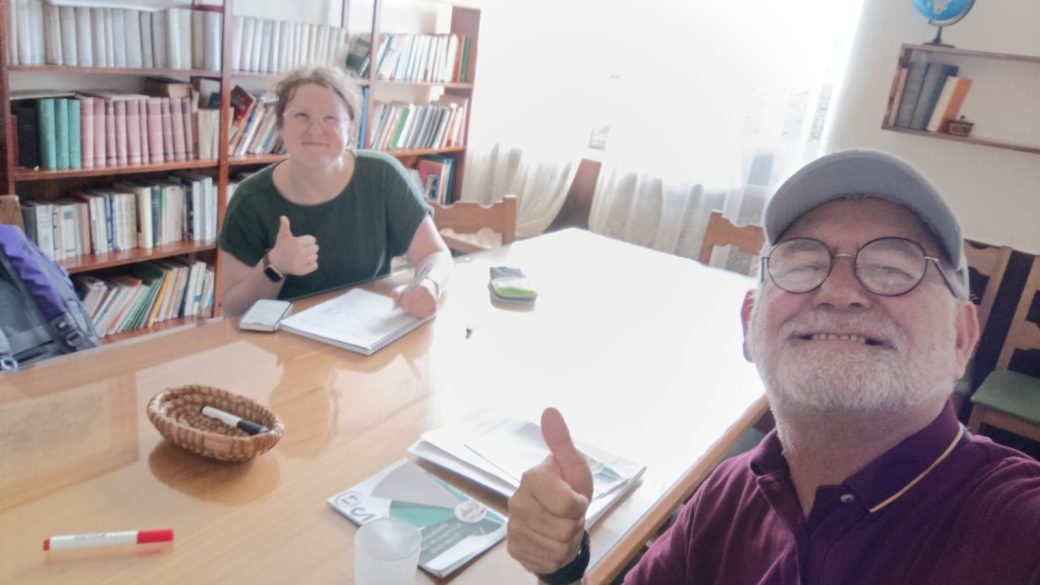
During the 6 weeks of service I got to have a class on sign language taught by Miguel Santillán. Each class would start with Miguel writing the vocab of the day on the board and I would copy it down while he showed me how to sign each word. I would then go through and replicate each sign and once I was pretty confident with my signs I would make up a story that included most of or all of the vocab words of that day! As the classes continued and I got more comfortable with the language we started discussing Deaf culture in Ecuador and how it differs to what I am used to in the United States. I learned that signs that are often used in the United States have a condescending tone here in Ecuador, and how standardized it is to have access to interpreters on television here in Ecuador. While ASL (American Sign Language) and LSEC (Lengua de Señas Ecuatoriana) are very different, it was still so exciting to enter class each day and learn more. Miguel was such a fun teacher it often didn’t feel like learning, and he was able to teach me so much just through natural conversation.
Pueblos y Nacionalidades Indígenas classes with Julian Guaman
By Kate Roth
A very important part of our time studying in Ecuador has been learning about the various indigenous cultures throughout the country. Much of our learning happened through classes on indigenous history and culture with Julian Guaman. We learned the history of the indigenous groups in Ecuador and the wider Andean region and how the Spanish conquest affected those groups. We also discussed their lasting impact, including the many indigenous uprisings that have happened as a form of protest. These uprisings were very interesting to learn about. I was amazed at all the many groups with different economic and religious ideas working together for the purpose of increased rights for indigenous people. I was also amazed at how effective these protests were. They successfully named Ecuador as a plurinational state, all thanks to the work of indigenous groups.
Another interesting part of class with Julian was learning about the missionaries that have tried to interact and learn about the indigenous groups of Ecuador, both successfully and unsuccessfully. It was important to hear about the many ways that Western people have interacted with indigenous groups. Some of these interactions were very positive, like writing down various indigenous languages and creating a written alphabet, so more people could learn about these civilizations. Some others were less positive, like evangelizing groups of people to Christianity when they already had their own religions.
Indigenous history and continued culture is an incredibly important part of Ecuador, and we were very lucky to have Julian to teach us about it!
By Mackenzie Miller
In our class Pueblos y Nacionalidades Indígenas with Julian, we learned about Andean thought. In Andean culture, difference is seen as complementary — prioritizing inclusion and respect. This contrasts with western thought where difference is often seen as conflicting. Andean culture also prioritizes community living compared to western individualism.
We learned about Pacha: the concept of space and time; how Andeans acknowledge that it won’t always be bad, and it won’t always be good. Part of living with the land is knowing that there are going to be ups and downs — living with the land.
I really appreciated the emphasis on communal living and complementary differences — I find that it really resonates with my world view as a Mennonite.
The concept of Pacha Kutik encapsulates this idea on a large scale: a 500 year cycle of ascent and descent. While western time is linear, Andean time goes in cycles. However, modernity is making this natural cycle unsustainable.
We also learned about Allikay and Unkuy: health and sickness. This is also a part of a cycle, as only by getting sick do we understand health, and only by having health do we understand being sick. We learned there is a distinction between hot and cold illnesses, and that sickness is caused by a lack of balance in your life. Andean medicine comes from years of experience and includes medicinal plants, energy cleanses and more. What I found most interesting was learning how cuy can be used to identify illness, and take away bad energy.
We learned that in Andean thought, everything is in conversation with each other — prioritizing relationship, correspondence, complementary thought and reciprocity.
 Global Education
Final retreat in Ecuador
 Global Education
Life on the ward
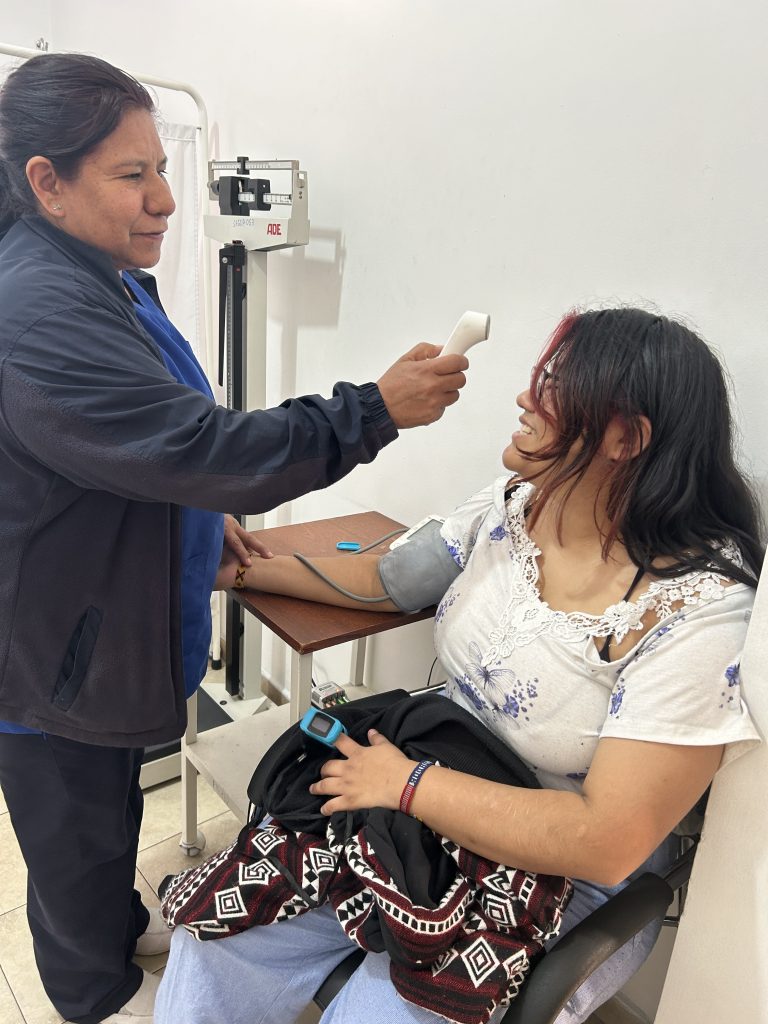
By Dayanara Aguirre-Mulato During my service placement at the municipal Centro Médico in Riobamba, I had the privilege to be able to work alongside other nurses. Day to day each patient comes in to register for their appointment and I…
 Global Education
Service visits: opportunities for connection in Ecuador’s “provincias”
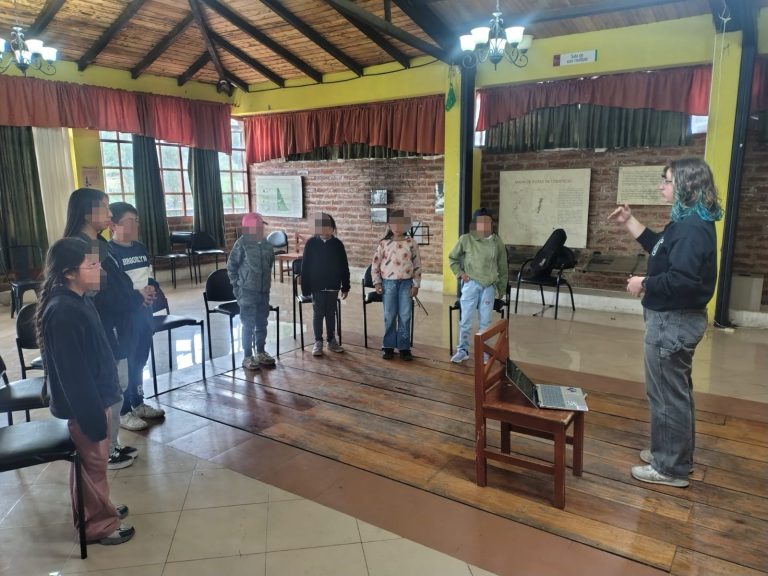
By Hillary Harder During the Service term, leaders have the privilege of traveling to visit each student at the home and volunteer assignment where they are spending their time during the second half of SST. For us, that meant traveling…