

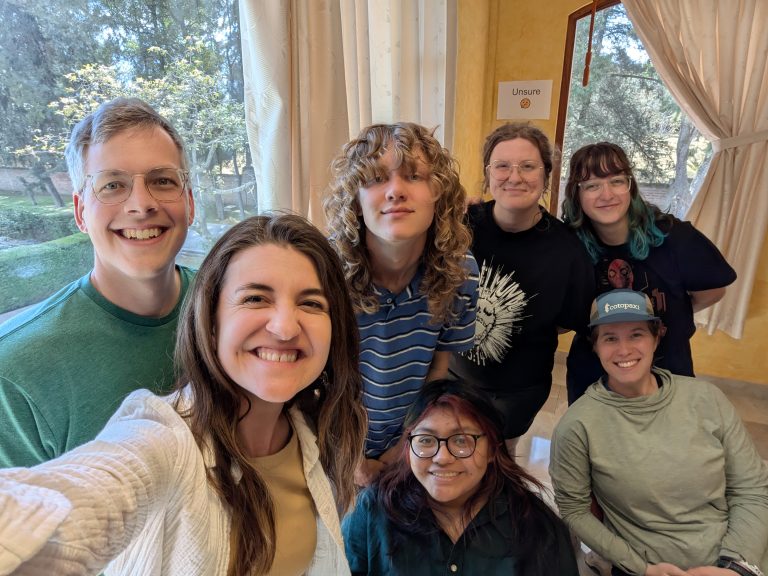
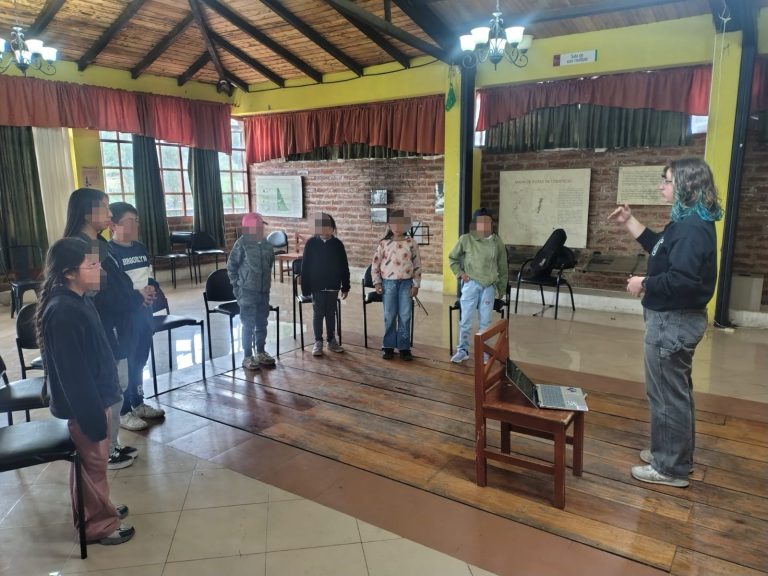
By Hillary Harder On Sunday, July 26, our students returned to Quito from their service communities and we began our final retreat together! The afternoon was full of joyful reunions as each student arrived at our Quito home, la Casa…

News
Beautiful Nature, Colonial Structures, and the value of Patience
May 10 2026
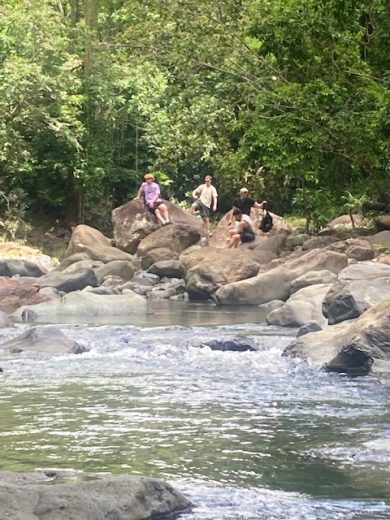
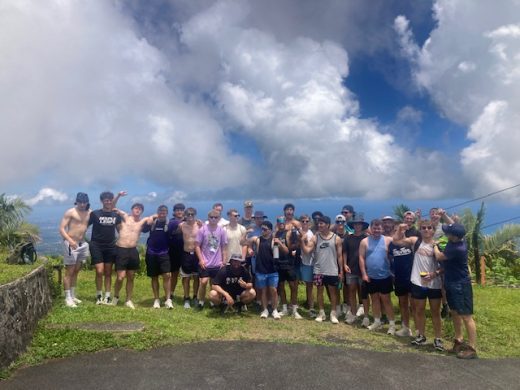
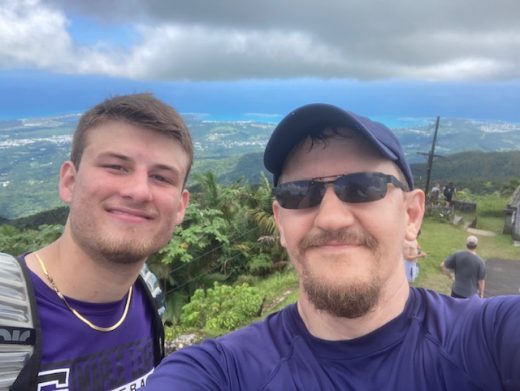
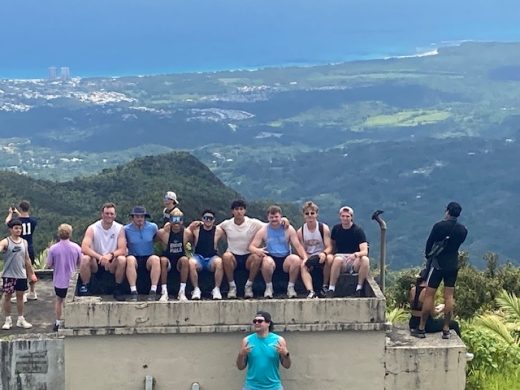
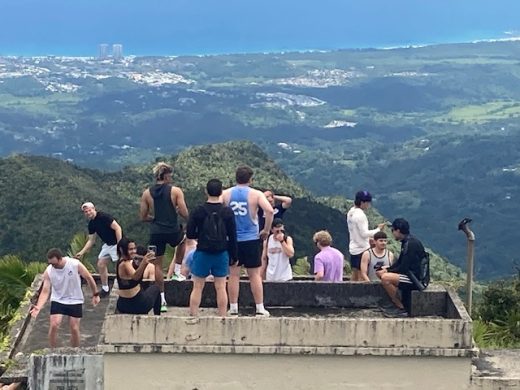
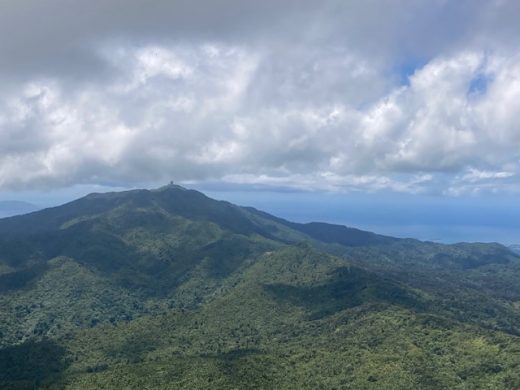
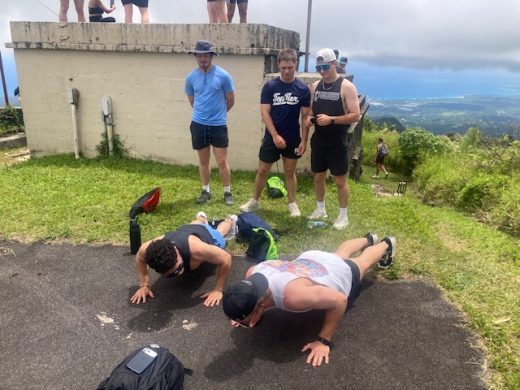
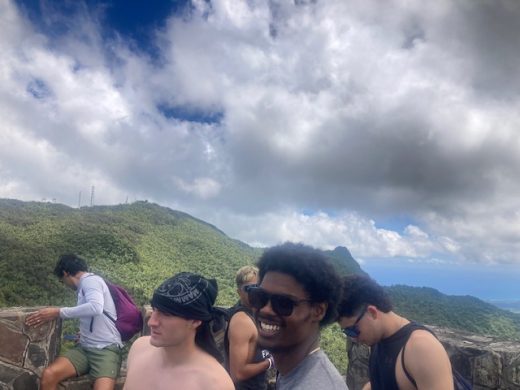
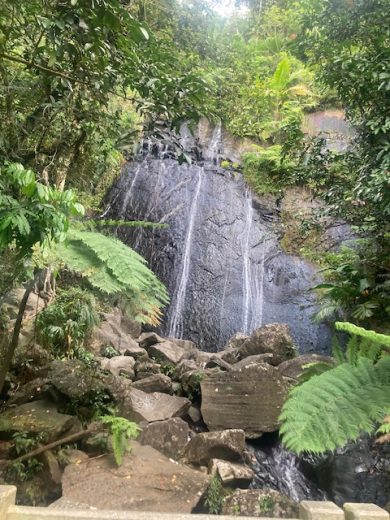
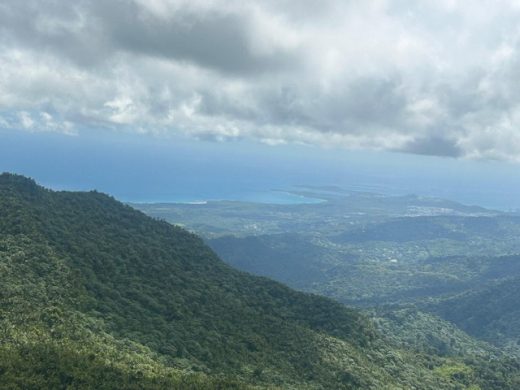
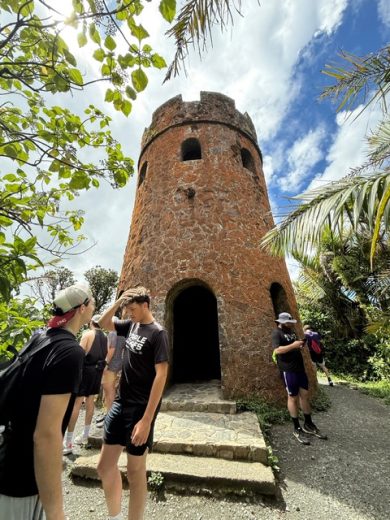
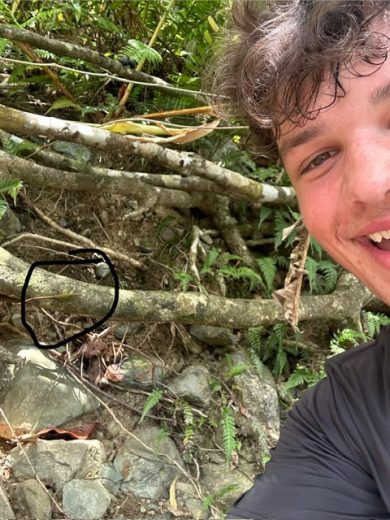
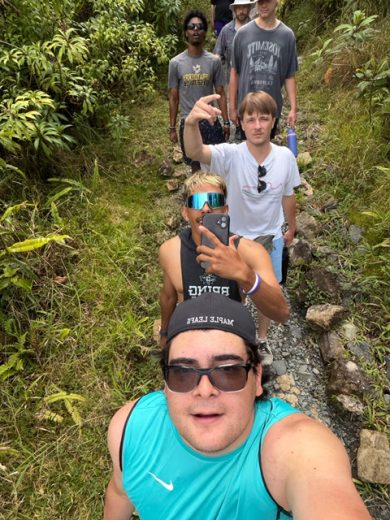
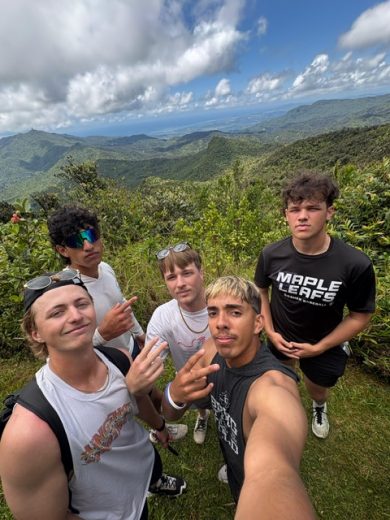
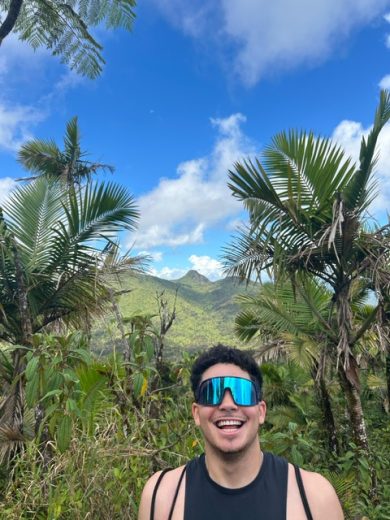
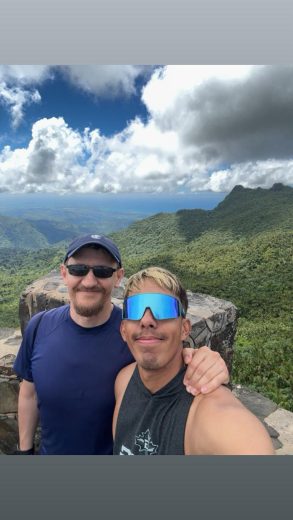
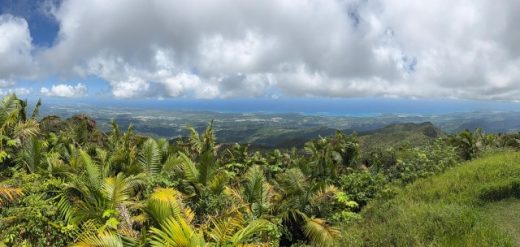
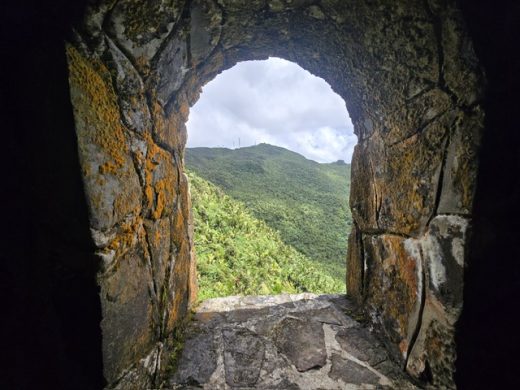
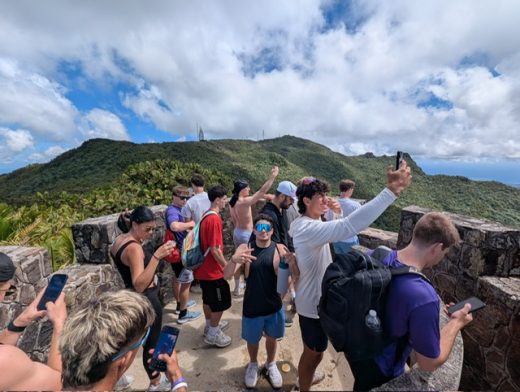
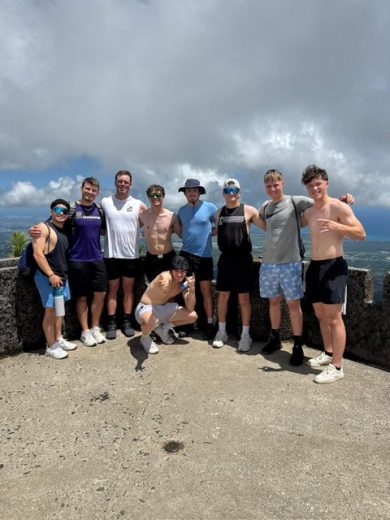
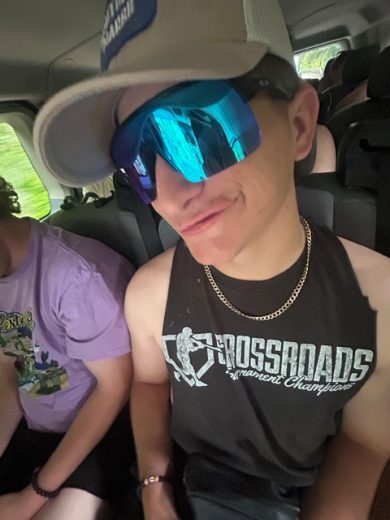
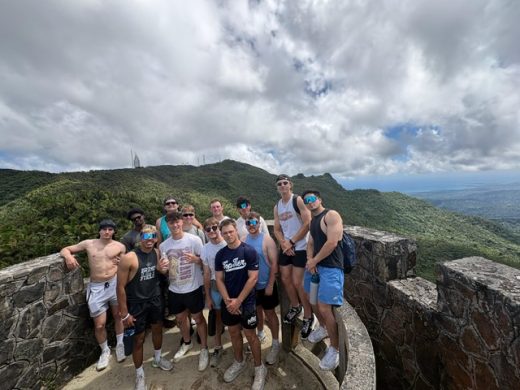
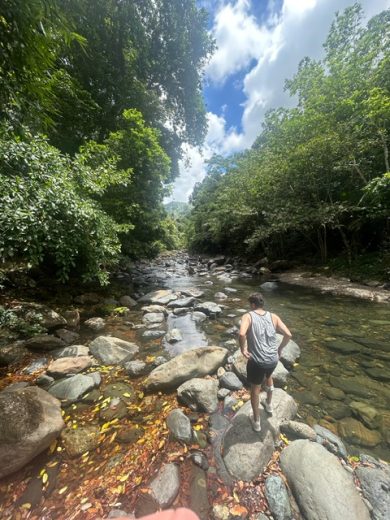
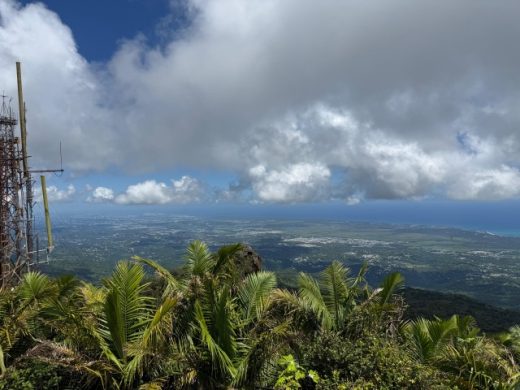
Our first weekend in Puerto Rico included a heavy dose of the beauty of this place. We began the day on Saturday with a drive, then a hike into El Yunque, Puerto Rico’s famous mountainous rainforested national park, which includes the highest point on the island, about 3,500 ft above sea level. Our group of college athletes zoomed up a well-maintained trail that wound its way up the mountain to the top of El Yunque Peak. We stopped at a lookout tower and then continued to the top for a spectacular 365-degree view of the island, including a beautiful high-altitude peek of Luquillo beach, where we would head later in the day. After the hike, we spent an hour further down the mountain at a river in El Yunque, which was strewn throughout with large boulders that had been washed down from higher elevations. Of course, a number of the young men (and one older man – me) headed up the river, making our way among the boulders.
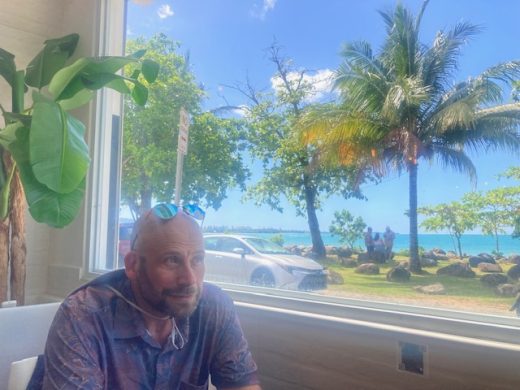
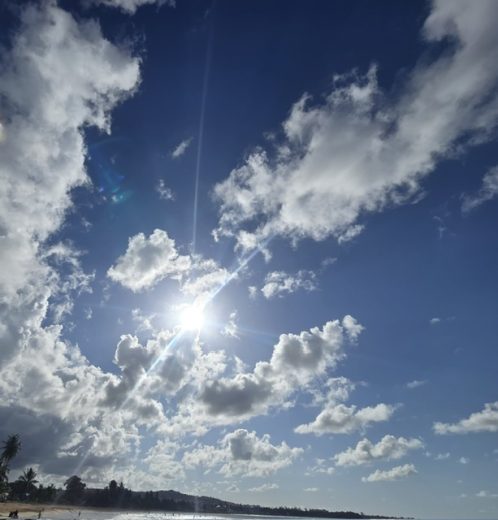
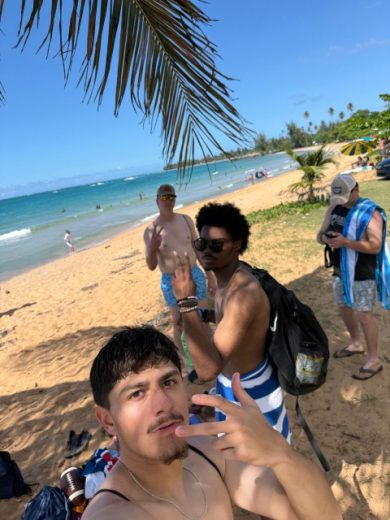
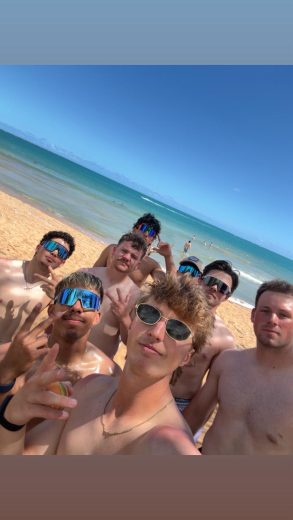
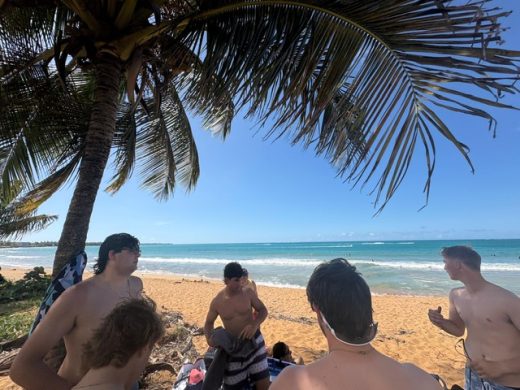
After leaving El Yunque, we headed to Luquillo Beach, one of the most popular spots for tourists and locals alike, for its long strip of delicious restaurants and huge semi-circular bowl of aqua green surf that is calmed by a large sand bar further out at the mouth of the coastal area that makes up Luquillo.
On Sunday, thanks to the technology that travels around in our pockets, we checked in with our moms to wish them a Happy Mother’s Day. We ate a big brunch and then took a brief walk around the old city center of Fajardo, where the students learned about the Spanish Colonial structure seen throughout Latin America, which includes a central plaza, a Catholic church, and local, regional, and national government buildings.
We next headed down the coast to see some of the different scenes of small-town coastal life in PR, where damage from the powerful Hurricane Maria from 2017 can still be seen. We eventually made it to an upscale private community, which is home to a unique Pterocarpus forest that acts as a natural water purification system for the community and a unique ecosystem that, although swampy, has a scarcity of mosquitoes due to excretions from the Pterocarpus tree roots.
Finally, we headed back up the coast to enjoy one more open-air meal before returning to our lodgings for the night. Perhaps one of the most lasting learnings of the day was the practice of patience. Our large group of 29 descending on small local restaurants put a significant strain on the staff, particularly on Mother’s Day. In total, we spent nearly 6 hours of our day at the two restaurants we visited, with most of that time patiently (and sometimes impatiently) waiting for our food. Several students noted that this experience challenged them to slow down and be patient, as well as to be grateful that they eventually were able to partake of some delicious food.
-
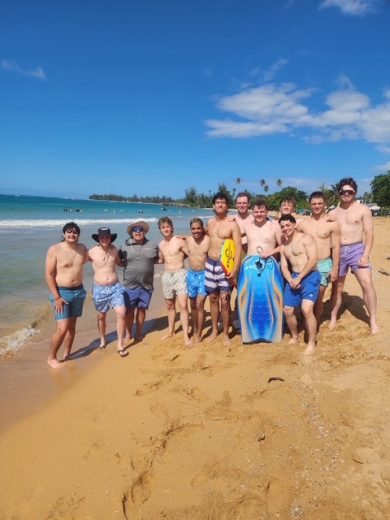
- Luquillo Beach
-
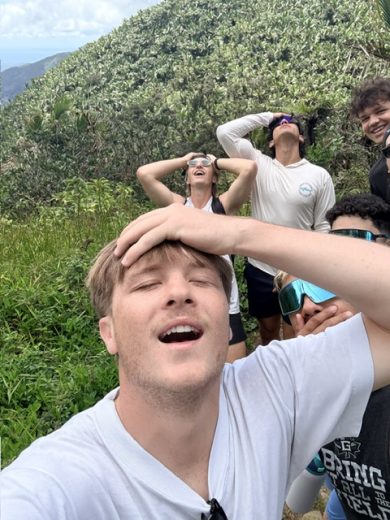
- El Yunque
-
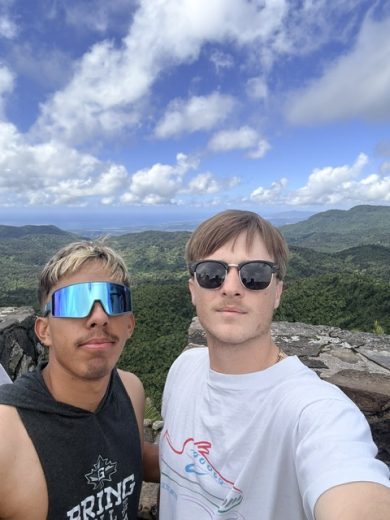
- El Yunque
-
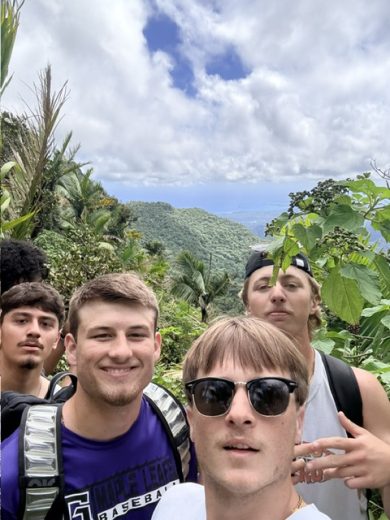
- El Yunque
-
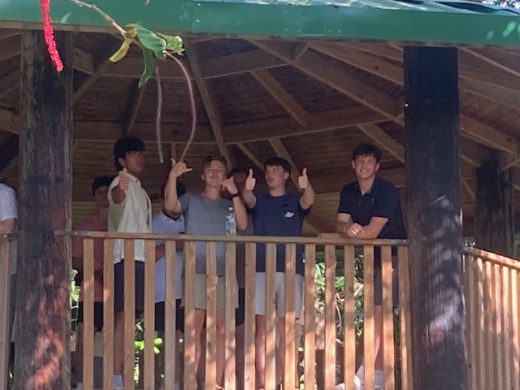
- Pterocarpus Forest
-
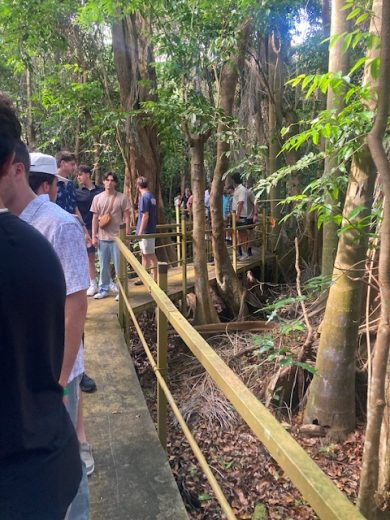
- Pterocarpus Forest
-
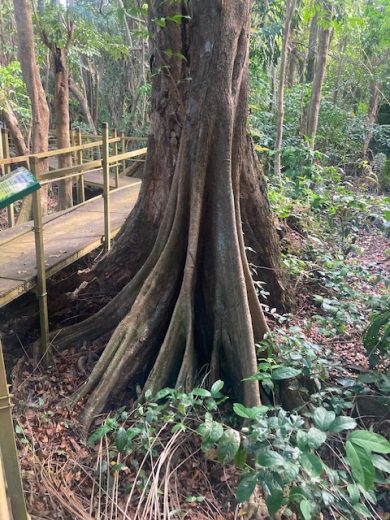
- Pterocarpus Forest
-
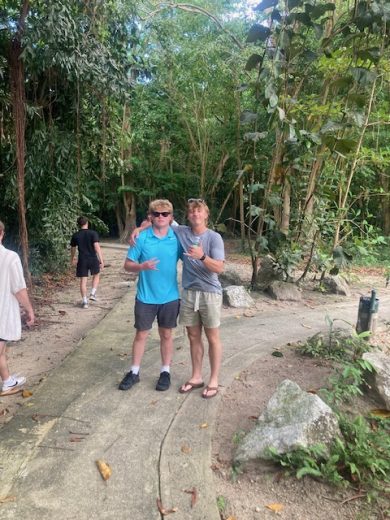
- Pterocarpus Forest
-
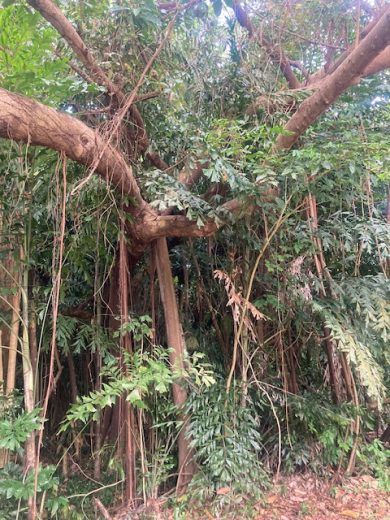
- Pterocarpus Forest
-
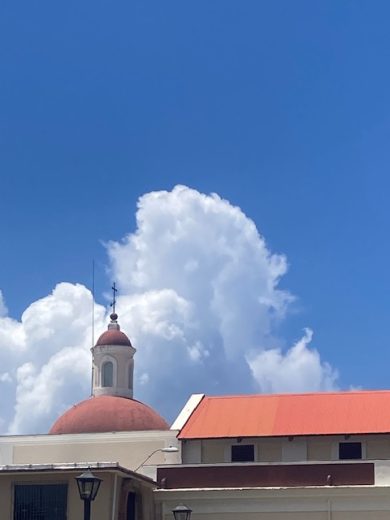
- Fajardo
-
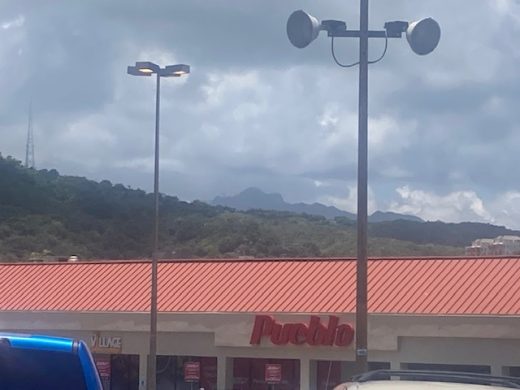
- El Yunque Peak in the distance
-
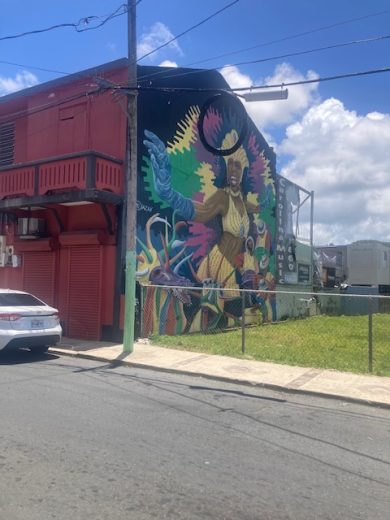
- Fajardo
-
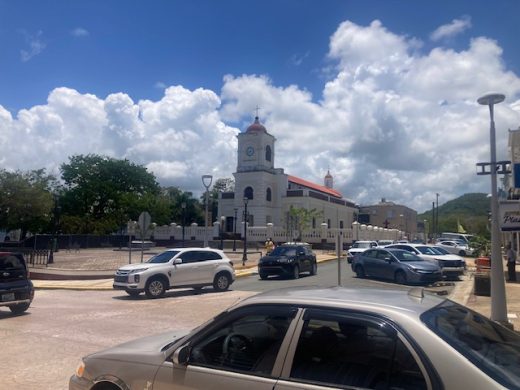
- Fajardo
-
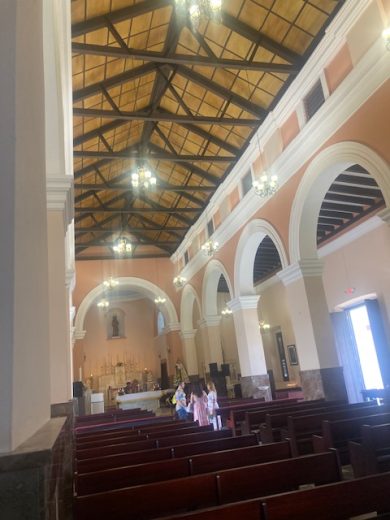
- Fajardo
-
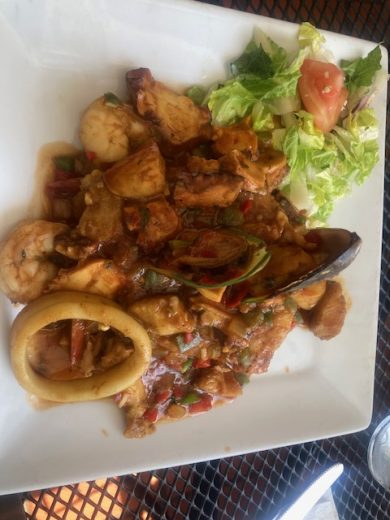
- Luquillo Beach
-
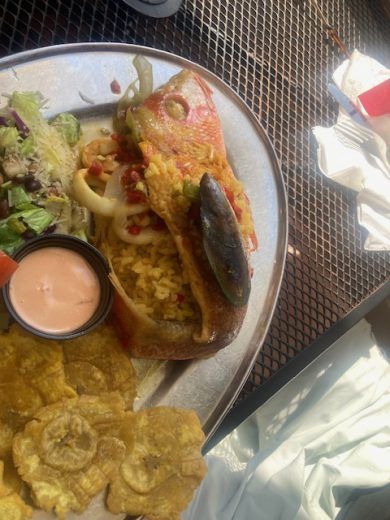
- Luquillo Beach
-
- Luquillo Beach
-
- El Yunque
-
- El Yunque
-
- El Yunque
-
- El Yunque
-
- El Yunque
-
- El Yunque
-
- Constant Physical Challenges
-
- El Yunque
-
- El Yunque
-
- El Yunque
-
- El Yunque
-
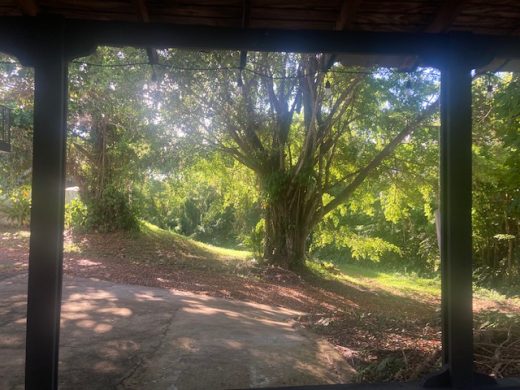
- The porch at our retreat center
-
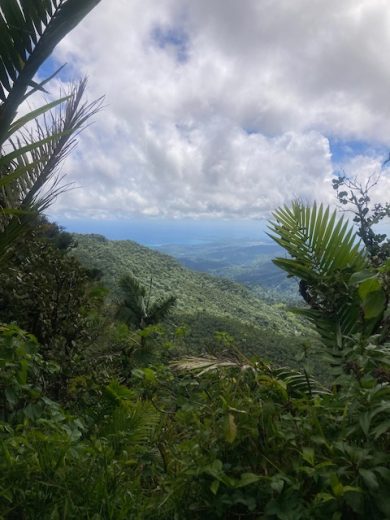
- El Yunque
-
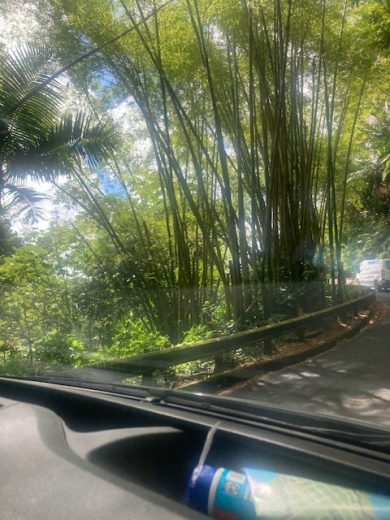
- El Yunque
-
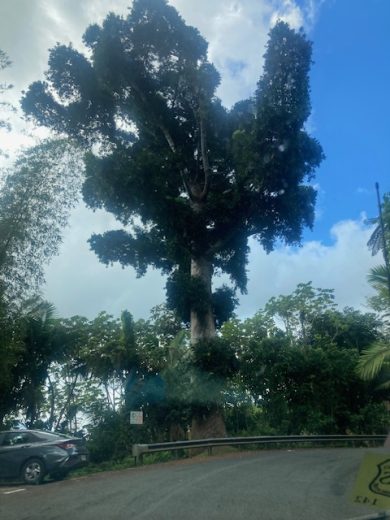
- El Yunque
-
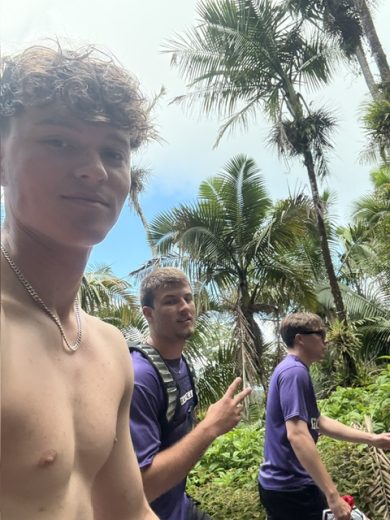
- El Yunque
-
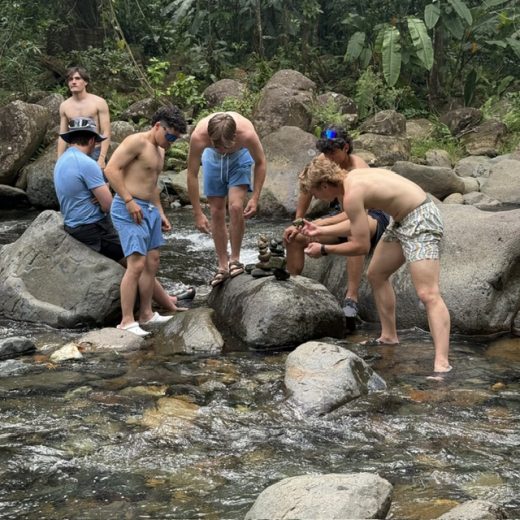
- El Yunque
-
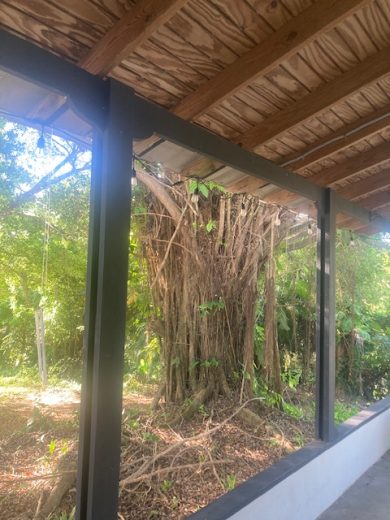
- The porch at our retreat center
-
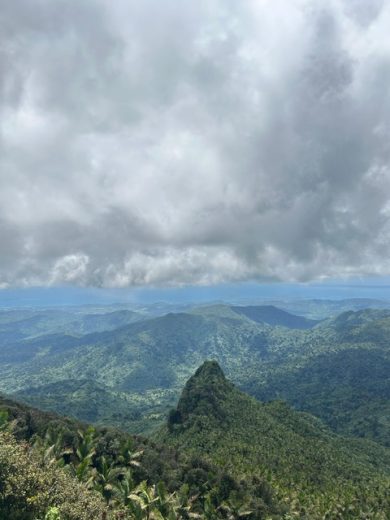
- El Yunque
-
- El Yunque
-
- El Yunque
-
- El Yunque
-
- Luquillo Beach
-
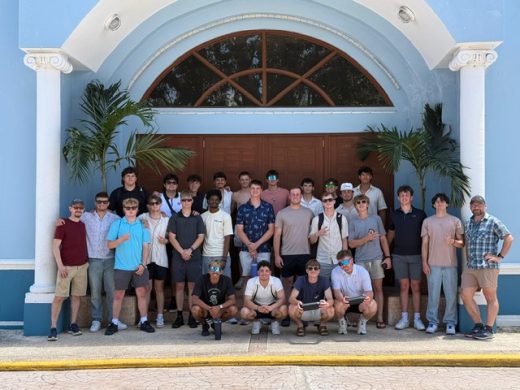
- Fajardo
-
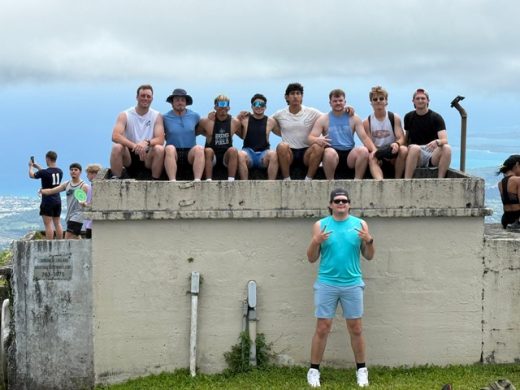
- El Yunque
-
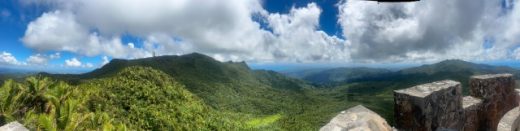
- El Yunque
-
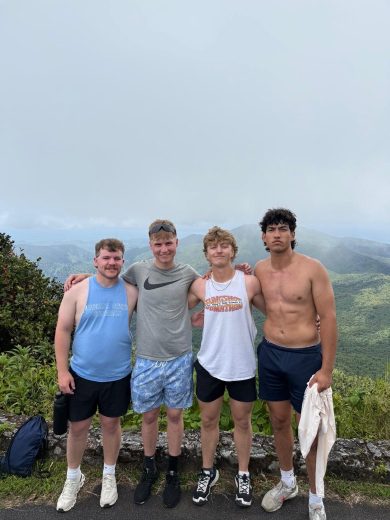
- El Yunque
-
- El Yunque
-
- El Yunque
-
- Luquillo Beach
-
- El Yunque
-
- El Yunque
-
- El Yunque
-
- El Yunque
-
- El Yunque
-
- El Yunque
-
- El Yunque
-
- Luquillo Beach
-
- Luquillo Beach
-
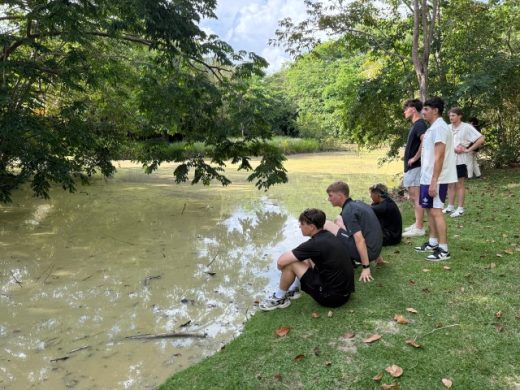
- Pterocarpus Forest
-
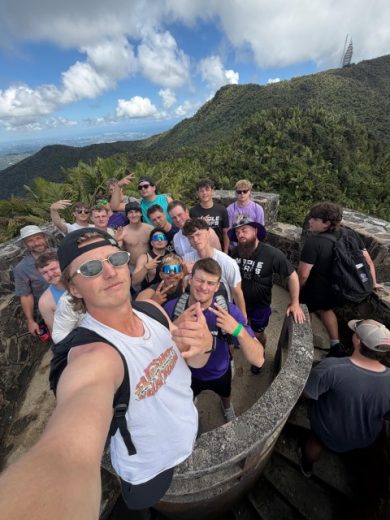
- El Yunque
-
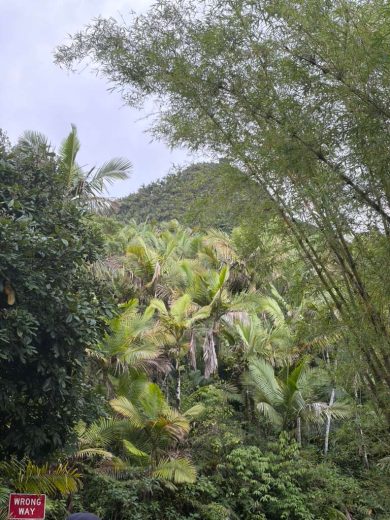
- El Yunque
-
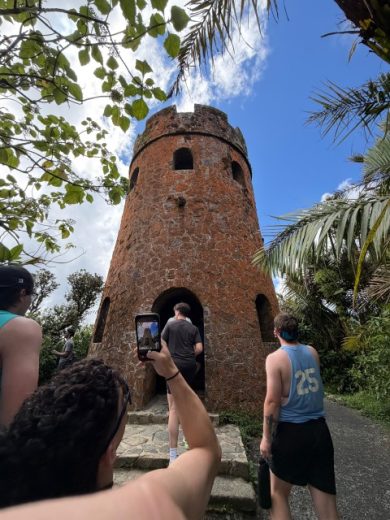
- El Yunque
-
- El Yunque
-
- El Yunque
 Global Education
Final retreat in Ecuador
 Global Education
Life on the ward
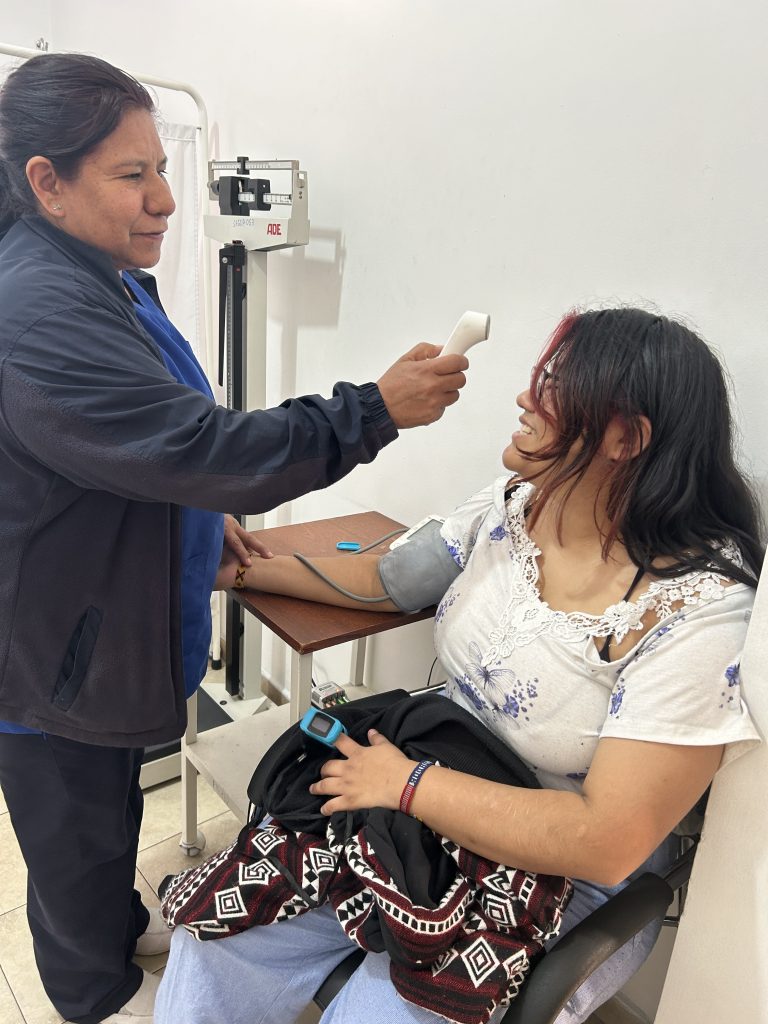
By Dayanara Aguirre-Mulato During my service placement at the municipal Centro Médico in Riobamba, I had the privilege to be able to work alongside other nurses. Day to day each patient comes in to register for their appointment and I…
 Global Education
Service visits: opportunities for connection in Ecuador’s “provincias”
By Hillary Harder During the Service term, leaders have the privilege of traveling to visit each student at the home and volunteer assignment where they are spending their time during the second half of SST. For us, that meant traveling…