

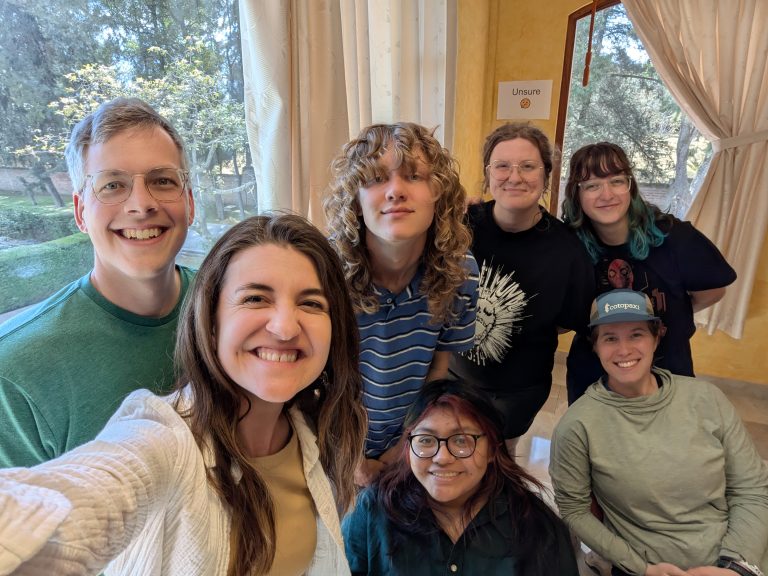
By Hillary Harder On Sunday, July 26, our students returned to Quito from their service communities and we began our final retreat together! The afternoon was full of joyful reunions as each student arrived at our Quito home, la Casa…

News
A city of contrasts
May 04 2026
By Dahlia Thut and Josh Chupp
On the first full day of the Guatemala May Term SST, our group visited a program called Puerta de Esperanza, which means Door of Hope. Puerta de Esperanza is located just outside of La Terminal, the biggest market in Guatemala City. This program works with the community to provide educational opportunities for families living in the market. These are families that may struggle to access sufficient nutrition, hygiene, and security in their daily lives. During our time with Puerta de Esperanza, we visited their program site, as well as where some of the participating families live.
We learned that there are approximately 5,000 children living in La Terminal. When visiting their homes, we heard from families who have been part of the program for several generations and the impact it has had. We were struck by how challenging their living conditions were, but we also noticed the joy of the children who lived there.

A wall welcoming students at Puerta de Esperanza. Photo by Elizabeth Miller.
Our time at La Terminal contrasted with the morning we spent exploring Cayalá. Cayalá is a planned neighborhood where some of Guatemala’s wealthiest live and shop. One student in our group remarked that the shopping area of Cayalá felt like being in a high-end mall in Los Angeles. The architecture in Cayalá is almost exclusively white buildings that are reminiscent of Spanish colonial architecture.
The allusion to colonial architecture seems ironic in a country like Guatemala, whose current inequalities have roots in the colonial period. Although the U.S. has its own growing wealth disparity, the top 1% of Guatemala’s population owns 50% of the wealth. Many of the families we met in La Terminal that work with Puerta de Esperanza live off of Q 10-20 a day. To rent an apartment in Cayalá costs around $2,000 a month, or Q 15,000.

The main street in Cayalá, leading to the Iglesia Santa María Reina de la Familia. Photo by Josh Chupp.
When comparing these experiences, many of us noted that we did not see children working at Cayalá as we did in La Terminal. At the market we saw children bagging charcoal and husking coconuts, but they were also playing and sharing together. While we did not see children working in Cayalá, neither did we see many children playing, and we missed the sense of strong community that we’d seen in La Terminal.
As we reflected, many of us felt grateful that we had visited La Terminal before visiting Cayalá, because it felt like we got to see the “true” Guatemala first. Elizabeth then reminded us that both places are truly Guatemala, and they can both help us to understand this place better. As we continue our experience in Guatemala, we hope to keep exploring the many diverse realities that exist here.
 Global Education
Final retreat in Ecuador
 Global Education
Life on the ward
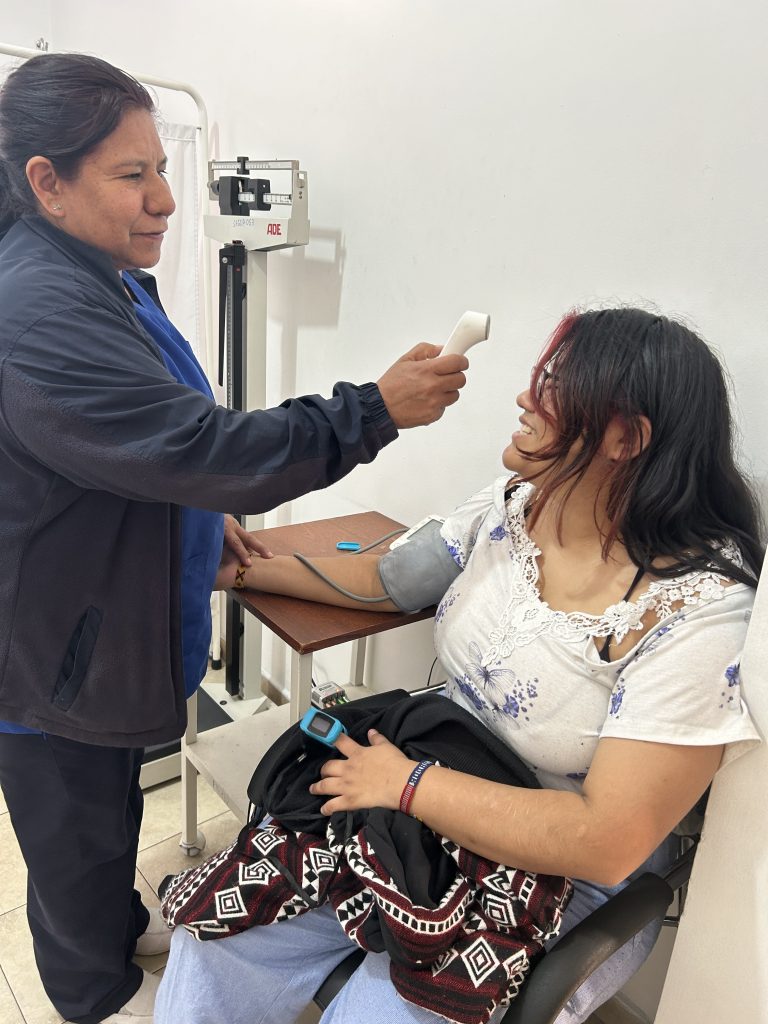
By Dayanara Aguirre-Mulato During my service placement at the municipal Centro Médico in Riobamba, I had the privilege to be able to work alongside other nurses. Day to day each patient comes in to register for their appointment and I…
 Global Education
Service visits: opportunities for connection in Ecuador’s “provincias”
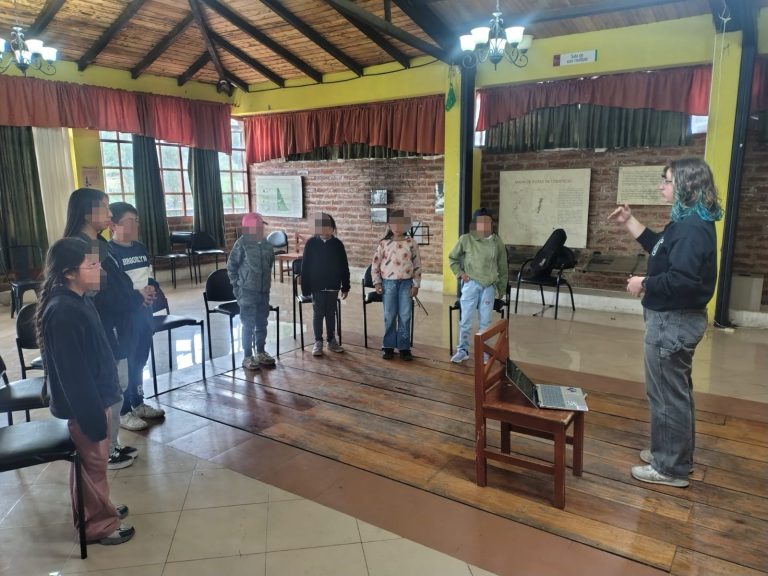
By Hillary Harder During the Service term, leaders have the privilege of traveling to visit each student at the home and volunteer assignment where they are spending their time during the second half of SST. For us, that meant traveling…