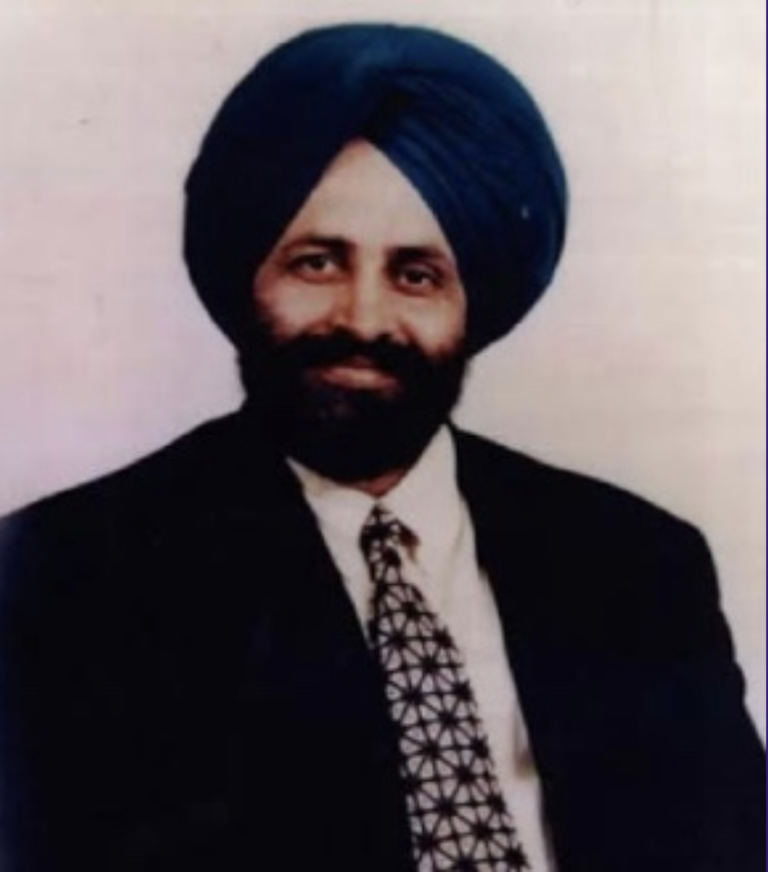
The first person killed in a hate crime after 9/11 was a gas station owner, Balbir Singh Sodhi, who was shot in the back on September 15 as he tended his store. Sodhi was a member of Valerie’s family. She changed her academic plans, and with the support of her senior thesis advisor, she began to document hate crimes against Sikhs and Muslims in America.
She writes in her book, See No Stranger,
“In the immediate aftermath of 9/11, in the thick of mourning and the heat of nationalist fervor, my cousin and I drove across America from city to city, sleeping on couches, following news of hate crimes as they popped up in our inboxes, taking trains and planes to get to crime scenes faster.
We caught the stories like shards of a mirror, each reflecting a fragment of the truth.”
After graduating, she used these stories to create the award-winning documentary film Divided We Fall: Americans in the Aftermath.
In writing about this period she said, “I was learning how to grieve with people and be present to their stories.”
It is a tremendous gift to learn how to be present with people, to truly listen. To do this when you are feeling angry and vulnerable is a real feat. It goes against our grain.
Human beings under threat are conditioned to draw close to those we already see as part of our own group. And we have an inbuilt instinct to respond by excluding and attacking those we see as “other.” We need to go to our safe rooms when we are under threat. But in that moment of regrouping, we have choices.
This is where we need to learn to go against our grain. To quote Valerie Kaur, to look at those outside our safe room and say, “You are a part of me that I have not yet met.”


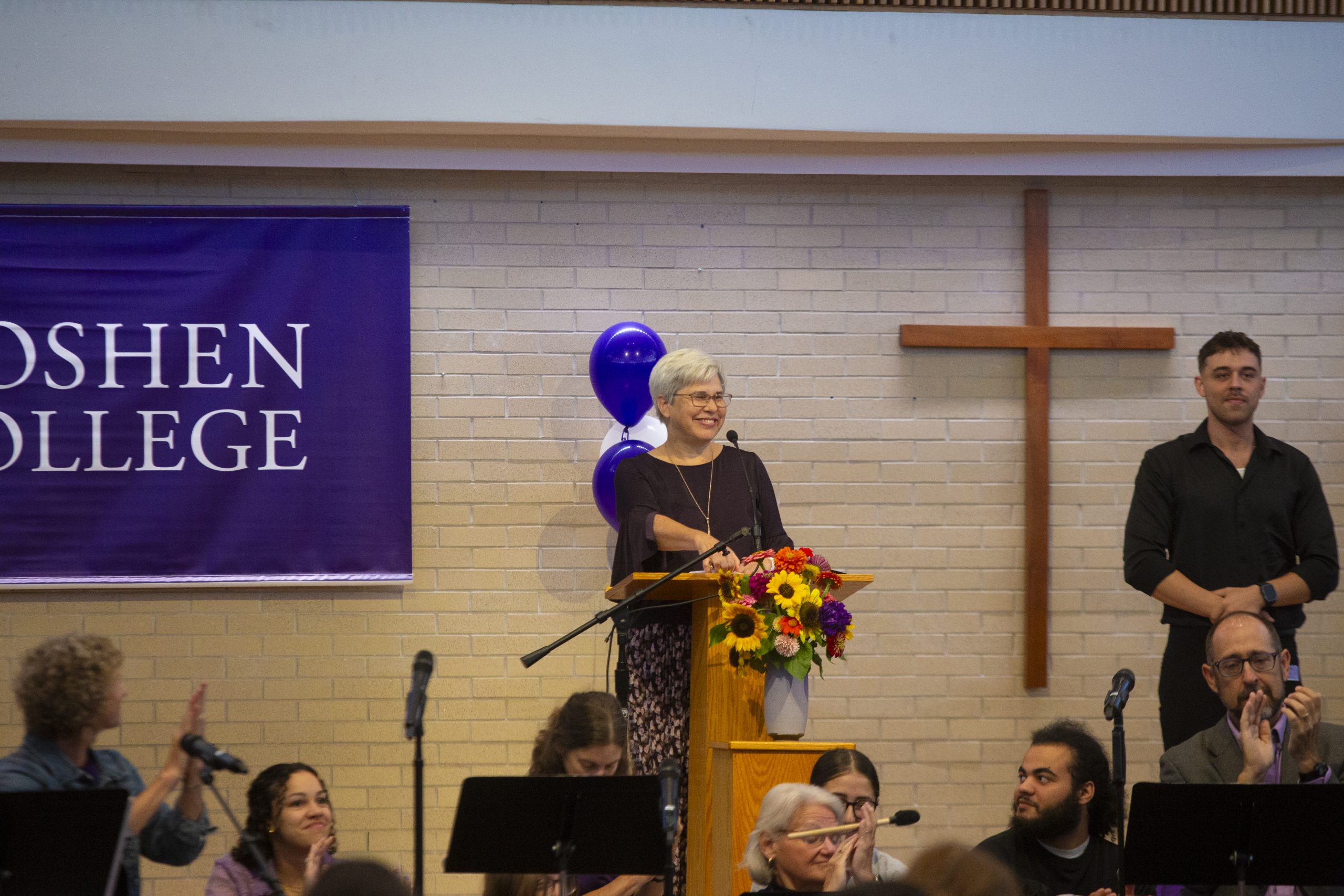
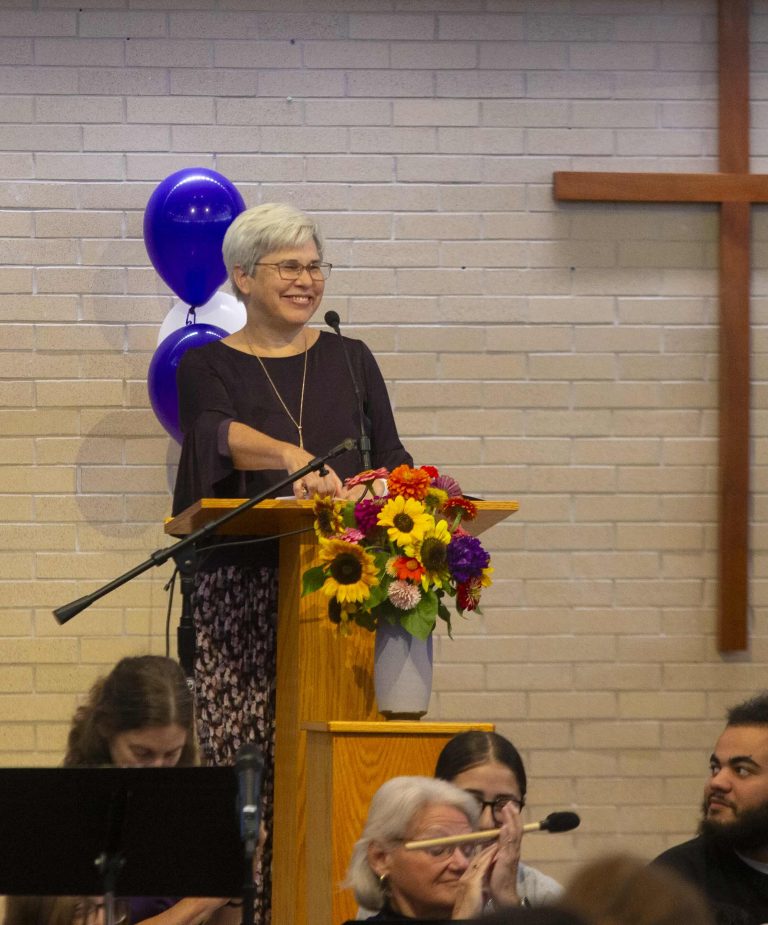
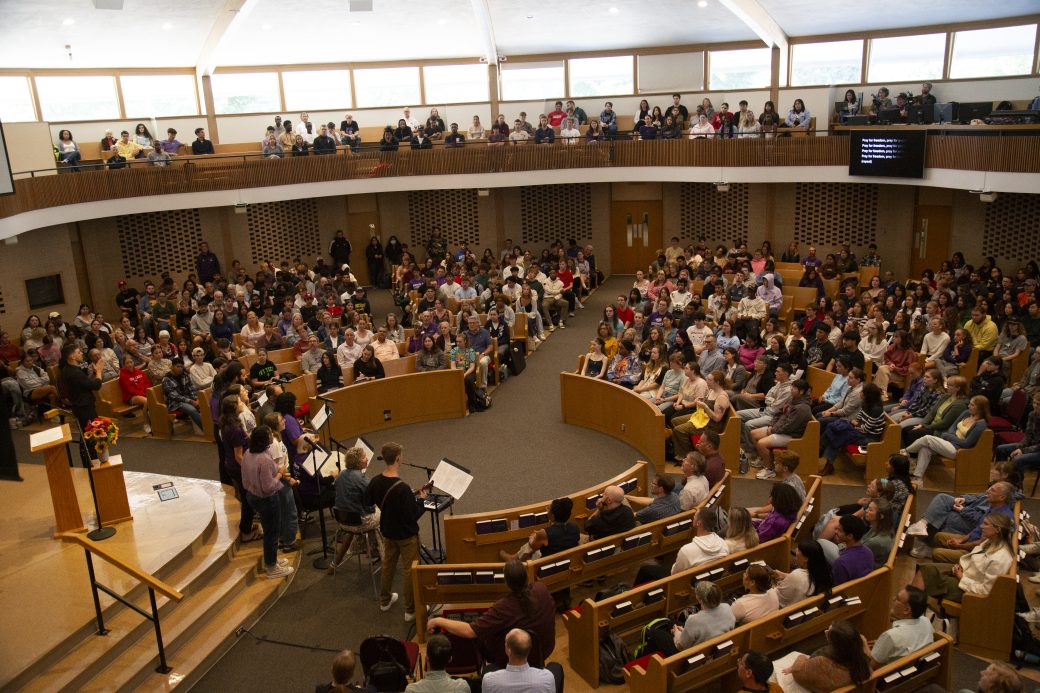
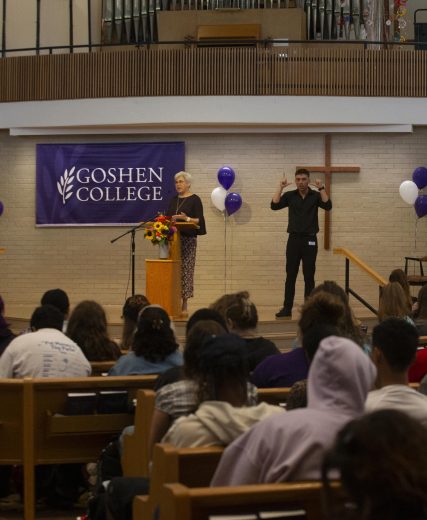

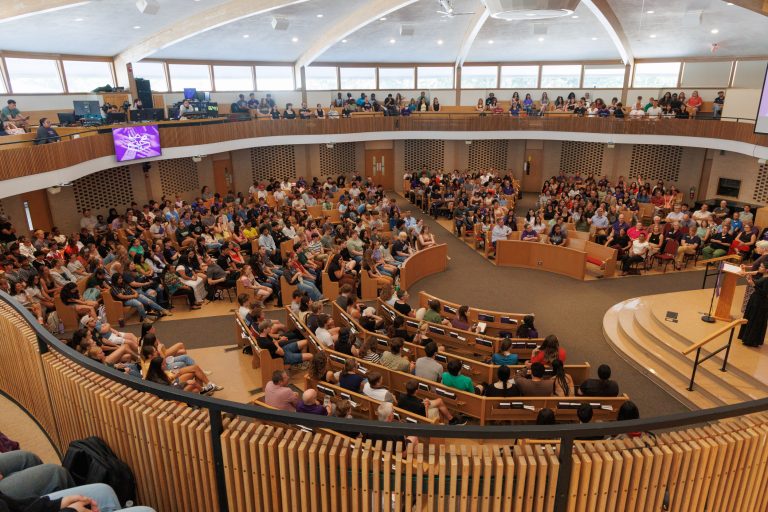
 As you look around this convocation this morning, it is this community of fellow students, faculty, librarians, coaches, counselors and mentors who will make room with you and for you. Inside and outside of the classroom, in the spaces we share and create together.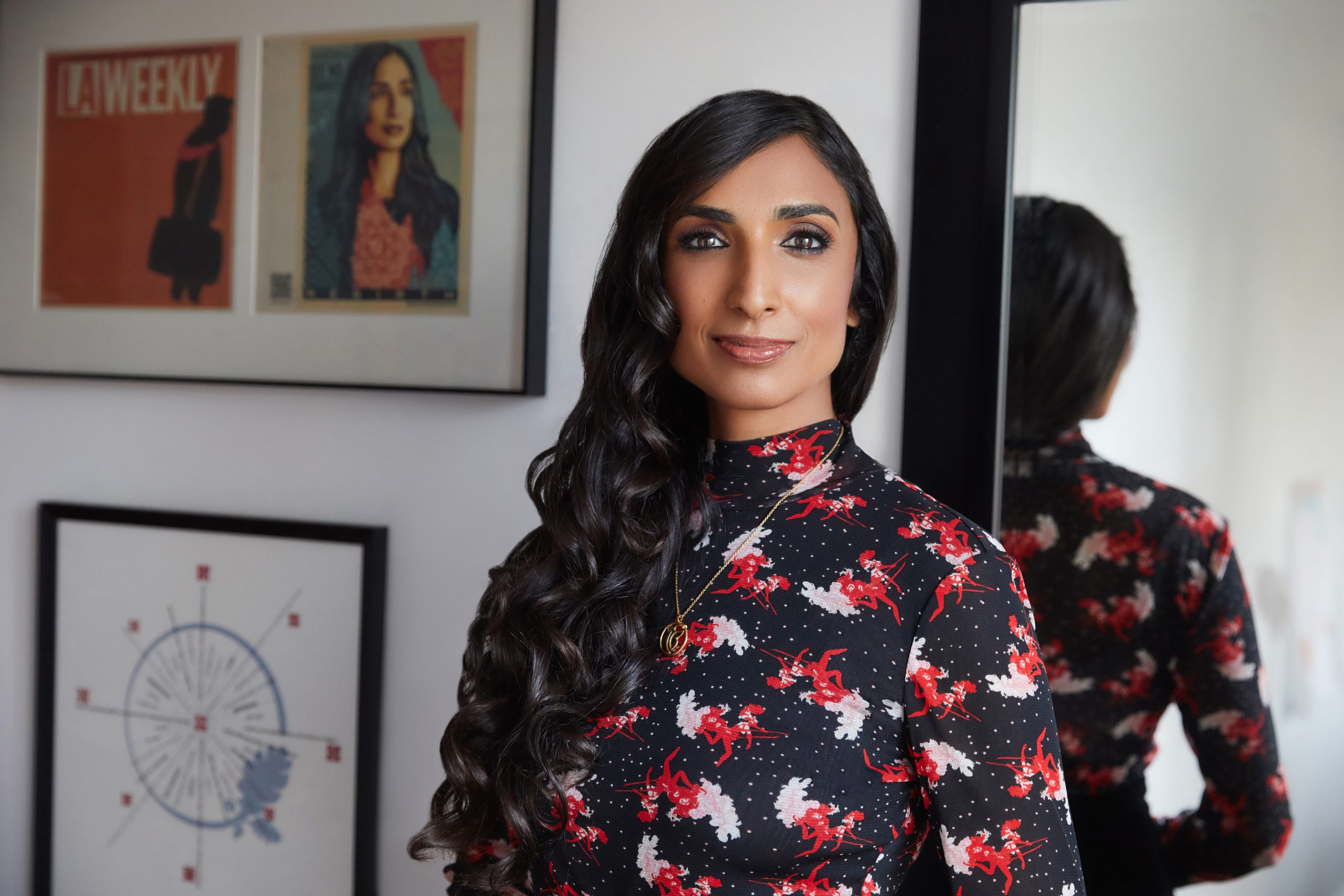
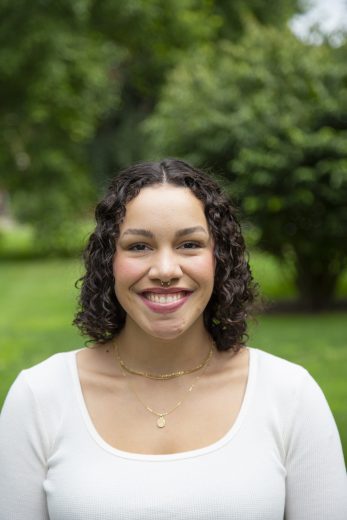 Aysia is known for her powerful, expressive singing voice, in the chapel singing team, Parables, Voices of the Earth, Chamber Choir, Queen Singers, and her roles on the Mainstage.
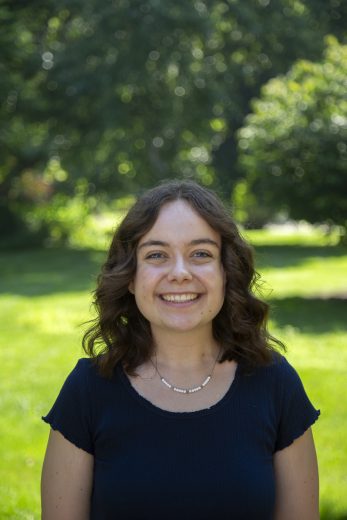 Lindsey strives to be a “Christ-centered vessel for love through leadership and service.” And she has found plenty of meaningful ways to do just that, as a Peer Wellness Educator, a member of the Goshen Monologues Committee, a Features Editor for the Record, a participant in the Peace Oratorical Contest, the Prevention Intervention Network and New Student Orientation. A Goshen study-service term took her to Northern Ireland to learn about the Troubles between Catholics and Protestants and the tangible power of communities praying and working towards peace and reconciliation. Lindsey has chosen a legal career to advocate for restorative practices and healing, both in individuals and in communities.
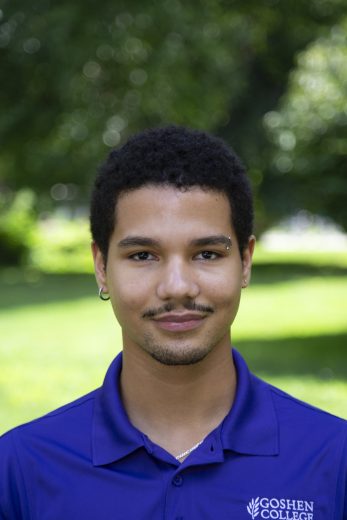 When someone needs help, Fernando is well-known to say, “I can do that!”