


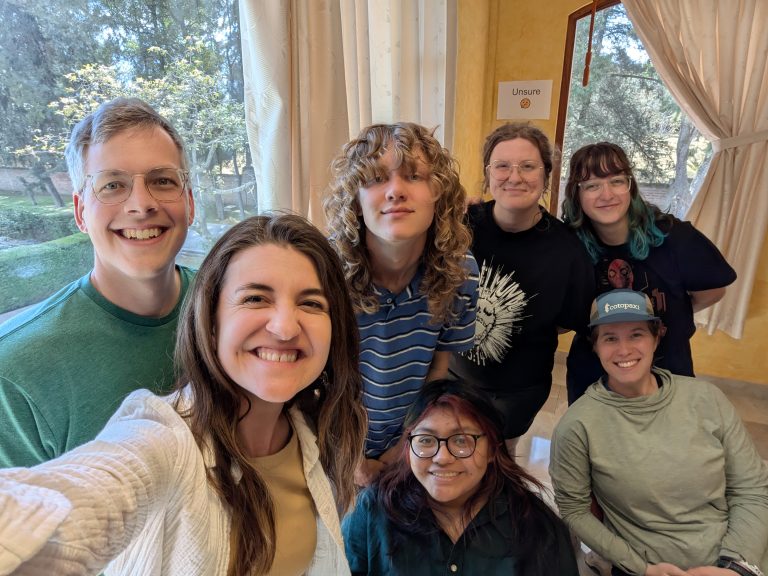
By Hillary Harder On Sunday, July 26, our students returned to Quito from their service communities and we began our final retreat together! The afternoon was full of joyful reunions as each student arrived at our Quito home, la Casa…
News
Week 4: Indonesian Arts
Feb 08 2026
This week our academic theme is Indonesian Arts. Of course we have been experiencing all kinds of beauty, music and culture each day since we arrived on the island, but this week we are paying specific attention to a few special artforms.
On Monday, we participated in a calligraphy workshop with Muslim artists at UIN. We were invited to paint one of the 99 names for God in the Islamic tradition. Pak Dzulkifli taught that writing in calligraphy script is both a science and an art. We pressed leaves to form the base layer or background, then used a paint wash to add color to our canvasses. Once the paint had dried, we layered Arabic script on top. Some of the names for God we learned to write were al-Azīz (The Almighty), al-Salām (The Giver of Peace), al-Wahhāb (the Gift-Giver), and al-Hakīm (The Wise).

Later in the week we made our own batik. We were taught to use melted wax and dye to create designs on fabric. With lots of help from the artists at Batik Seno, we layered our designs with wax, paint, and powder to create different effects on squares of cloth.

On a trip to Griya Seni Ekalaya in Solo, we were introduced to wayang, the ancient and ongoing art of shadow puppetry. Dr. Katherine “Kitsie” Emerson lectured on the history of wayang (a word which refers to both the performance itself as well as the “puppets” used to tell epic stories), and provided an overview of the various players and structure of the all night drama-comedy shows. She described how each show is typically broken into 3 acts, each based on Indonesian variations on epic stories from India, with a “talk show” break in between (which she compared to the Indonesian version of Jimmy Kimmel or the Tonight Show with interviews and stand-up comedy). Wayang are performed by a dhalang, a puppeteer who performs elegant movements with the handmade figures and intones narration and dialogue, all while simultaneously conducting the gamelan orchestra through elaborate vocal and percussive signals.

Ibu Kitsie described how the use of color on the wayang can signify evil, youth, wisdom or capability. And we were given a brief introduction to the characters and plot lines of the Mahabharata, a Hindu sacred text, which many Javanese wayang stories are based on.

We were able to take turns practicing with the beautiful leather wayang in their collection:
Try out the traditional art of making our own figures out of water buffalo leather using mallets and chisels:


And experience an incredible evening of wayang performance featuring the world famous dhalang Ki Purbo Asmoro and his gamelan ensemble. (Watch a recording of the show, which was sponsored by Goshen College, right here!)


On the same trip, we kicked off a series of traditional dance lessons, which we will continue to learn back in Yogyakarta beginning next week.
 Global Education
Final retreat in Ecuador
 Global Education
Life on the ward
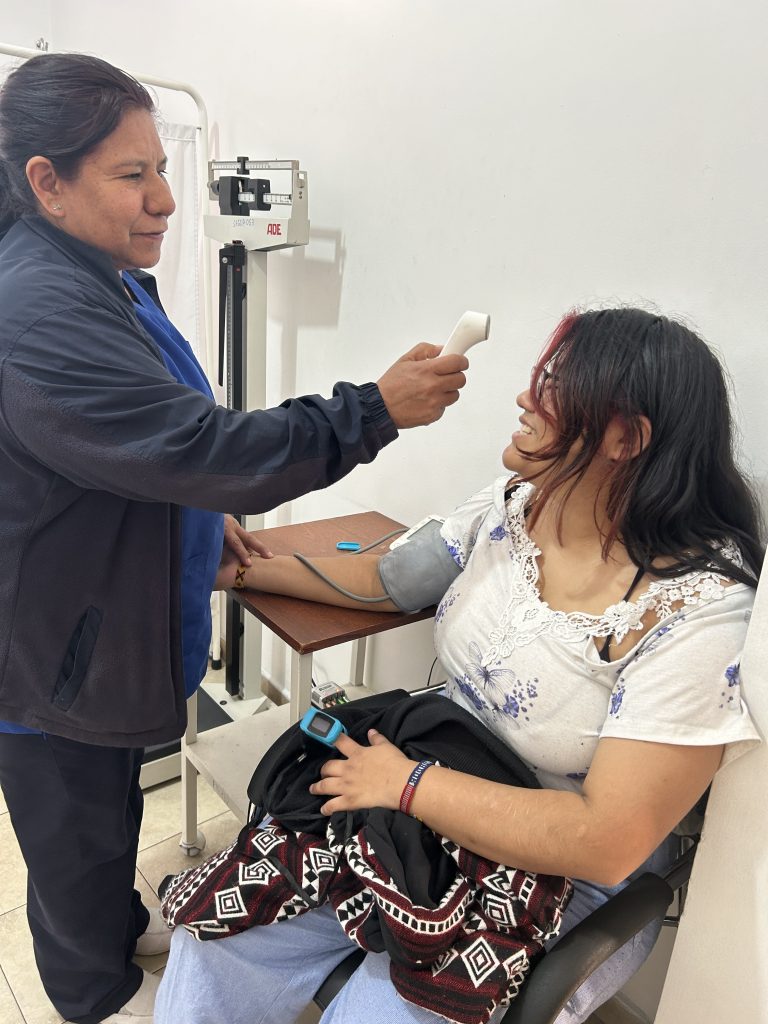
By Dayanara Aguirre-Mulato During my service placement at the municipal Centro Médico in Riobamba, I had the privilege to be able to work alongside other nurses. Day to day each patient comes in to register for their appointment and I…
 Global Education
Service visits: opportunities for connection in Ecuador’s “provincias”
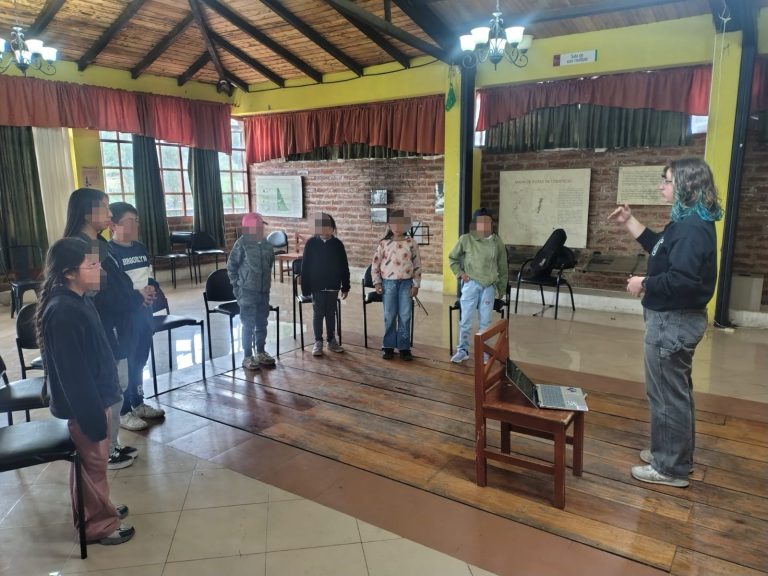
By Hillary Harder During the Service term, leaders have the privilege of traveling to visit each student at the home and volunteer assignment where they are spending their time during the second half of SST. For us, that meant traveling…