


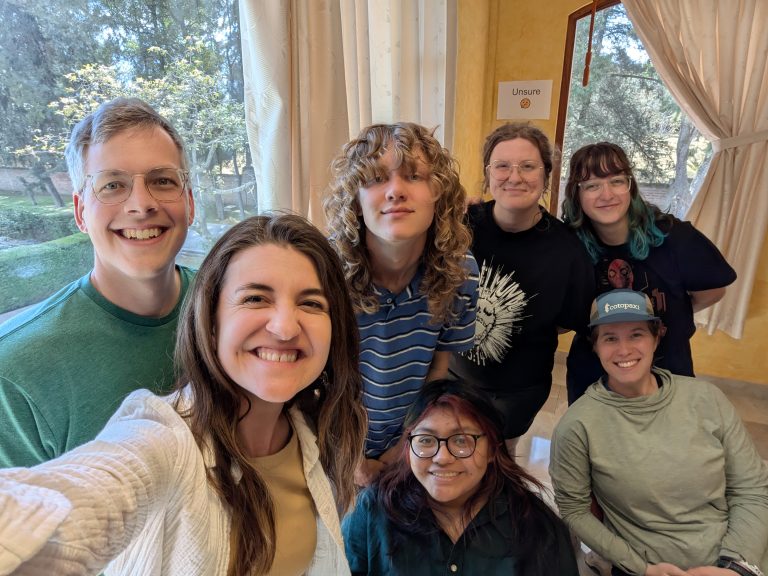
By Hillary Harder On Sunday, July 26, our students returned to Quito from their service communities and we began our final retreat together! The afternoon was full of joyful reunions as each student arrived at our Quito home, la Casa…
News
Week 3: Indonesia’s Environment
Feb 01 2026
Our academic theme for week 3 is Environment. This week we learned about Indonesia’s incredible biodiversity by reading articles and stories, hearing lectures from experts, visiting and learning from people who live along the Code river in Yogyakarta, and touring organizations combating climate change and working toward sustainable agricultural practices.
Students heard a lecture on biodiversity from Dr. Laurentia Henrieta Permita Sari Purba, a biology professor at UKDW. Dr. Mita explained why Indonesia is classified as “megadiverse,” with a rich variety of endemic species on its more than 17000 islands, but pointed out that many of these species are critically endangered due to pollution, invasive species, and especially habitat loss due to deforestation. Dr. Mita told us about her research into taste perception in primates can help support forest conservation and restoration efforts by improving understanding of primate diets.

Professor Dicky Sofjan (of Universitas Gadjah Mada and the Indonesian Consortium for Religious Studies) and GC Prof Luke Beck Kreider organized a day of visiting river communities in Yogyakarta. We walked along the Code river, which flows through the city’s center, learning from the people who live directly on the river banks.
We had conversation over lunch with Pemerti Kali Code, an organization devoted to the protection and restoration of the river:

Toured their woman-run urban farm Teras Hijau:
Learned from another women’s group their method of repurposing garbage they’ve collected into useful everyday items, arts and crafts:
And toured an interfaith cemetery, where Muslims, Protestants and Catholics are buried side by side:
Our visit was covered by a local newspaper, so you can read more about it here.

The next day, we visited Bumi Langit Institute, where we learned about their efforts at permaculture and sustainable agricultural practices from a distinctly Muslim, distinctly Indonesian approach.
We were given a tour of the wild and cultivated edibles in their forest and garden, and learned about their waste management and composting practices:
And participated in a tempe fermentation workshop:
We were invited to eat a delicious “farm to table” meal grown, produced and prepared onsite. The homemade passion fruit jam, fermented milk, delicately fried cassava with coconut, and tempeh were delicious.

Later in the week, we traveled over 4 hours north to visit Pati, an eco-village connected with MDSI. Check out our more in-depth blog post focusing on this trip right here!
 Global Education
Final retreat in Ecuador
 Global Education
Life on the ward
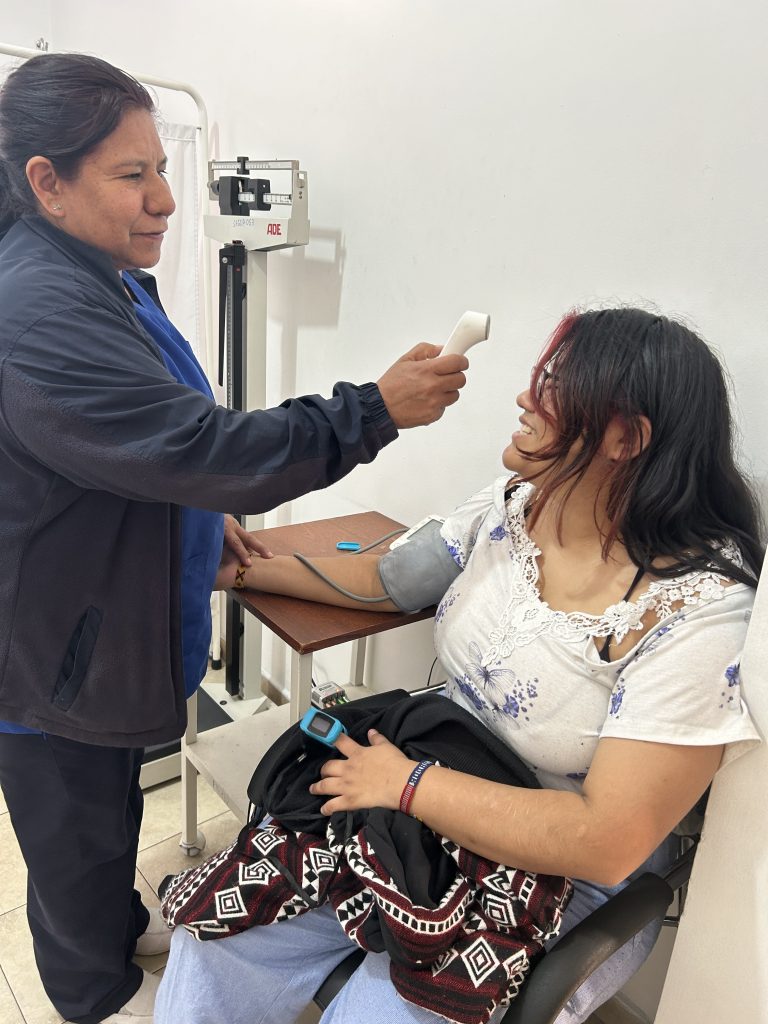
By Dayanara Aguirre-Mulato During my service placement at the municipal Centro Médico in Riobamba, I had the privilege to be able to work alongside other nurses. Day to day each patient comes in to register for their appointment and I…
 Global Education
Service visits: opportunities for connection in Ecuador’s “provincias”
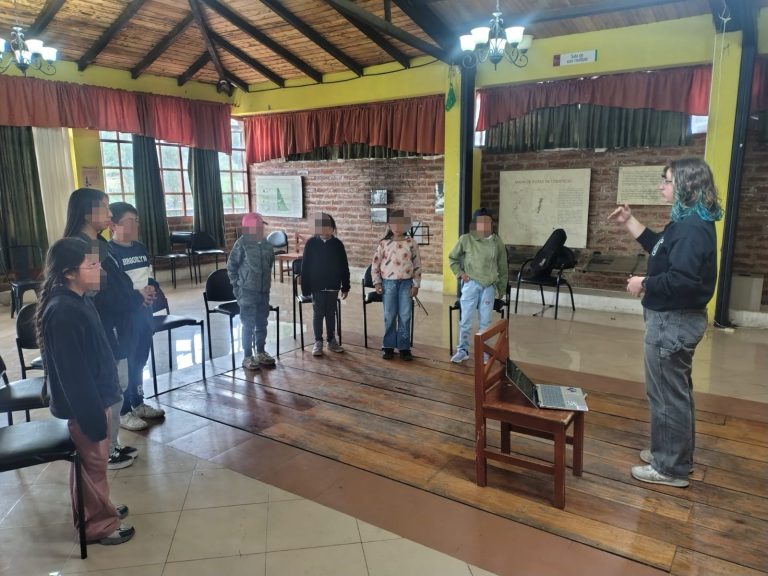
By Hillary Harder During the Service term, leaders have the privilege of traveling to visit each student at the home and volunteer assignment where they are spending their time during the second half of SST. For us, that meant traveling…