


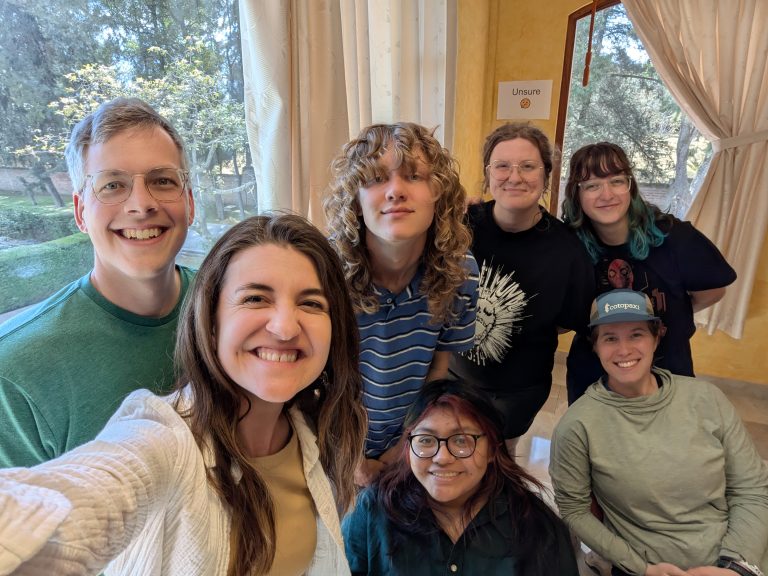
By Hillary Harder On Sunday, July 26, our students returned to Quito from their service communities and we began our final retreat together! The afternoon was full of joyful reunions as each student arrived at our Quito home, la Casa…
News
Community Engaged Learning in Kupang
Mar 25 2026
This Indonesia 2026 Community Engaged Learning blog series was compiled and edited using excerpts from a photo essay assignment submitted by our students. We hope you enjoy these snapshots from the second half of SST.
Kupang is home for three of our students during service. Kupang is the largest city and port on Timor, a large island in eastern Indonesia. It is a laid-back coastal city known for dry climate, savannah landscapes and arid hills, clear blue water, sunsets on the beach, and easy access to surrounding islands.
LACI: Undana
My service location is at Undana University. The university itself has 7 different faculties with education and medicine being the largest. They offer undergraduate, masters, and doctorate degrees. With Pak Tian as my supervisor in the marine biology department, I will get to experience being a part of a dive club and learning about a variety of marine fields such as conservation issues, fisheries, sea turtles, mangrove ecosystems, and many more. Their mission is for professional management, impactful research, digital learning, and multi-stakeholder collaboration. They serve many people including students, local communities, businesses, regional governments, and the environment.

In the morning, I usually leave the house around 8:30 am on a grab, either to Undana or other areas requested by Pak Tian. We normally meet with other professors or organizations to learn about Indonesia’s marine ecosystems. Other days, I may go snorkeling or visit areas in Kupang. I have gone snorkeling at Crystal cave, visited a seaweed farm, spoken with Konservasi Indonesia staff, and attended various lectures. I usually go to different beaches and watch the sunset before heading home for dinner, either with my host family or with Sydney.
Snapshots from Laci’s daily life: The marine biology faculty building at Undana University; Seaweed drying in the sun during a visit to a seaweed farm with host father Pak Wem, who is on the marine bio faculty at Undana; A lovely sunset on from Kelapa Lima beach; visiting the dam and breakfast with her host family.

Overall, throughout this experience, I am learning a lot about specific research or projects going on in Indonesia to help with conservation efforts. Some include mangrove values, whale shark conservation, coral transplants, and the development of marine protected areas. I am observing a new area and cultural differences. I feel like I have learned to be more flexible and patient. I have developed better communication skills and how to be independent in an unfamiliar area. I have learned to take in the moment and to not always fill my days with tons of activities. I believe that I have adjusted to a simpler lifestyle and have become extremely grateful for the things I have.
SYDNEY: Undana
For my service term this semester, I was placed at the Fakultas Perikanan dan Ilmu Kelautan (Faculty of Fisheries and Marine Science) at the University of Nusa Cendana (Undana) in Kupang. The faculty focuses on utilizing the vast marine potential of the East Nusa Tenggara region. Its mission is to develop high-quality education in fisheries and marine science, training future professionals in aquaculture, marine resource management, and marine technology while also conducting research on sustainable fishing practices, aquaculture techniques, and the impacts of climate change on coastal areas. FPKP also supports local fishermen, coastal communities, and regional government agencies across East Nusa Tenggara. Through these efforts the faculty works to improve livelihoods and increase the economic value of marine resources throughout the region.
In the two and a half weeks that I have been at Undana, no two days have looked exactly the same. Most mornings begin at the FPKP faculty building, where we meet with Park Tian and often attend lectures on topics such as such as seaweed farming, mangrove management, and livestock farming.
My favorite days have been when we leave campus to visit conservation programs around the region. One of the first places we visited was Balai Kawasan Konservasi Perairan Nasional Kupang (BKKPN). This government facility manages national marine conservation areas and aquatic tourism zones. Their work includes marine spatial planning, monitoring coral reefs and mangroves, conducting research, and partnering with communities and NGOs to support conservation efforts.
More recently, we visited Konservasi Indonesia, an organization that partners with Conservation International and collaborates with local stakeholders to promote long-term environmental and community well-being. Their programs focus on strengthening coastal ecosystems and promoting sustainable seaweed cultivation. One major initiative, the Koralestari Program, works to restore coral reefs while supporting local livelihoods and community-based conservation. Through these projects the organization aims to connect, protect, and restore marine ecosystems while supporting sustainable economic opportunities in the region.
 Photo descriptions: The office at BKKPN, where Sydney and Laci learned about the conservation projects happening in Kupang; Outside the fish market; Taman Nostalgia, the park right next to Sydney’s host family’s house; Crystal Cave, where Sydney and Laci went snorkeling.
Snapshots of Sydney with her host family:

I am learning a lot about the relationship between coastal communities and the ocean in East Nusa Tenggara. Much of the work being done at Undana and by organizations like BKKPN and Konservasi Indonesia focuses on balancing environmental conservation with the livelihoods of local people who depend on the sea. This has helped me better understand how conservation is not only about protecting ecosystems but also about supporting communities.
I have also been learning how different cultural perspectives shape environmental solutions. While some challenges (pollution on beaches) are similar to issues I have seen in the United States, the ways people approach these problems can be very different. Experiences like this are helping me think more creatively about how I might contribute to conservation efforts, both here and back home.
Finally, this experience has helped me grow personally. Living with my host family, exploring new places like Crystal Cave, and learning from professors and conservation professional have pushed me outside of my comfort zone. At the same time, they have reminded me how much I value the ocean and the environments connected to it.
LAWSON: Undana
Like Laci and Sydney, Lawson’s service placement is with Undana, the local university in Kupang. He is working with a project partnered with Mennonite Central Committee called Health Promoting University, which supports health education and awareness on campus. His supervisor, Dr. Nico, a medical doctor and faculty member at Undana, has also helped Lawson connect to a range other activities at the university and in the community, including volunteering at a health clinic and engaging children at a local orphanage and its preschool. He has also been sitting in on classes, participating in group discussions, and enjoying meals with the Undana students he has met.

Image descriptions: Sitting in on a class with students and Dr. Nico; Learning to take blood pressures; Lunch with Dr. Nico.
Image descriptions: Lawson with his host family; Out to dinner; Lawson’s host grandmother “Omah,” with whom he often eats and practices his Bahasa skills
I take a peaceful “jalan-jalan” [walk] pretty much every night. The streets of my neighborhood here will be very memorable for me. I often stop to see neighbors that I’ve built relationships with. One of them I met because he flagged me down with a guitar asking if I sing. I now go over there regularly.
A skill I think I am developing is letting Bahasa Indonesia more naturally roll off of my tongue in these situations and with family. It’s been strange adjusting a severe language barrier. Patience and a positive and understanding attitude have been crucial.

Lunch overlooking the Kupang coastline the with Ibu Santri from Undana’s International Office, who has been taking good care of all three students during their terms at Undana.
 Global Education
Final retreat in Ecuador
 Global Education
Life on the ward
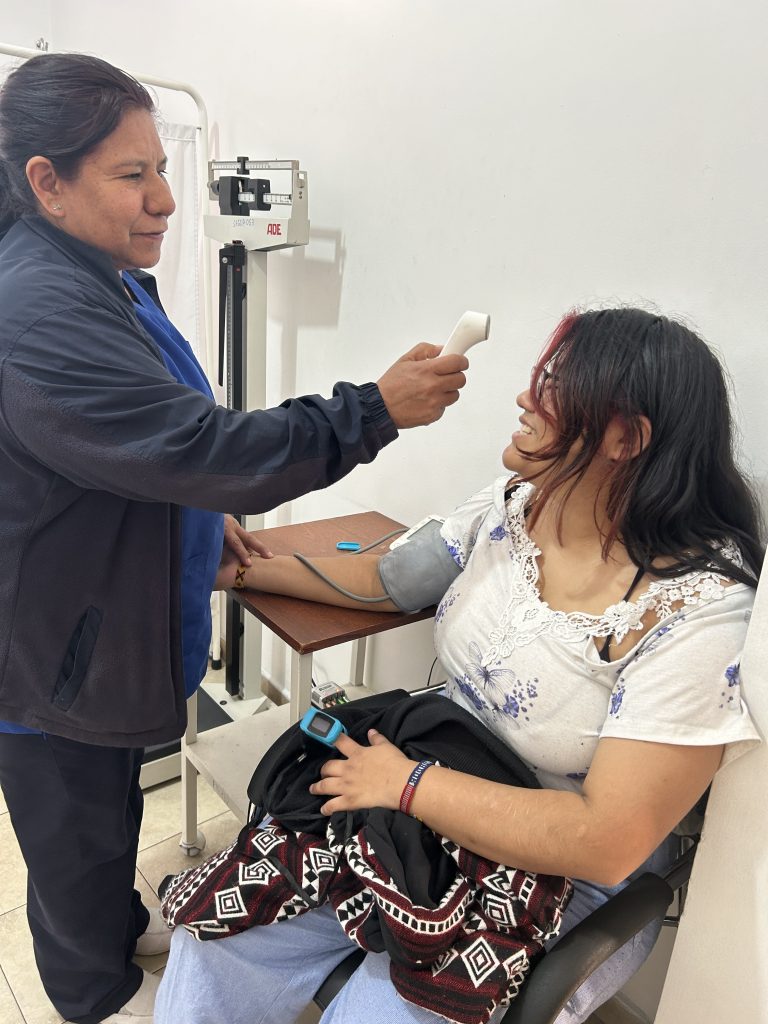
By Dayanara Aguirre-Mulato During my service placement at the municipal Centro Médico in Riobamba, I had the privilege to be able to work alongside other nurses. Day to day each patient comes in to register for their appointment and I…
 Global Education
Service visits: opportunities for connection in Ecuador’s “provincias”
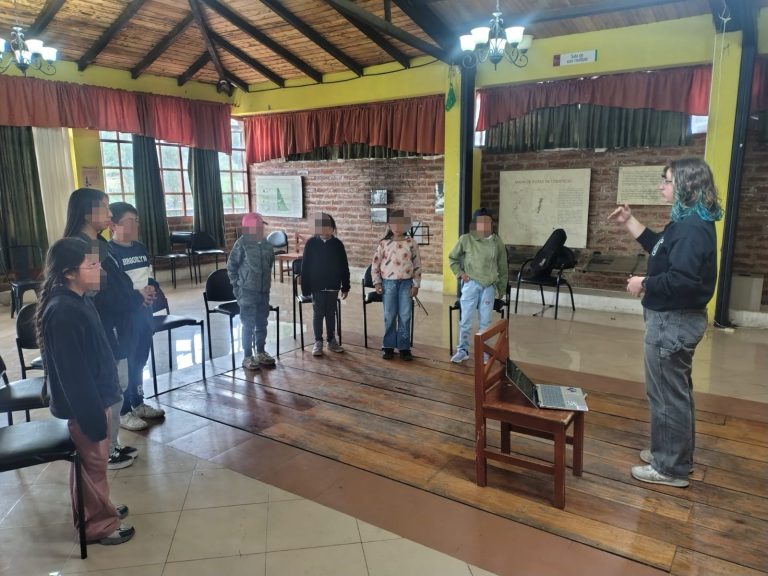
By Hillary Harder During the Service term, leaders have the privilege of traveling to visit each student at the home and volunteer assignment where they are spending their time during the second half of SST. For us, that meant traveling…