

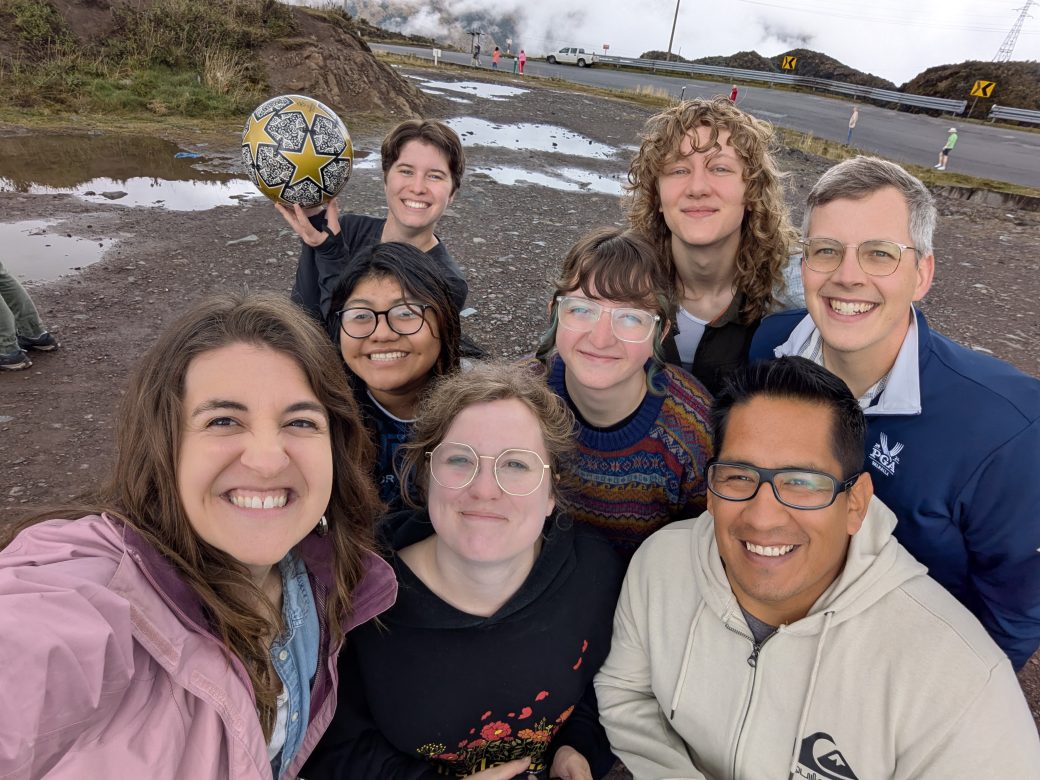
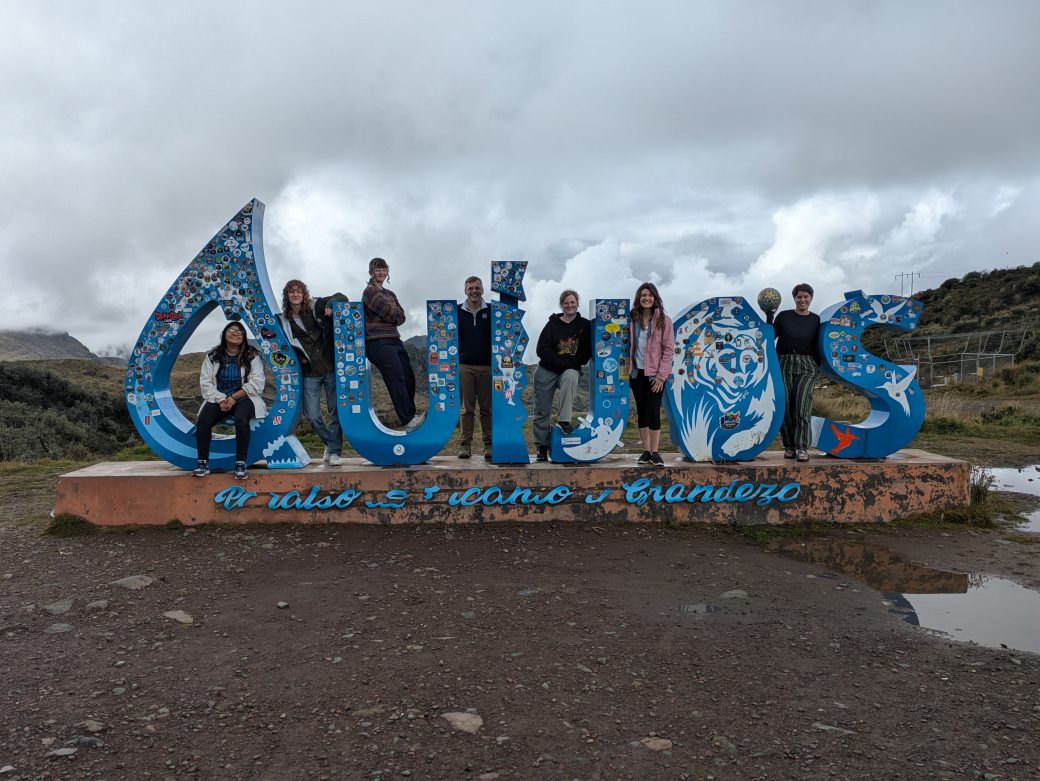
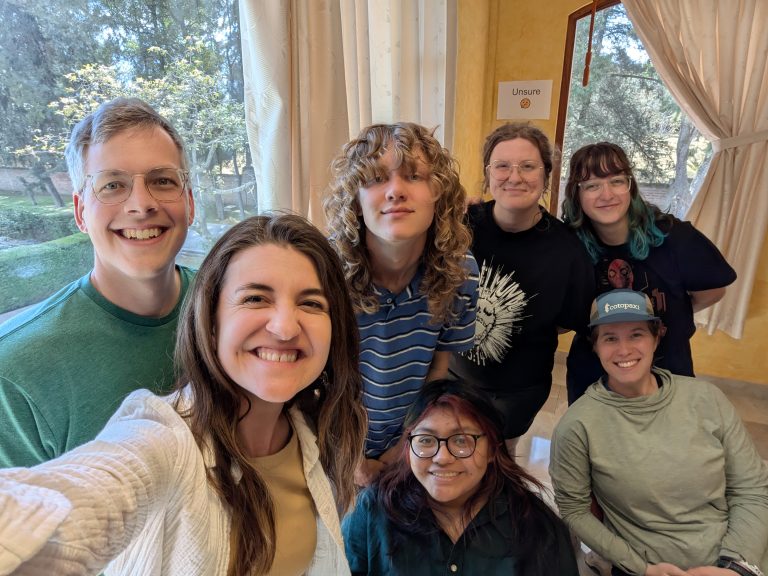
By Hillary Harder On Sunday, July 26, our students returned to Quito from their service communities and we began our final retreat together! The afternoon was full of joyful reunions as each student arrived at our Quito home, la Casa…
News
At the Gateway to the Amazon
Jun 14 2026
By Hillary Harder
This week for our final group trip during the Study period, we traveled to the western edge of the Amazon rainforest. This was our first time leaving the central sierra region of Ecuador and traveling to a very different part of the country. Our senses were saturated with amazing sights, sounds, smells, tastes, and the feel of humid jungle air. During the week we had the opportunity to learn from indigenous peoples who live at the edge of the Amazon about the flora, fauna, cuisine, and ways of being with the Earth that are central to their lives. We also experienced some elements of a tourist vacation, in which we noticed both a level of discomfort at the privilege that allows us to access these spaces, and a measure of gratitude for the rest and relaxation that felt much-needed at this point in the SST timeline.
Puerto Misahualli
On Tuesday we loaded onto the bus driven by our amazing driver, Diego, and headed east out of Quito, winding our way up and over one stunning mountain range after another. On the way we made a couple of stops. Highways in Ecuador are full of miradores, scenic overlooks where one or more volcanoes can be seen on clear days. Although our cloudy, foggy day wasn’t ideal for views, it was perfect for our next stop – the Papallacta hot springs! Surrounded by lush mountains on all sides, Papallacta consists of a dozen thermal pools fed by mineral-rich volcanic spring water. We enjoyed a luxurious hour soaking in the hot pools – and a few brave souls took the plunge into the icy cold ones as well!
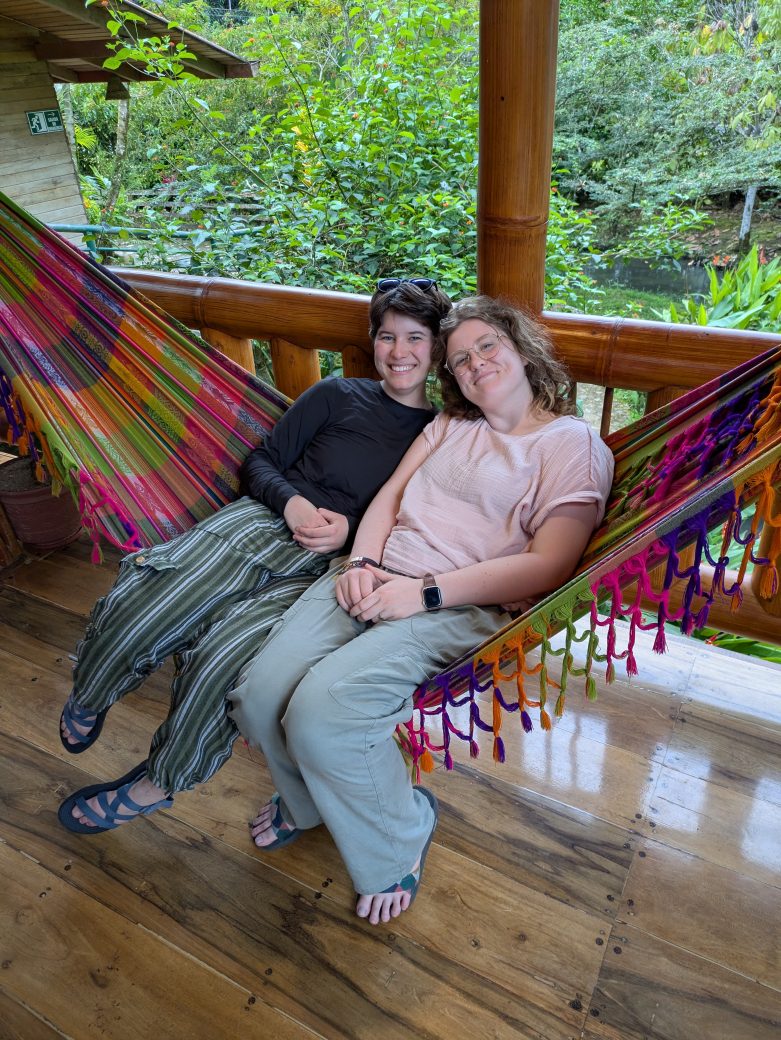
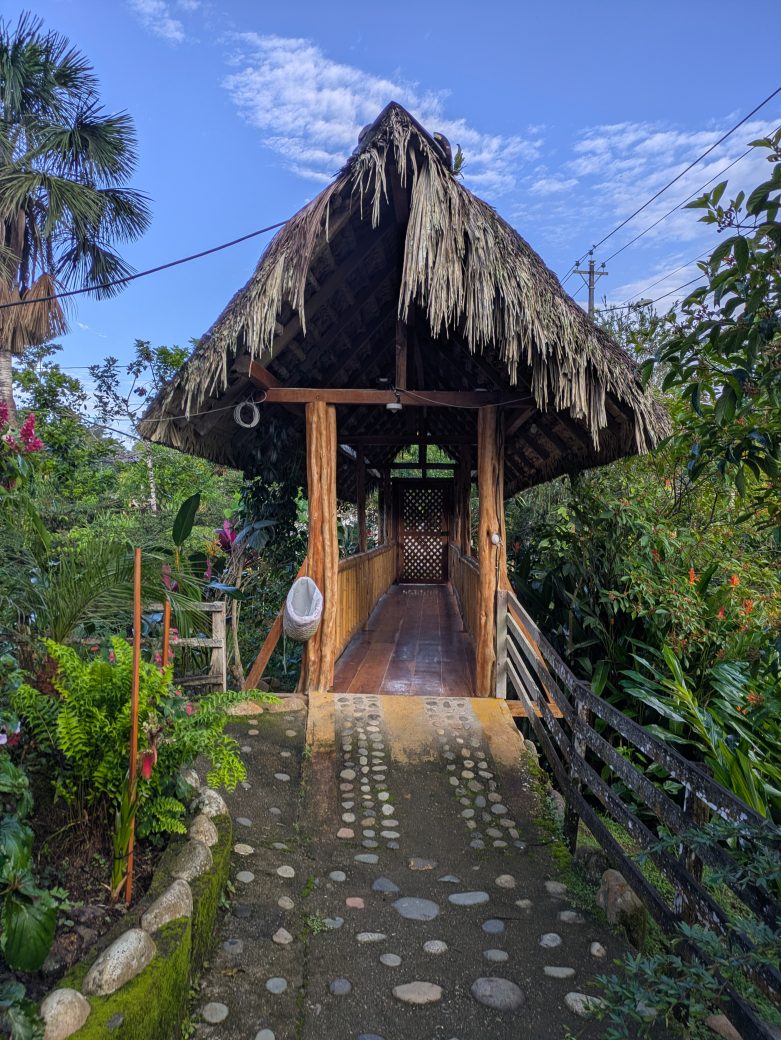
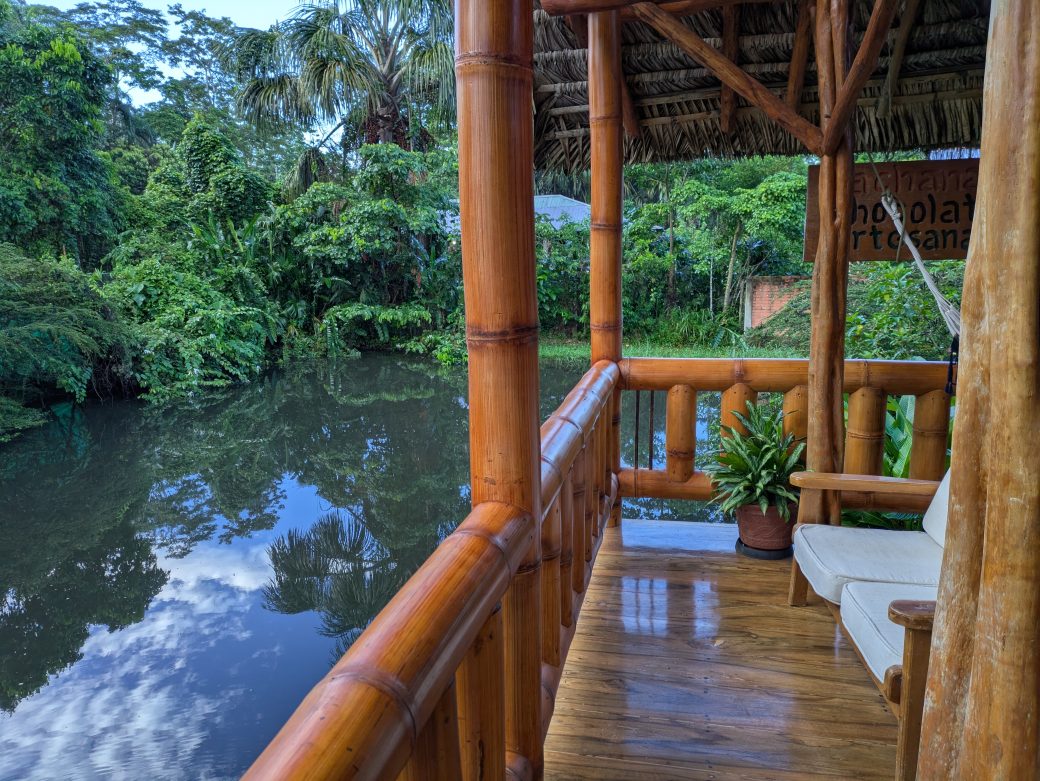
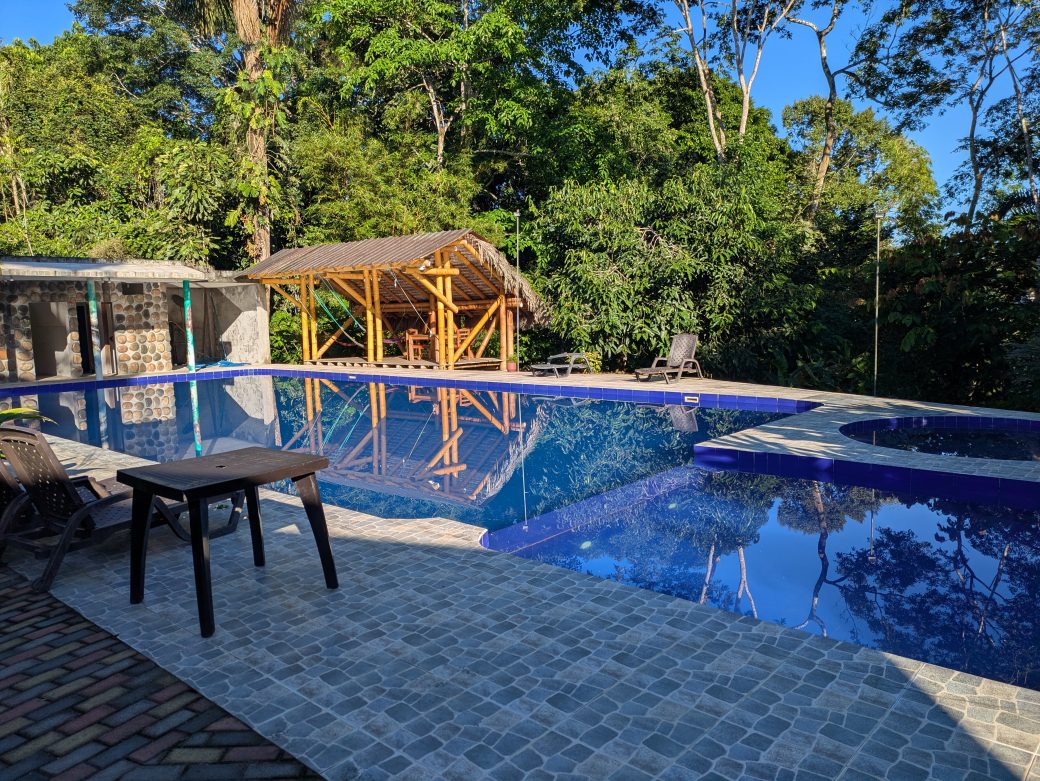
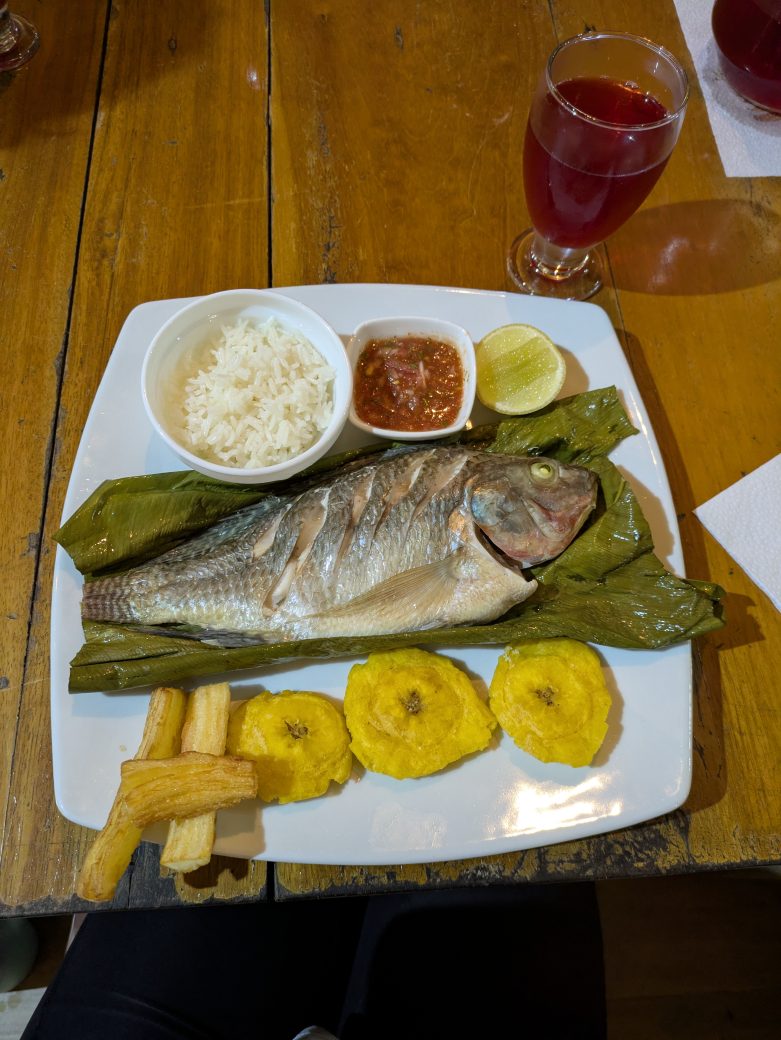
Our destination that night and home for the next two days was Puerto Misahualli, a town located on the Napo River that is known as the “gateway to the Amazon”. Our hotel felt like a slice of paradise: we played cards and watched birds on the patio, swam in the pool to beat the heat, and ate some of our most delicious meals yet provided by the wonderful kitchen staff. In particular, we enjoyed maito de pescado, a typical dish of the Amazon region of Ecuador that consists of a whole fish wrapped in leaves of the bijao plant and grilled or steamed along with yucca, plantain, and a savory and acidic salad of tomato, onion, and lime juice.
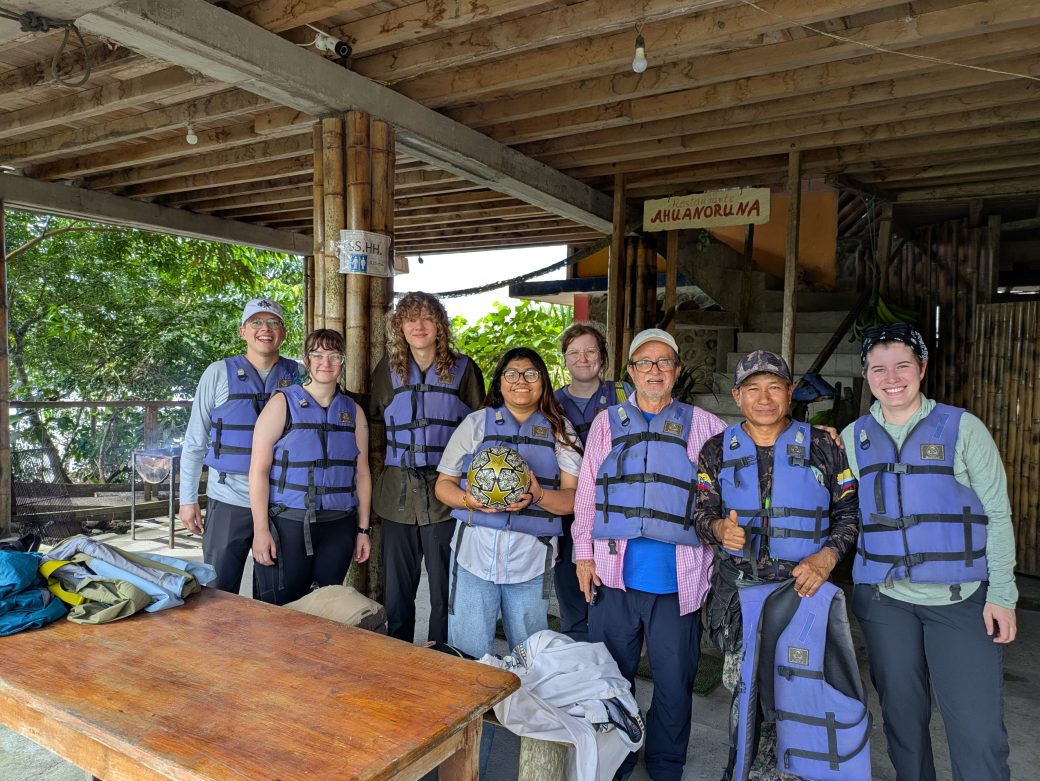
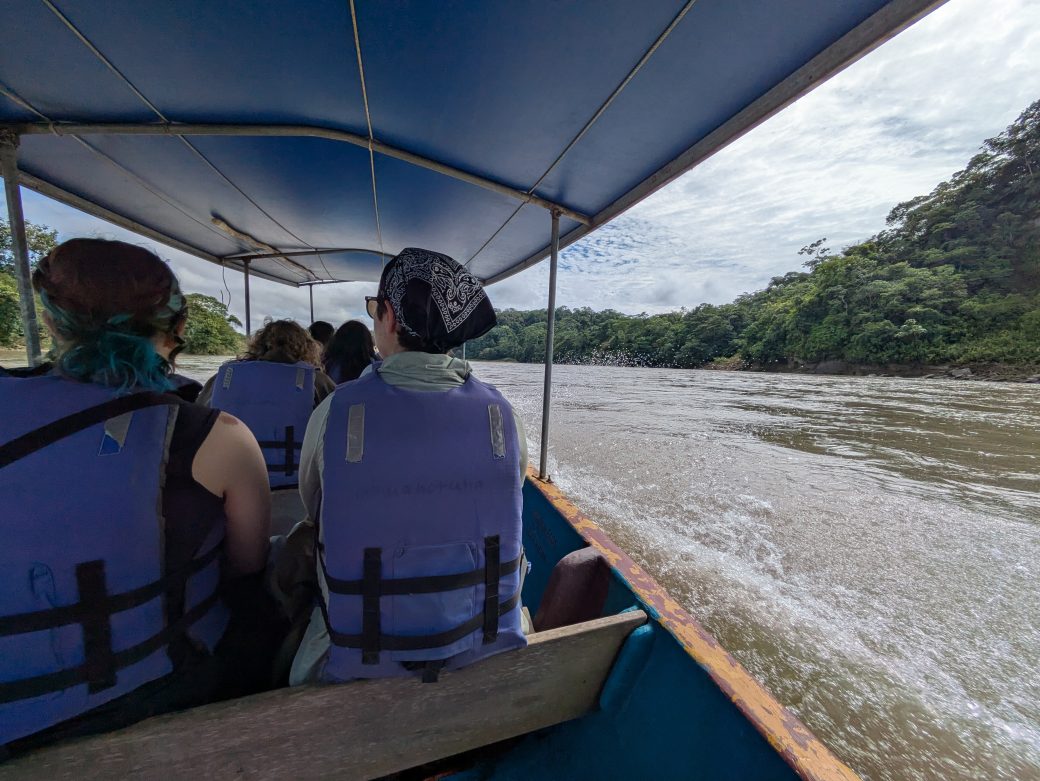
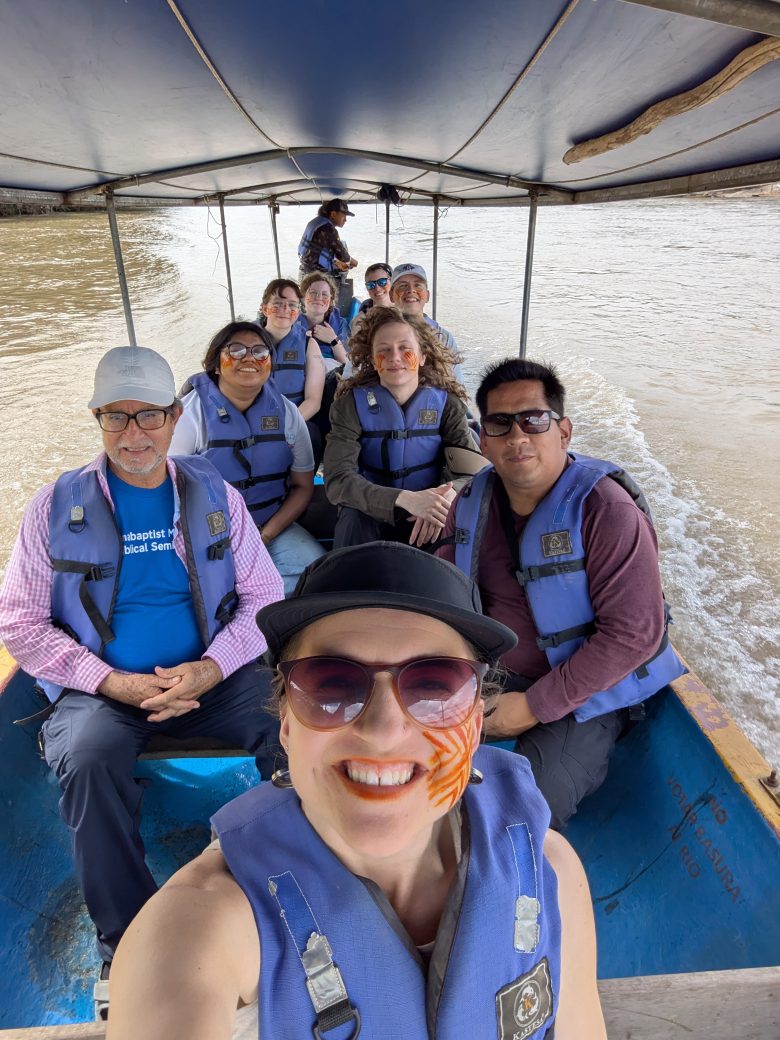
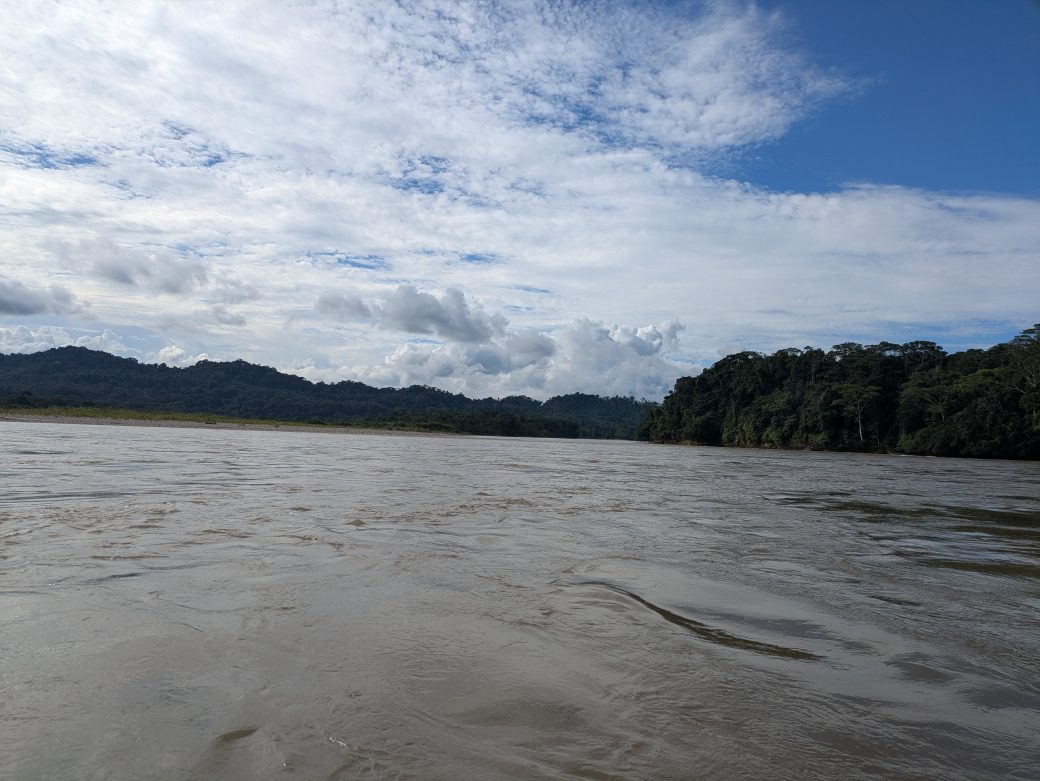
In Puerto Misahualli, the heart of daily life and tourist attractions alike is the Napo River itself. While there is now a highway through the region, it was built relatively recently, so for centuries the primary way to get around has been by canoe on the river. On Wednesday morning, we headed to the riverside to meet our local guide, Don Luis, who belongs to the Amazon Kichwa nationality. In addition to ferrying tourists up and down the river in his canoe, Don Luis is also a celebrated birding guide who is credited with identifying and naming the Fiery Topaz hummingbird that is endemic to this region. Don Luis expertly steered his motorized canoe against the strong current of the Napo River, speeding us along the lush green banks where many locals were fishing or panning for gold.
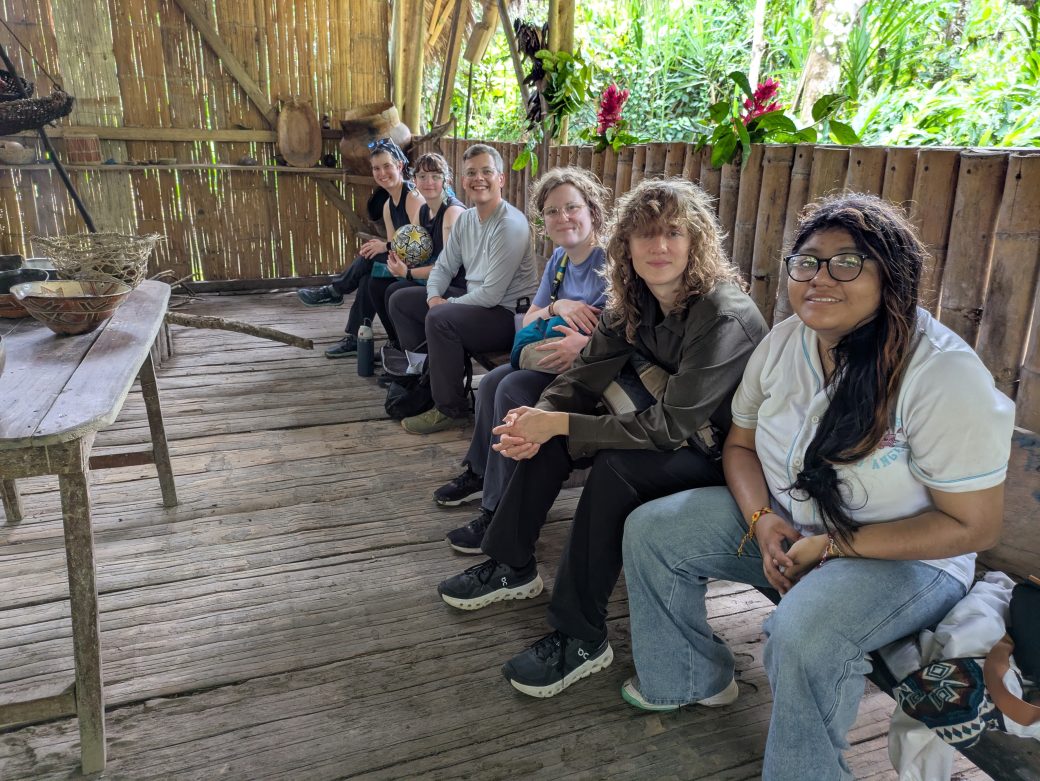
Don Luis took us first to a Kichwa community called Sumak Upina Waysa Wasi, whose name translates to “the beautiful house of drinking guayusa” (a tea brewed from leaves of the guayusa plant, a delicious natural stimulant). We were greeted by women from the community, who welcomed us into a lodge with open walls, a thatched roof, and a packed dirt floor. This form of tourism is referred to here in Ecuador as turismo comunitario or turismo vivencial, in which indigenous peoples who manage and live off of their ancestral territory open up their communities to outside groups for small-scale immersive experiences ranging from a few hours to a few months, in order to bring income into their communities and also bring visibility to their artisan crafts, typical foods, daily ways of life, and methods of land conservation. Women typically dominate this form of tourism.
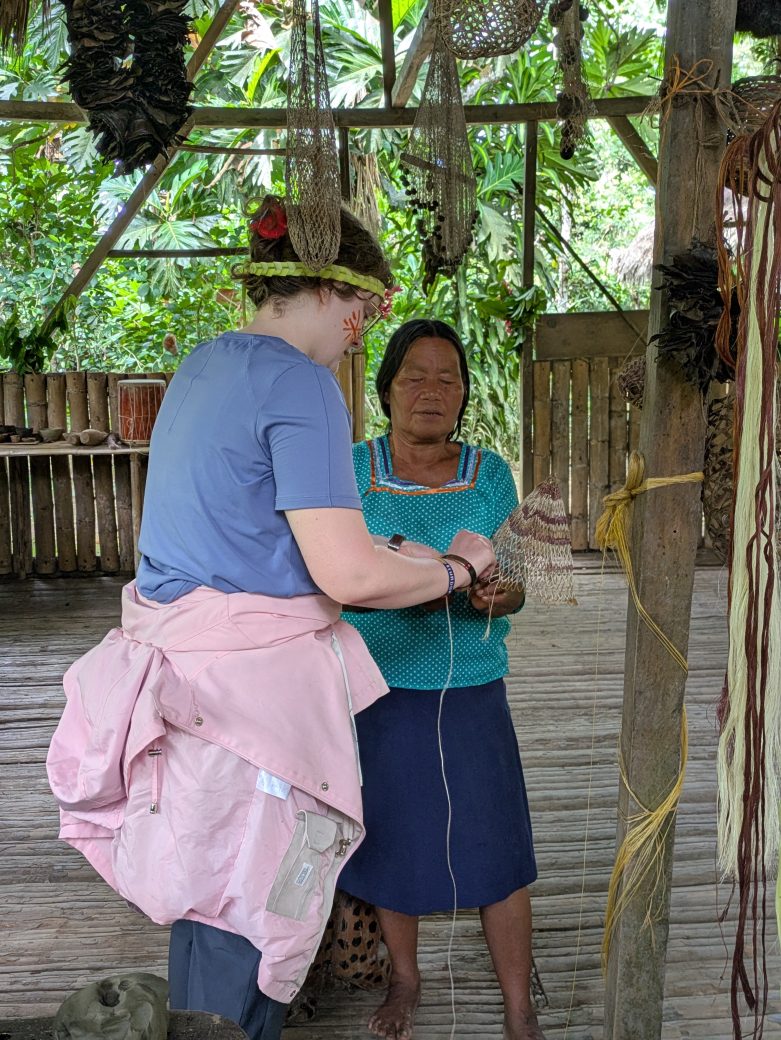
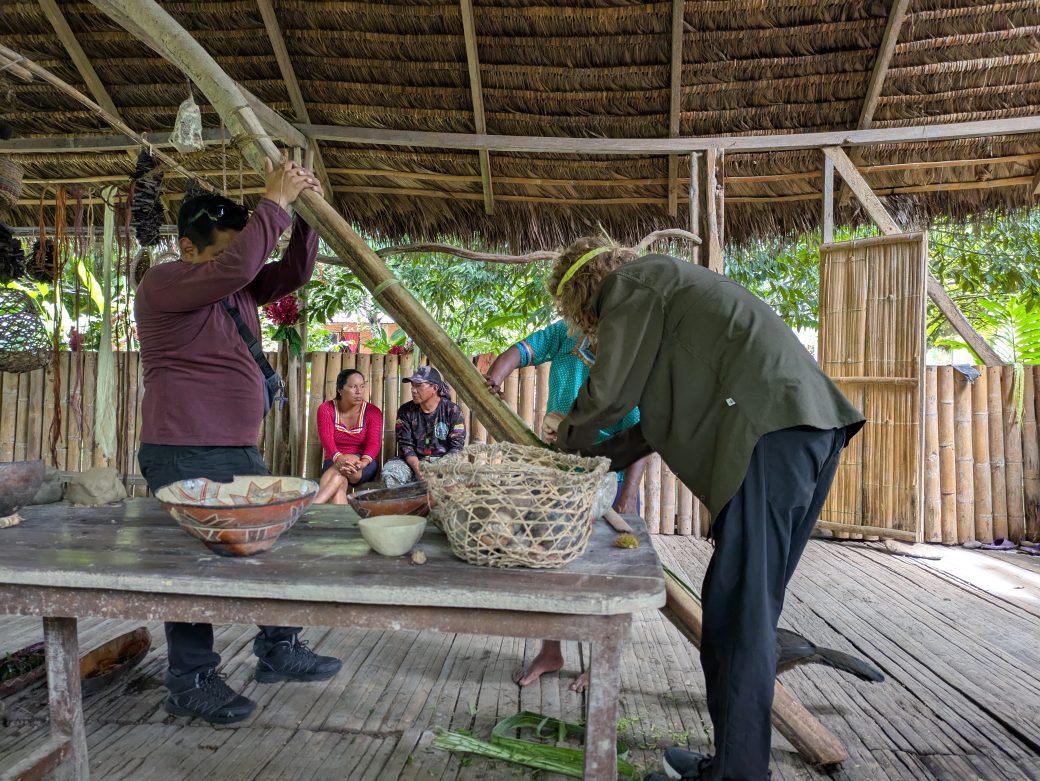
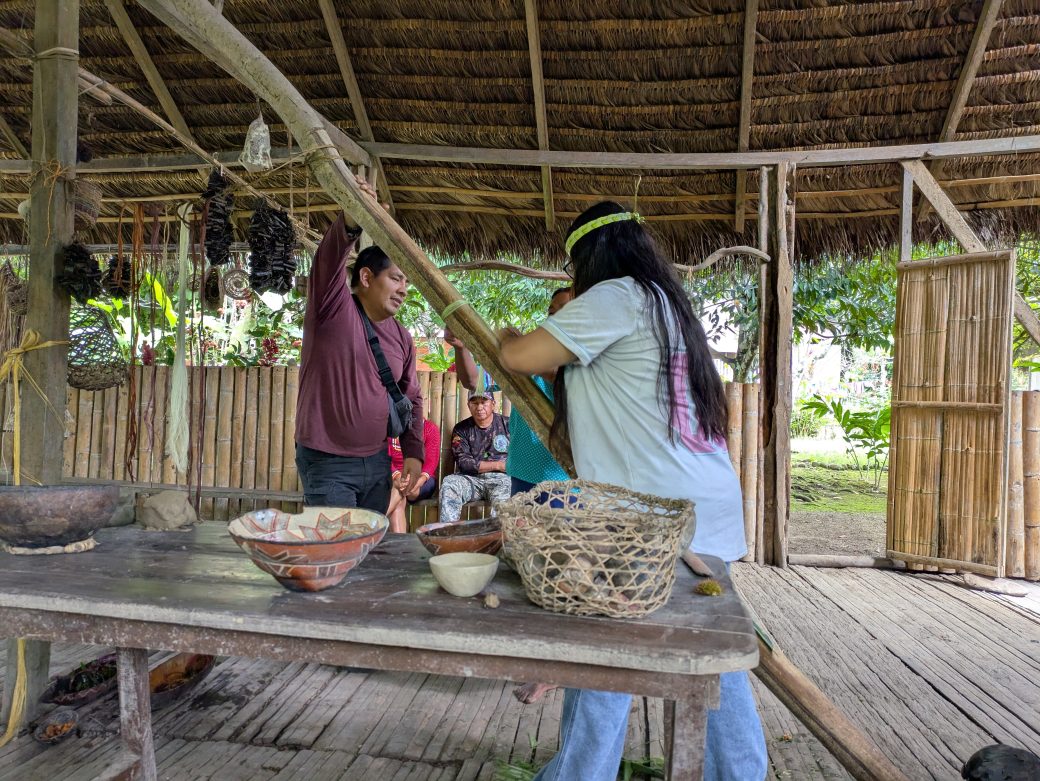
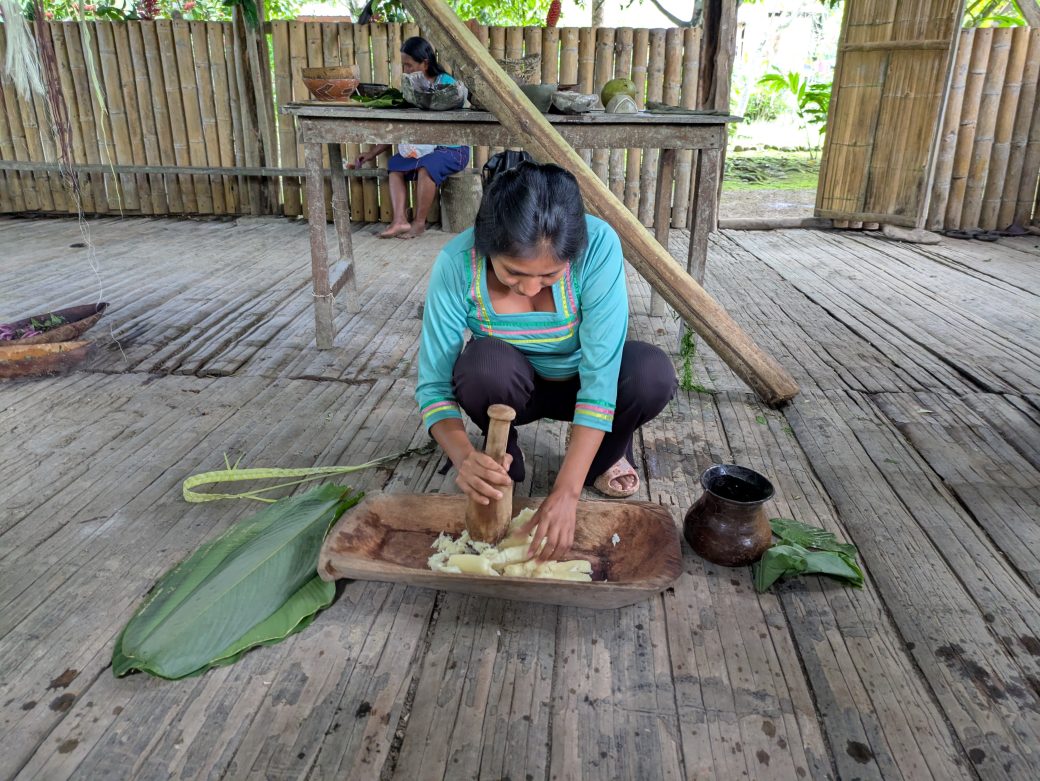
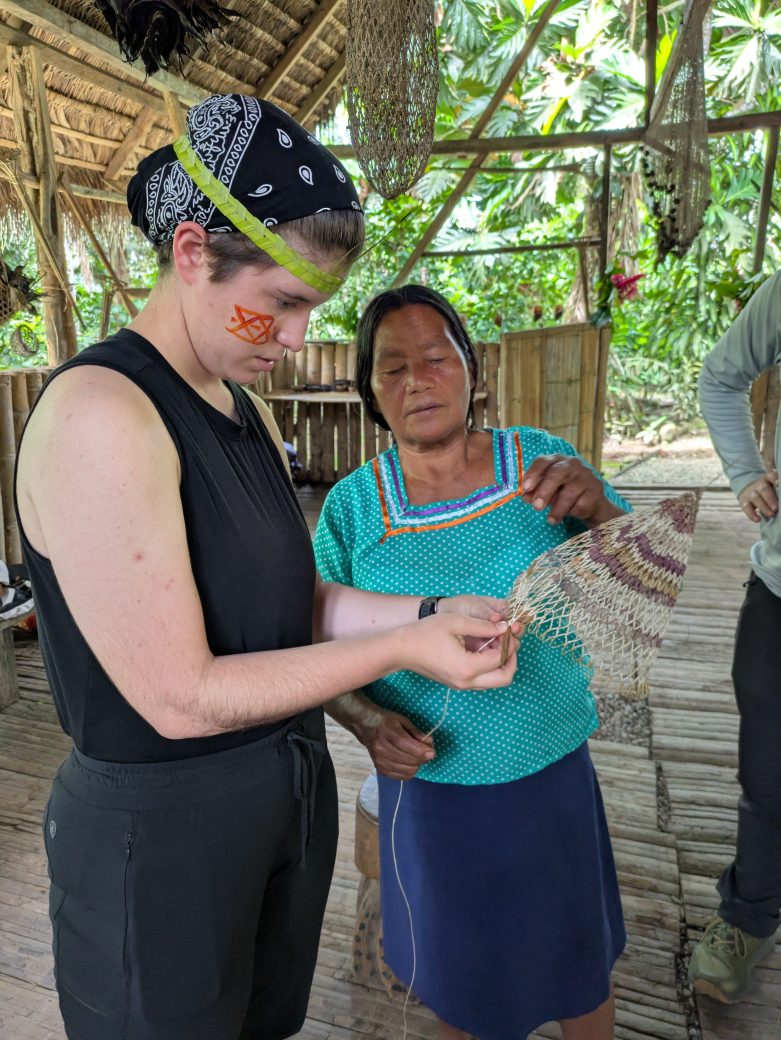
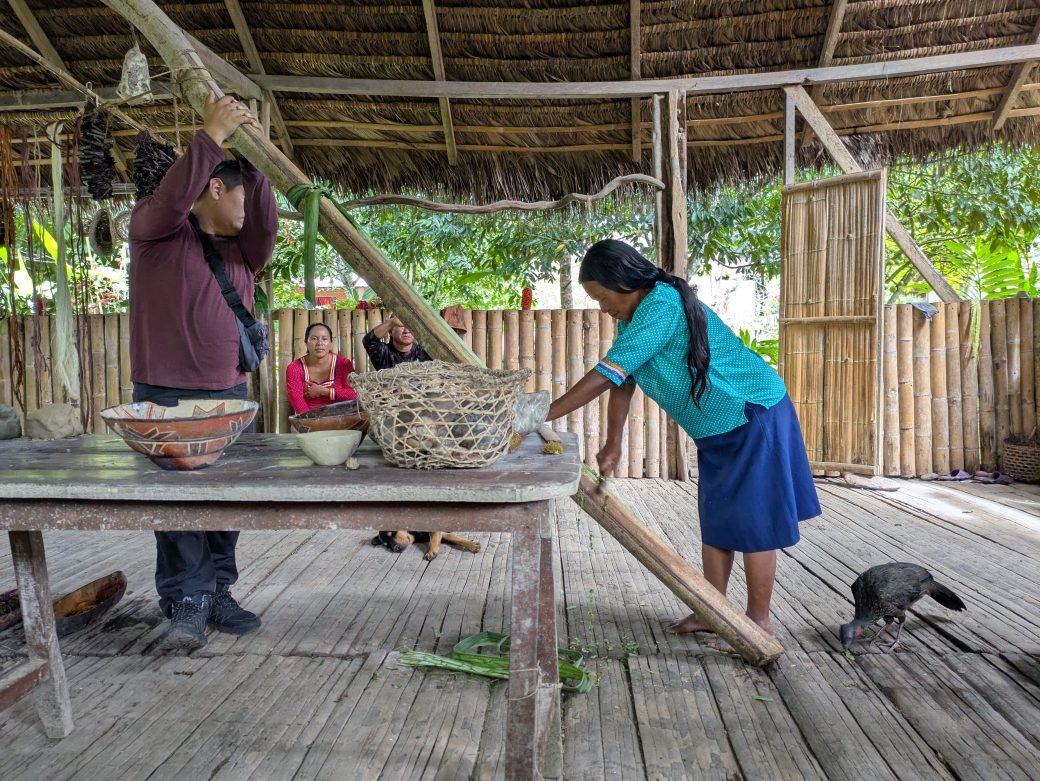
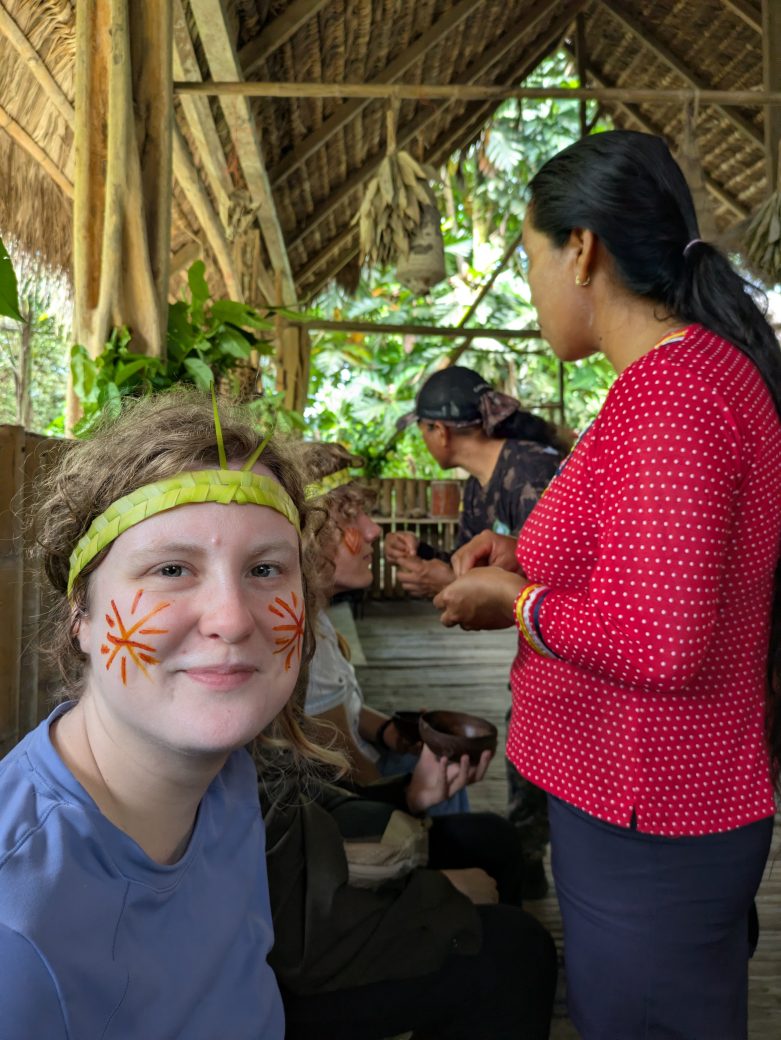
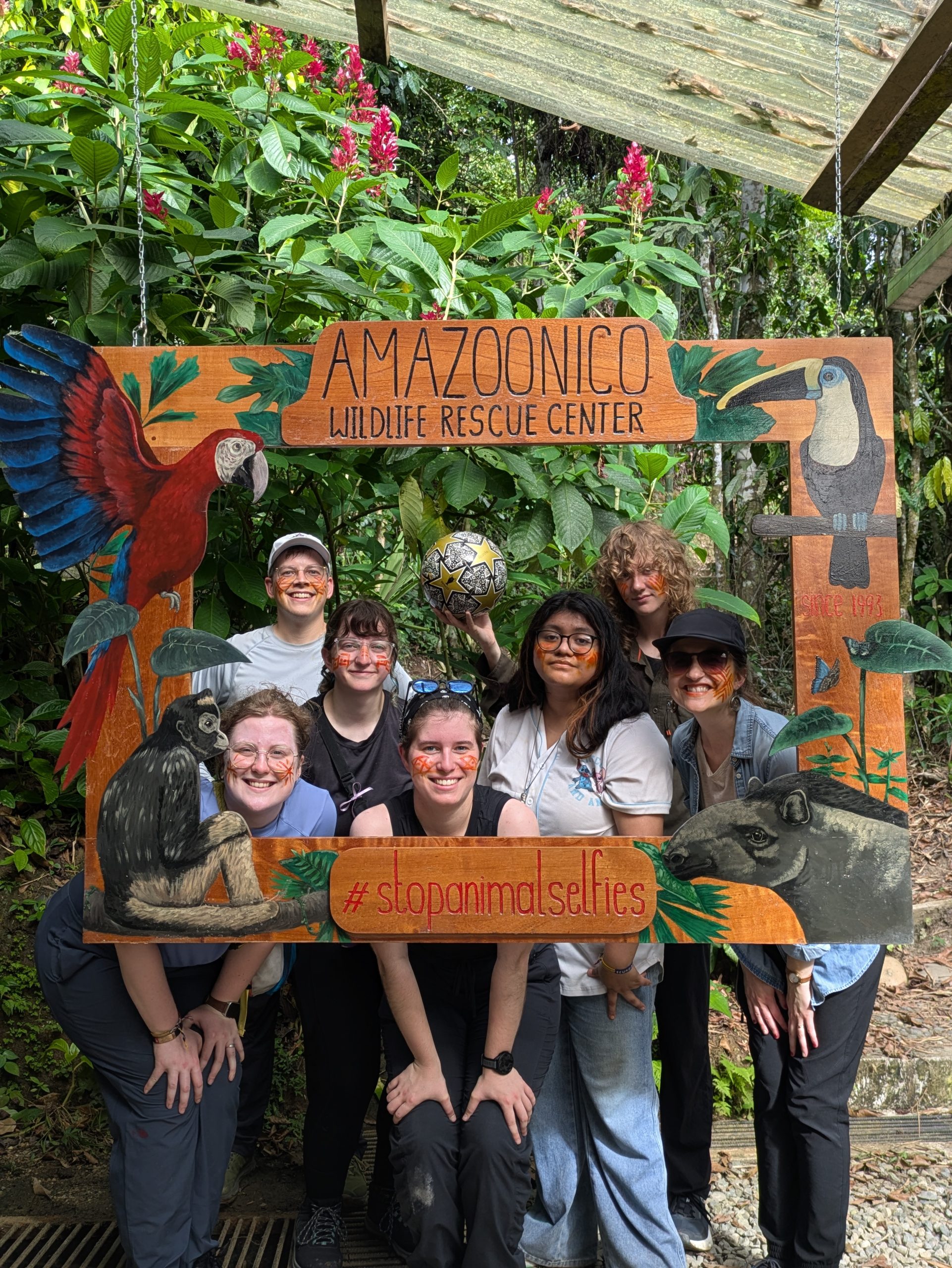
During our time in the lodge, the women of the community painted our faces with achiote, a seed that yields a henna-like paint in a rust-orange color. They showed us how they make thread from natural fibers of the pita plant to hand-weave bags and bracelets, and invited us to try. They showed us mounds of clay they harvest from the riverbanks to make ceramics, and we got to try our hand at it as well. The women demonstrated how they pound and grind yucca to make chicha, a fermented drink that is a staple of the Amazonian diet – we each got our own bowl to sip. Many of us purchased ceramic bowls, woven baskets, bags, and jewelry, finding all the more value in their beauty having seen what goes into the task of making them. We sat with the paradoxes of indigenous groups who have a relatively high level of autonomy and legal protections of their land in Ecuador, but who make their living from tourism because colonization made living only off the land unrealistic. We noticed our North American frame of reference cautioning against cultural appropriation, calling to mind offensive Halloween costumes, coming into contrast with the matter-of-fact way in which the women painted our faces and tied woven crowns around our heads. This experience put names, faces, tastes, and touch to the information we had learned in our Indigenous Peoples and Nationalities classes with our teacher back in Quito, Julian Guaman.
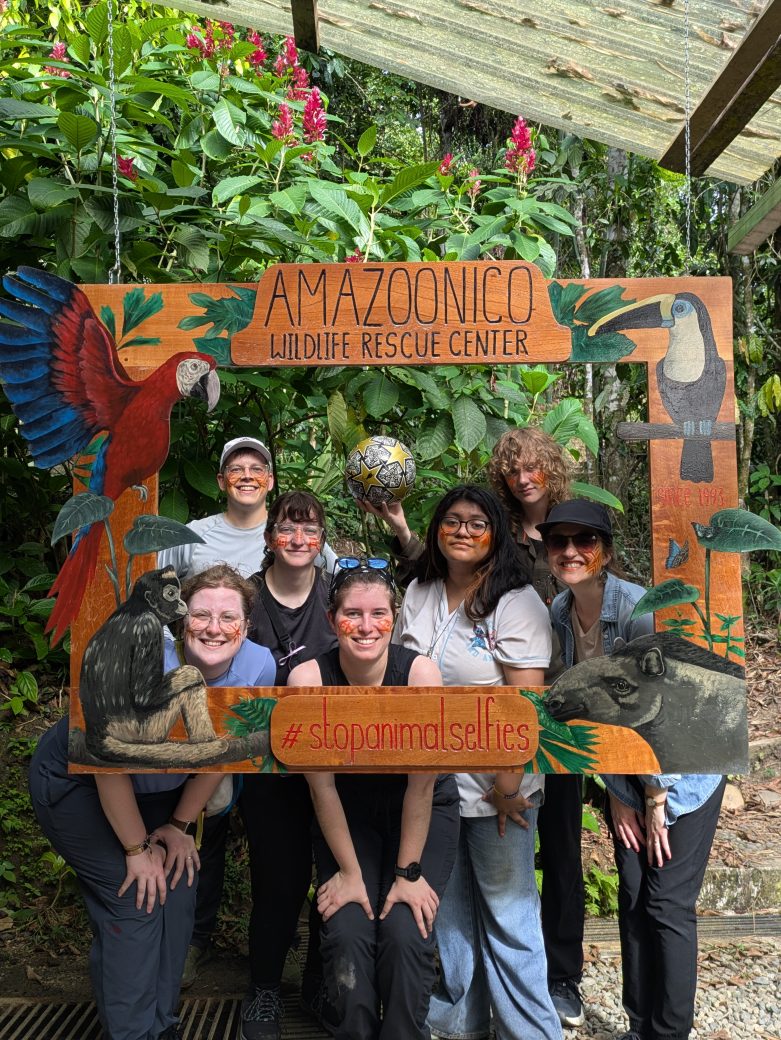
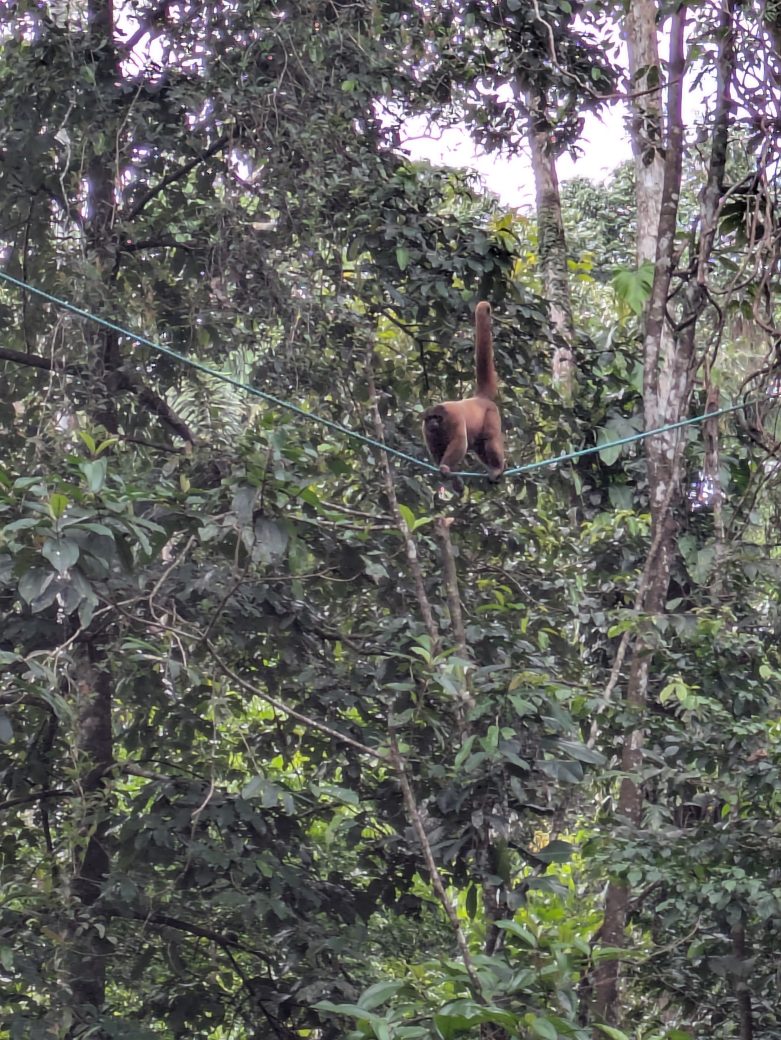
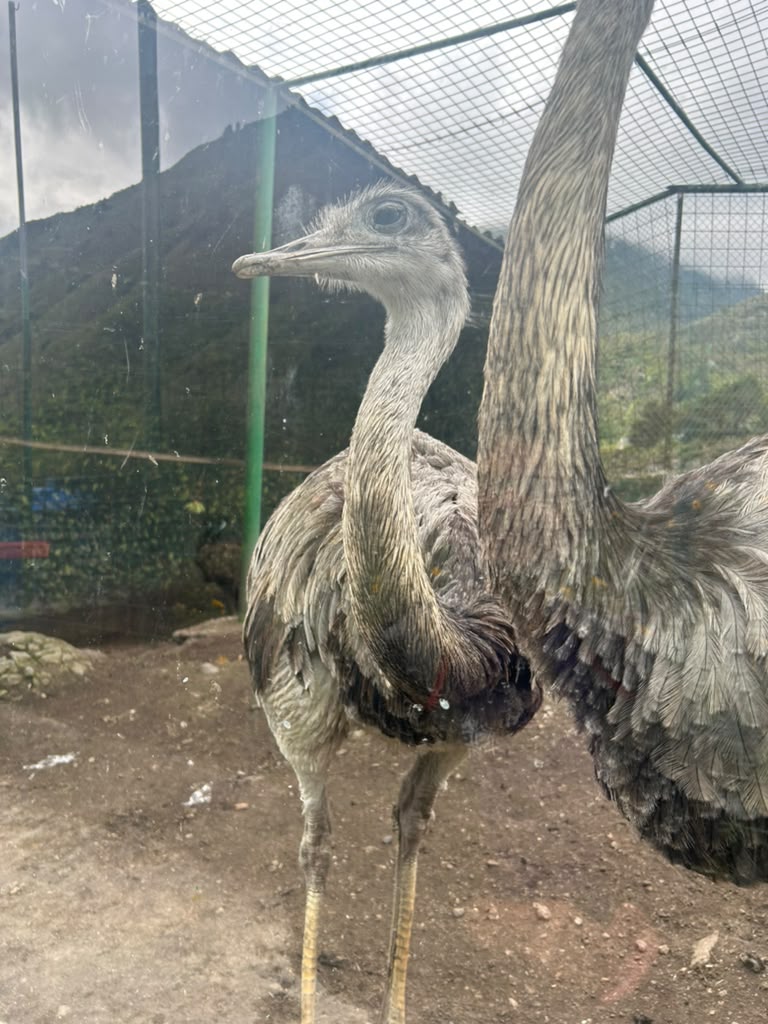
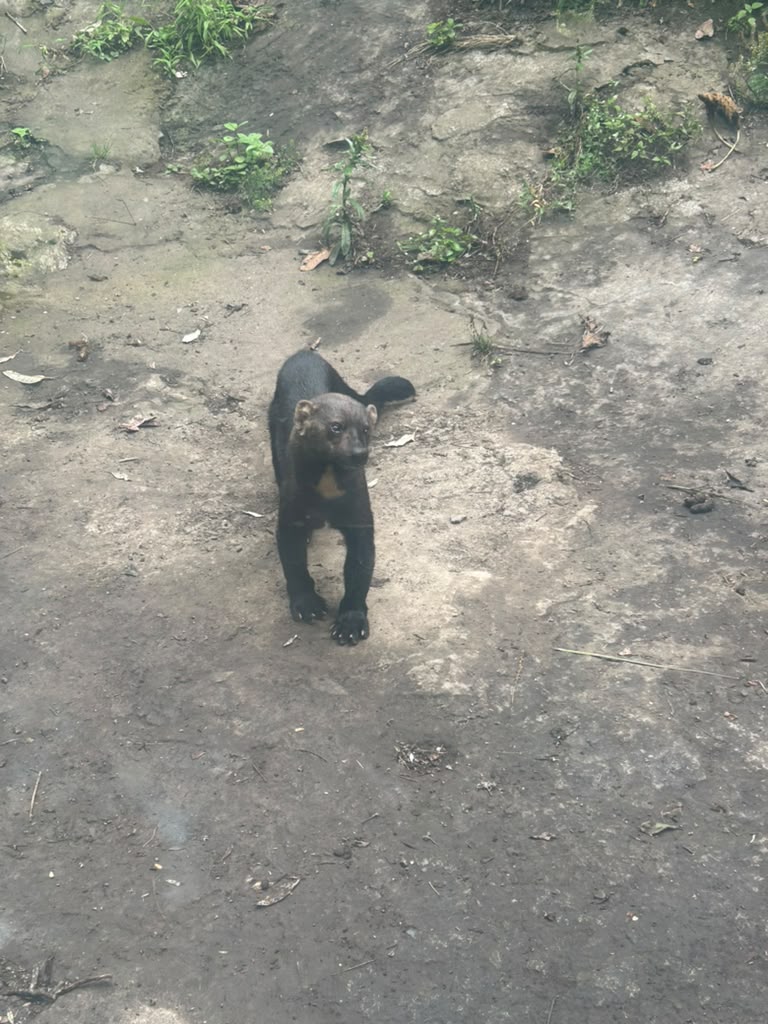
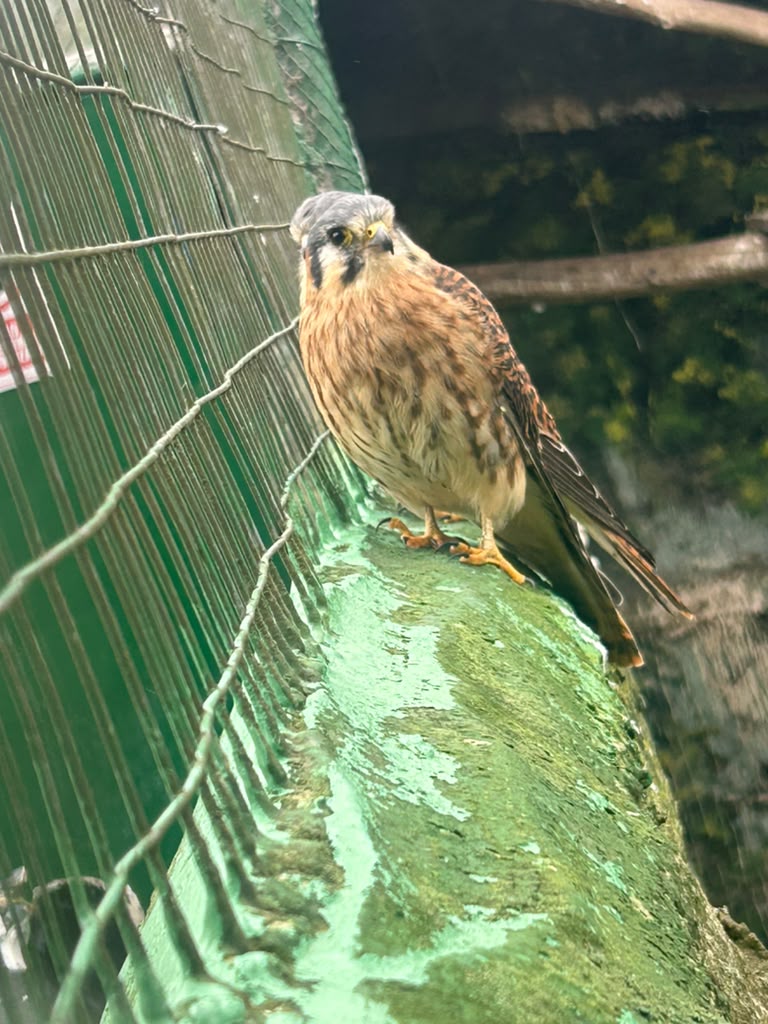
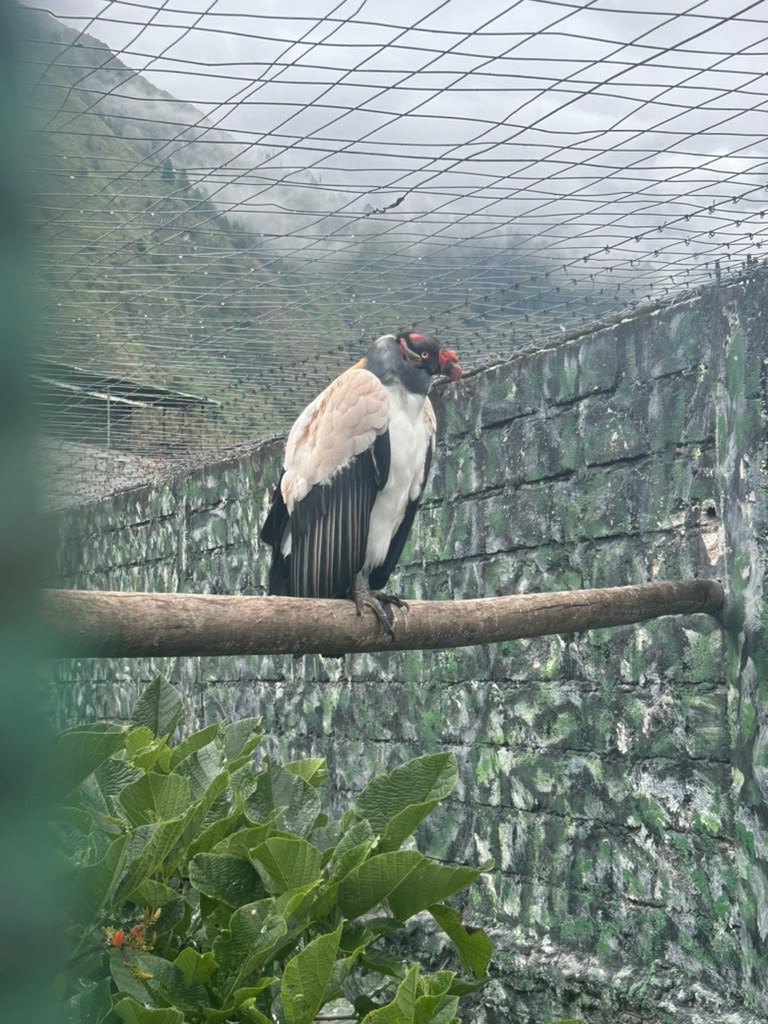
Our other stop along the river was AmaZOOnico, a wildlife rescue center. Although it has “zoo” in the name, our guide explained that it is not a zoo. Instead, the goal is to rehabilitate and release as many animals as possible back into their natural habitat. Many of the animals there were victims of wildlife trafficking, kept as pets to the point that they no longer fear humans and so cannot live safely in the wild – these animals live at AmaZOOnico with as close an approximation of their habitat as possible. Others were injured by poachers or miners and are kept away from people so they do not become accustomed to humans and can live independently in the wild again. Our guide asked us to model best practices by not taking selfies with wild animals because it perpetuates the idea that they can be pets, and by spreading the word about the differences between captivity and rehabilitation for Ecuador’s fauna silvestre (wildlife).
Puyo and Baños
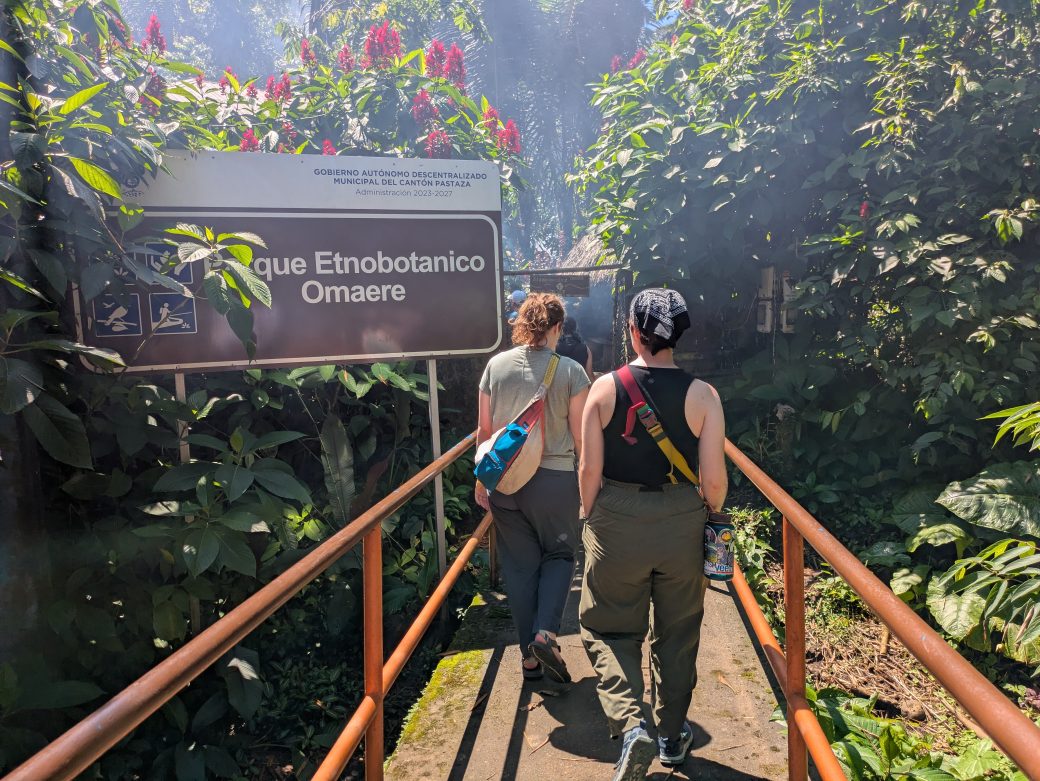
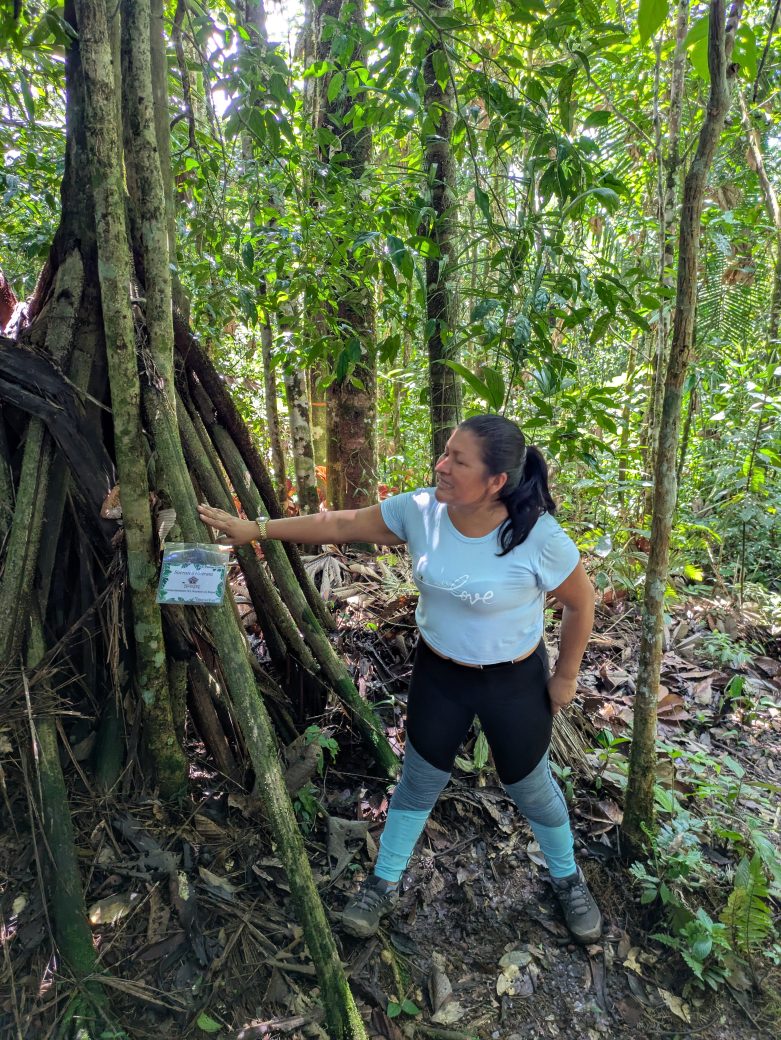
On Thursday we began making our way back west, stopping at two other well-known towns in the region straddling the jungle and the sierra. In Puyo, we visited the Omaere Ethnobotanical Park, a 15-hectar parcel of land on the outskirts of the town that had been clear-cut for sugarcane fields, but for the past 33 years has been restored to thick, biodiverse jungle terrain. Omaere means “jungle wilderness” in Waorani. The park was founded by a Shuar woman and two French men who formed a foundation dedicated to the preservation of plants used by indigenous peoples of the Amazon for medicinal, recreational, and ornamental purposes.
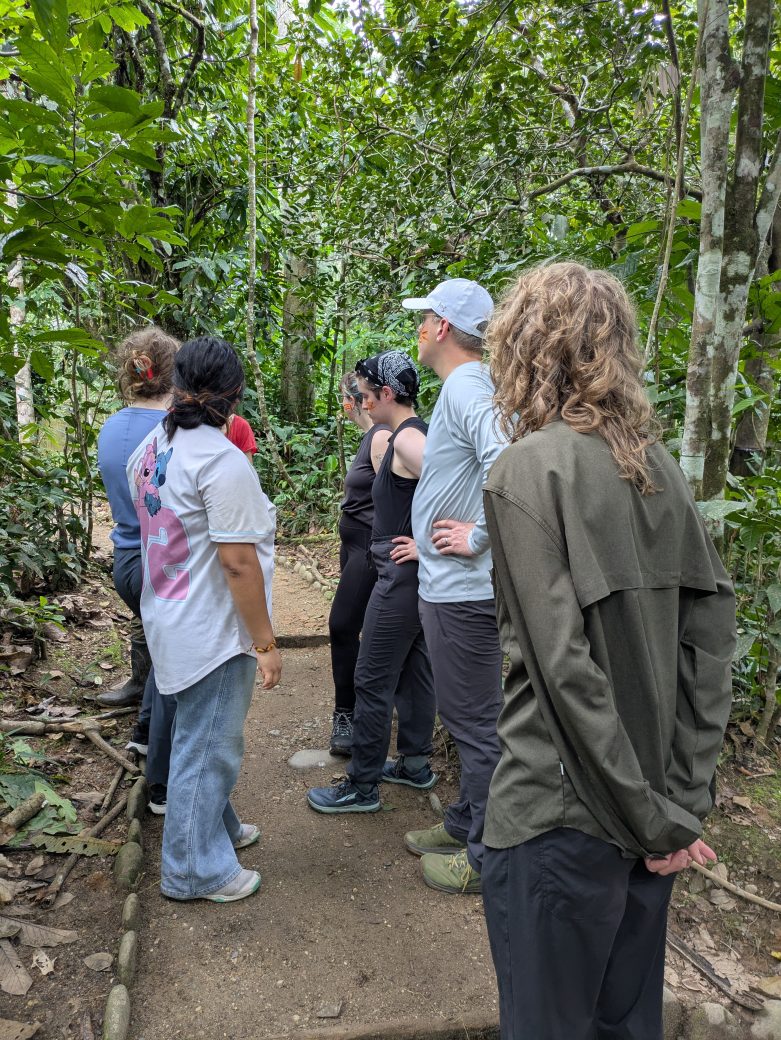
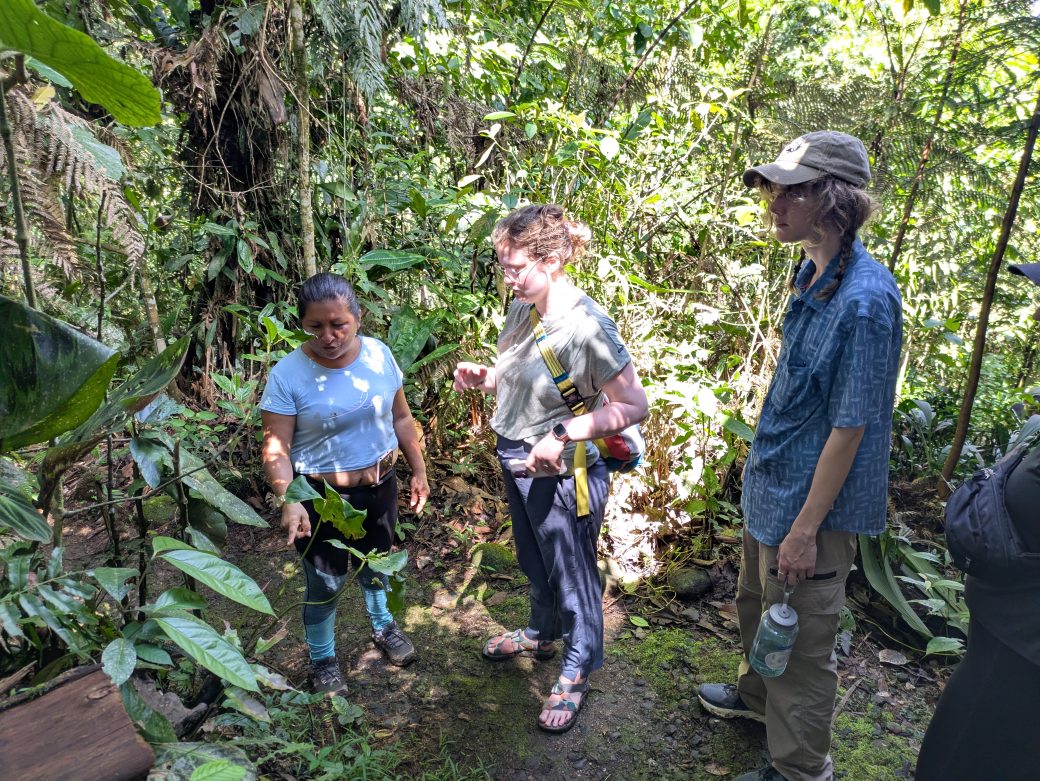
We toured the Omaere park with our guide doña Janeth, who belongs to the Shuar nationality. She is a wealth of knowledge, stopping every few feet to give detailed descriptions of plants, trees, flowers, insects, birds, and mammals who inhabit the park.
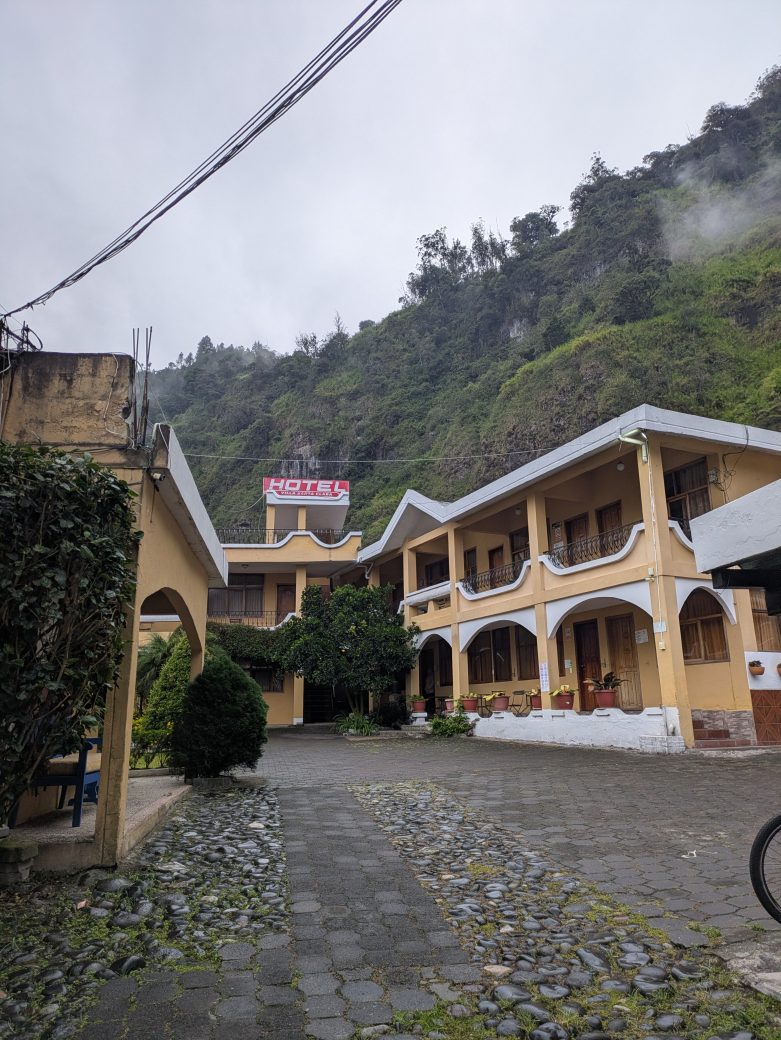
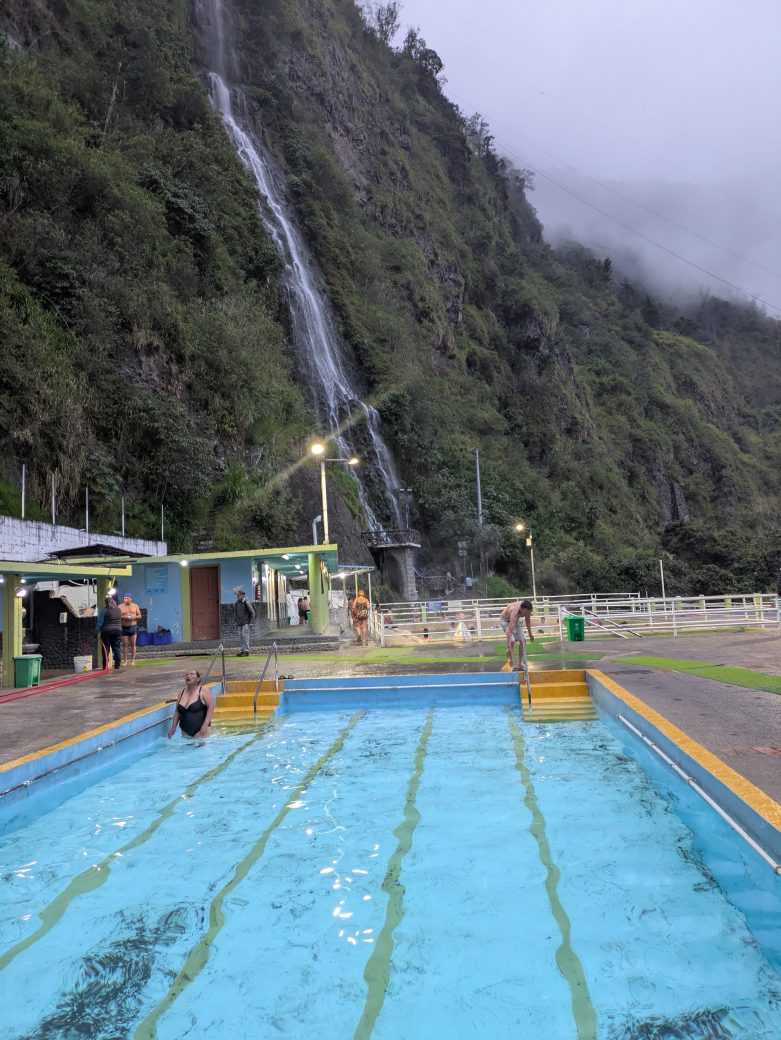
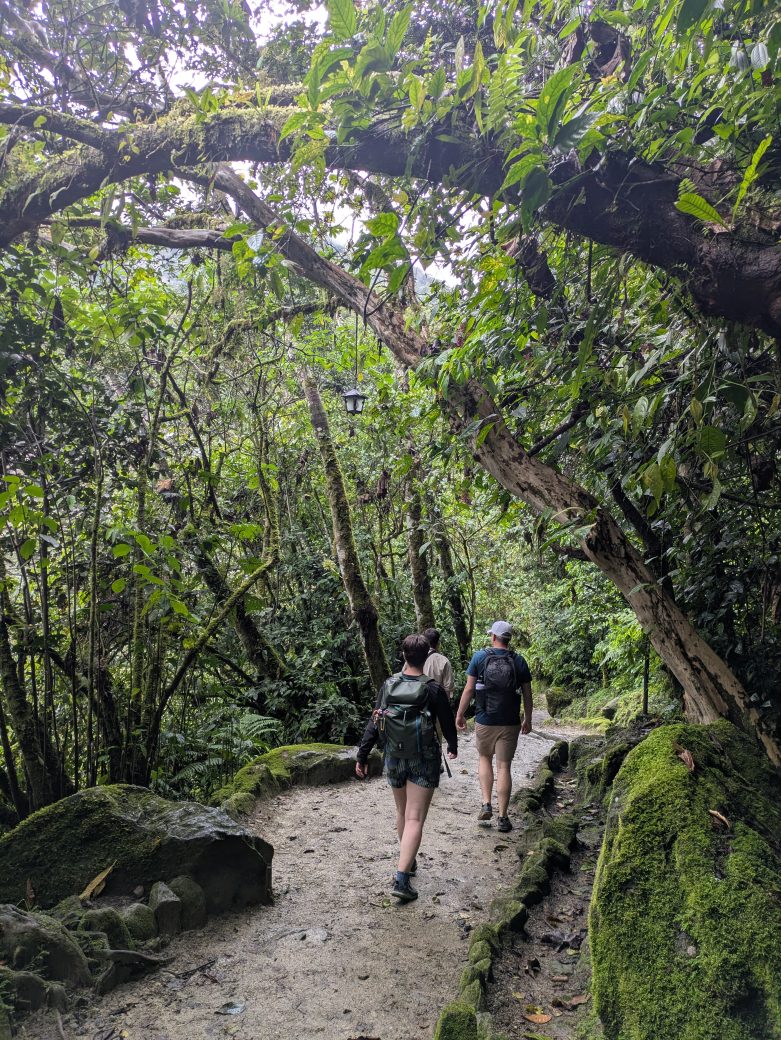
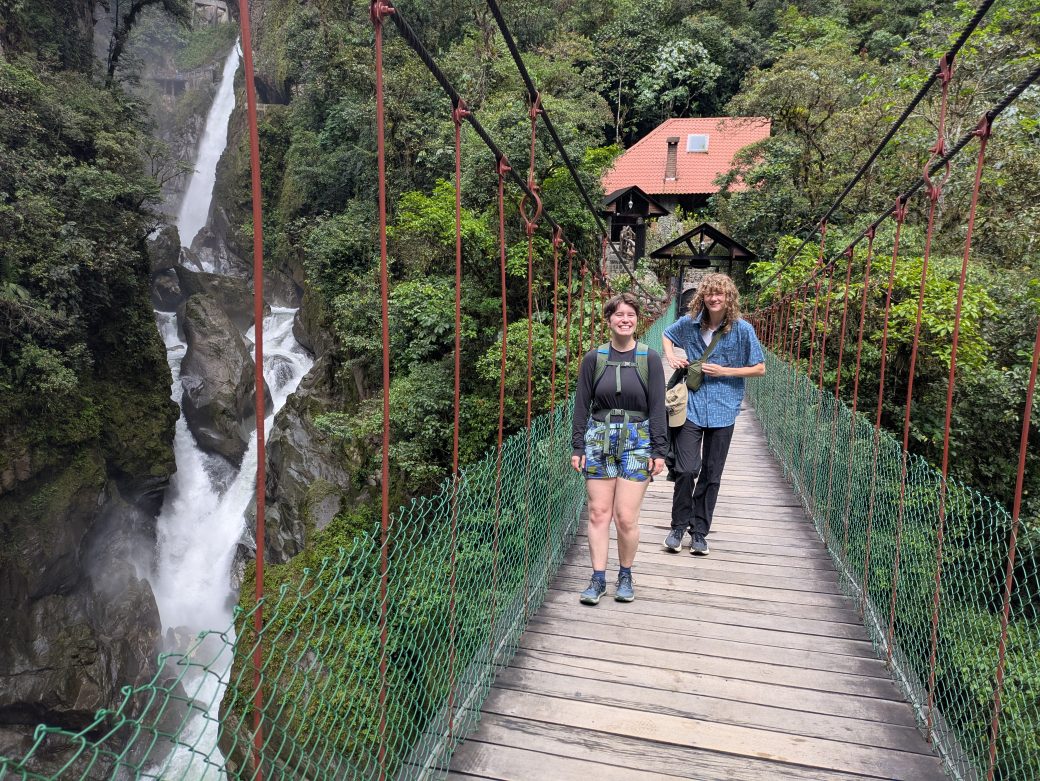
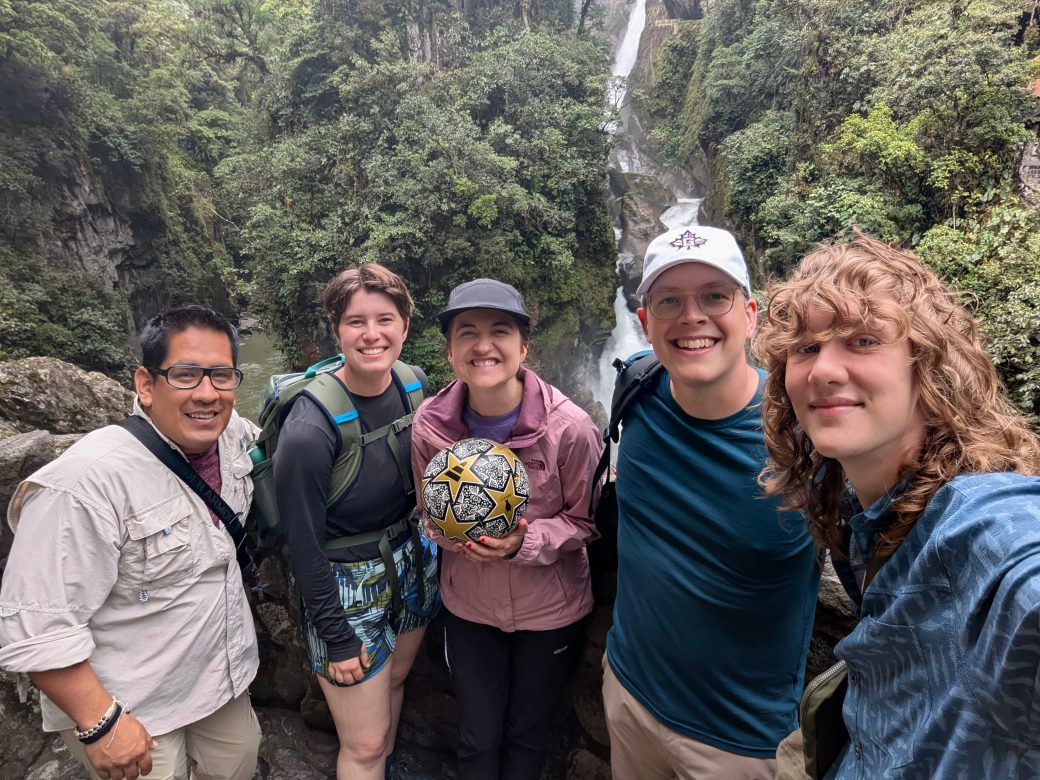
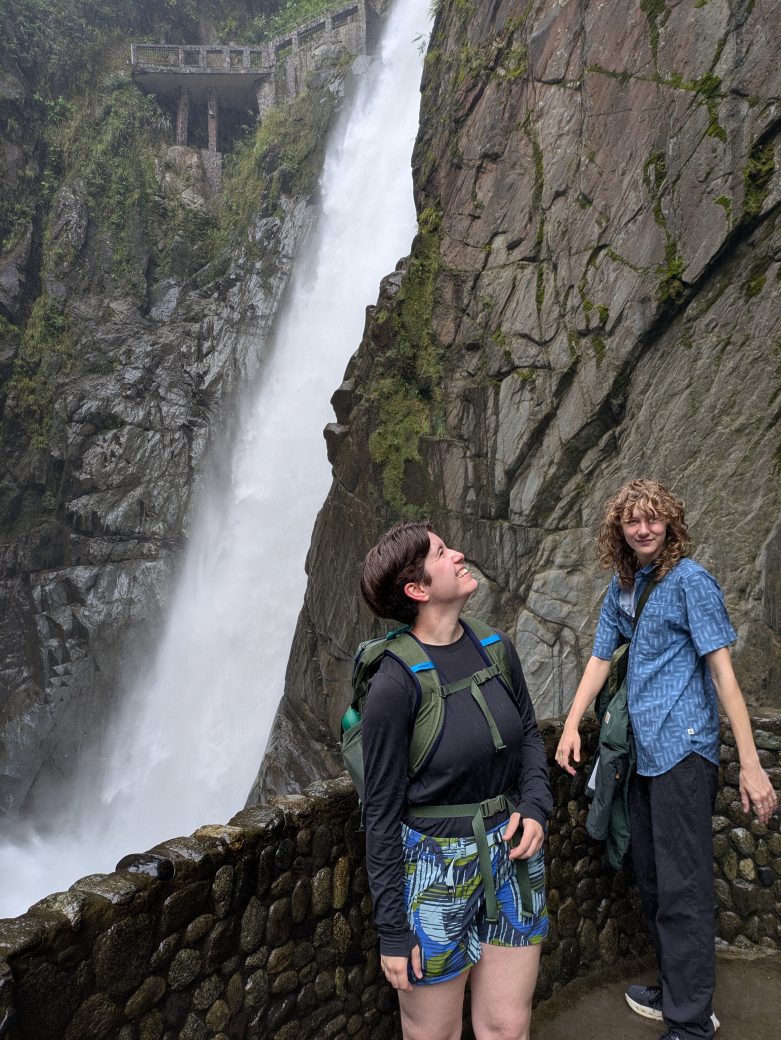
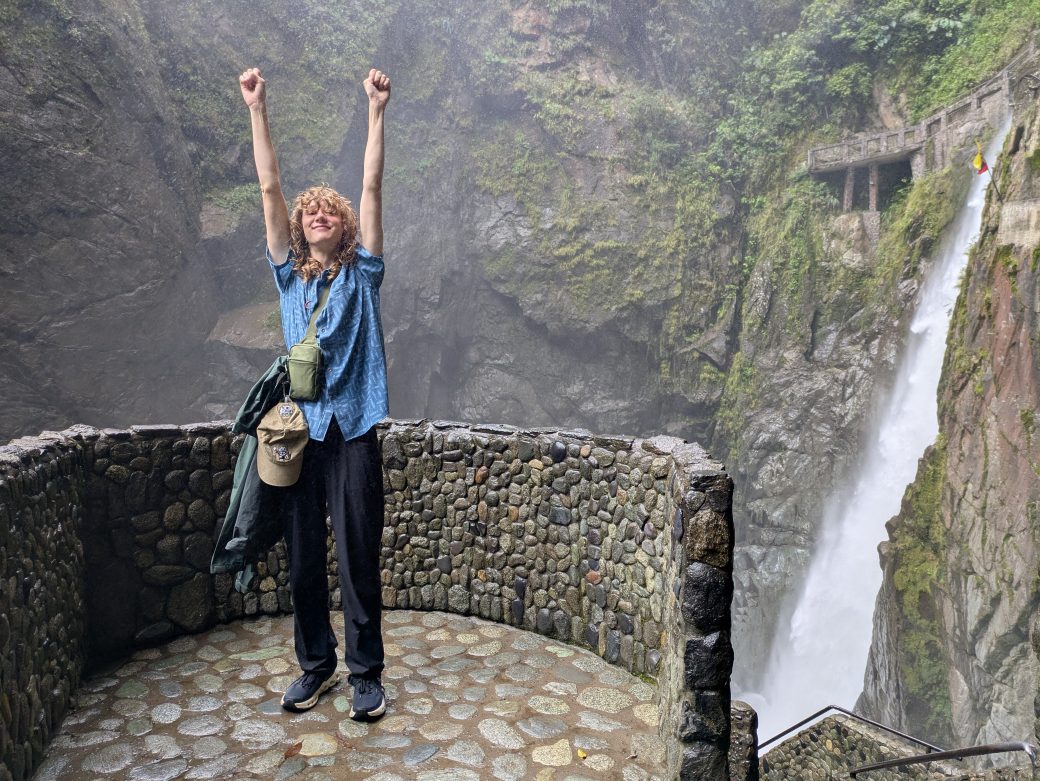
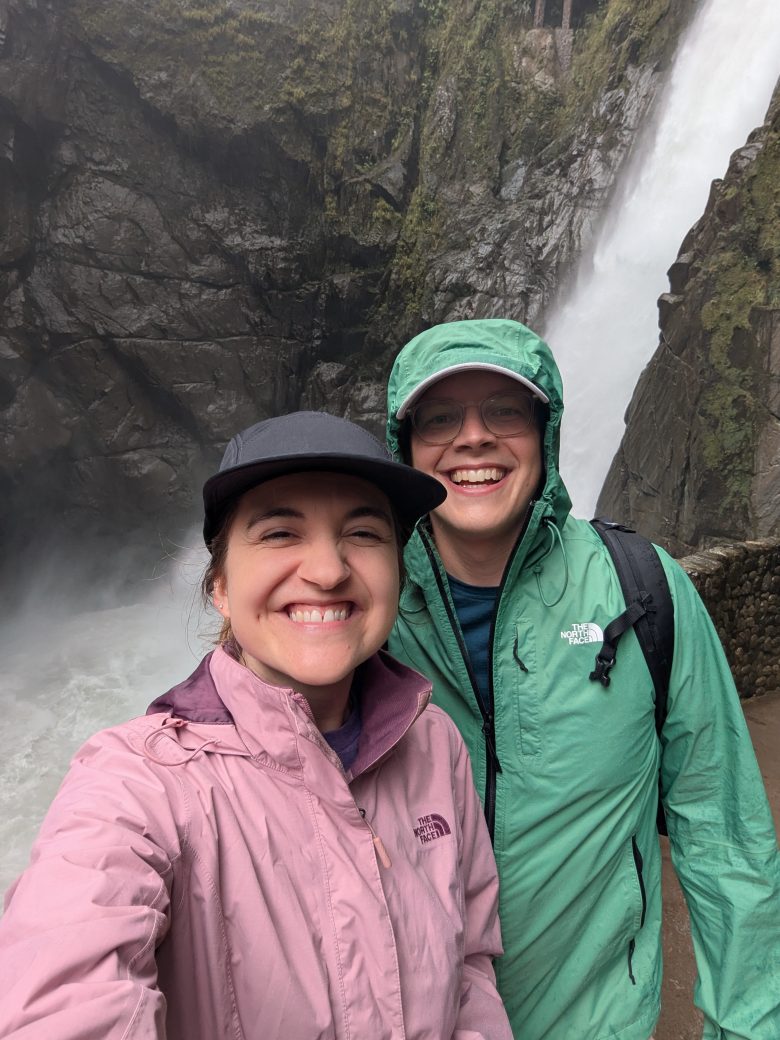
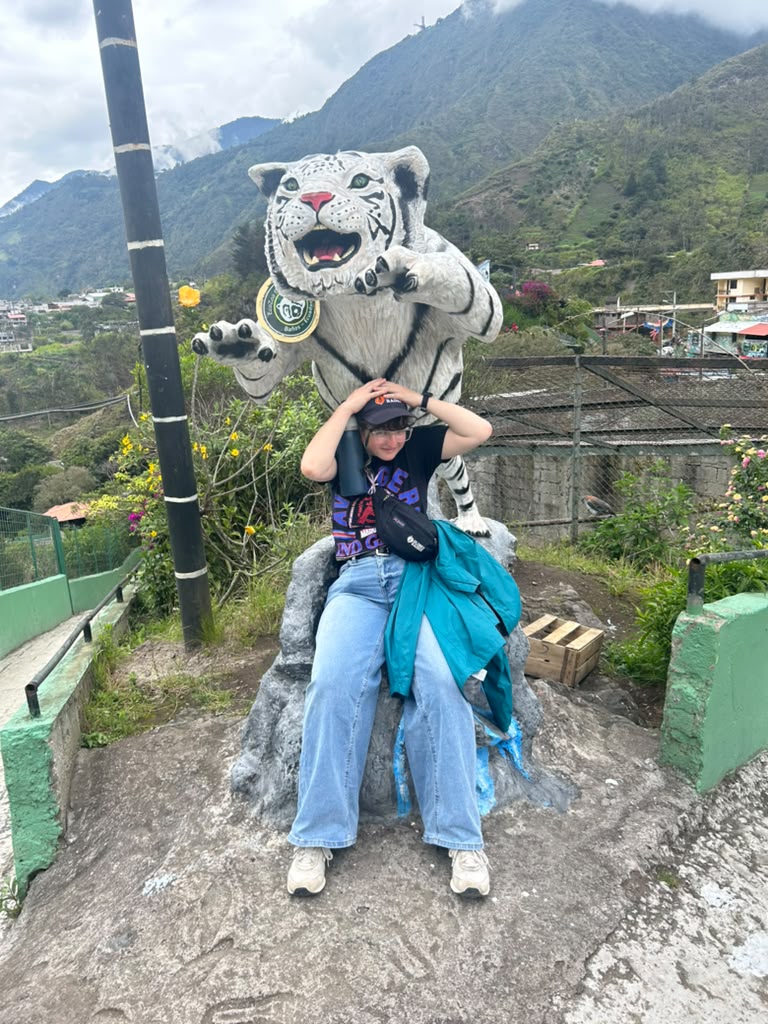
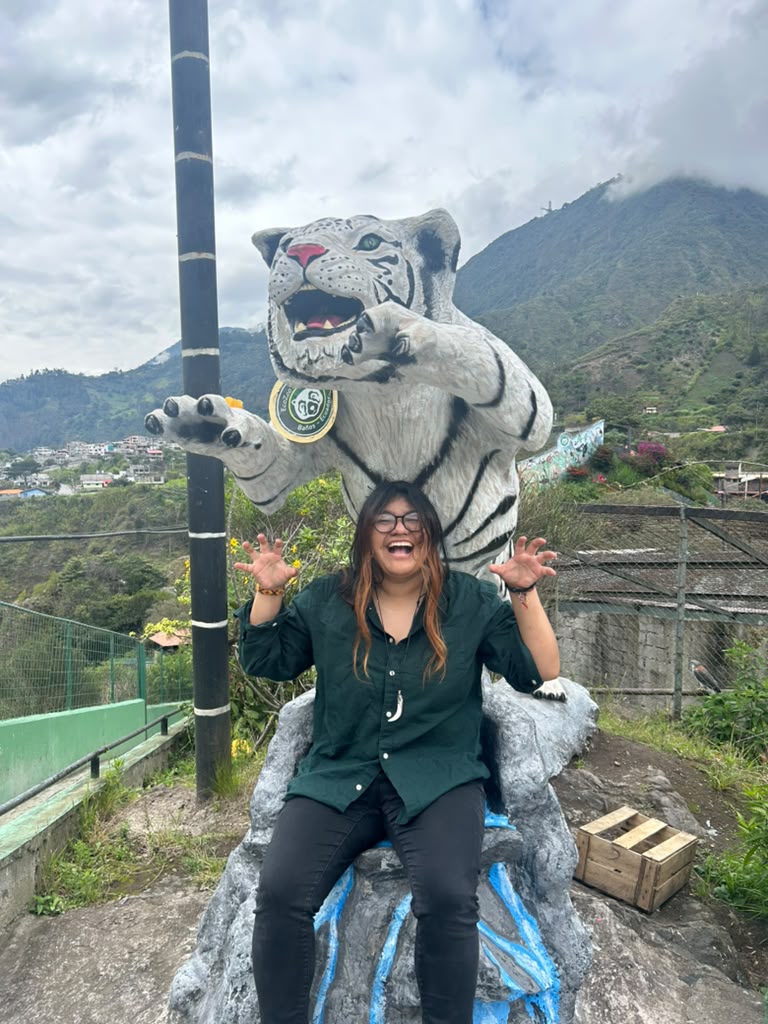
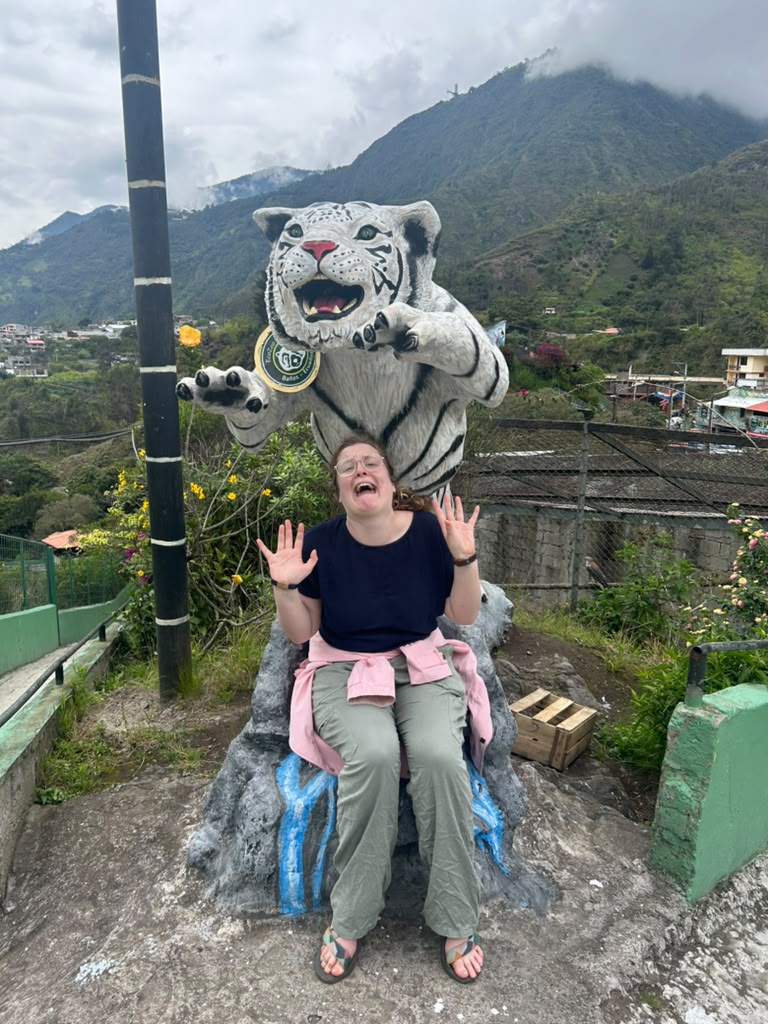
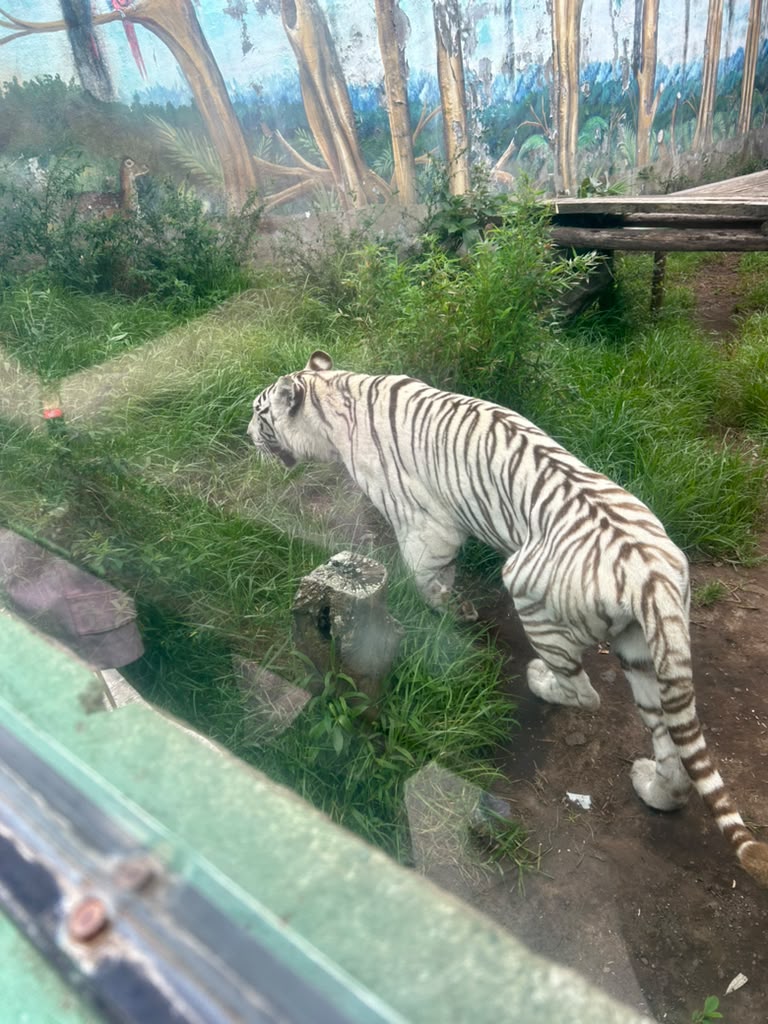
Our final destination was Baños, a well-known tourist town on the Rio Verde. Its full name is Baños de Agua Santa, or “baths of holy water,” named for the volcanic thermal pools where miraculous sightings of the virgin Mary have been reported. Once again we got to enjoy lounging in spring-fed hot pools at the foot of the mountains. We also split into groups to enjoy some other activities. One group went with Diego to hike the Pailon del Diablo, a massive waterfall outside of town whose trail offers stunning views of the river and steep ravines surrounding it. Another group went with Klever to the San Martin Eco Zoo to see more wildlife, including a rare sighting of the white tiger who lives in captivity there.
We returned to Quito feeling refreshed and inspired by all we had experienced. Our last week of study will be spent in Quito with some fun learning experiences and quality time with our host families and Quito partners!
 Global Education
Final retreat in Ecuador
 Global Education
Life on the ward
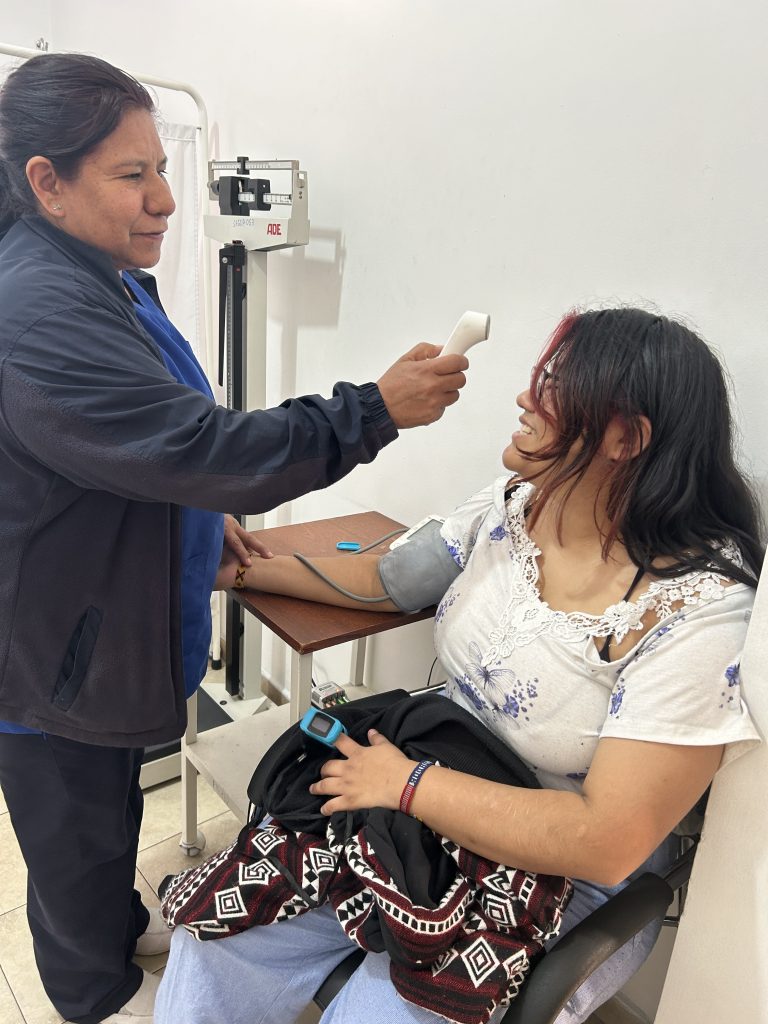
By Dayanara Aguirre-Mulato During my service placement at the municipal Centro Médico in Riobamba, I had the privilege to be able to work alongside other nurses. Day to day each patient comes in to register for their appointment and I…
 Global Education
Service visits: opportunities for connection in Ecuador’s “provincias”
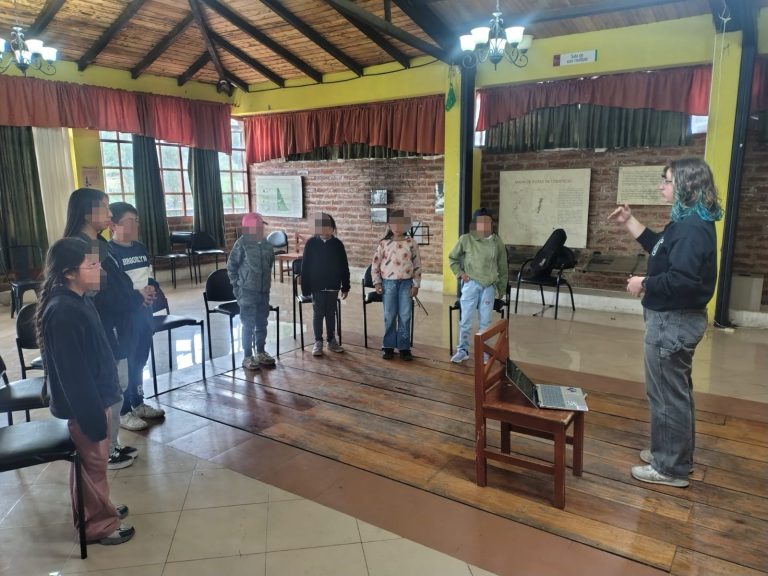
By Hillary Harder During the Service term, leaders have the privilege of traveling to visit each student at the home and volunteer assignment where they are spending their time during the second half of SST. For us, that meant traveling…