

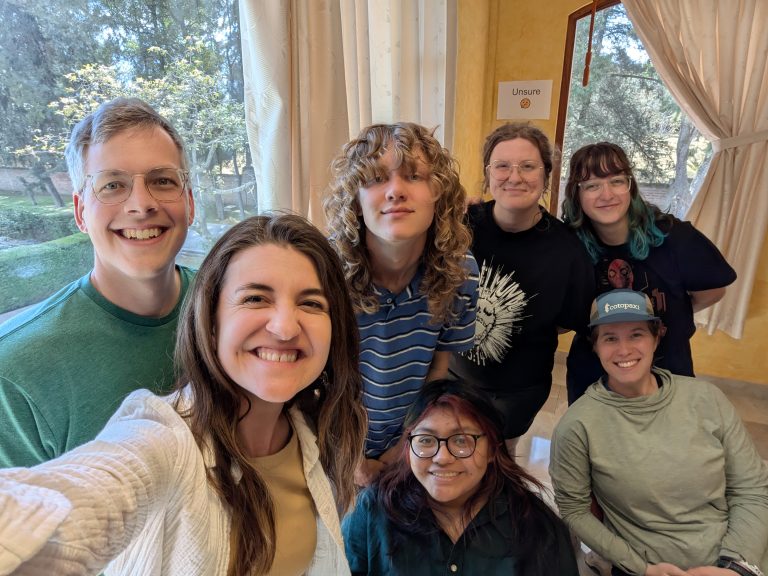
By Hillary Harder On Sunday, July 26, our students returned to Quito from their service communities and we began our final retreat together! The afternoon was full of joyful reunions as each student arrived at our Quito home, la Casa…
News
Ancient Artifacts and Modern Questions
May 19 2025
On Saturday, our class toured the British Museum, one of the largest museums in the world. We started by looking at the (real!) Rosetta Stone, then branched off for our own exploration of the massive collection. We were struck by the sheer antiquity of many of the artifacts on display – one stone chopping tool is over 1.8 million years old. My friends and I marveled at ancient Assyrian wall paintings, Ancient Greek marble statues, and collections of gorgeous ceramics from all over the world.
While exploring the museum’s massive collections, I found myself thinking a lot about acquisition and narrative. The British Museum has come under fire as the “world’s largest receiver of stolen property” (Geoffrey Robertson, human rights lawyer), acquiring artifacts through military conquest, colonialism, and violence. I entered the visit wondering how the museum might acknowledge or respond to these assertions, and I noted several plaques that provided a sort of narrative or justification for the museum’s position of a certain item. For example, the British Museum’s collection of sculptures from the Parthenon purchased from Lord Elgin has been particularly scrutinized. However, a plaque highlighted that Lord Elgin was motivated to excavate and obtain artifacts from the Parthenon in order to save these relics from destruction.
Other collections, like that of Henry Christy, speak to a desire of the collector to preserve cultural artifacts from societies who were being colonized. In an introduction to the Africa exhibit, the museum notes that many objects were “purchased, donated, or commissioned” while others were “acquired in the context of colonization” or “arrived as a direct result of British military expeditions.” The plaque does not elaborate further, expressing neither remorse or reflection on the ethics of displaying objects taken by military or colonial force. In class discussions after the museum visit, we wrestled with how to ethically view the British Museum. Many of us came away feeling as though the overall museum was more a history of wealthy British collectors than a history of the people who made and used the various artifacts.
On a more positive note, admission is free, and the museum is an incredible opportunity to see things from all over the world safely preserved in one place.
 Global Education
Final retreat in Ecuador
 Global Education
Life on the ward
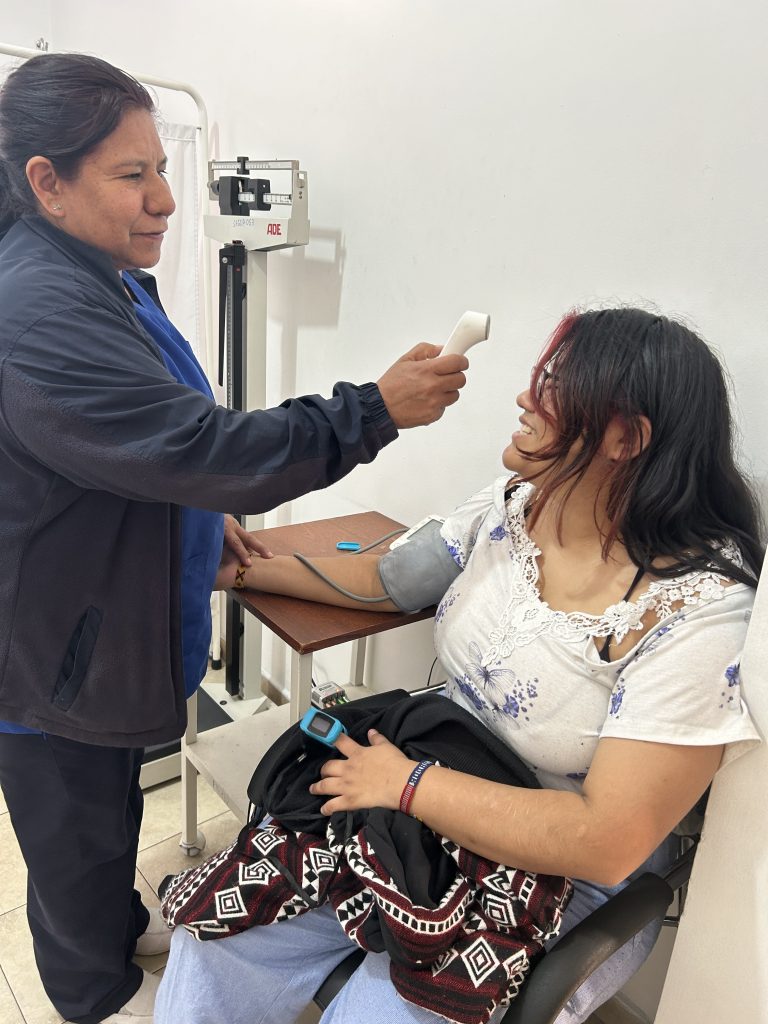
By Dayanara Aguirre-Mulato During my service placement at the municipal Centro Médico in Riobamba, I had the privilege to be able to work alongside other nurses. Day to day each patient comes in to register for their appointment and I…
 Global Education
Service visits: opportunities for connection in Ecuador’s “provincias”
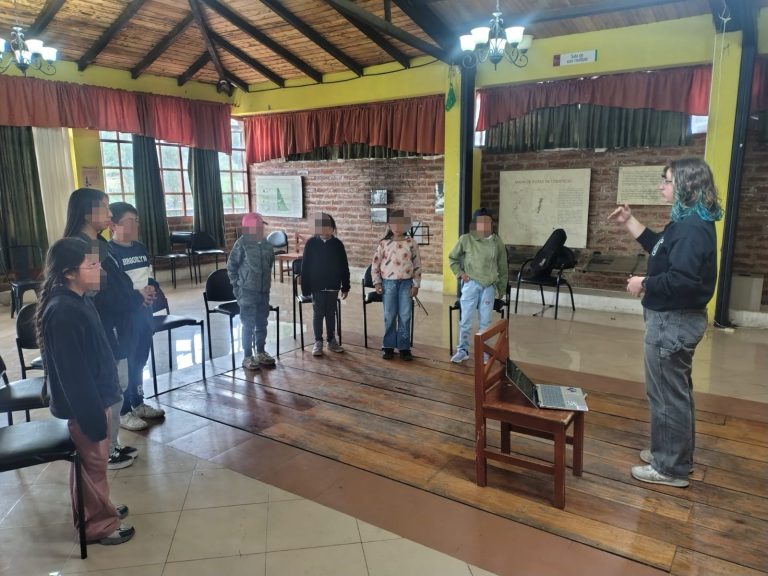
By Hillary Harder During the Service term, leaders have the privilege of traveling to visit each student at the home and volunteer assignment where they are spending their time during the second half of SST. For us, that meant traveling…