

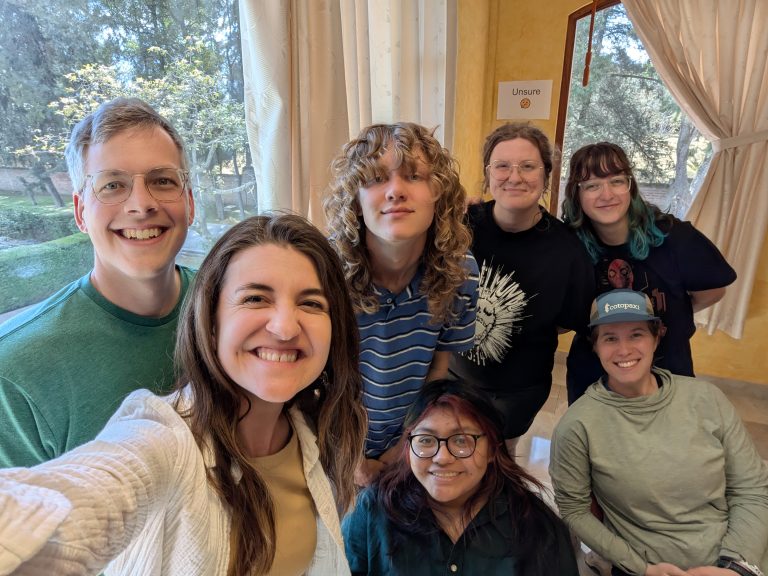
By Hillary Harder On Sunday, July 26, our students returned to Quito from their service communities and we began our final retreat together! The afternoon was full of joyful reunions as each student arrived at our Quito home, la Casa…
News
Brati village and the environment
Feb 12 2024
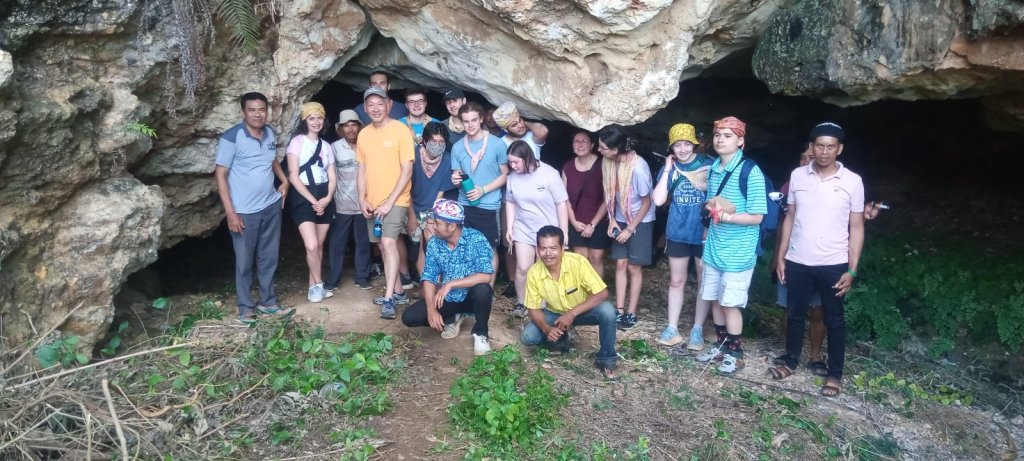
We journeyed forth on our environmental field trip this past week. Our destination was a traditional village that is working to address environmental and economic issues by reforestation with productive trees (mango and avocado) and development of environmental tourism to bring additional funds in. We discovered that being in a village is much different from city life, allowing us to the opportunity to see and experience another side of this beautiful and diverse country. We were so grateful to Pak Paulus and Pak Firman for the planning and preparation that this trip took!
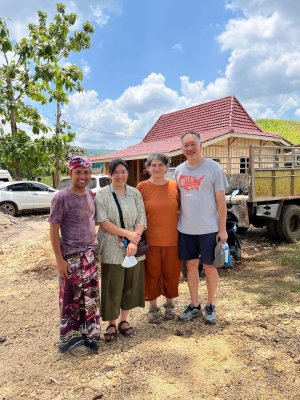
Pak Firman and the Setiawan family in front of the Koperasi
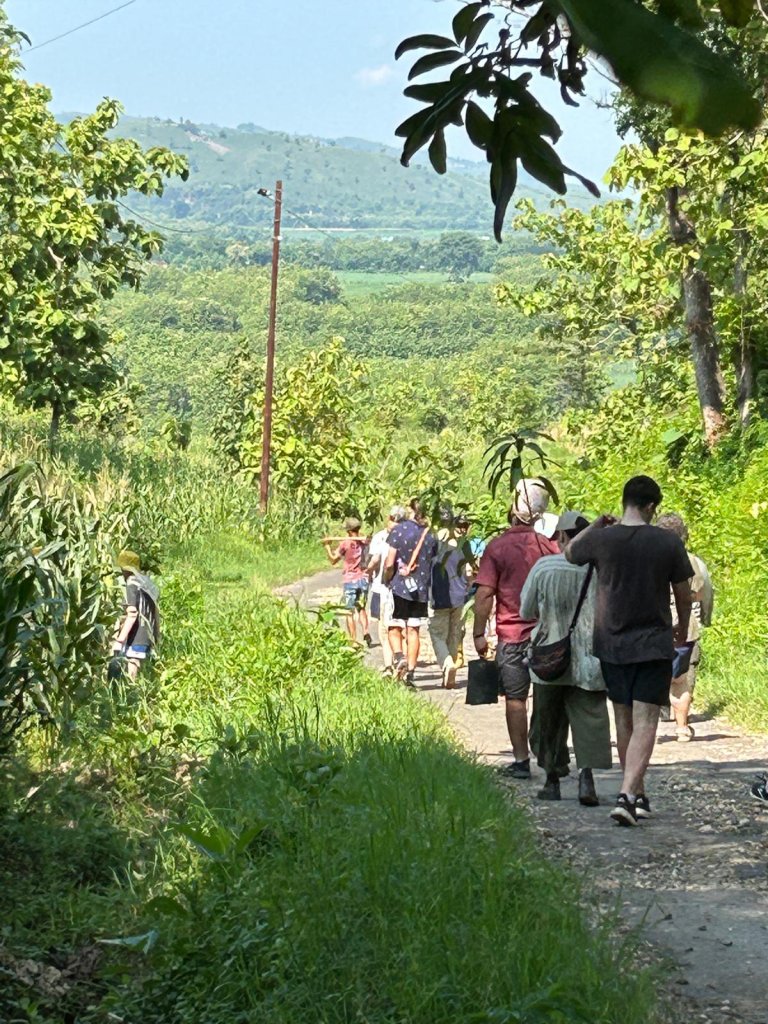
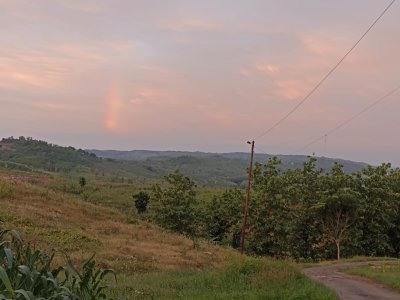
Our first morning I woke to both the morning call to prayer and the sound of chickens outside my house. An early morning walk to the top of the hill provided this view:
We gathered for breakfast at the Koperasi, a new building that is a meeting place for people in the village and hamlet, and also a site where visitor groups will be able to gather. We were privileged to hear some of the story of the village, including the deforestation and the newer reforestation efforts.
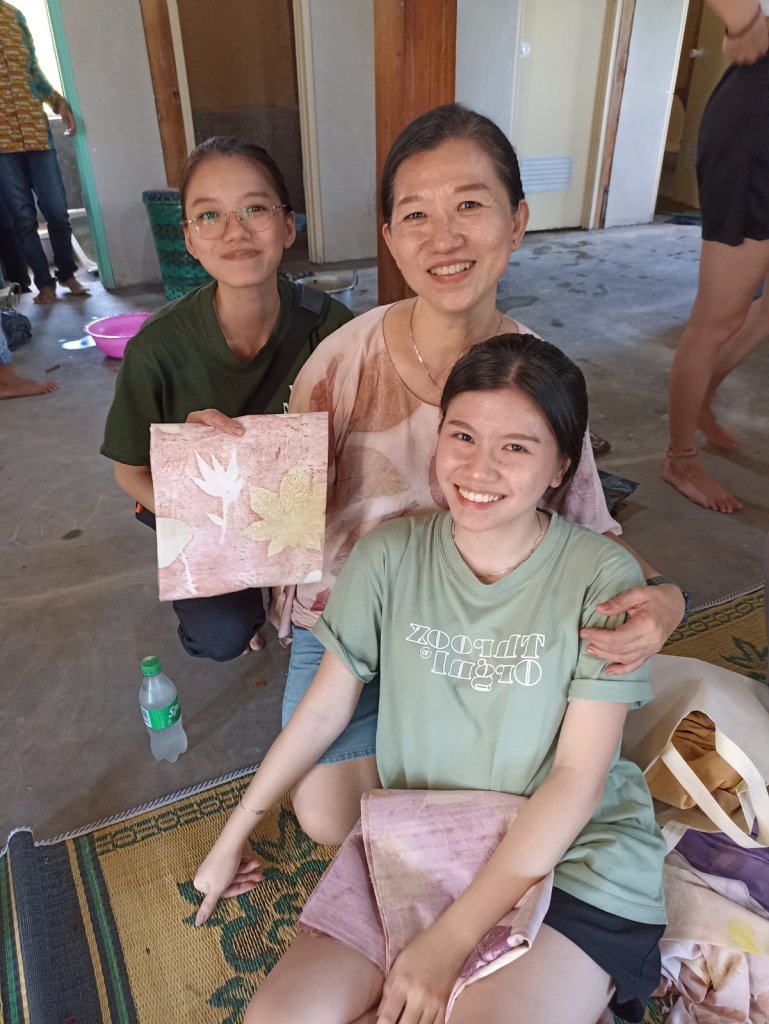
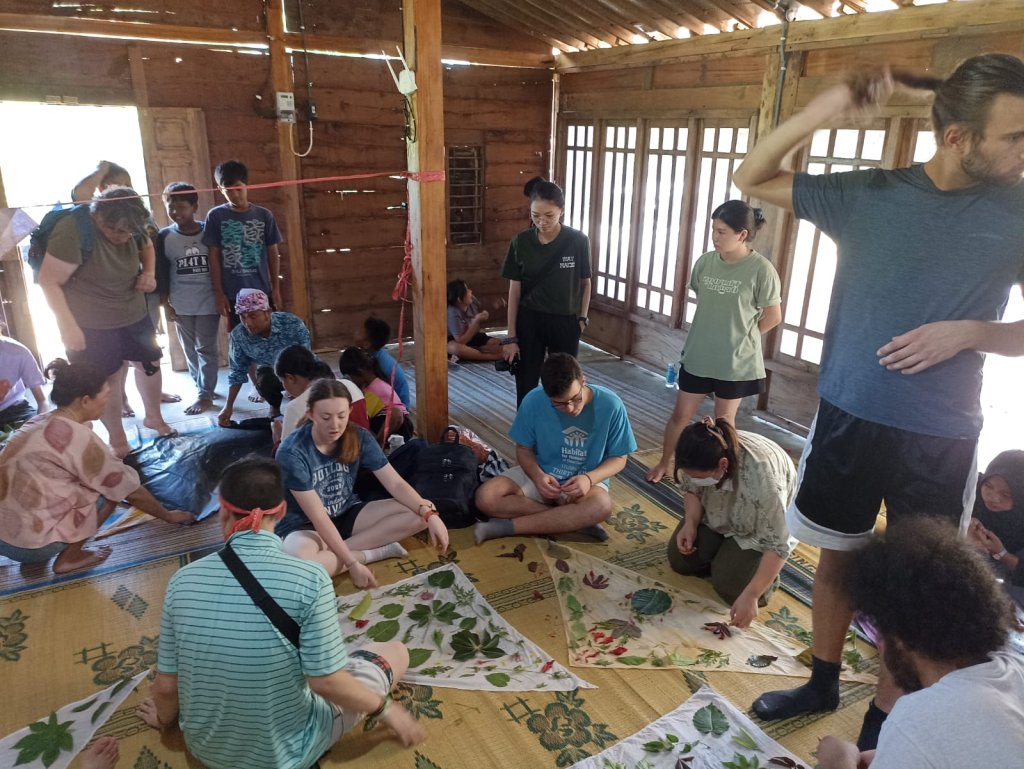
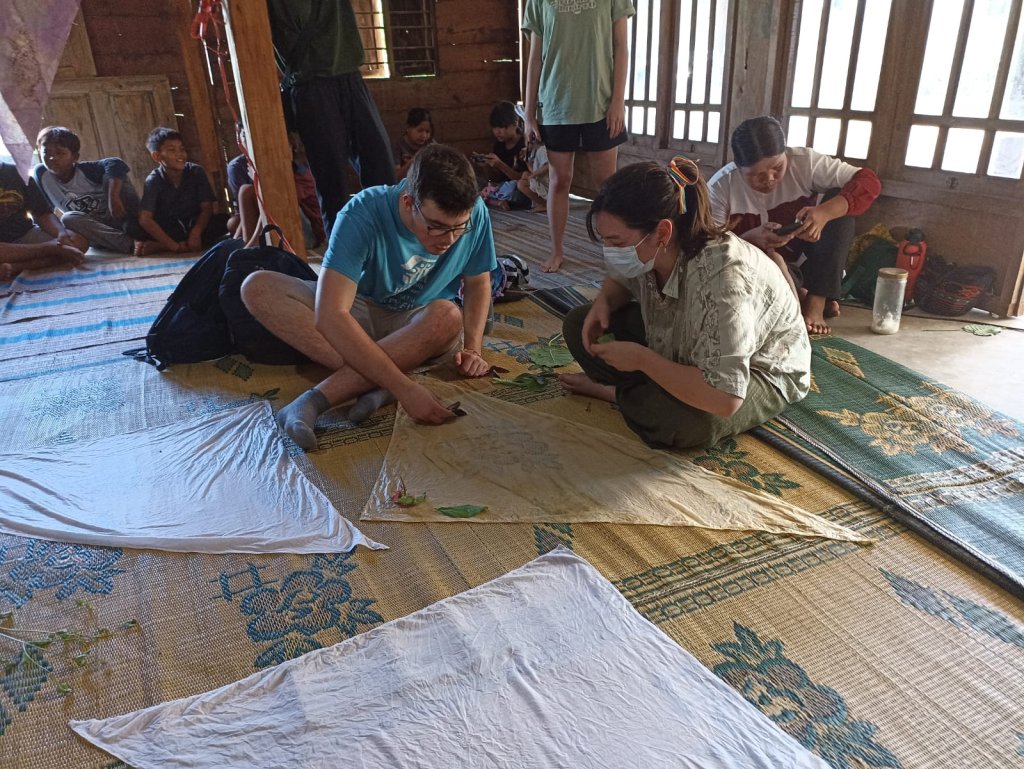
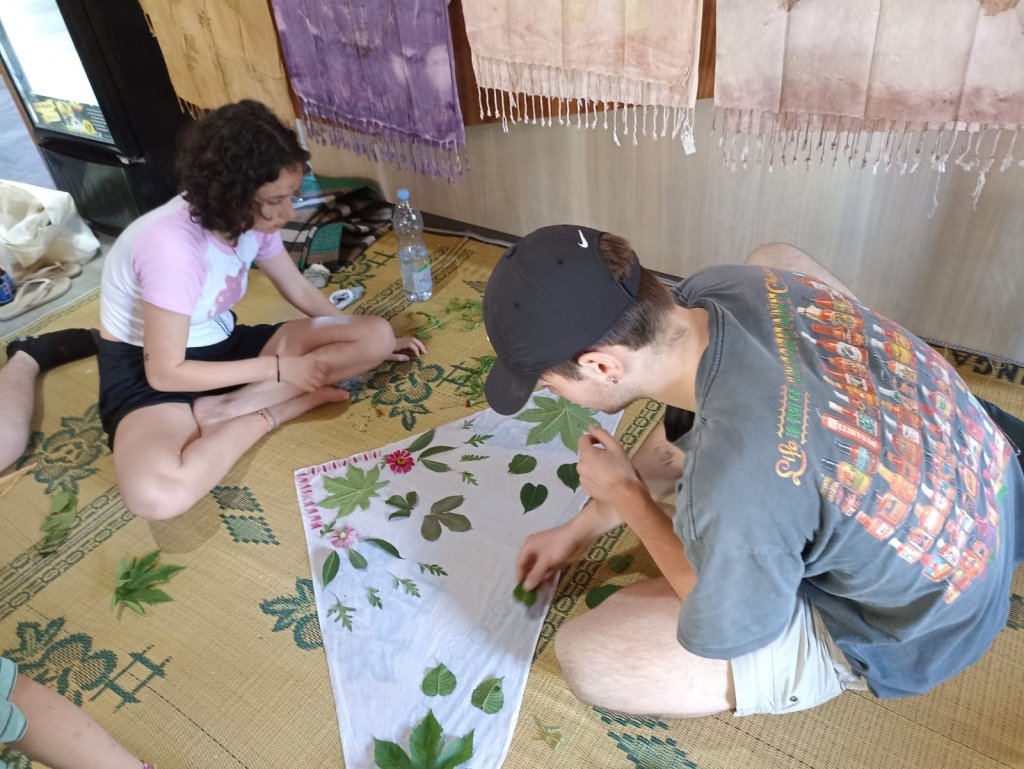
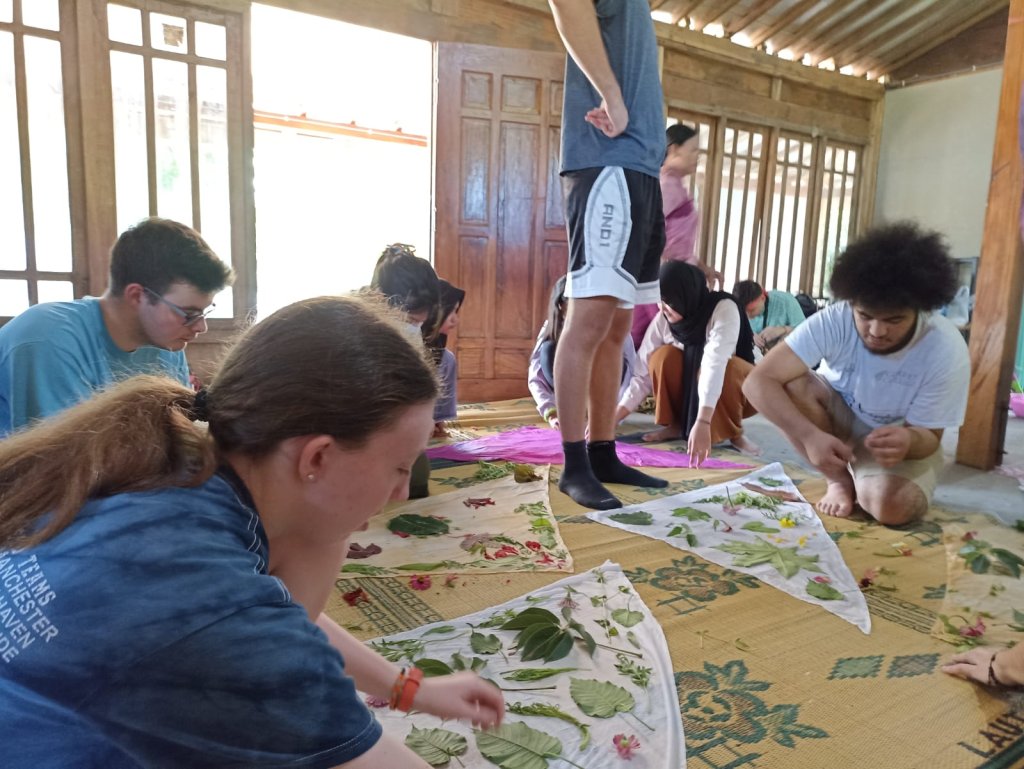
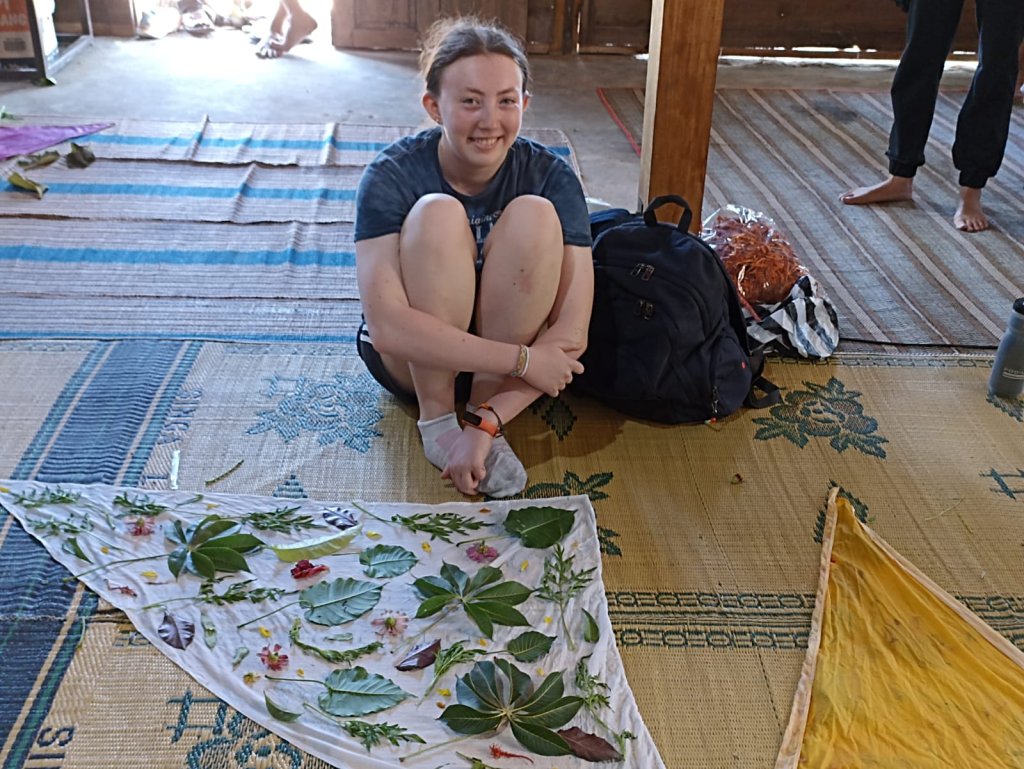
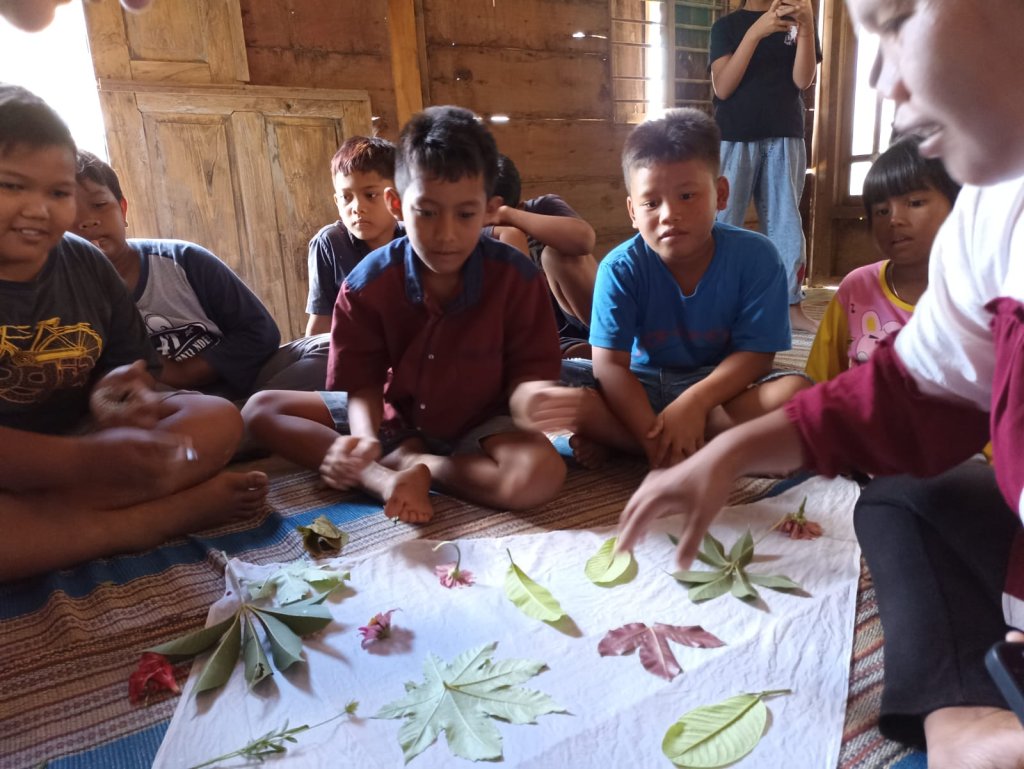
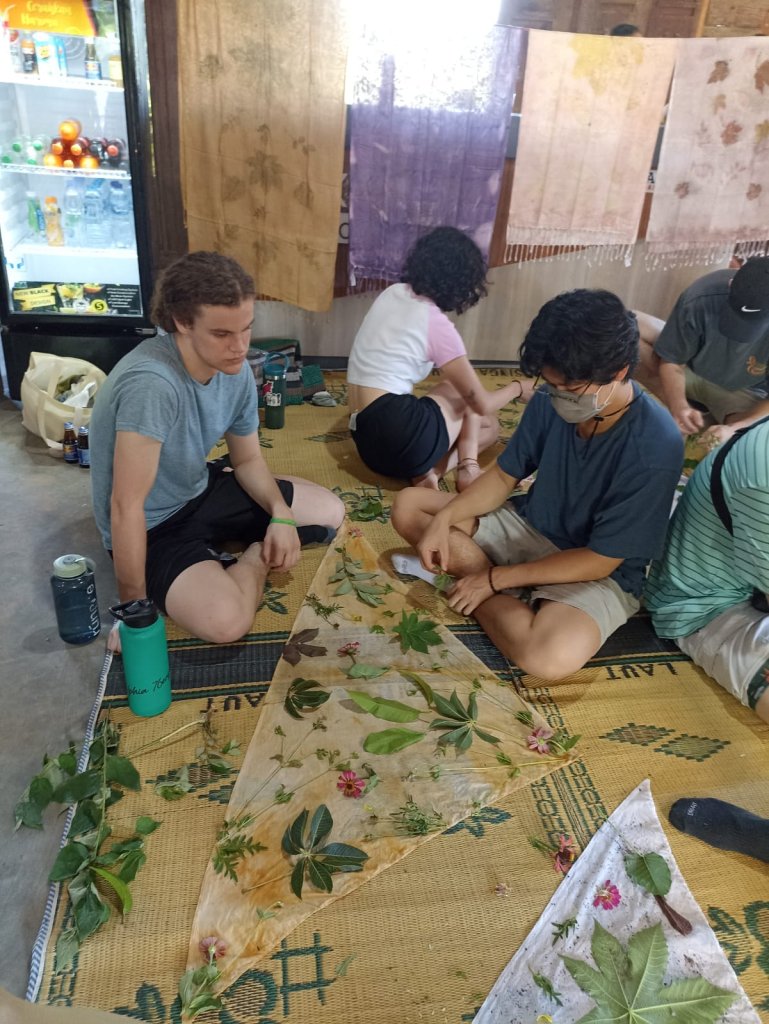
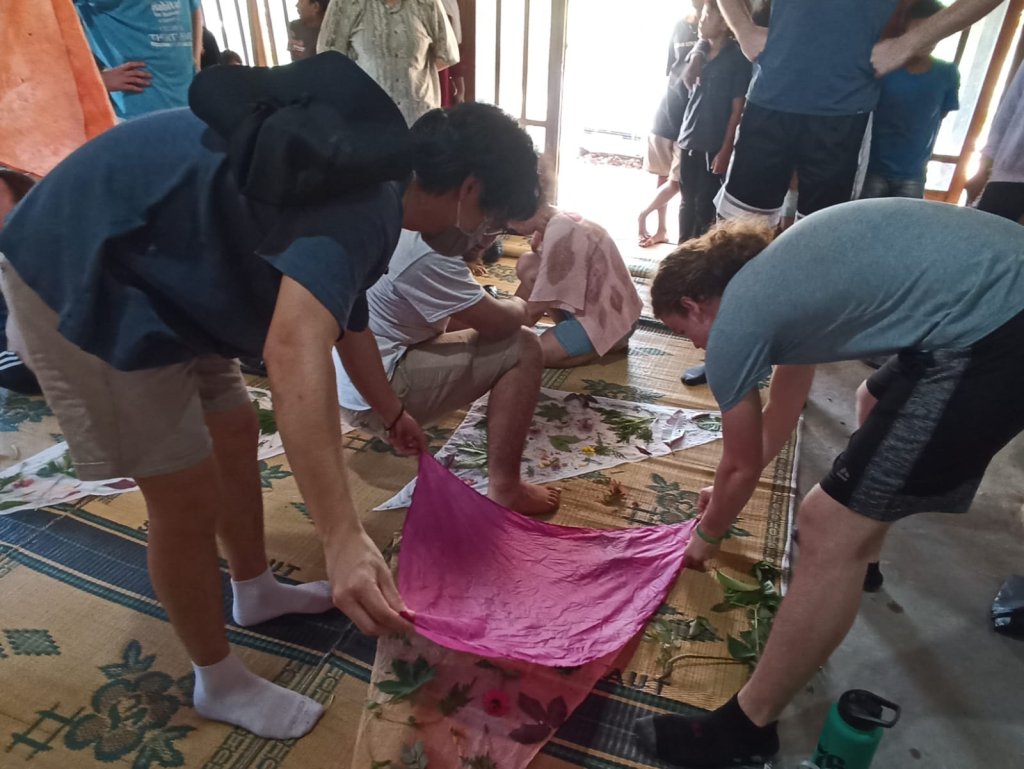
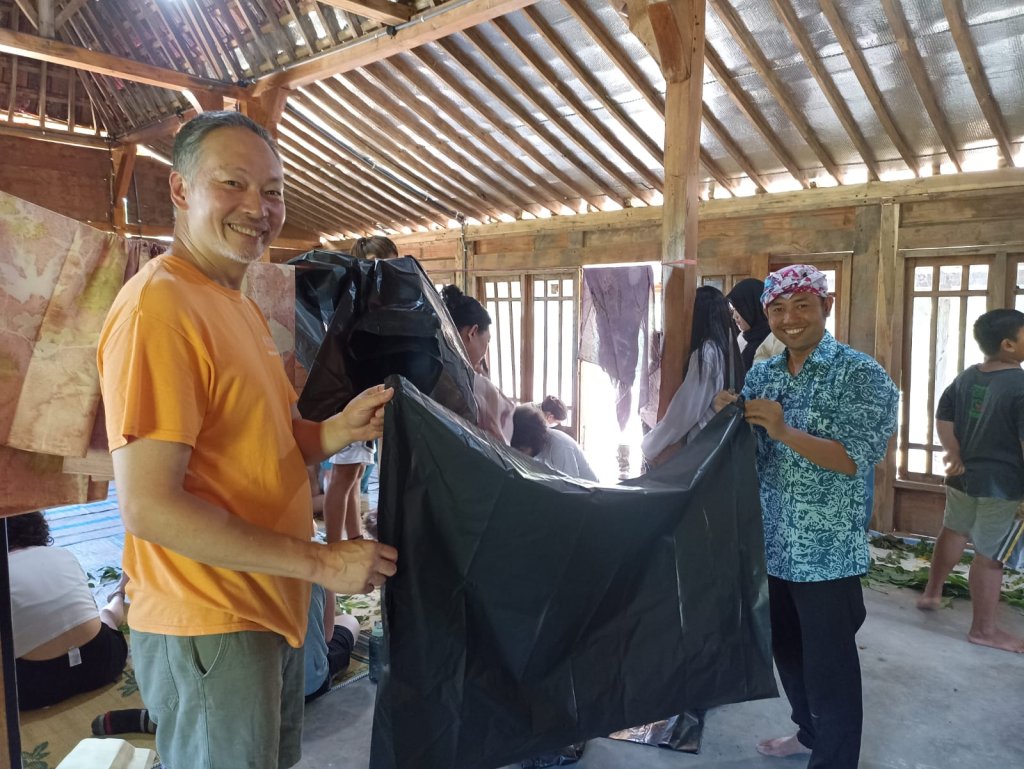
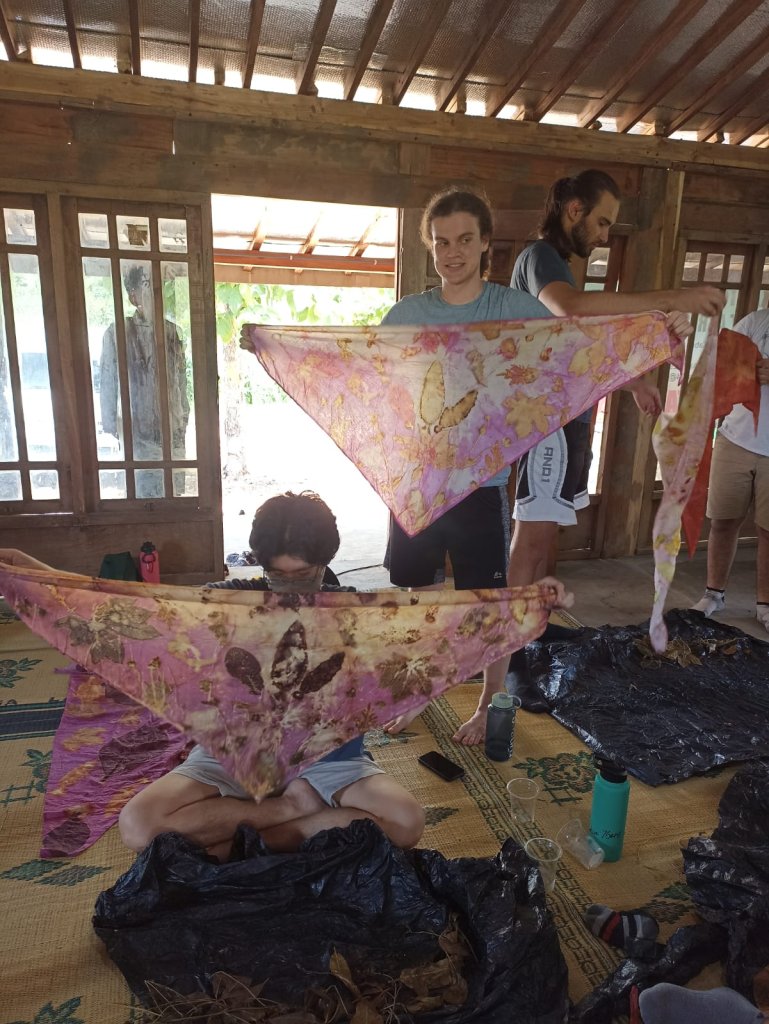
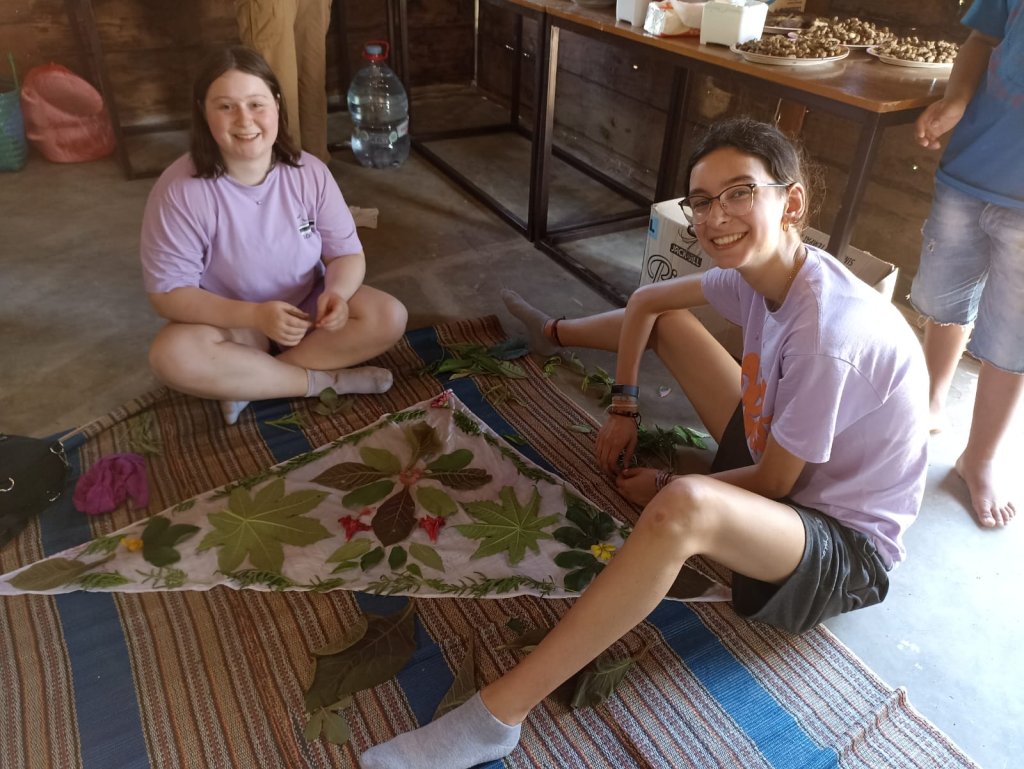
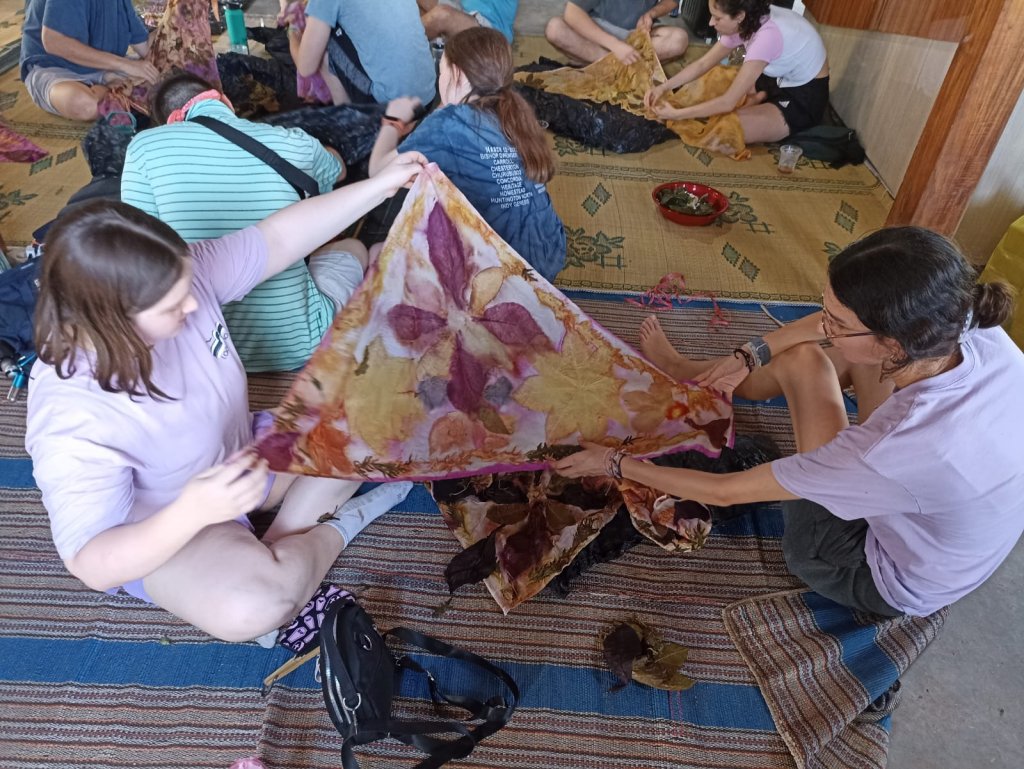
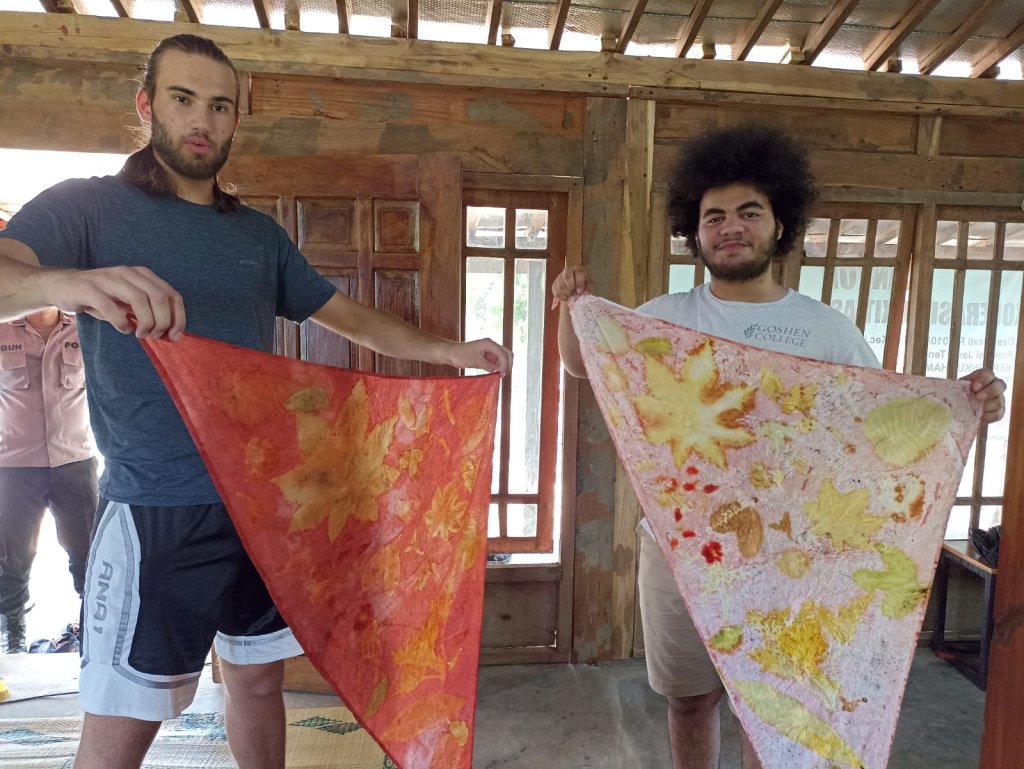
Then Ibu Rut led us through an eco-dyeing process, where we used natural dyes from roots and bark, as well as flowers and leaves. Working in pairs of two, we created designs with the flowers and leaves. The cloth was then boiled in water for two hours.
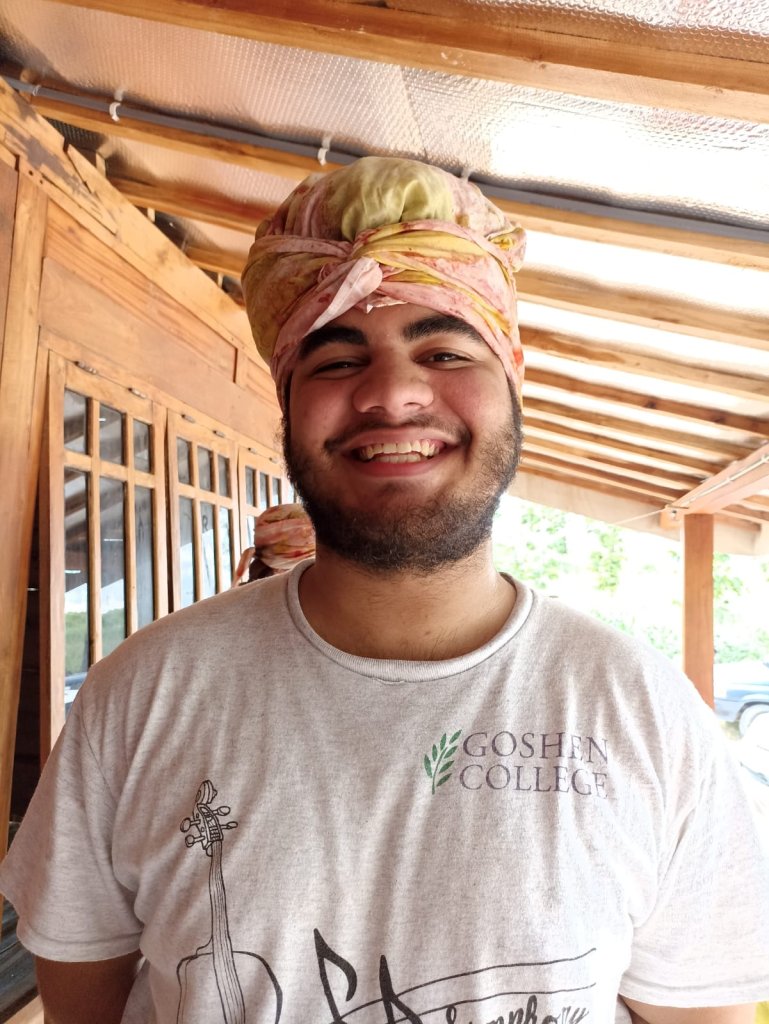
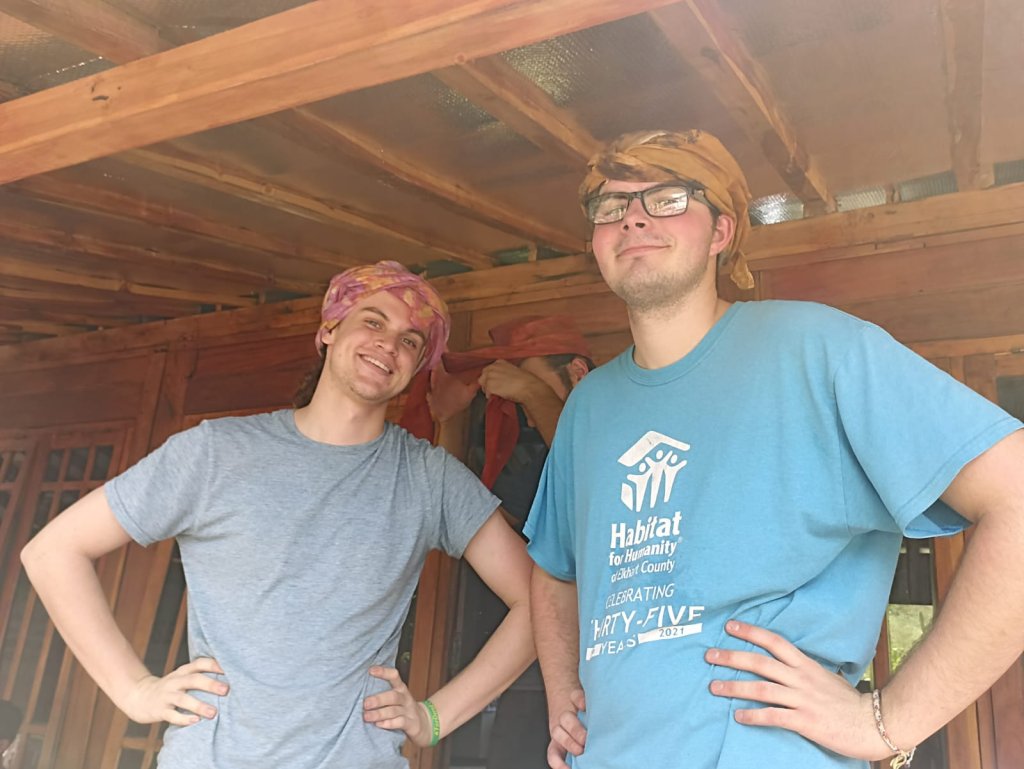
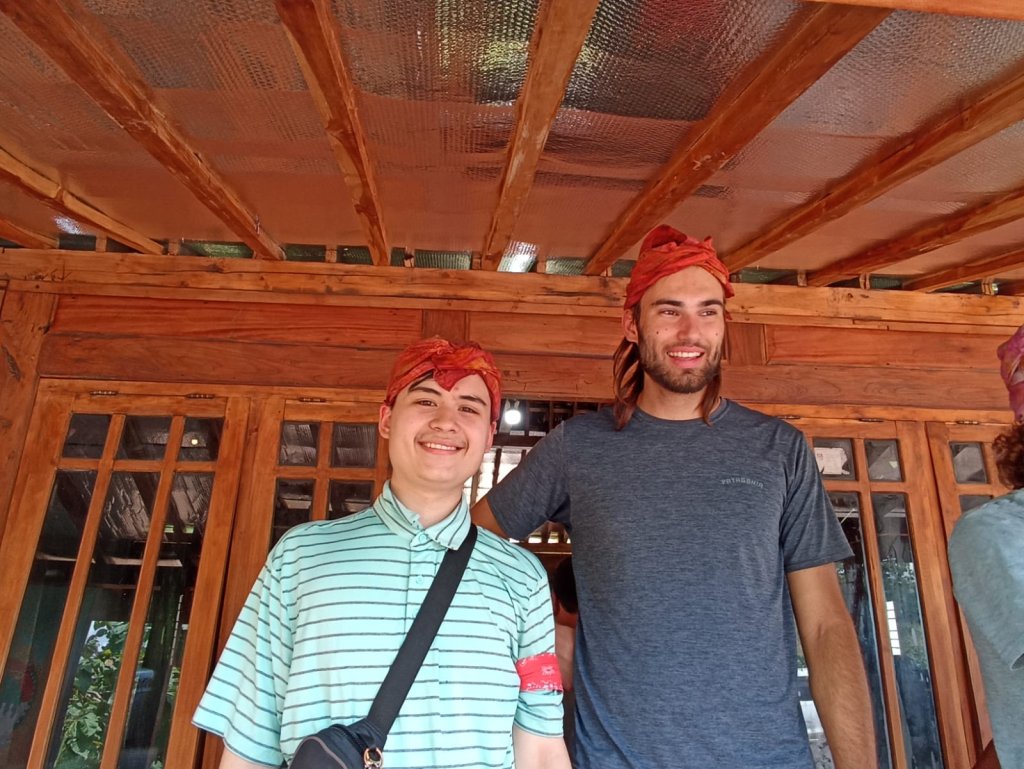
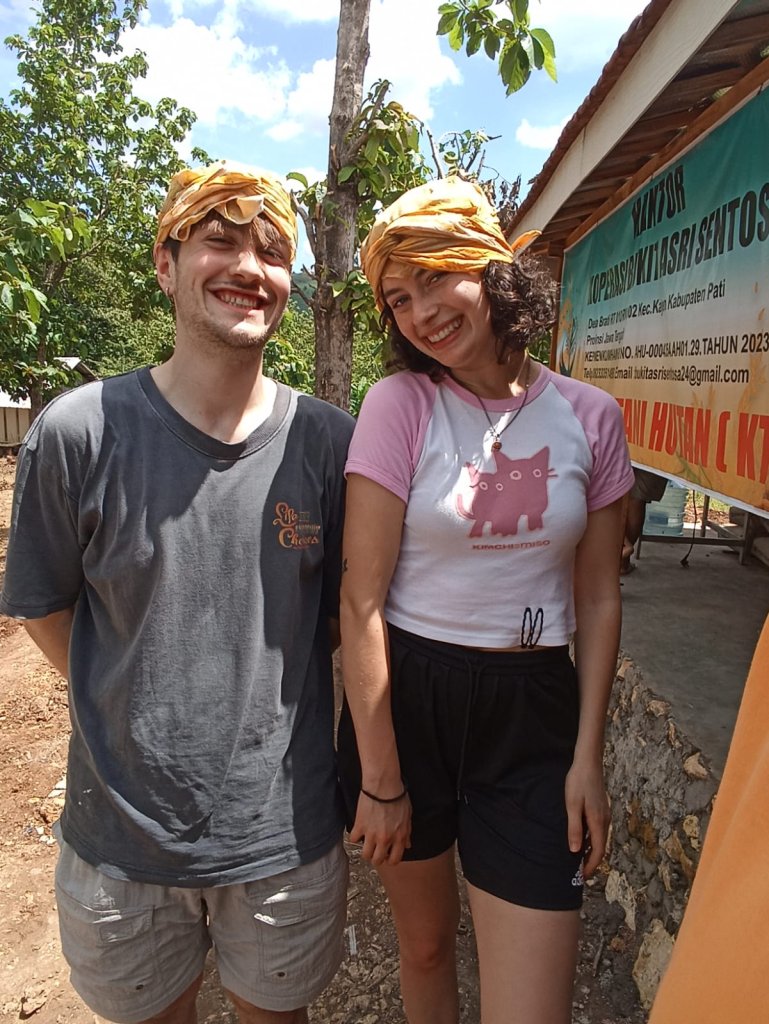
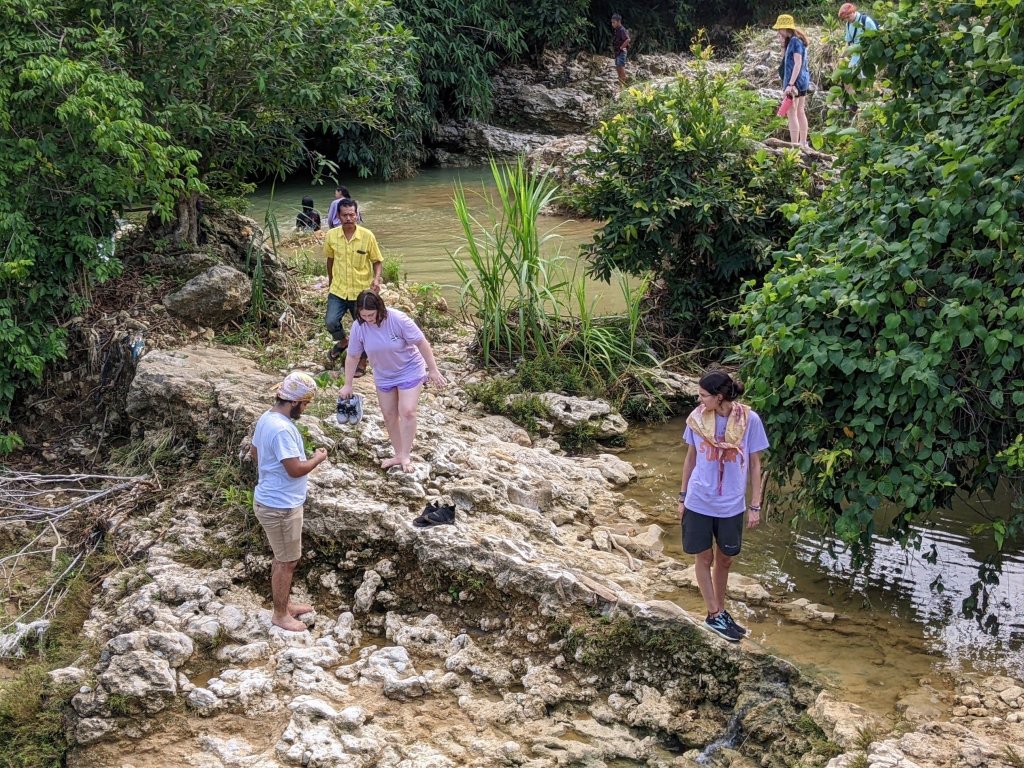
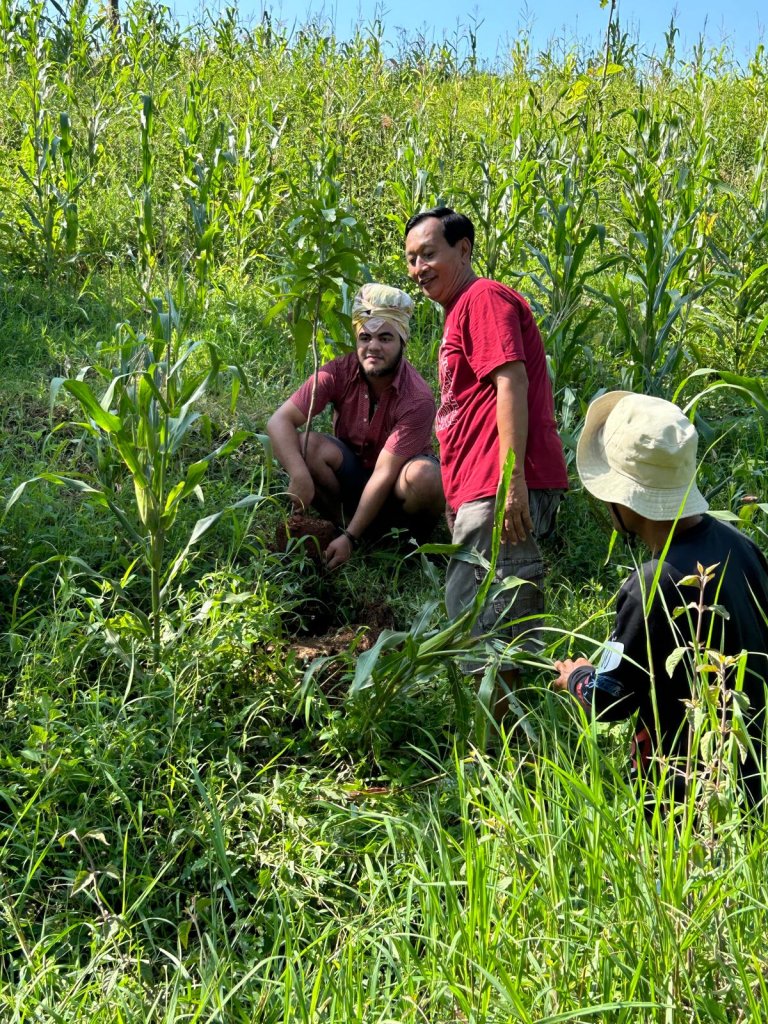
After the cloth was finished, Pak Firman showed us how to tie the bandana into a traditional head covering.
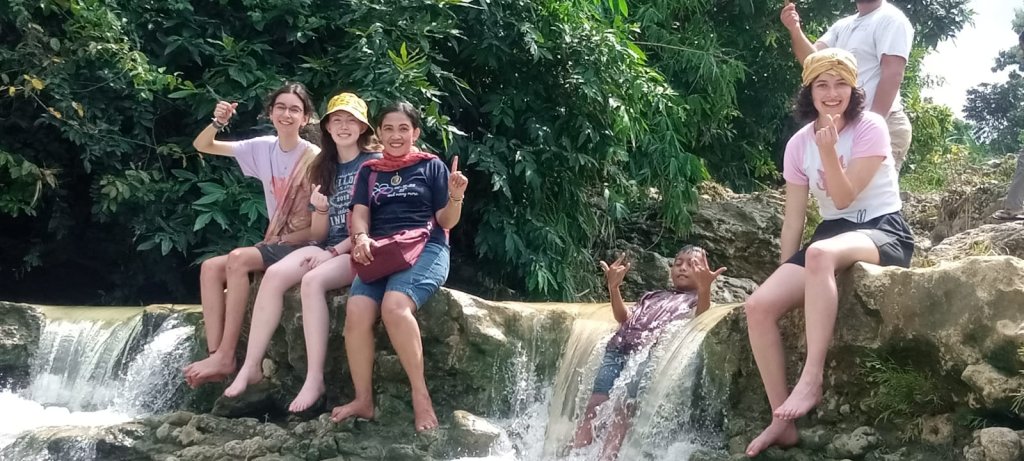
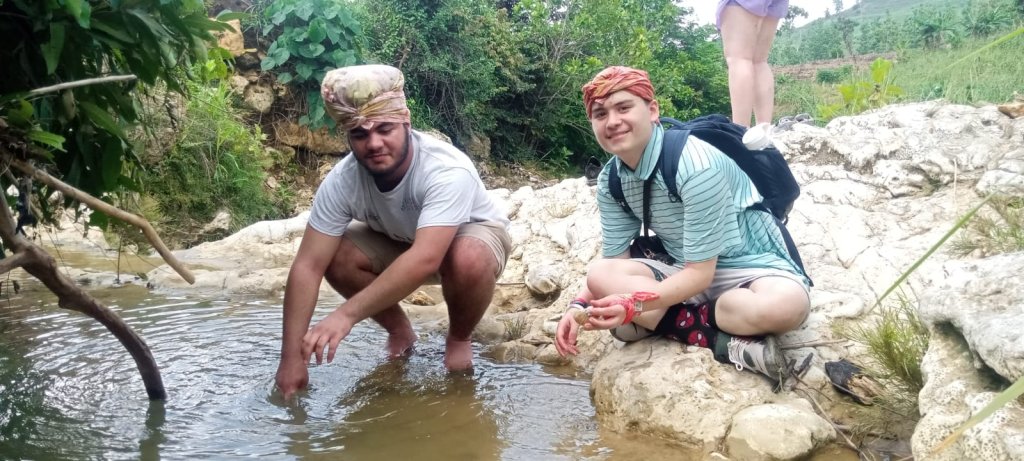
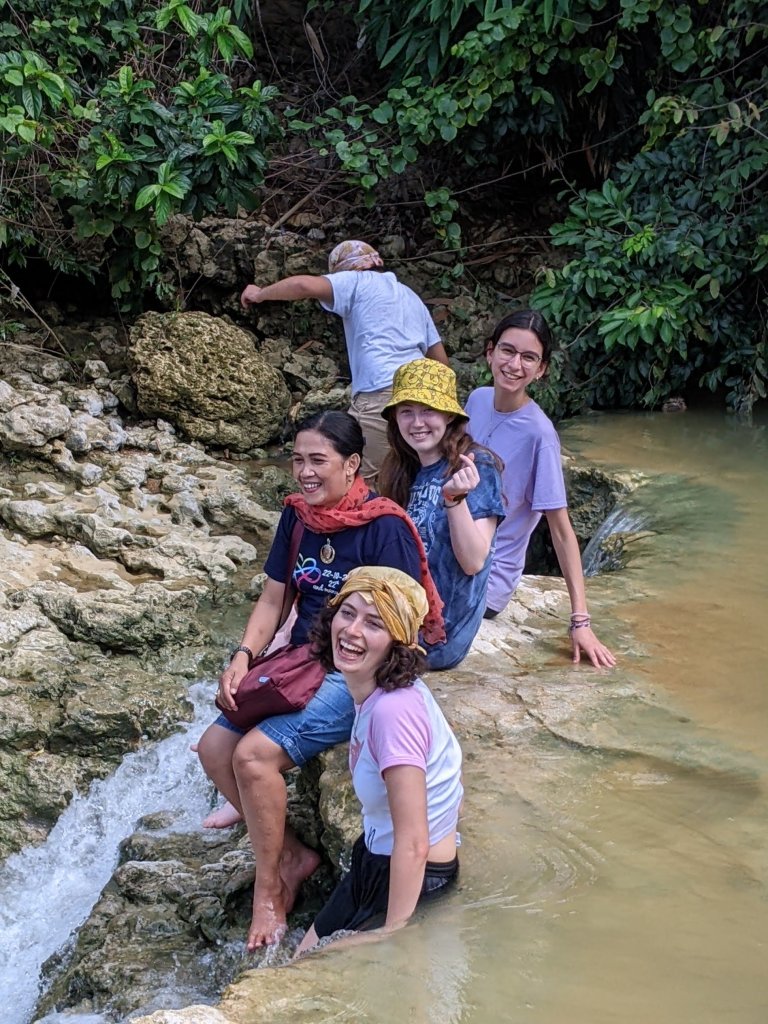
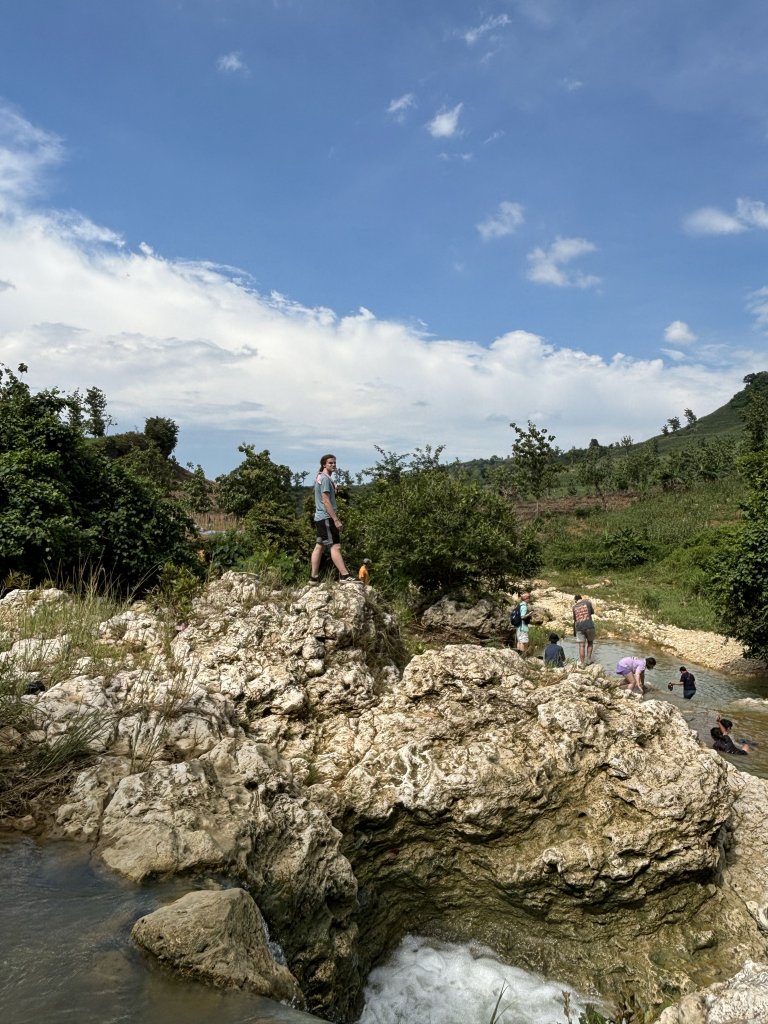
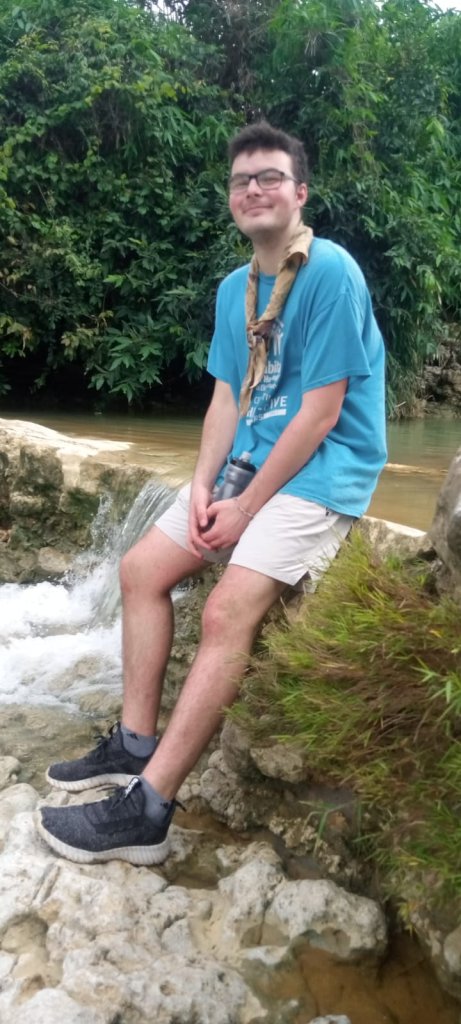
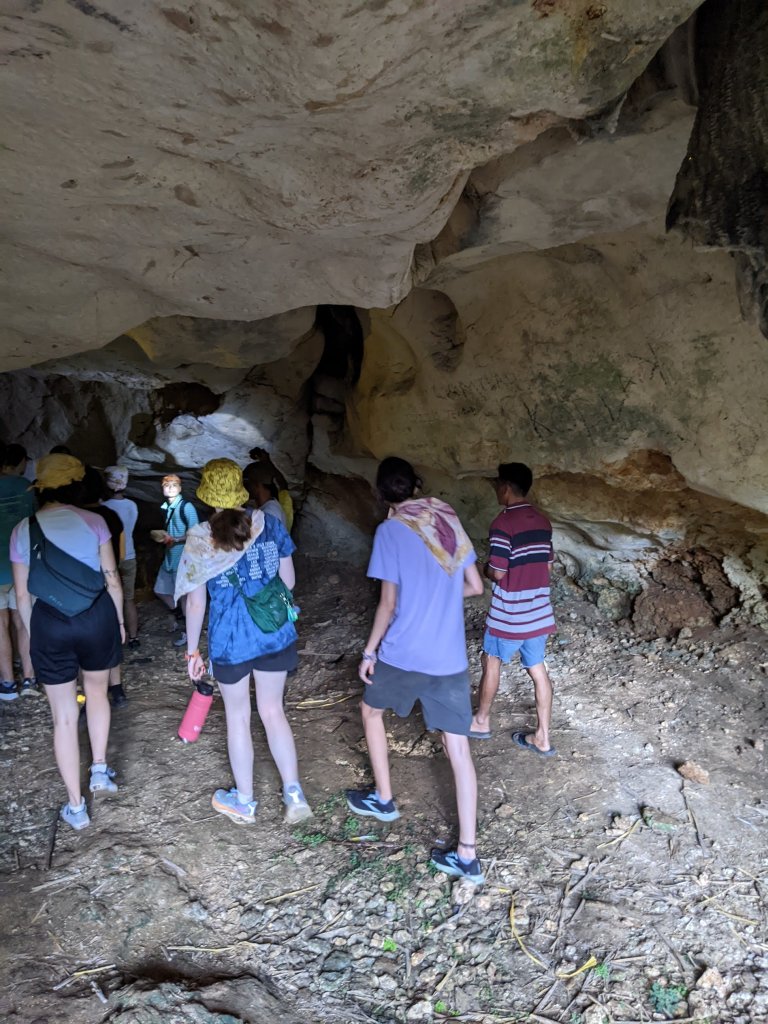
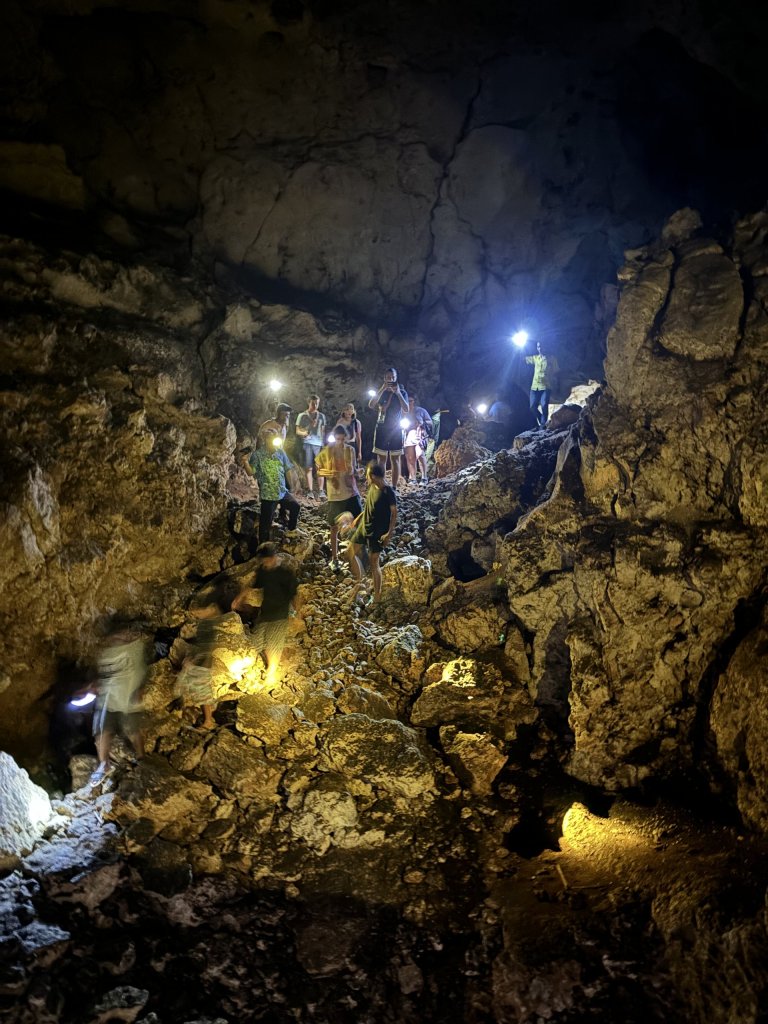
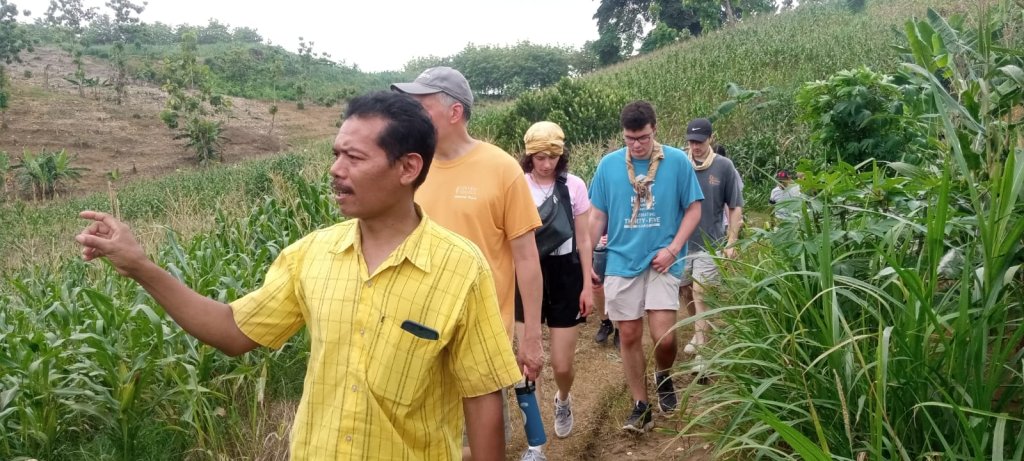
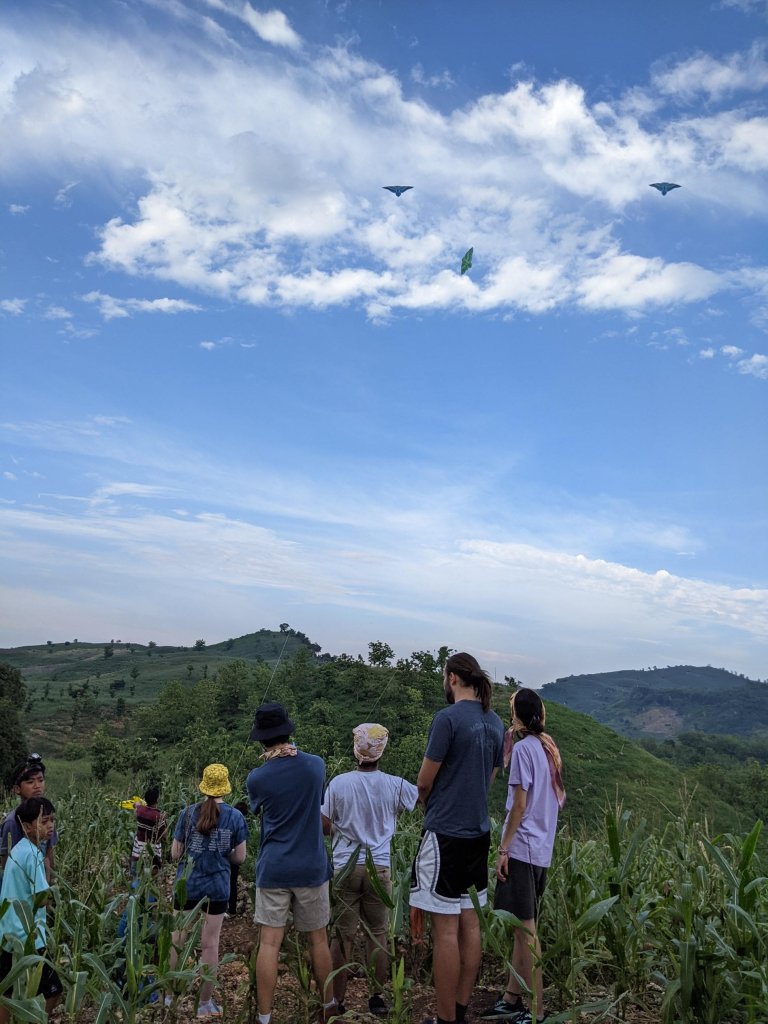
The afternoon was filled with “eco-adventures”—short hikes, rivers, caves, kite flying, and sunsets. A beautiful afternoon!
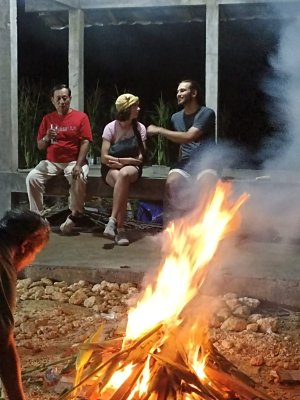
That evening, our hosts built a fire and grilled corn for us. Tasty!
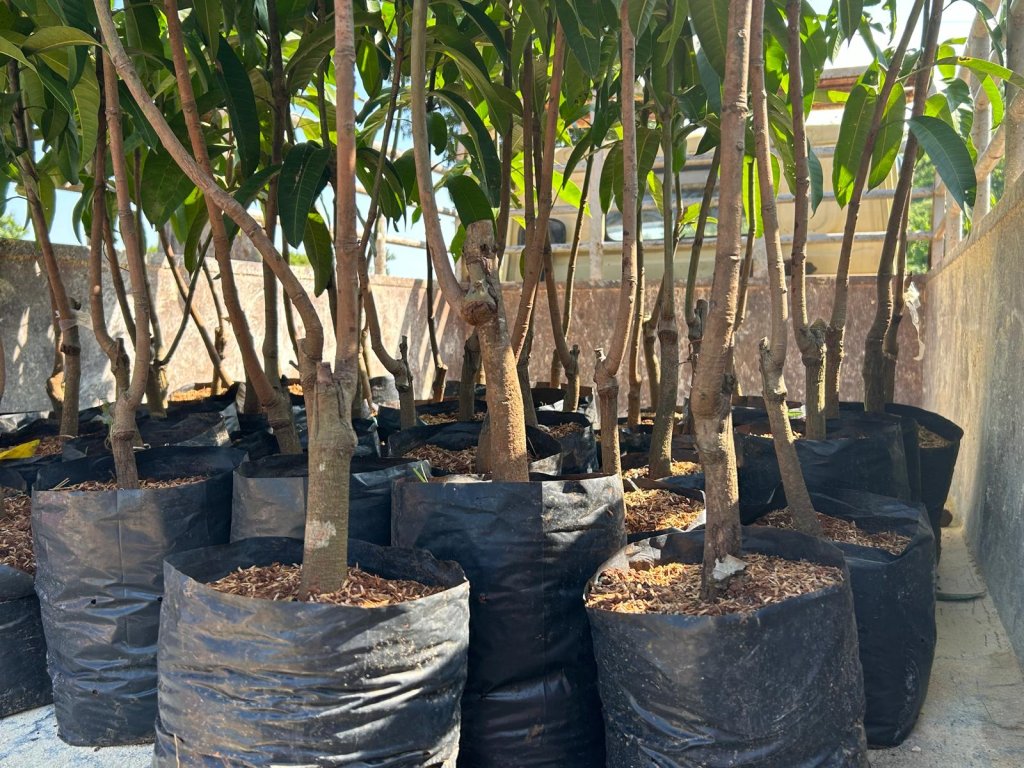
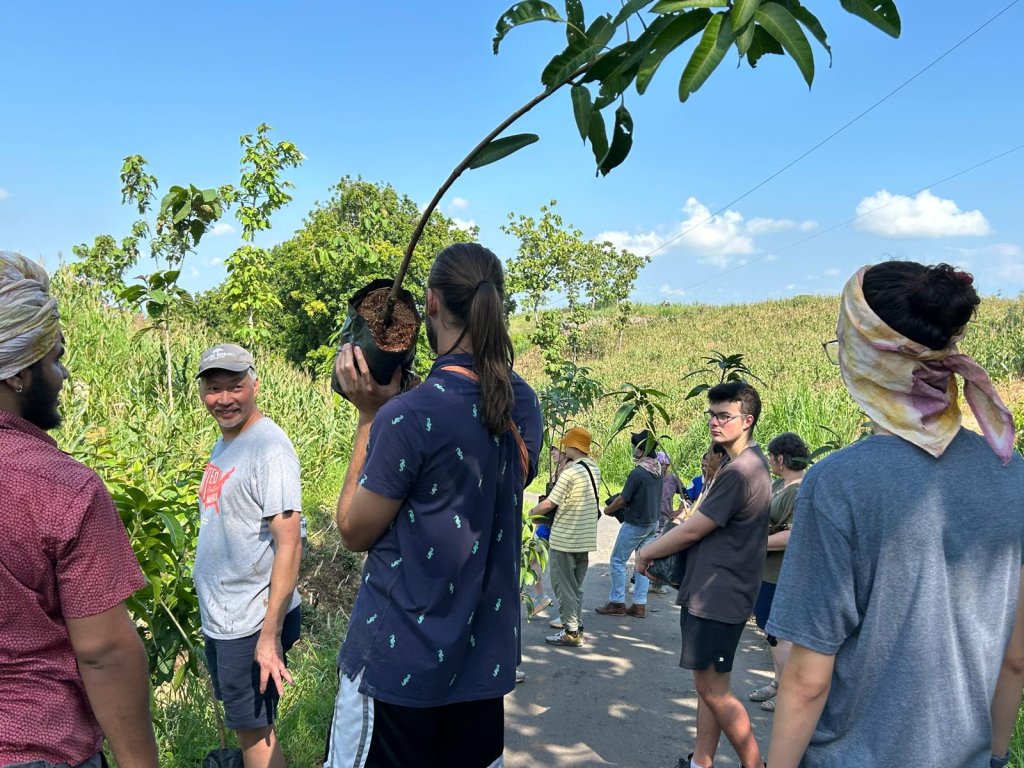
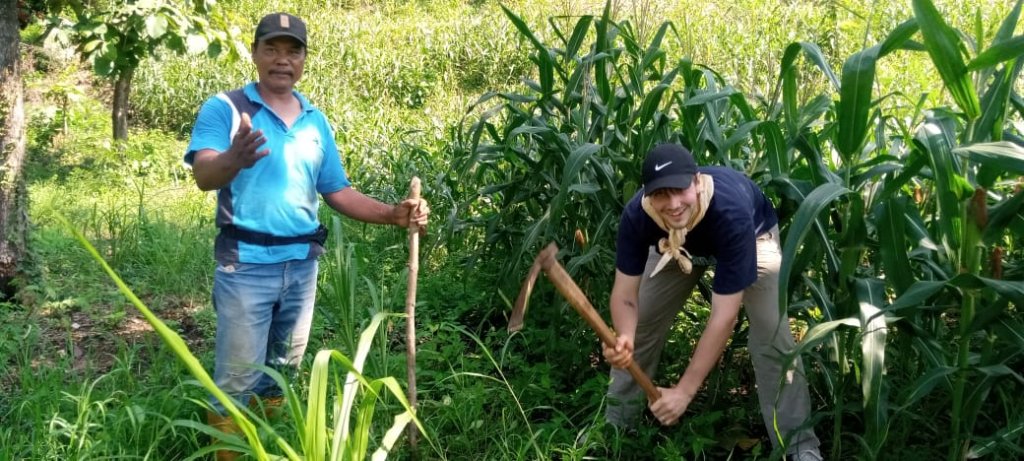
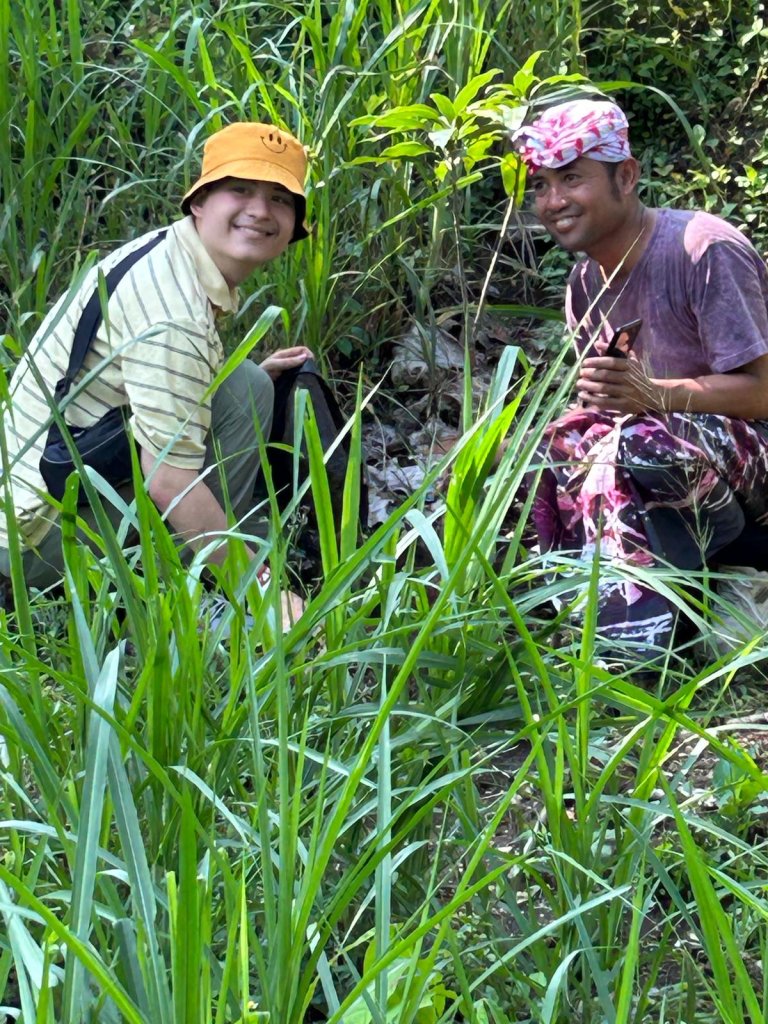
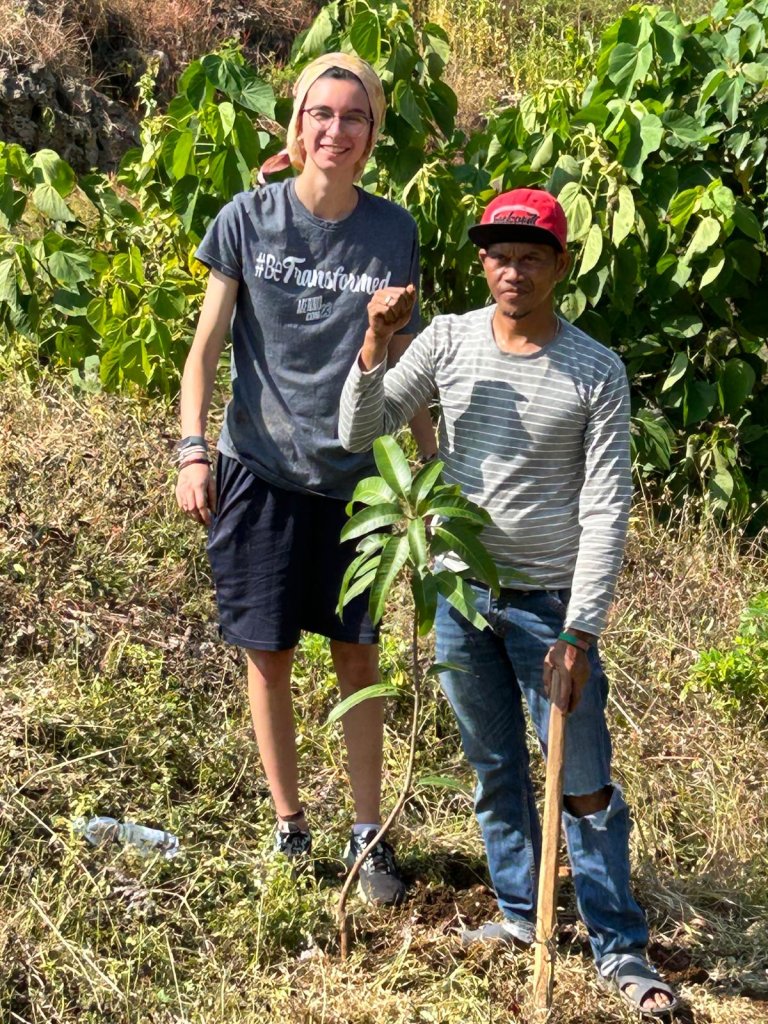
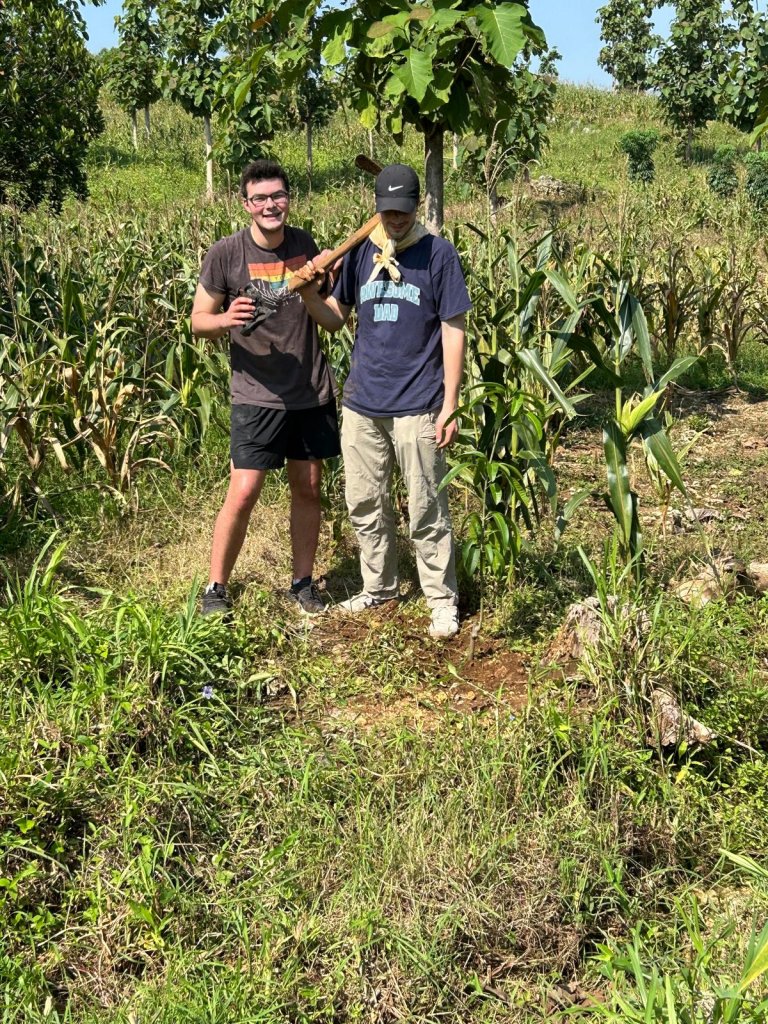
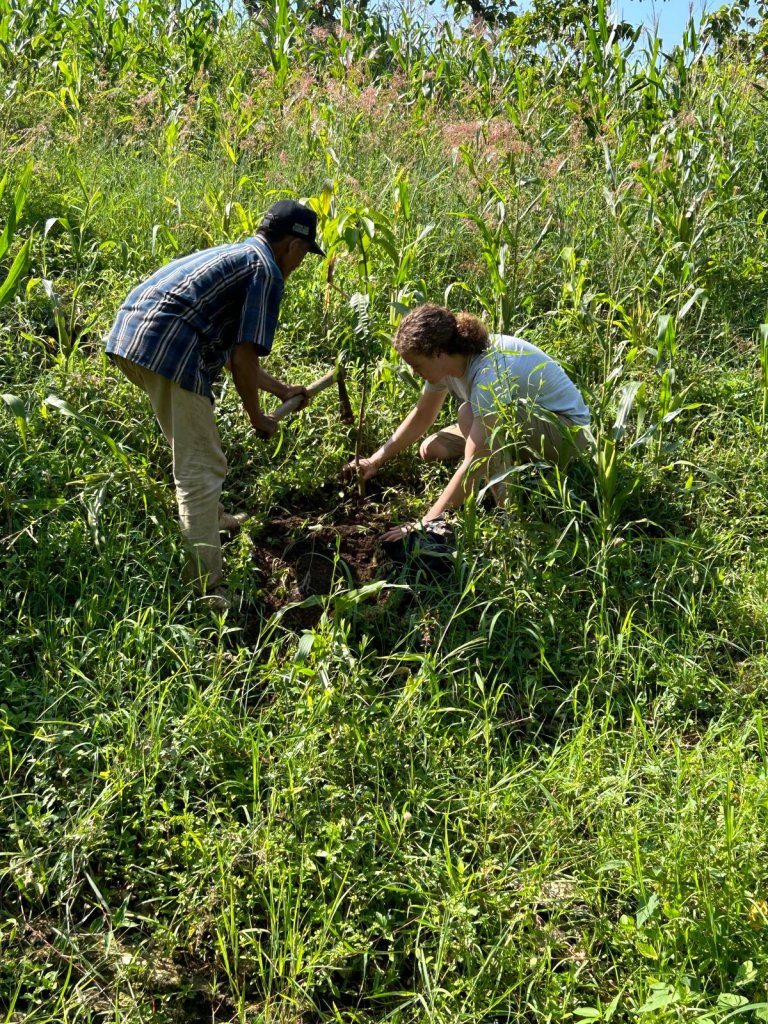
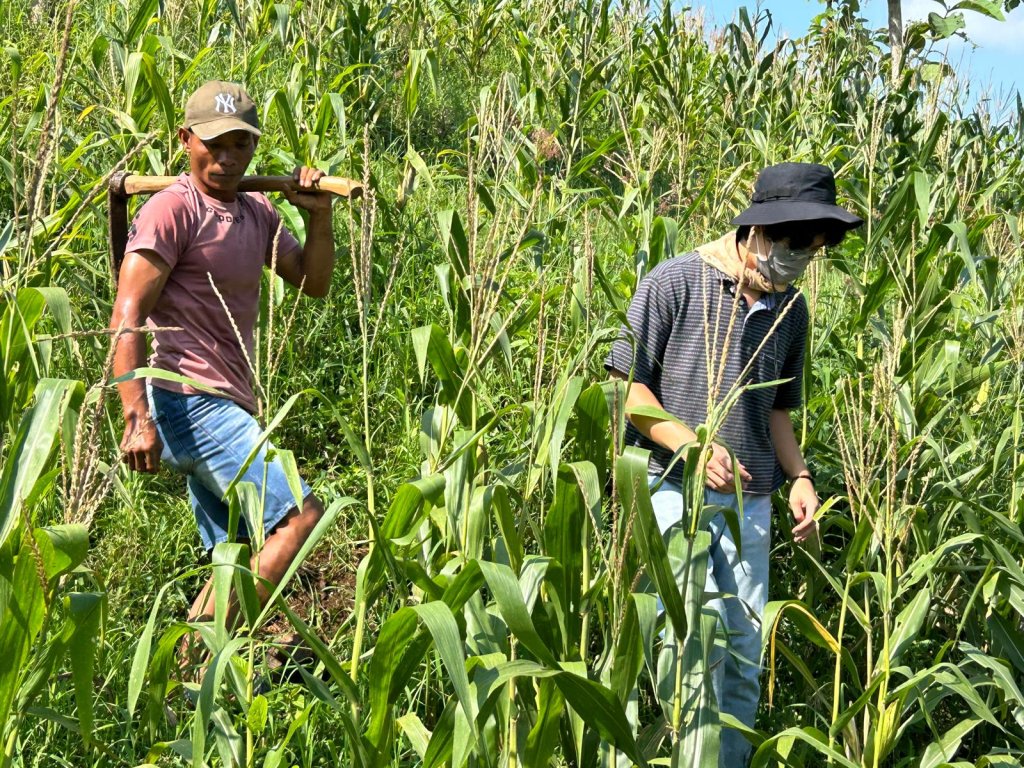
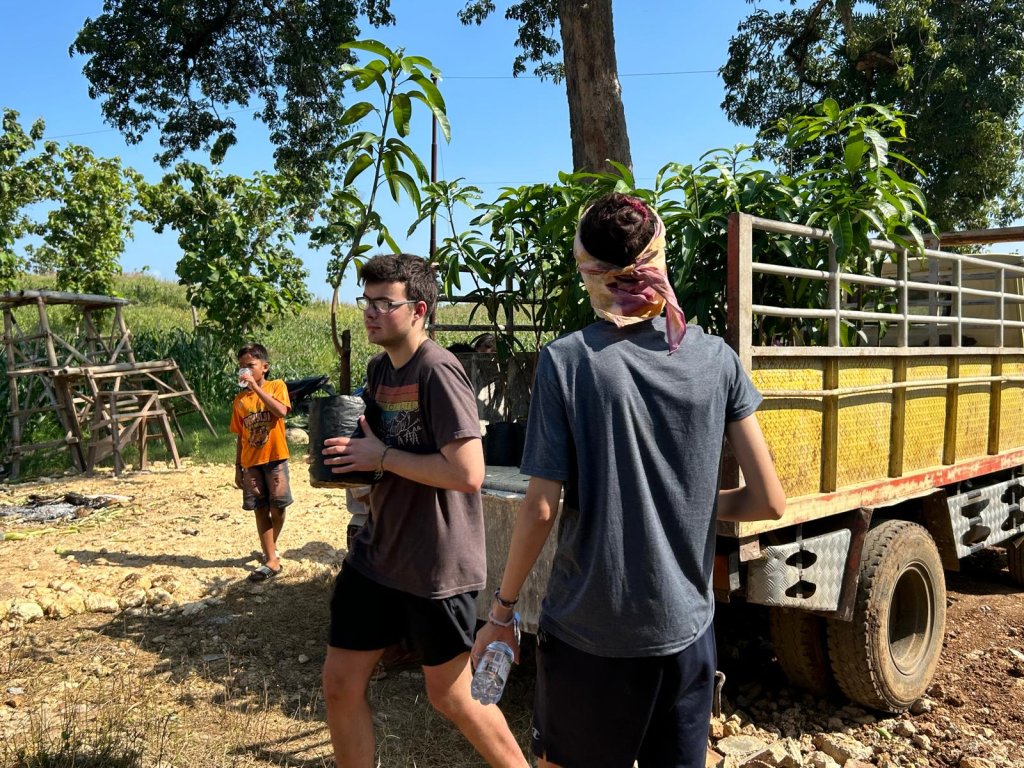
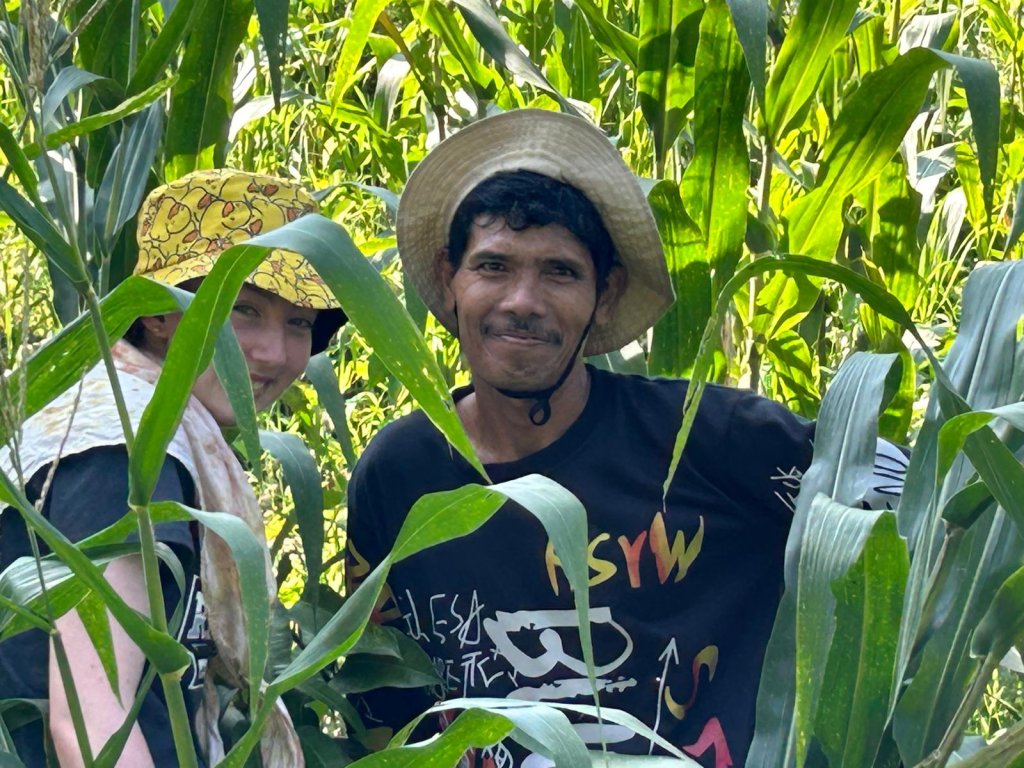
The final morning was filled with planting trees in a nearby field, belonging to Pak Suteja. It was hot and sweaty, but rewarding work. We planted mango trees along the side of a corn field. Corn is a common crop in the deforested areas of this village, but the lack of tree roots contributes to the risk of flooding so there are efforts to reforest with trees that are also economically useful. The crop from the mango trees can be sold, and in fact we heard at the Koperasi about agreements with a supermarket chain to sell the produce grown here. It will take a few years before the mango trees produce fruit, so the transition from corn to productive trees will take place over time rather than all at once.
 Global Education
Final retreat in Ecuador
 Global Education
Life on the ward
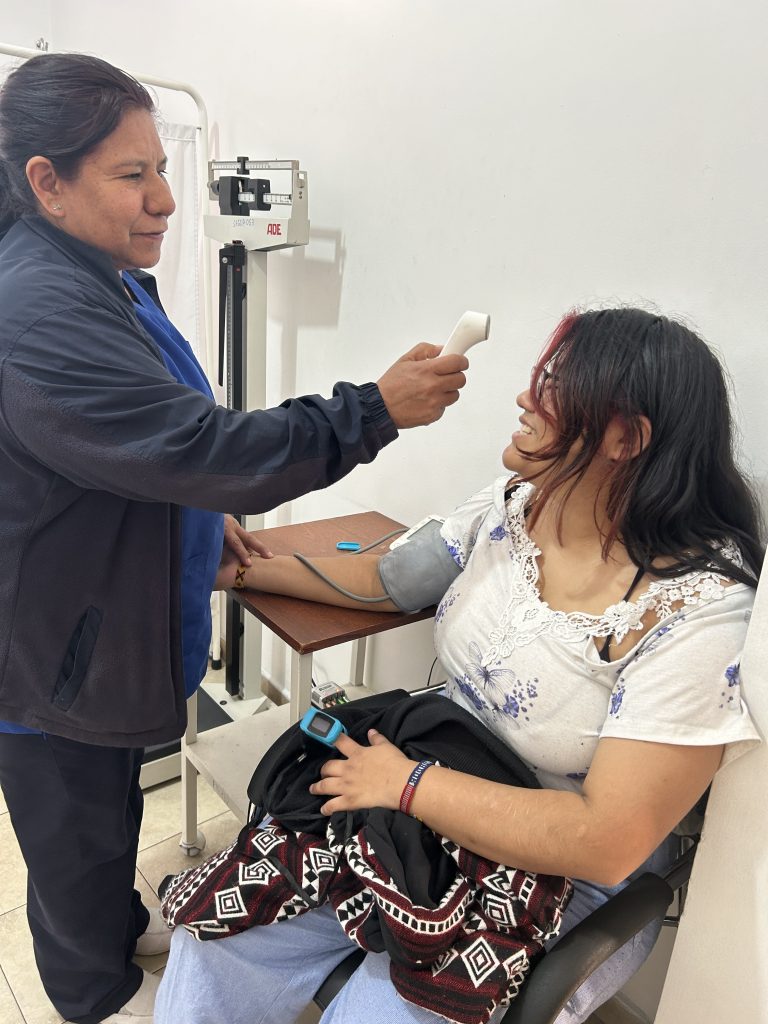
By Dayanara Aguirre-Mulato During my service placement at the municipal Centro Médico in Riobamba, I had the privilege to be able to work alongside other nurses. Day to day each patient comes in to register for their appointment and I…
 Global Education
Service visits: opportunities for connection in Ecuador’s “provincias”
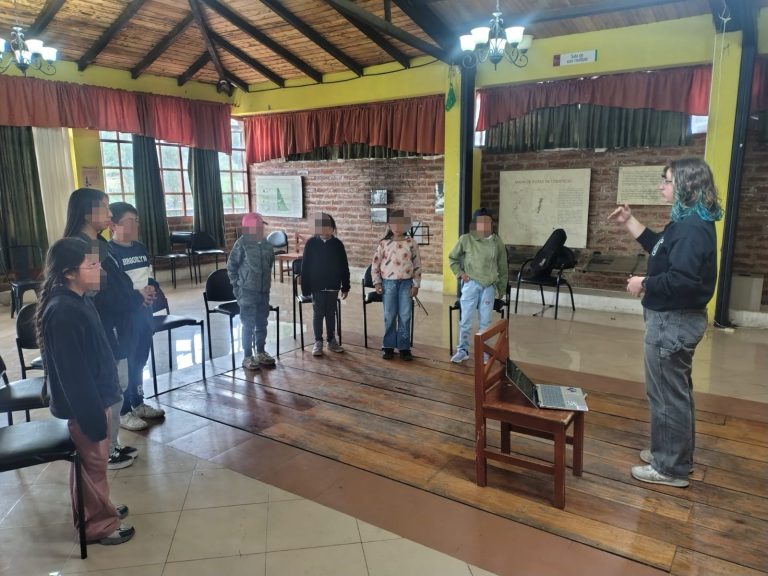
By Hillary Harder During the Service term, leaders have the privilege of traveling to visit each student at the home and volunteer assignment where they are spending their time during the second half of SST. For us, that meant traveling…