

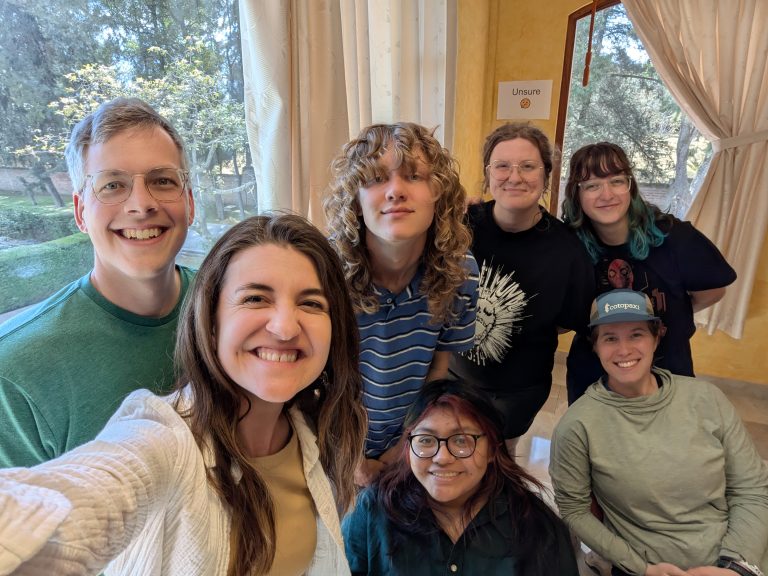
By Hillary Harder On Sunday, July 26, our students returned to Quito from their service communities and we began our final retreat together! The afternoon was full of joyful reunions as each student arrived at our Quito home, la Casa…

News
A Visit to Derry/Londonderry
Jun 14 2024
One of our focuses during this course has been the history of Northern Ireland, specifically the Troubles, the particularly intense period of conflict between Catholics and Protestants that took place from 1968 to 1998. Derry was at the center of this conflict, its literal walls—first built in the 17th century—dividing these groups. During our time in Derry on Wednesday June 5, we took a historical tour, led by Ruairi O’hEara of Tours of Derry, of the walls and other monuments important to the conflict.
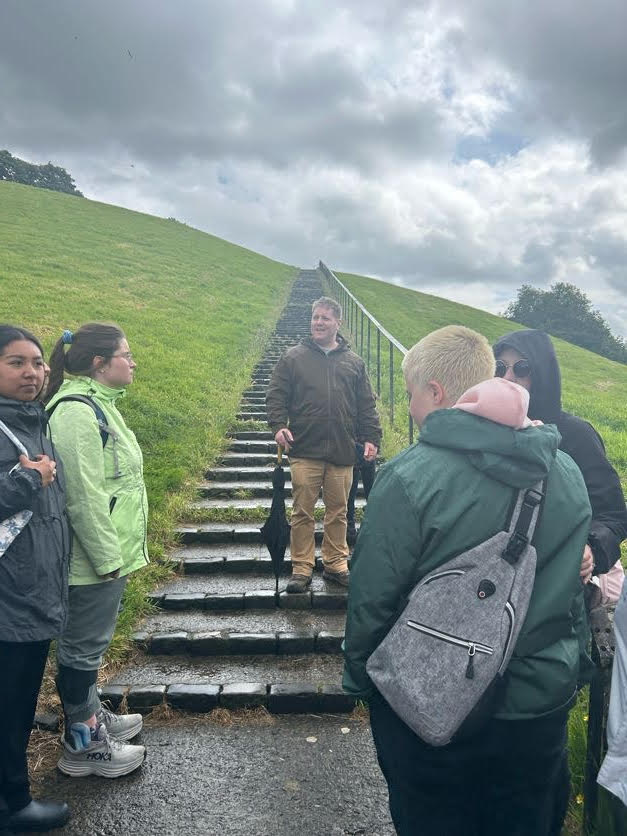
Our tour guide, Ruairi O’hEara of Tours of Derry. Photo by Adriana Guevara.
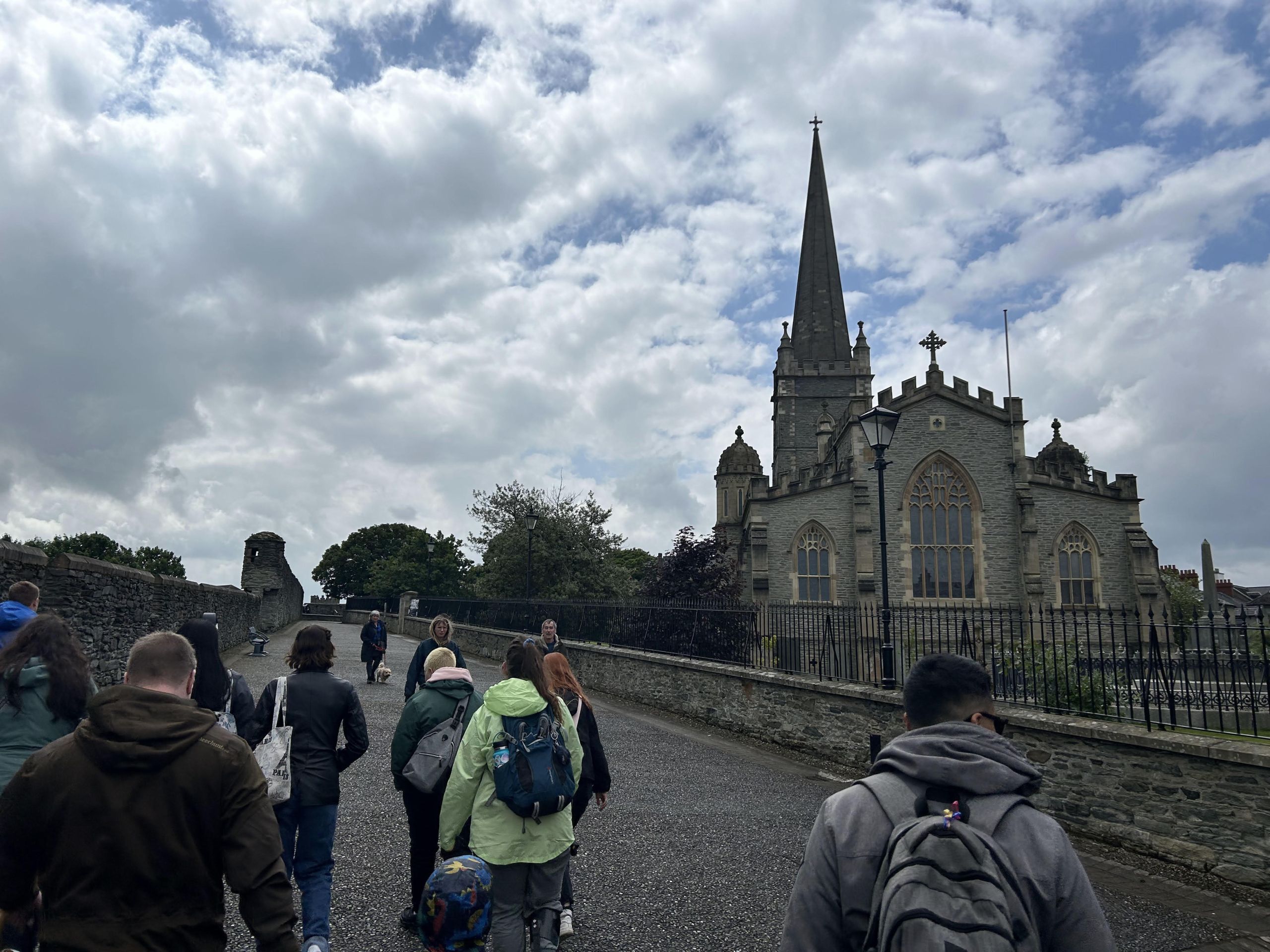
Our tour guide noted that this cathedral was reinforced to be able to hold cannons on its roof. Photo by Brenton Pham.
We saw murals and memorials depicting past IRA members (overwhelmingly Catholic) and Loyalists (overwhelmingly Protestant) alike, bullet holes in the sides of buildings, cannons, and newer murals with messages of solidarity with Palestine.
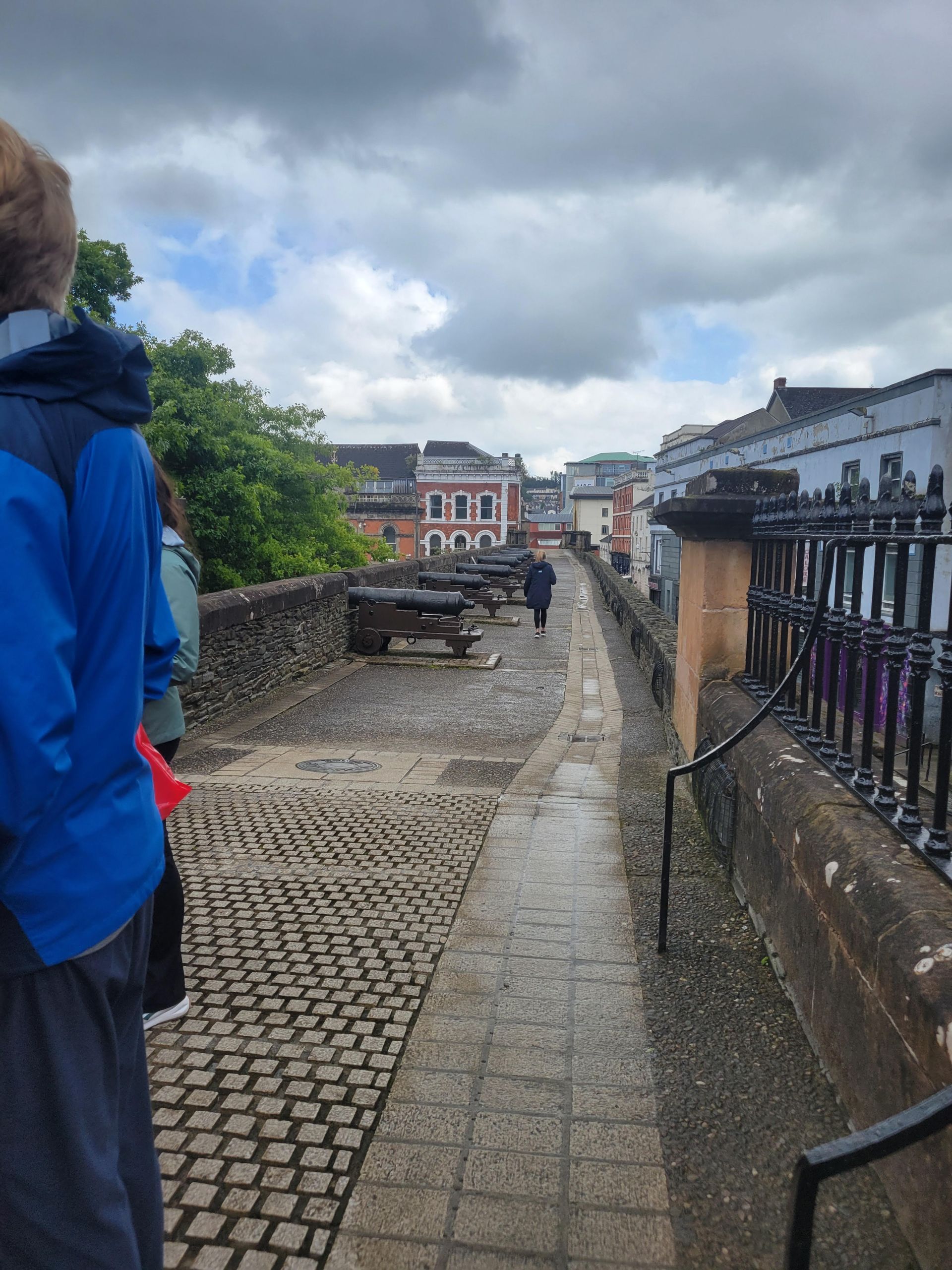
Photo by Lydia Esh.
One mural that stood out to me simply read “Free Derry,” referring to the IRA’s desire to separate from the UK.
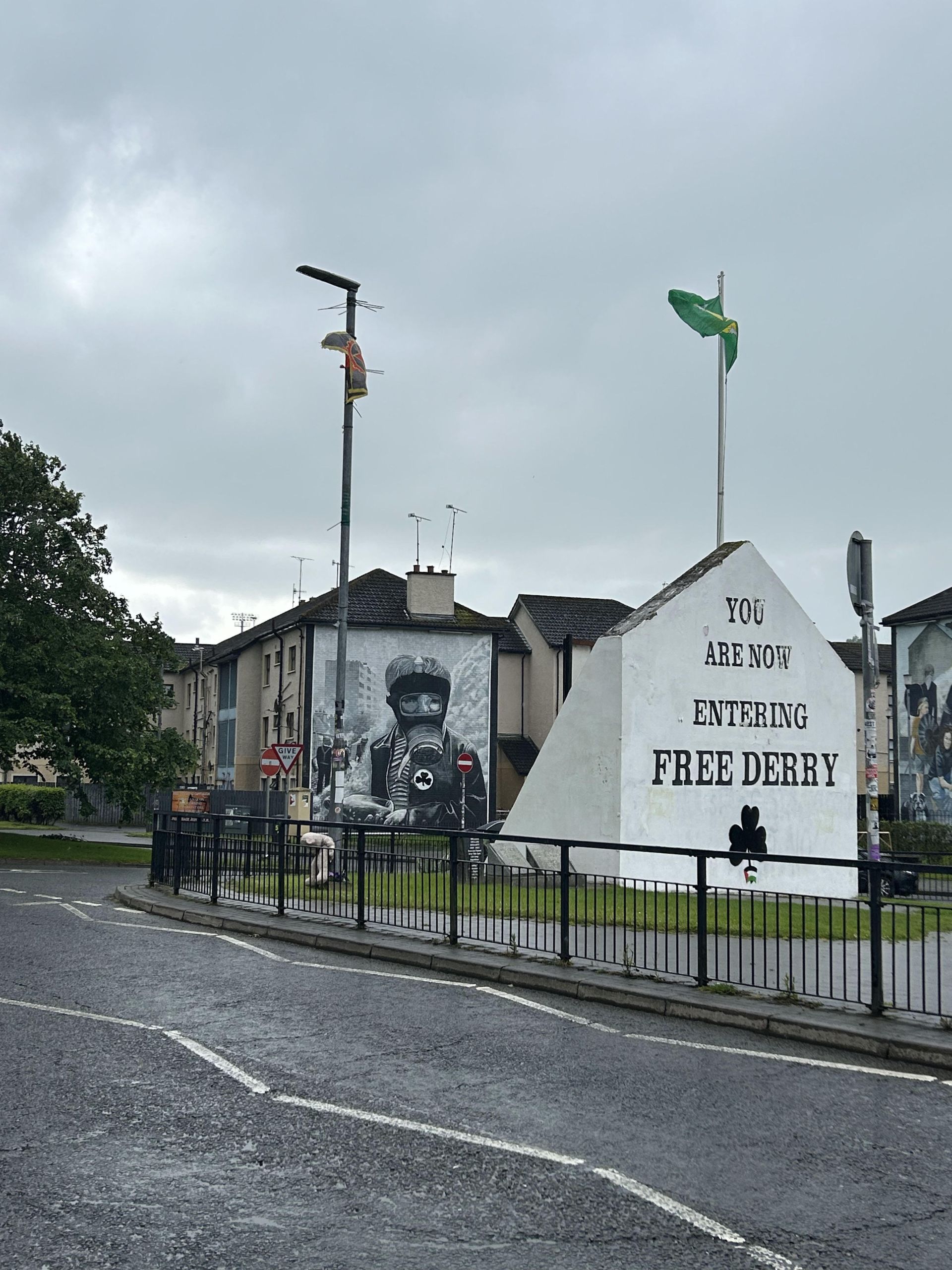
Photo by Brenton Pham.
Just over the wall was another mural that read “We are under siege,” created by Loyalists in Derry who feel connected with the UK, but are surrounded by residents who feel a closer connection to the Republic of Ireland.
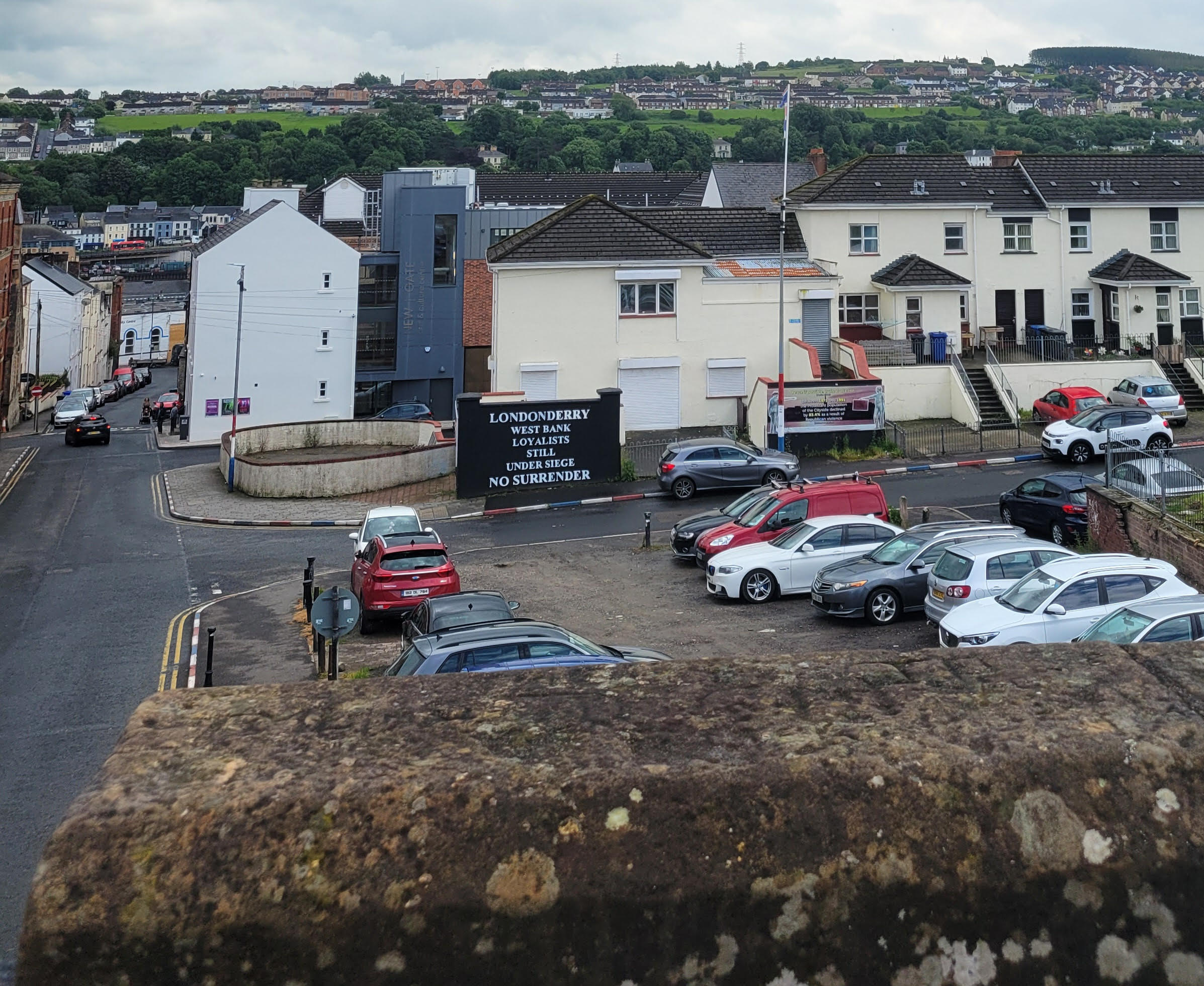
Photo by Lydia Esh.
The contrast of these two messages was a stark and a brutal reminder that the end of the Troubles did not change long-held ideologies and beliefs.
The Bloody Sunday memorial, which remembered the 13 people, mostly youth, who were shot during a peaceful protest against British occupation, was one of the most powerful and emotional monuments we visited, especially since we had studied Seamus Heaney’s poem “Casualty” about this event and its repercussions for Derry, Northern Ireland, and Heaney’s own family and community.
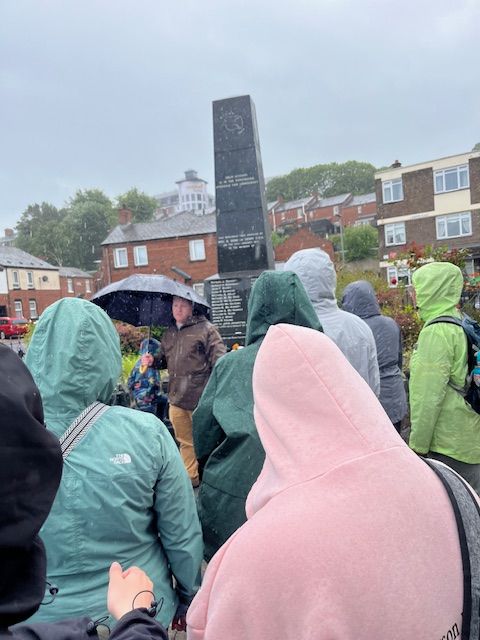
Ruairi at the Bloody Sunday memorial.
Derry/Londonderry is so rich with history and conflict, yet in the decades since the Good Friday Agreement that ended the Troubles, they have been able to rebuild their city. The mural depicting the characters of the comedy show “Derry Girls” shows how the people of Derry have used stories as a way to heal.
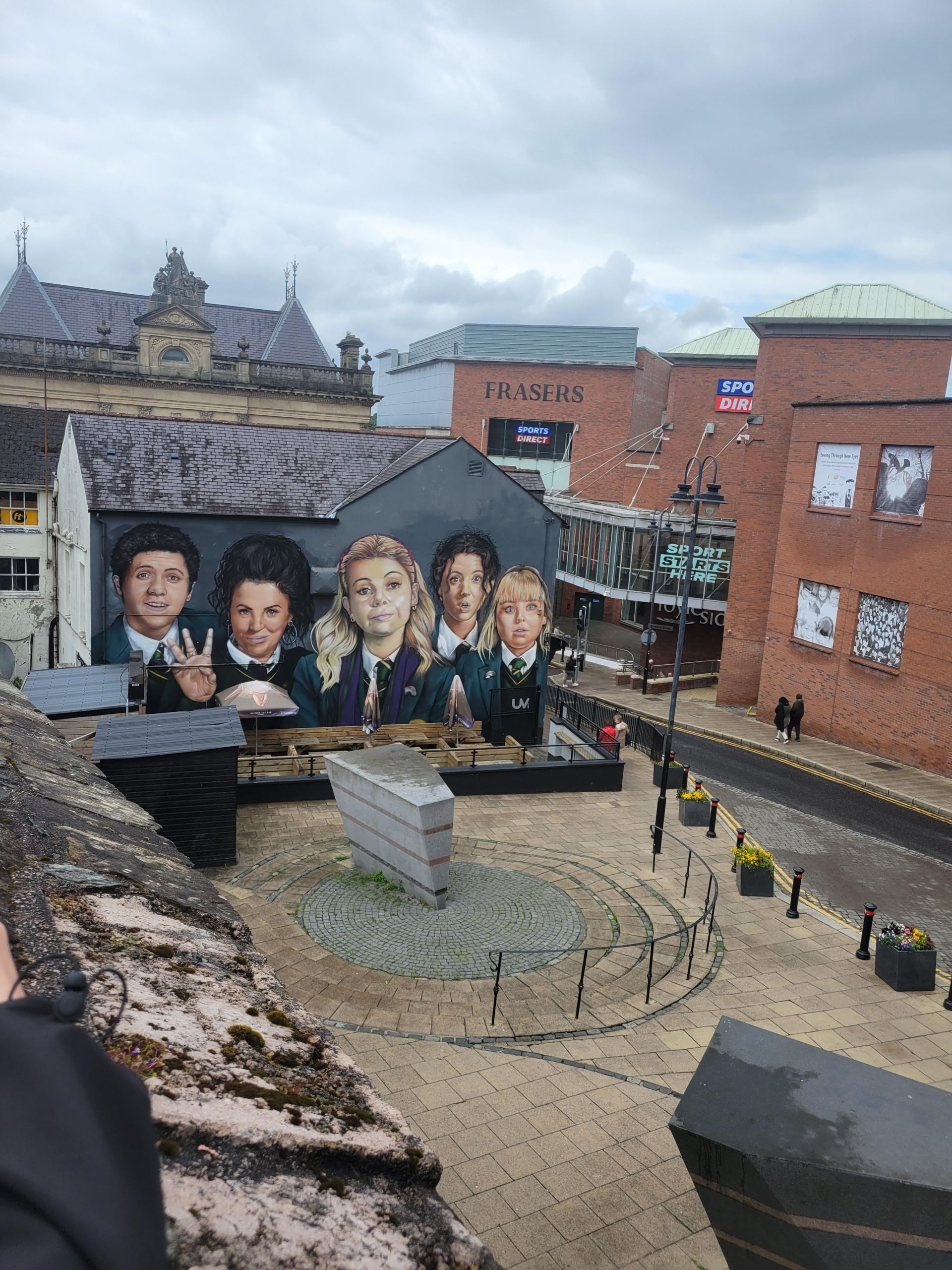
Photo by Lydia Esh.
We also had a bit of time to explore the city and the local shops. We practically bought one local store out of their colorful sheep souvenirs, as you can see if you zoom into this picture.
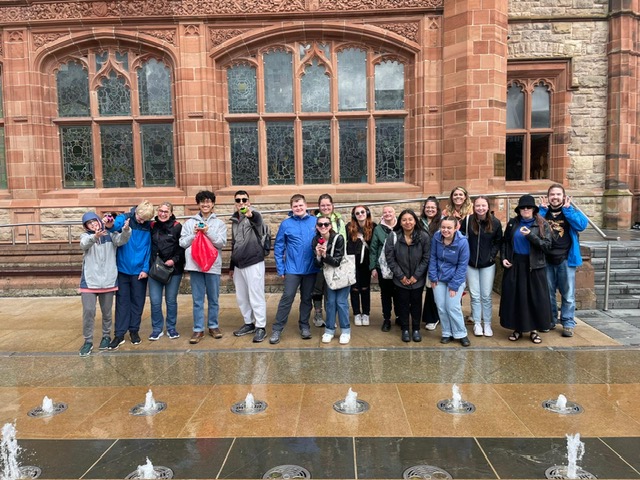
Our group with their sheep souvenirs in front of the Guildhall, the center of Derry.
Though there is still a lot of work to be done, Derry is a message to the world that peace is possible.
–Lydia Esh
 Global Education
Final retreat in Ecuador
 Global Education
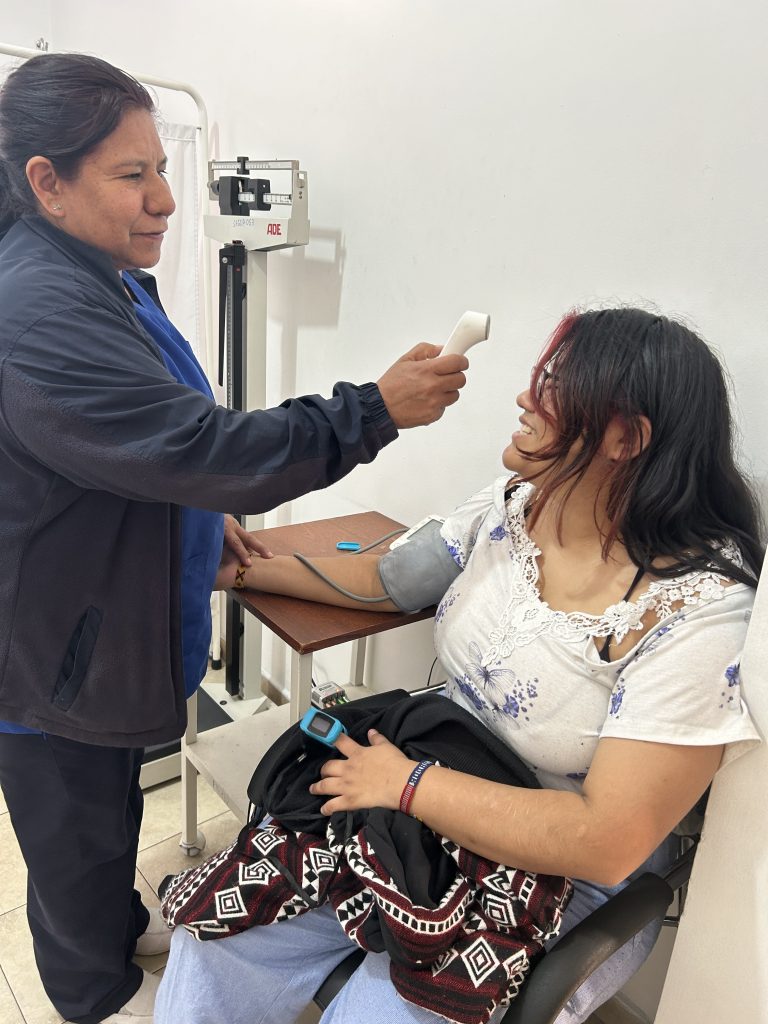
Life on the ward
By Dayanara Aguirre-Mulato During my service placement at the municipal Centro Médico in Riobamba, I had the privilege to be able to work alongside other nurses. Day to day each patient comes in to register for their appointment and I…
 Global Education
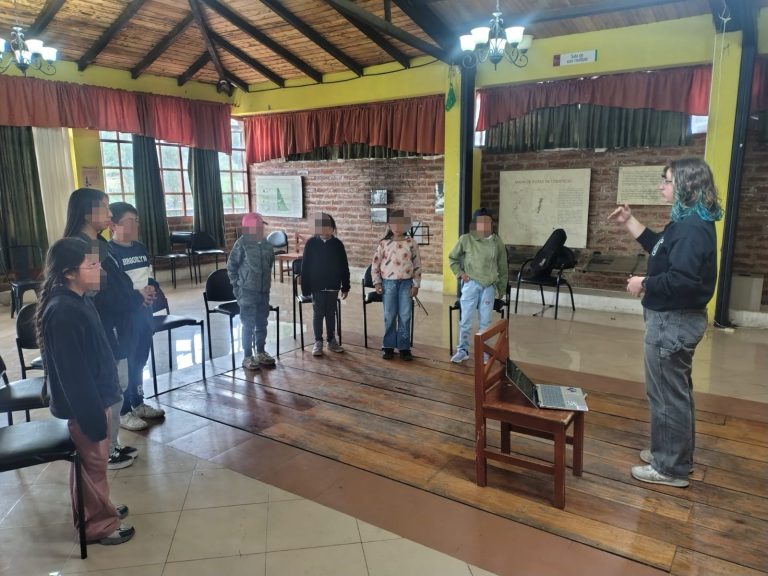
Service visits: opportunities for connection in Ecuador’s “provincias”
By Hillary Harder During the Service term, leaders have the privilege of traveling to visit each student at the home and volunteer assignment where they are spending their time during the second half of SST. For us, that meant traveling…