

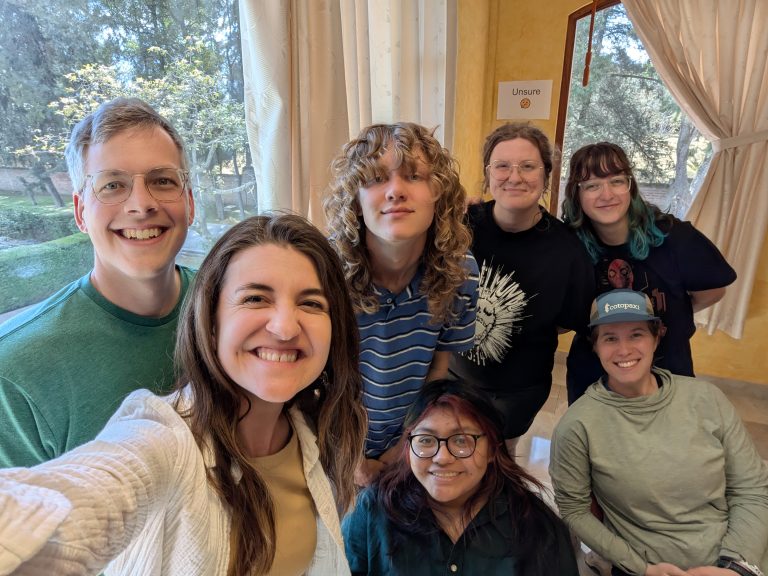
By Hillary Harder On Sunday, July 26, our students returned to Quito from their service communities and we began our final retreat together! The afternoon was full of joyful reunions as each student arrived at our Quito home, la Casa…
News
The Laundry
Jul 14 2023
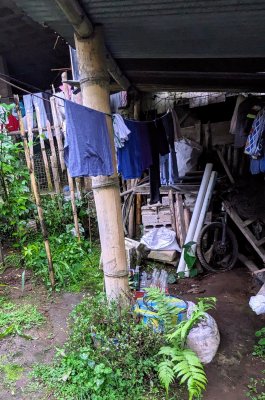
Most of SST is not glamorous. There are times of incredible joy and sadness, comedic moments, and discomfort certainly, but the majority of the time is very normal. For example: doing laundry. My host family doesn’t have a washing machine, so we have to do our laundry by hand. Day-to-day it’s a small thing, but this normal chore and how I felt about it made me reflect on myself and my experiences here in Ecuador.
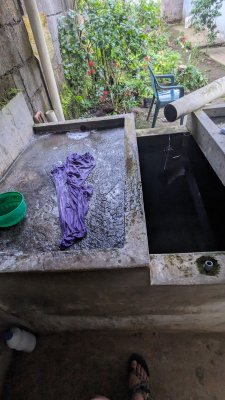
To begin with, I avoided doing my laundry after I arrived at my service placement, so by the time I finally did it I had accumulated quite a bit. It was becoming urgent at that point, especially considering the general sweatiness of the climate here meant I couldn’t re-wear many of my clothes. So I submitted myself to the ultimate shame: admitting that I, a 20-year-old woman halfway through a college degree, didn’t know how to wash my own clothes. It wasn’t that bad really of course, but it did make me think about how I view myself and the kinds of new experiences I feel comfortable with. I think of myself as competent and intelligent, so I often think I shouldn’t need anyone’s help. Being taught to do a standard household chore by a ten-year-old was a little humbling. Obviously, no level of competence or intelligence is all-encompassing. I’m savvy in my comfort zone, but all that knowledge is situational. Here, I’m not well-spoken because I barely speak the language. I’m not confident because I stick out anywhere I go. And I can’t do my own laundry.
Culture shock and language difficulties are not new ideas; millions of people experience them every day and I knew I would too when I came here. Really feeling culture shock firsthand is different, though. It makes me wonder if I’m not these things, not well-spoken or self-sufficient, what am I? I’m a good cook, and good with kids. Food is universal, and so is the fact that small children like to be tossed in the air and want comfort when they’re scared of the dark at night. Still, so much of who I am here is filtered through layers of words and culture, I’m very aware of how I appear to those around me.
Stereotypes about white people and American culture abound here. I don’t mean this as a complaint; I know I’m lucky to spend most of my life in the cultural majority at home and to be viewed positively for my race and nationality when I am in the minority. That being said, it brings a new awareness of others’ opinions of me. Does my host family think I’m a spoiled American because I’ve never done my laundry by hand? Did my host mom help me with it because she thinks I can’t do it on my own? I know them better than to believe they would think these things about me, but I wonder them about myself.
A few weeks in, and I can safely say I can do my own laundry now. I still feel hesitant to look like I don’t know something, but I ask much more readily now. The language barrier is ongoing of course, but I’m slowly improving that as well. I’ve learned more about who I am, both the parts I can’t easily express in Spanish and the parts that are more universal. And most importantly, I have clean clothes now.
 Global Education
Final retreat in Ecuador
 Global Education
Life on the ward
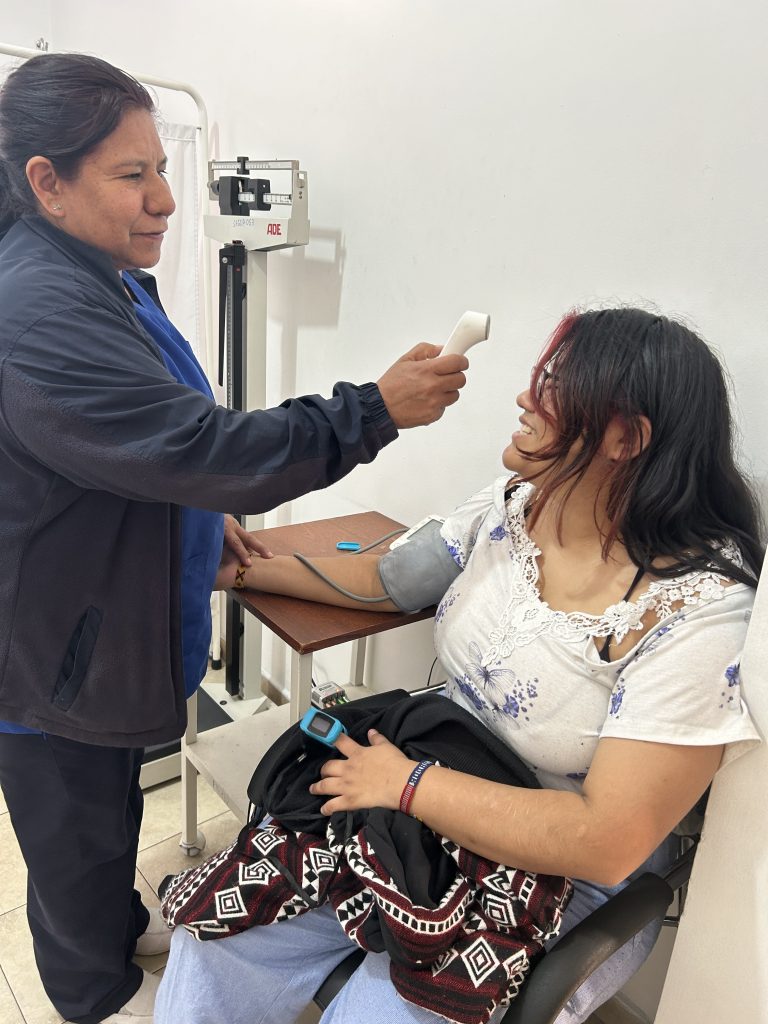
By Dayanara Aguirre-Mulato During my service placement at the municipal Centro Médico in Riobamba, I had the privilege to be able to work alongside other nurses. Day to day each patient comes in to register for their appointment and I…
 Global Education
Service visits: opportunities for connection in Ecuador’s “provincias”
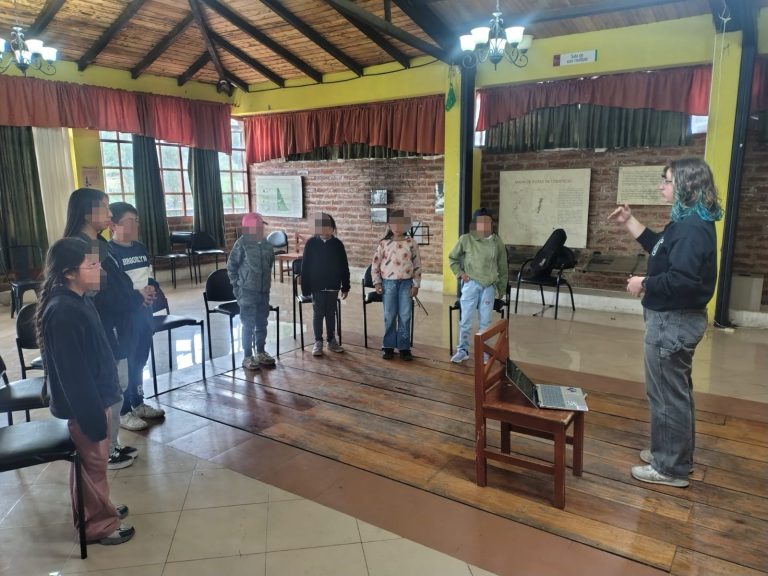
By Hillary Harder During the Service term, leaders have the privilege of traveling to visit each student at the home and volunteer assignment where they are spending their time during the second half of SST. For us, that meant traveling…