

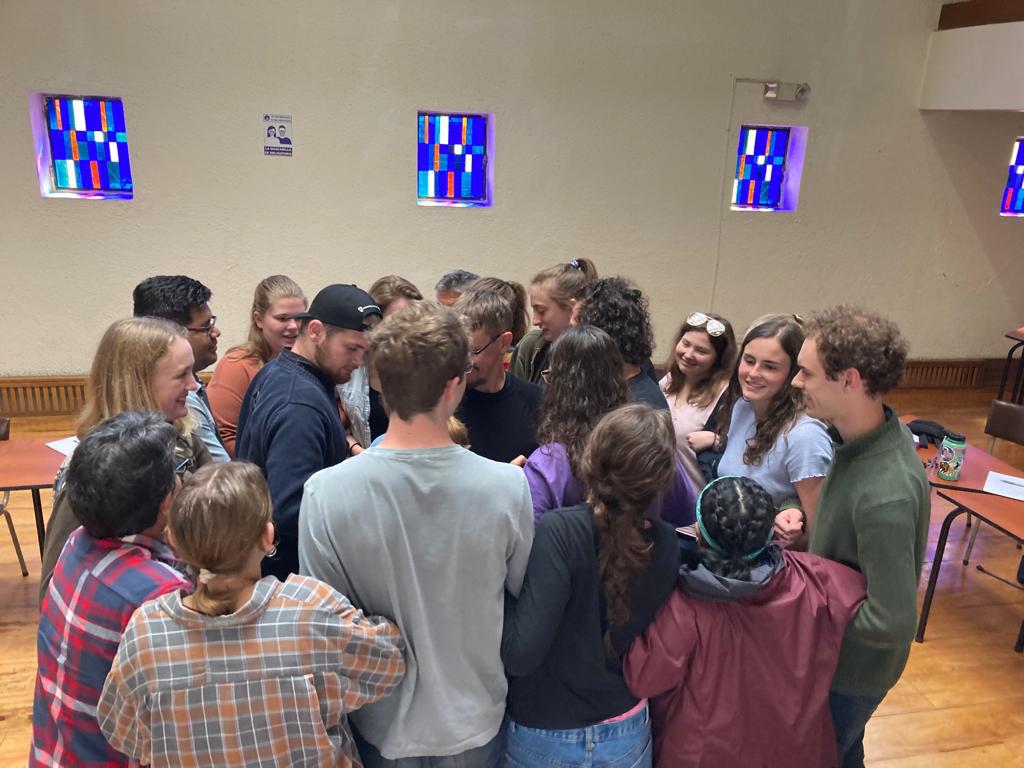
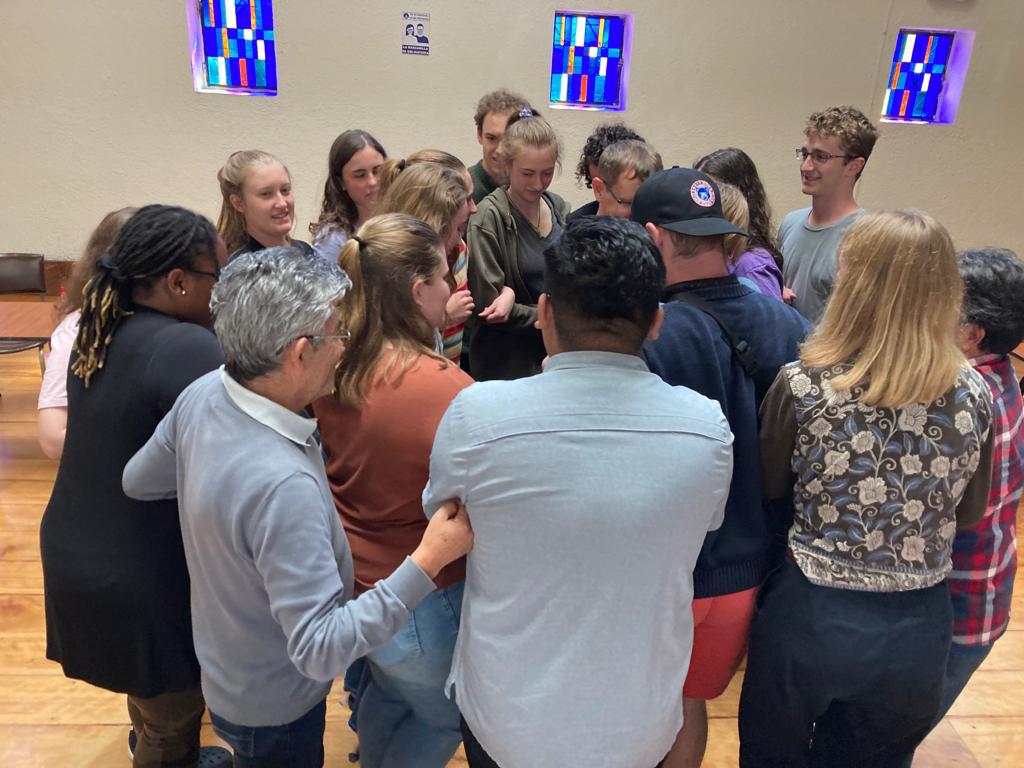
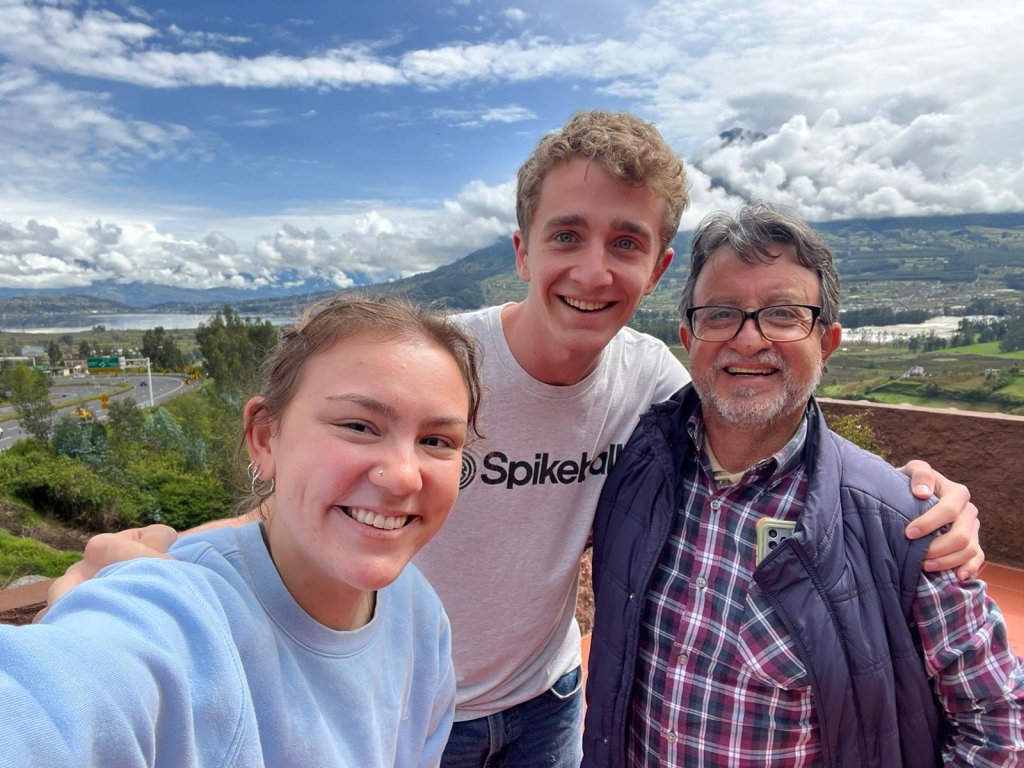
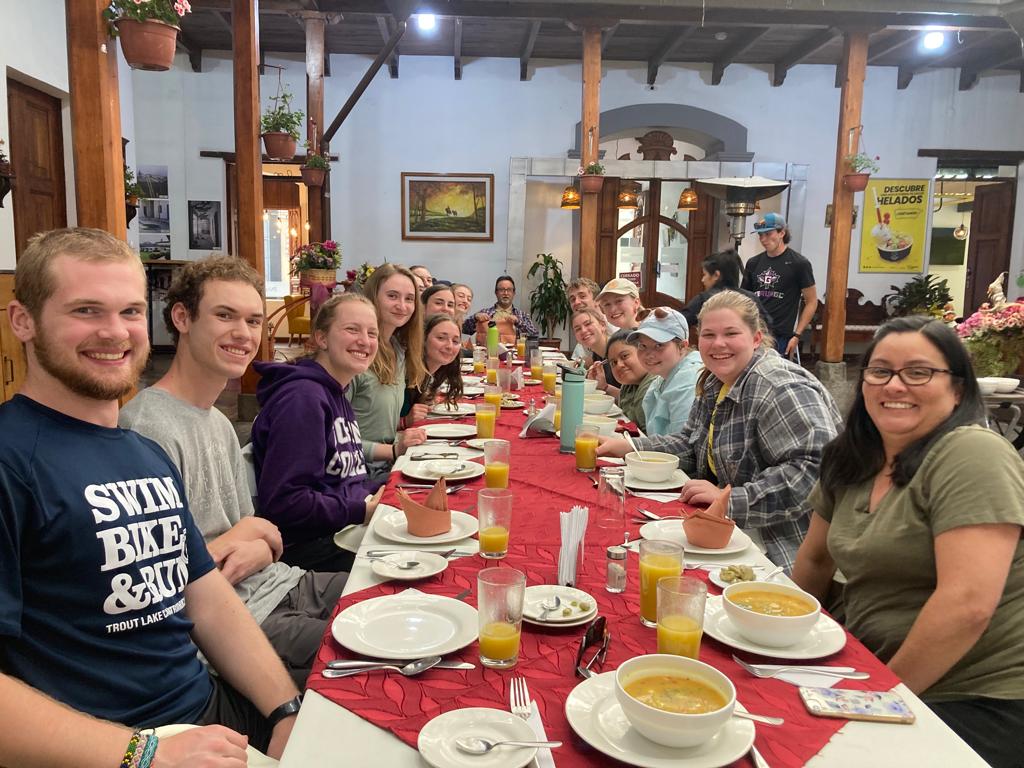
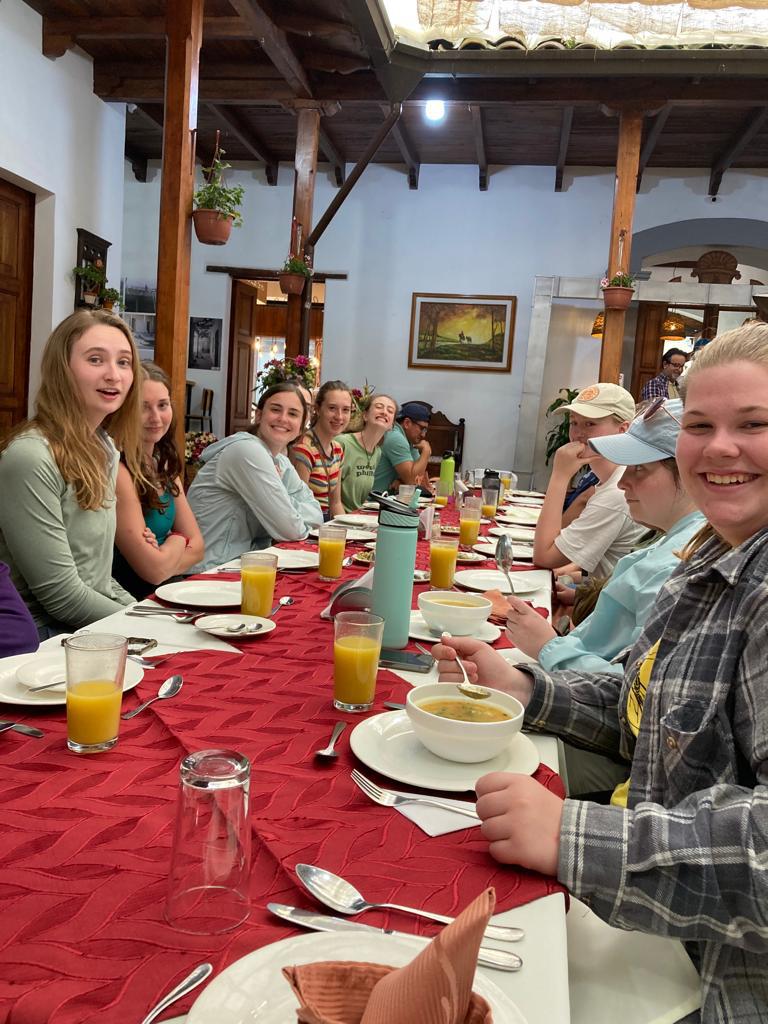
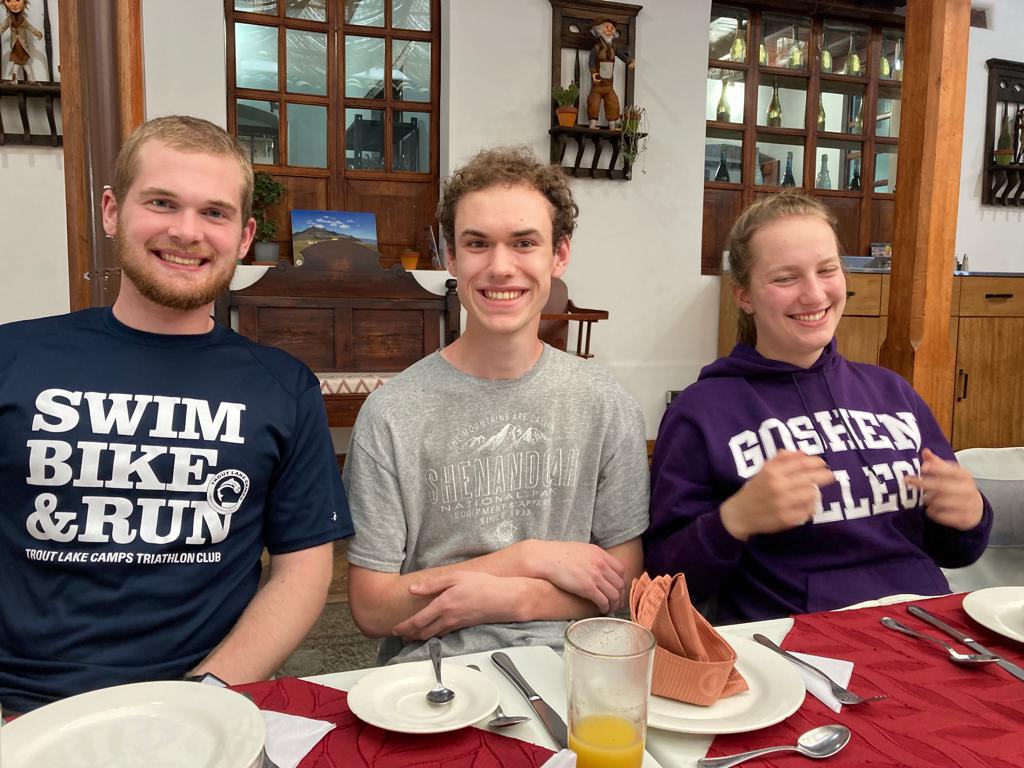
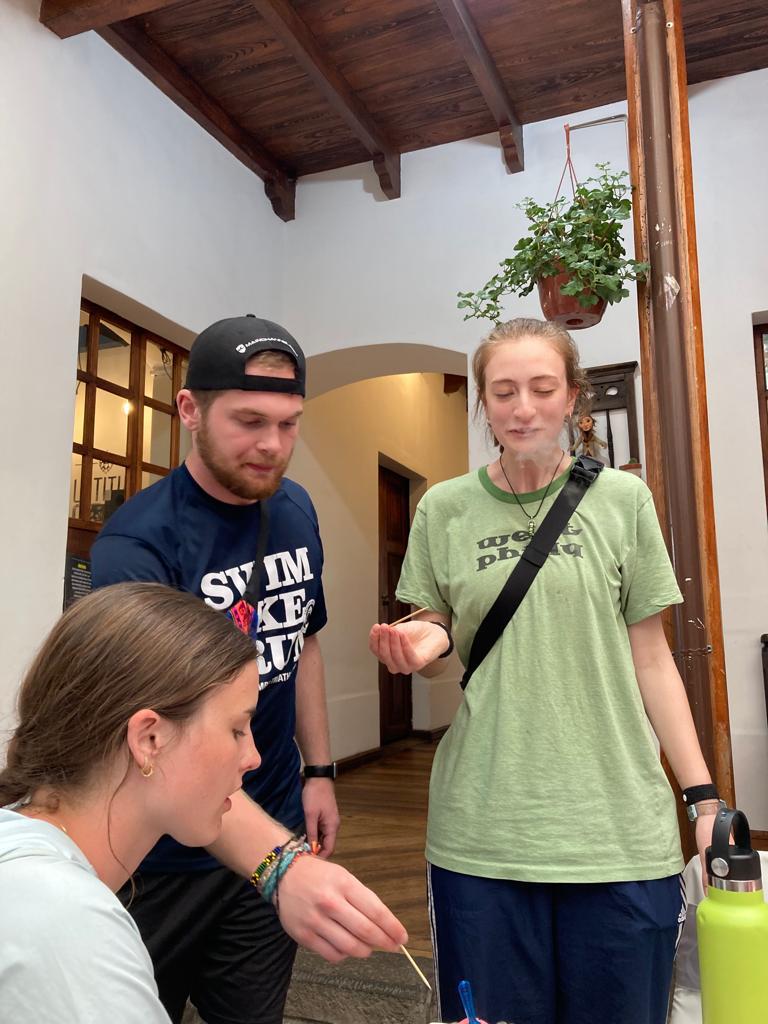
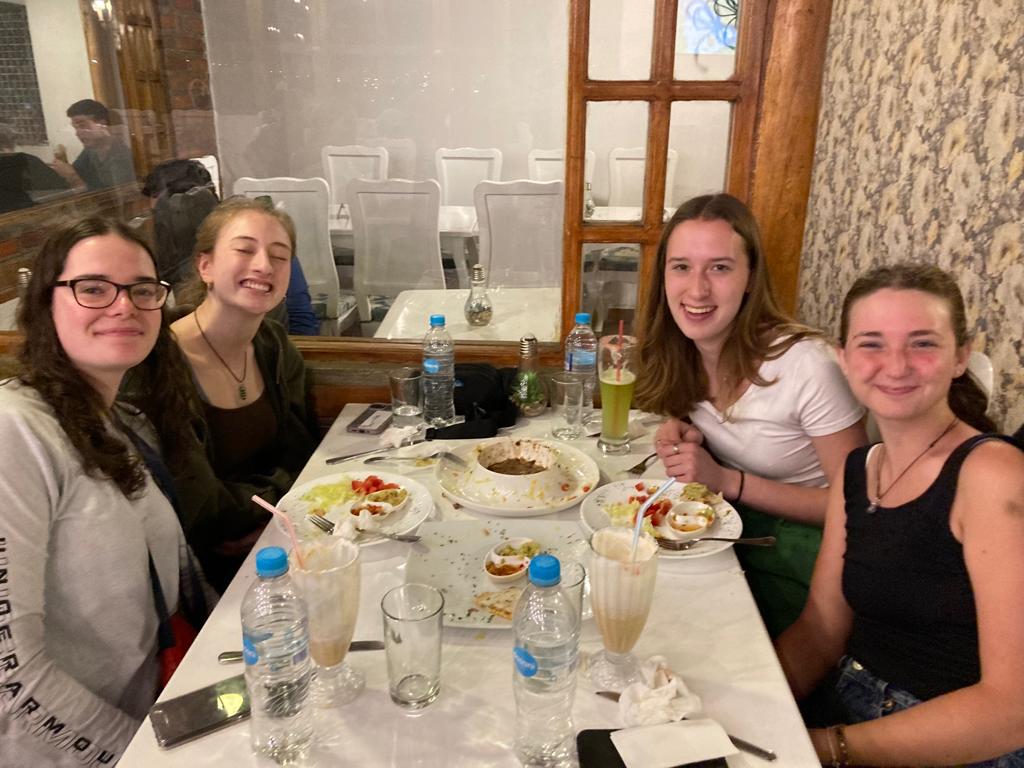
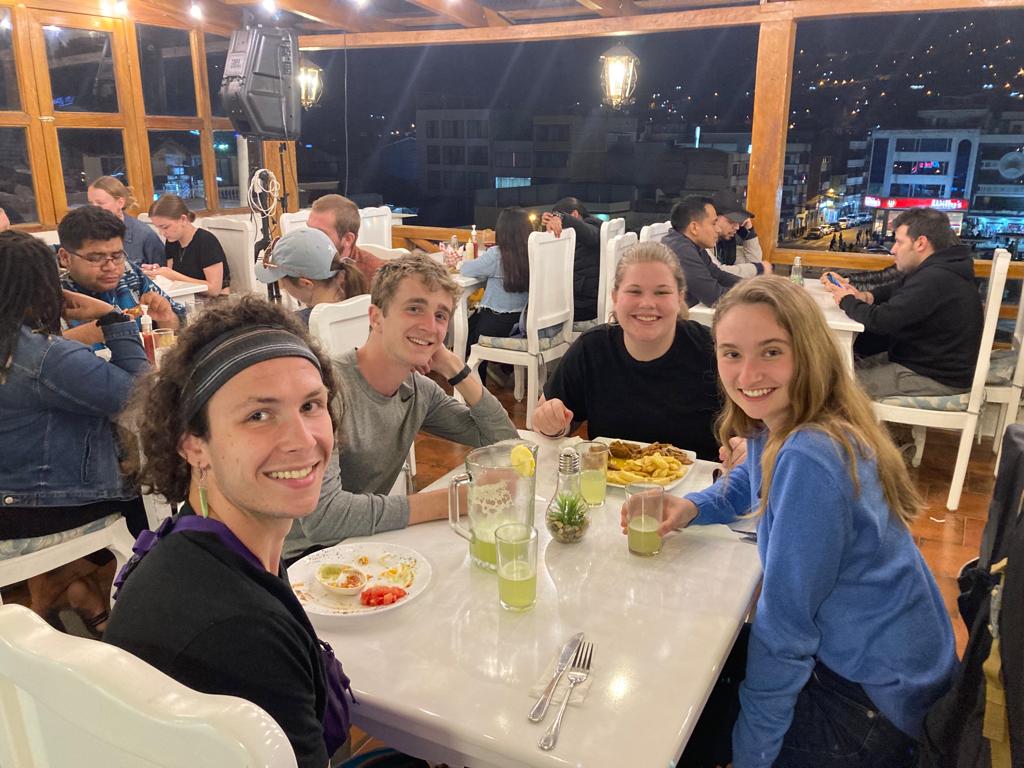
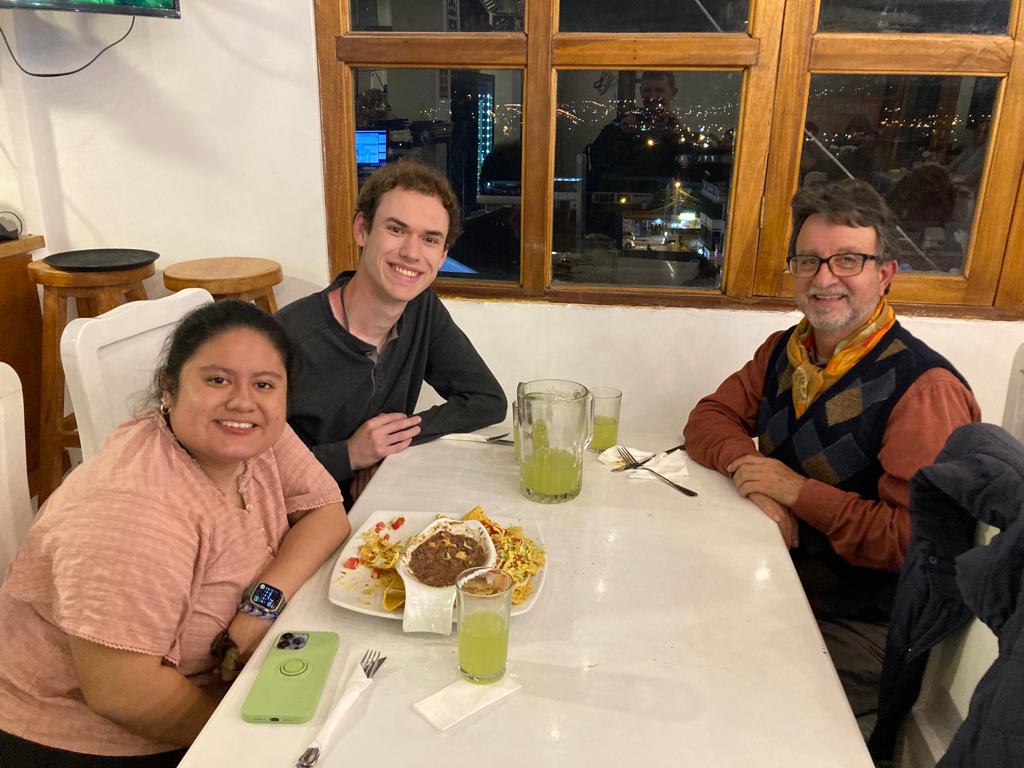
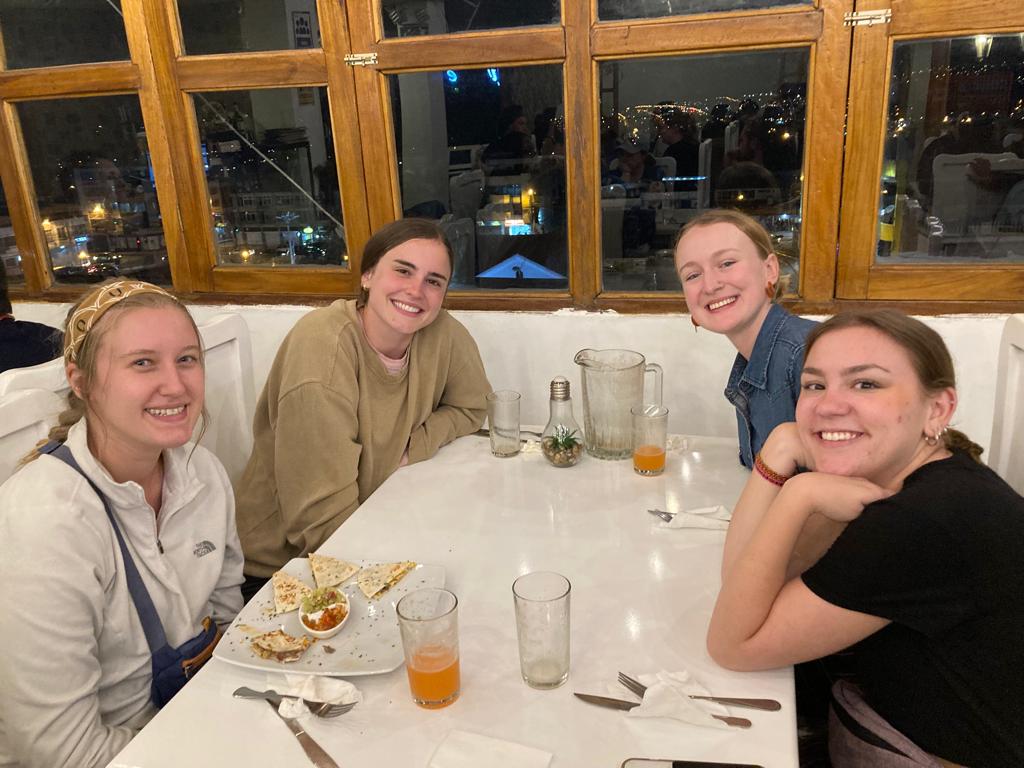
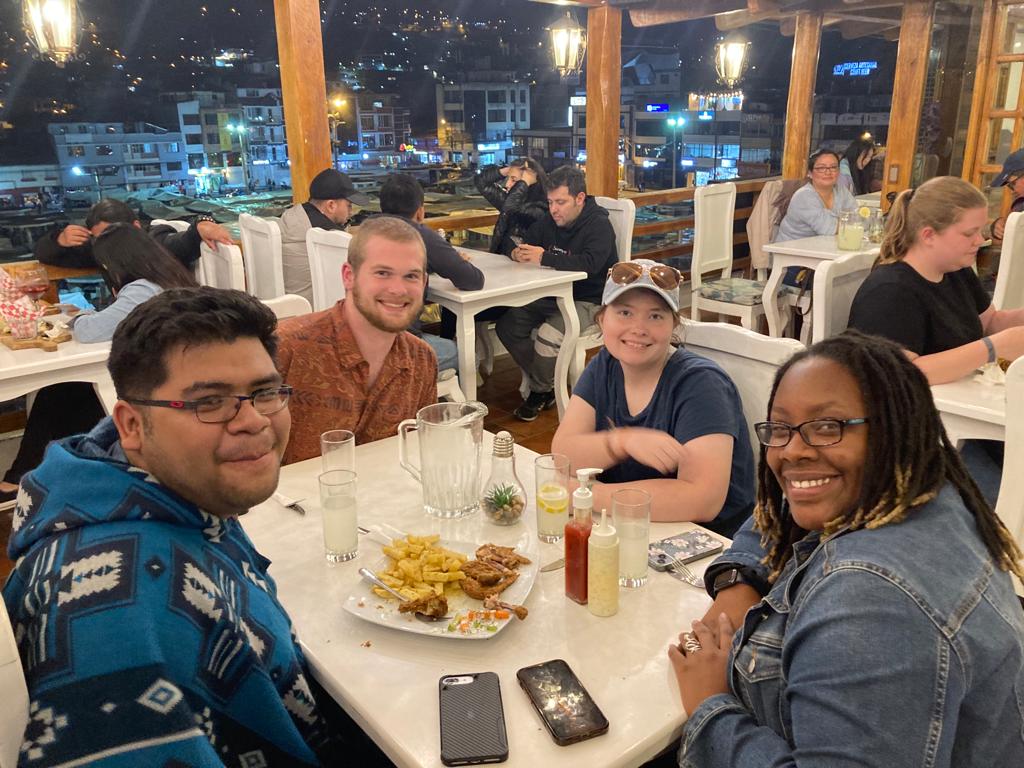
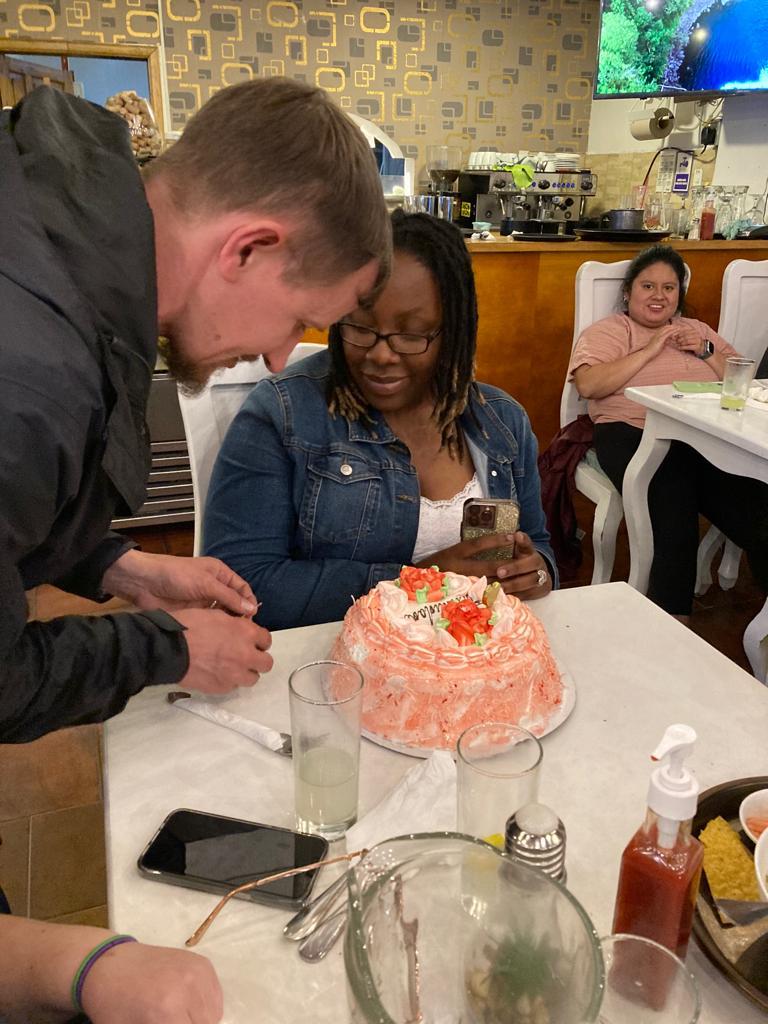
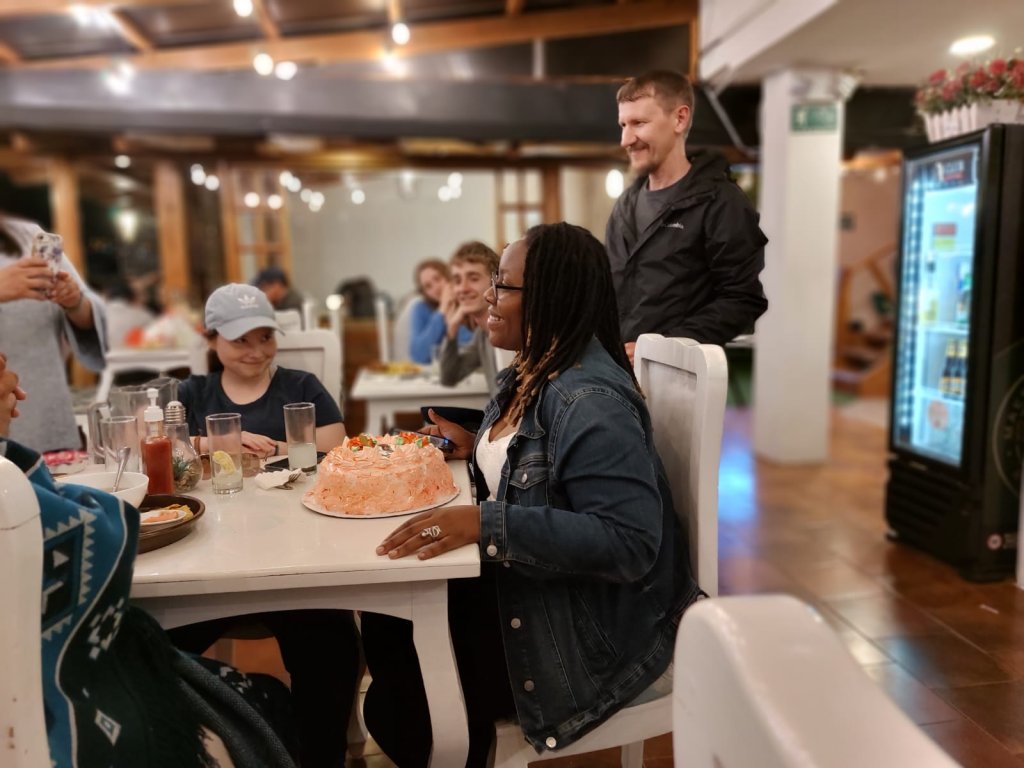
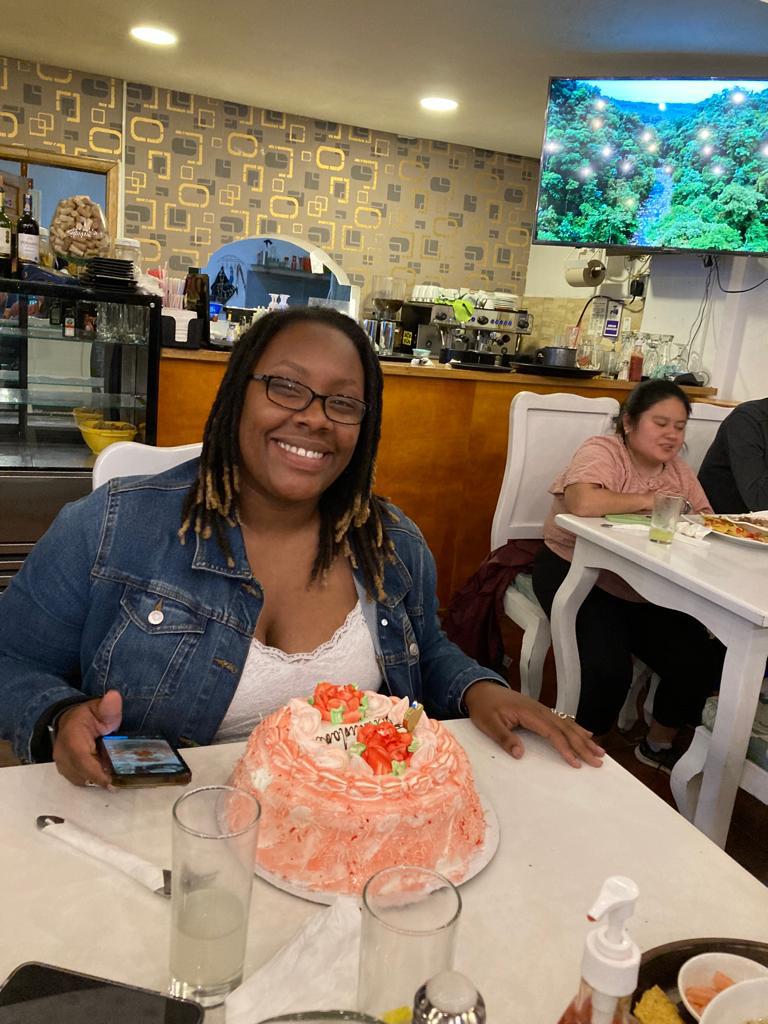
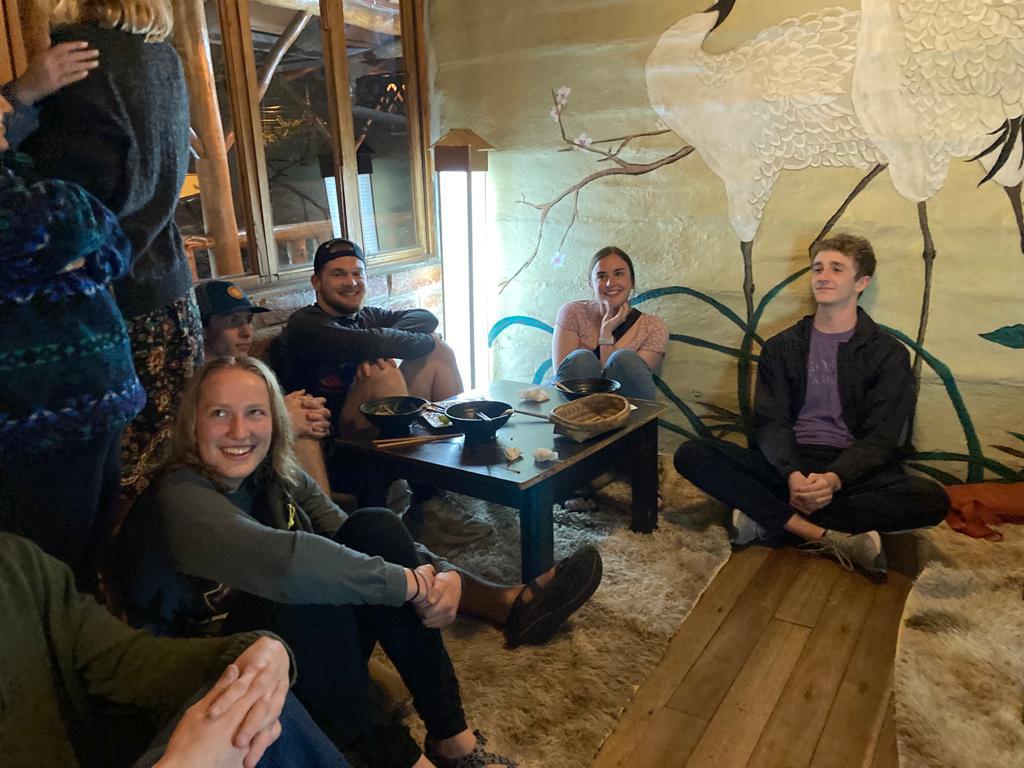
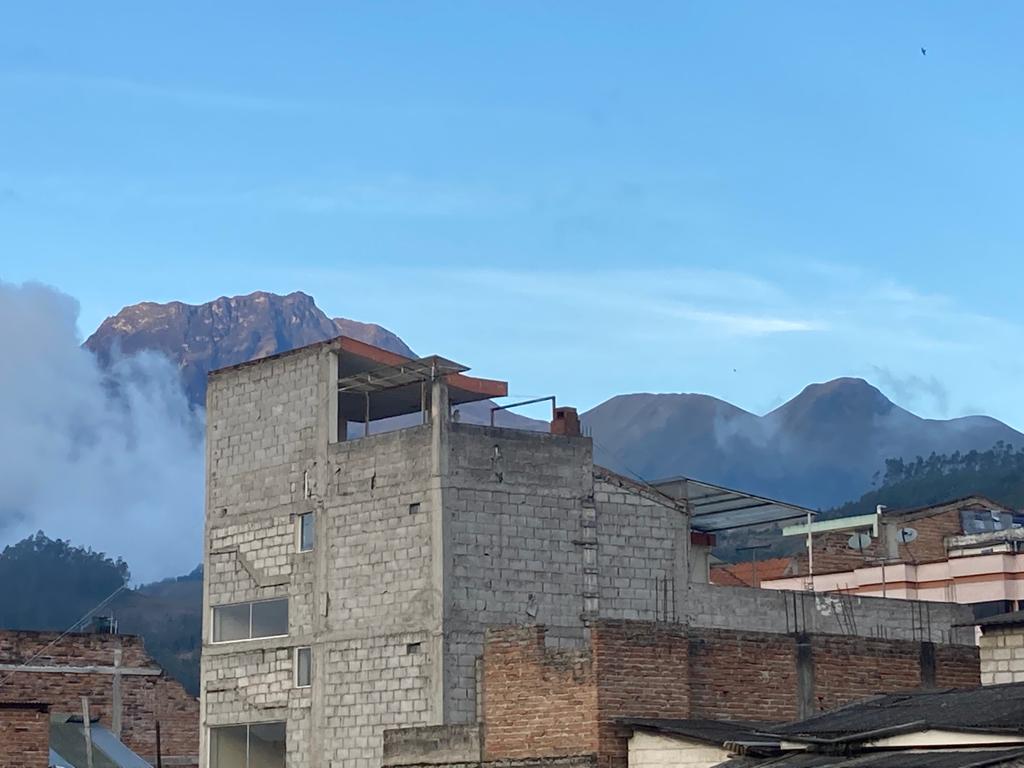
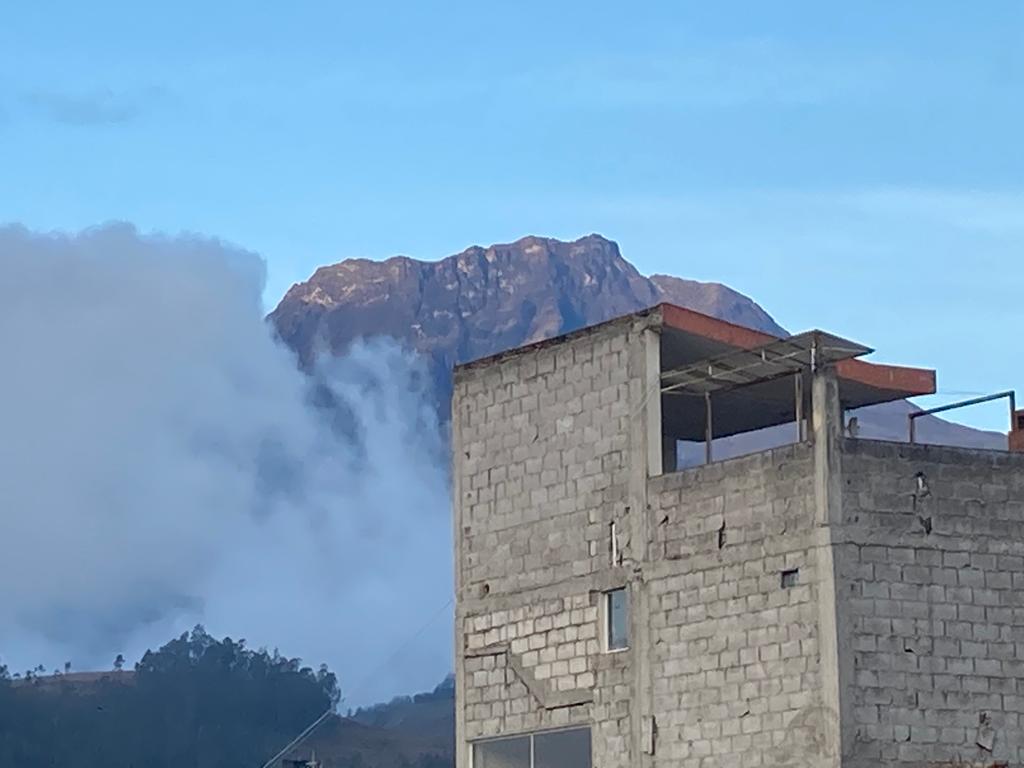
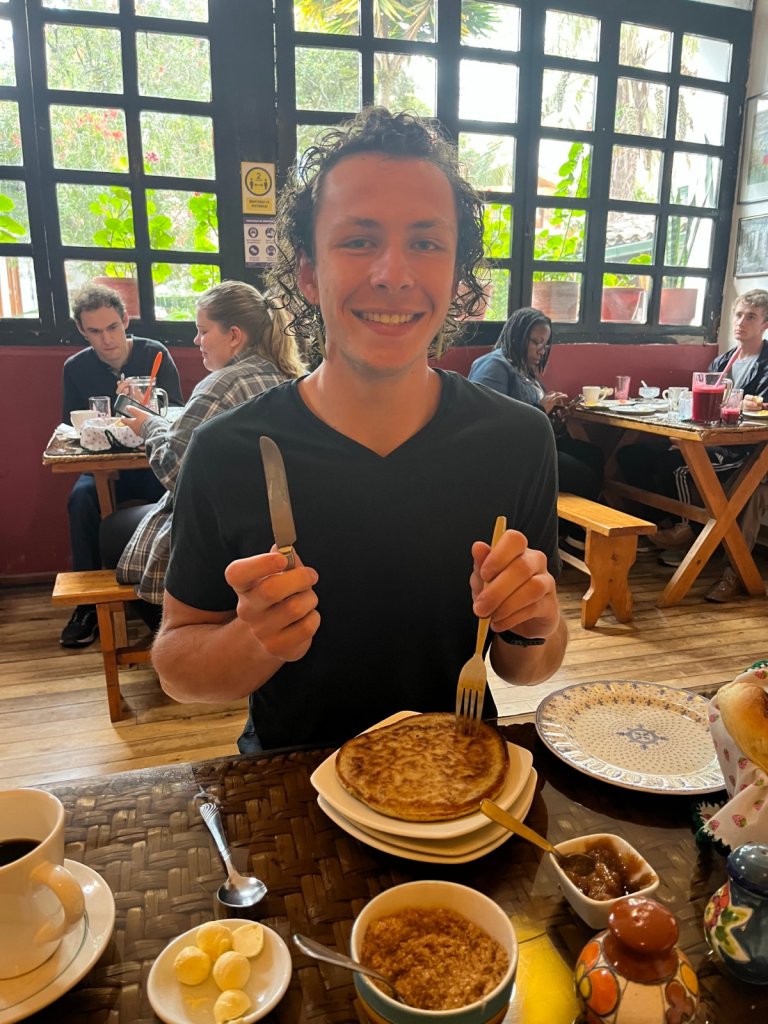
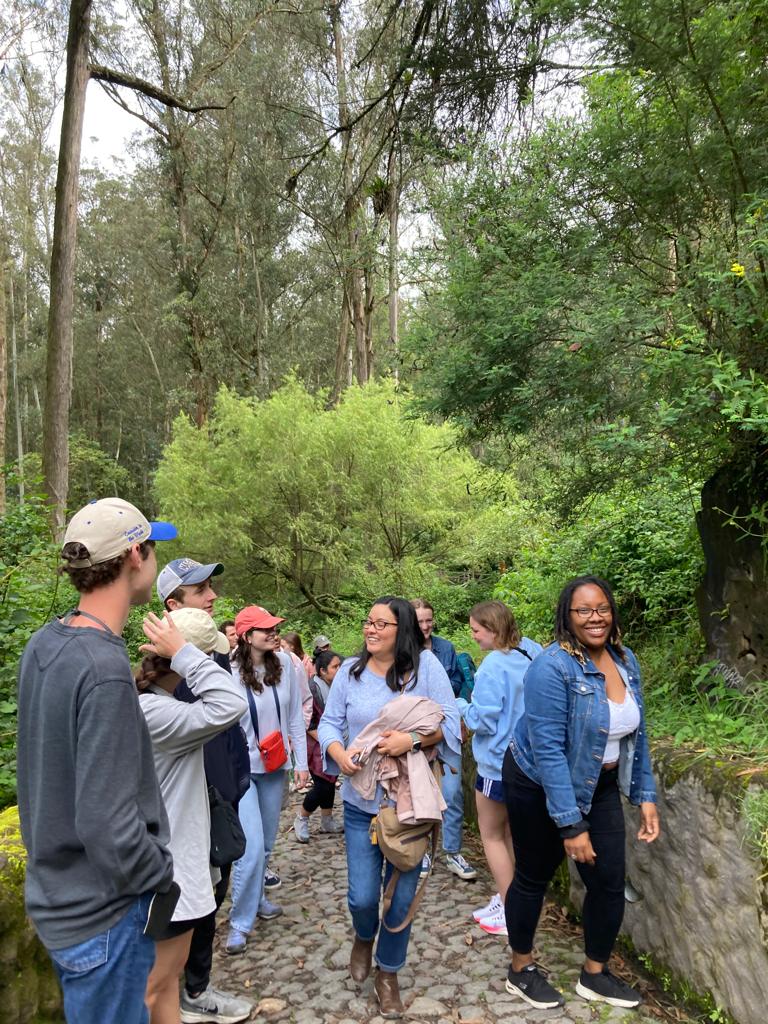
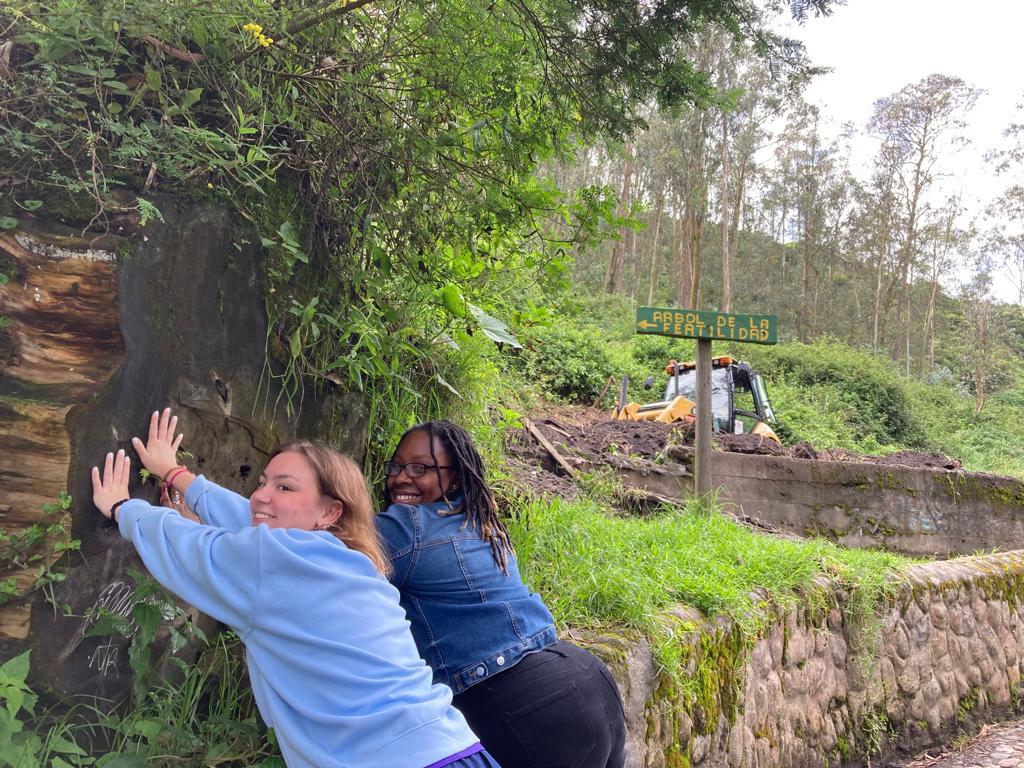
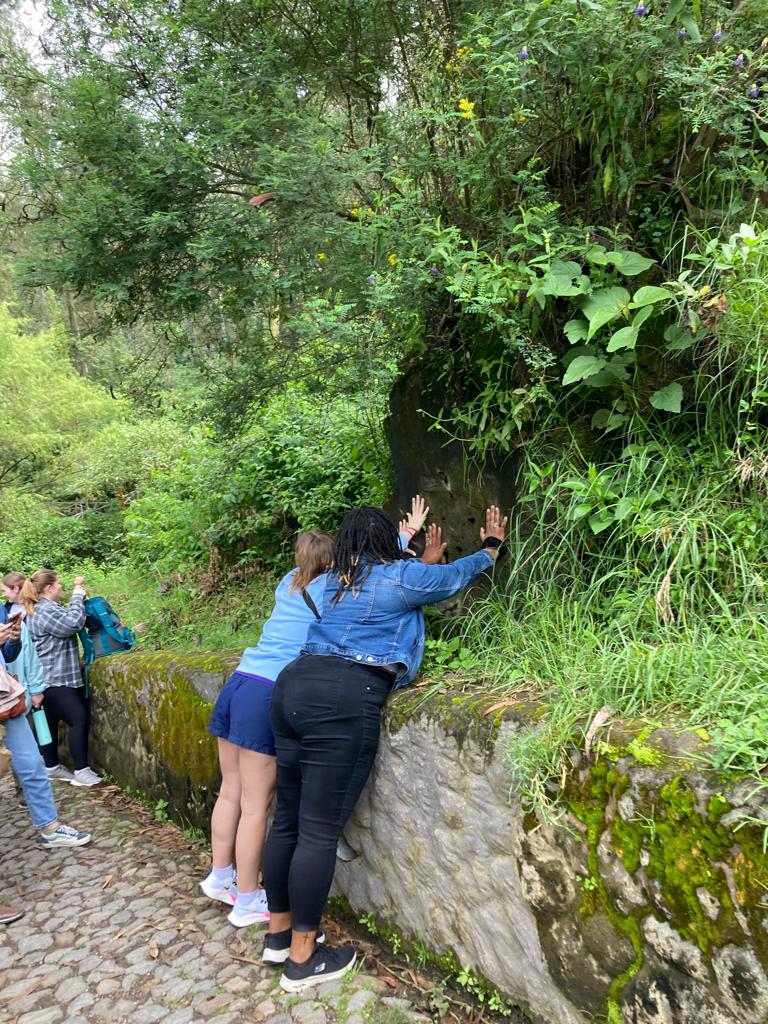
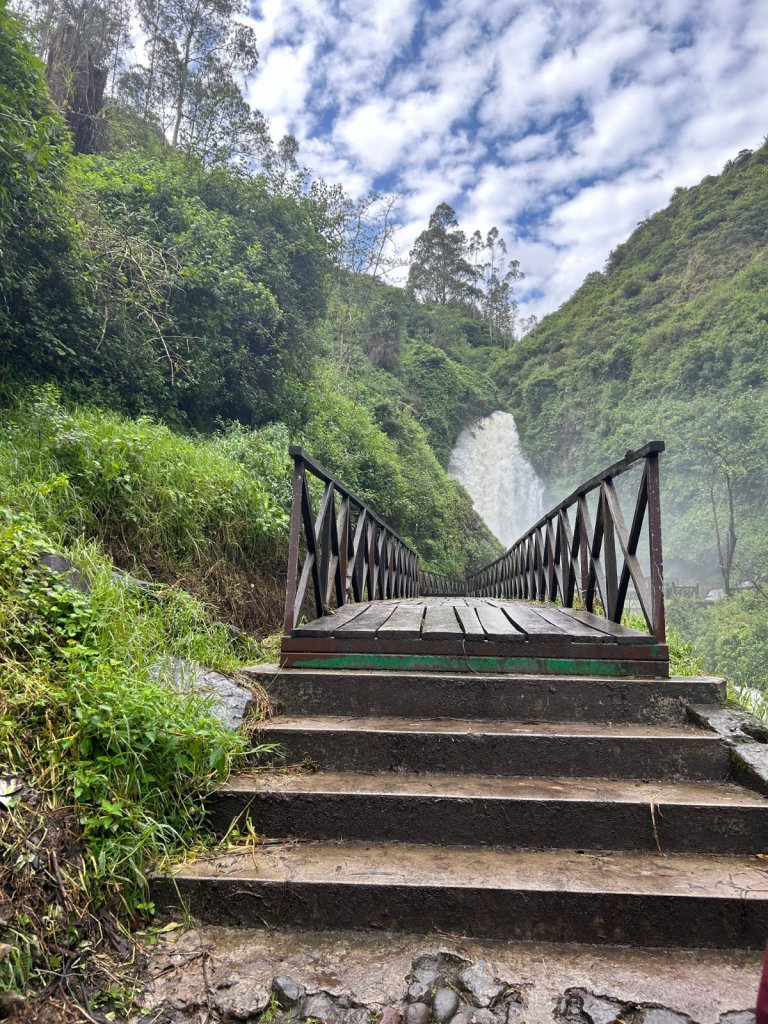
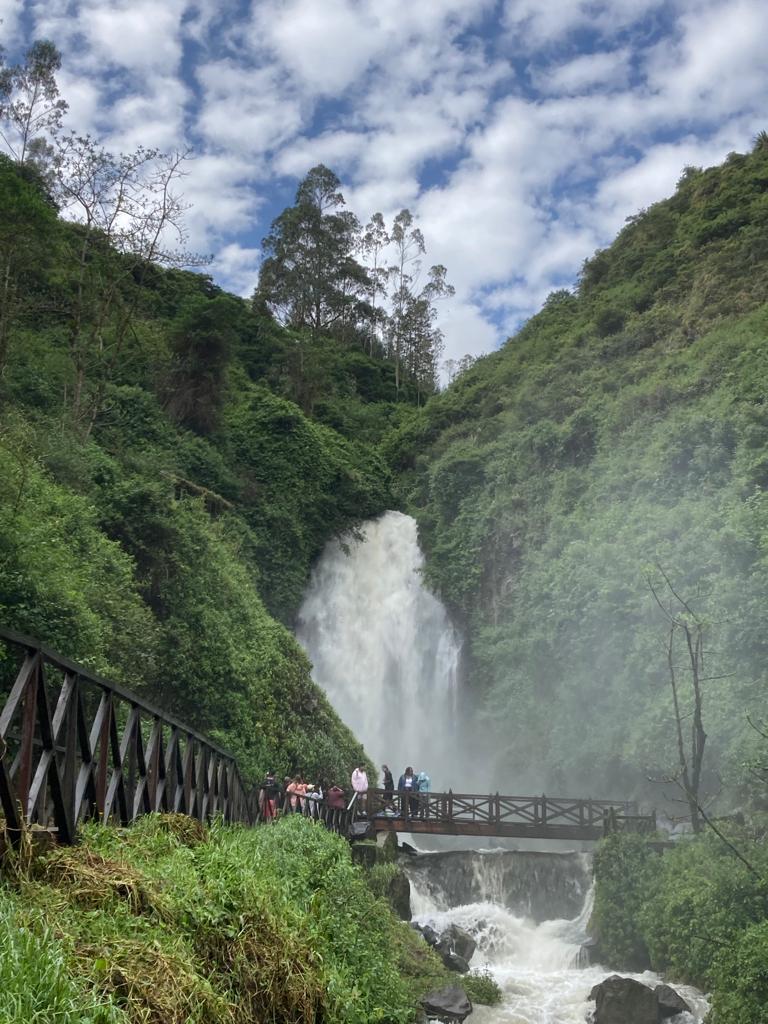
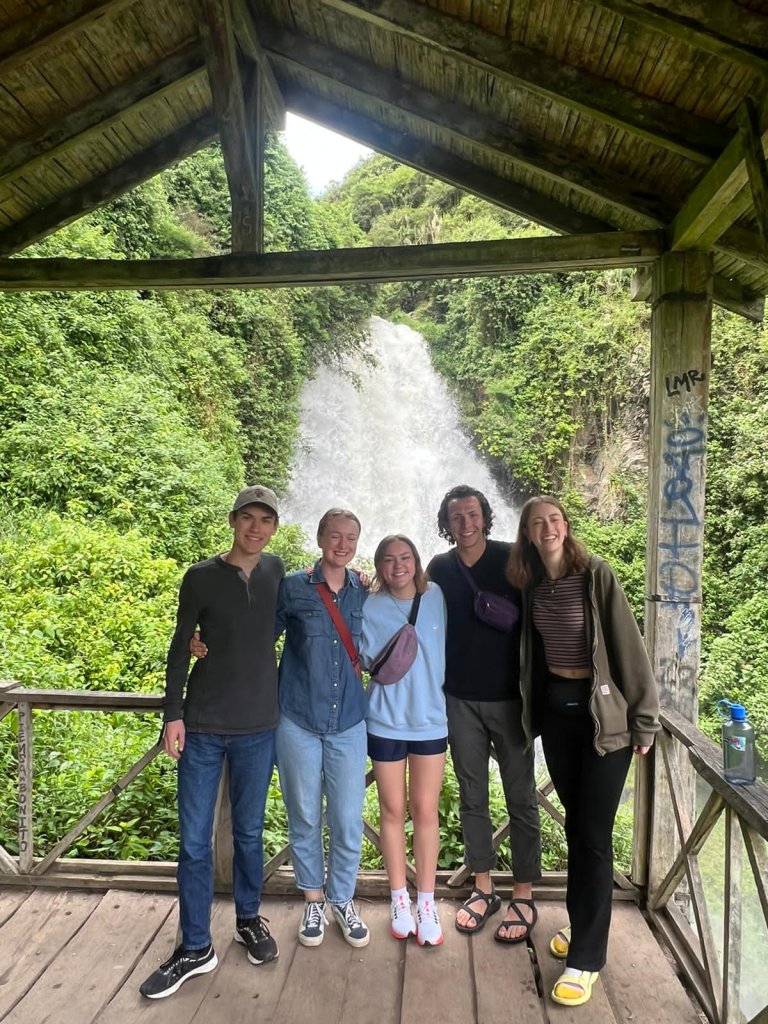

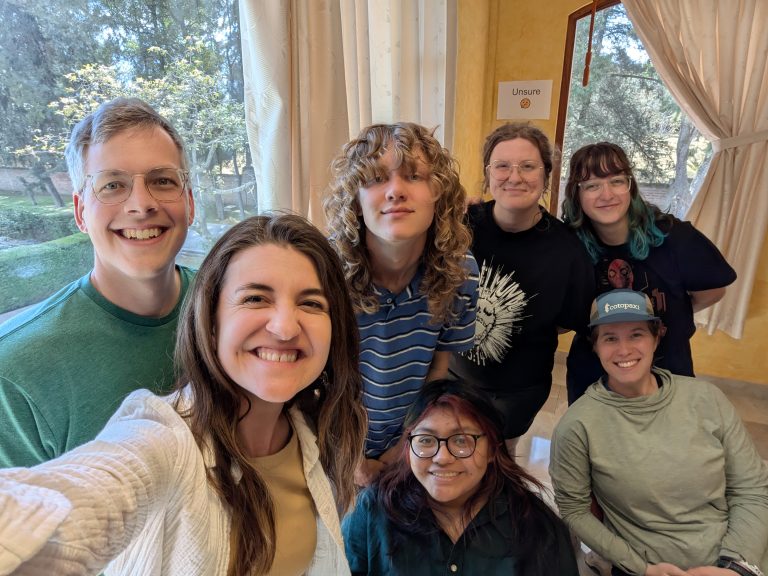
By Hillary Harder On Sunday, July 26, our students returned to Quito from their service communities and we began our final retreat together! The afternoon was full of joyful reunions as each student arrived at our Quito home, la Casa…
News
Indigenous Identity and Spiraling Time
May 29 2023
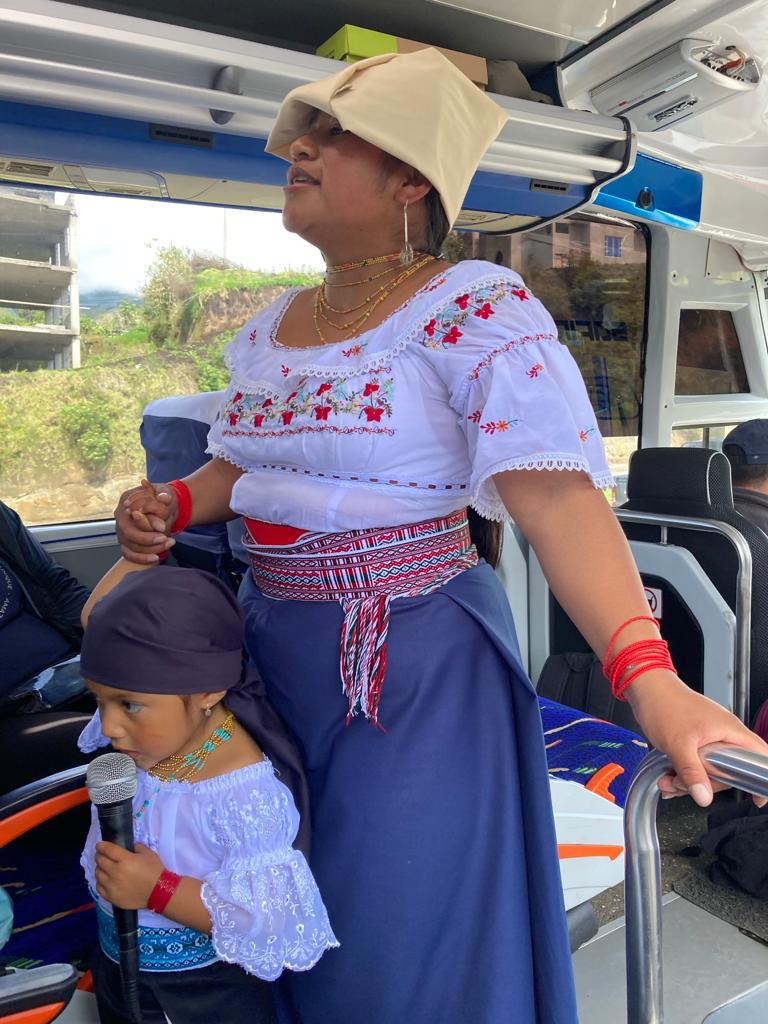
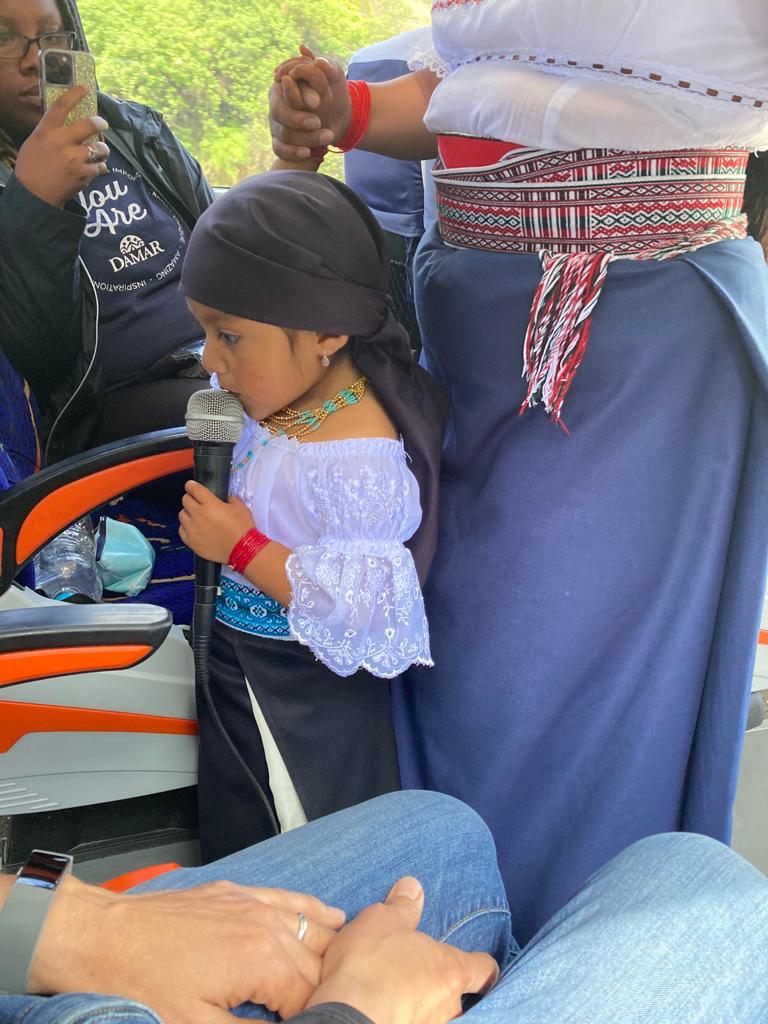
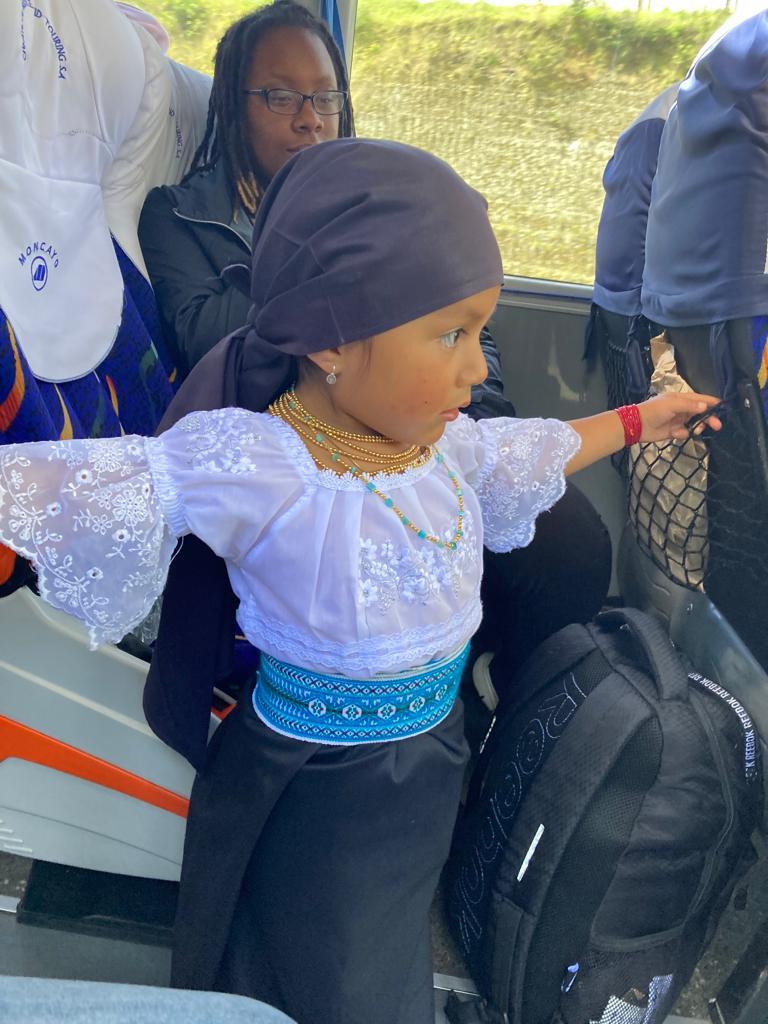
One of the many unique elements of Ecuador is the unusually diverse and high proportion of the population that is fully indigenous to this region. With as many as 16 distinct people groups and another 18 subsets of those groups, the Ecuadorian indigenous population plays a significant role in the social fabric of the country.
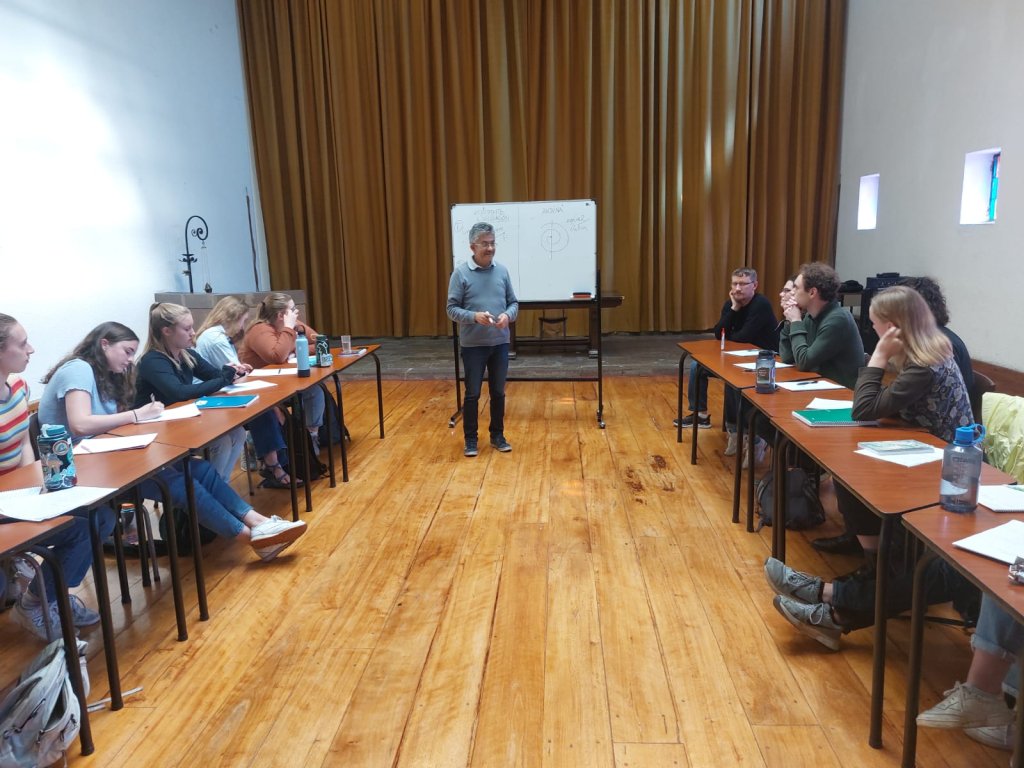
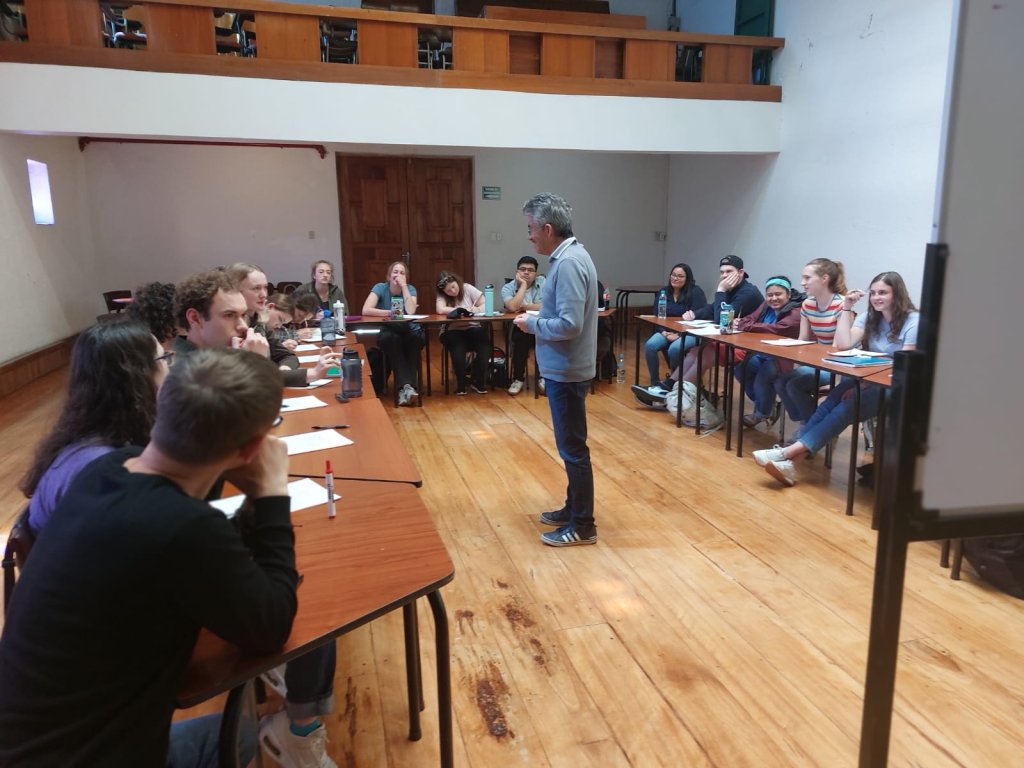
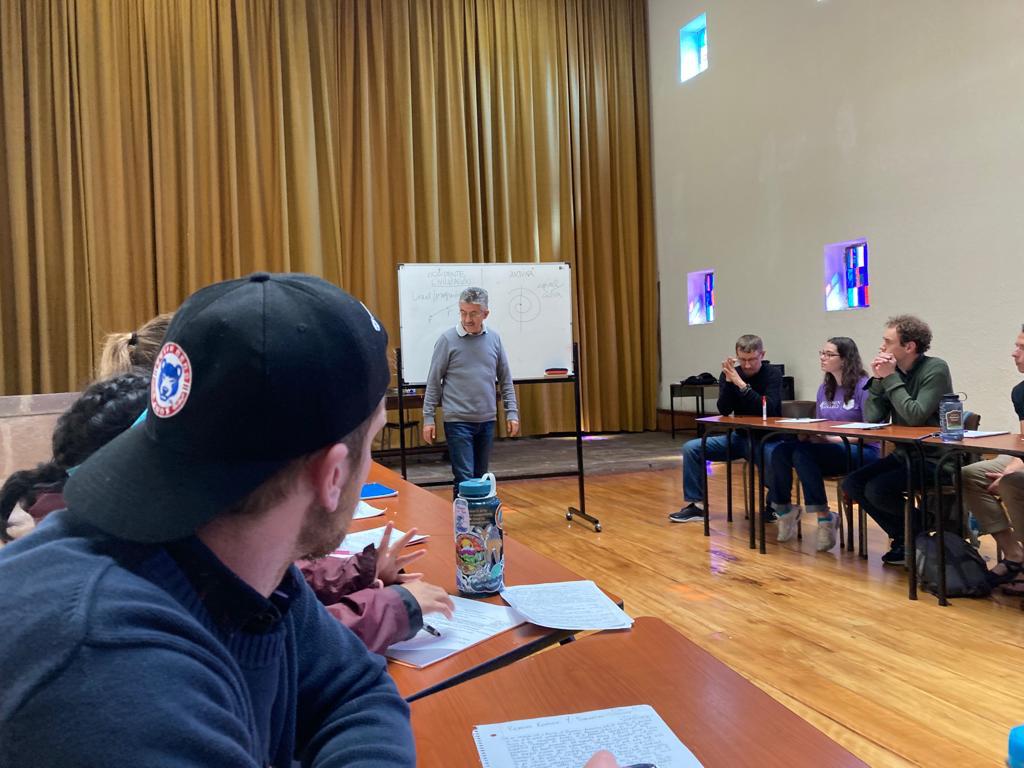
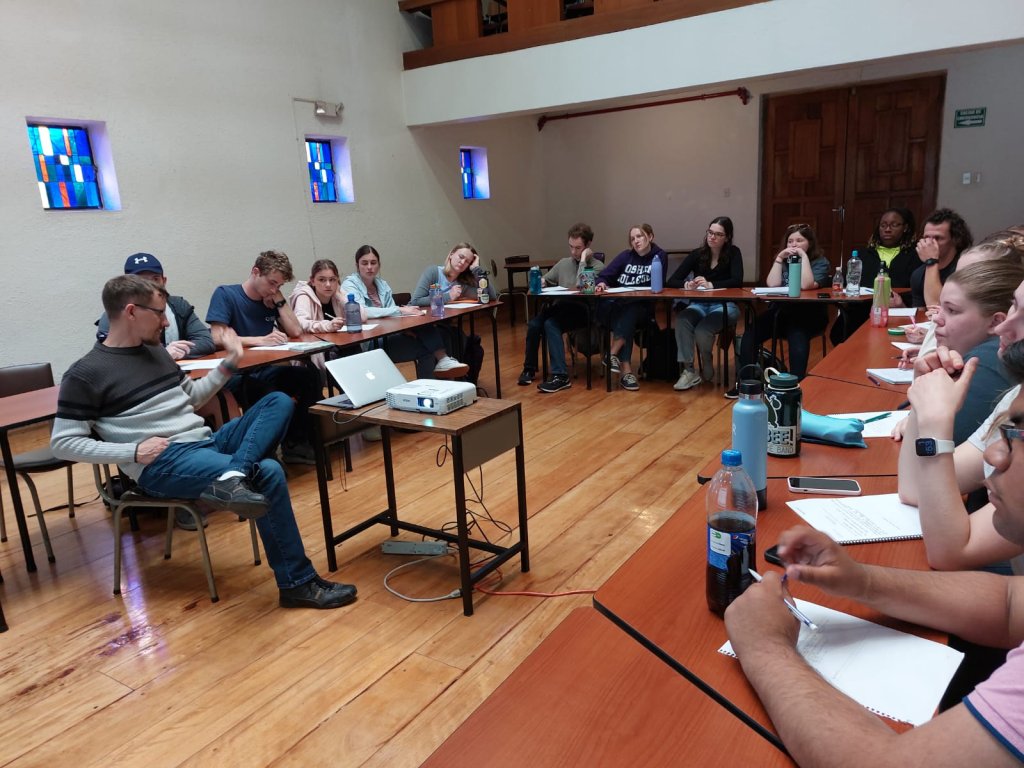
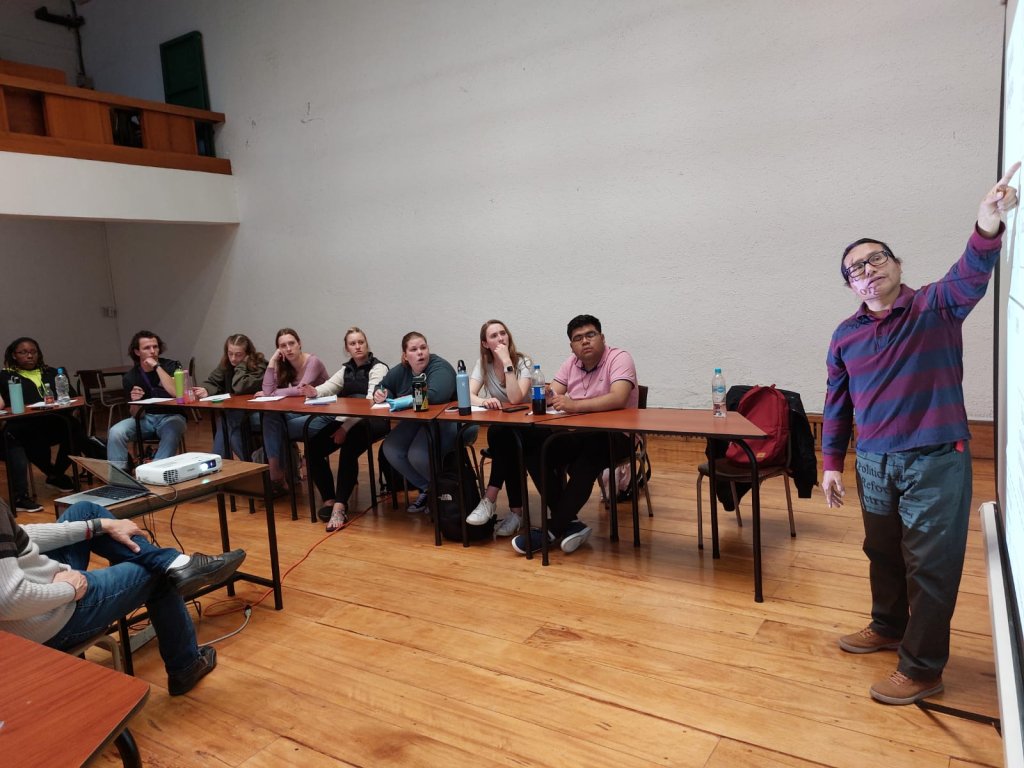
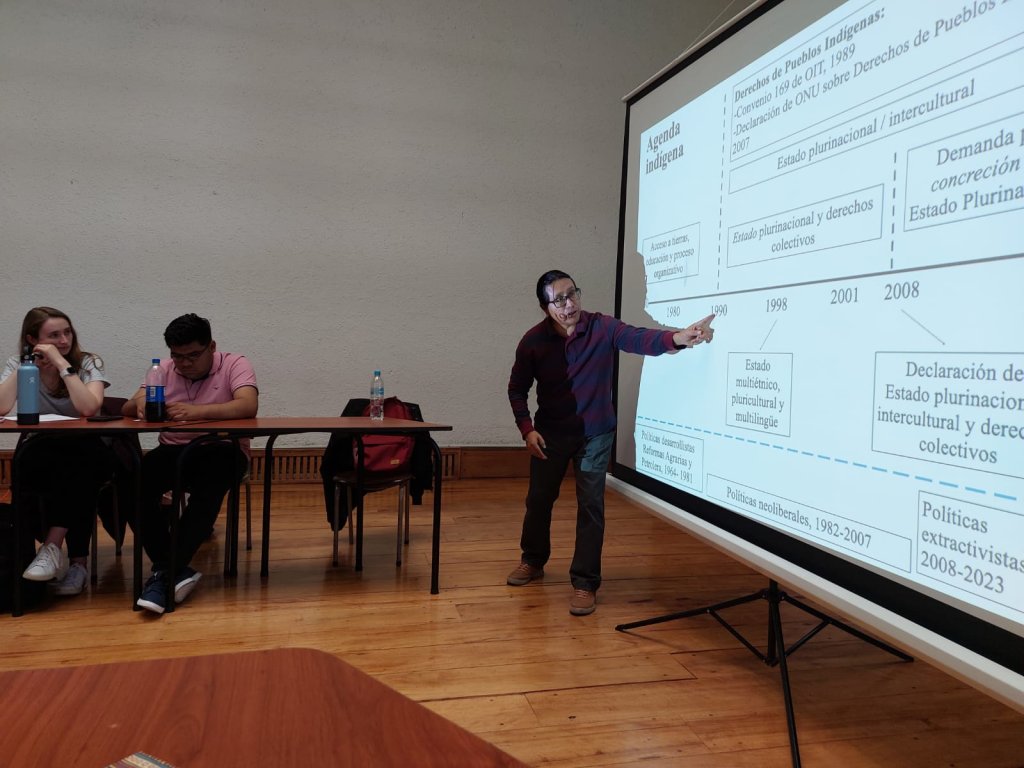
Students began the week hearing about how the Andean indigenous worldview differs from the “Western” worldview in interesting and complex ways. Worldviews often reflect the reality of human beings and how they make sense of the world. It was interesting for students to consider different ways of thinking about space and time among other topics. Our speaker noted that no one worldview is necessarily superior to another and that these different perspectives on the world can in fact be complementary to one another. One element that was particularly fascinating to students was the idea of time as a spiral rather than as a linear progression. In the Andean indigenous tradition, our eyes are firmly fixed on the past and the future is behind us because we can’t yet see it. As time moves in a spiral, the past informs (becomes) the future, and as the spiral tightens, the past and future become more and more intimately linked. A little mind-bending but interesting to think about. 🙂
Our week continued with students learning about the ways in which indigenous groups have worked to be fully recognized in the broader Ecuadorian society and the significant challenges of reconciling a culture of accumulation with a culture of sustainability and harmony with the natural world. As has frequently been the case throughout human history, groups in Ecuador vie for their rights to be respected. This comes to a head through a widescale push by national and international interests for resource extraction and the underlying rights of a people group to a particular piece of earth.
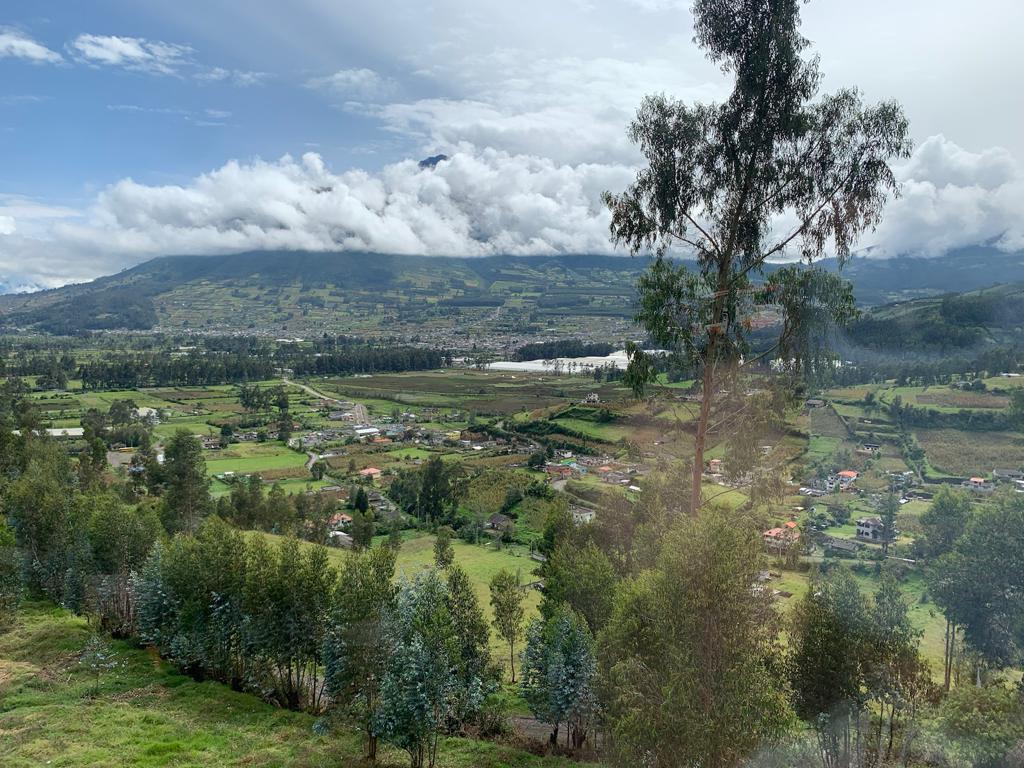
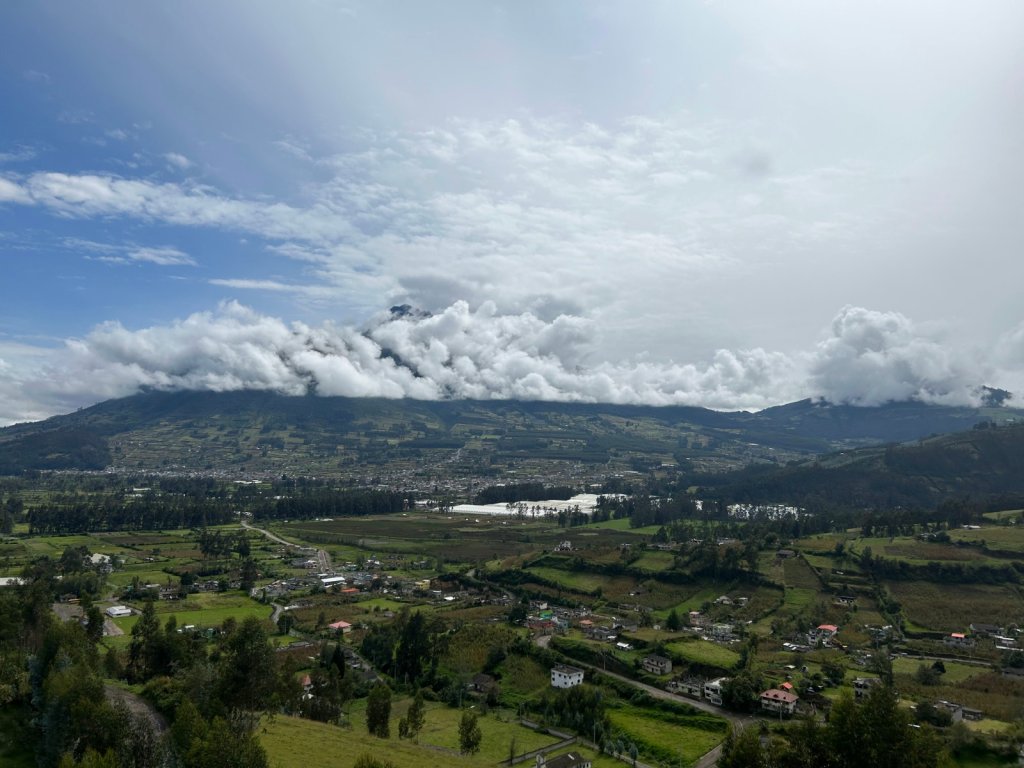
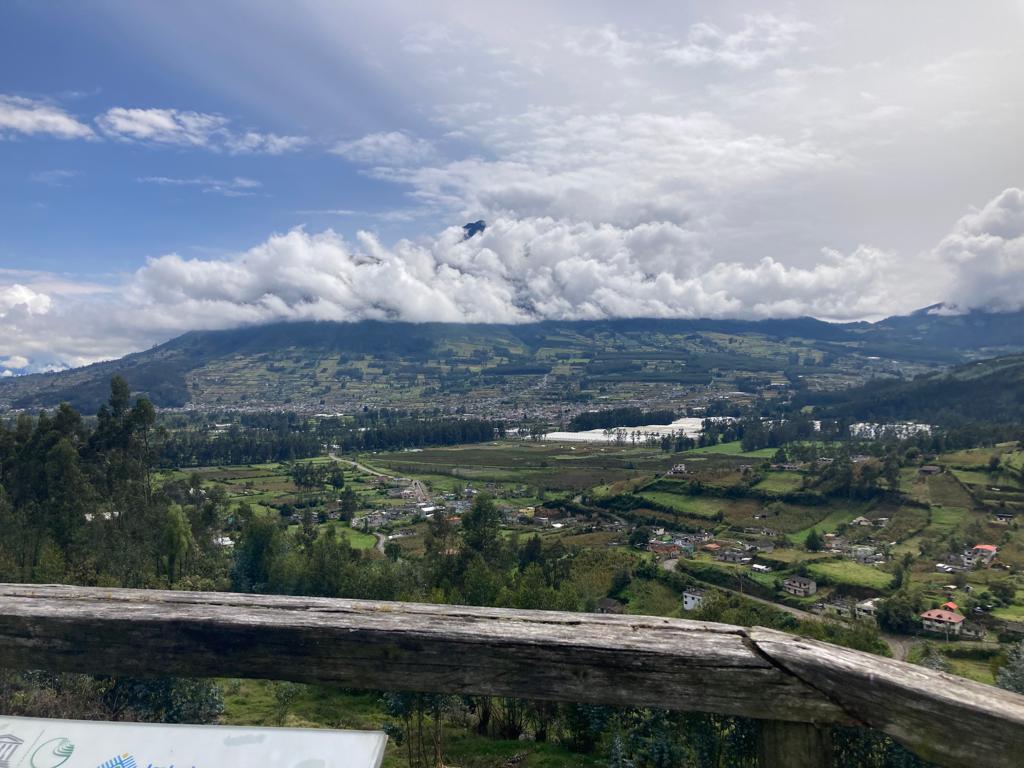
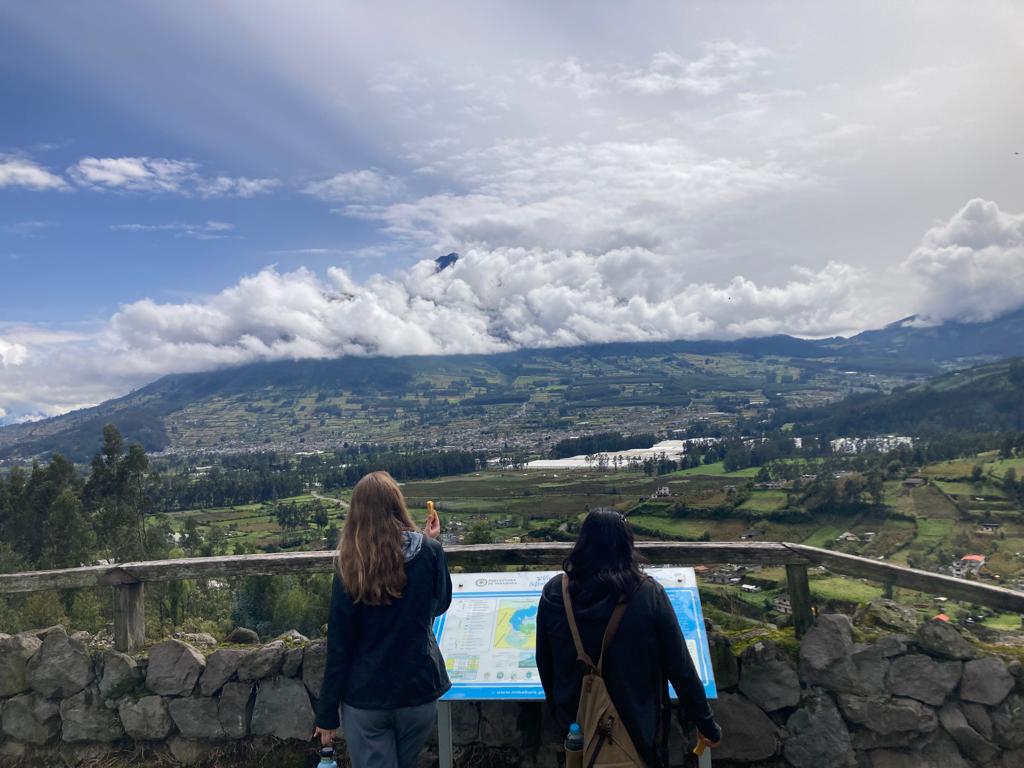
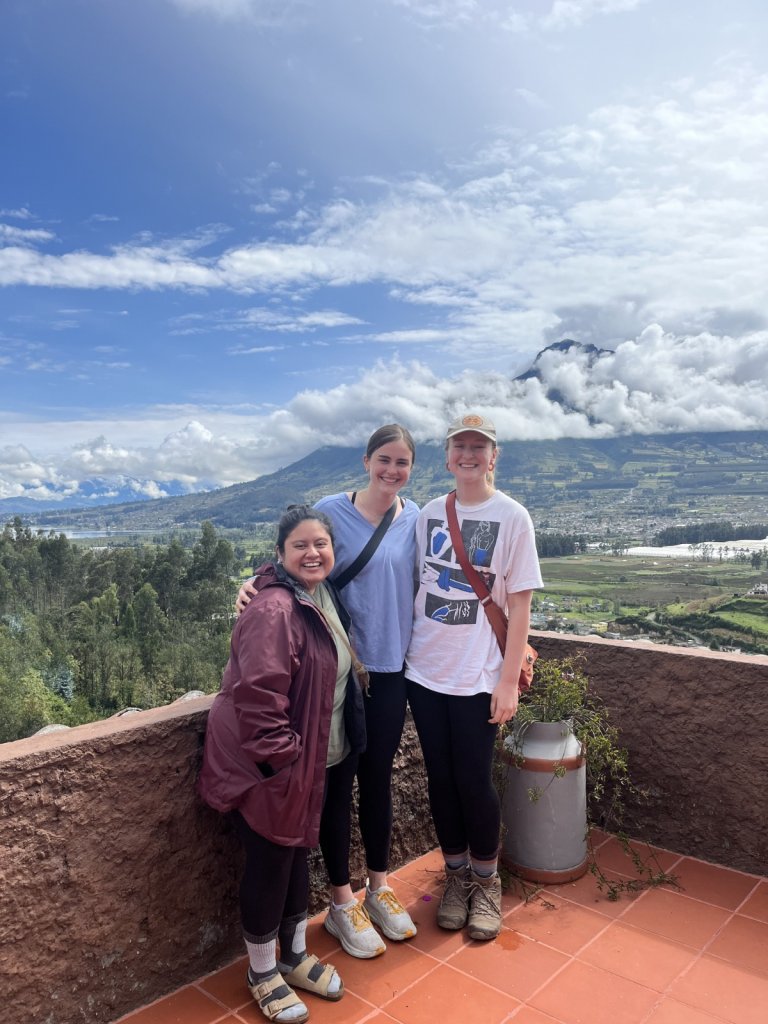
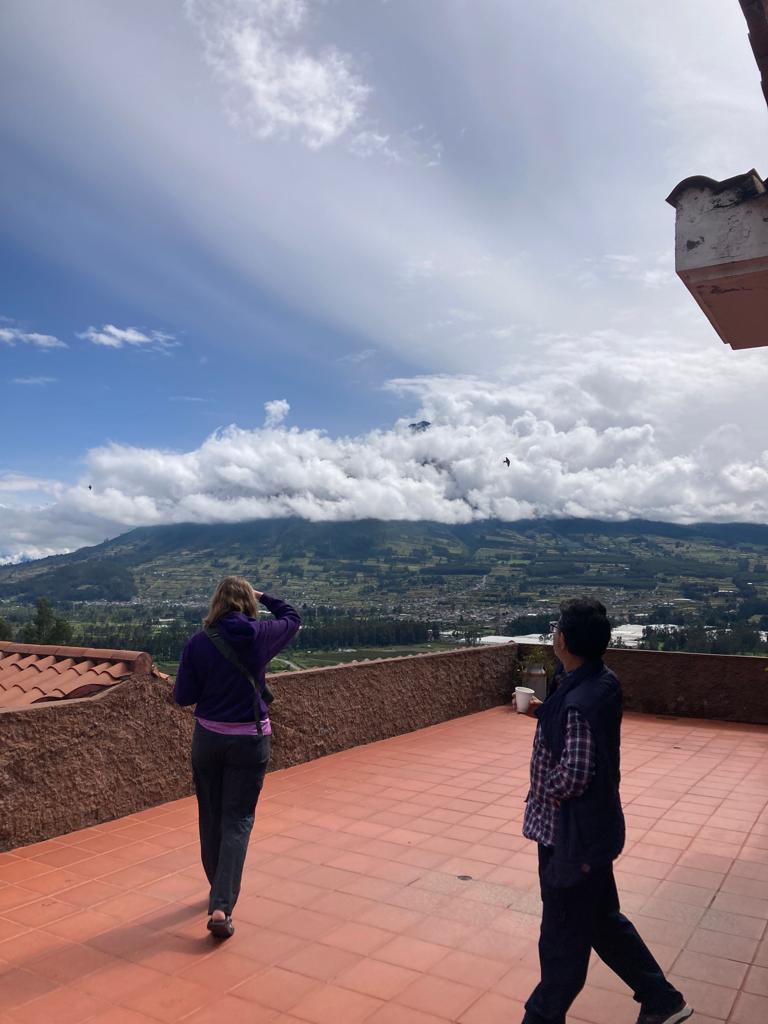
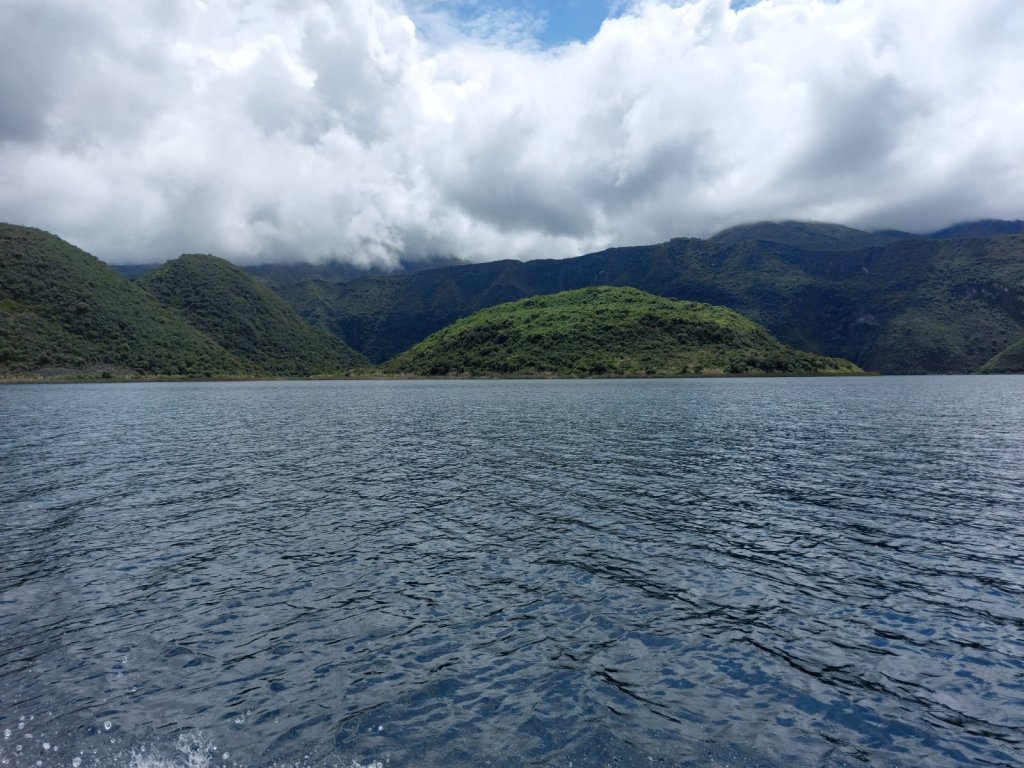
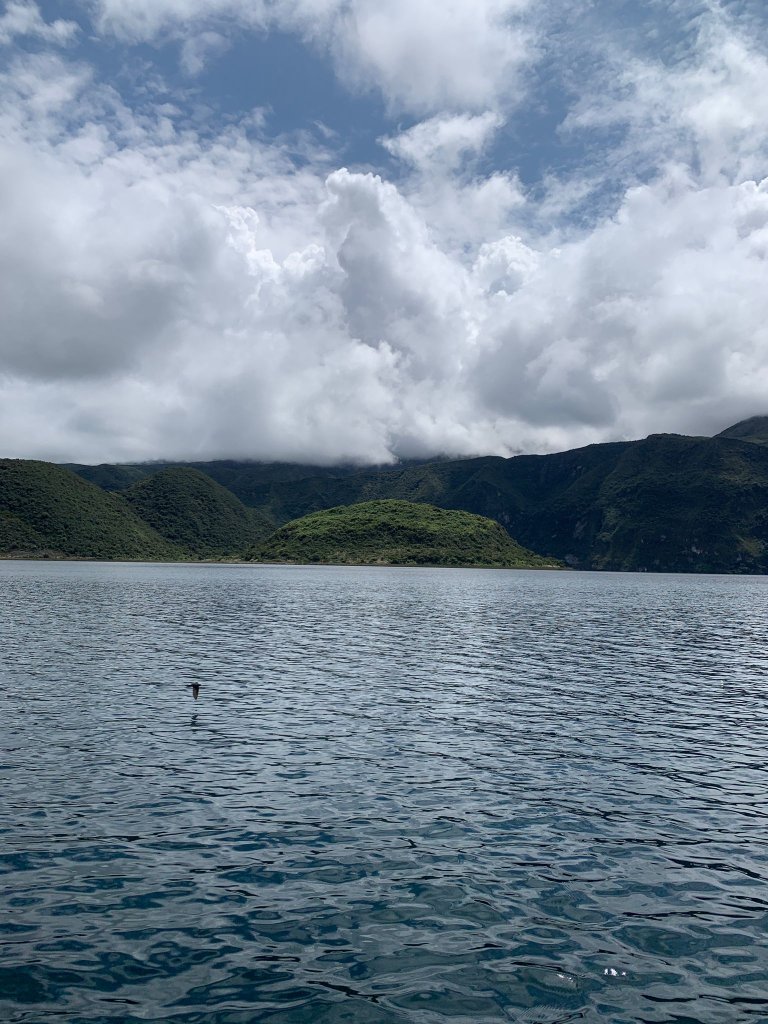
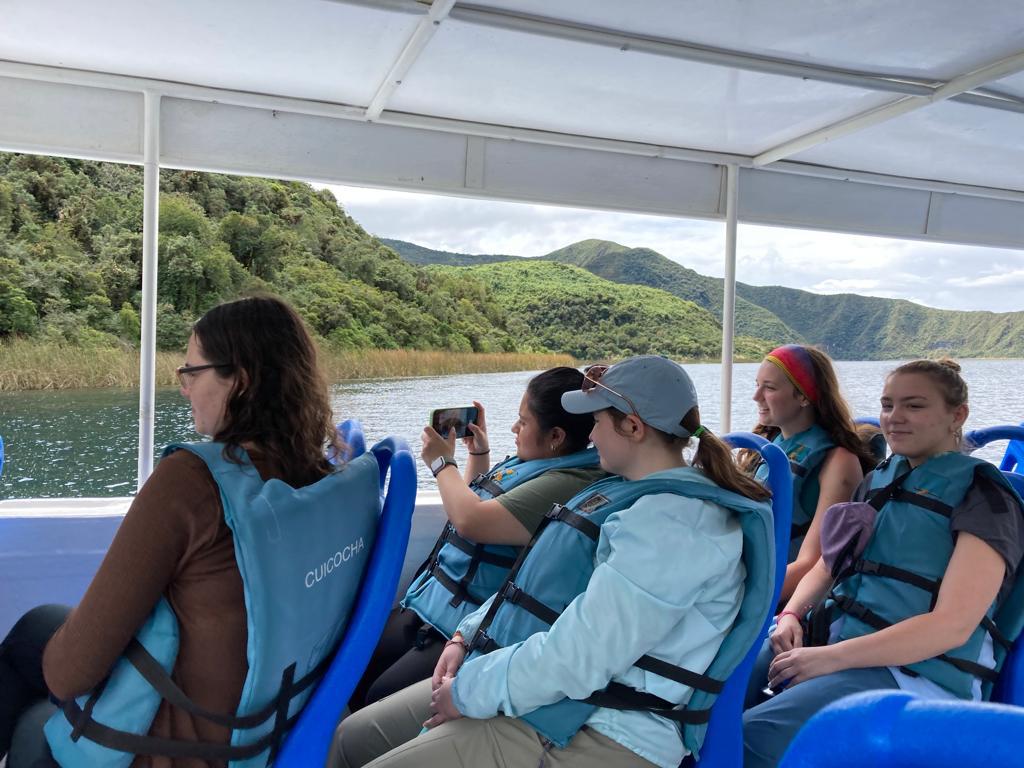
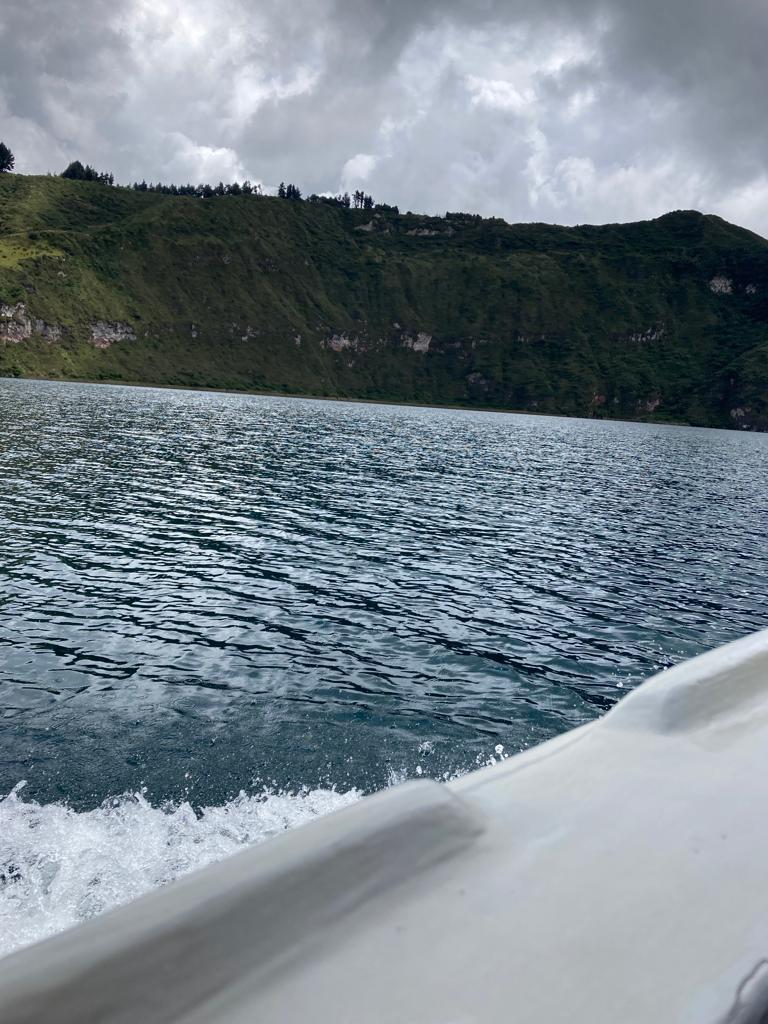
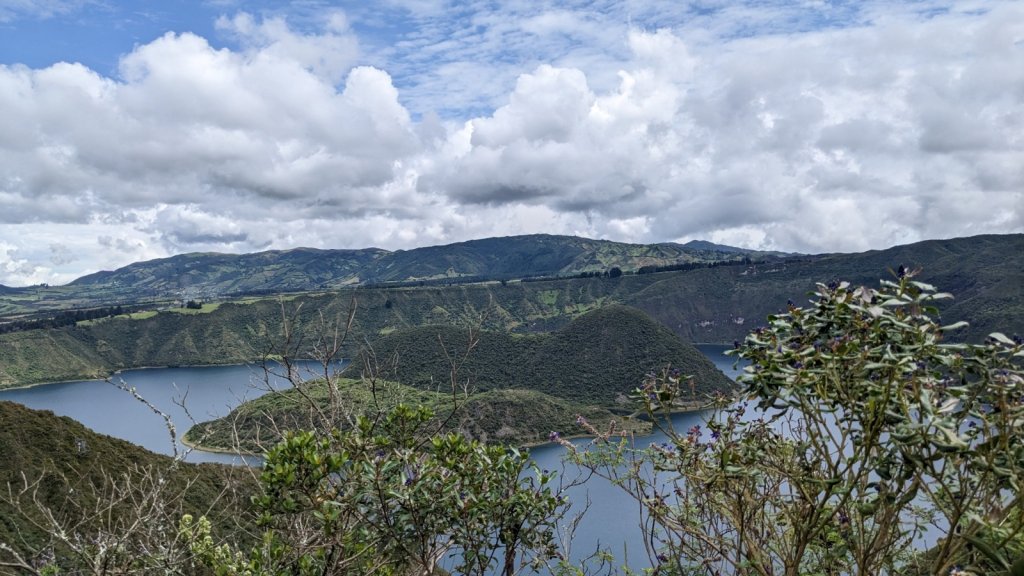
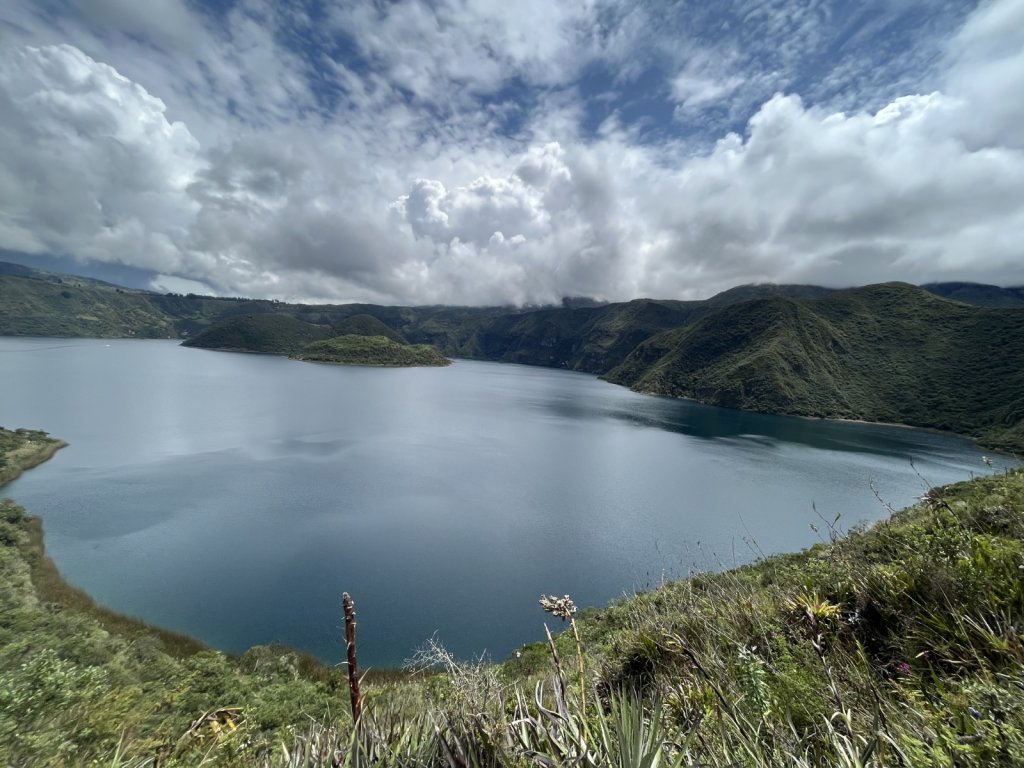
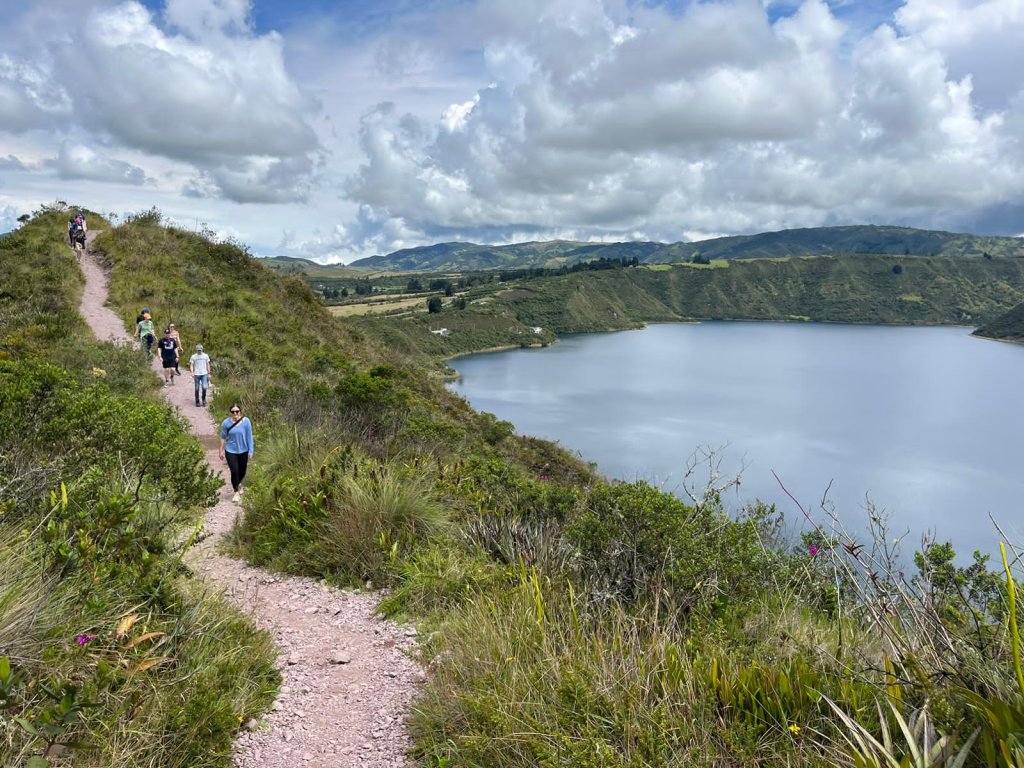
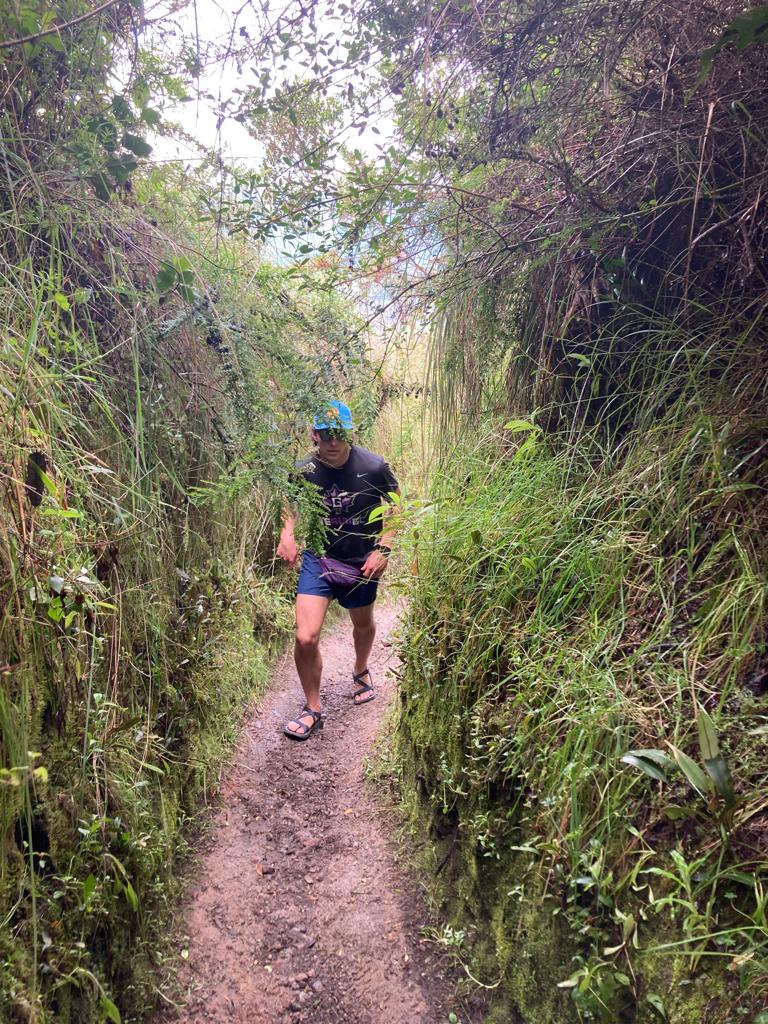
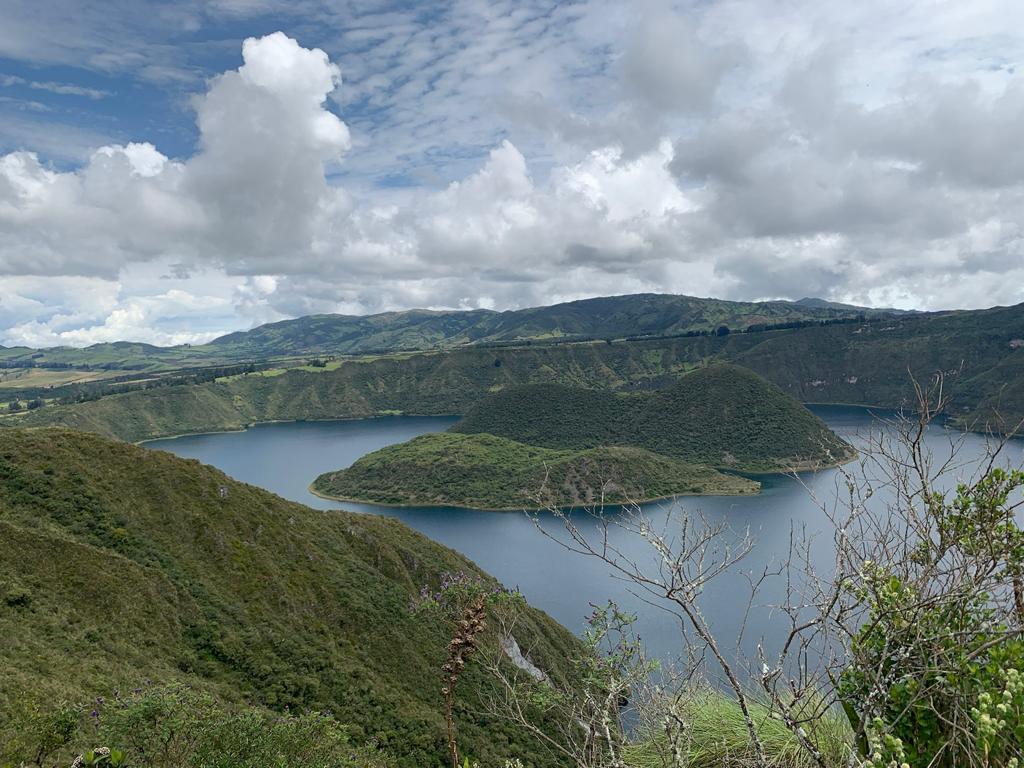
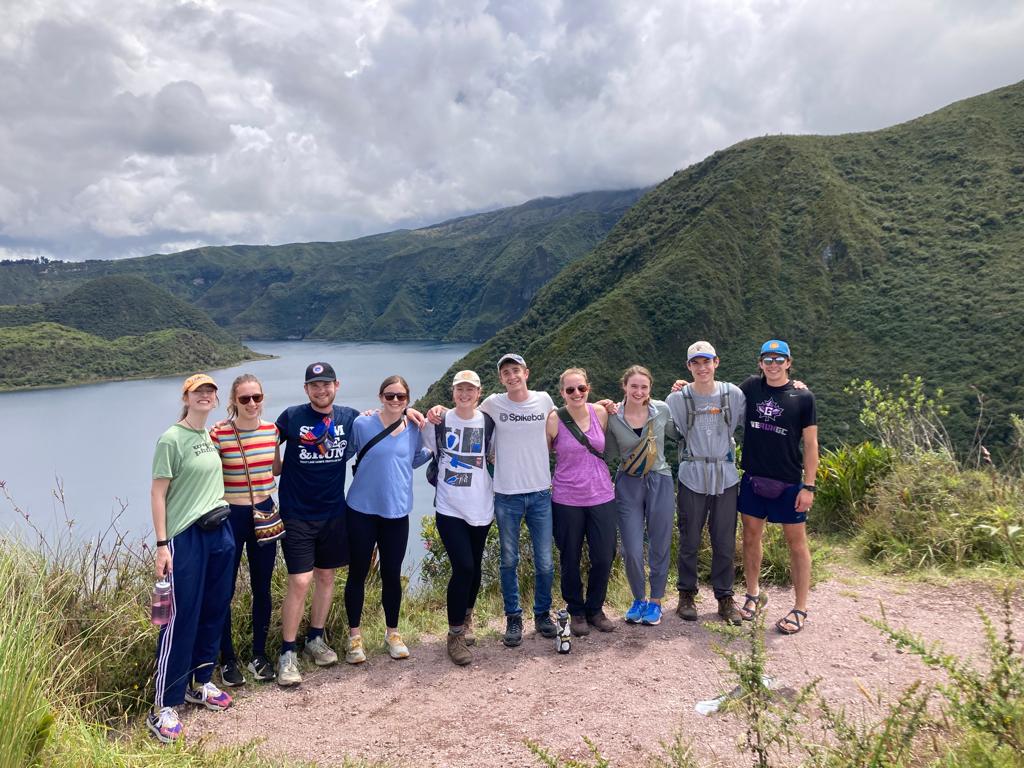
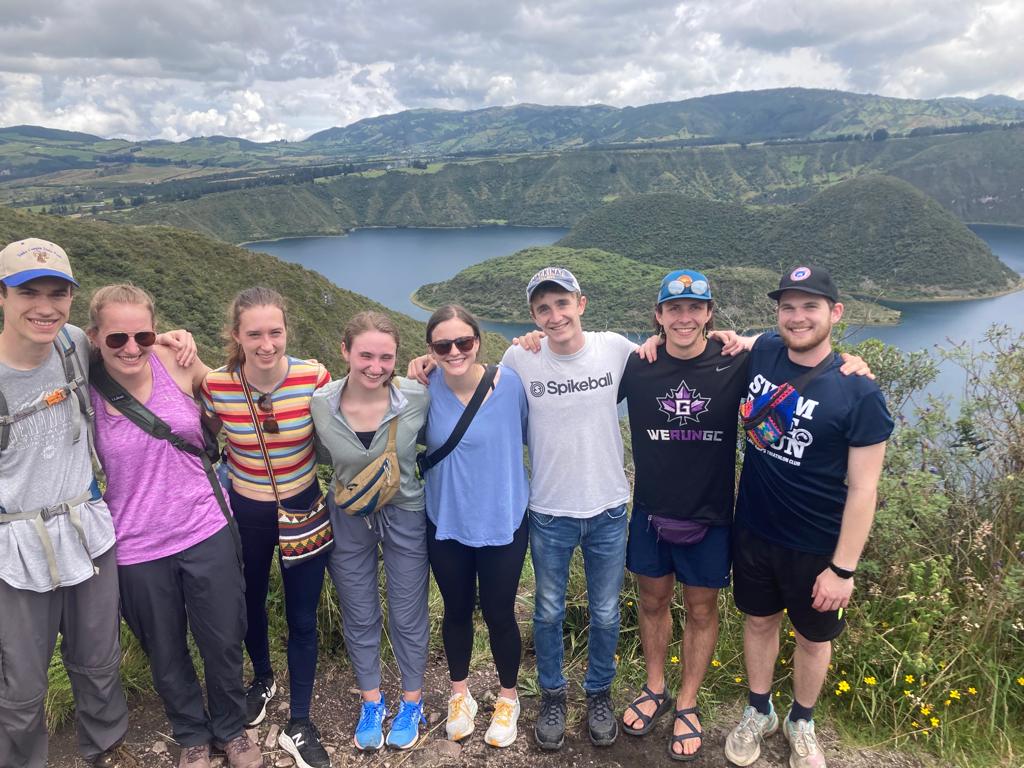
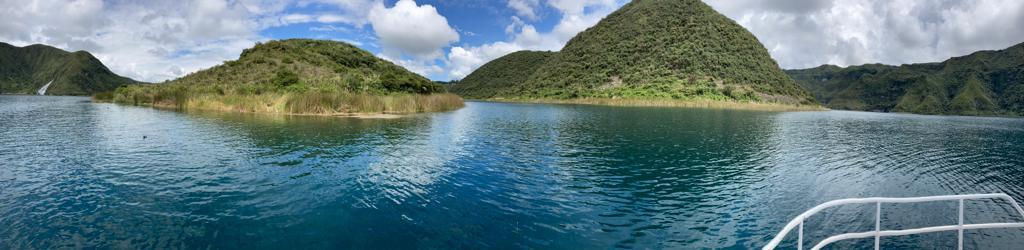
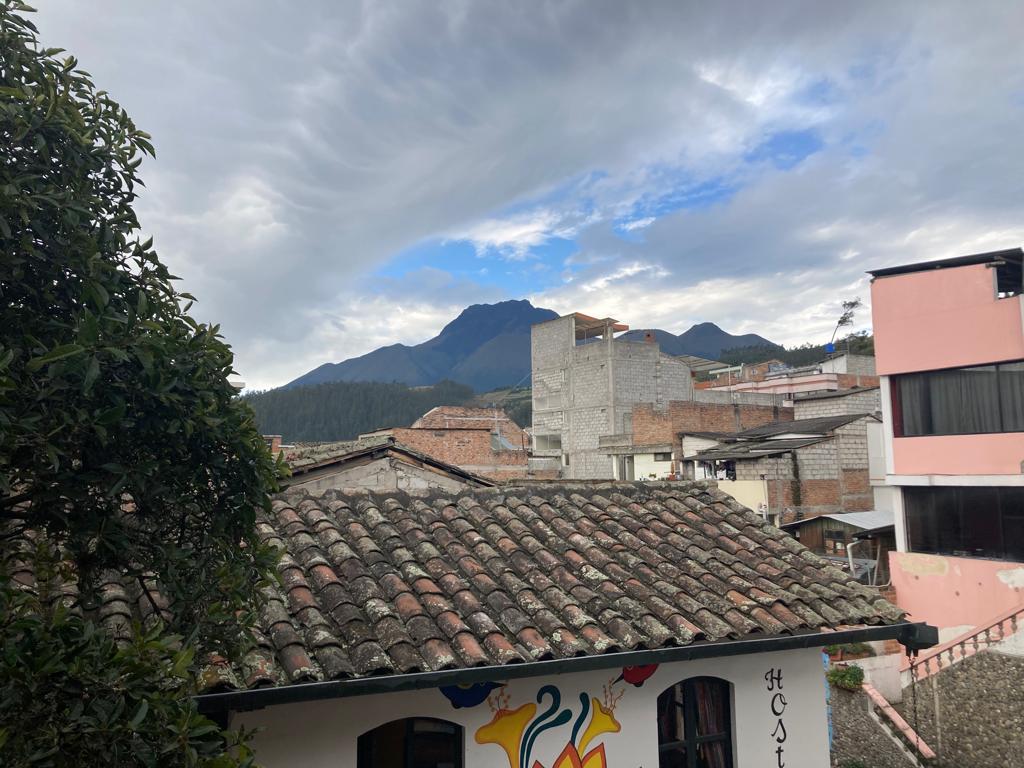
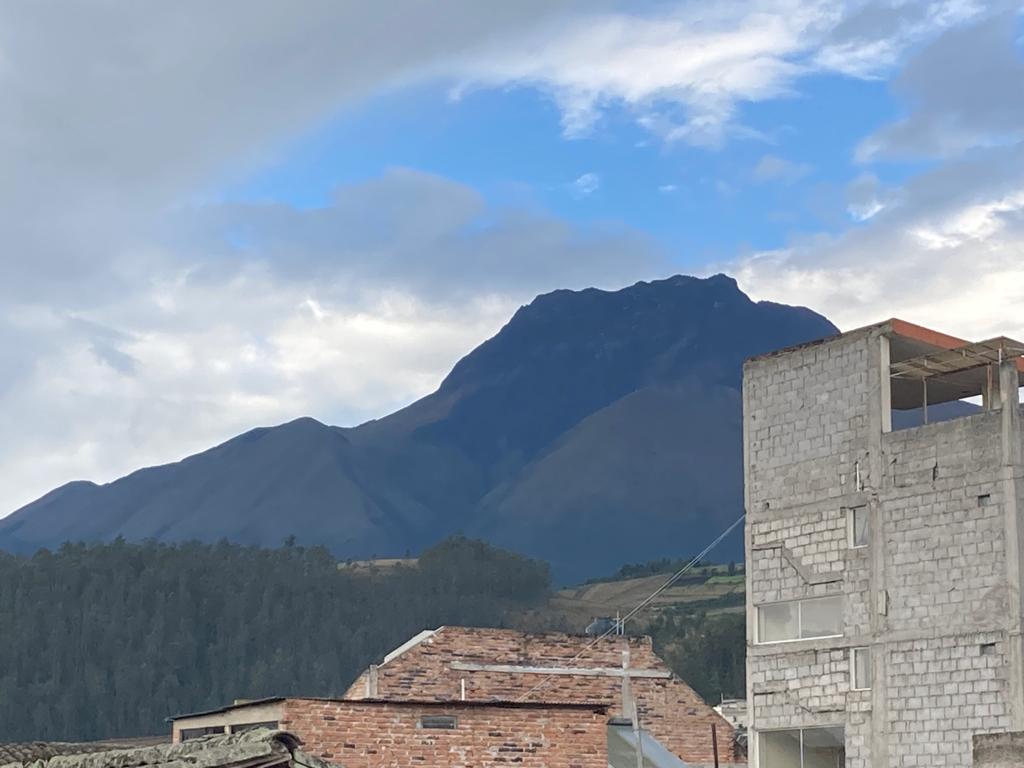
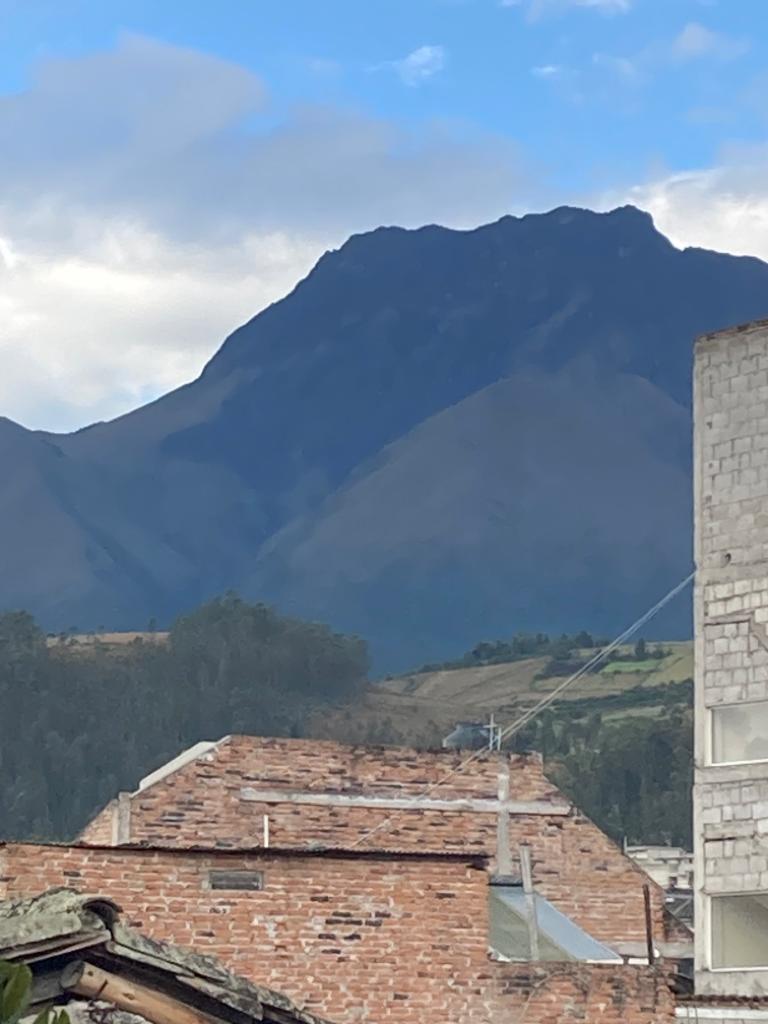
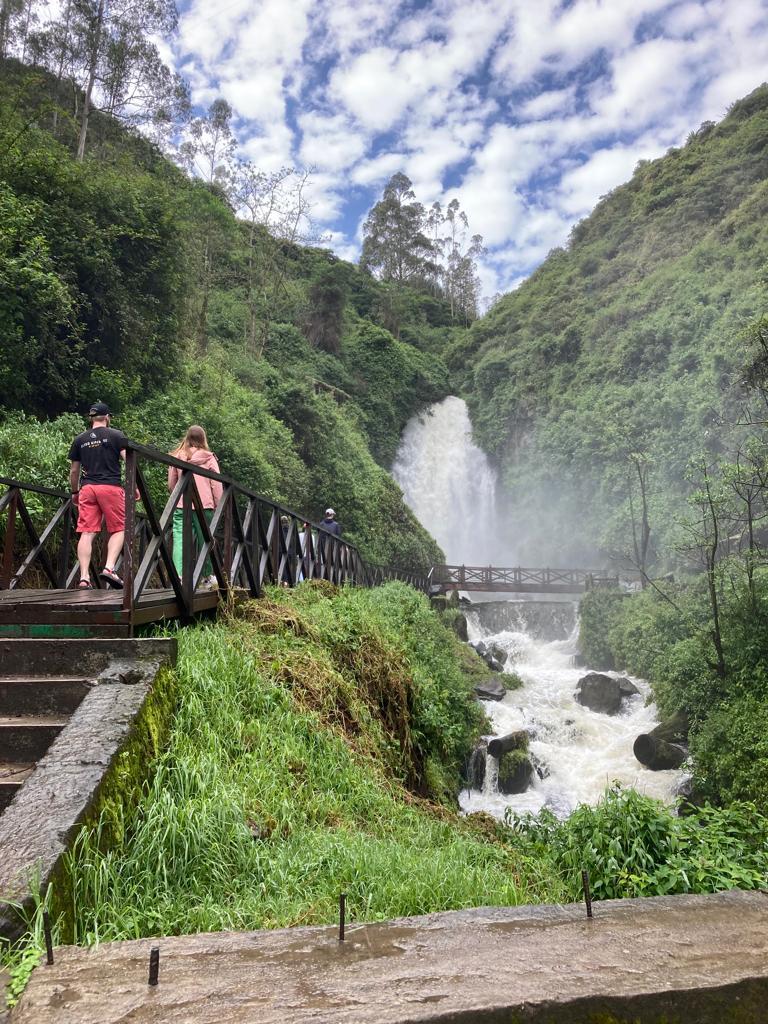
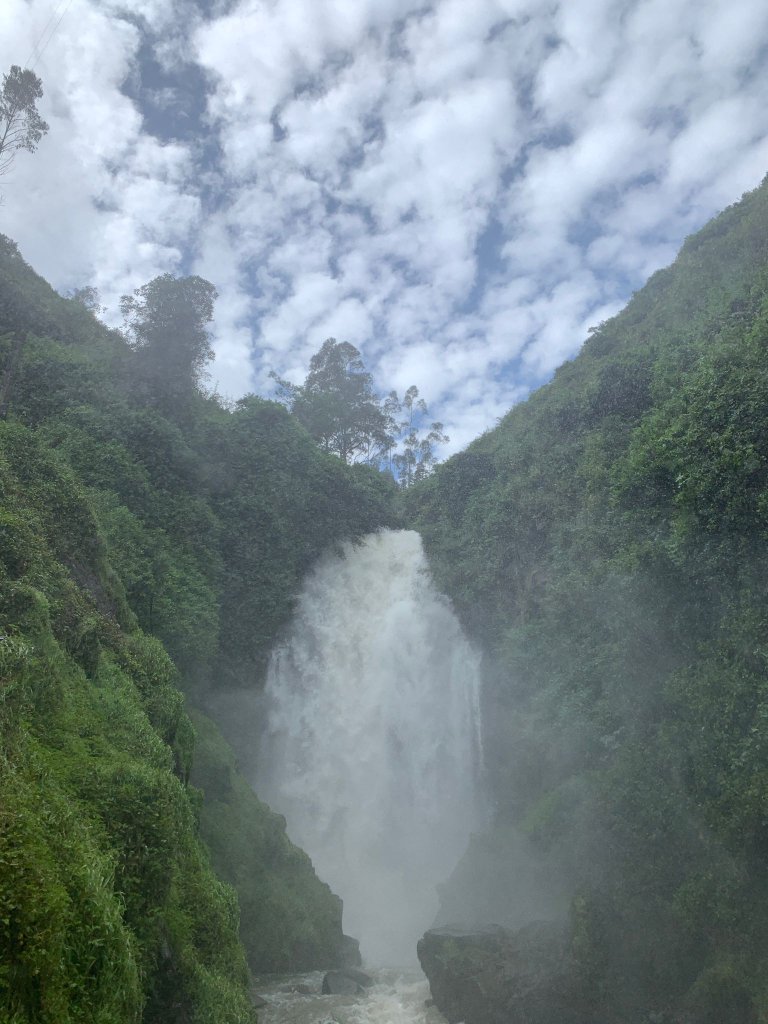
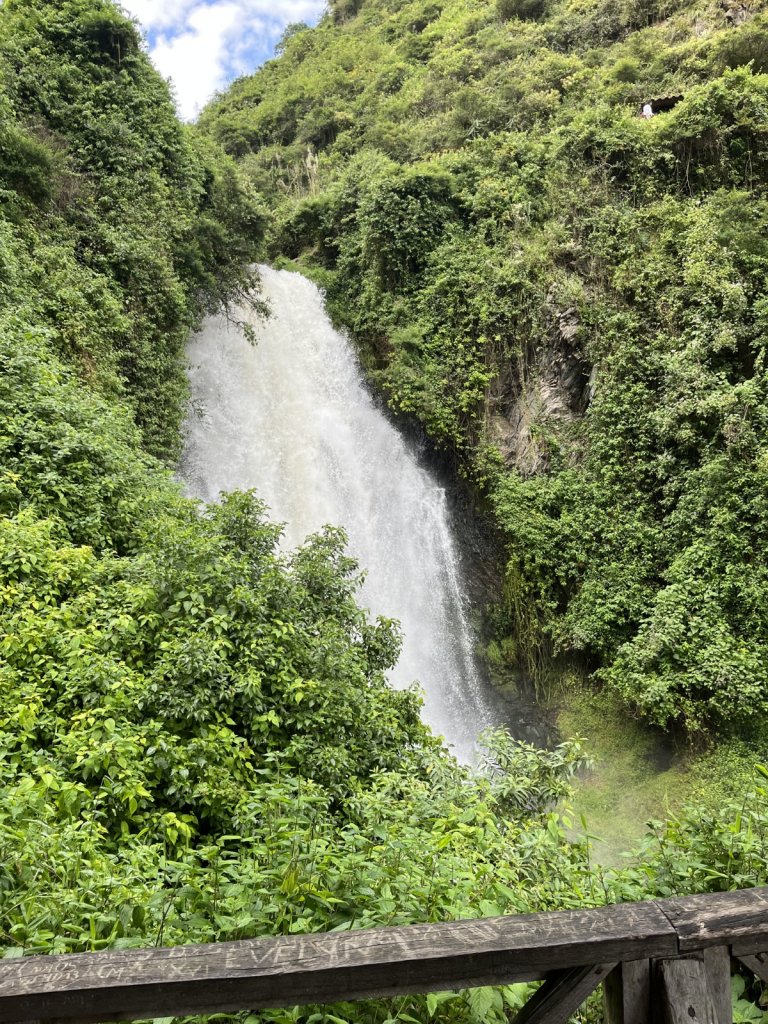
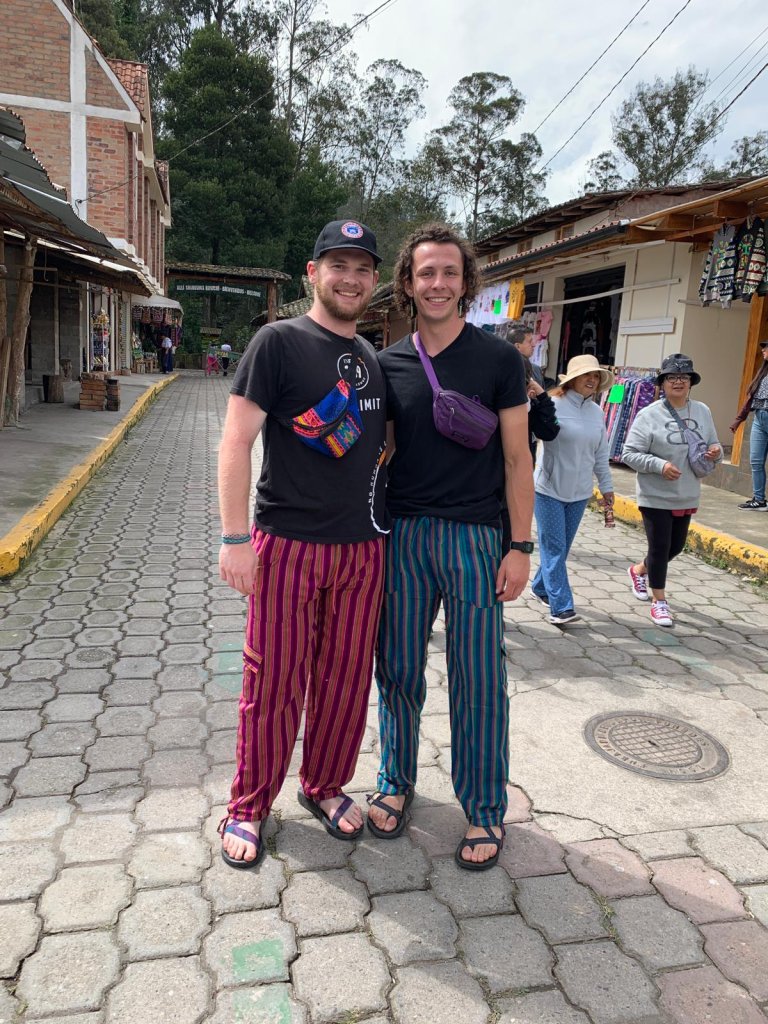
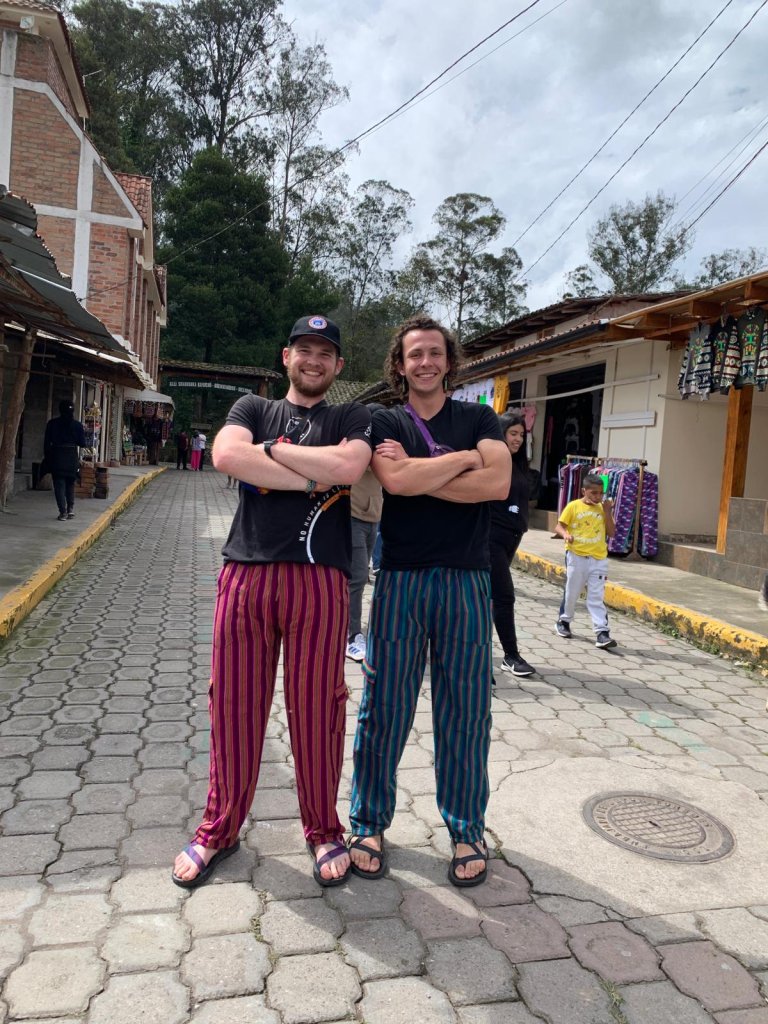
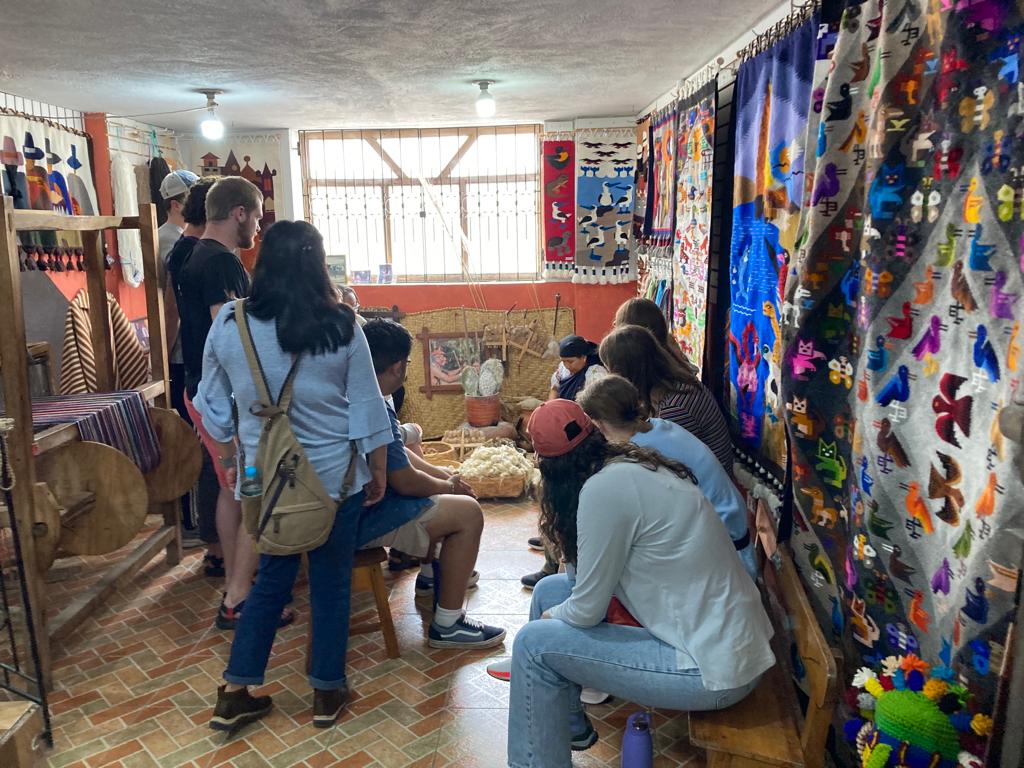
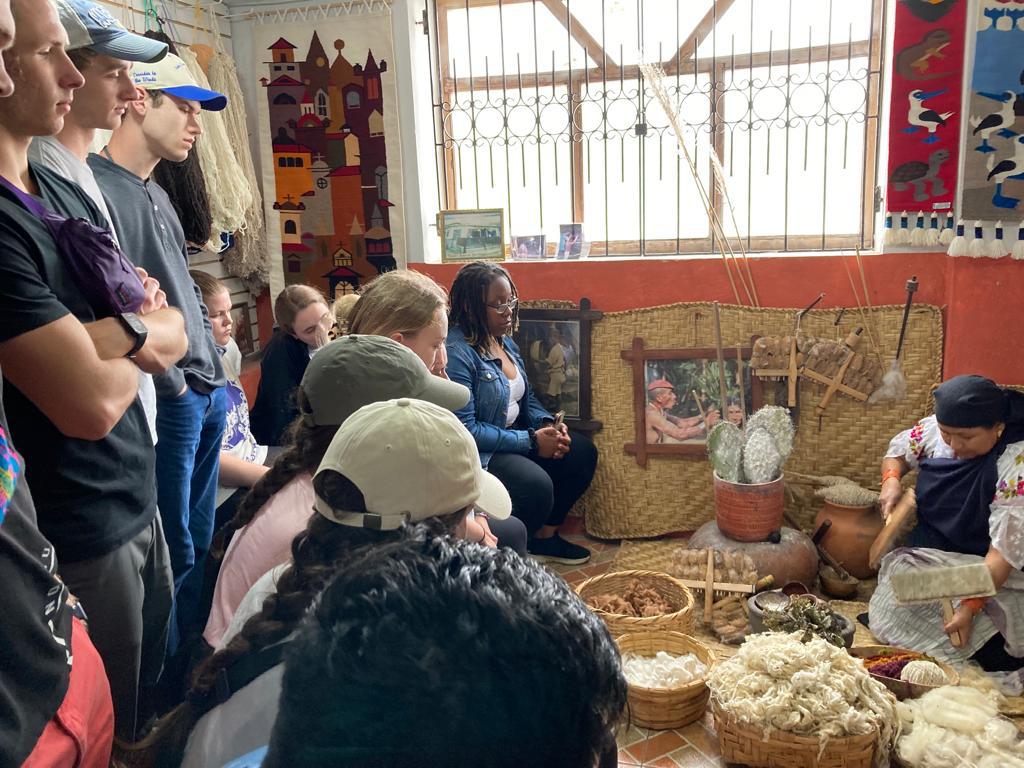
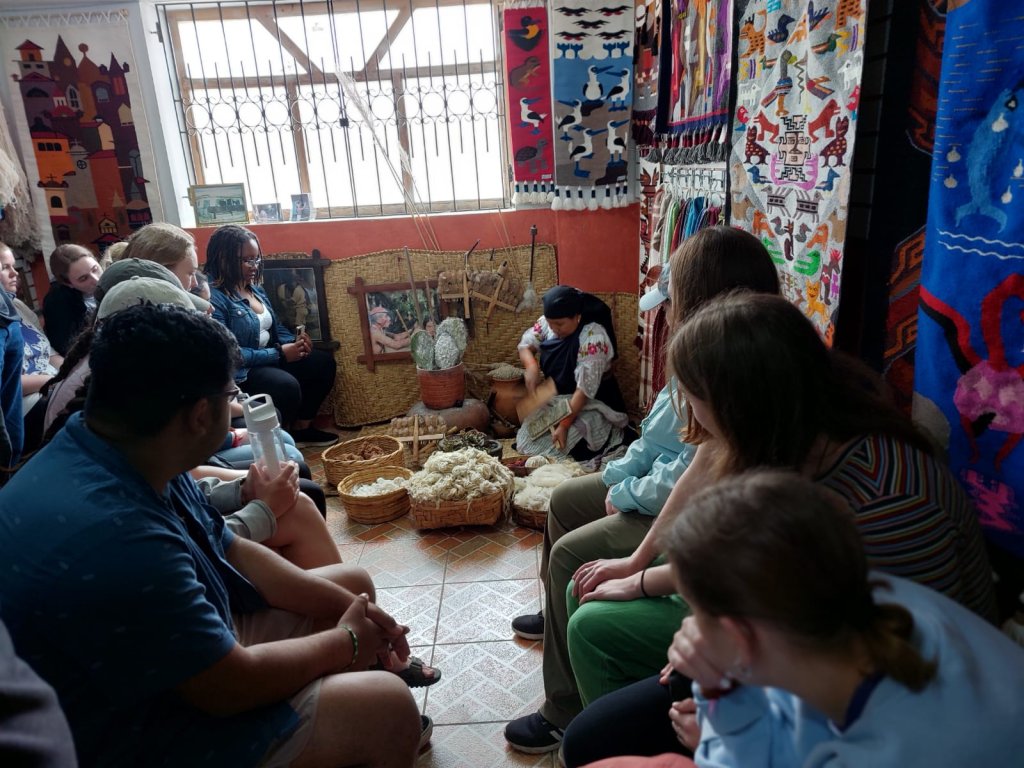
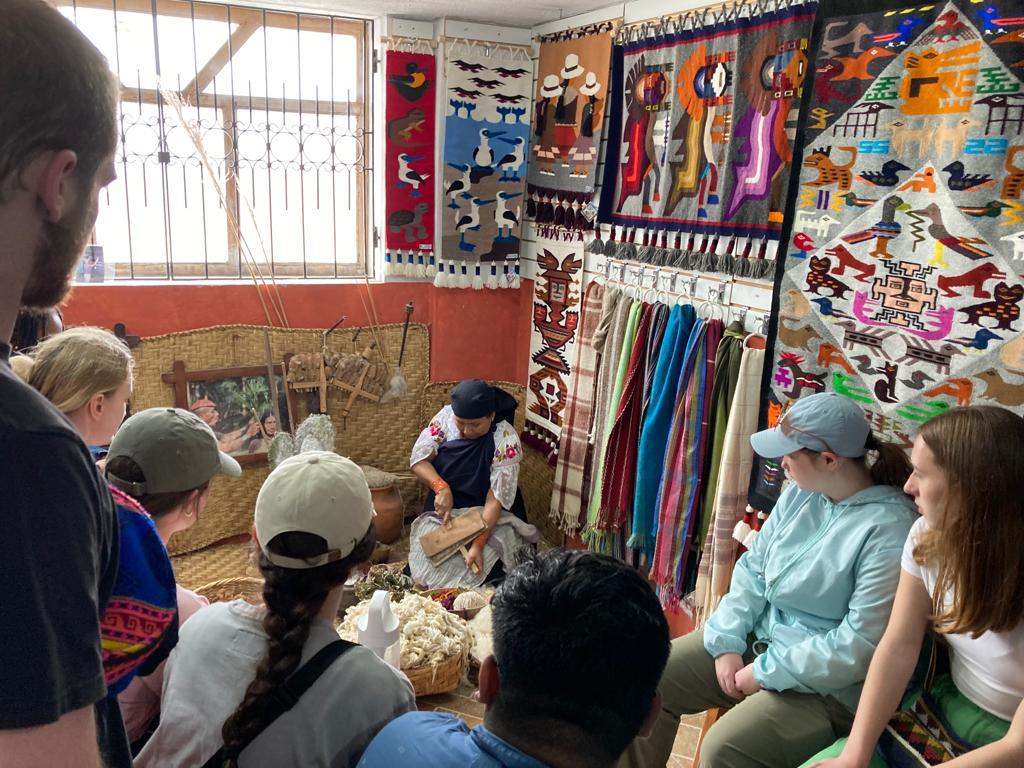
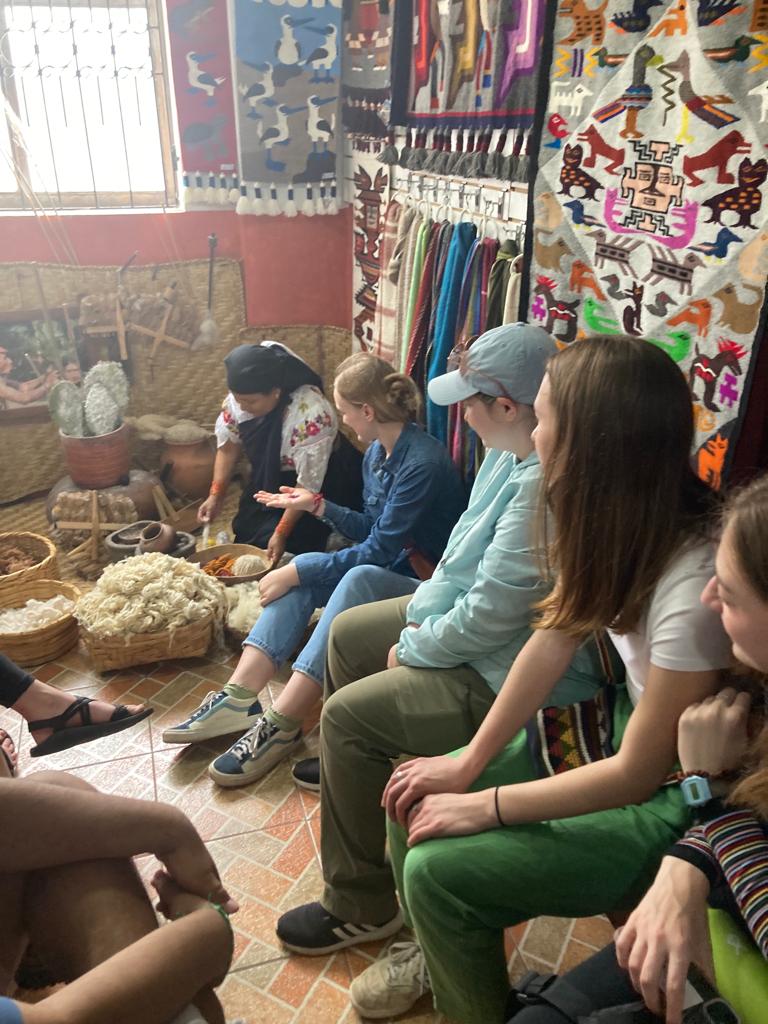
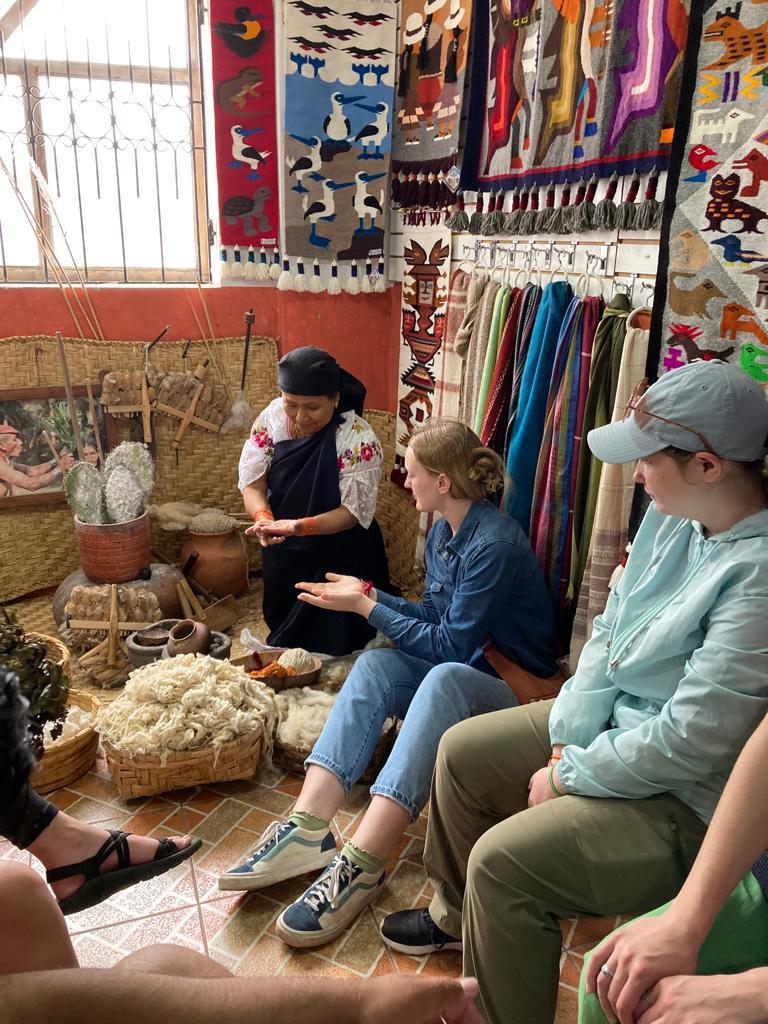
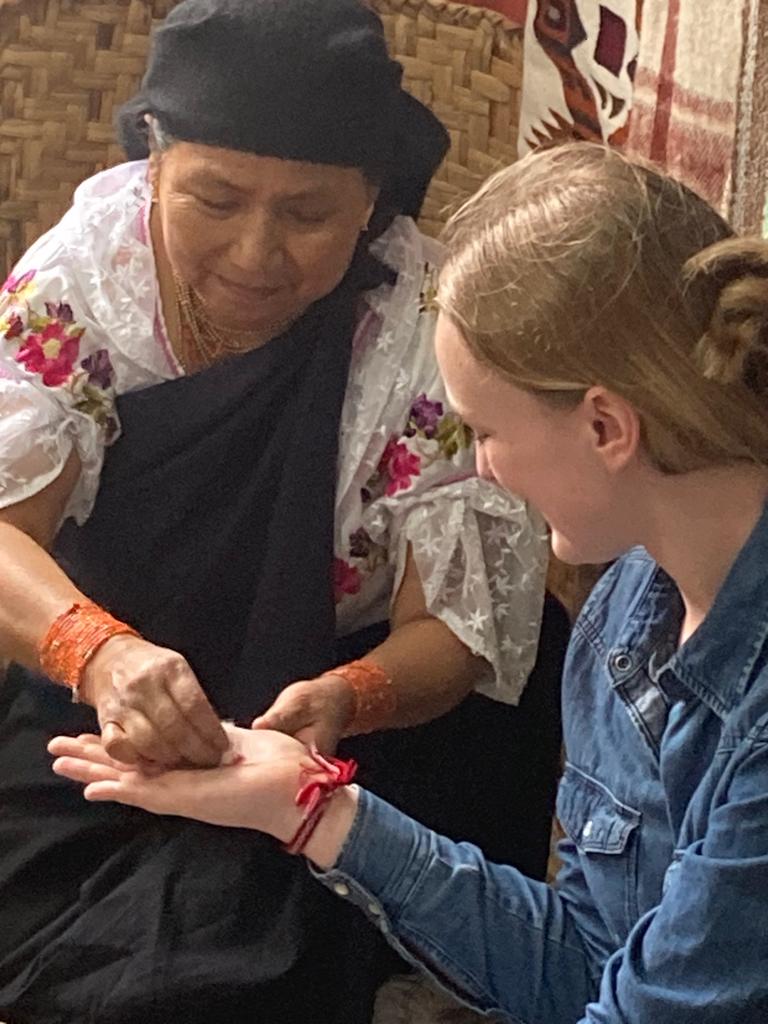
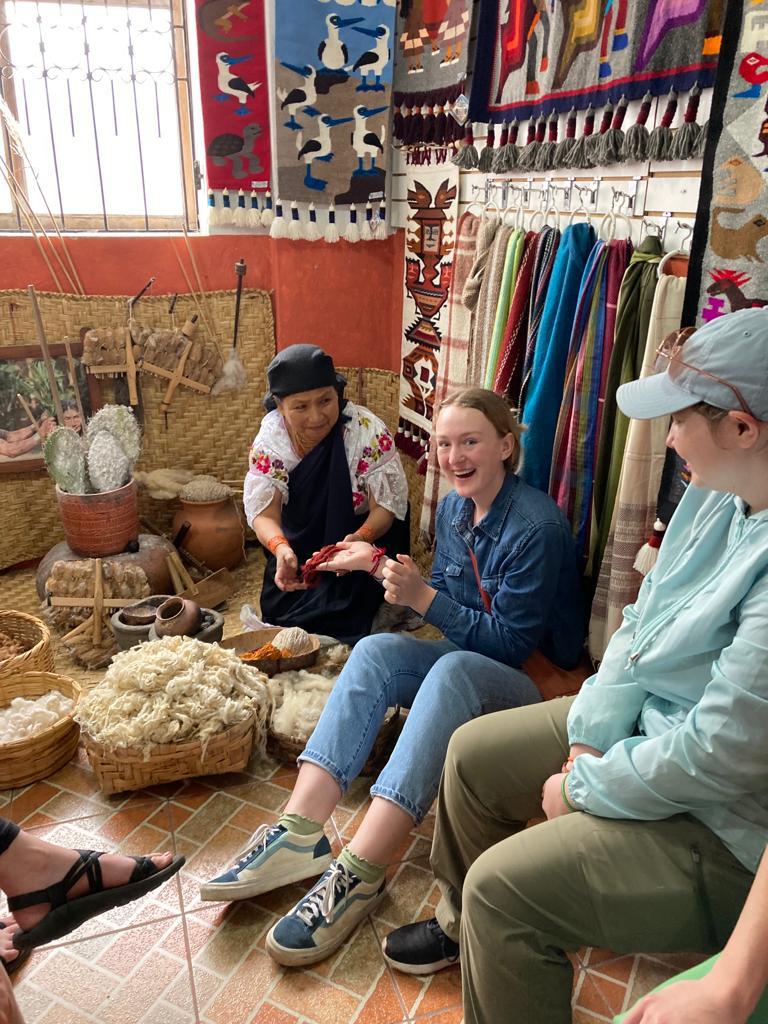
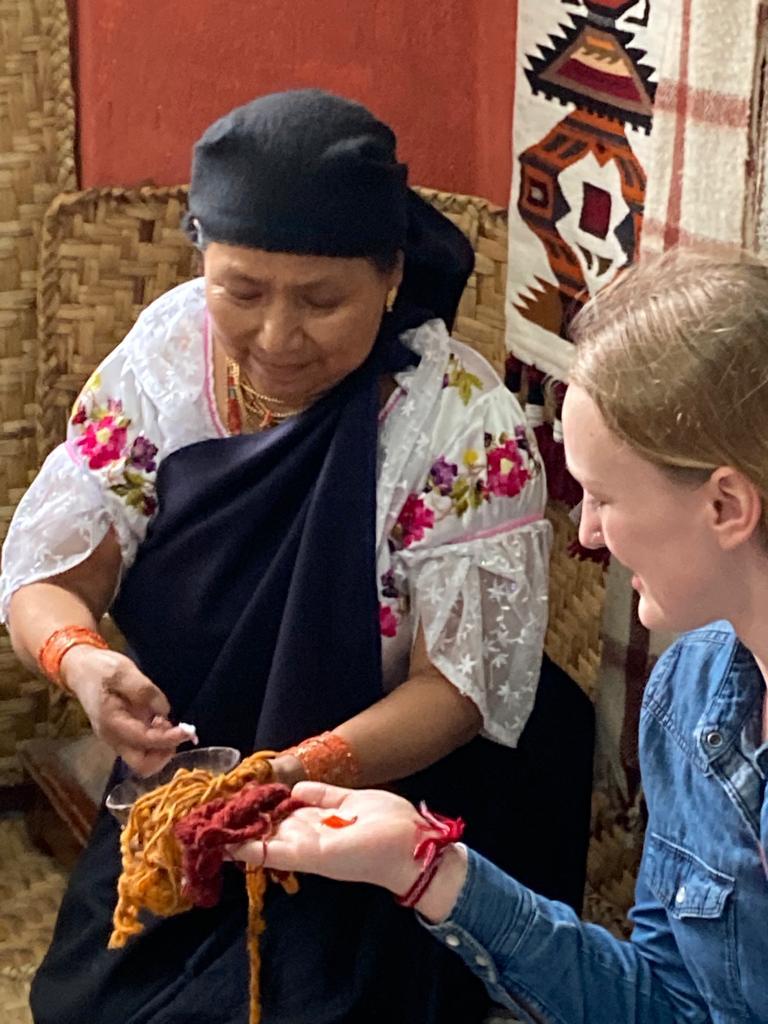
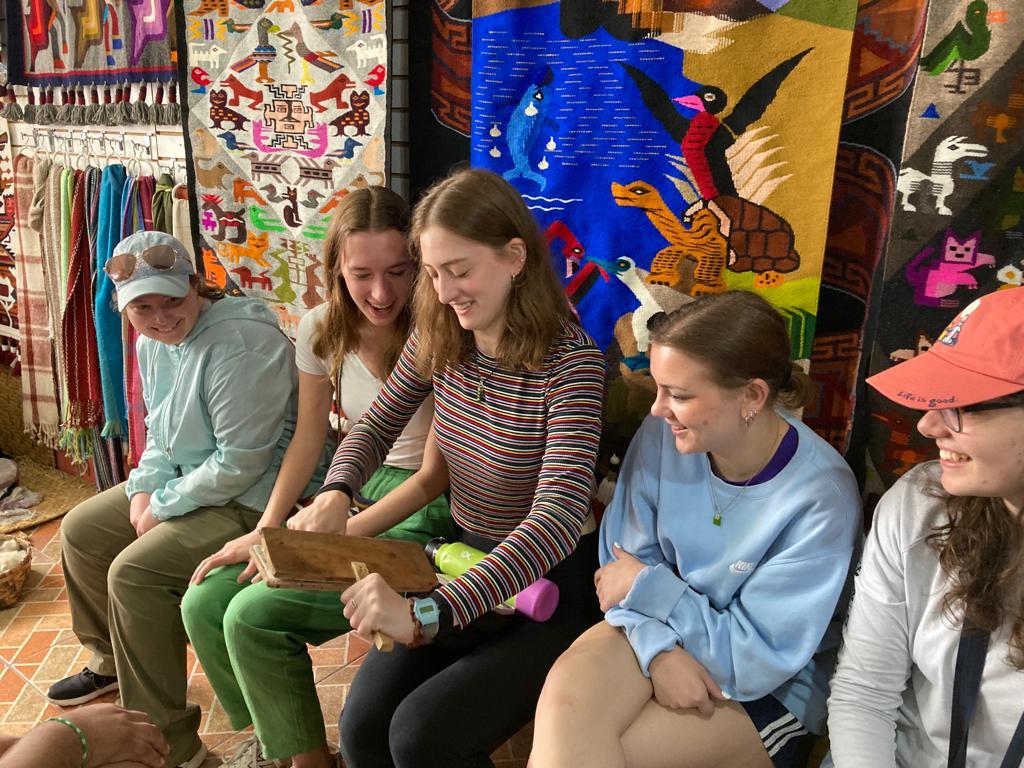
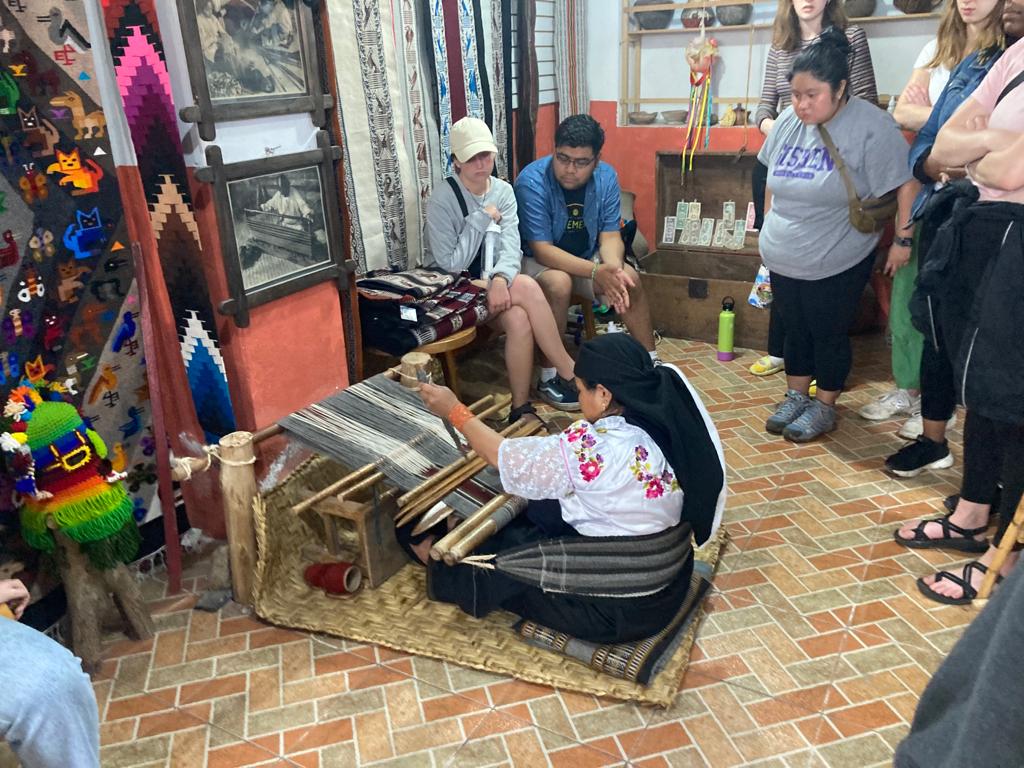
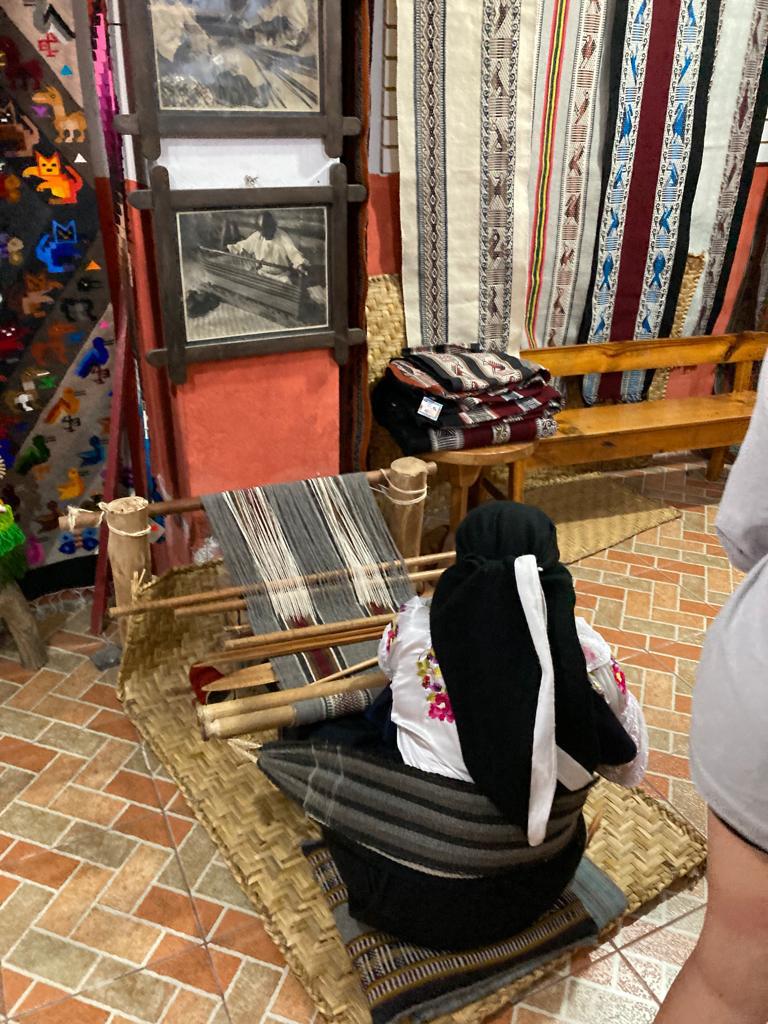
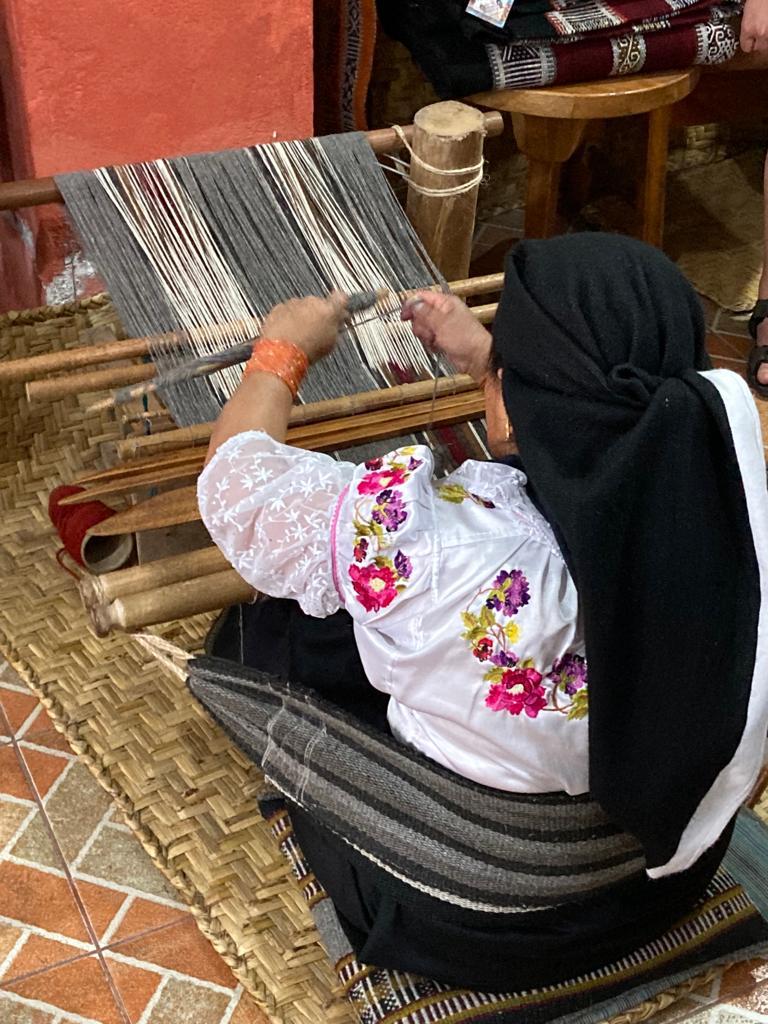
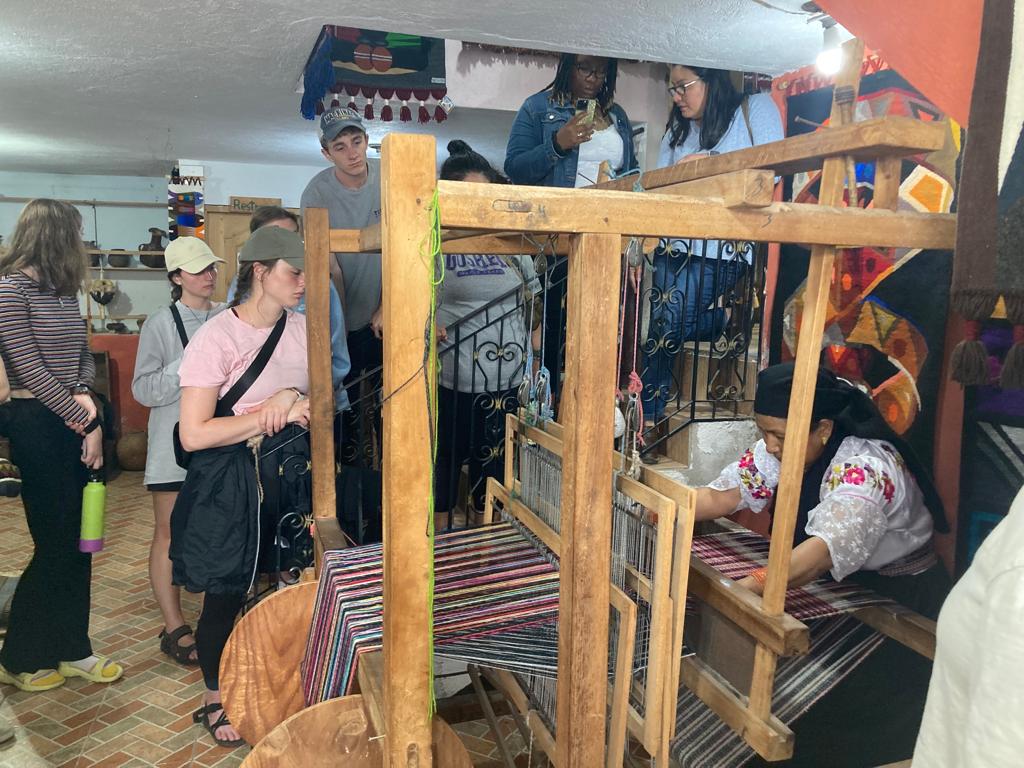
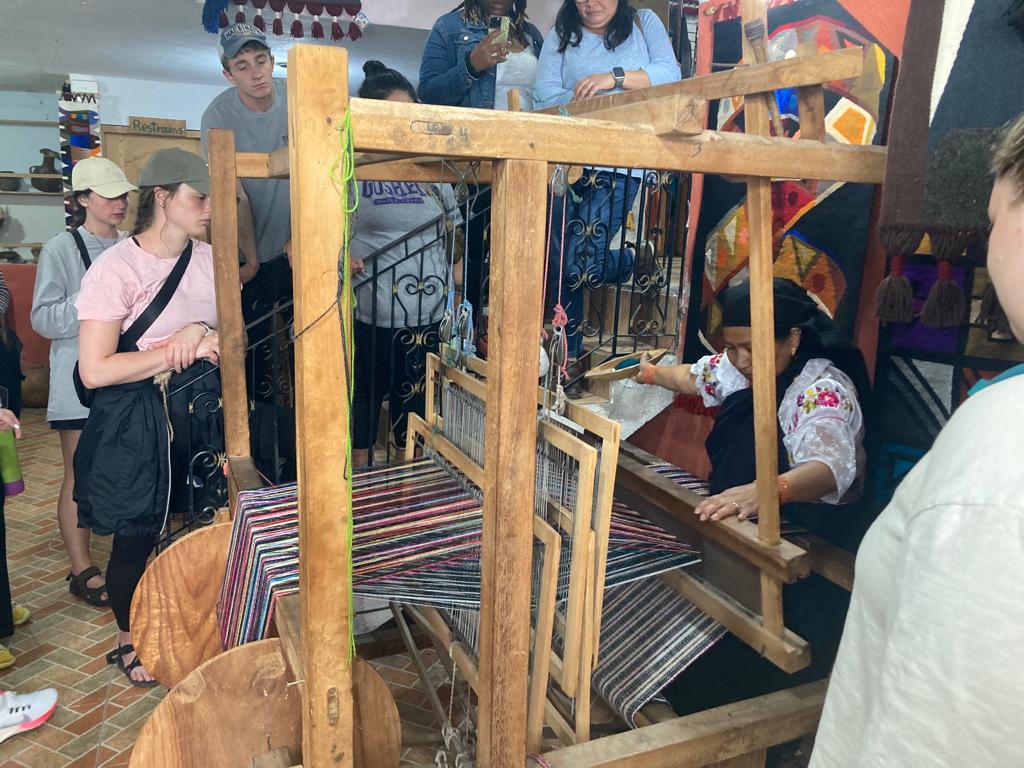
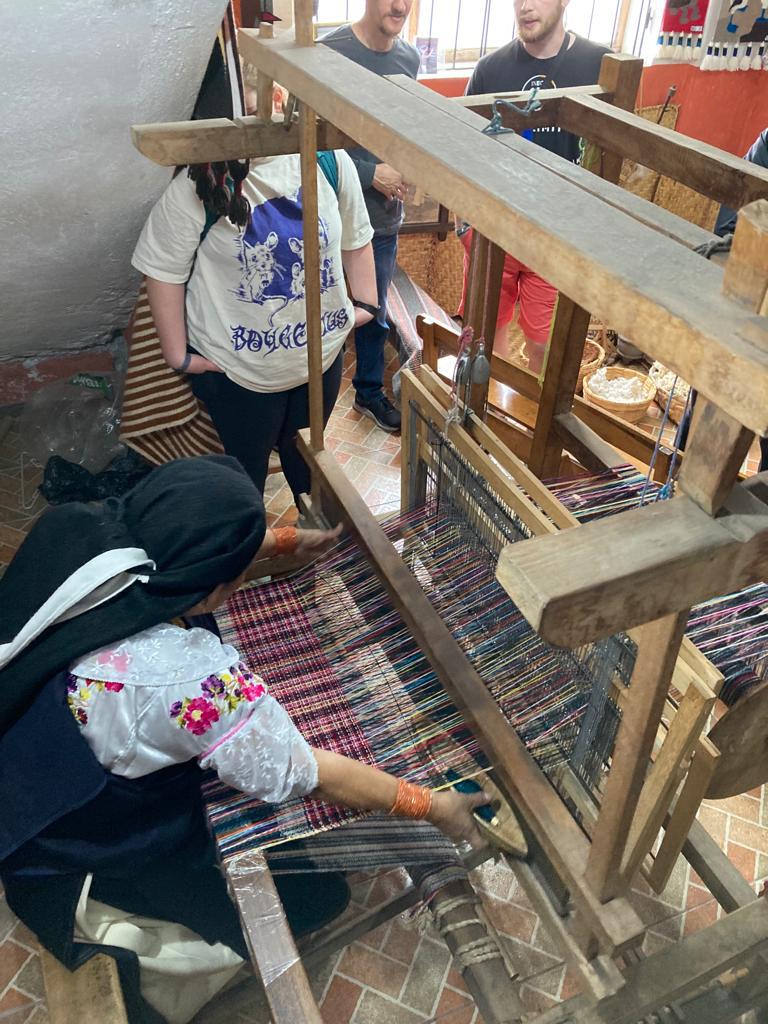
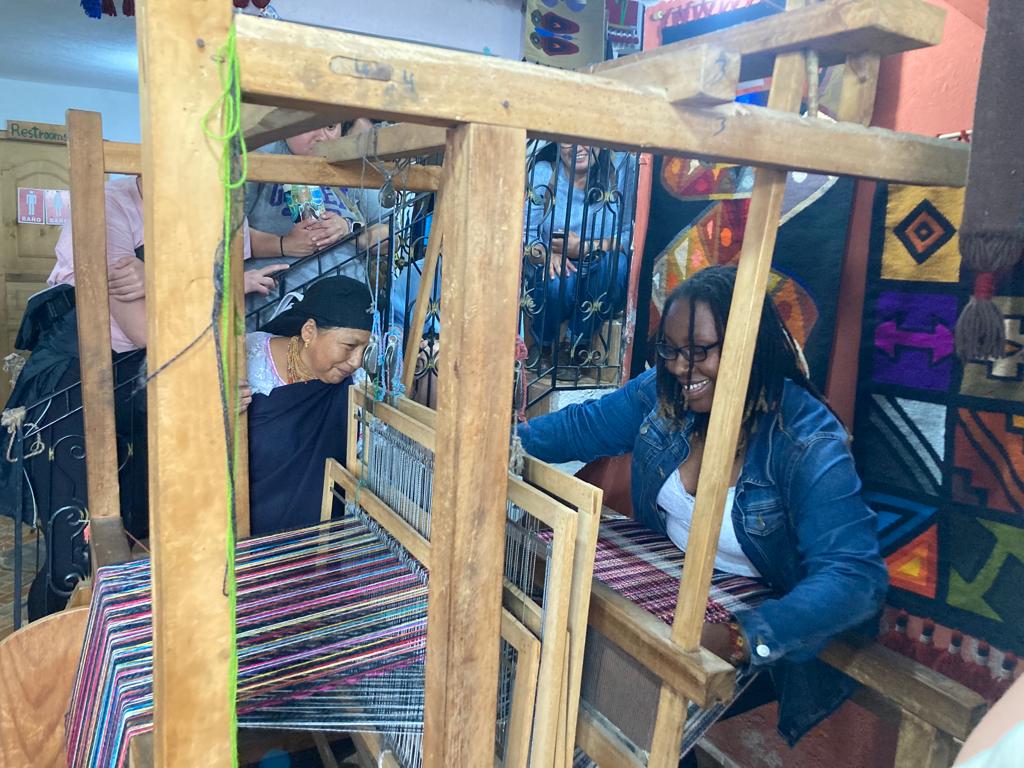
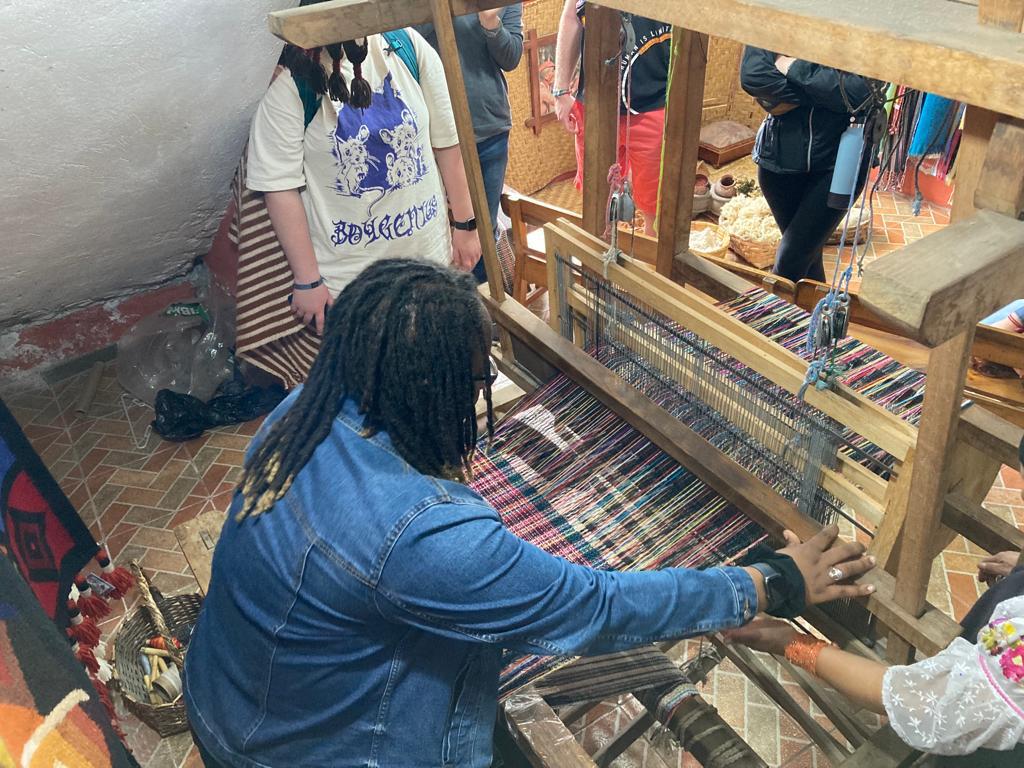
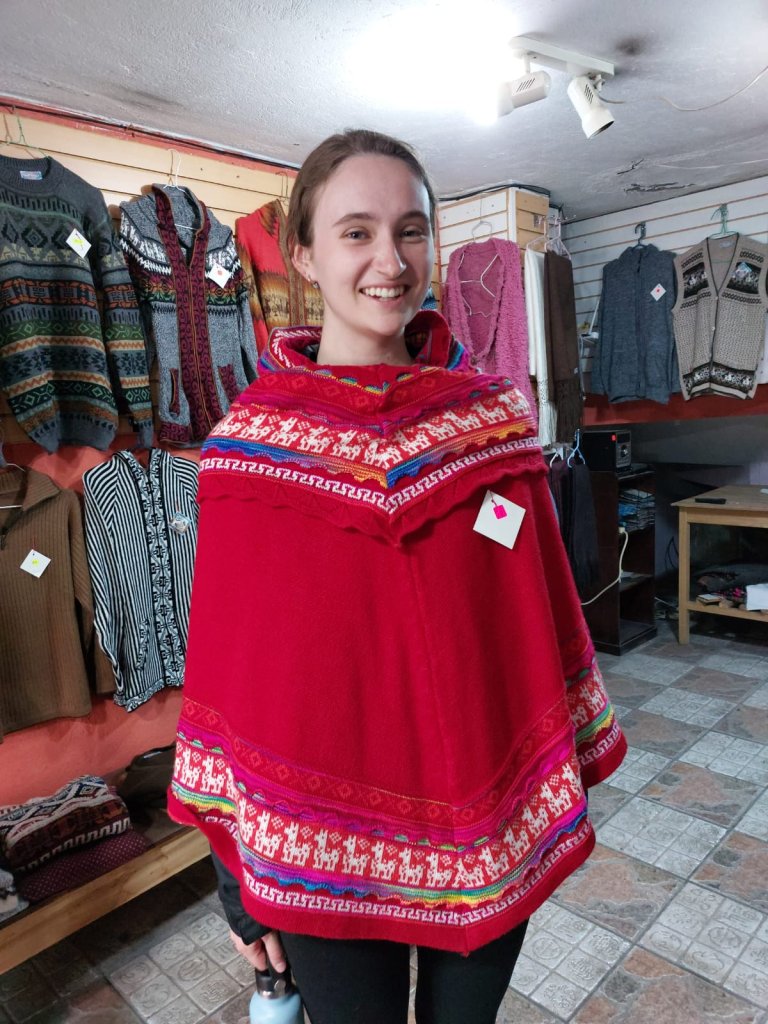
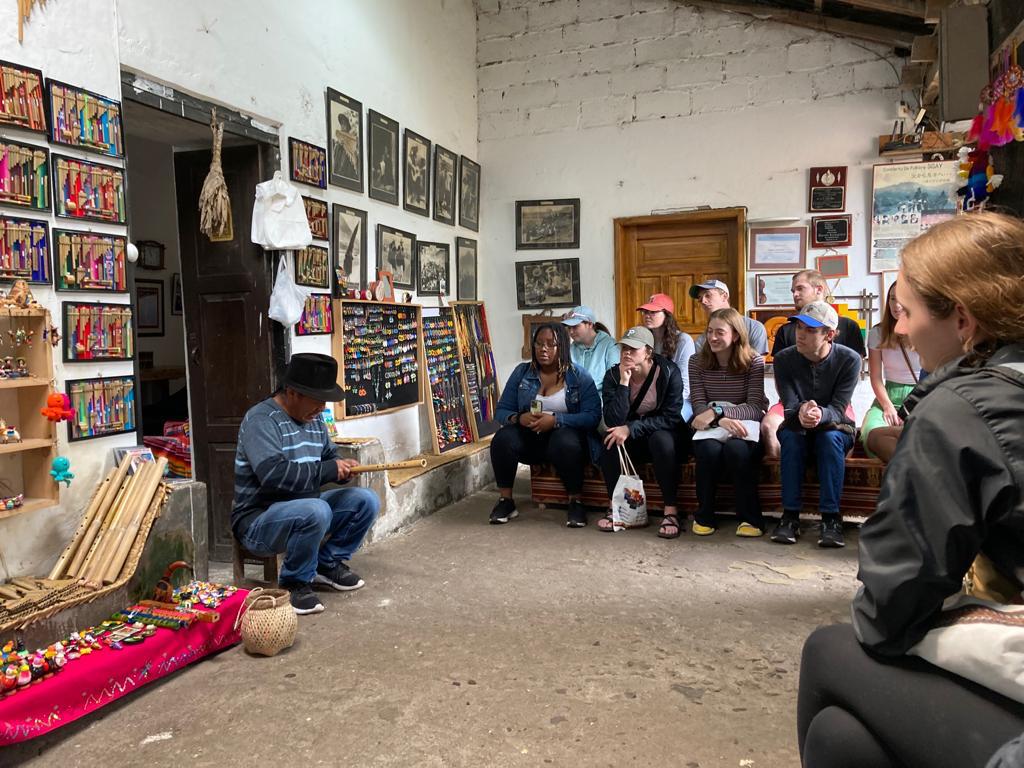
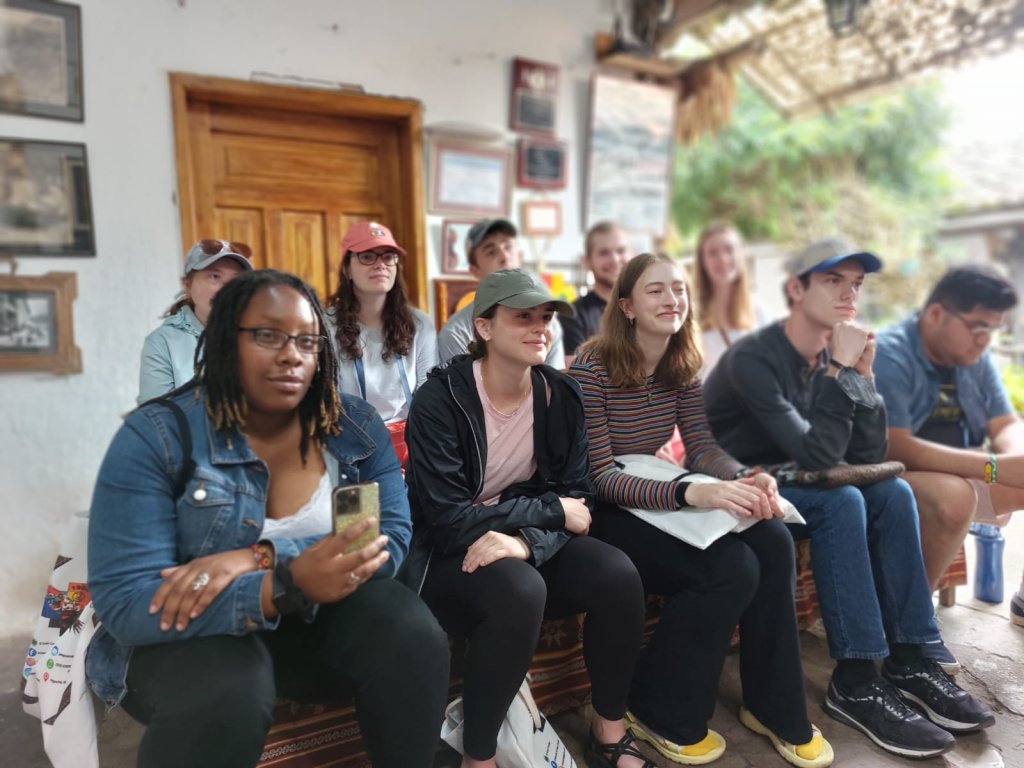
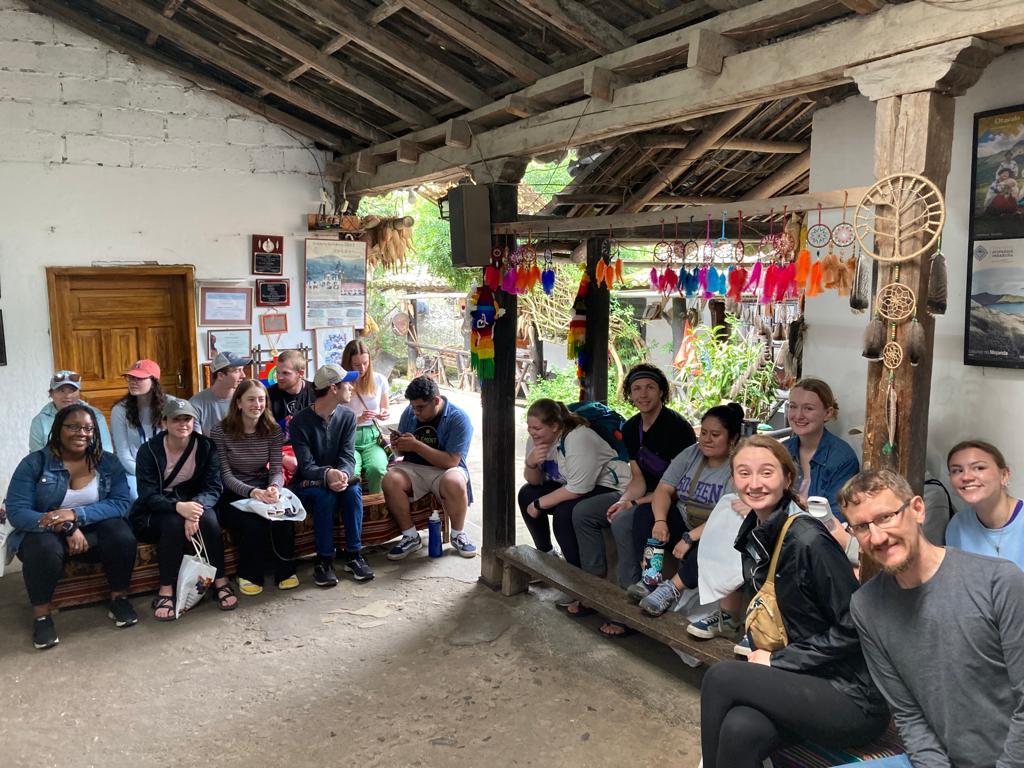
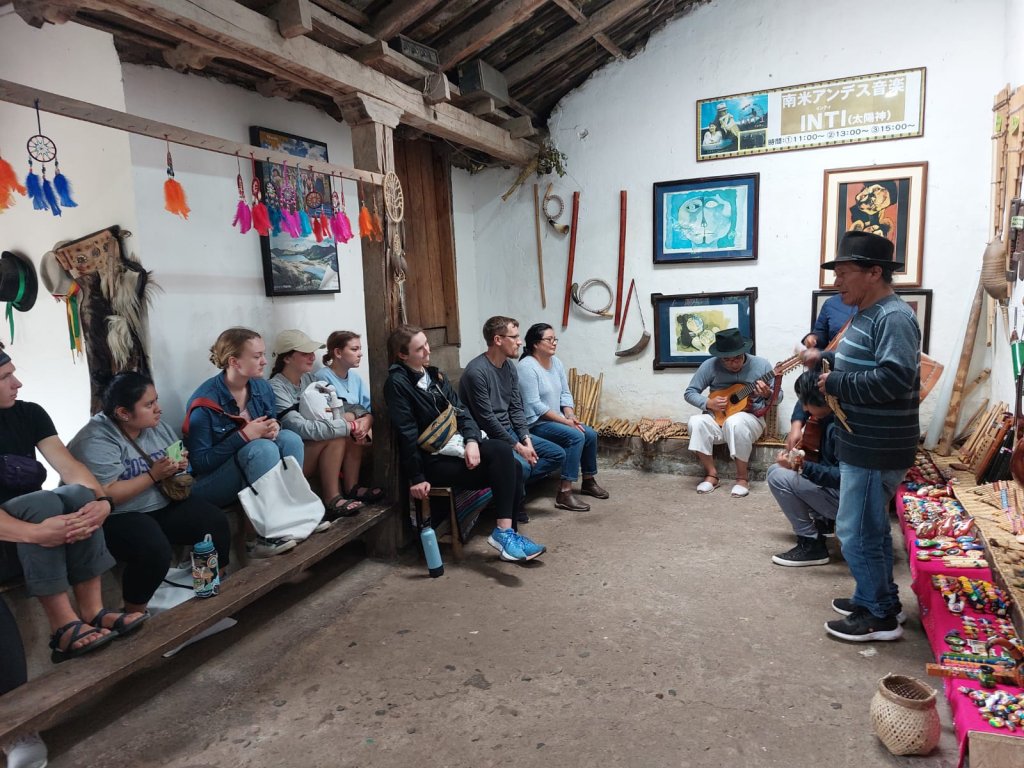
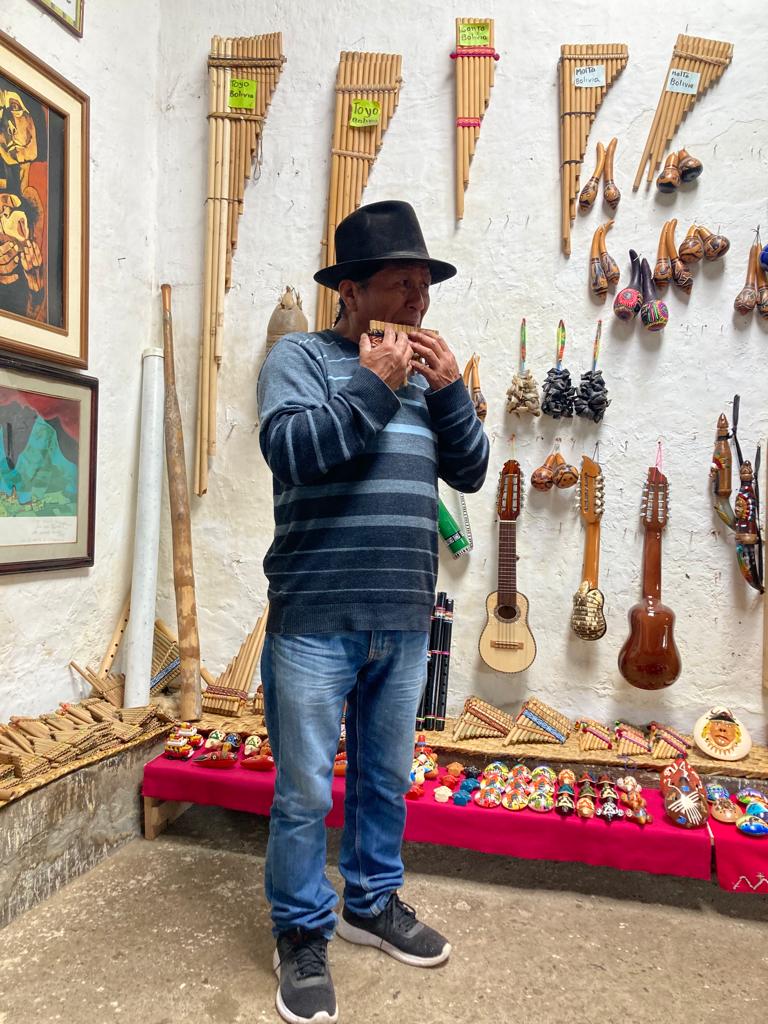
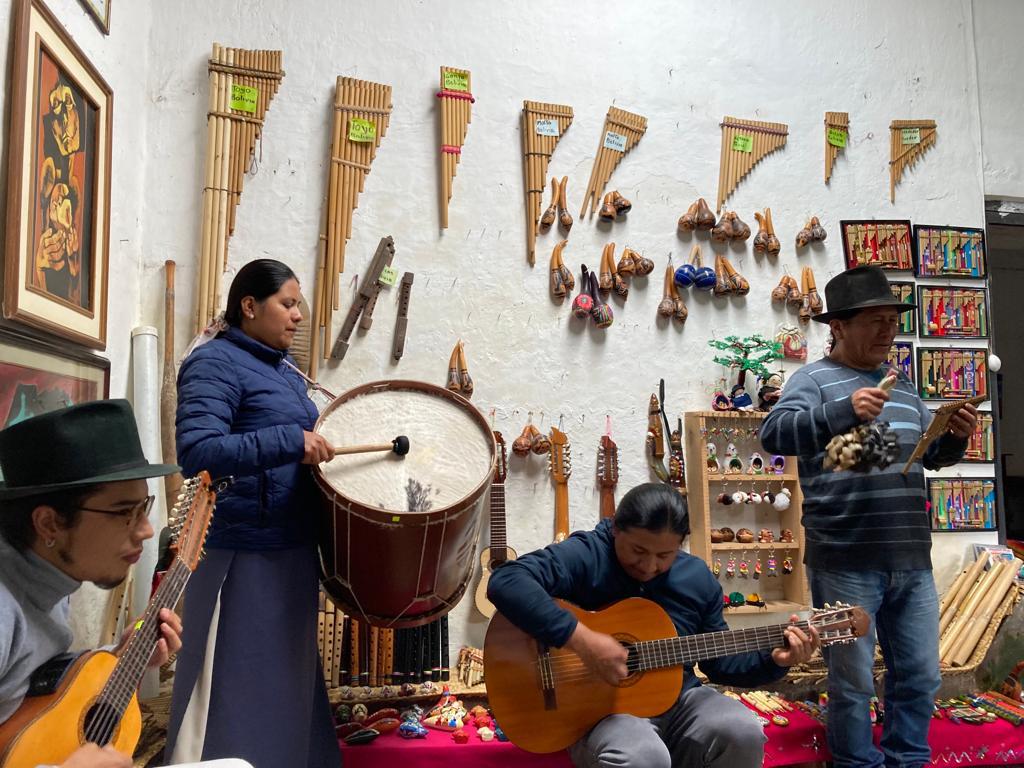
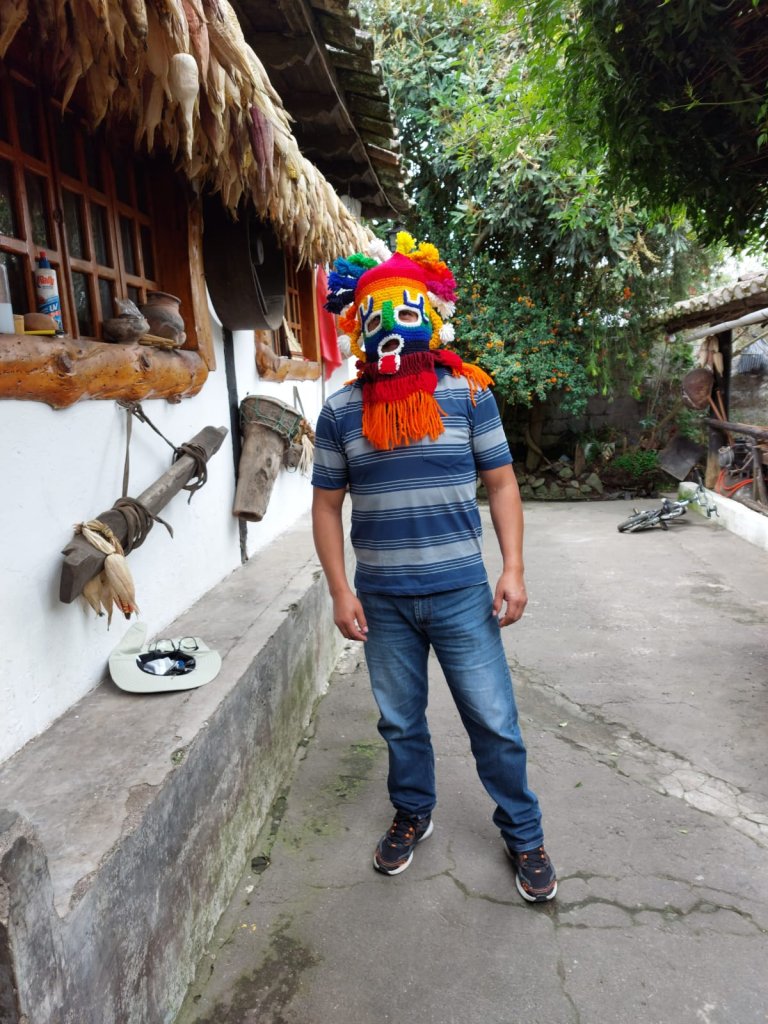
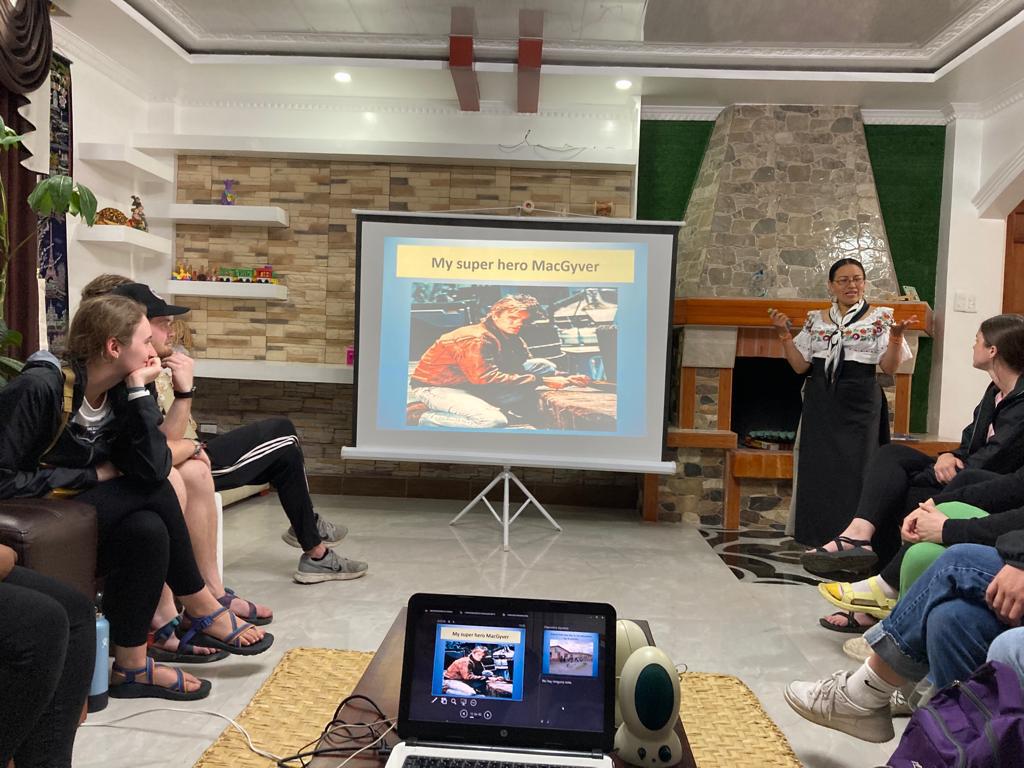
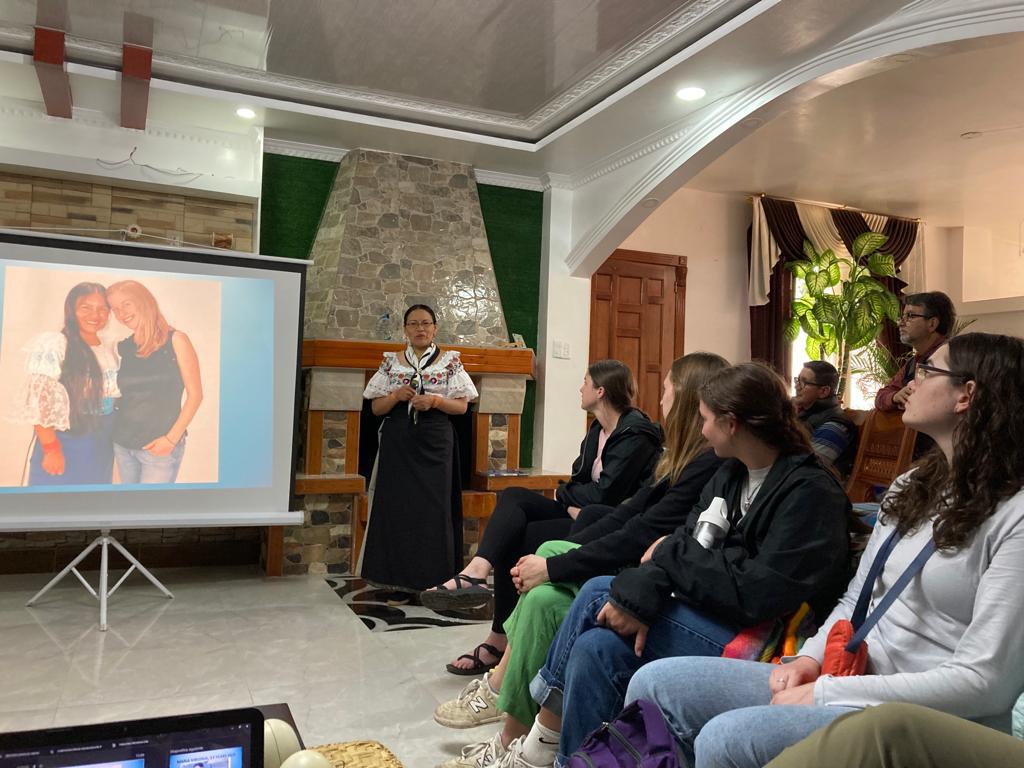
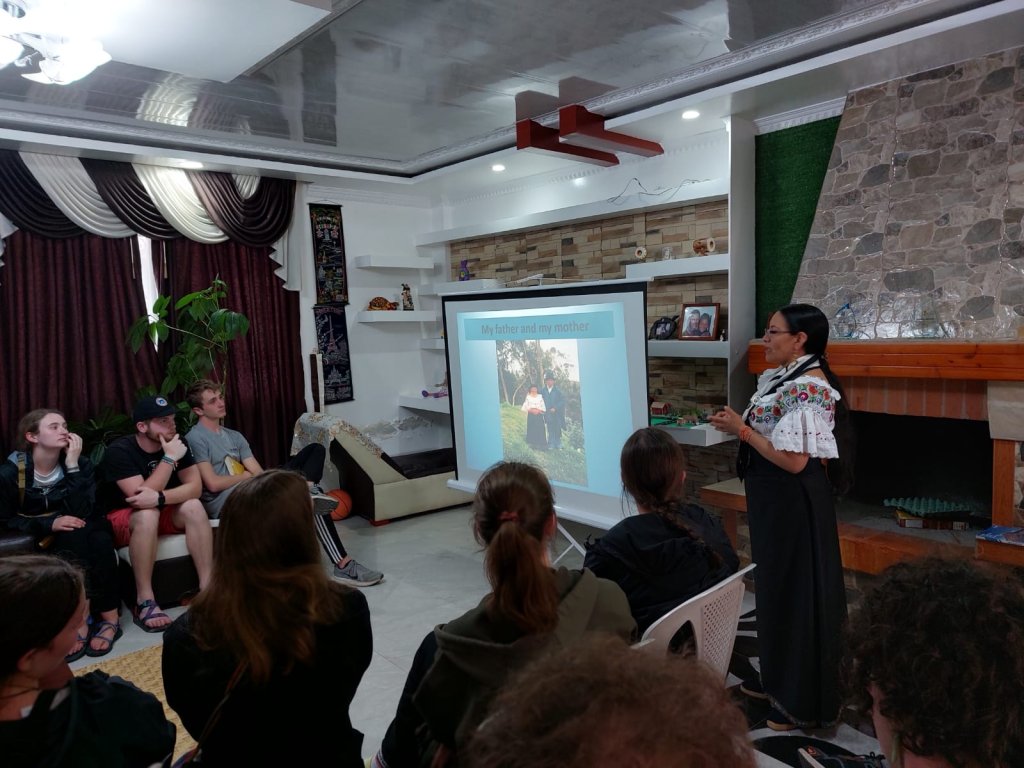
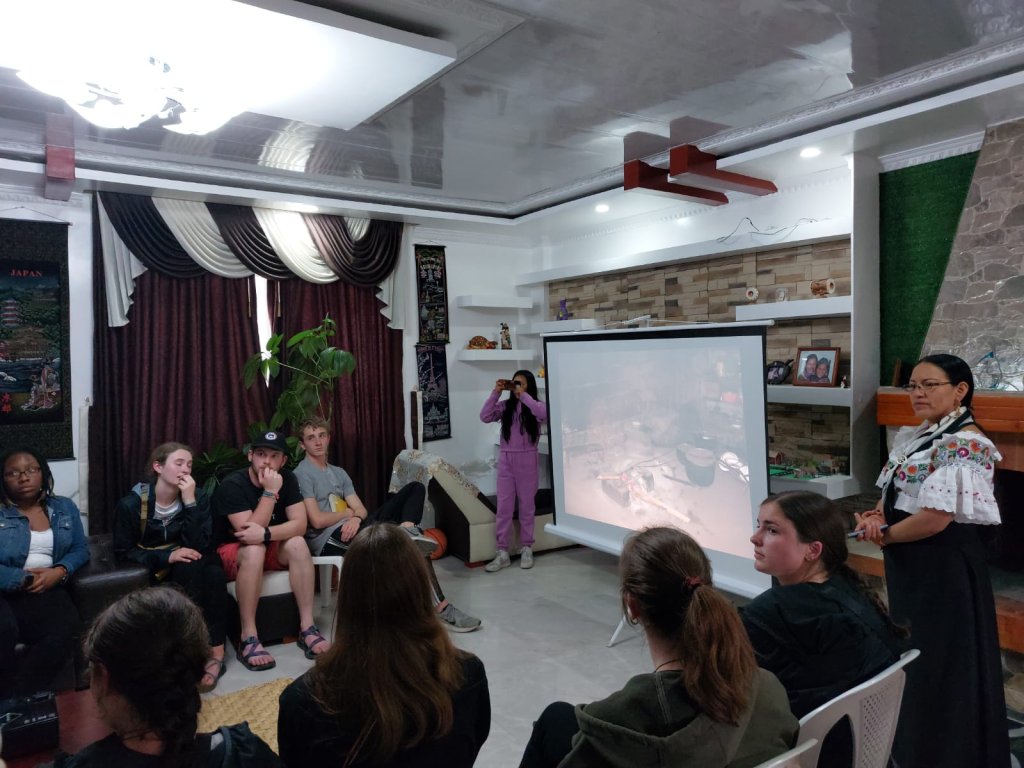
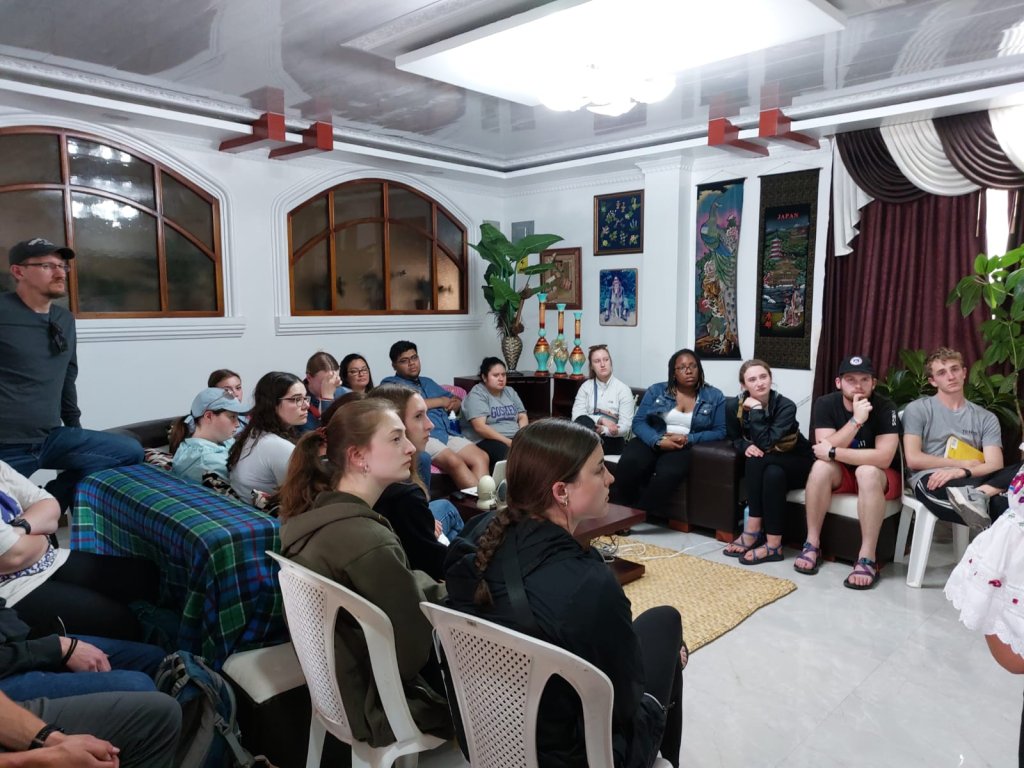
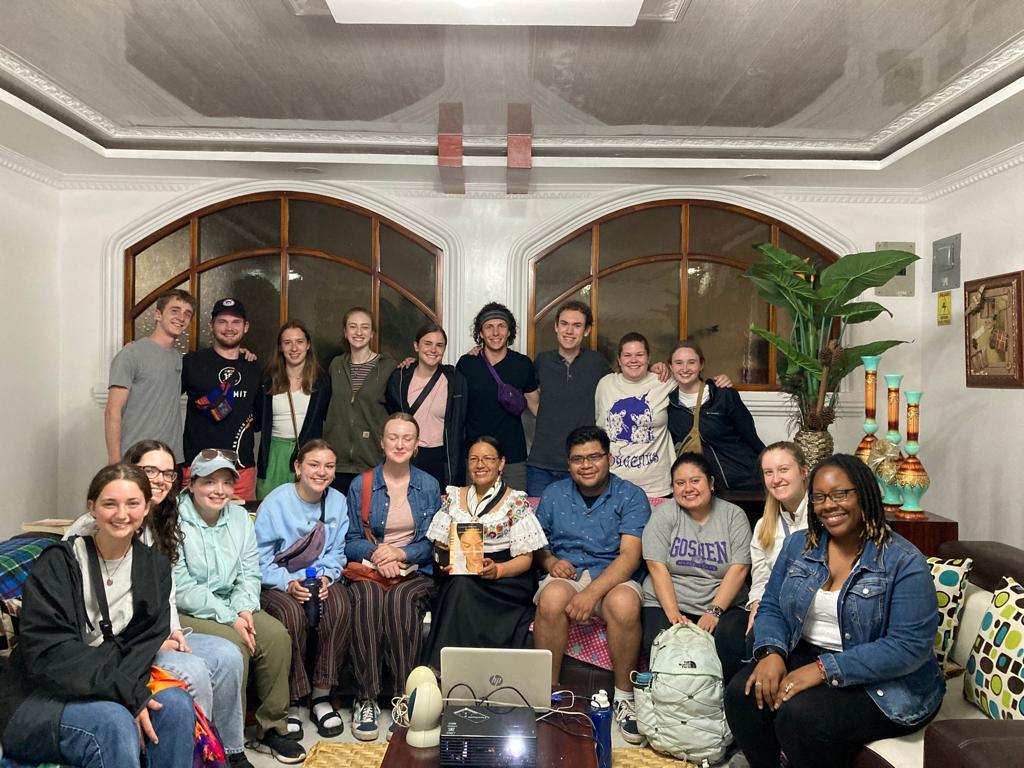
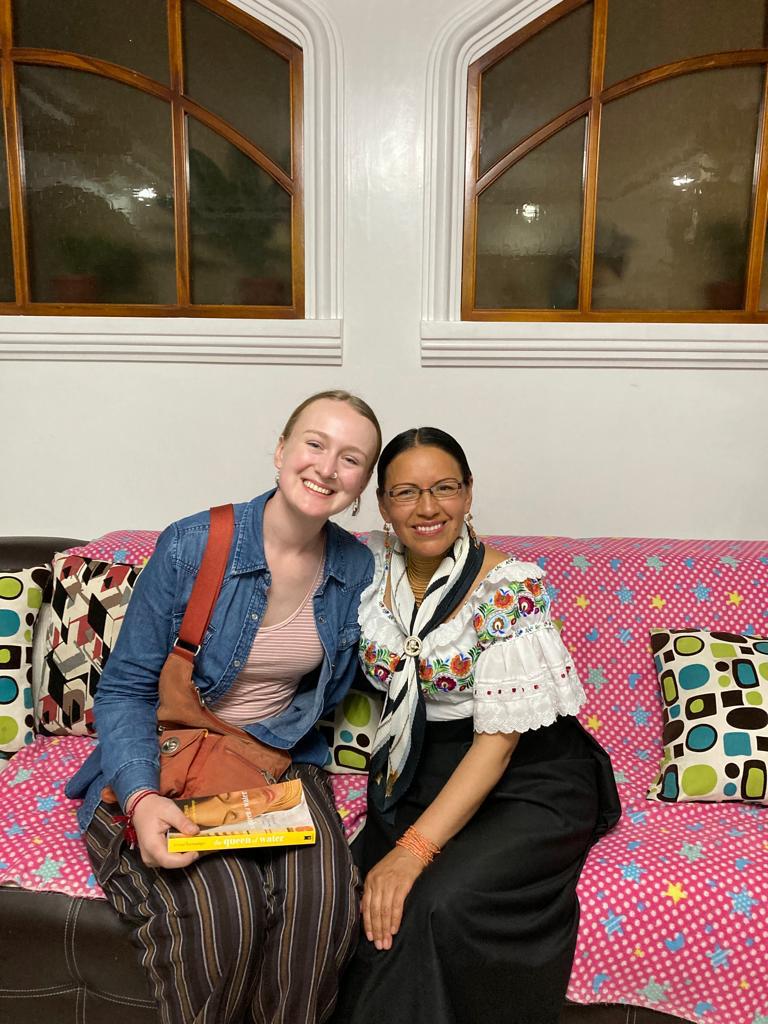
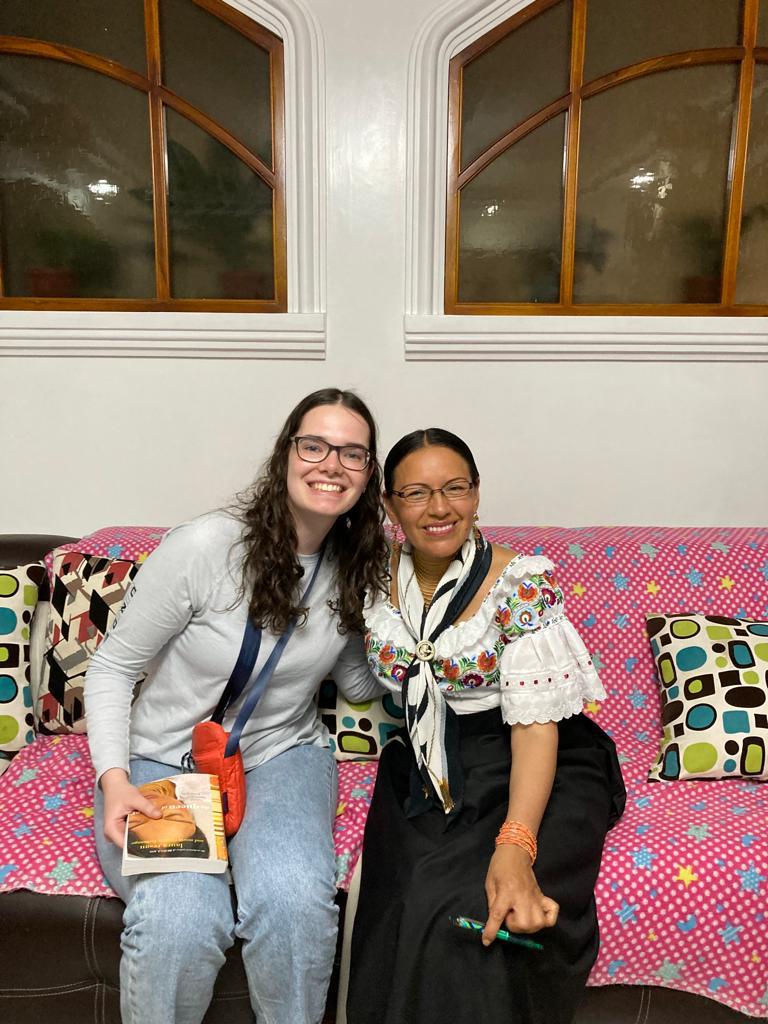
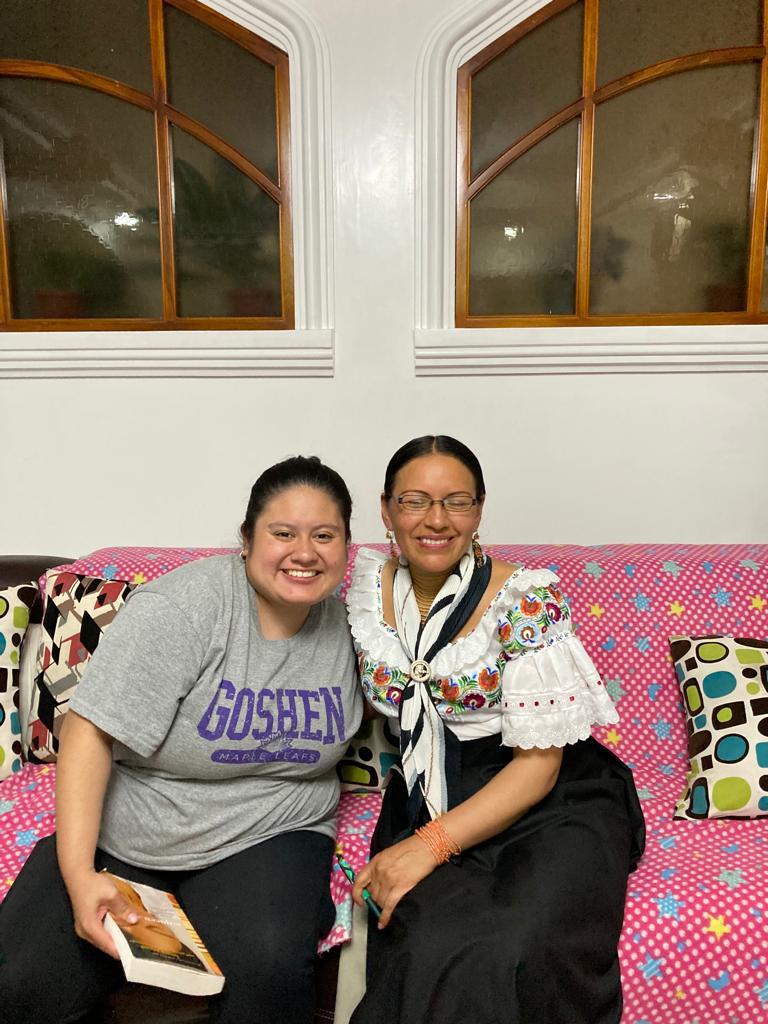
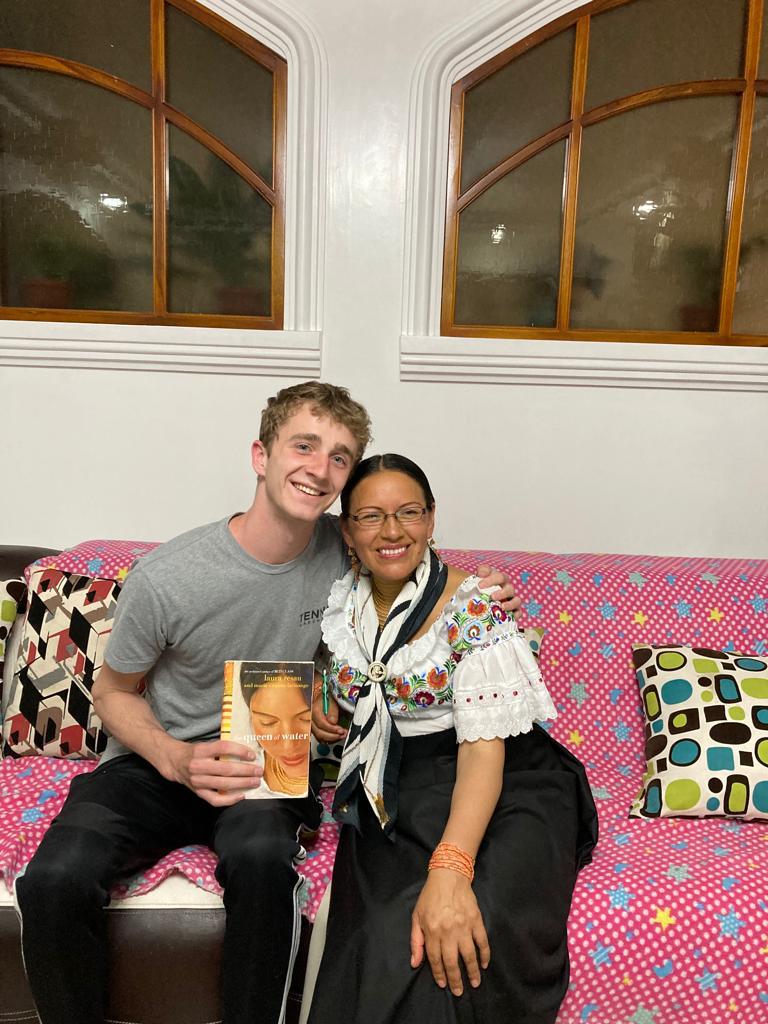
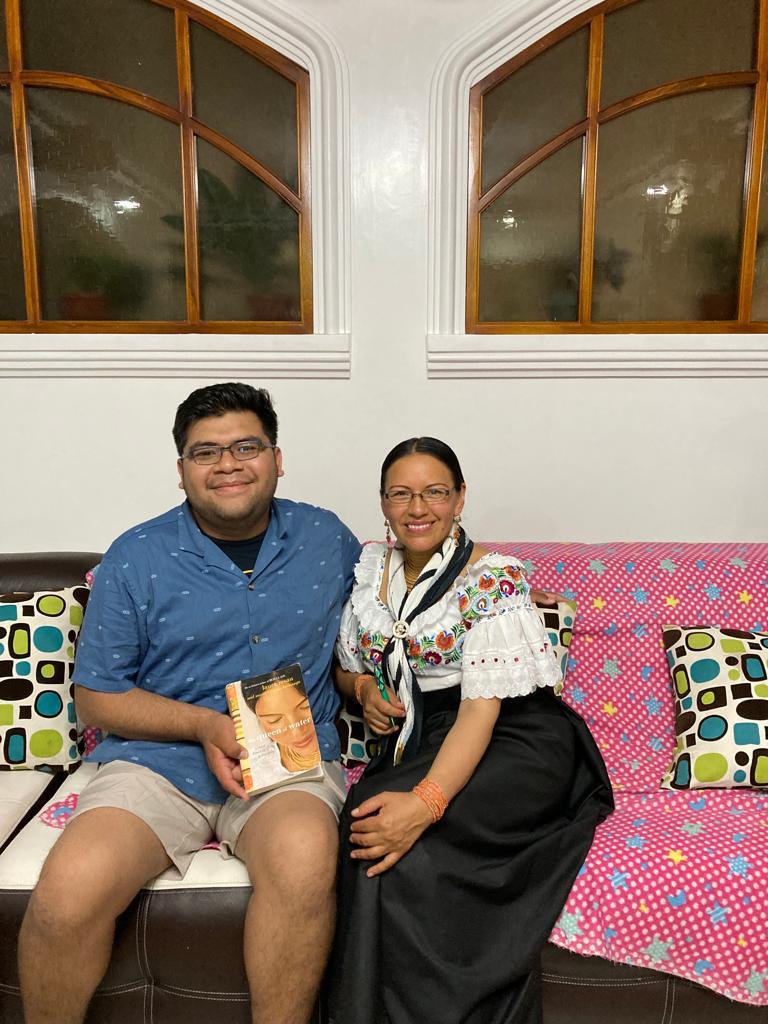
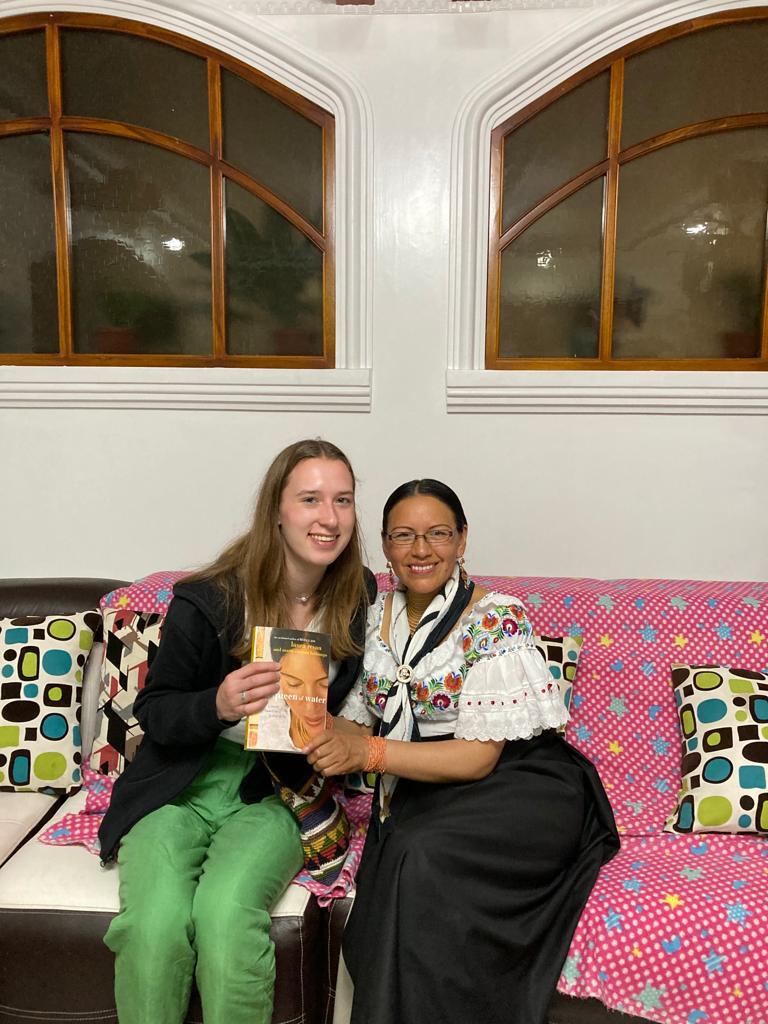
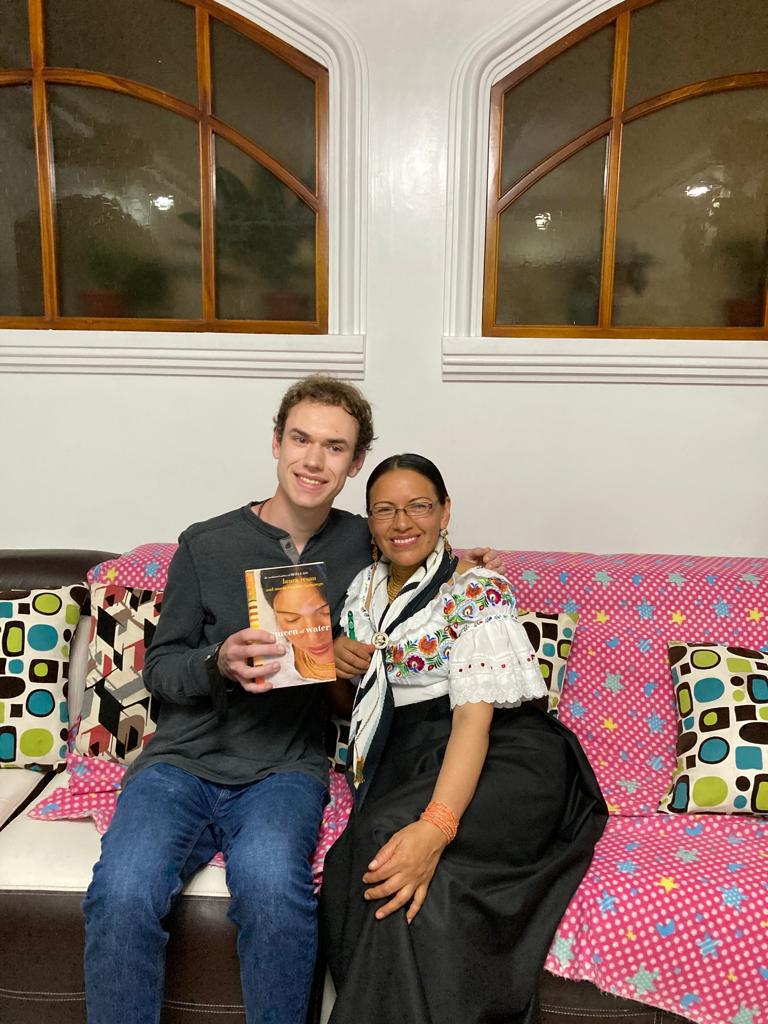
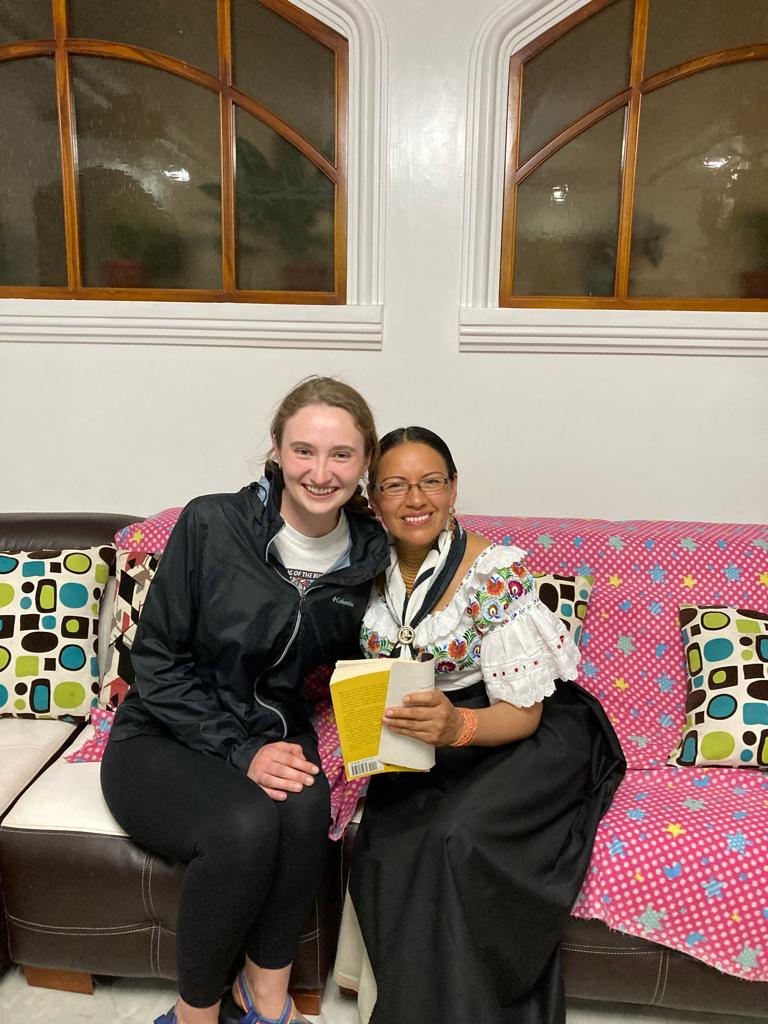
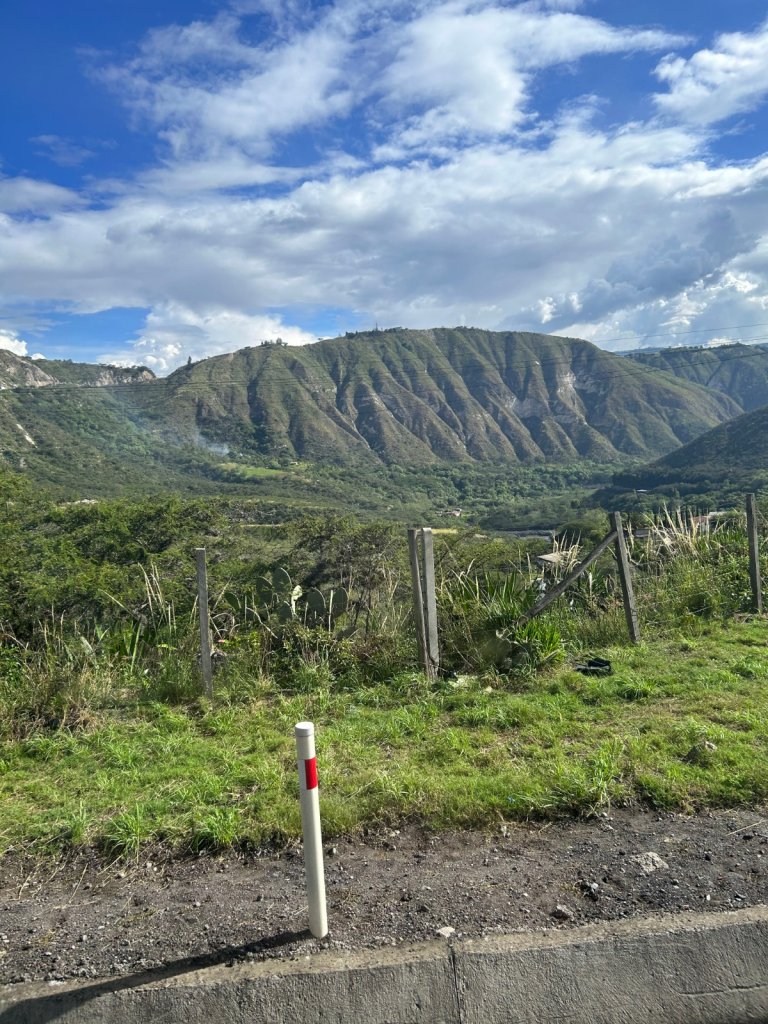
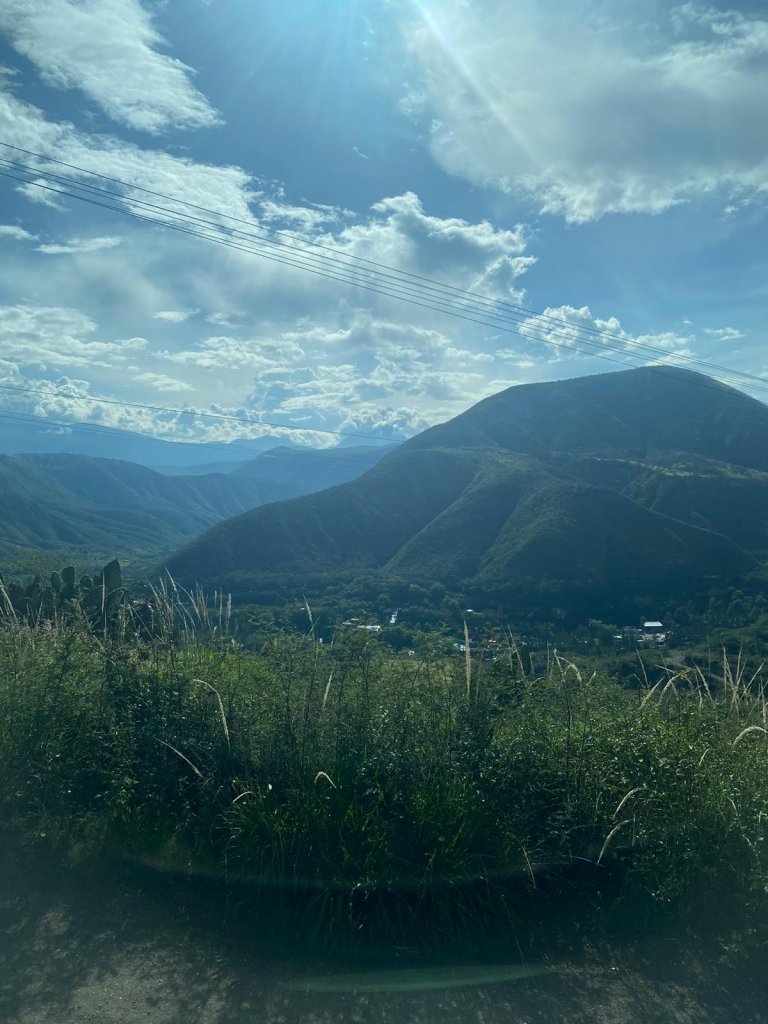
We finished the week with a trip to the indigenous artisan community of Otavalo, a place of stunning natural beauty and unique artisan handicrafts. Students simultaneously cherished the natural beauty and local artisanship while struggling to process all the global and local factors at work in the lives of the people who live in this beautiful place. We also had the opportunity to meet with an indigenous author who overcame unusual adversity to find her place in the cultural gap between indigenous and mestizo worlds.
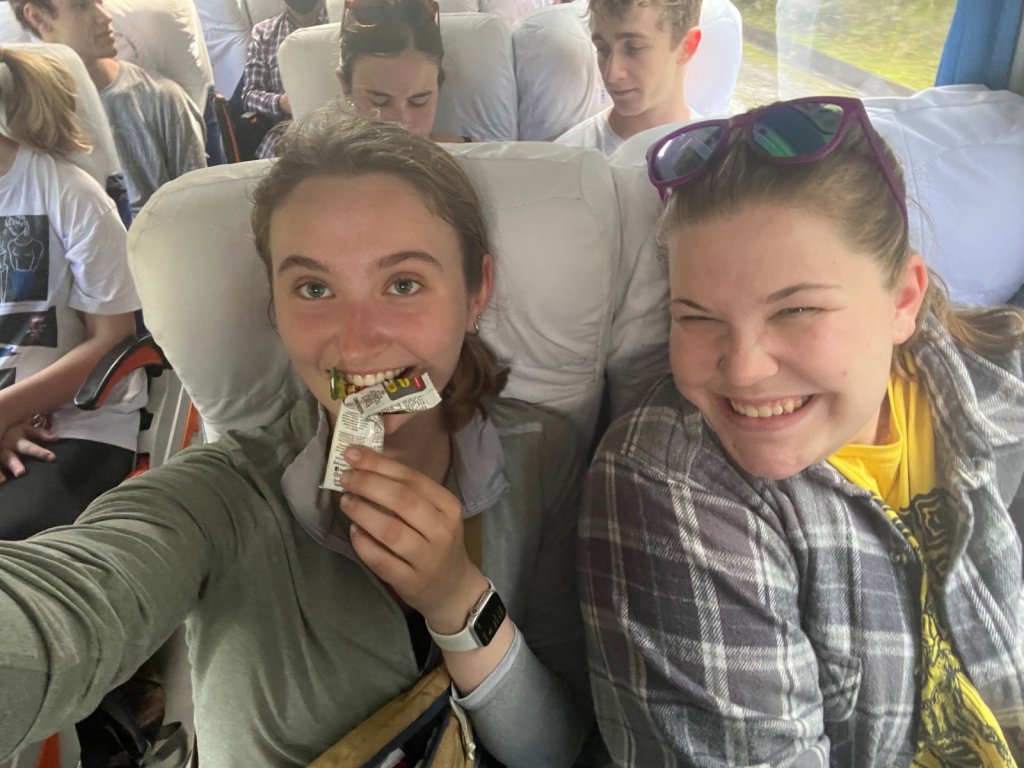
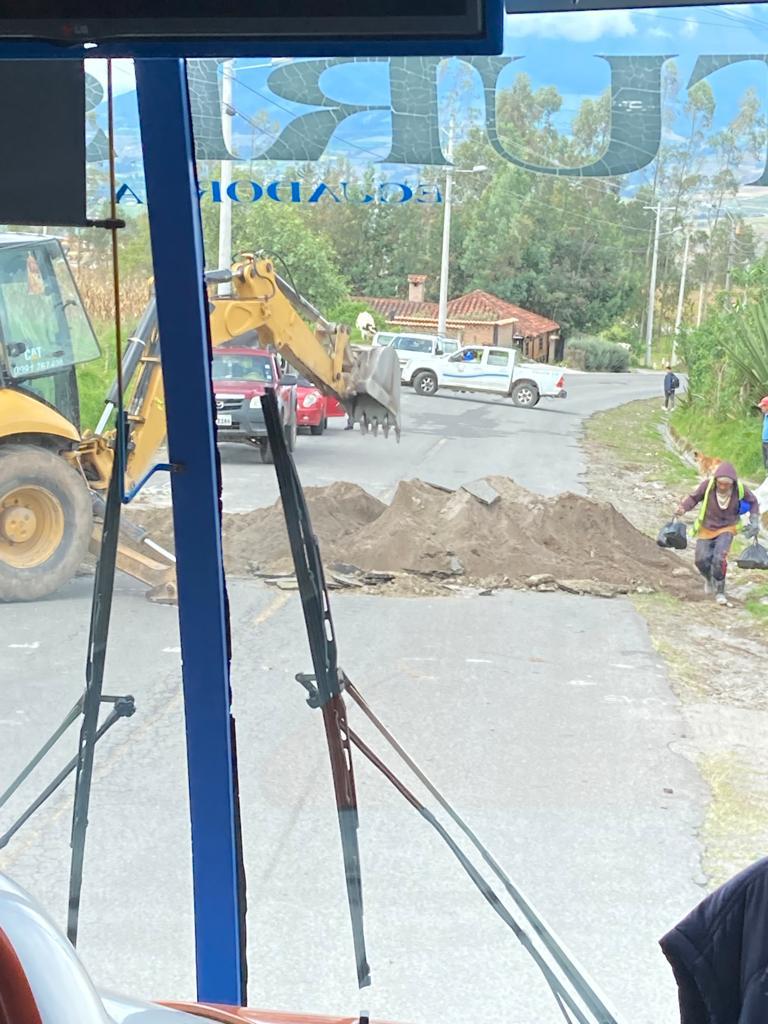
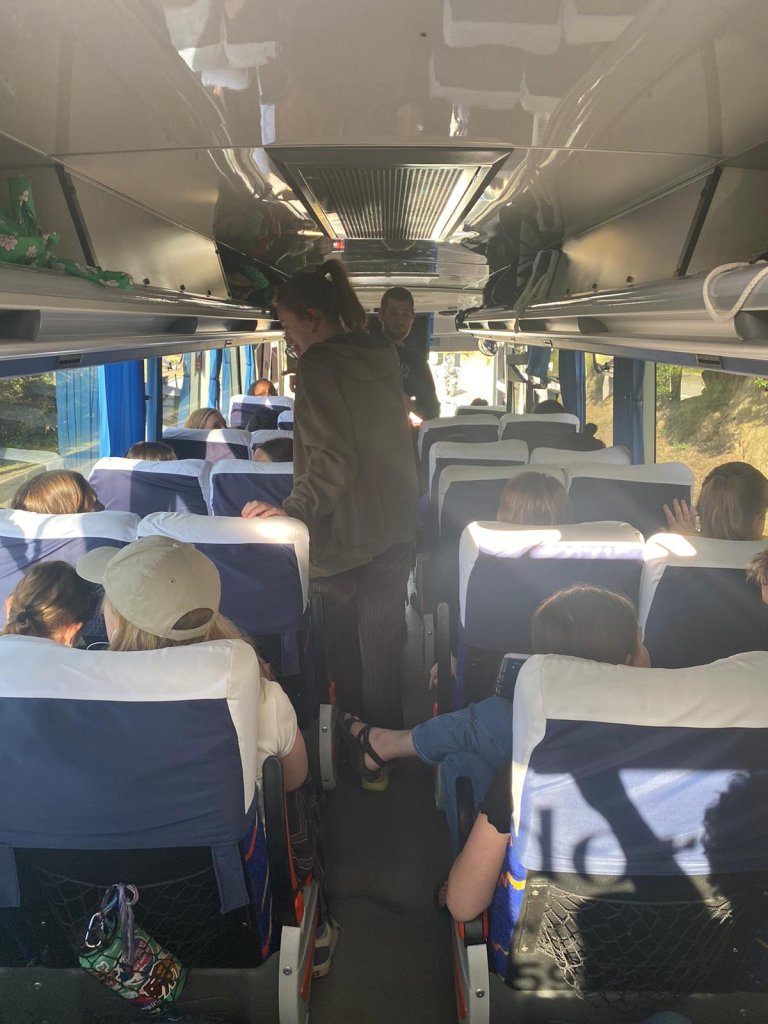
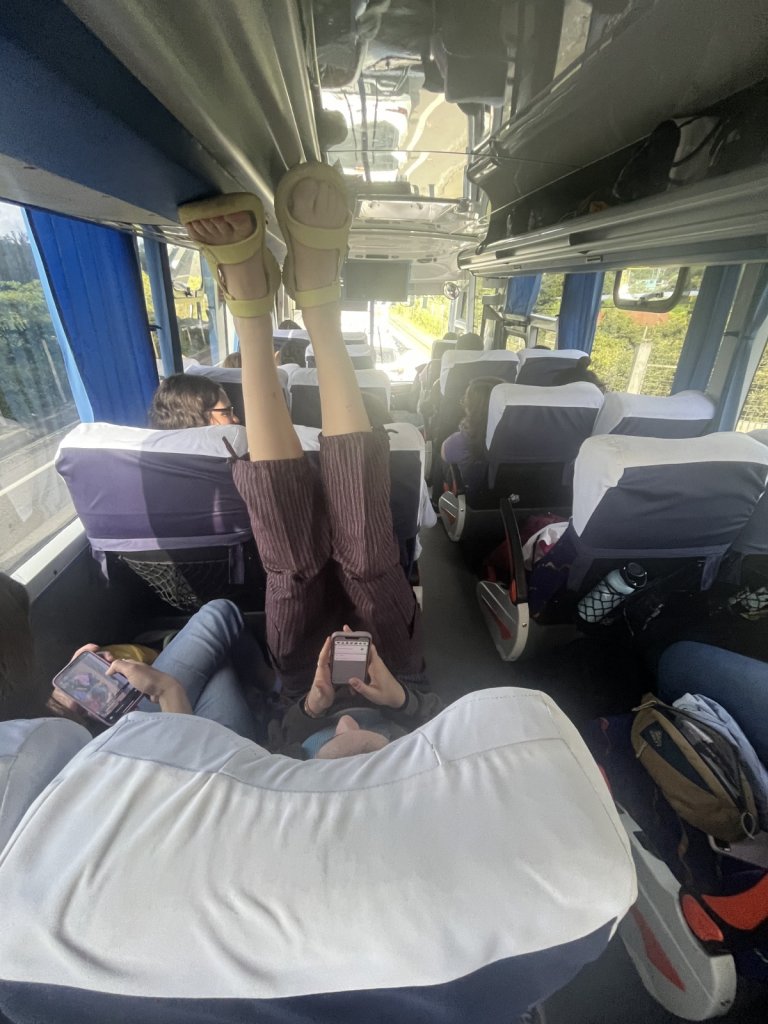
Our trip home ended with an unusually long bus ride due to a serious accident on a major highway. It quickly became apparent how difficult human movement is in this landscape when a major route is cut off. Thankfully we made it home safe and sound and had the opportunity to remind ourselves of the practice of gratefulness in moments when our minds are tempted to trend toward grumpiness and frustration as a result of unmet expectations….
 Global Education
Final retreat in Ecuador
 Global Education
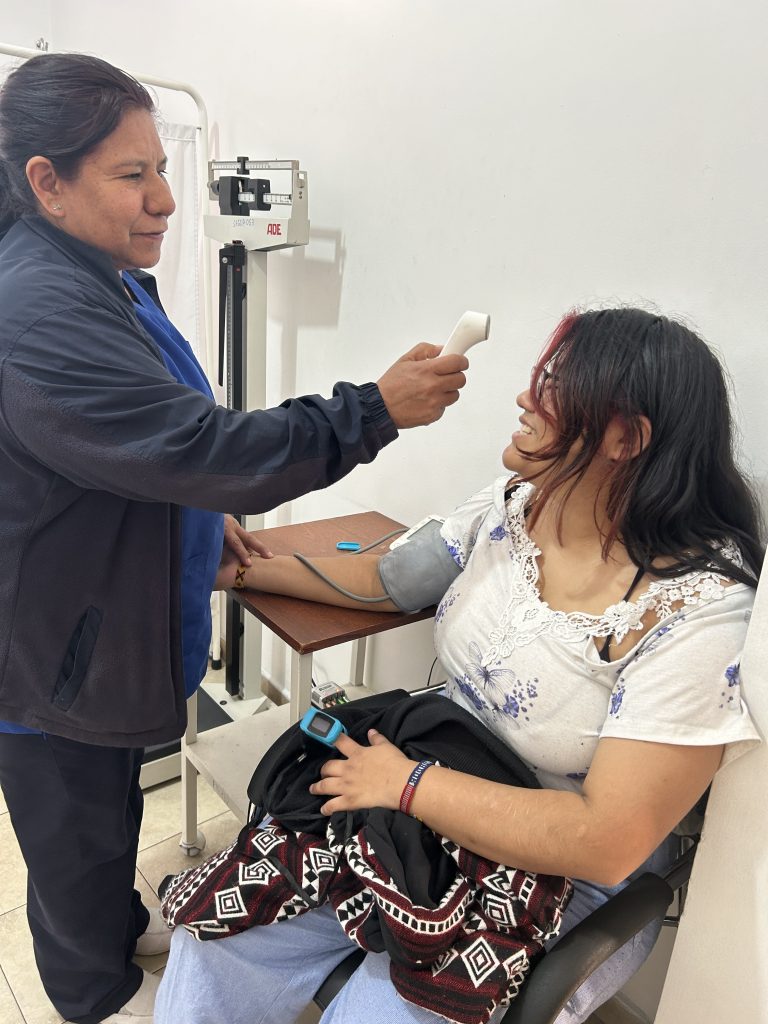
Life on the ward
By Dayanara Aguirre-Mulato During my service placement at the municipal Centro Médico in Riobamba, I had the privilege to be able to work alongside other nurses. Day to day each patient comes in to register for their appointment and I…
 Global Education
Service visits: opportunities for connection in Ecuador’s “provincias”
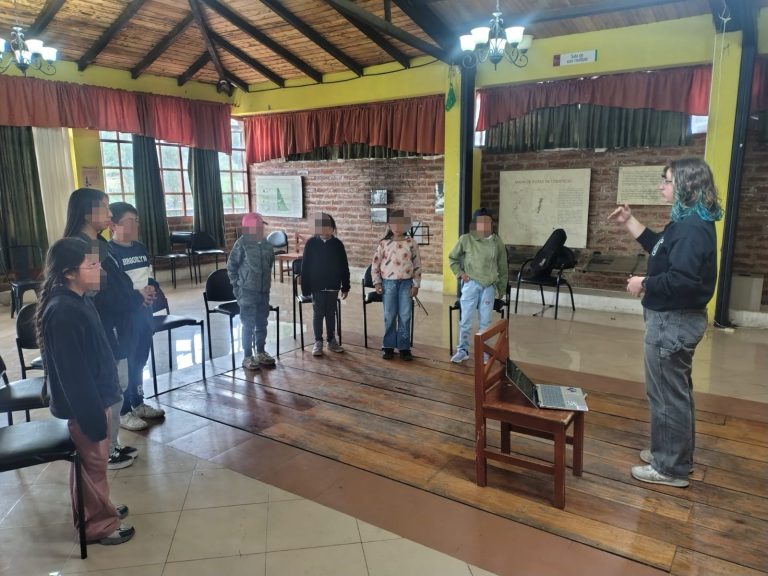
By Hillary Harder During the Service term, leaders have the privilege of traveling to visit each student at the home and volunteer assignment where they are spending their time during the second half of SST. For us, that meant traveling…