

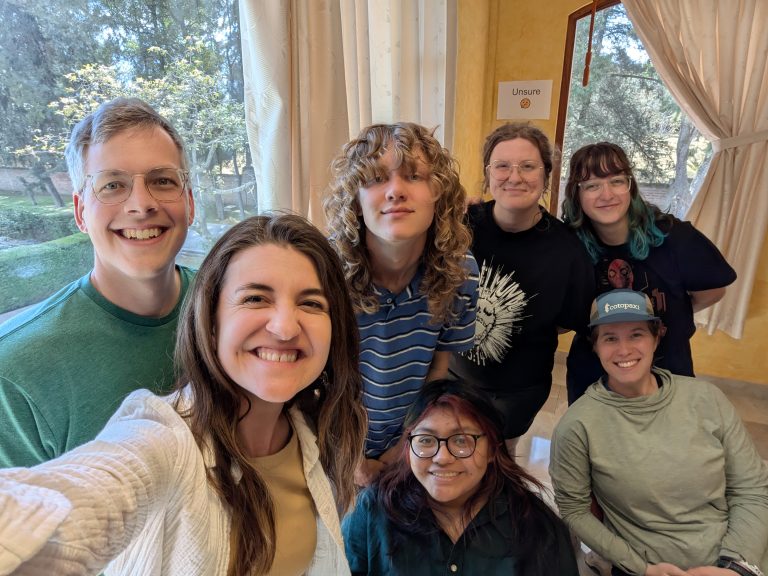
By Hillary Harder On Sunday, July 26, our students returned to Quito from their service communities and we began our final retreat together! The afternoon was full of joyful reunions as each student arrived at our Quito home, la Casa…
News
Mangrove and Sponge Symbiosis
May 09 2022
We had a slow but productive morning after Friday’s excitement; we started off by learning about sponges and mangroves and their unique places in the marine ecosystem. There are three species of mangrove in our area, and the red mangrove (Rhizophora mangle) grow at the water’s edge with mutualistic sponges growing on their roots.
After lunch in our cottages, we packed up and headed to the boat. Initially, we were going to take the boat out to visit a hardbottom site, but the waters were too choppy and the current too strong to snorkel there. Instead, we reinforced our newly-obtained mangrove and sponge knowledge by snorkeling along the shore of the bight. We could swim right up to the submerged mangrove roots and see lots of the creatures that live there. Schools of juvenile fish darted through the roots, disappearing into the shade, and upside-down jellies decorated the sea floor.
We also saw some sea sponges clinging to the mangrove roots. This is actually rather common, and is an example of symbiosis. The sponges provide the mangroves with much-needed nitrogen, because nitrogen-fixing bacteria live within the sponge. The sediment and seawater has very little nitrogen, which is vital for plant growth. In return, the mangrove provides the sponge with carbon produced through photosynthesis, something that the sponge requires for growth. As someone who has primarily worked with land ecosystems, I was struck by the ecological similarities that sea sponges have to those of terrestrial plants.
Once we got back to our cottages, we enjoyed a tasty dinner of spaghetti. After a brief interlude where we skipped stones and chatted, we settled in to watch the documentary Deep Dive, which is about GC’s marine biology station and how it came to be in Layton, FL. It was interesting to learn about all the people and work that contributed to the creation and maintenance of this special opportunity. We ended the evening by hanging out by the water, listening to live music, and then watching a movie together in one of the cottages.
– Erica Gunden, ’22
 Global Education
Final retreat in Ecuador
 Global Education
Life on the ward
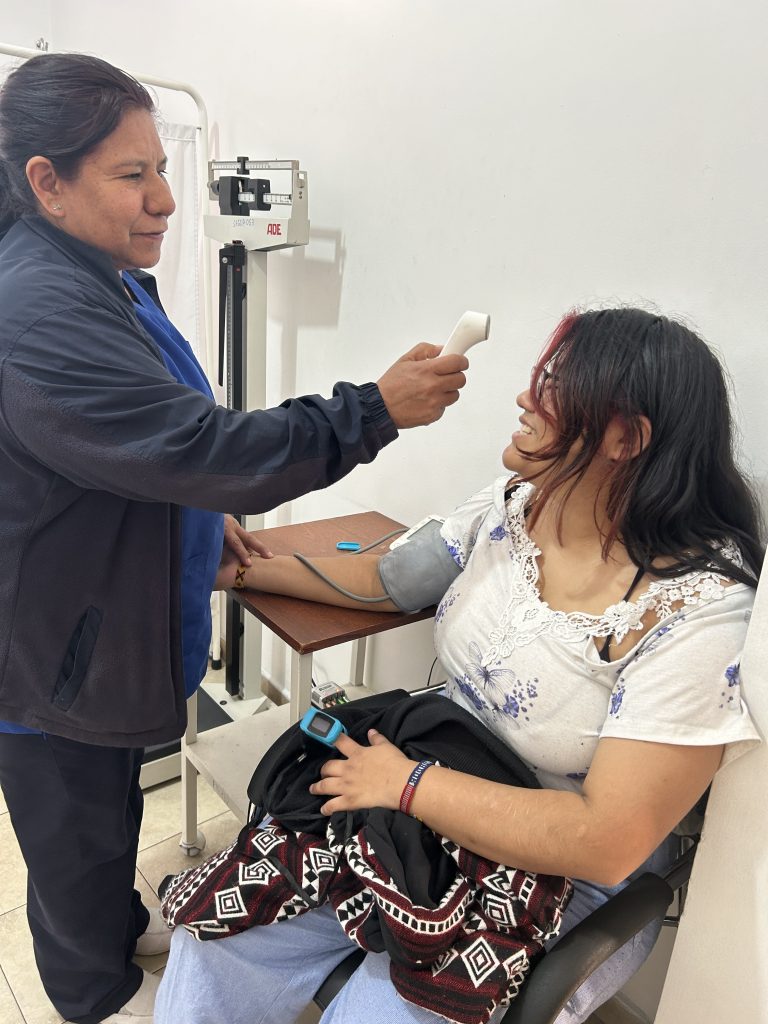
By Dayanara Aguirre-Mulato During my service placement at the municipal Centro Médico in Riobamba, I had the privilege to be able to work alongside other nurses. Day to day each patient comes in to register for their appointment and I…
 Global Education
Service visits: opportunities for connection in Ecuador’s “provincias”
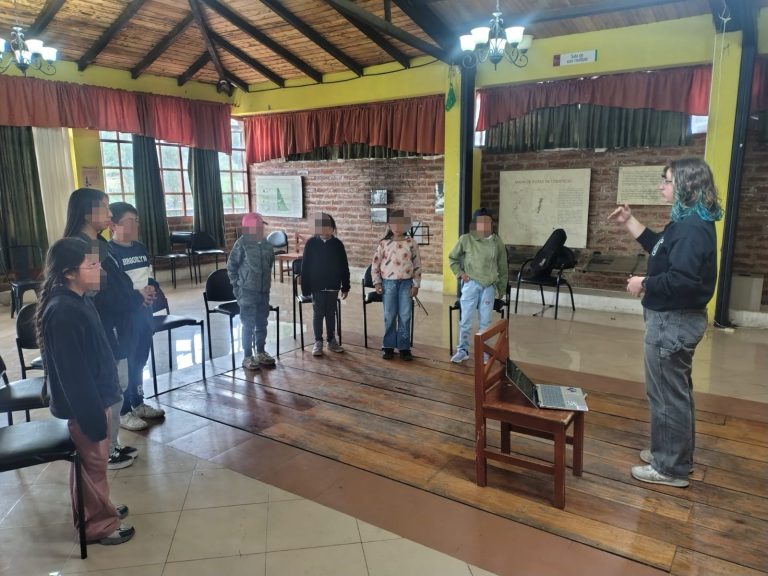
By Hillary Harder During the Service term, leaders have the privilege of traveling to visit each student at the home and volunteer assignment where they are spending their time during the second half of SST. For us, that meant traveling…