

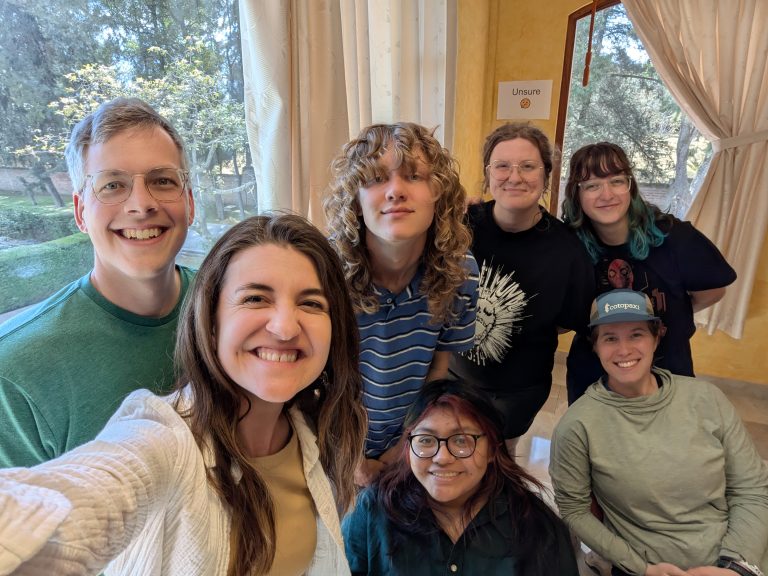
By Hillary Harder On Sunday, July 26, our students returned to Quito from their service communities and we began our final retreat together! The afternoon was full of joyful reunions as each student arrived at our Quito home, la Casa…
News
Adventures in Coffee and Kebuns (by Leah Otto)
Apr 13 2022
At this point you are likely wondering “what on earth is a ‘kebun’ “? Well luckily I am here to enlighten you: “kebun” is the Bahasa Indonesia word for farm, plantation, garden, gardener, and many others. It is one of my favorite Indonesian words and now you all have the pleasure of knowing it too (pronounced “kuh-boon”)!
During my service placement I have been in Salatiga, Central Java where I have been working with an organization named Bright Java. Their main business is in exporting specialty green (aka unroasted) beans, but they also roast some to sell locally. Bright Java also takes a great interest in the farmers that grow and process the beans for them to export, working alongside them to ultimately produce better coffee.
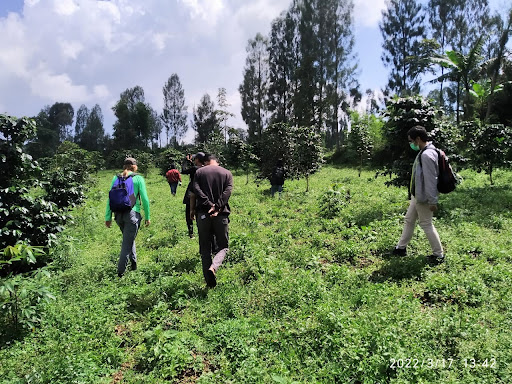
This has allowed me to visit several coffee kebuns, which look quite different from any farm I’ve ever seen (and I’m from the midwest, I’ve seen a lot of farms). Farms here have a rather loose interpretation. On my first visit to a coffee farm I was a little confused because it appeared as though we were just taking a winding walk through the woods and up the mountain. I was beginning to wonder where this farm was. As it turns out, the woods was the farm. Spread throughout there were coffee and avocado trees, pepper and cassava plants, cabbages, and I’m sure much more that I missed.
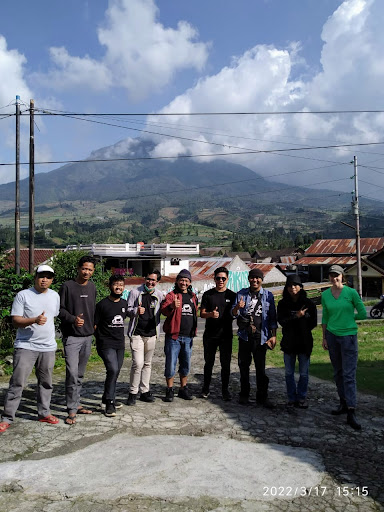
Farming in the mountainous regions of Indonesia means something different than in the U.S.. First off, most farmers do not focus on a single, or likely even just two or three crops. They are growing a much wider variety of crops to provide both food and income for their family. Communities may even be working together to care for and harvest everything. On my visit to the coffee co-op on Mount Sindoro, a region well-known for their high quality coffee, we saw community members setting up an area to dry the tobacco that would be collected during the upcoming harvest. Most of the coffee farmers I met were also tobacco farmers. They also had a communal processing station for drying and processing the coffee cherries to be used by various farming regions as the harvest season makes its way around the mountain.
Another stark difference is the lack of large, open fields here in Indonesia. Farming happens on the side of mountains, in the middle of the woods, and amidst a whole host of other plants. It feels much less intrusive than the vast acres of bare soil so commonly seen throughout the midwest. Instead, farms are integrated into the nature that is already present and the space available. To define where one farm ends and another begins would be quite difficult. Crops are cared for, harvested, and in many cases carried out by hand.
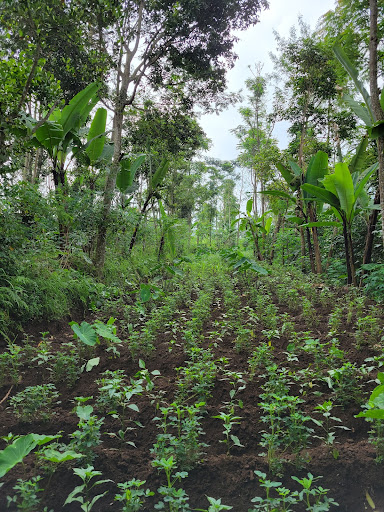
The productivity that comes out of these farms is truly incredible. So too is the way these farmers are able to gather such enormous harvests without having to get rid of everything that is already growing where they want to grow their crops. At most I saw small patches cleared away, like the one pictured below. There is beauty in their work that I have come to have a great appreciation for.
 Global Education
Final retreat in Ecuador
 Global Education
Life on the ward
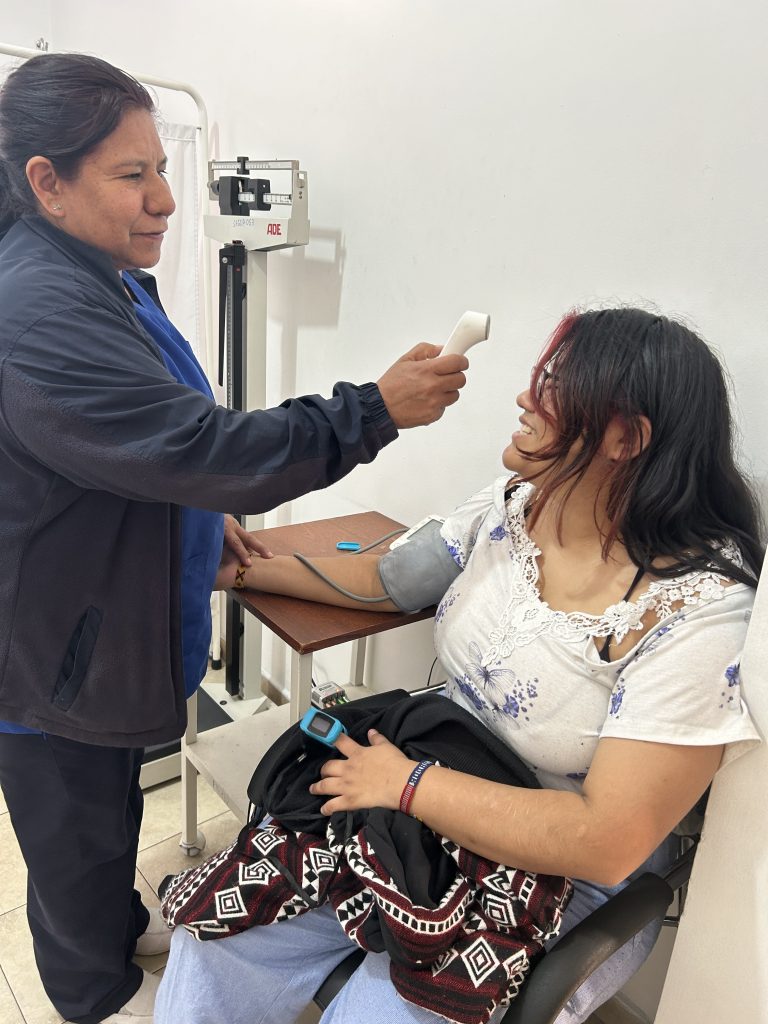
By Dayanara Aguirre-Mulato During my service placement at the municipal Centro Médico in Riobamba, I had the privilege to be able to work alongside other nurses. Day to day each patient comes in to register for their appointment and I…
 Global Education
Service visits: opportunities for connection in Ecuador’s “provincias”
By Hillary Harder During the Service term, leaders have the privilege of traveling to visit each student at the home and volunteer assignment where they are spending their time during the second half of SST. For us, that meant traveling…