

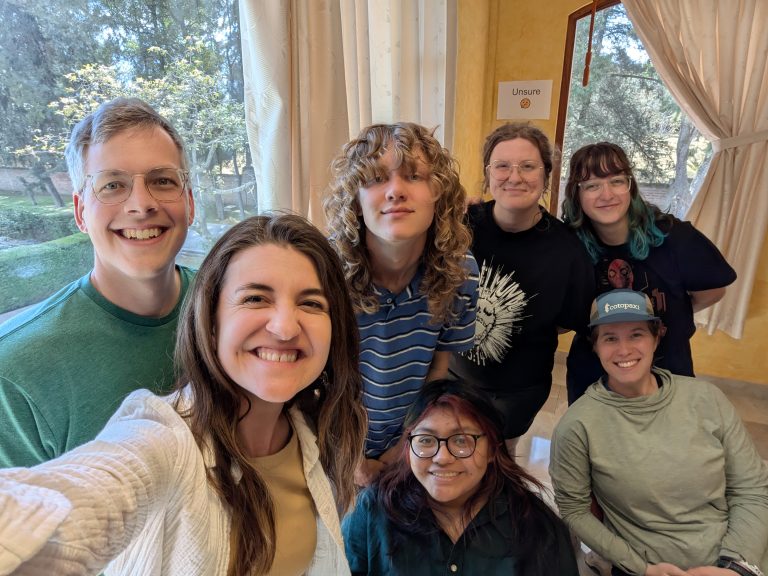
By Hillary Harder On Sunday, July 26, our students returned to Quito from their service communities and we began our final retreat together! The afternoon was full of joyful reunions as each student arrived at our Quito home, la Casa…
News
Triton Mudflats
May 05 2021
Tuesday May 4, 2021
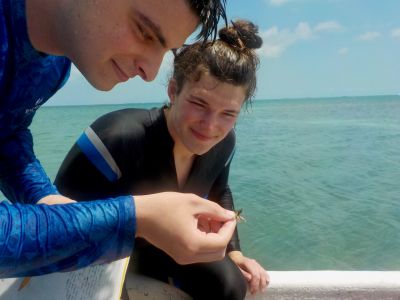
On Tuesday morning, the sun was shining and the temperature was 81 degrees. In our first class of the day we discussed seagrass ecology and biology, as well as the benefits and threats to the seagrass communities. The three main species found in the Florida Bay include: Thalassia testudinum or Turtle grass, Halodule wrightii or Shoal grass, and Syringodium filiforme or Manatee grass. There are many ecosystem functions seagrass communities provide including serving as a habitat for small marine organisms, trapping sediment, acting as a food source for many species large and small, and providing ecosystem services such as carbon sequestration and absorption of nutrients.
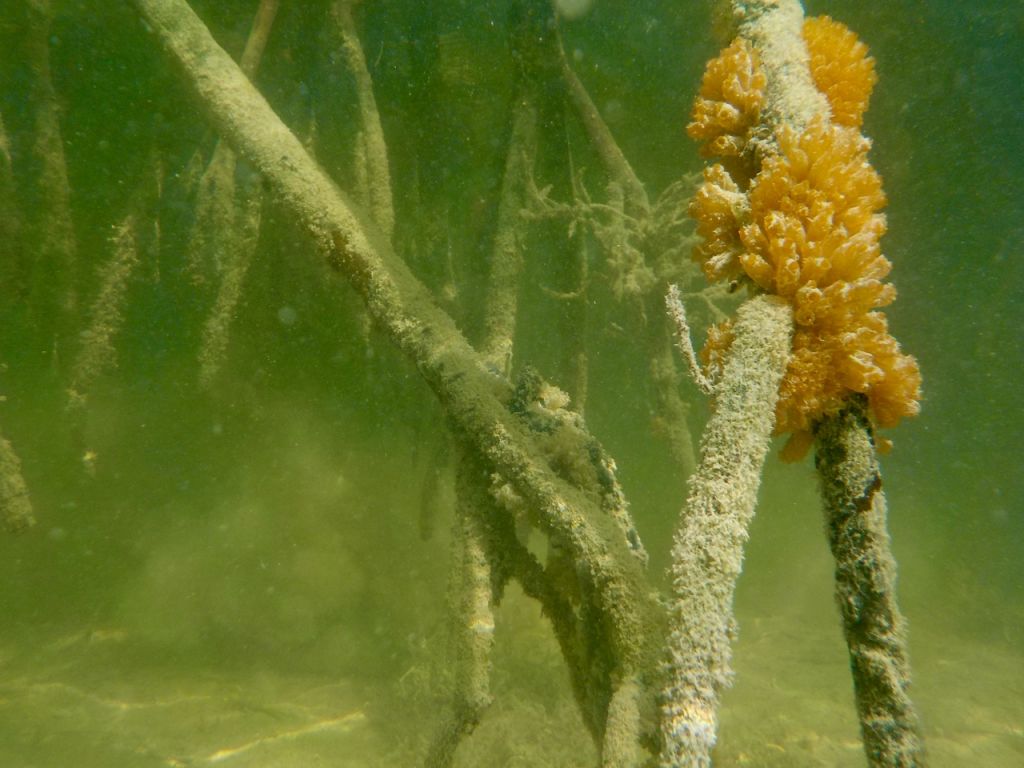
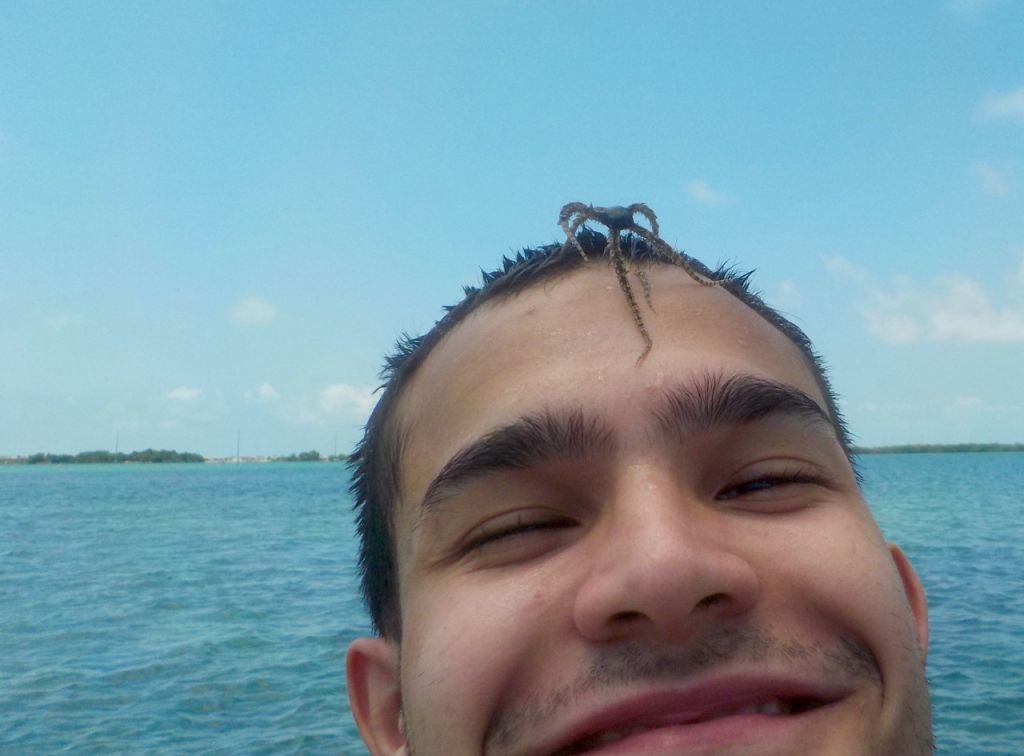
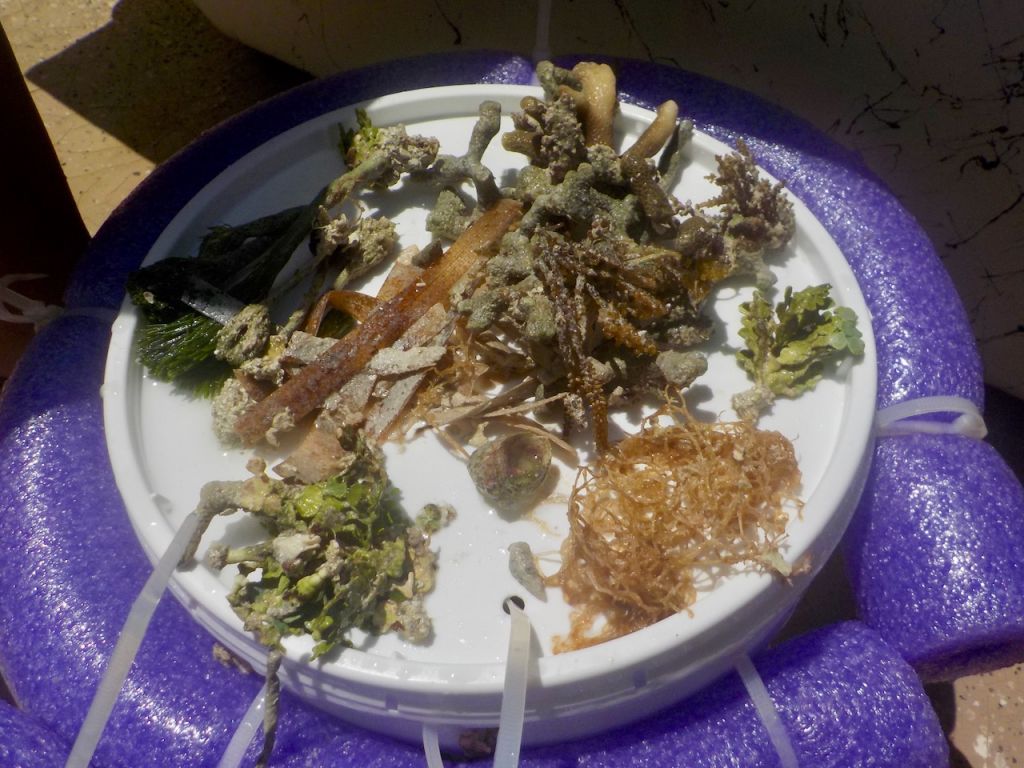
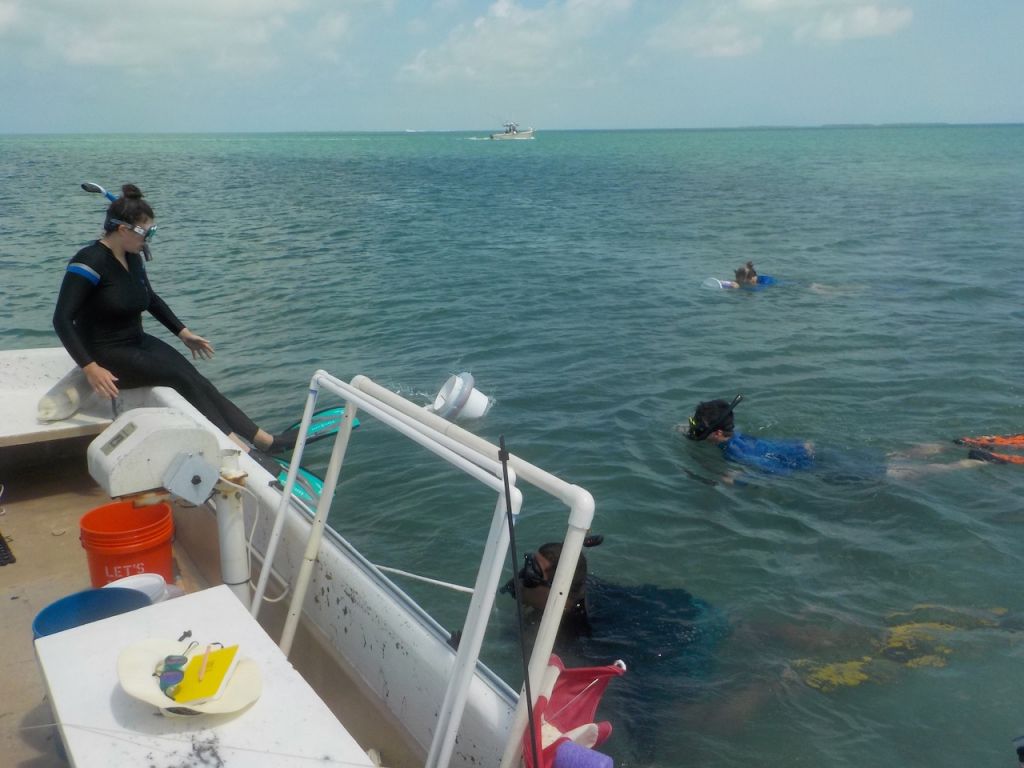
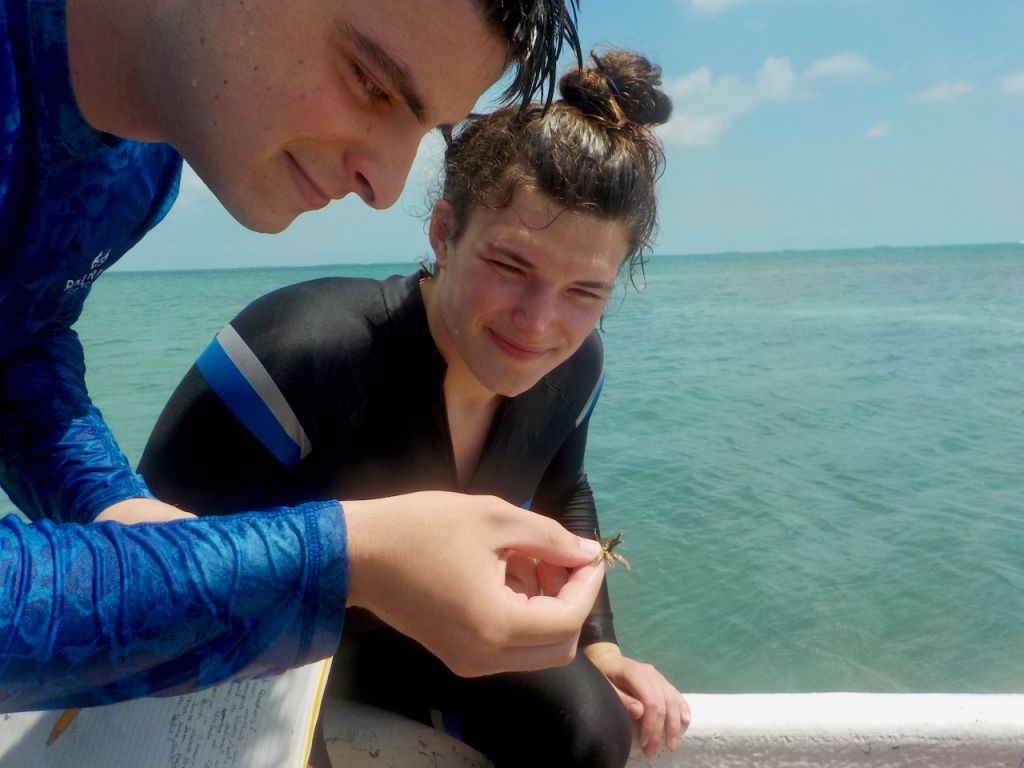
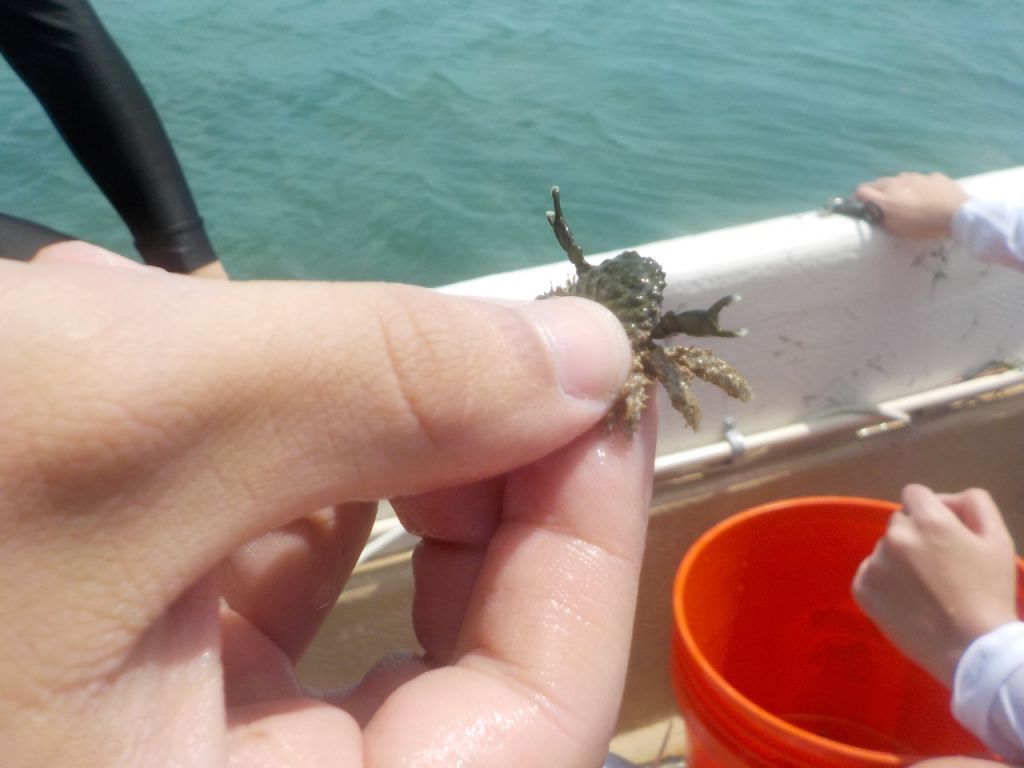
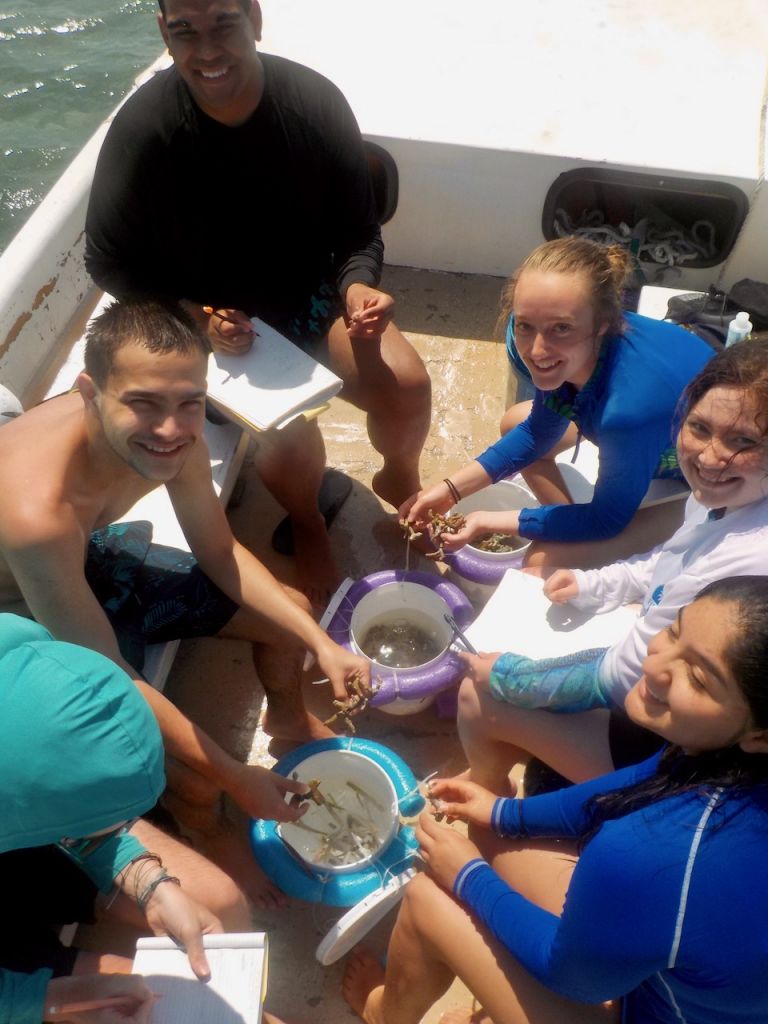
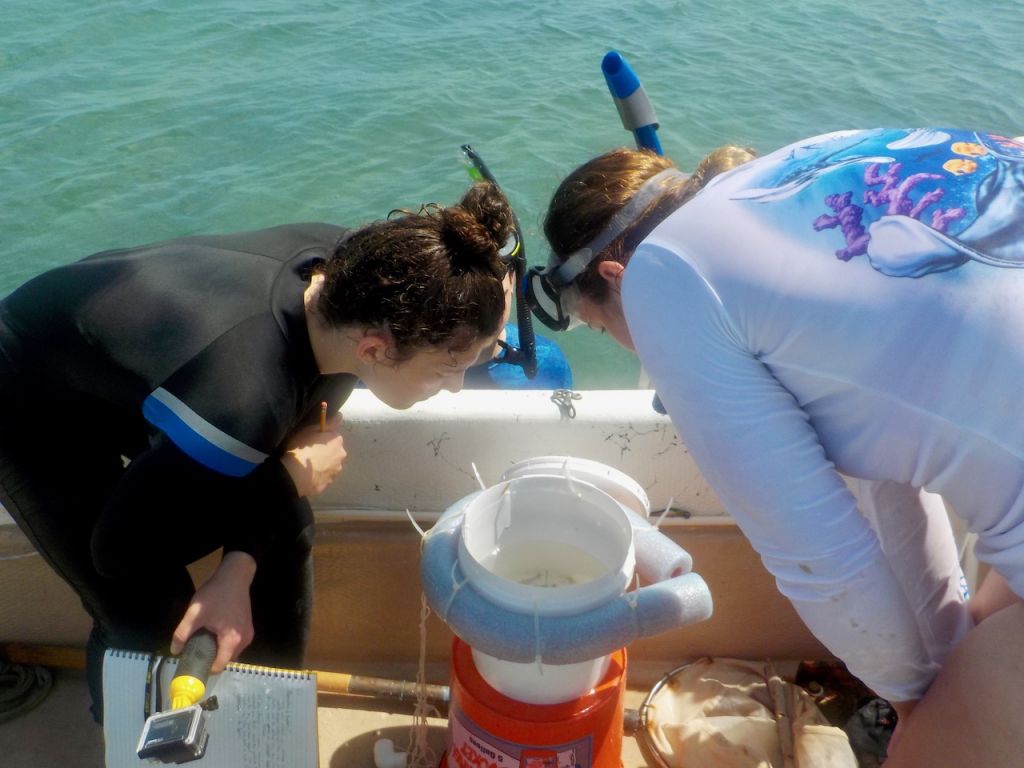
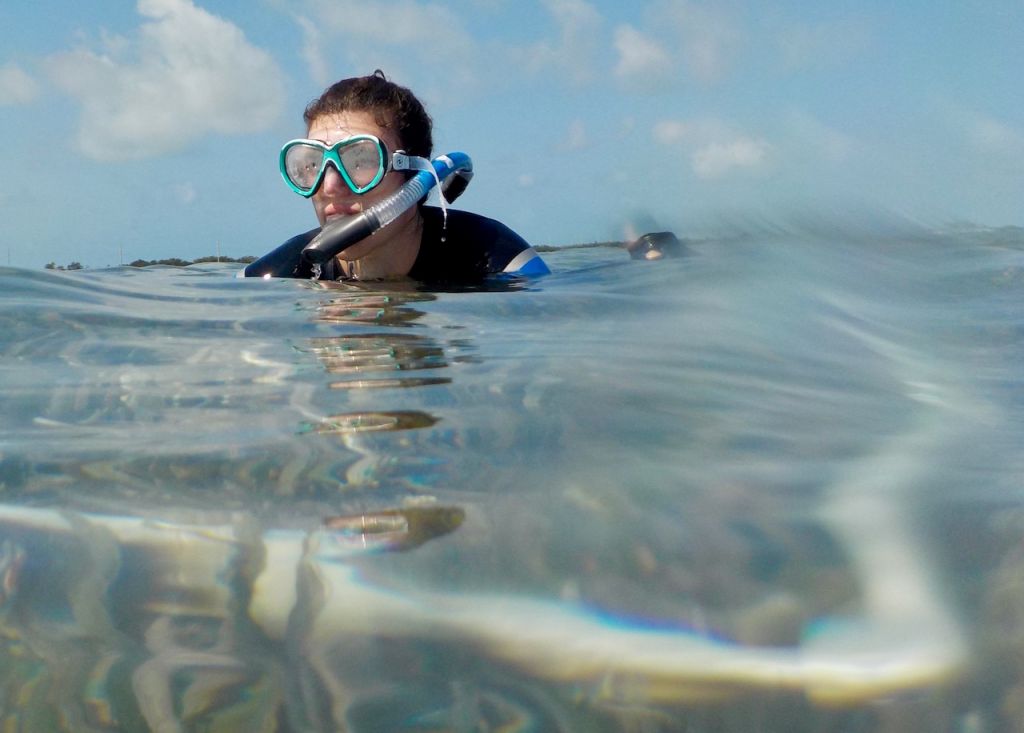
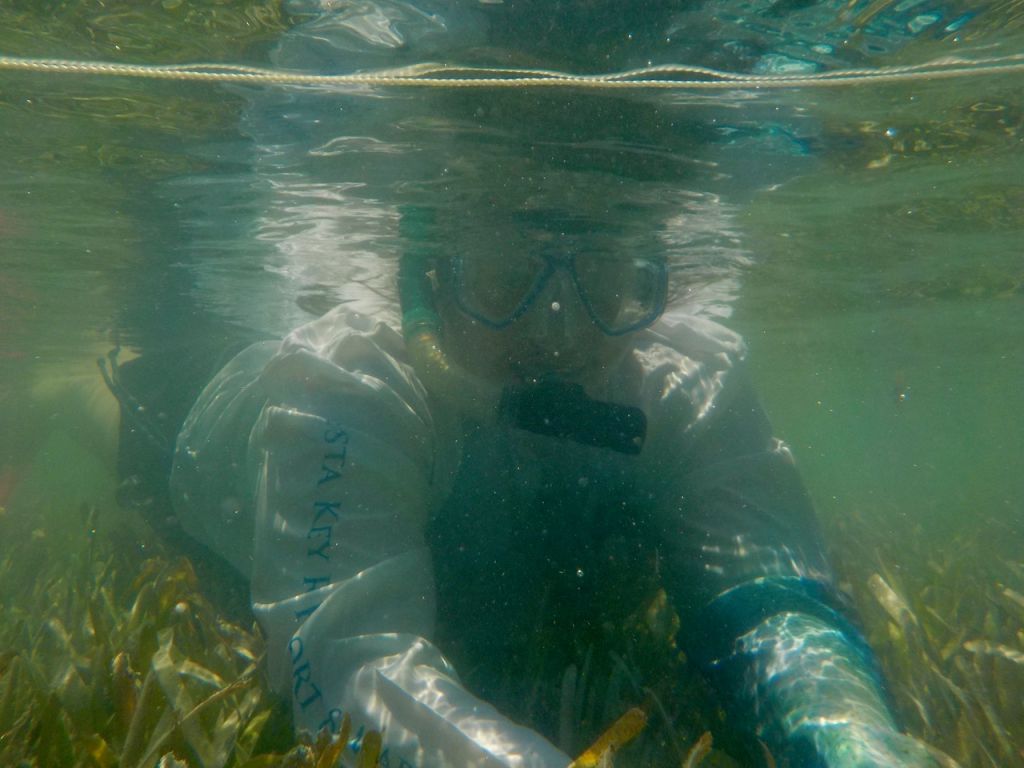
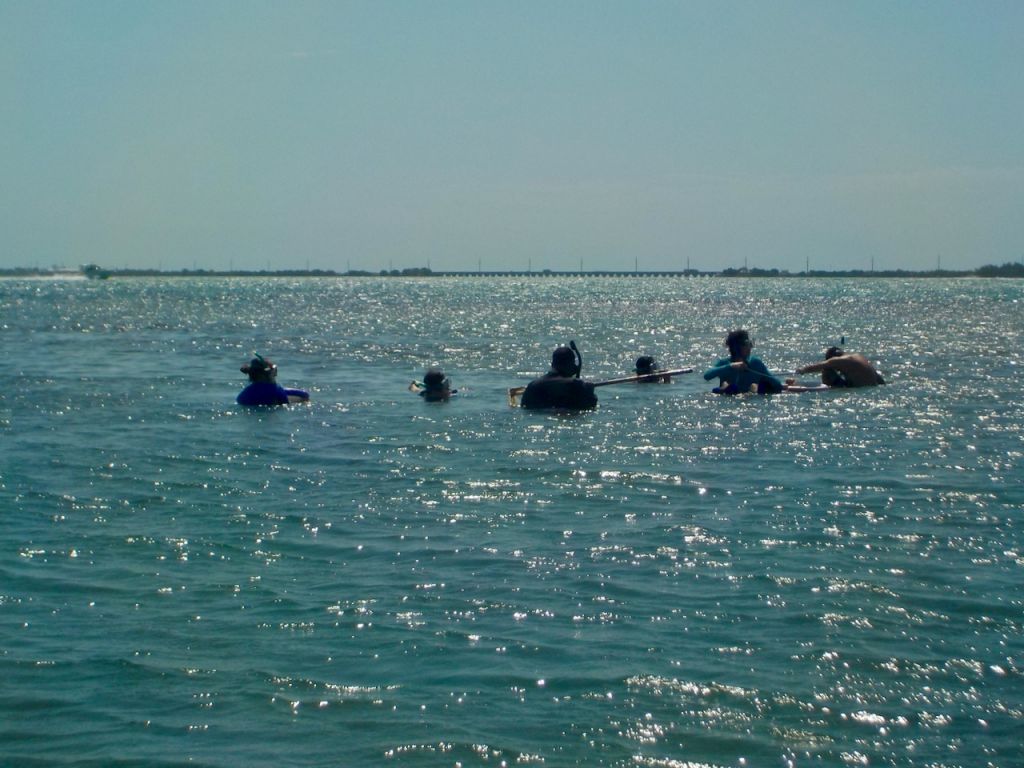
After our class, we visited the mudflat, Triton, where we snorkeled in a very shallow location, encountering Thalassia, many different species of sponges, coral, such as Porites porites, a variety of green algal species, and much more. It became difficult to snorkel in some areas of the mudflat, because the surrounding coral was rough and scratched any body part that came in contact with it. It was fascinating to see all of these marine organisms up close, yet my legs that are full of scratches may say otherwise. In small groups, we looked at species richness in simple and complex areas while in the mudflats, as well as the number of species found in the green algae, Halimeda opuntia. Once all samples were collected, we headed back to the boat to sort out, count, and identify species found. A few organisms collected were: Mithrax sculptus or Emerald Crab, which have sharp claws and are as small as a quarter, brittle stars, and Padina sanctae-crucis or brown algae.
We took a lunch break, and later in the afternoon we had a fun snorkel where we swam near the shore of Fiesta Key to look for a potential site to complete our future night snorkel. This was near where we snorkeled earlier in the day. It was a bit deeper than the morning mud flats, and there were many Cassiopea xamachana, Upside-down Jellyfish, that were almost the size of a basketball! I also saw the head of a nurse shark, and it was frightening at first, but I knew it was more afraid of me! Overall, this was a great day of snorkeling, learning about new species, and being able to interact with marine life in the field.
-Emily Brandeberry ‘22 (Environmental & Marine Science)
 Global Education
Final retreat in Ecuador
 Global Education
Life on the ward
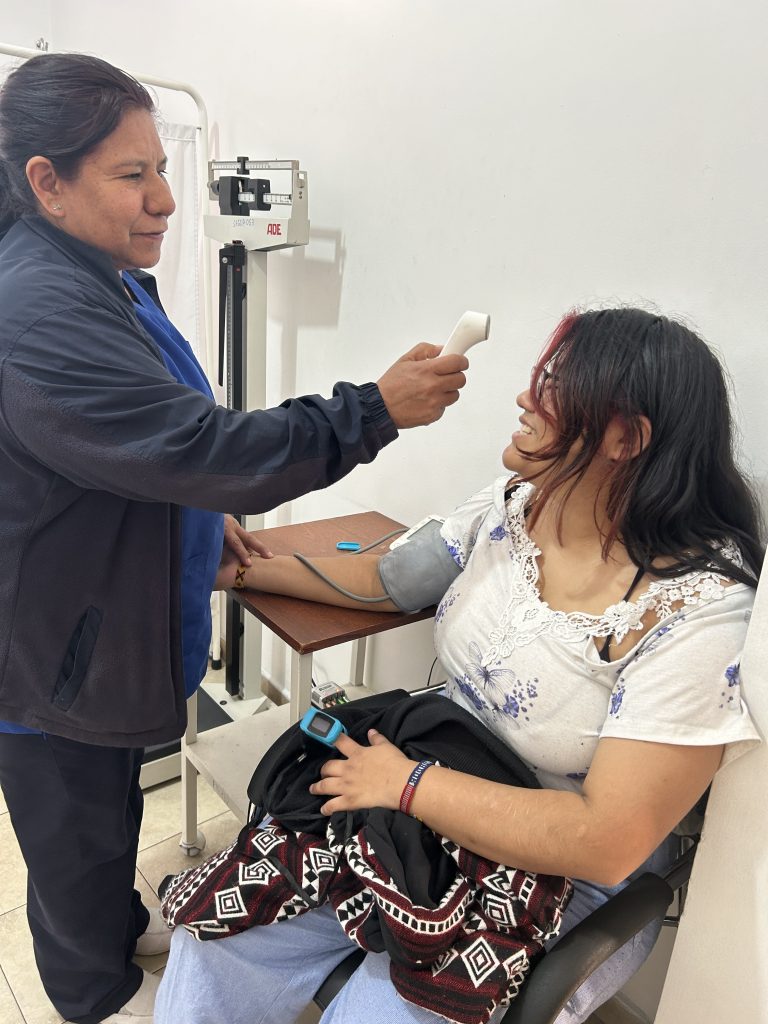
By Dayanara Aguirre-Mulato During my service placement at the municipal Centro Médico in Riobamba, I had the privilege to be able to work alongside other nurses. Day to day each patient comes in to register for their appointment and I…
 Global Education
Service visits: opportunities for connection in Ecuador’s “provincias”
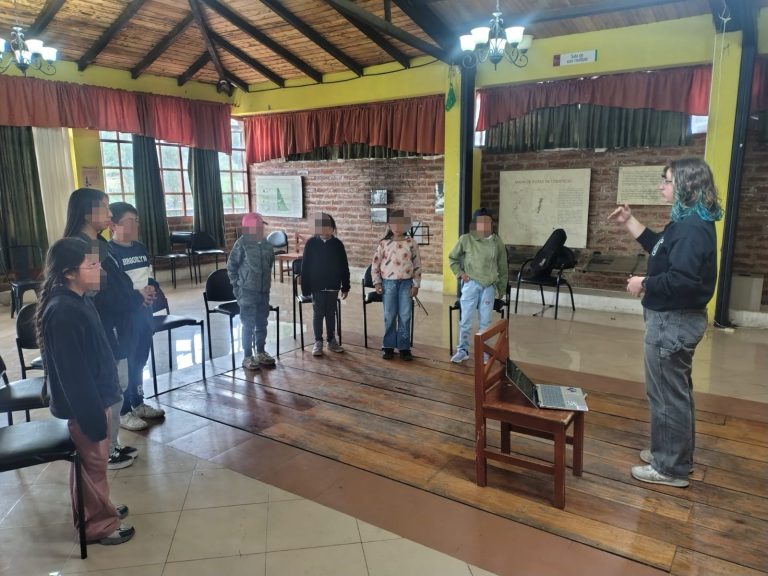
By Hillary Harder During the Service term, leaders have the privilege of traveling to visit each student at the home and volunteer assignment where they are spending their time during the second half of SST. For us, that meant traveling…