

We are in a big social experiment with technological replacements for real human service. I waver on the emotional knife edge, and sometimes I add to the inhumanity. But I realize that there is another choice. What if each time I encounter technology replacing human customer service, I would choose to create a new and positive interaction with someone?
News
Never forget
Sep 13 2021
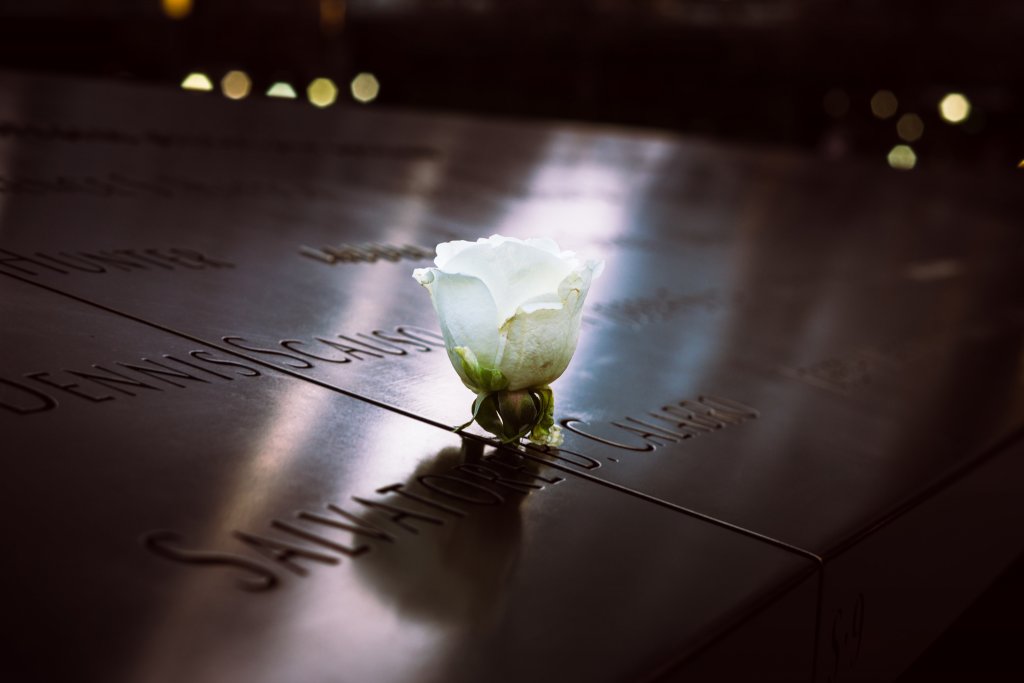
Photo by Willem-Jan Huisman on Unsplash
Kevin and I went to The Chief in Goshen to get ice cream cones yesterday afternoon, and as we were sitting at a picnic table, I overheard a young girl, dancing alone under the big shade tree, singing to herself: “They hit two planes and they hit two towers and they killed everyone, and now there is a giant flag downtown.” When she spoke about the killing, her face and voice filled with emotion.
Heading north on Third Street in Goshen this weekend — the 20th anniversary of that terrible day — it is impossible to miss the giant flag suspended over the street from two cranes. I imagined the girl’s grandma explaining the unusual flag to her on their way to get ice cream, and how this is forming her first inkling of what to remember on each 9/11 anniversary.
We all remember in our own ways, editing and reshaping our memories, as humans do, to protect ourselves or to make sense of things. Dan Berry wrote a beautiful essay in the New York Times, What does it mean to ‘Never Forget?’, in which he describes how we do forget, we need to let go — and yet we also need to remember. He writes about one New York City firefighter who forgot he was there and experienced heavy guilt about not responding, until a friend helped him remember that he was indeed there and had helped transport the dead bodies of his colleagues from the site. He needed to forget for a while. Our memories are actually quite malleable.
On that beautiful September morning in 2001, I was in the air between Washington, D.C. and Nairobi, Kenya. Oblivious, I jumped into a taxi and my driver could not stop talking about everybody crying in my country, but he could not explain the events in English. When I got to my hotel and turned on the TV, I saw terrible images and began to understand the enormity of it. I remember wondering whether our pilots were aware of the events during our flight. If so, they did not speak about it to us.
I travelled on the next day to my research site in Zanzibar, and remember well the many expressions of sympathy from my Muslim collaborators as we all reacted to the tragedy. I felt sad, safe and supported.
Yesterday, my sister Tina shared with our family an audio file of Rabbi Irwin Kula chanting the phone messages transcribed from people in their final moments before they died on 9/11. In the midst of unthinkable circumstances, they expressed love. Now I will add their loving words to the many things that I will remember from 9/11.
As we each reinforce and revise our memories from 9/11, let us be truthful and also tender about what we choose to never forget.
Rebecca Stoltzfus
 President's Blog
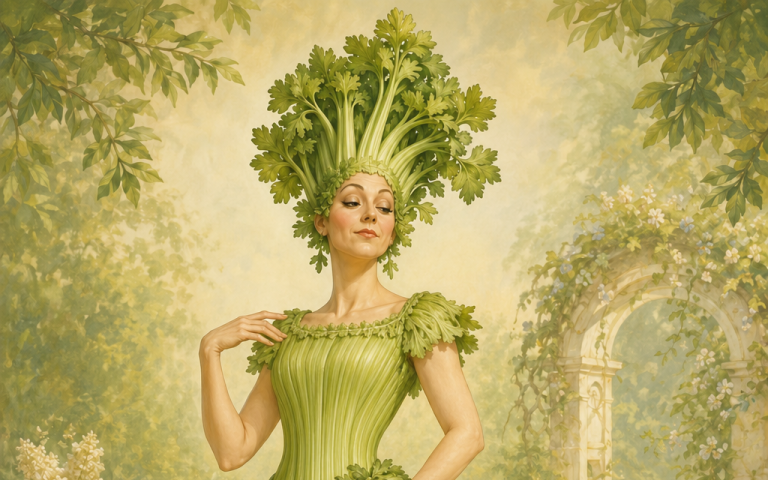
The Celery Lady tries to be a better human
 President's Blog
About nations and kingdoms
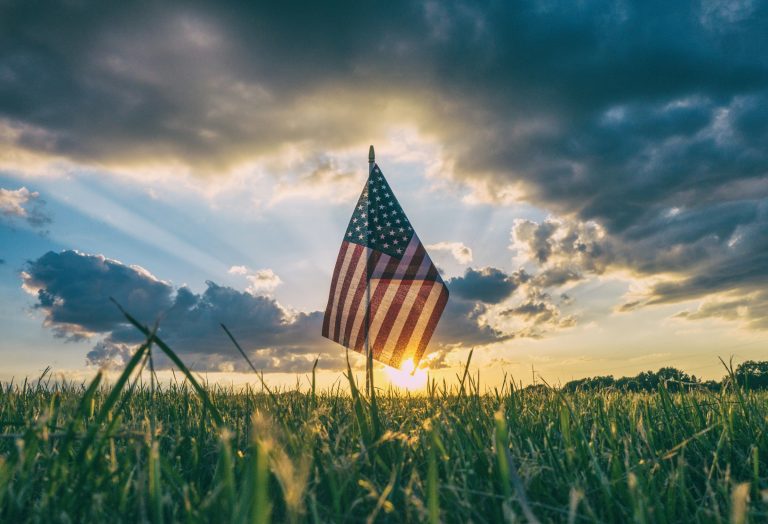
As we celebrate the birth of this nation 250 years ago, to be followers of Jesus is to be a community of loving and liberating people, whose only weapon is love.
 President's Blog
My word for 2026
I am learning eagerly and rapidly about AI and how it might change our work at Goshen College for the good. At the same time, I want to bring into clear focus what it means to be human. At GC, we are followers of the way of Jesus, who was God expressed in human form: born into a body, living among us and experiencing physical death. My word for the year is human.