

We are in a big social experiment with technological replacements for real human service. I waver on the emotional knife edge, and sometimes I add to the inhumanity. But I realize that there is another choice. What if each time I encounter technology replacing human customer service, I would choose to create a new and positive interaction with someone?
News
How will we be changed?
Mar 04 2021
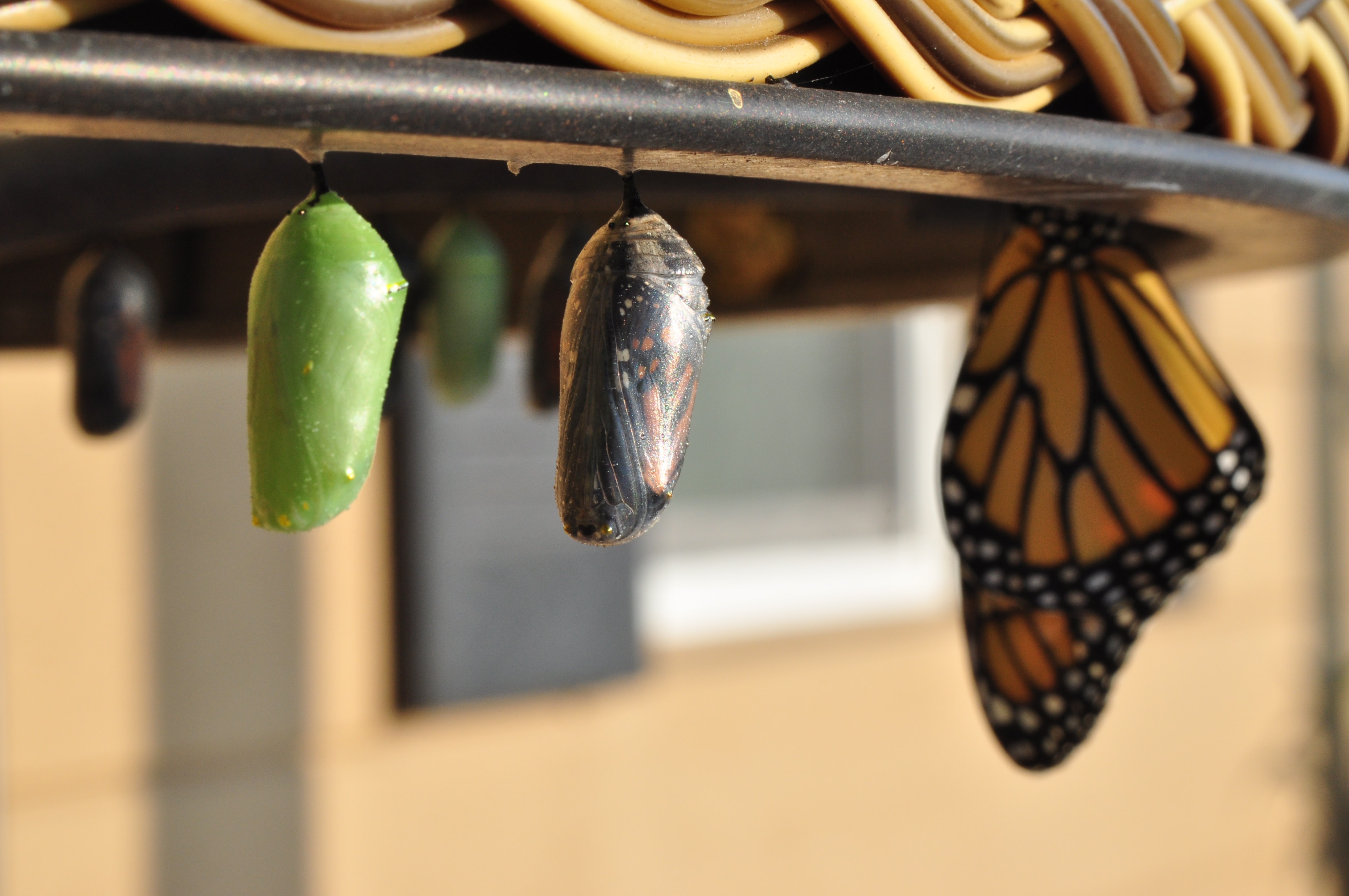
Photo by Suzanne D. Williams on Unsplash
In the midst of the heartbreak, tensions and tedium of the pandemic, I am alert to the changes happening within myself and in our society that may form the lasting legacies of this time. Some of these are causes for hope.
Health equity has been a longstanding issue of debate and study in health and policy circles. However, the global challenge of COVID has brought inequities into focus with new breadth and intensity. The tragic unfairness of the pandemic has unsettled us in new ways, giving rise to new conversations and maybe to meaningful and lasting change. It is simply unacceptable that Native, Latino and African Americans are dying of COVID at around twice the rate of white Americans. Similar disparities in other illnesses and injuries have long abounded, but COVID has put them in front of our faces, into the headlines and onto the streets. We cannot unsee this.
When it comes to addressing inequities in health, it is not lack of technology that holds us back, it is human will. Look how quickly scientists have created technologically new and astonishingly effective vaccines. And not just one, but several! The vaccines, however, are encountering the same systemic issues that generated the disparities in COVID suffering: unequal access to healthcare, disparities in the underlying health of individuals and communities, differential trust in the medical system, lack of the digital technologies needed to figure out when and where to get your shot.
On PBS Newshour last month, responding to the disproportionate COVID deaths in communities of color, Dr. Reed Tuckson, the former Commissioner of Public Health of D.C., said:
“If we have learned anything [from the pandemic], it is that we have to begin to focus our attention on empathy and love, a concern and caring for everyone.”
I straightened up in my chair. I’ve heard a lot of talk by public health officials, and it is generally not about love. Dr. Tuckson is right. Science alone will not get us out of this pandemic. The empathy and love that he calls for — a concern and caring for everyone — is something that we must choose and then practice.
I remember the employee forum at GC when we landed the language of “active love for God and neighbor” as part of our mission statement. “Active” was the important word that emerged. As a college, we claim that love is more than feelings. Love can be taught, modeled and practiced. It is part of our mission.
Valarie Kaur is a gifted contemporary teacher about active love. Her recent book and learning hub focus on what she calls “revolutionary love.” Kaur distinguishes the practice of love from the feelings that surround it, and names three fundamental practices of revolutionary love: see no stranger, tend the wound, and breathe and push. You can listen to her own voice here:
https://youtu.be/P85WOHJprJw
Here at Goshen College, the pandemic has compelled us to new labors of love on behalf of our students, each other and our wider community.
Can we make this a lasting change? How is the pandemic changing you and the way you see the world? Will active love — in fact revolutionary love — be one of the legacies of this time?
Rebecca Stoltzfus
 President's Blog
The Celery Lady tries to be a better human
 President's Blog
About nations and kingdoms
As we celebrate the birth of this nation 250 years ago, to be followers of Jesus is to be a community of loving and liberating people, whose only weapon is love.
 President's Blog
My word for 2026
I am learning eagerly and rapidly about AI and how it might change our work at Goshen College for the good. At the same time, I want to bring into clear focus what it means to be human. At GC, we are followers of the way of Jesus, who was God expressed in human form: born into a body, living among us and experiencing physical death. My word for the year is human.