

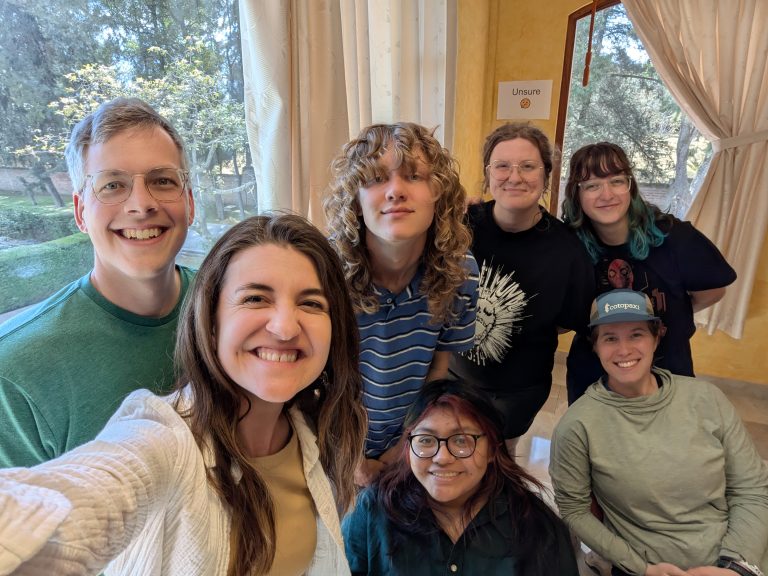
By Hillary Harder On Sunday, July 26, our students returned to Quito from their service communities and we began our final retreat together! The afternoon was full of joyful reunions as each student arrived at our Quito home, la Casa…
News
Ecuador — Lengua De Señas
Oct 09 2021
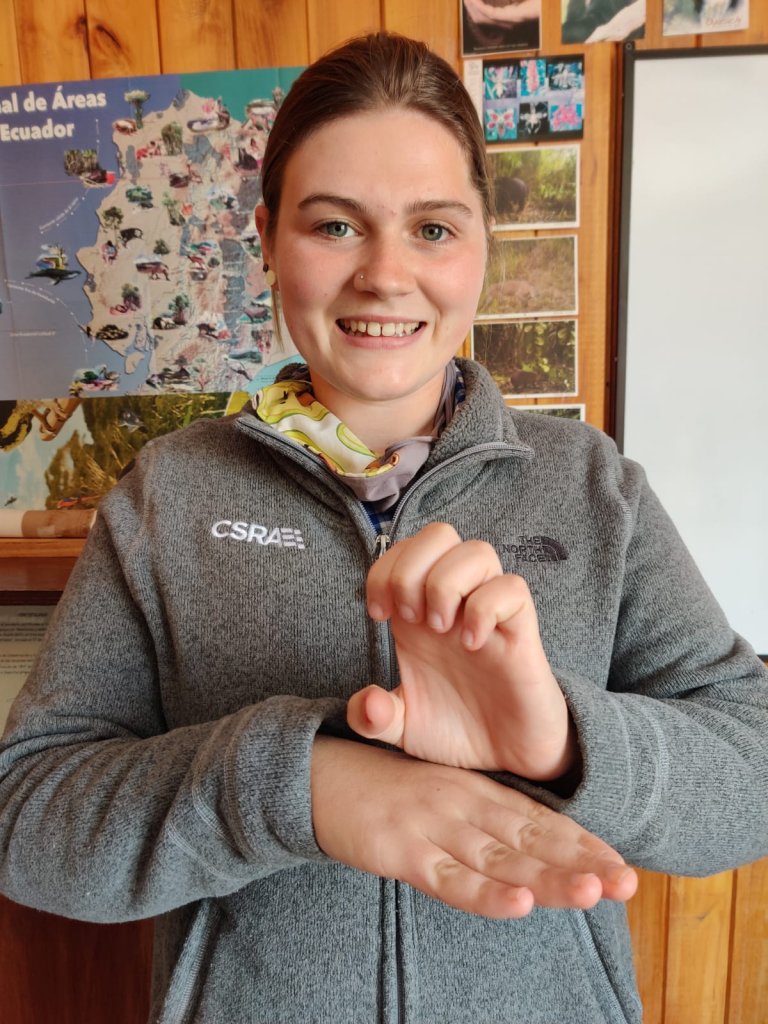
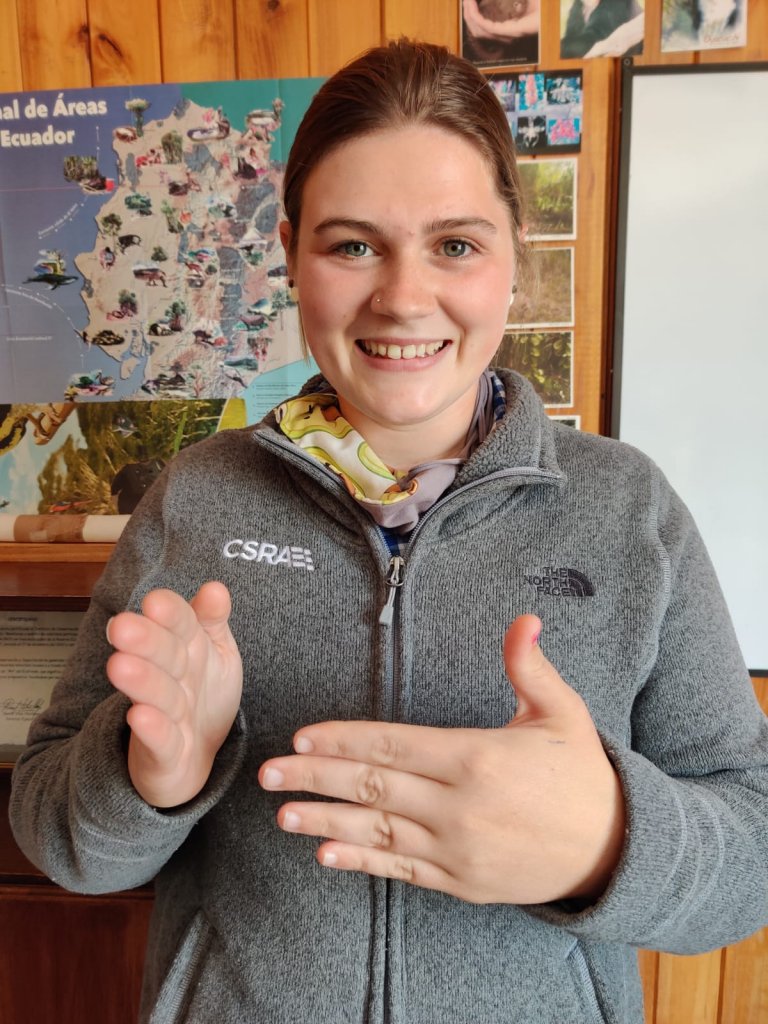
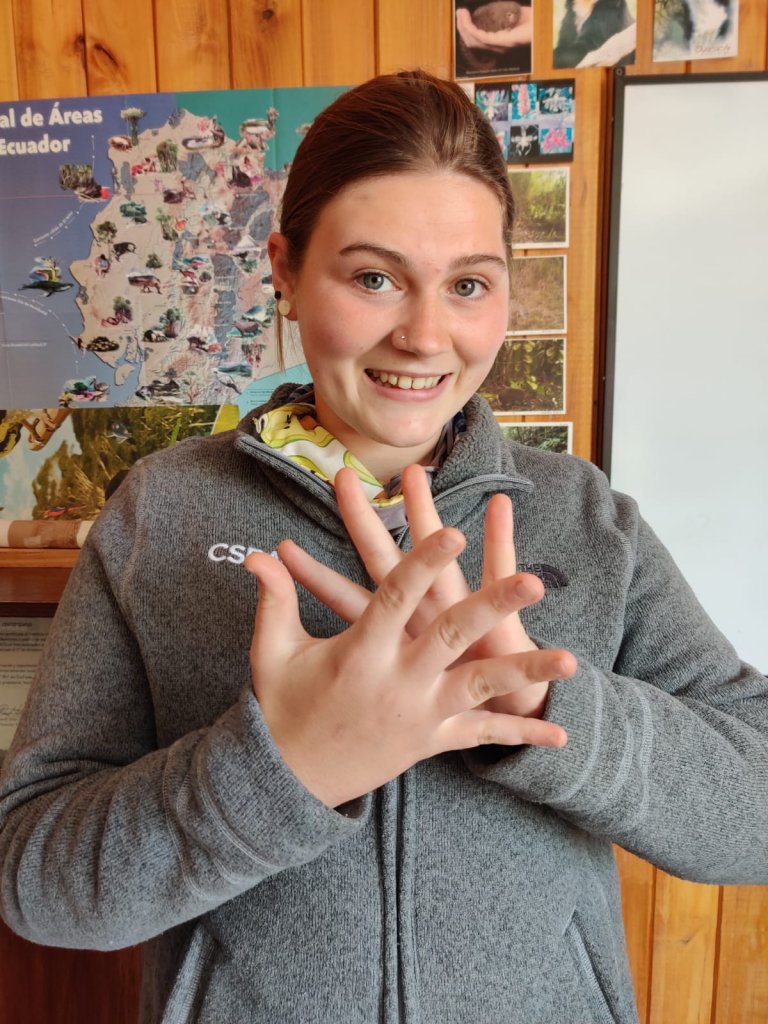
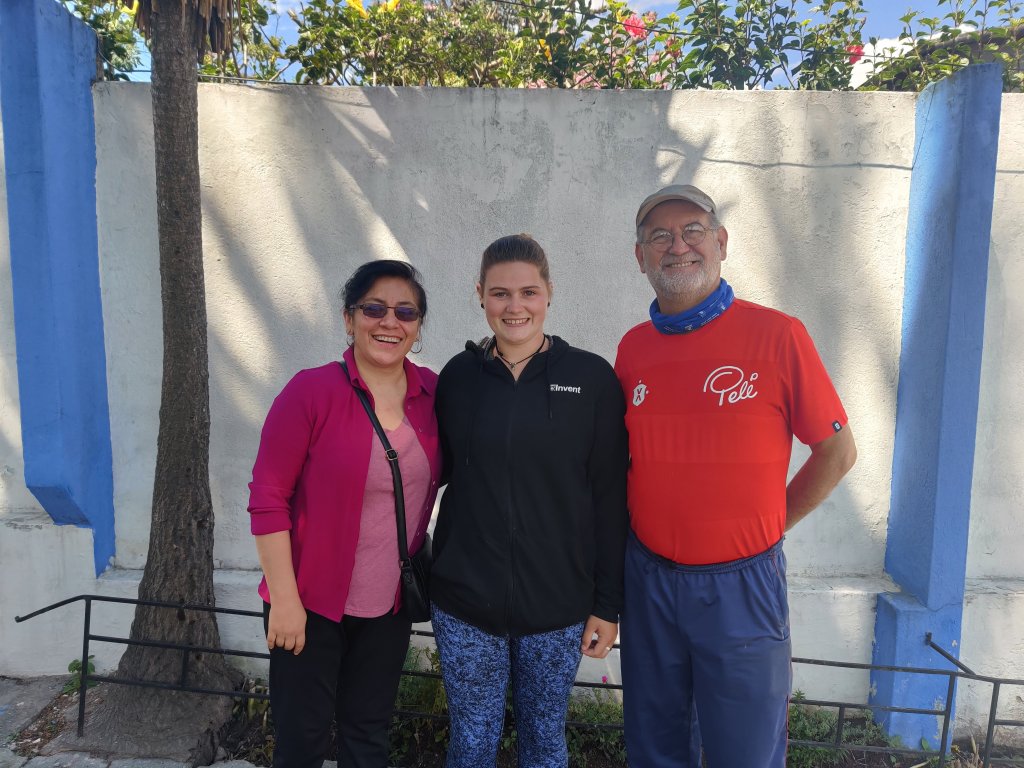
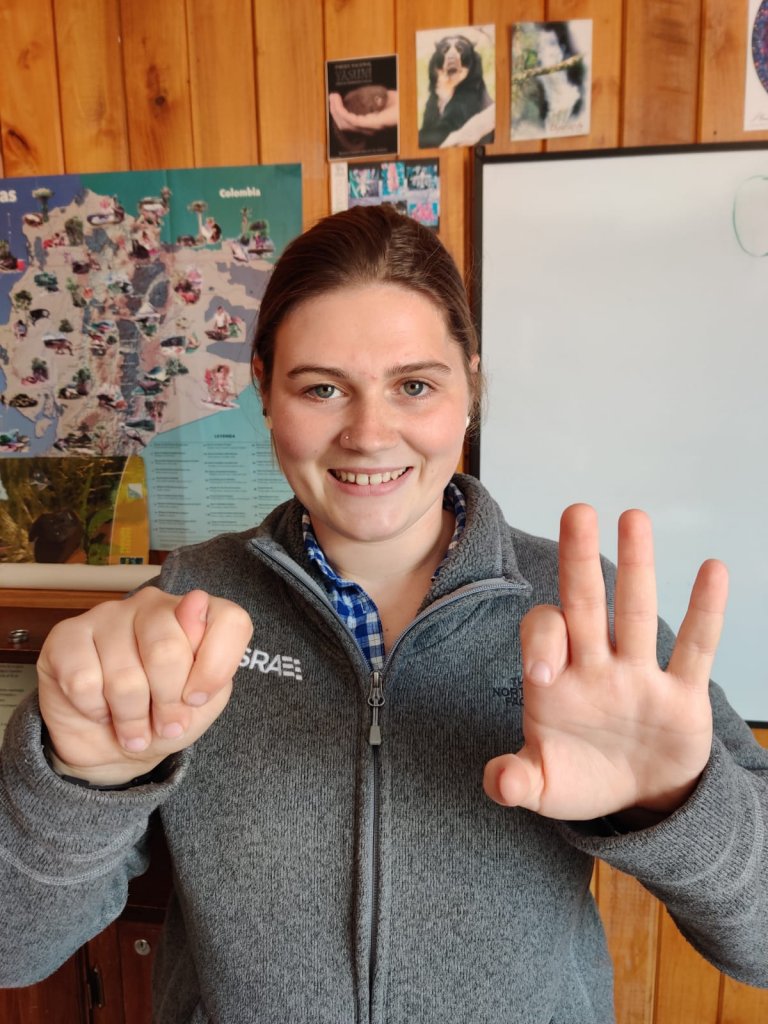
As a part of her SST experience, Amanda has been involved in a special sign language track here in Ecuador in which she has been dividing her morning class time between learning spanish and sign language. Beyond her individual class time, her host family has several deaf family members who continue to teach her about Ecuadorian deaf culture. We’ve been proud of her effort, desire and ability to connect with her family and the deaf community here in Quito. Go Amanda!
In the first six weeks of studying the language, Ecuadorian Sign Language (ESL) I have learned that there are many similarities and differences between ESL and American Sign Language (ASL). Two big similarities between ESL and ASL is that the finger spelling alphabet is the same as ASL except they have four different letters: T, Ñ, Ch, LL. All the other letters are the same. Another thing that is the same is counting from 1-99. Besides those there are a handful of signs that are the same like: class, sport and happy. However a majority of signs are different like: colors, subjects and family members. The hardest part for me has been learning to fingerspell in Spanish!
In my host family’s house we use ESL, however there are three people that live there and they use Venezuelan Sign Language (VSL). ESL and VSL both fingerspell in Spanish, but besides that they are very different. Something interesting I have learned is that ESL has some signs that are the same as ASL, and does VSL. however the signs are rarely the same across all three. Oftentimes, I would sign to my host family and they would understand a decent amount of signs but other signs only the VSL signers would understand. sometime after I signed, they would interpret what I said from each other.
Another thing I have learned is that ESL in Quito is slightly different in Ibarra, which is where my professor lives. I would consider the differences to be like an accent. A majority of the signs are the same, but then a sign like pineapple will be completely different. Almost all the time each location will understand but sometimes you might have to fingerspell a word or two. An interesting thing to see is how my sign will change when I move from signing in Quito compared to Ibarra, since I am currently developing a Quito accent.
-Amanda
 Global Education
Final retreat in Ecuador
 Global Education
Life on the ward
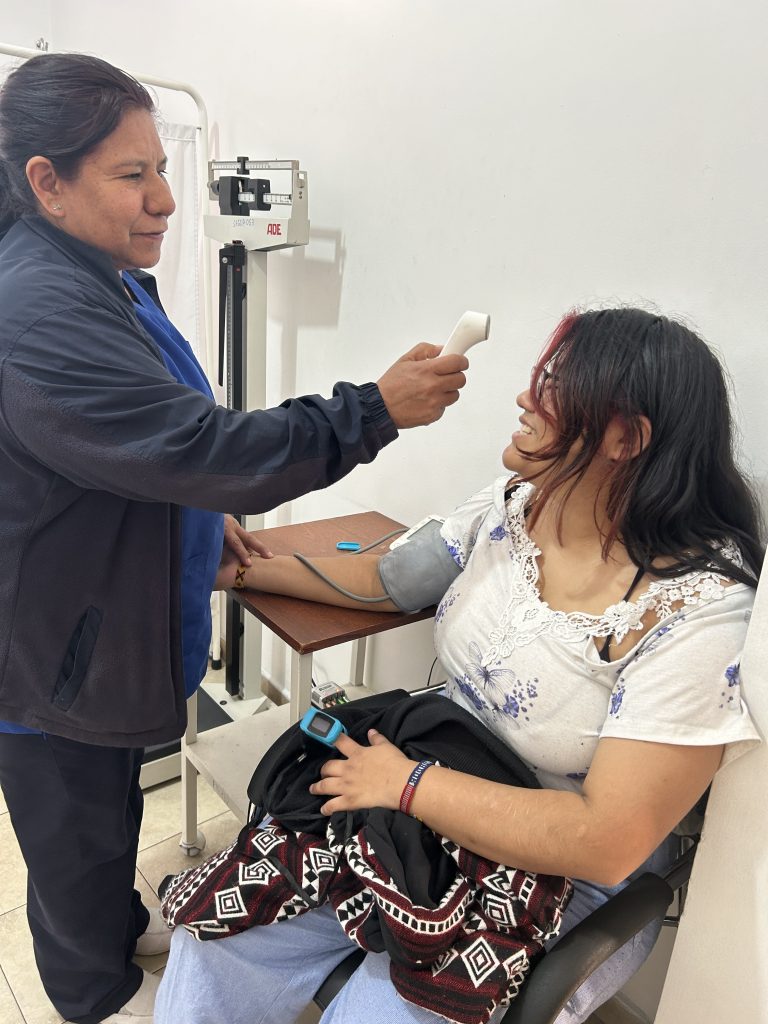
By Dayanara Aguirre-Mulato During my service placement at the municipal Centro Médico in Riobamba, I had the privilege to be able to work alongside other nurses. Day to day each patient comes in to register for their appointment and I…
 Global Education
Service visits: opportunities for connection in Ecuador’s “provincias”
By Hillary Harder During the Service term, leaders have the privilege of traveling to visit each student at the home and volunteer assignment where they are spending their time during the second half of SST. For us, that meant traveling…