

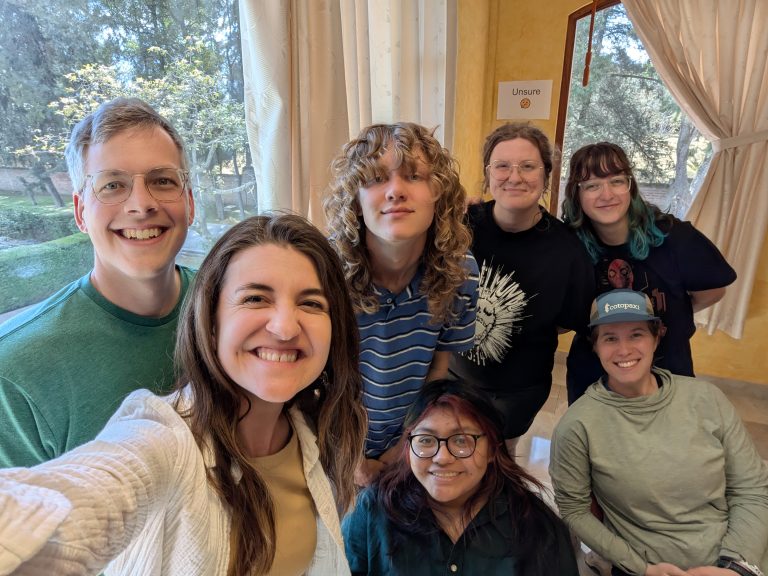
By Hillary Harder On Sunday, July 26, our students returned to Quito from their service communities and we began our final retreat together! The afternoon was full of joyful reunions as each student arrived at our Quito home, la Casa…
News
Are We There Yet?
Jun 27 2021
The author of this post is Levi Glick, a senior interdisciplinary major: Our first stop was at Bethel College to hear from historian and archivist, John D. Thiesen, about the earliest anthropological study of the Hopi tribe in modern day Arizona. At the archives, we learned about the life work of H. R. Voth, an anthropologist by association rather than training. It is through Voth’s work as a Mennonite missionary in the late 1800s and early 1900s that his writings and photos ended up in the archive at Bethel College. Voth was a controversial figure. While his work has captured the culture of that time in Hopi history, there are cultural artifacts and ceremonies that Hopi people would have kept to themselves. And yet, at that time, anthropology as an academic discipline was still in its infancy in the United States and did not have any of the clear guidelines or ethical standards it has today. Today, Thiesen and Bethel College are working collaboratively with the Hopi to manage the archives. When the technology for transporting digital photographs became accessible to him, Thiesen reached out to the Hopi Cultural Preservation Office about giving them copies of Voth’s photos. The Hopi told Thiesen to follow his heart, which led him to travel to Hopi in person carrying a USB drive that contained digital copies of all the archived photographs. Thiesen was welcomed warmly and asked to give several presentations to Hopi officials. As it turns out, finding the balance between preservation and cultural sensitivity may very well be through establishing a mutual relationship.
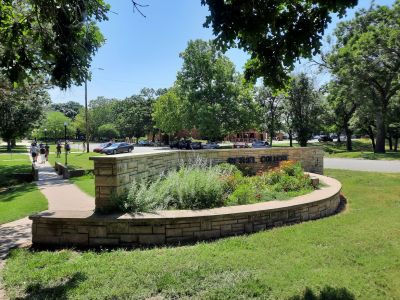
GC Visits Bethel College
After the archives we went to the Kauffman Museum, located across the street from Bethel College. Walking through the campus prairie on our way to the museum and hearing the bell of the clock tower chime on the hour felt familiar, as if we were on our way to class. At the museum we learned a lot about its work collecting local artifacts. Most of them have been related to Mennonite history, but there have been significant Native American artifacts that have been given to the museum. Core to our experience there was the realization that what is living and what is sacred can be very different across cultures. Life is commonly seen as sacred, but what is recognized as living can be quite varied between cultures. This can lead to cultural misunderstandings about what is held as living and sacred. For example, an urn or a human bone may be an artifact to some and to others a sacred part of a culture’s living history. An important piece of human rights legislation that has helped to navigate such cultural conflicts has been the Native American Graves Protection and Repatriation Act of 1990. Established to return human remains to their original tribes, this legislation has promoted conversation between museums and tribes about culturally sensitive items and those that have been collected where consent has been in question. Overall, this legislation aims to establish a mutual relationship whereby certain artifacts are returned or kept on display at the discretion of the tribes connected with them.
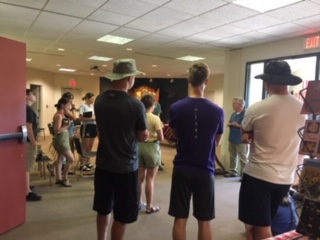
Listening to a Lecture at the Kauffman Museum
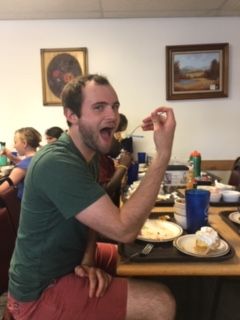
Happy Birthday Ben!
 Global Education
Final retreat in Ecuador
 Global Education
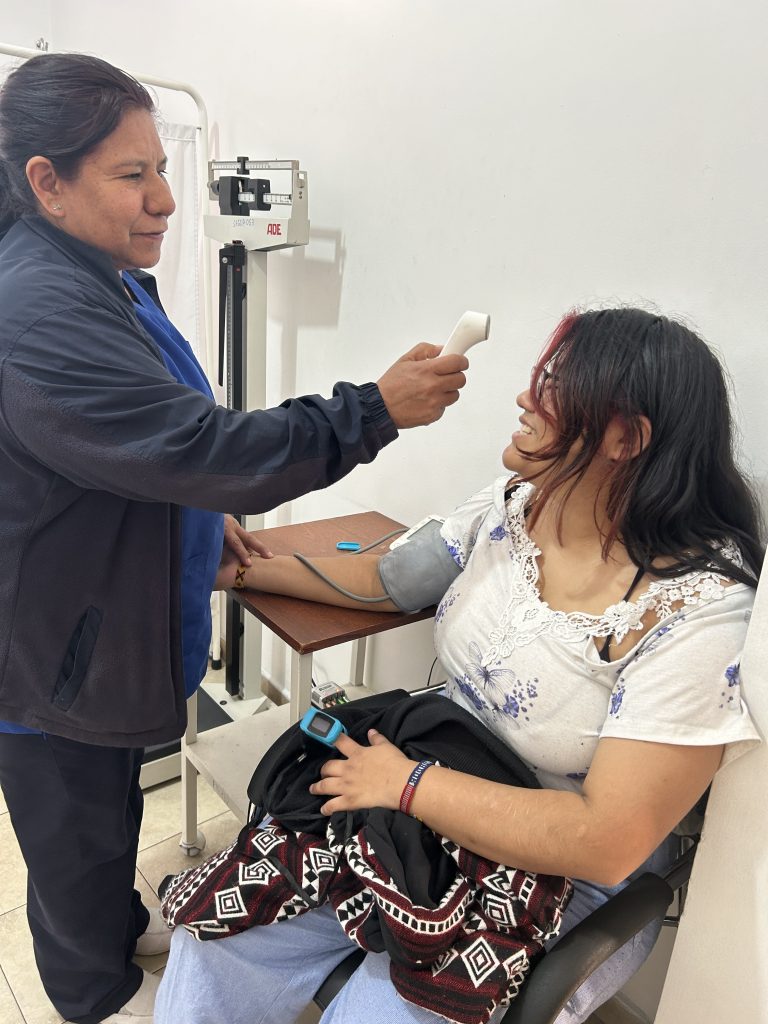
Life on the ward
By Dayanara Aguirre-Mulato During my service placement at the municipal Centro Médico in Riobamba, I had the privilege to be able to work alongside other nurses. Day to day each patient comes in to register for their appointment and I…
 Global Education
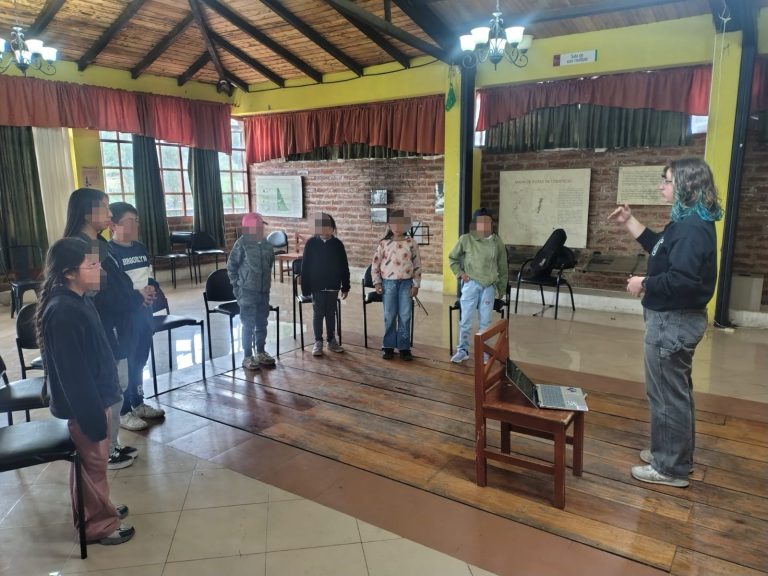
Service visits: opportunities for connection in Ecuador’s “provincias”
By Hillary Harder During the Service term, leaders have the privilege of traveling to visit each student at the home and volunteer assignment where they are spending their time during the second half of SST. For us, that meant traveling…