

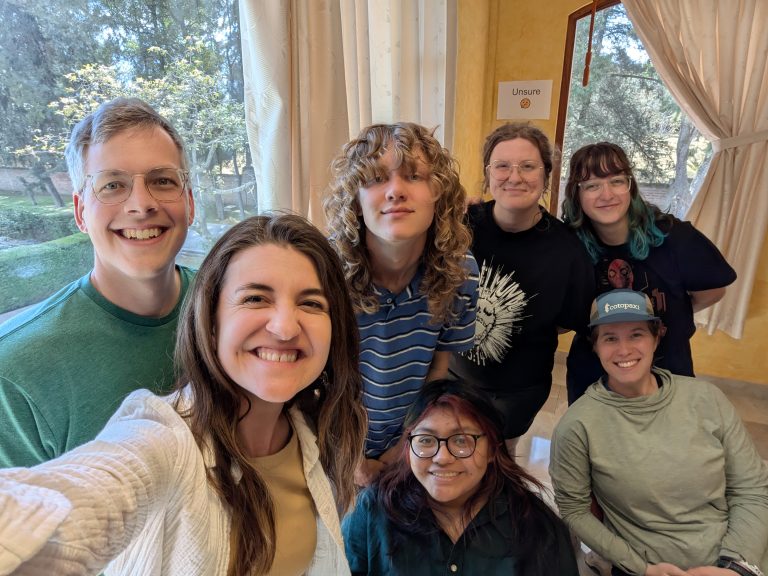
By Hillary Harder On Sunday, July 26, our students returned to Quito from their service communities and we began our final retreat together! The afternoon was full of joyful reunions as each student arrived at our Quito home, la Casa…
News
Seagrass habitat
May 05 2023
For our second full day of class, we started out at 8am with our first marine biology lecture. We discussed differences between the open, broadly dispersing marine ecosystems and the more rigidly delineated terrestrial ecosystems, and talked about how those differences could affect the system responses to perturbations or large-scale changes. We also learned about the taxonomic Kingdom Protista, and obtained scientific names for a number of items we had found already, such as the “mermaid’s wineglass” (Acetabularia crenulata), or the “shaving brush” (Penicillus dumetosus).
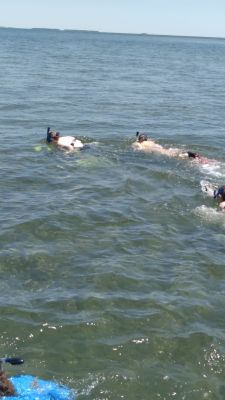
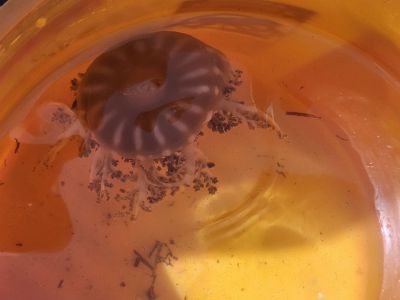
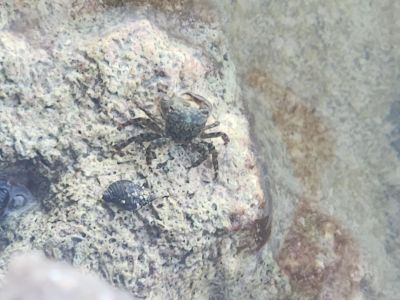
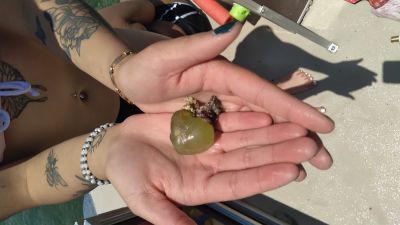
After the lecture, we headed out to Triton Flat to collect new species of wildlife and compare them to what we had found yesterday in the bight. Right before we departed in the boat, I caught an upside-down jellyfish (Casseopea xamachana), which was lovingly given the name “Johnny”. Aside from Johnny, we found a massive number of new wildlife, including every type of sponge (ball, tube, vase, and encrusting), a “sea biscuit” (Clypeaster rosaceus), and even a large sea snail known as the milk conch (Macrostrombus costatus). Though the strong ocean current made for tough work, we were excited by what we had discovered.
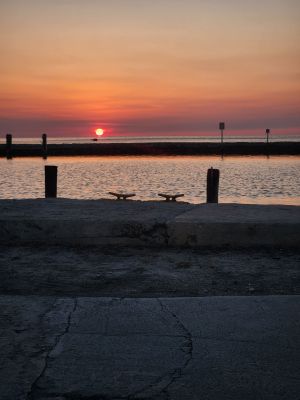
In the evening, we had a short lecture over seagrasses, and learned of the importance of Thalassia testudinum, Syringodium filiforme, and Halodule wrightii, how they provide habitats and food to marine ecosystems. After a delicious burrito dinner, we spent time on the edge of our resort attempting to catch more wildlife, with reasonable success! Overall, it was a long but very rewarding day, and I’m excited to see what awaits us next!
-Jonah King, ’23
 Global Education
Final retreat in Ecuador
 Global Education
Life on the ward
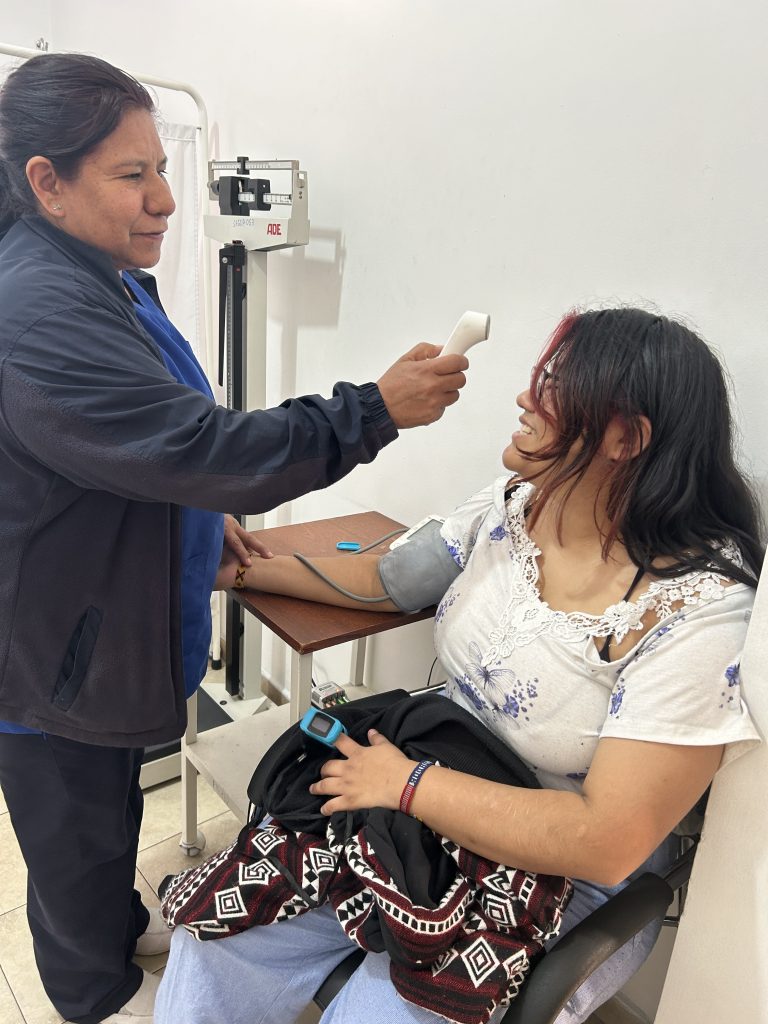
By Dayanara Aguirre-Mulato During my service placement at the municipal Centro Médico in Riobamba, I had the privilege to be able to work alongside other nurses. Day to day each patient comes in to register for their appointment and I…
 Global Education
Service visits: opportunities for connection in Ecuador’s “provincias”
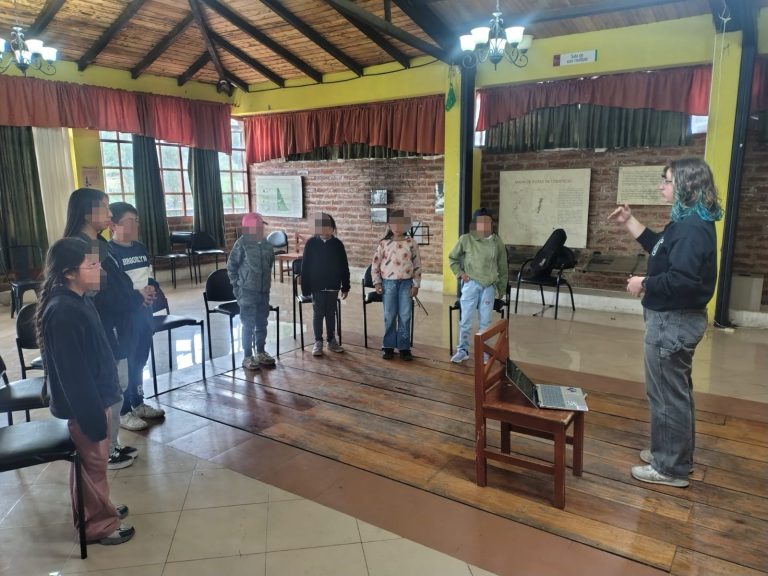
By Hillary Harder During the Service term, leaders have the privilege of traveling to visit each student at the home and volunteer assignment where they are spending their time during the second half of SST. For us, that meant traveling…