

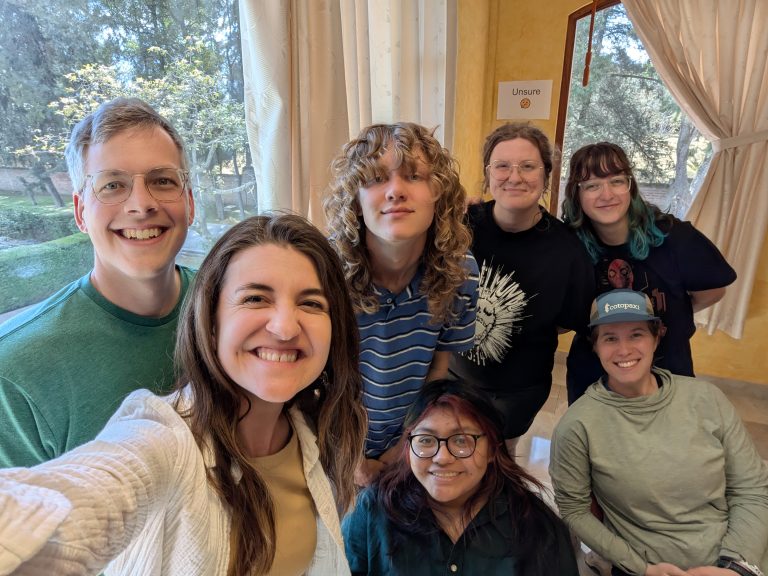
By Hillary Harder On Sunday, July 26, our students returned to Quito from their service communities and we began our final retreat together! The afternoon was full of joyful reunions as each student arrived at our Quito home, la Casa…
News
Tourism and World Heritage on Gorée
May 26 2022
Breeana Wheeler is a biochemistry major and Brandon Jimenez is a peace, justice and conflict studies major. In this post they reflect on the tensions between tourism, being a tourists and remembering the history of the slave trade at this world heritage site.
On Friday May 13, our group was able to visit the island of Gorée. We took a ferry from Dakar. On the ferry we met various women who told us about their shops on the island. They convinced us to visit their shops upon arrival, telling us “don’t forget me.” At first glance, the island was not as big as we expected it to be. We were surprised to see how touristy the island was; it was full of many shops and restaurants as well as people swimming at the beach. To be honest the only thing we knew about Gorée was that it housed the Maison des Esclaves (slave house). We had the opportunity to get a guided tour of the Maison. It was an extremely powerful experience for each student.
After the Maison des Esclaves, we got a tour of the surrounding historical sites on the island. We had lunch at a local restaurant and then had time to explore Gorée. One of our highlights was learning about a traditional form of painting with sand and glue. A local artist guided us through his process of painting with different colored sands from various parts of West Africa. He used glue made from the baobab tree. Several of us were able to buy some of his beautiful artwork as well.
As we explored the island, there were many artisan vendors who offered us what they had to sell. At each market stall, the vendors were very persistent in trying to sell us their products. It was challenging to reconcile the experience of a commemorative site that sought to remember the horrific history of the transatlantic slave trade set within a context where locals rely heavily on tourists coming to the island as a way to make a living. Visiting Gorée presented our group with the opportunity to have many conversations and brought us many questions about the impact of colonization and the slave trade on Senegalese history, which we will continue to entertain through the duration of SST.
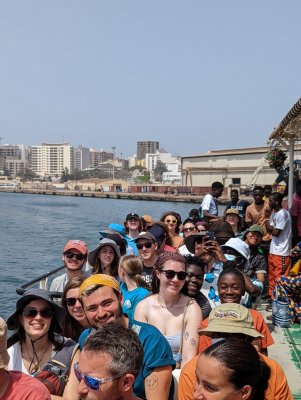
Ferry ride to Gorée Island
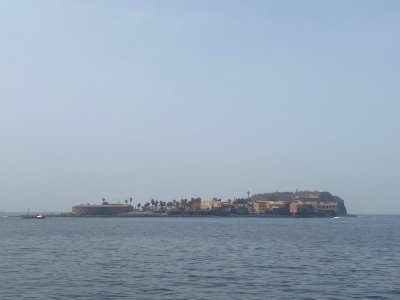
Gorée Island
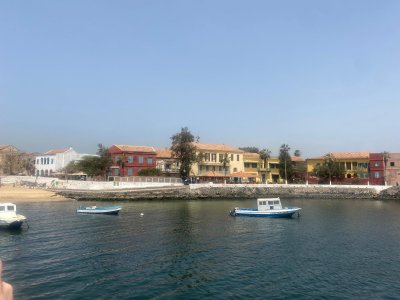
Ferrying into the port at Gorée Island
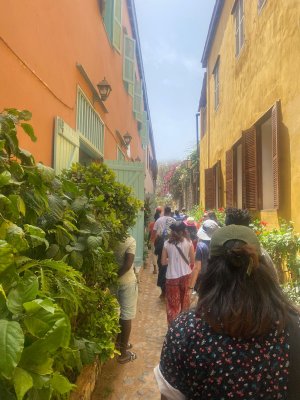
Walking through the streets of Gorée, note the colonial architecture
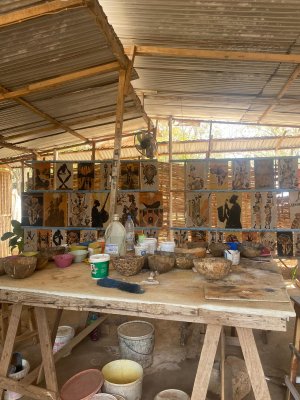
Sand and baobab glue art studio
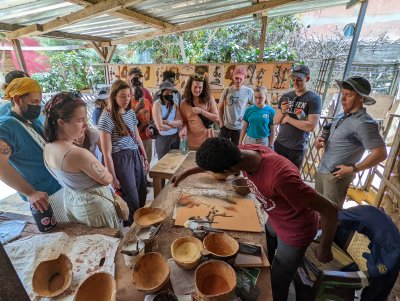
A sand painter demonstrates his craft
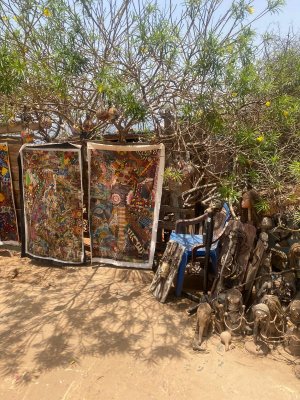
Another art vendor at the top of the hill
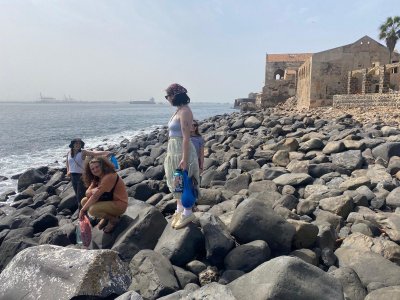
Exploring the island led to some reflection time at the shore
 Global Education
Final retreat in Ecuador
 Global Education
Life on the ward
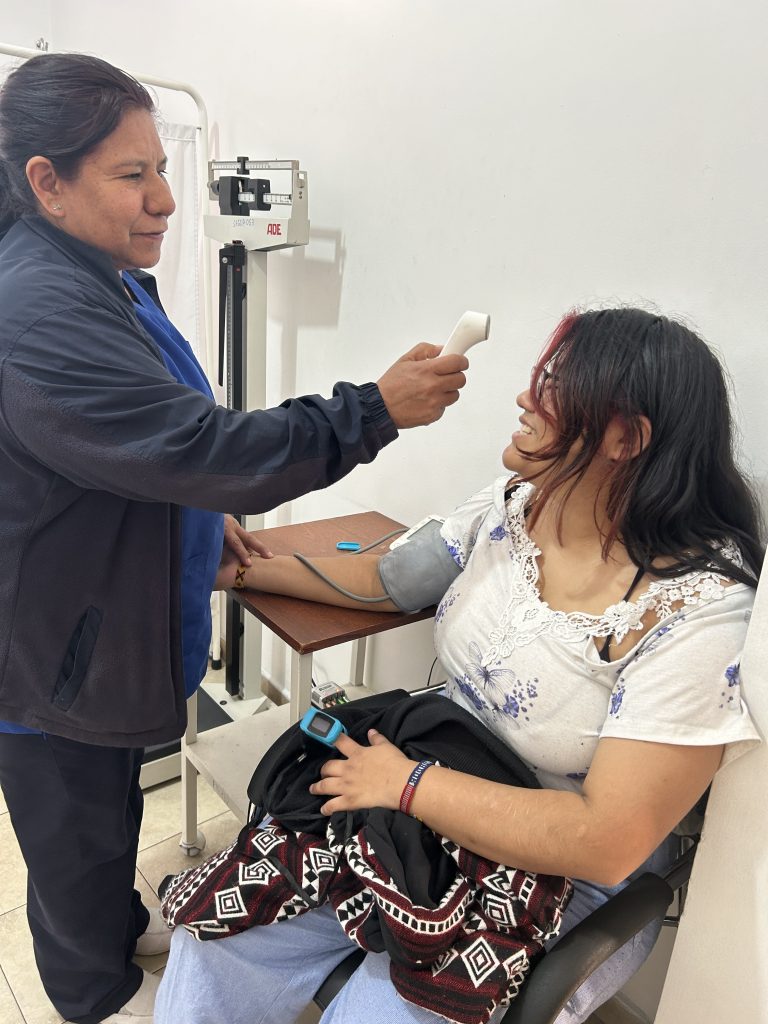
By Dayanara Aguirre-Mulato During my service placement at the municipal Centro Médico in Riobamba, I had the privilege to be able to work alongside other nurses. Day to day each patient comes in to register for their appointment and I…
 Global Education
Service visits: opportunities for connection in Ecuador’s “provincias”
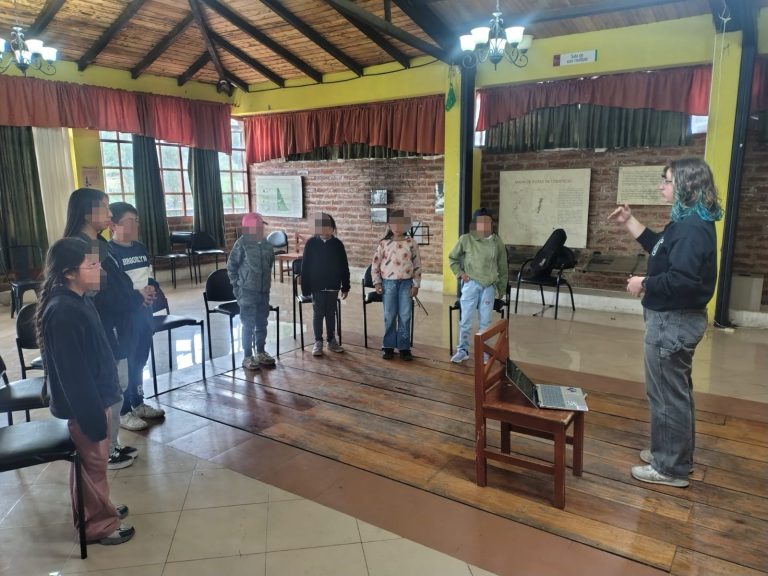
By Hillary Harder During the Service term, leaders have the privilege of traveling to visit each student at the home and volunteer assignment where they are spending their time during the second half of SST. For us, that meant traveling…