

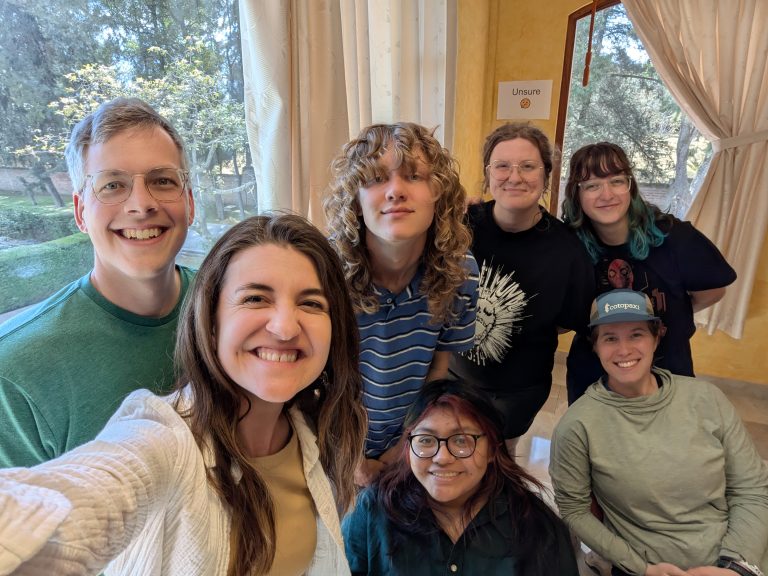
By Hillary Harder On Sunday, July 26, our students returned to Quito from their service communities and we began our final retreat together! The afternoon was full of joyful reunions as each student arrived at our Quito home, la Casa…
News
Solar Power and More
Jun 12 2022
Jordan Garlinger writes about the renewable energy system at the church where we stayed and what he learned from one of the people who installed it:

“We as a class spent five nights sleeping on air mattresses underneath fans in Shalom Mennonite Fellowship in Tucson Arizona.
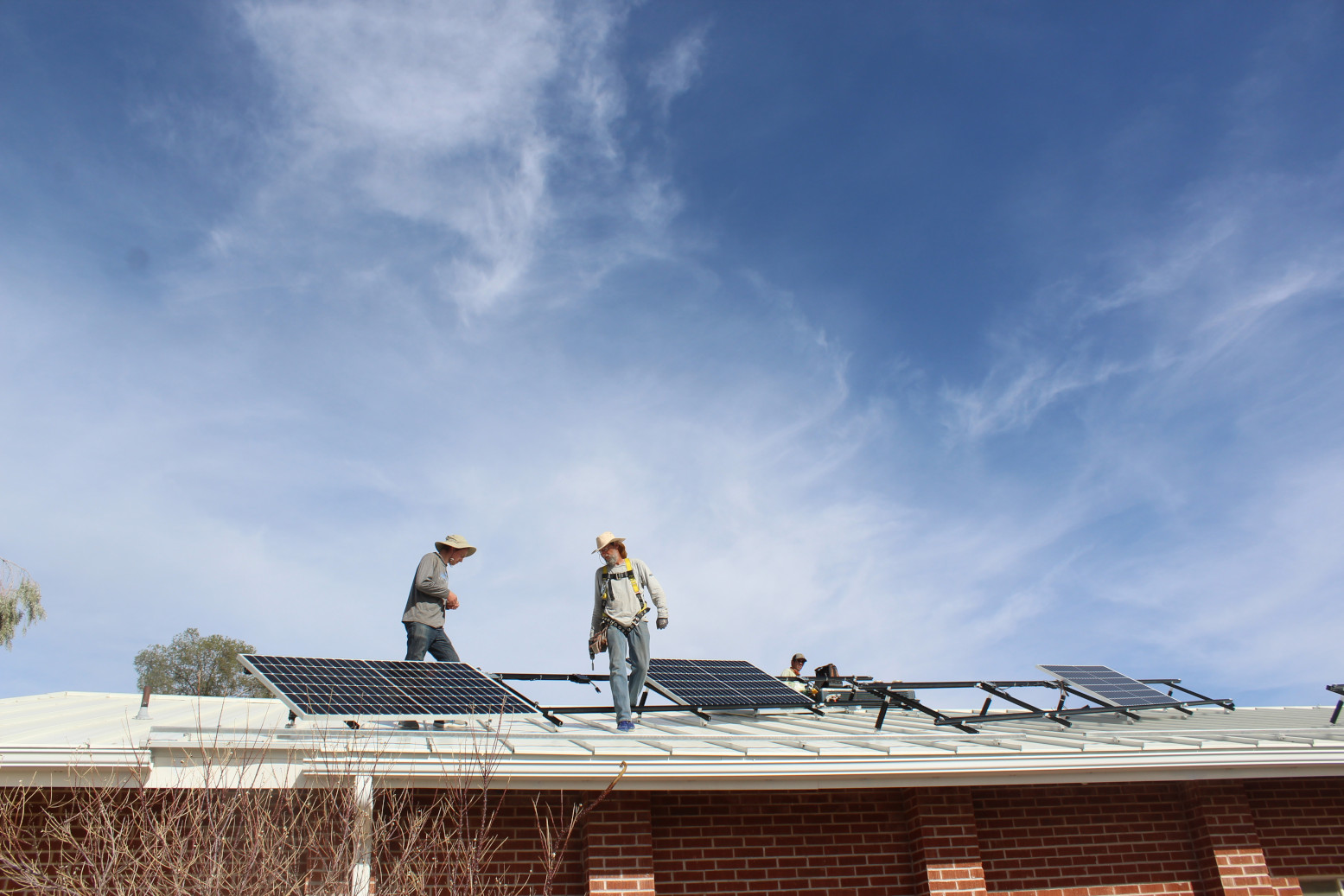
The fans, air-conditioning, and the electricity we used to make our meals was supplied by solar panels and a battery that were recently installed on the church by Duane Ediger. Mr. Ediger spent most of his free time on weekends, after already working his main job, to do the majority of the work to make Shalom’s dream a reality.
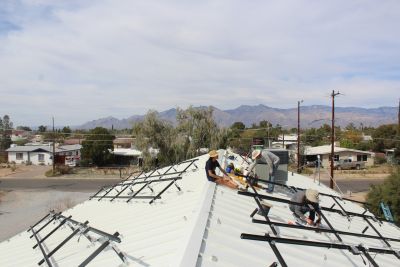
Mr. Ediger works for a company that installs solar panels on people’s homes. He even patented his own tool to make some of the processes easier. The tool is basically a stud finder, but for one’s roof. However, you need to be able to access the underside of the roof. This allows the job to be done more easily because the panels need to be anchored to something. Whether it is one of the cross beams on the roof or if the roof has the ability to have clamps instead.
Mr. Ediger walked us through the setup of the solar system at the church. We started outside admiring the great big blue and black solar panels on the roof. Then he took us to the power meters and inverters, where the solar energy is converted into usable energy and put into the system. He then took us inside to see what was going on the other side of the wall. This is where all the extra energy not used during the day is stored in a battery to be used when the panels are not able to produce energy. He told us how the average cost for the installation and labor for solar panels is about $20,000 to $30,000. This is for everything – batteries, panels, labor, meters, etc. I knew it was going to be a big investment, but I was expecting $50,000 to $60,000. The payback period for the panels is 8-11 years, which is a long time. However, the solar panels carry a 25-year warranty and often last 35+ years. He also mentioned how in Arizona the amount of time the solar panels are most efficient is 6-7 hours per day because of the clear skies. Whereas in Indiana it is about 4 hours. The biggest thing, however, is how technology is no longer out-pacing solar panels so one doesn’t need to worry about their panels becoming outdated.

Mr. Ediger is also very much for trying to reduce his carbon emissions, which is why he does solar. He does not do it for an economic reasons alone, even though it is an amazing investment. Mr. Ediger talked about how he is 96% self-sufficient, which means he only gets about 4% of his electricity from the grid, which is insane. I’m not sure if he has a lot of solar panels or if he doesn’t use very much and is efficient with it. He also rides an e-bike to work most days and drives an electric car as well. And he uses zero city water in his pipes. He collects his own rain water and uses it from a huge tank to wash dishes and other things like that. He then has this system in place called “humanure” where all of the water he uses in a day, in his house, except the toilet water goes towards watering plants in the back yard.
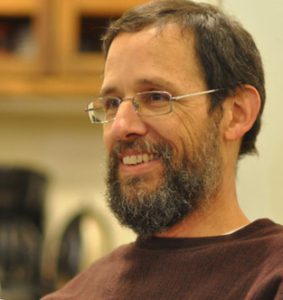
However, the biggest thing Mr. Ediger talked to us about was this idea on how the world is rapidly heating up and is causing the biggest extinction event ever. This plunged us into an existential crisis conversation on whether or not what we’re doing is worth it. For instance, if the future we’re planning for in our heads is not going to work out because Earth may be uninhabitable, then is it really worth doing all these things that society forces onto its people such as college and a normal 9-5 job?
Mr. Ediger believes that if we as a world can reduce our carbon emissions by eight percent each year the next two years then it possible to reach only a 1.65-degree temperature increase. He thinks trying to keep it to 1.5 is too unrealistic and it is too late for that. But Mr. Ediger believes that an individual can make a difference in how our future may look in a good way. He also expressed how it is way easier for an individual to make a change then it is for a company.”
 Global Education
Final retreat in Ecuador
 Global Education
Life on the ward
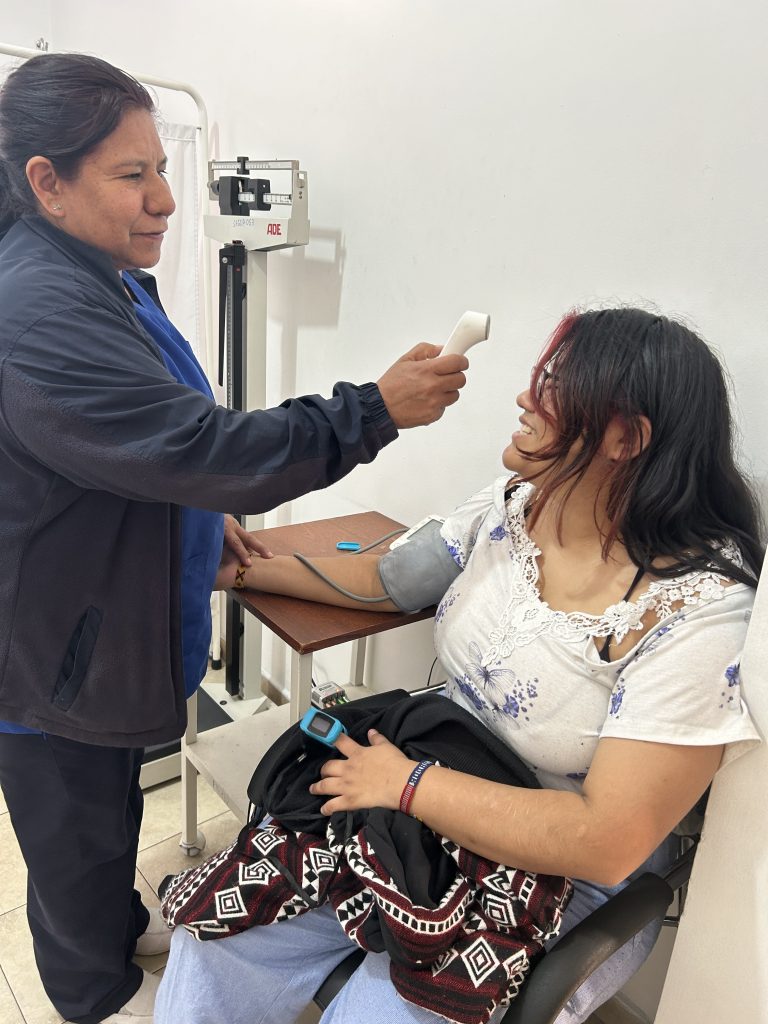
By Dayanara Aguirre-Mulato During my service placement at the municipal Centro Médico in Riobamba, I had the privilege to be able to work alongside other nurses. Day to day each patient comes in to register for their appointment and I…
 Global Education
Service visits: opportunities for connection in Ecuador’s “provincias”
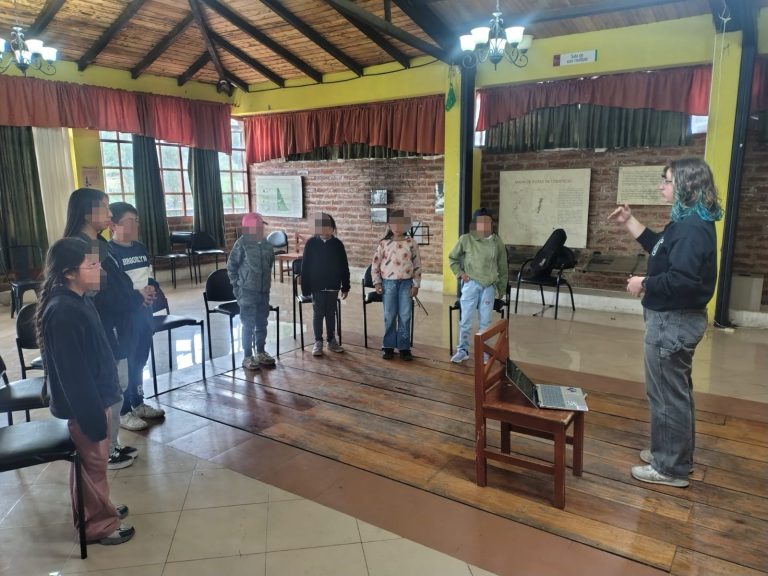
By Hillary Harder During the Service term, leaders have the privilege of traveling to visit each student at the home and volunteer assignment where they are spending their time during the second half of SST. For us, that meant traveling…