

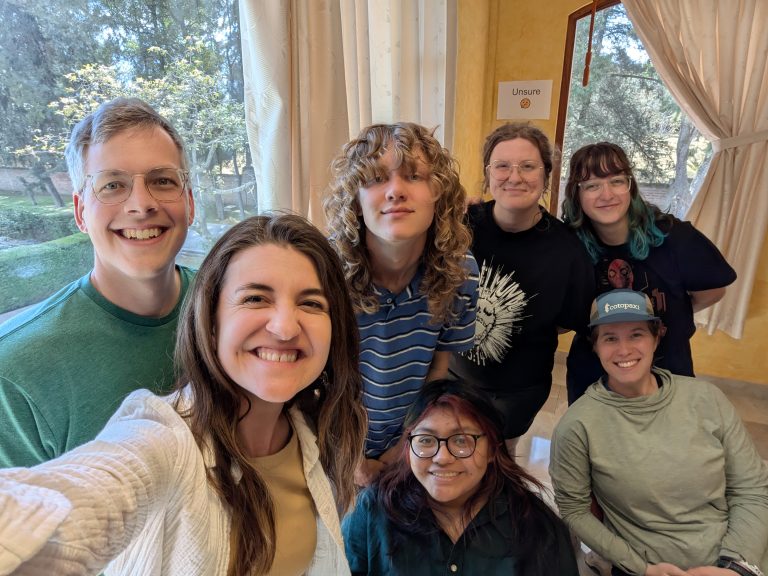
By Hillary Harder On Sunday, July 26, our students returned to Quito from their service communities and we began our final retreat together! The afternoon was full of joyful reunions as each student arrived at our Quito home, la Casa…
News
The British Museum: “A Fragment of Varnished Britannica”
May 13 2022
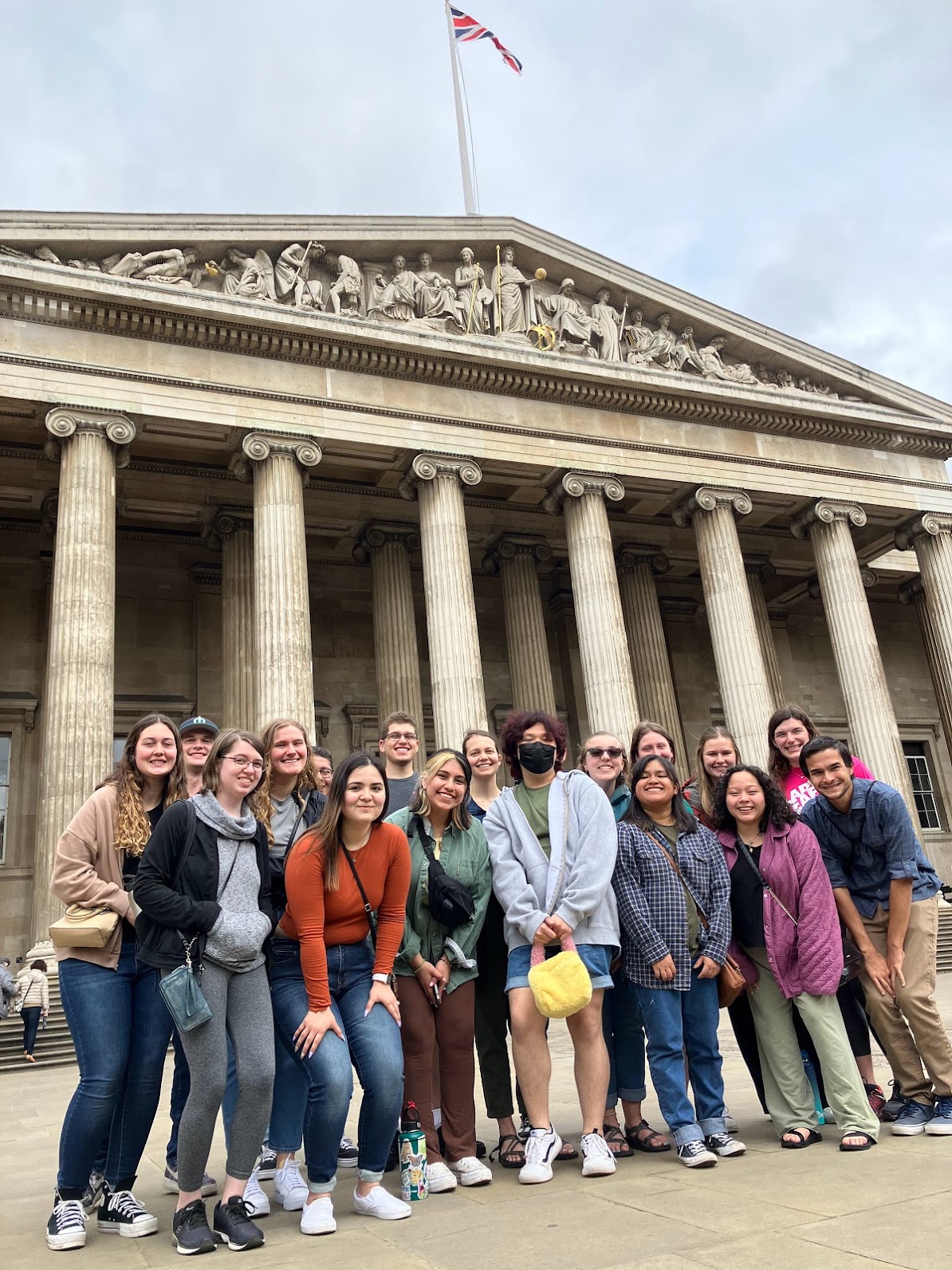
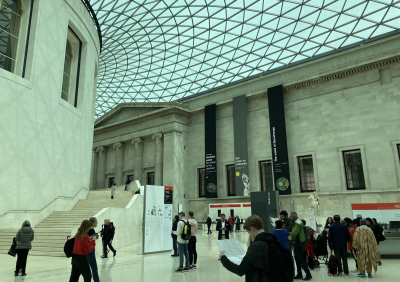
One of the poets we’re reading for this course, Daljit Nagra, refers to the British Museum as “a fragment of varnished Britannica,” one piece of a larger ideal of Britishness. Today we explored the British Museum, marveling at its hoard of cultural objects from around the globe while contemplating the histories through which these objects arrived in London.
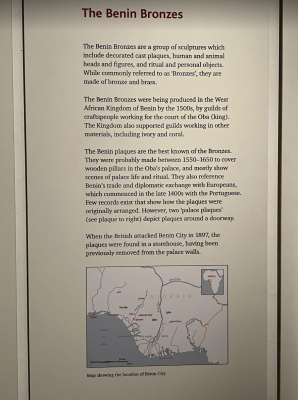
One set of objects of special importance was a group of brass sculptures and masks known as the Benin Bronzes, produced in the West African Kingdom of Benin from the sixteenth century onward. Though the history of the sculptures’ production in Benin and transport to London evoke narratives of African court politics, on one hand, and British Imperialism, on the other, they also evoke the craft, dignity, and desires of the artisans that first produced them, as one of our course authors, the Nigerian writer Chimamanda Ngozi Adichie, muses in her short story “Imitation”:
“Nkem imagines the Benin people carving the original masks four hundred years ago. [Her husband] Obiora told her they used the masks at royal ceremonies, placing them on either side of their king to protect him, to ward off evil. Only specially chosen people could be custodians of the masks, the same people who were responsible for bringing the fresh human heads used in burying their king. Nkem imagines the proud young men, muscled, brown skin gleaming with palm kernel oil, graceful loincloths on their waists. She imagines—and this she imagines herself because Obiora did not suggest it happened that way—the proud young men wishing they did not have to behead strangers to bury their king, wishing they could use the masks to protect themselves, too, wishing they had a say.”

Following Adichie’s lead, the final assignment for the course asks students to choose an object from the British Museum’s collections; describe its visual, spatial, and/or artistic characteristics; explore its cultural significance and history of acquisition; and finally meditate more broadly on one or more themes of the course: colonialism and empire, migration, multicultural identity, history of language, etc. I’m excited to see what students produce!
Blog post provided by Peter Miller, assistant professor of English.
 Global Education
Final retreat in Ecuador
 Global Education
Life on the ward
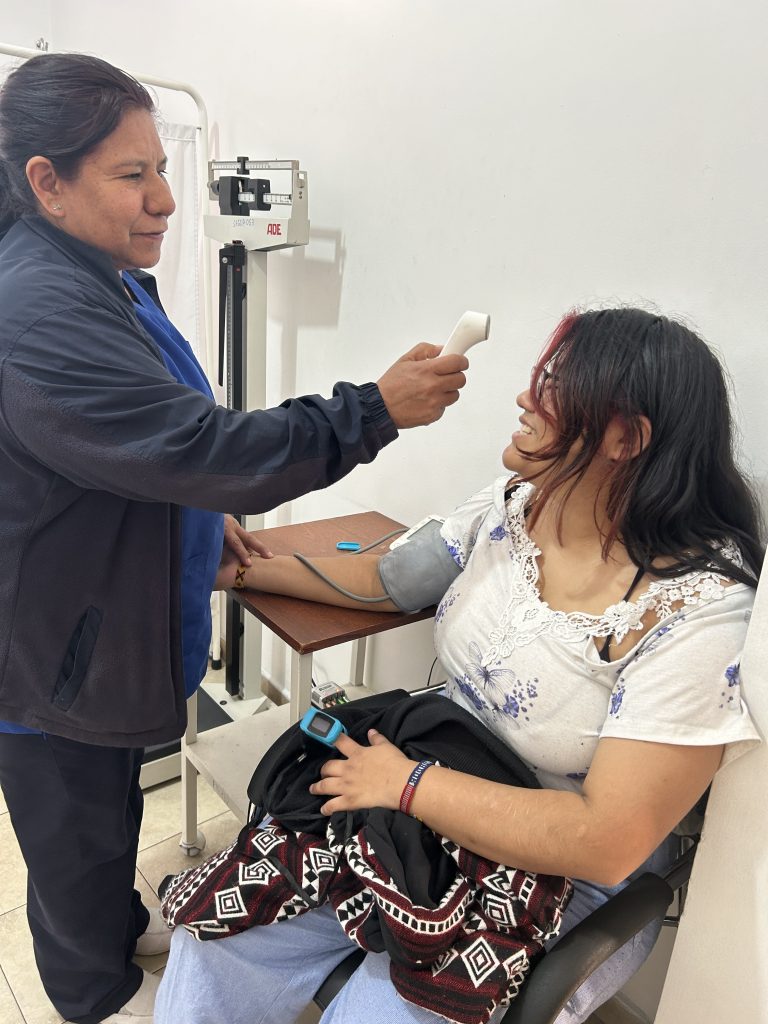
By Dayanara Aguirre-Mulato During my service placement at the municipal Centro Médico in Riobamba, I had the privilege to be able to work alongside other nurses. Day to day each patient comes in to register for their appointment and I…
 Global Education
Service visits: opportunities for connection in Ecuador’s “provincias”
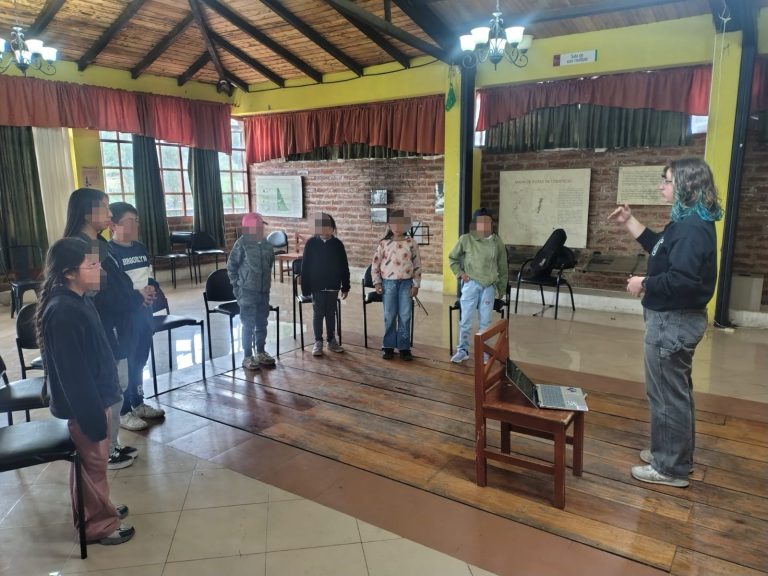
By Hillary Harder During the Service term, leaders have the privilege of traveling to visit each student at the home and volunteer assignment where they are spending their time during the second half of SST. For us, that meant traveling…