

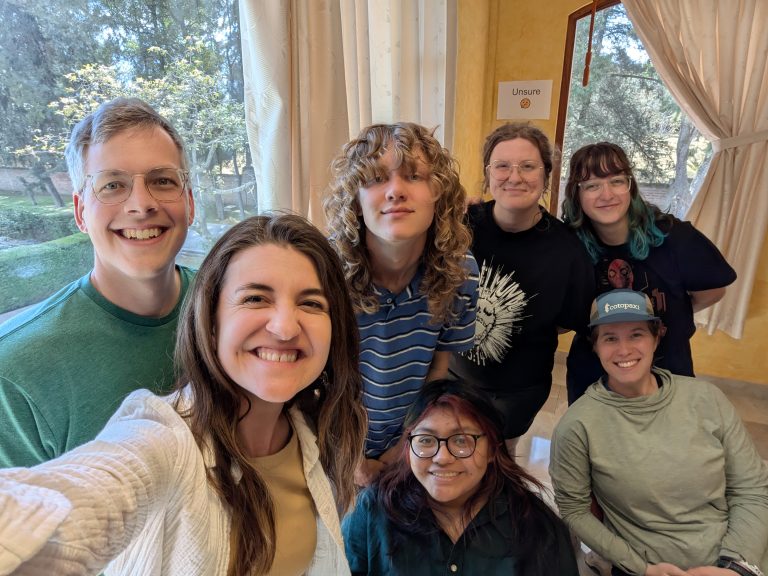
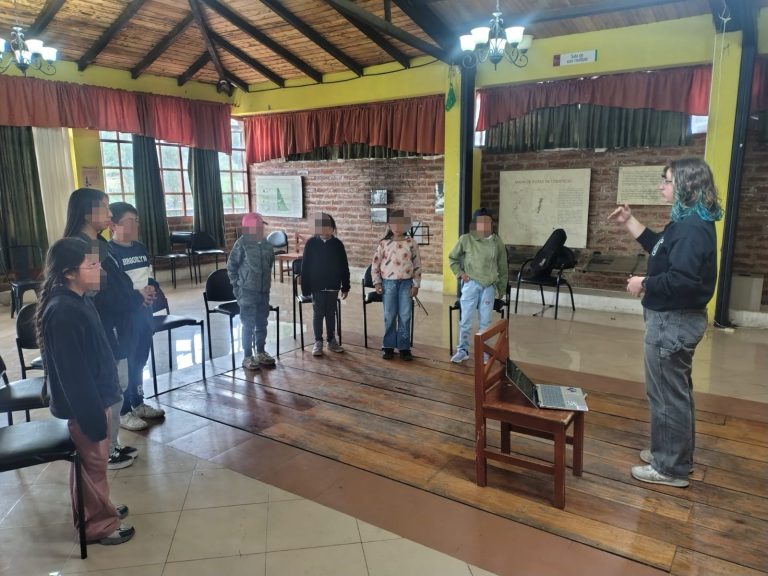
By Hillary Harder On Sunday, July 26, our students returned to Quito from their service communities and we began our final retreat together! The afternoon was full of joyful reunions as each student arrived at our Quito home, la Casa…
News
Serviceberries
Apr 30 2021
Today’s post is written by Haylee Pennington, a junior nursing major from Wakarusa, Indiana:
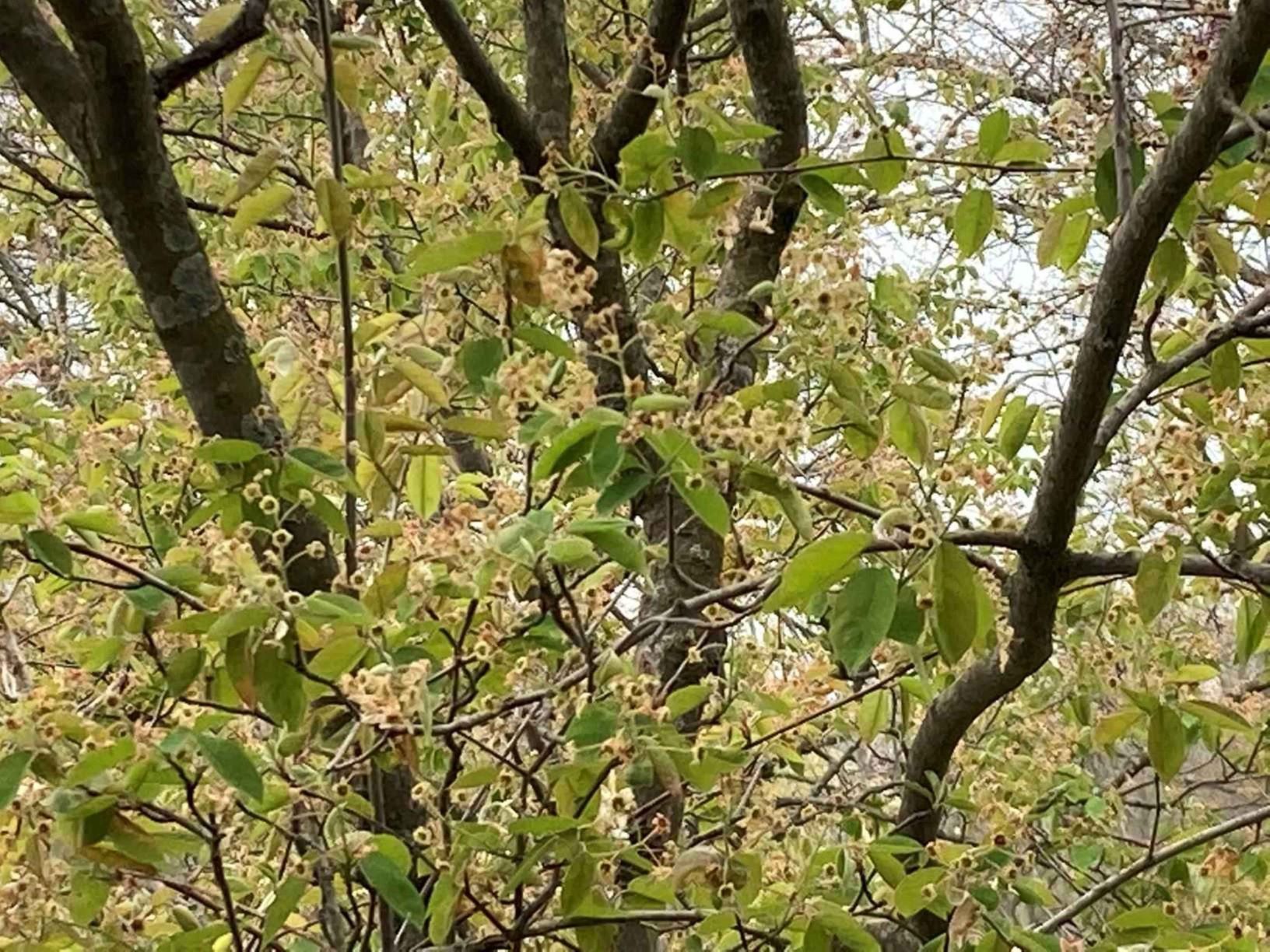
Serviceberries, from the local native Amelanchier arborea, have many varieties which are all edible and insanely delicious. We were able to visit the Reith Interpretive Center in Goshen and meet Aaron Sawatsky-Kingsley, Director of Environmental Resilience and Goshen’s first city forester. Sawatsky-Kingsley mentioned that exceptional berries have many names including: Juneberry, Sugarplum, Saskatoon, etc. Serviceberries, depending on the weather conditions, will be fully ripened by the end of May, start of June—this is where the name “Juneberry” comes from. The berries, often compared to blueberries, have a very sweet taste and contain tiny seeds inside, leaving you with an intriguing aftertaste.
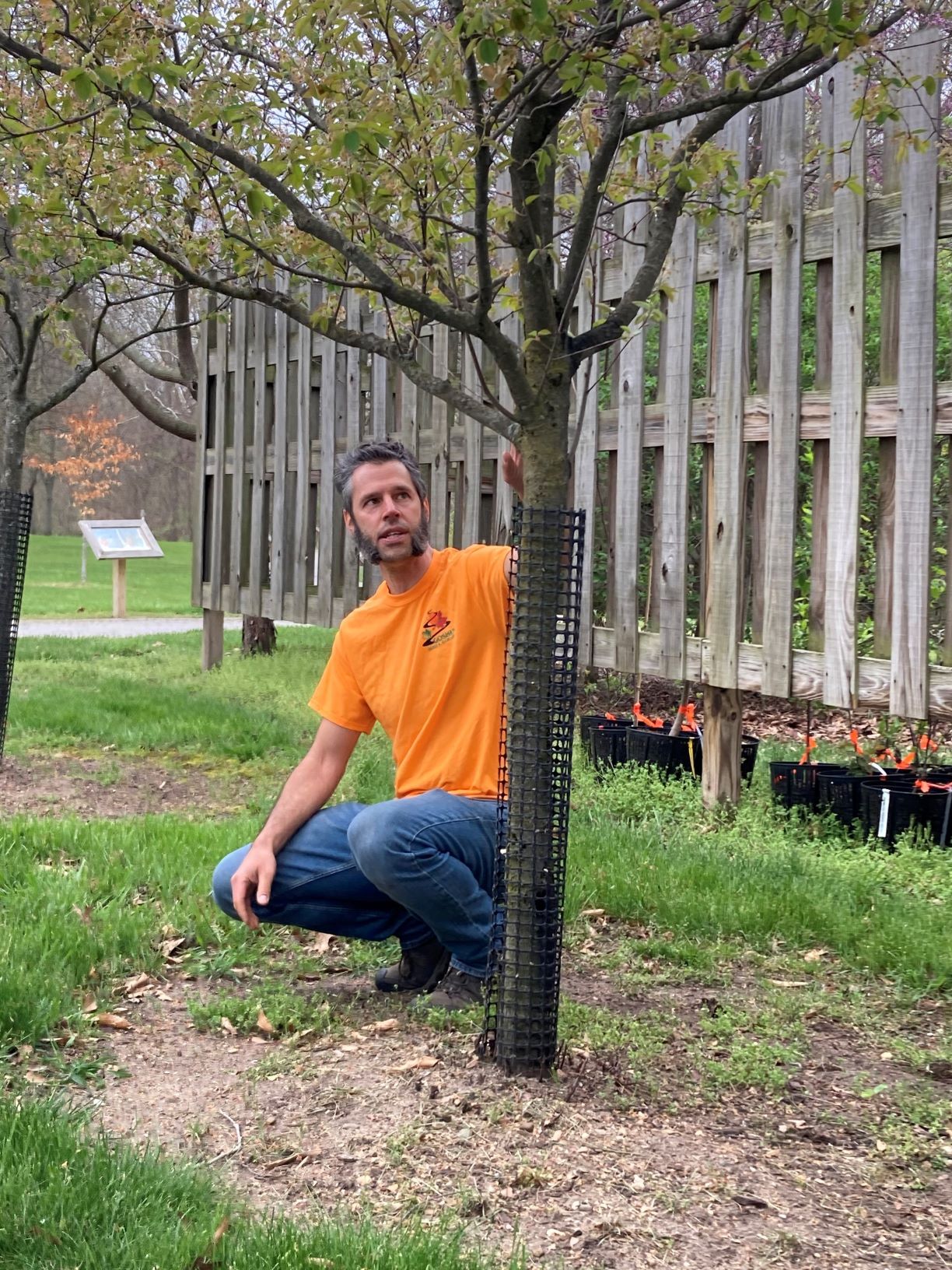
The main job for Sawtsky-Kingley is attending to the pre-existing trees upon the site, as well as planting many trees in potential spaces that they could successfully grow and develop. The trees in which the service berries grow take a few years to fully mature, and end up reaching about fifteen feet in height. In addition, these berries can grow on shrubs as well. Upon arrival, I noticed a few things: one, the trees were beautiful, with an abundance of white flowers filling the branches and two, the trees were surrounded with mulch, which we learned helps with the moisture of the tree.
During our adventure to these remarkable trees, we read several pages from “The Serviceberry: An Economy of Abundance,” by Robin Wall Kimmerer. This article mentions the importance of the service berries as a gift– using gratitude and reciprocity can multiply the exchange, especially for these berries. Through this activity, I learned the importance of the serviceberries, not only to the indigenous people, but to future generations as well. When June arrives, I know there will be some competition for these wonderfully tasting serviceberries with other people and even the birds!
The Serviceberry: An Economy of Abundance by Robin Wall Kimmerer
 Global Education
Final retreat in Ecuador
 Global Education
Life on the ward
By Dayanara Aguirre-Mulato During my service placement at the municipal Centro Médico in Riobamba, I had the privilege to be able to work alongside other nurses. Day to day each patient comes in to register for their appointment and I…
 Global Education
Service visits: opportunities for connection in Ecuador’s “provincias”
By Hillary Harder During the Service term, leaders have the privilege of traveling to visit each student at the home and volunteer assignment where they are spending their time during the second half of SST. For us, that meant traveling…