

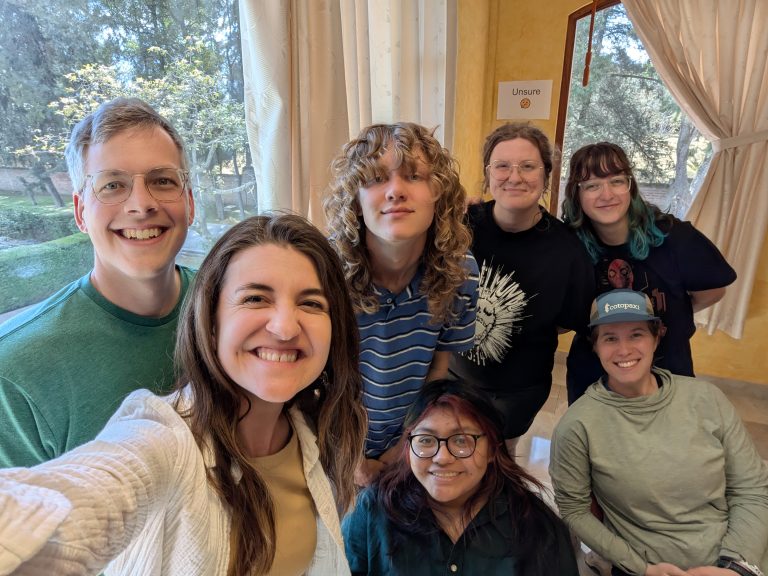
By Hillary Harder On Sunday, July 26, our students returned to Quito from their service communities and we began our final retreat together! The afternoon was full of joyful reunions as each student arrived at our Quito home, la Casa…
News
Indigenous Theology and Economics
May 14 2021
Elias Baer is a senior Exercise Science major from Tucson, Arizona. Here are his reflections on a guest presentation from an internationally-recognized expert on Native American spirituality and worldviews:
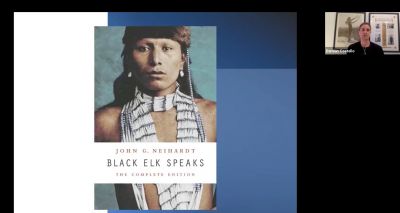
Following a brief yet refreshing camping trip, our group was back in the classroom. However, virtually we were in Vermont with Dr. Damian Costello, PhD, an educator with the North American Institute for Indigenous Theological Studies. After hearing stories from indigenous groups this week, it was fitting to speak with someone who has studied cultural themes and the differences between western and indigenous societies.
Dr. Costello started off explaining some differences between nomadic hunter-gatherer societies and agriculturally-based societies. Key differences range from economic strategies to spiritual views, and I found myself questioning our current agriculture system based on changing the environment for the betterment of our lives. Damian also briefly spoke about theological structures such as ‘The Great Chain of Being,’ a model of how our western culture differentiates God, humanity and environment. Comparing the rigid, categorical ‘Chain of Being’ to indigenous cultures’ more holistic approach was quite interesting.
Dr. Costello is also an author, and one of his areas of expertise is the life of Lakota tribe member Black Elk. Damian took us through a brief overview of Black Elk’s life and how his views played into religious and theological structures. At age 9, Black Elk had a vision and, without getting into too much detail, this vision led him to become a healer of both the people and the environment. Many Lakota people, including Black Elk, became followers of the Christian faith but had an understanding of God that combined indigenous views as well.
Damian shared a fascinating quote about the goal of spirituality in the Lakota culture:
“To help in bringing peace upon the earth, not only among men, but between men and the whole of creation.”
I found this quote to be encapsulating of the differences between indigenous groups we have heard from and western thought brought by European settlers.
 Global Education
Final retreat in Ecuador
 Global Education
Life on the ward
By Dayanara Aguirre-Mulato During my service placement at the municipal Centro Médico in Riobamba, I had the privilege to be able to work alongside other nurses. Day to day each patient comes in to register for their appointment and I…
 Global Education
Service visits: opportunities for connection in Ecuador’s “provincias”
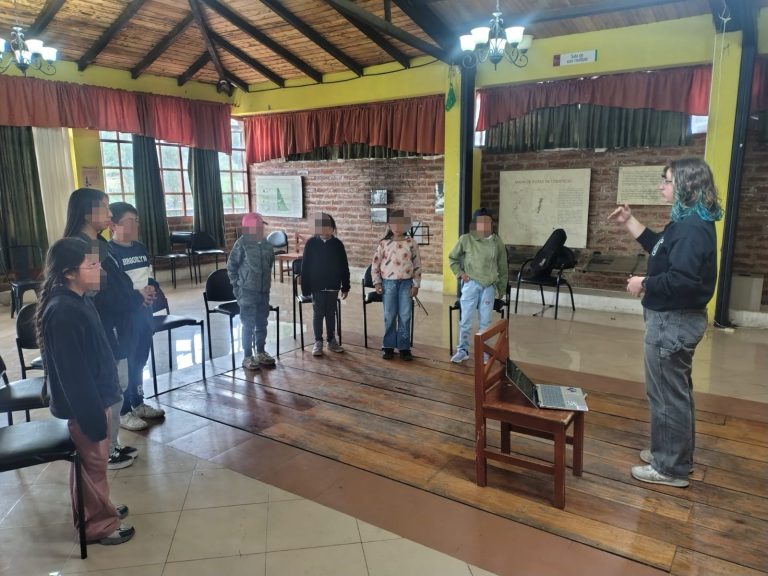
By Hillary Harder During the Service term, leaders have the privilege of traveling to visit each student at the home and volunteer assignment where they are spending their time during the second half of SST. For us, that meant traveling…