

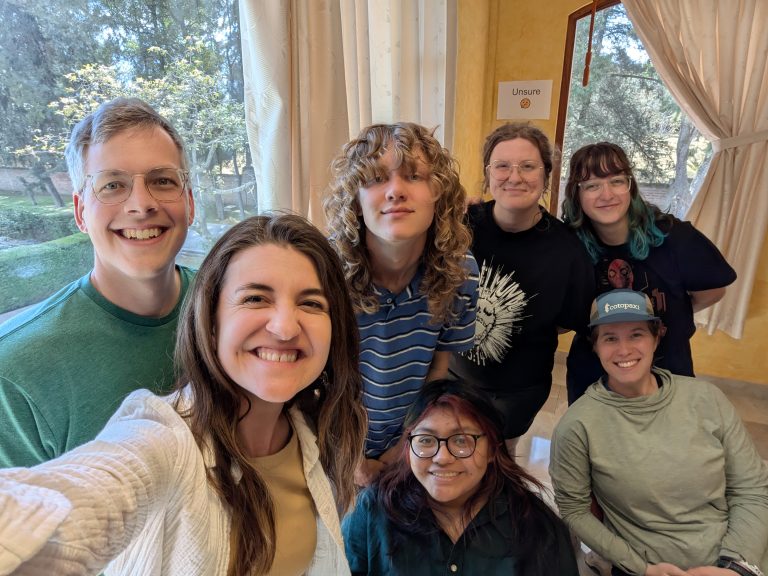
By Hillary Harder On Sunday, July 26, our students returned to Quito from their service communities and we began our final retreat together! The afternoon was full of joyful reunions as each student arrived at our Quito home, la Casa…
News
Biodiversity Showcase in Miller Woods
May 15 2021
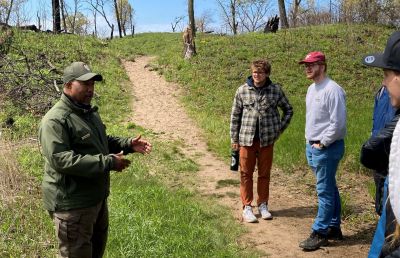
Ranger Kip leads us on a hike in Indiana Dunes National Park
Liam Elias shares his thoughts about a ranger-led hike near Lake Michigan. Liam is a senior Environmental and Marine Science major from Bothell, Washington:
To start off our second full week of May term, we traveled to Indiana Dunes National Park to camp for three nights. The stoke was high because we could see gorgeous weather in the forecast. We were eager to start exploring.
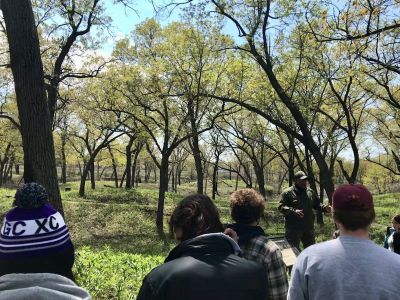
With Ranger Kip in the Black Oak Savanna at Miller Woods
After getting oriented at the Visitor Center, we set up camp and enjoyed a quick lunch of PB+J sandwiches and vegetables provided by Professor Jerrell. Our first event of the day was meeting Kipton Walton who works at the Paul H. Douglas Center for Environmental Education. Kip is an Interpretive Park Ranger at the Indiana Dunes. He’s been working here for over 20 years and has an extensive background in restoration, land management and environmental education.
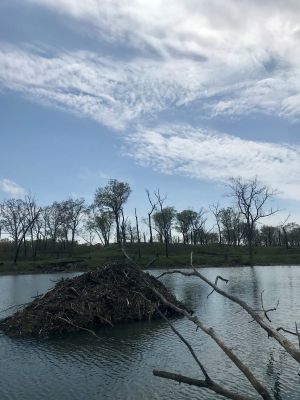
Beaver Pond in Miller Woods
Kip led us on a leisurely hike through the oak savanna, over rivers and past vernal ponds tucked between dunes. The park is home to deer, beaver, other small mammals, and a plethora of bird species including the great blue heron and green heron. We learned about how such variability in the physical landscape coupled with the area’s proximity to Lake Michigan has made it a prime location for tons of biodiversity. The park rangers burn the oak savanna on a yearly basis to control invasive plant species and provide more habitat for the less competitive native plants. He explained to us how anthropomorphic activity has caused some species to become seriously endangered for various reasons.
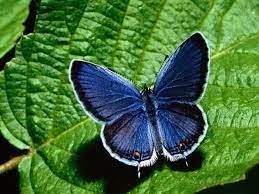
File Photo of the Karner Blue Butterfly
The Karner Blue butterfly is one of those species that cannot be found at the park anymore. Due to premature warming each spring, the snow that protects the butterflies eggs melts away before food is available, leaving the larvae to starve. Kip also told us about the two massive steel mills that share borders with the park. He said that they have been fairly responsible but still have unintended impacts on the nearby flora and fauna. We were very grateful that Kip could spend time teaching us about his passion for protecting and preserving nature. It was fascinating to be a witness to the real life impacts that climate change has already made on the wildlife and the surrounding ecosystem.
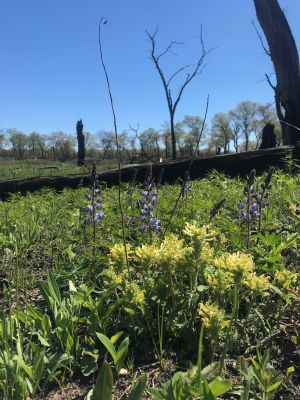
Lupine bloom just a month after a controlled burn in Miller Woods
 Global Education
Final retreat in Ecuador
 Global Education
Life on the ward
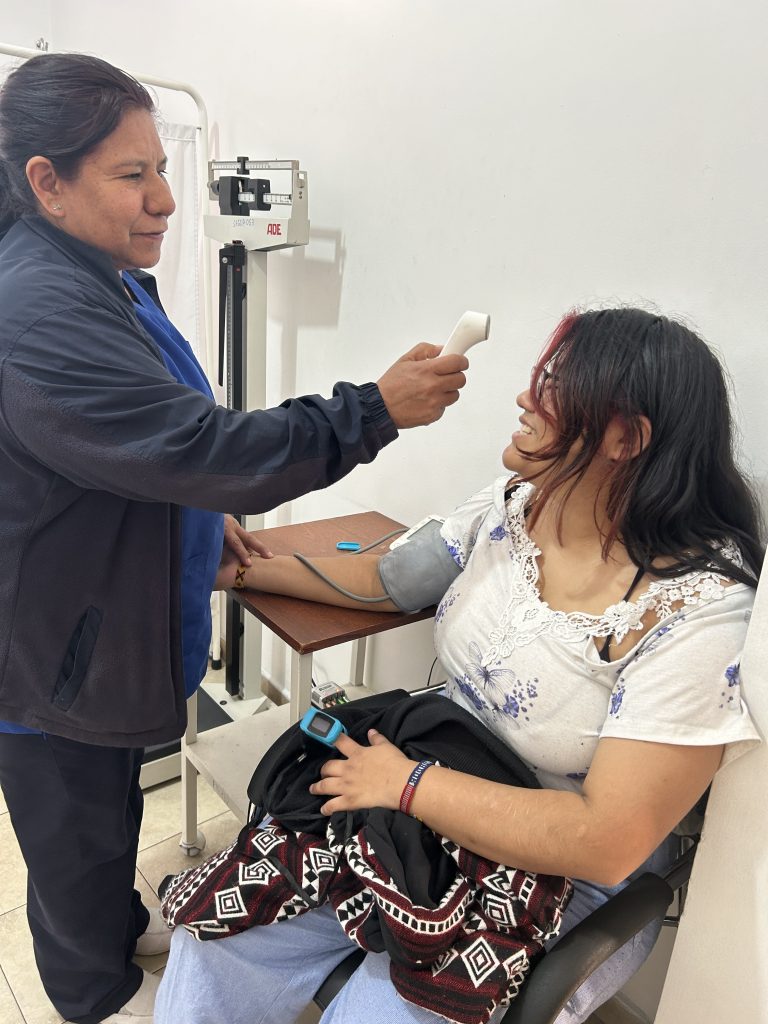
By Dayanara Aguirre-Mulato During my service placement at the municipal Centro Médico in Riobamba, I had the privilege to be able to work alongside other nurses. Day to day each patient comes in to register for their appointment and I…
 Global Education
Service visits: opportunities for connection in Ecuador’s “provincias”
By Hillary Harder During the Service term, leaders have the privilege of traveling to visit each student at the home and volunteer assignment where they are spending their time during the second half of SST. For us, that meant traveling…