Skip to Main Content

News

Feeding Strays – Empathy in Everyday Encounters

Jul 04 2025

One of the things I’ve noticed in Mindo, my service placement, is the overwhelming number of mixed-breed dogs. While many of them are undeniably adorable, their growing numbers are a direct result of a serious underlying issue; almost none of the street dogs here are spayed or neutered. Even many pets with homes aren’t fixed, which only worsens the cycle of overpopulation.

I also learned that many people from larger cities, like Quito, come to areas like Mindo to abandon their dogs. Whether out of desperation or neglect, this practice only adds to the growing population of strays struggling to survive.

It’s disheartening to realize how preventable this situation is. With access to basic veterinary care and more awareness about the importance of sterilization, the number of stray and unwanted dogs could be significantly reduced. Unfortunately, that kind of infrastructure just isn’t in place here.

It’s hard to witness because each of these dogs is a living, feeling being, deserving of care, safety, and dignity. And while they continue to multiply, the resources to help them don’t seem to be keeping pace.

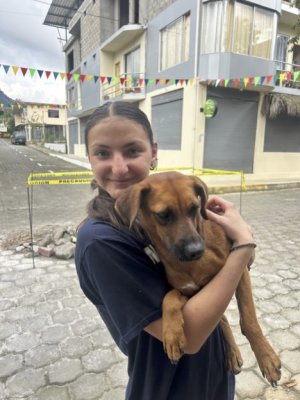
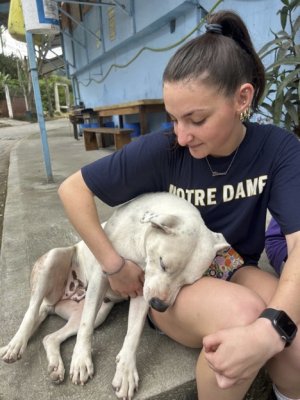
One of the dogs closest to my heart is Chiquita. Her story is heartbreaking. She once had a family here in Mindo, but they moved away and left her behind. Since then, she’s become a familiar presence in the neighborhood, living on the streets, but finding comfort in the routines of the community. Chiquita walks me to and from work almost every day, and she greets me and my host family most mornings as if we’re her own. Her loyalty and gentle spirit are both beautiful and heartbreaking.

We don’t know her full story but based on what we learned during a recent lecture on the street dog crisis and judging by her physical condition it’s likely that she was used for breeding and then abandoned once she was no longer “useful.” Sadly, this is a common fate for many female dogs here. Despite everything she’s been through, she’s incredibly sweet and craves human attention. She spends most of her time near a local bakery, often accompanied by another stray who seems to be her companion. The two of them stick close together, finding comfort in each other’s presence.

It’s clear she’s suffering physically; she constantly scratches and bites at her skin, leaving bald patches and open sores. It seems like a combination of untreated skin conditions and possibly fleas or mites, and it’s painful to watch her struggle without access to proper care.

Experiencing the culture of stray dogs here in Ecuador has deeply affected me more than I ever expected. It’s going to be incredibly difficult to leave after forming real connections with so many of these dogs.

It’s a cultural norm that contrasts sharply with what I’m used to in the U.S., where I’ve always been able to pick up strays, care for them, and help find them homes. Here, the sheer number of homeless dogs makes that kind of individual intervention almost impossible. And while many Ecuadorians are kind and do what they can, the systemic support just isn’t in place, there aren’t enough shelters, and spay/neuter efforts are limited in many areas.

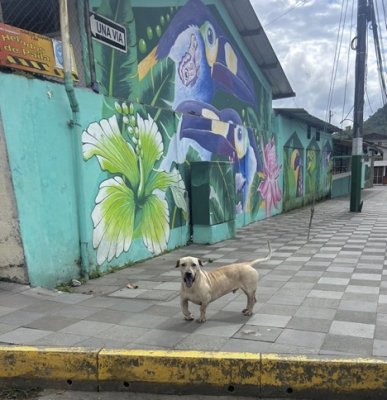
It’s a harsh reality, and one that’s difficult to witness up close. These dogs are everywhere; sleeping under benches, following people in hopes of food, trying to survive another day. It’s a part of Ecuador that often goes unnoticed by tourists, but one that has left a lasting impression on me. I only wish more could be done to help them because they all deserve a chance at a better life.

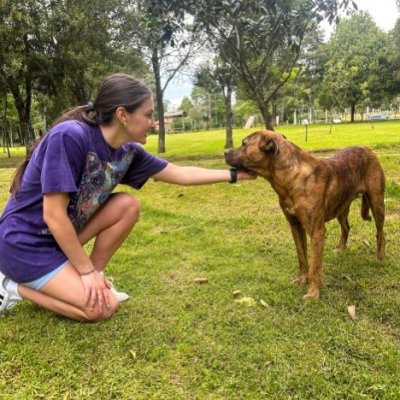
It’s difficult to see so many dogs like Chiquita living without homes, especially when they show so much affection despite having been let down by people. I wish I could take every single one of these dogs in, give them the medical attention they need, and offer them a safe, loving home. It’s a helpless feeling, seeing such kind and gentle animals living in such harsh conditions, but I’m trying to do what I can, even if it’s just through small acts of care and compassion. They deserve safety, love, and a place to call home. While I wish I could do more, for now I’ve been buying food and feeding them whenever I can. It’s a small gesture, but it’s helped me form unexpected bonds with some incredibly sweet and resilient pups.

  • Study Abroad

    A Visit to Narnia: Dunluce Castle

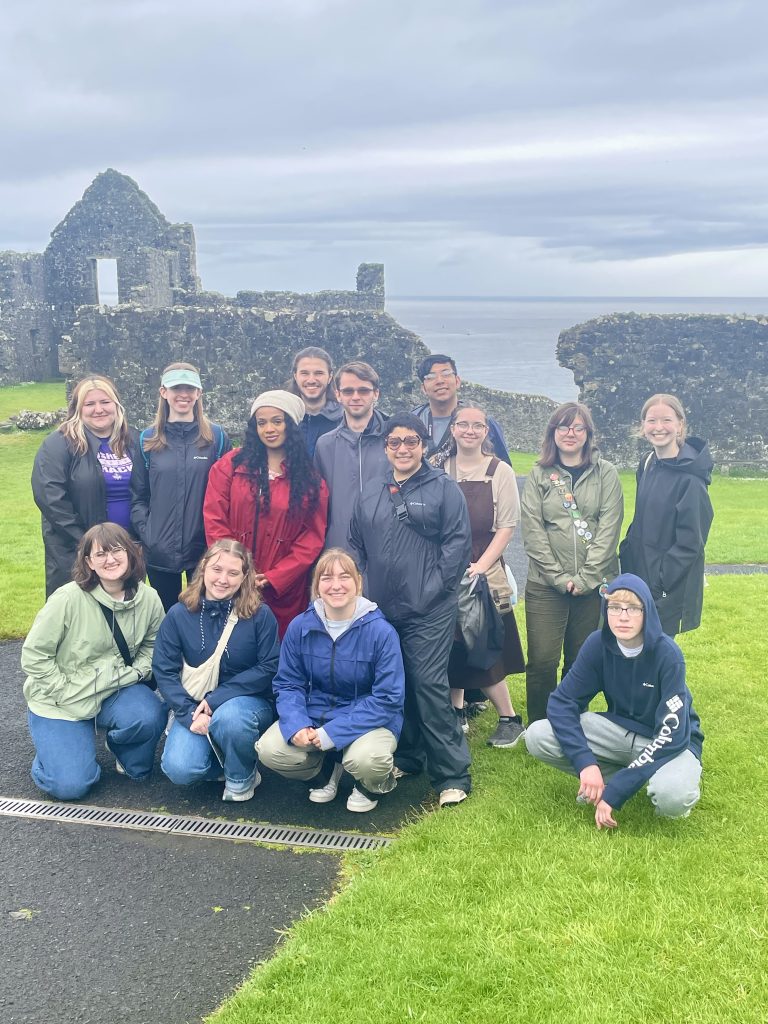
    To begin our second full week here in Northern Ireland, we set out for Dunluce Castle on a rainy Monday morning. Our journey began with our daily walk to Ballycastle to catch the bus. From there, our Translink bus drove...

  • Study Abroad

    Life at Corrymeela

    When we first arrived, the cliffside view of the coast reassured us that we were really here! Now on days when we don’t have any other excursions, we’ve settled into Corrymeela’s morning schedule of 8:30 breakfast (which always includes fresh...

  • Study Abroad

    First Translink Trip: Giant’s Causeway

    On Friday, May 29th, after making the 30-minute trek from Corrymeela to downtown Ballycastle, we made our first voyage using Northern Ireland’s location public transportation system TransLink.     After Jessica purchased 17 tickets we took our seats on the...