
Sustainability at Goshen College
Goshen College has been recognized as a leader in the field of sustainability among small liberal arts colleges.
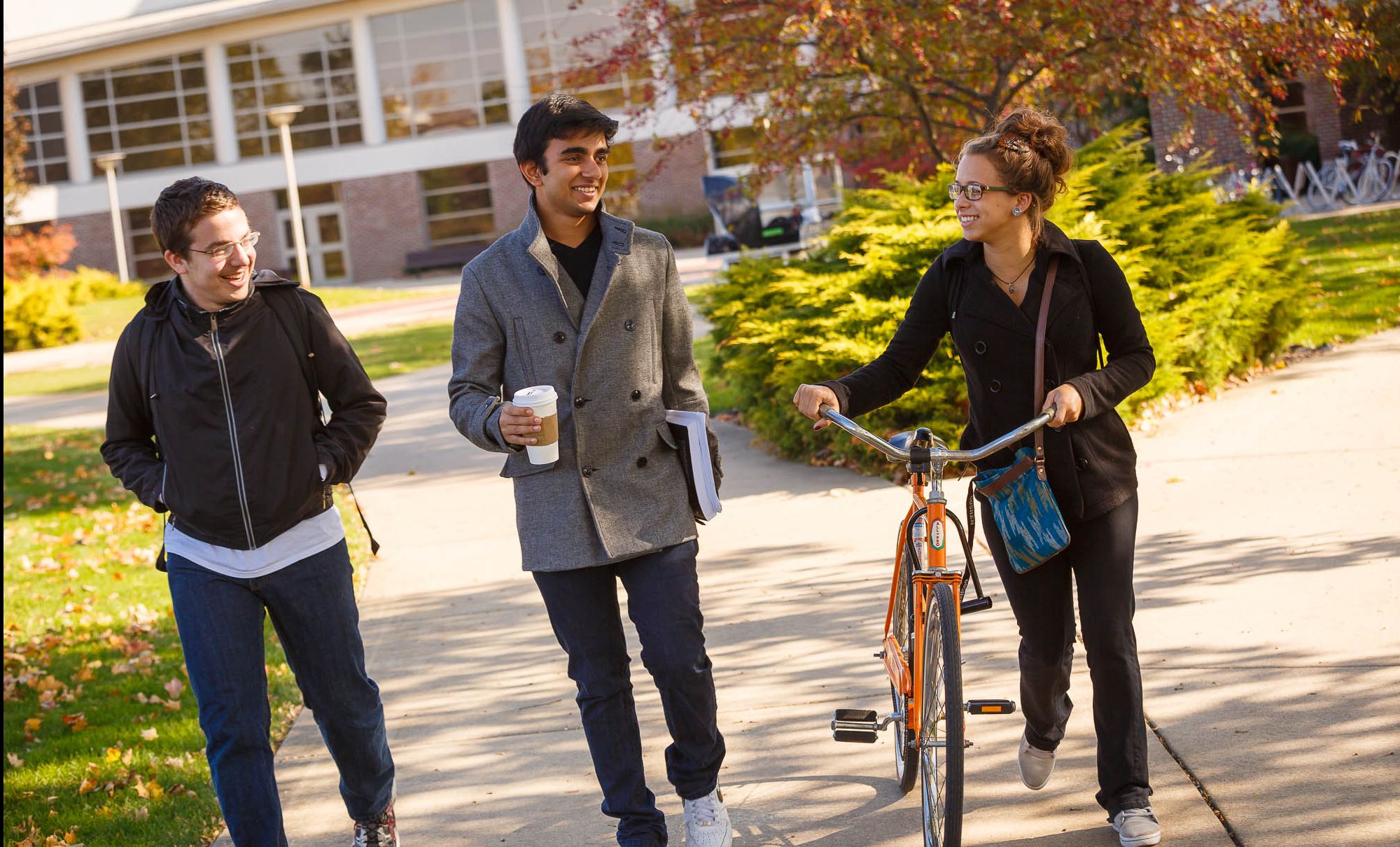
We are a community of scholars committed to working for restorative and hope-filled solutions to our world’s sustainability challenges. We are looking for students who share our passion for restoring right relationships with each other and creation. We hope you join us.
Academic Programs
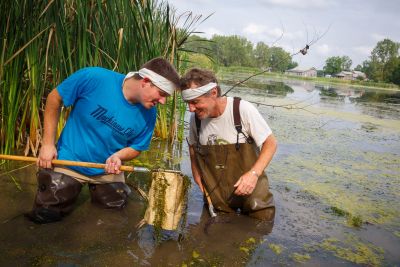
We offer majors in environmental & marine science, sustainability management, sustainability studies and sustainable food systems! Also, check out our master’s program and more!
Green Campus Initiatives
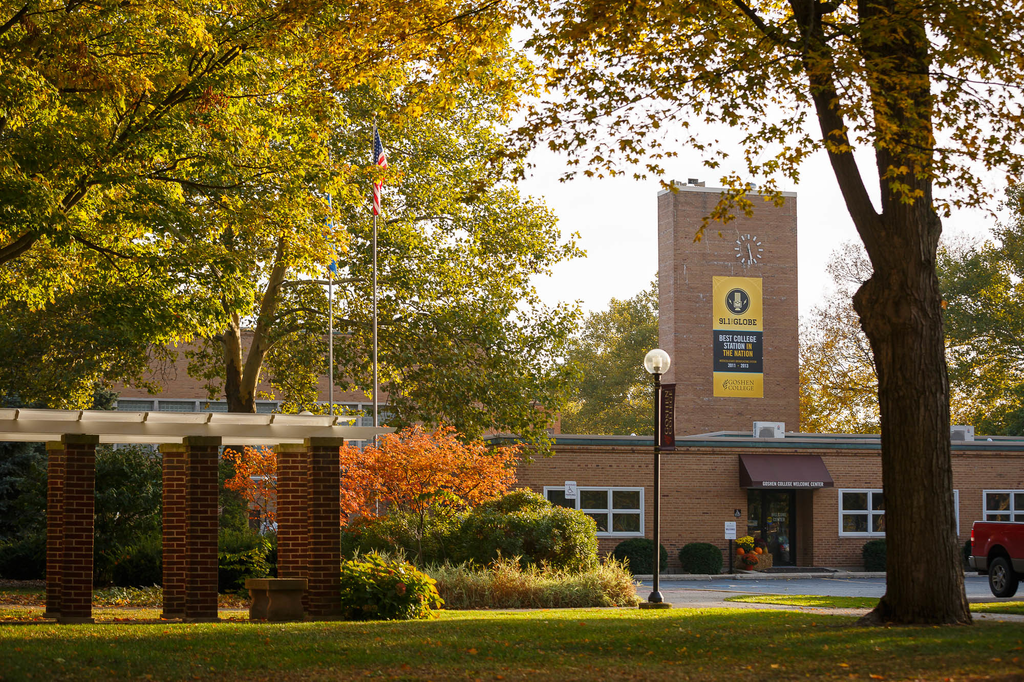
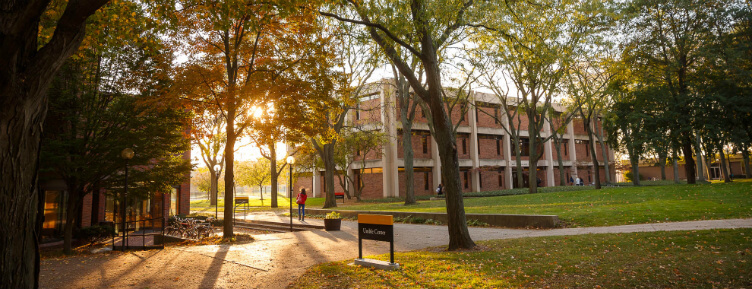
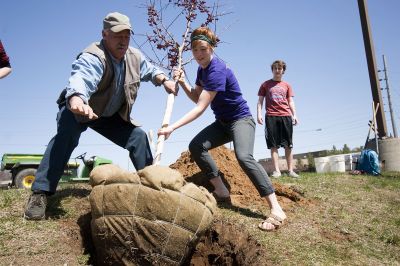
In recent years we have taken numerous steps to reduce our carbon footprint: converting 20 percent of lawn space to native plants and prairie restoration, adding a huge solar array to the roof of the Recreation-Fitness Center, and purchasing 100 percent of campus electricity from renewable sources. And that’s just the tip of the iceberg.
Get Involved
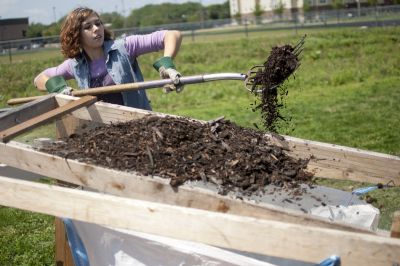
At Goshen College, students have initiated all sorts of green projects on campus. Join our environmental club, EcoPax, volunteer with our student-led composting program, plants trees on campus, research with the Algae Town project, oversee controlled burns of the campus’s native prairies, and much more!
Where will you study?
The Merry Lea Environmental Learning Center is a 1,189-acre natural sanctuary located 35 minutes from the main campus and offers access to most of the habitats found in northeastern Indiana. It is home to the first LEED Platinum certified buildings in Indiana.
News & Features

Marcos Stoltzfus '06 named director for the Iain Nicolson Audubon Center at Rowe Sanctuary
Marcos Stoltzfus claims he’s a “geek for nonprofits.” The friendly, easy-going Stoltzfus, 40, is keen on science, the environment and people, too.
Goshen College professor awarded Fulbright fellowship for sustainability research in Indonesia
Dr. John Mischler, associate professor of sustainability and environmental education, has recently been honored with a Fulbright fellowship.
Alumni Spotlight: Q+A with Ben Beachy '04 from the White House
Since November 2024, Ben Beachy has worked in the White House as a Special Assistant to President Biden for climate policy, industrial sector and community investment.
Environmental economics research in practice: Carbon onsetting
Professor of Economics Jerrell Ross Richer ’85 has been at the forefront of revitalizing the global economics minor at Goshen College, infusing it with a focus on climate change and sustainability.
Goshen College receives gift to advance climate change and sustainability initiatives
Goshen College has received a contribution that will help support the college’s environmental commitments. This anonymous commitment, totaling $50,000 annually, will fund climate initiatives at GC and is earmarked for two key areas: Study-Service Term (SST):