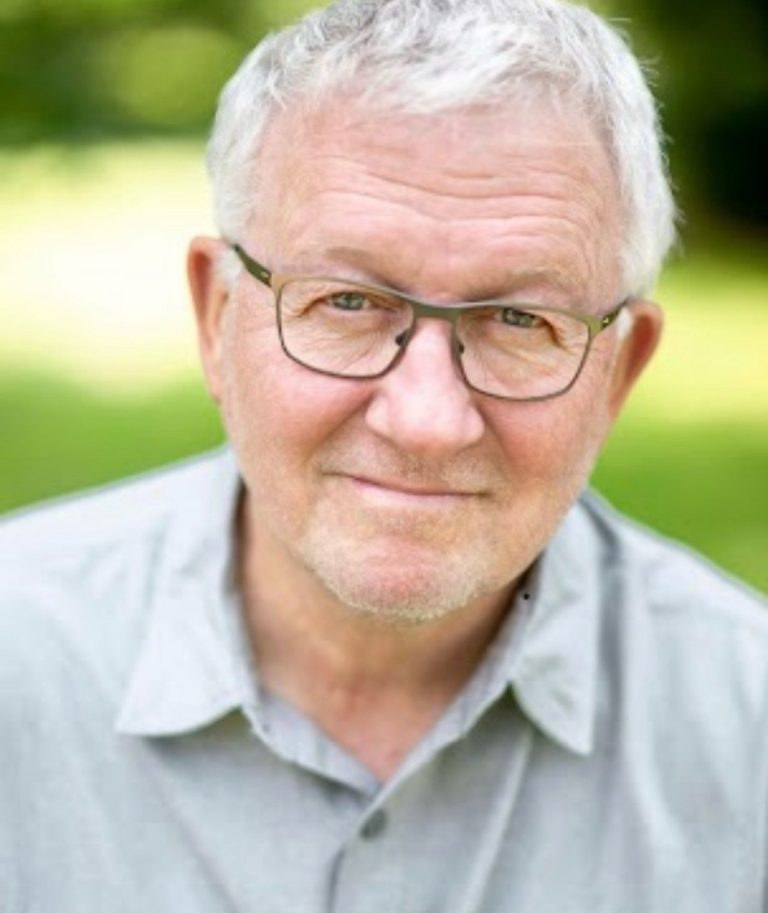
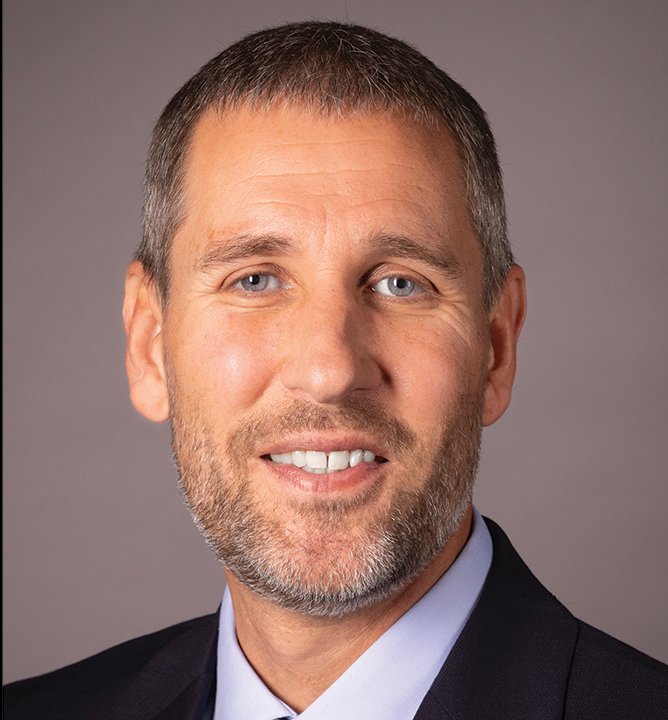
An Interview with Keith Ratzlaff
(November 2005)

In reading your poetry, your endings always leave me wanting more. Particularly in your work included in A Cappella, you conclude in simple, stark, occasionally self-conscious words. I was particularly struck by the conclusions of "Necessity" and "Dill." Do you focus particularly on your endings, or do these just seem to happen?

I need poems to sound as if they end. That means a cadance or rhythm of some sort, although the ways to get that cadance are endless. The "Necessity" ending is one of the oldest, most satisfying (and some would say cliched) cadances we have in English: the repetition of units of three. I didn't plot out that I wanted to end the poem with three simple, declarative sentences, but there obviously needed to be some sort of strong answer to the false, soothing lies the crabapple was telling. I wanted to emphatically say "No. No. No."

The ending of "Dill" was an accident. From the earliest drafts of the poem to the latest, the ending was "This isn't a lament." I guess I'd wanted to end the poem with a kind of misdirection or negation of the terrible idea that I could conceive of my mother's death. (She's alive and well and 89 years old, you might want to know.) But finally in one draft of the poem I think I realized that wasn't an ending that could stand up in the weight of the evidence the poem kept asserting. So I scribbled in "OK, it is" and I realized I had the real ending--actually something that misdirects and negates the misdirection and negation of the previous sentence. I didn't realize it at the time, but the last line is also nearly perfect iambic pentameter. That sounds like an ending to me.


What do you consider the most difficult aspect of writing poetry? What is the most rewarding?


The most difficult aspect of writing poetry is writing poetry. I mean the literal job of a writer--sitting at the desk and getting the work done. There's not much monetary reward for this kind of work, and on a macro level our culture seems it could care less if there are poems in the world.

The most rewarding part of writing poetry is writing poetry. I mean the surprise and delight of getting the work done. When all the cylinders are firing there is great joy in watching the words come together (and I say "watching" because often it seems as if the poems come from some place other than from "me"--whoever that is) out of the real chaos that is the self at any one moment.


Do you have specific plans related to poetry for your near future?
What projects are you currently pursuing?


I've got four or five poetry readings to give this spring and a couple of related activities, but the specific plans are always how to find the time and will to get back to the desk and do the work.

Right now I'm reading Chinese poetry and seeing what I can learn about voice and image from them. I've got another manuscript that's nearly done and needs to find a publisher.


Do you have a favorite volume of poetry or, more specifically, a favorite poem?
If yes, which one and why?


It's impossible to select a favorite volume of poetry. I can, though, think of a couple of books that have been important to me as a writer. William Kloefkorn's Alvin Turner as Farmer was the first real book of poetry I think I read cover to cover. Kloefkorn was (and is) Nebraska's state poet and I wanted to be able to say the kinds of things he said about the people and landscape in my part of the world. More recently, Gerald Stern's This Time: New and Selected Poems has become a volume I go back to again and again to refresh my idea about what the single, lyric voice can do.

My favorite poem is equally difficult to choose. The poem I've taught the most over the past 20 years is William Stafford's "Travelling through the Dark." I love the poem for it's subtle technical control and the knowledge it possesses about the terrible and inevitible choices we have to make to be human


Who do you consider your favorite poet? Why are they your favorite and how has their work influenced yours?


Gerald Stern, WS Merwin, Bob Hicok, Jeff Gundy, Anne Sexton, Tu Fu, Kevin Stein, Walt Whitman, Adrianne Rich, Dean Young, Ferderico Garcia Lorca, Christopher Smart, Ellen Bryant Voigt, Mathea Harvey, Louise Gluck, and about a hundred others are my favorite poet. Every one of them has taught me more about how to write poems.

Ben Noll
Ben Jacobs


Login Button