Adult Programs
Pursue one of our adult programs
We strive to help our working adult students reach their goals and advance in their careers. Learn about our adult-focused bachelor’s degree completion programs, licensure preparation programs and non-credit continuing studies programs.
Goshen College offers a 10% discount on tuition for post-baccalaureate programs to alumni that have earned a bachelor’s or master’s degree from Goshen College. Learn more at goshen.edu/discount
Application deadlines for Fall 2024 start:
| RN to BSN | July 15, 2024 |
| Social Work | July 15, 2024 |
| Communication | July 15, 2024 |
| Business Management | July 15, 2024 |
| Transition to Interpreting | July 15, 2024 |
| Transition to Teaching | July 15, 2024 |
| English Learners License | July 15, 2024 |
Bachelor of Science Degree Completion Programs
RN to BSN (online)
Fast track bachelor’s degree completion for registered nurses with an associate’s degree in this online program.
Learn More
Business Management (online) – NEW
The online Business Management program is designed to fit with your busy life as a working adult and help you complete your bachelor’s degree.
Learn More
Social Work
A fully-accredited bachelor’s degree with a Social Work major is available primarily through in-person evening classes.
Learn More
Communication
A fully-accredited bachelor’s degree with a Communication major is available primarily through in-person evening classes.
Learn More
Your goal isn't just a degree.
It's a career. And a calling.
A way to find joy, meaning and advancement in the workplace.
Licensure Preparation Programs
Transition to Teaching Program (online and onsite)
This daytime or online program allows bachelor’s degree graduates from any college to transition into teaching. After a year and a half of classes and field experiences, you will be ready to be licensed and begin your career in the teaching profession.
Learn More
Transition to Interpreting Program (online and onsite)
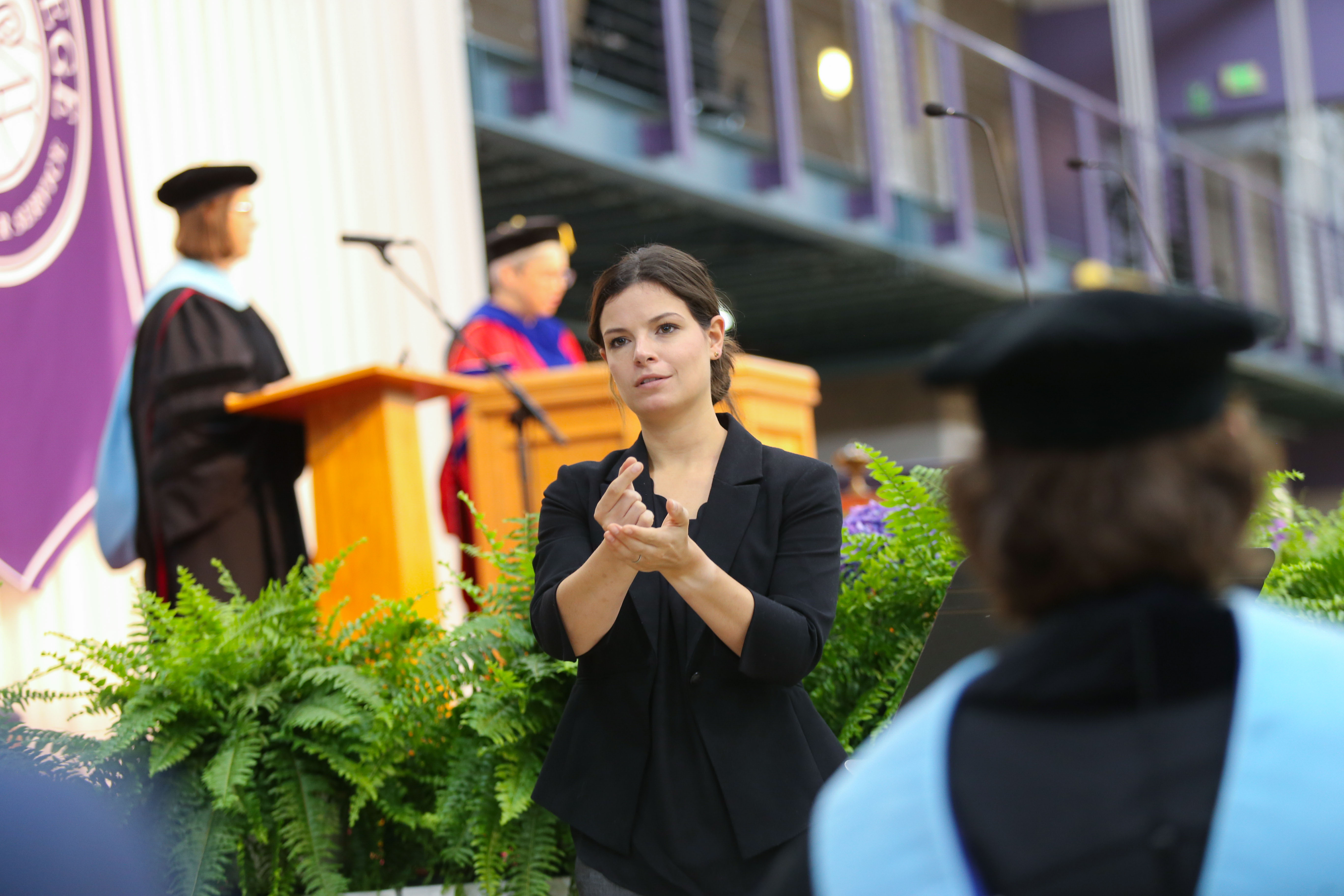
Our Transition to Interpreting program allows bachelor’s degree graduates from any college, who also have ASL proficiency, to transition into sign language interpreting. After a year and a half of classes you will be ready to be licensed and begin your career in interpreting.
Learn More
English Learners (EL) Licensure Add-On (online)
This convenient and affordable one-year program, which addresses all of the state’s EL content standards for educator preparation, is designed with the full-time teacher in mind: a manageable course load, classes that meet online only one evening per week and fieldwork assignments that can be carried out in your existing classroom and school.
Learn More
-
80 %Graduation Rate in Adult Programs
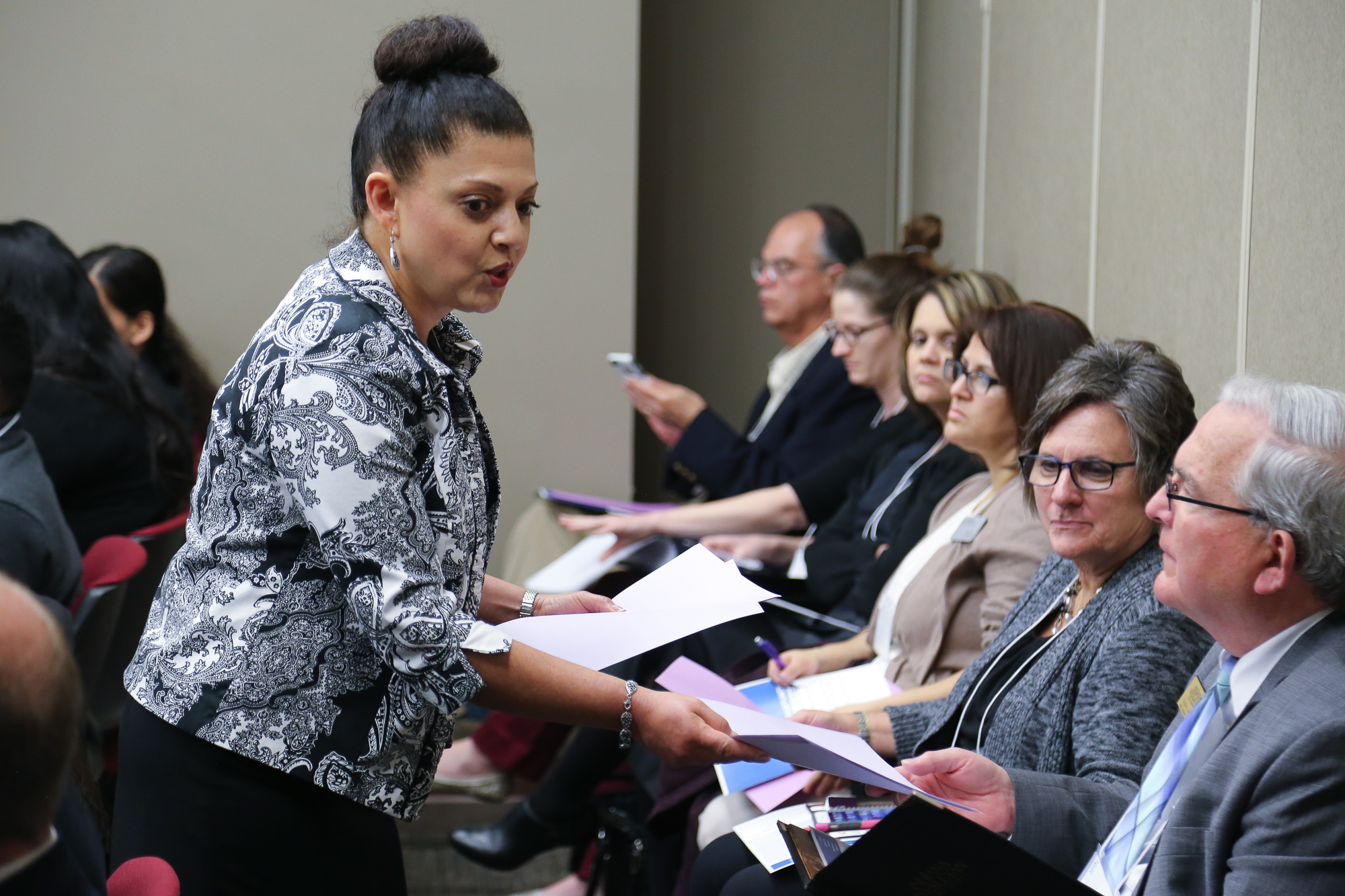
Professional Development & Continuing Studies (non-credit)
Adult English Language Classes | Clases de Inglés para Adultos
Do you want to learn English? Goshen College offers adult English language classes for various levels. The classes meet three times a week in the evenings for 16 weeks. Participants who complete the class requirements receive a certificate of completion.
Learn More
Adult Spanish Language Classes (NEW!)
Do you want to learn Spanish? Goshen College offers adult Spanish classes for various levels. The classes meet two times a week in the evenings for 16 weeks.
Learn More
Lifelong Learning Institute
Goshen College and Greencroft Goshen Community Center offer stimulating and affordable short courses in many fields for active seniors. Courses are offered in fall and spring, in addition to a midwinter lecture series.
Why study at Goshen College?
Here's why, in a word.
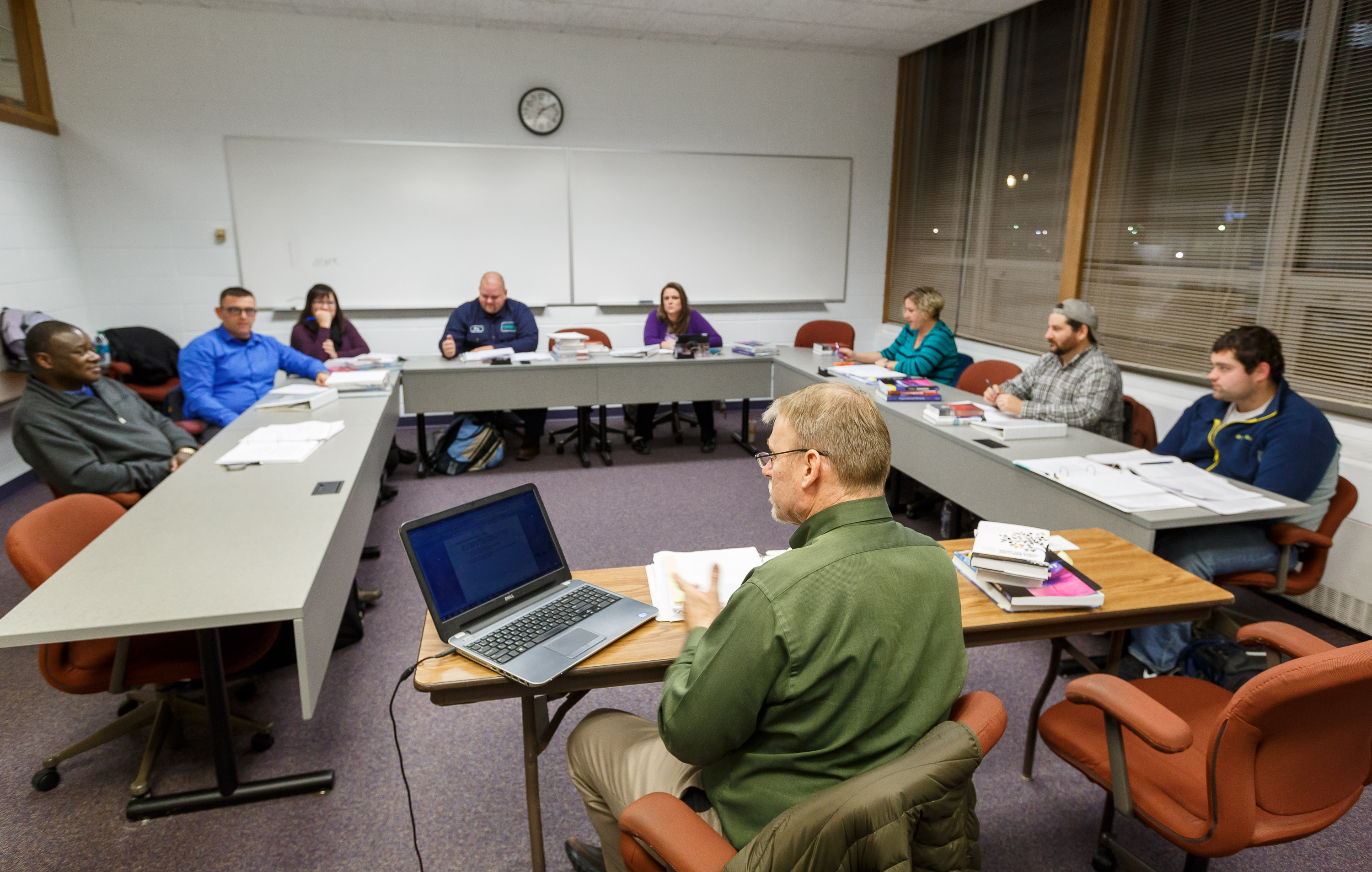
Convenience and flexibility are our signatures. Our programs are designed for working adults. Our learning model allows you to enhance your skills and finish your bachelor’s degree in evening classes that meet only one night per week.
You’ll be surprised by how affordable we are. Most of our students are eligible for financial aid. You can’t afford to waste money or time—that’s why we have multiple payment options to suit your needs and there are no hidden fees. “For me, it was three to six thousand dollars cheaper to come here than to go to a public college.” — Current Student
You’ll benefit from an accredited and highly respected college.
Goshen College is consistently ranked among the best liberal arts colleges and best colleges for working adults in the country. We have the reputation, faculty quality and history of student success you are looking for.
You’ll appreciate the personalized attention, small classes and individual advising.
A caring learning community will walk with you on this journey.
“We still get together periodically, and I think that’s what made the program for me.” — Current Student
You’ll be well prepared by our career-centered approach.
We believe hands-on experience can be as valuable as classroom learning, so we’ll help you get college credit for your real-world knowledge. We also incorporate practical experience into the classroom to help you navigate today’s complicated workplace.
“I wouldn’t have felt like I could’ve gone for the job I did if it weren’t for this school that has helped me be confident.” — Current Student
An intercultural education will prepare you for thriving in the 21st century. In today’s work environment, managers trained to lead diverse workforces will be increasingly in demand.
It’s very achievable. Goshen College has an 80% graduation rate in our adult programs.
Contact Us
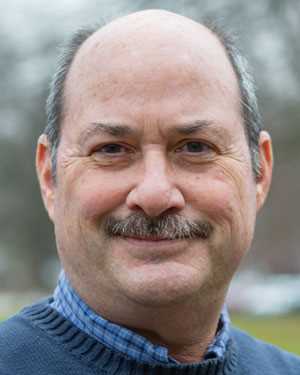
Maynard Miller Adult & Graduate Admissions Counselor
Mailing Address:
Adult & Graduate Programs
Goshen College
1700 South Main Street
Goshen, Indiana 46526
E-mail: adult@goshen.edu
Phone: (574) 535-7535 or (844) 704-3400
Fax: (574) 535-7609
Location on Campus:
Administration Building, located on the first floor. Get map and directions.
Student Reporting
Distance education students residing in other states may contact the Indiana Commission for Higher Education concerning complaints after having completed the institution’s student complaint process.